Housewares Guide

Housewares Guide

Home Gear Reviews & Buying Guides

Compare home gear by use case, features, trade-offs, price, returns, and seller terms before you buy.

Buying guides

Buying guide image
Mirrors, Wall Decor & Decorative Accessories

Metal Wall Art

Metal wall art spans laser-cut steel silhouettes, stamped tin signs, and hand-welded iron sculptures—the core trade-off is gauge thickness and finish quality versus decorative-only lightweight sheet. Choose powder-coated or rust-proofed 16-gauge or heavier steel for living spaces; reserve thin 30-gauge tin and uncoated iron for sheltered indoor accents.

Buying guide image
Mirrors, Wall Decor & Decorative Accessories

Metal Wall Decor

Metal wall decor spans printed tin signs, laser-cut steel silhouettes, and cast or welded sculptures, where the primary trade-off is decorative thin-gauge steel versus structural thickness that resists bending and weather. The decision rule: choose 0.4mm-plus powder-coated steel or 16-gauge plasma-cut art for indoor feature walls and covered porches, and step up to 2mm-plus welded or stainless construction for exposed outdoor and coastal use.

Buying guide image
Laundry & Garment Care

Laundry Hamper With Wheels

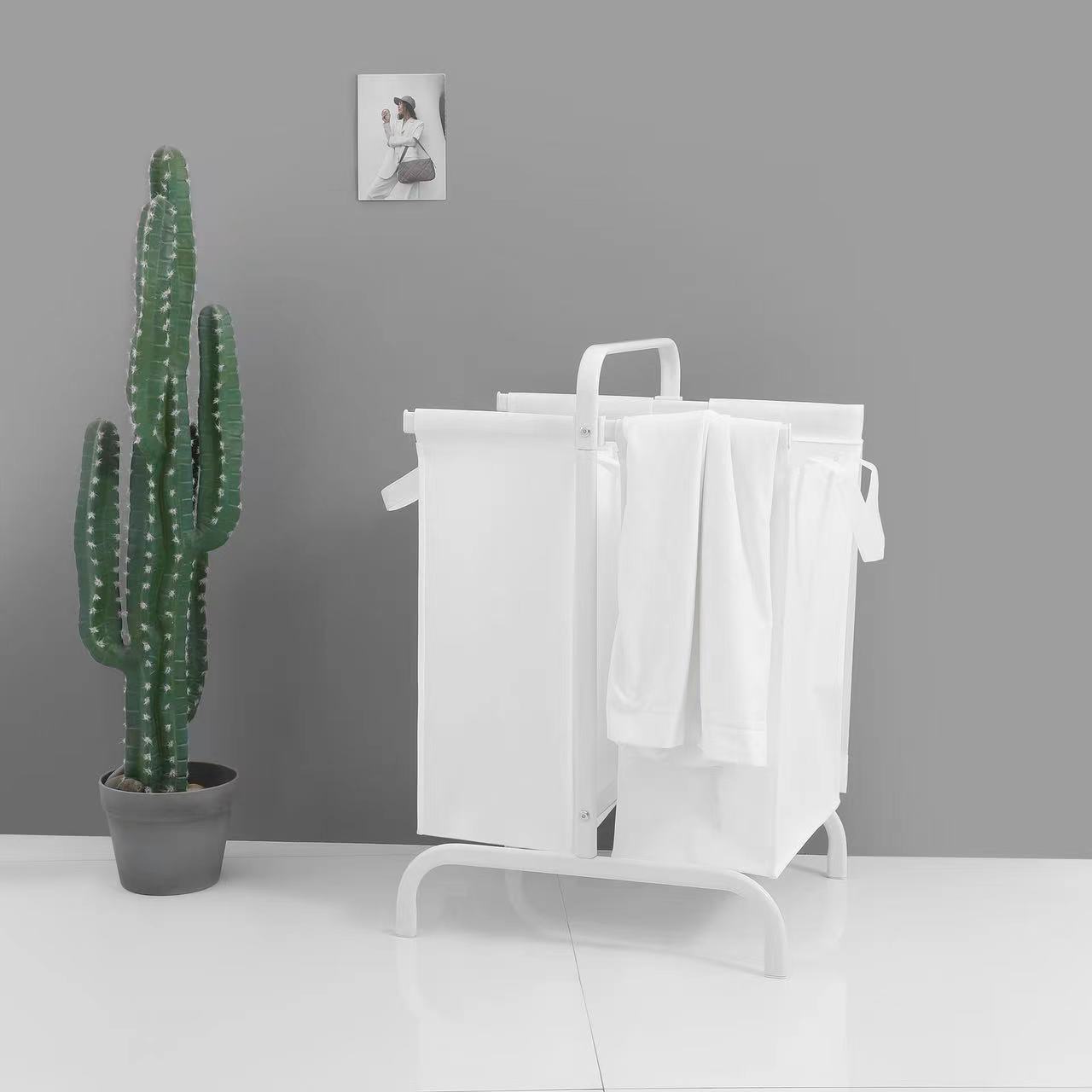
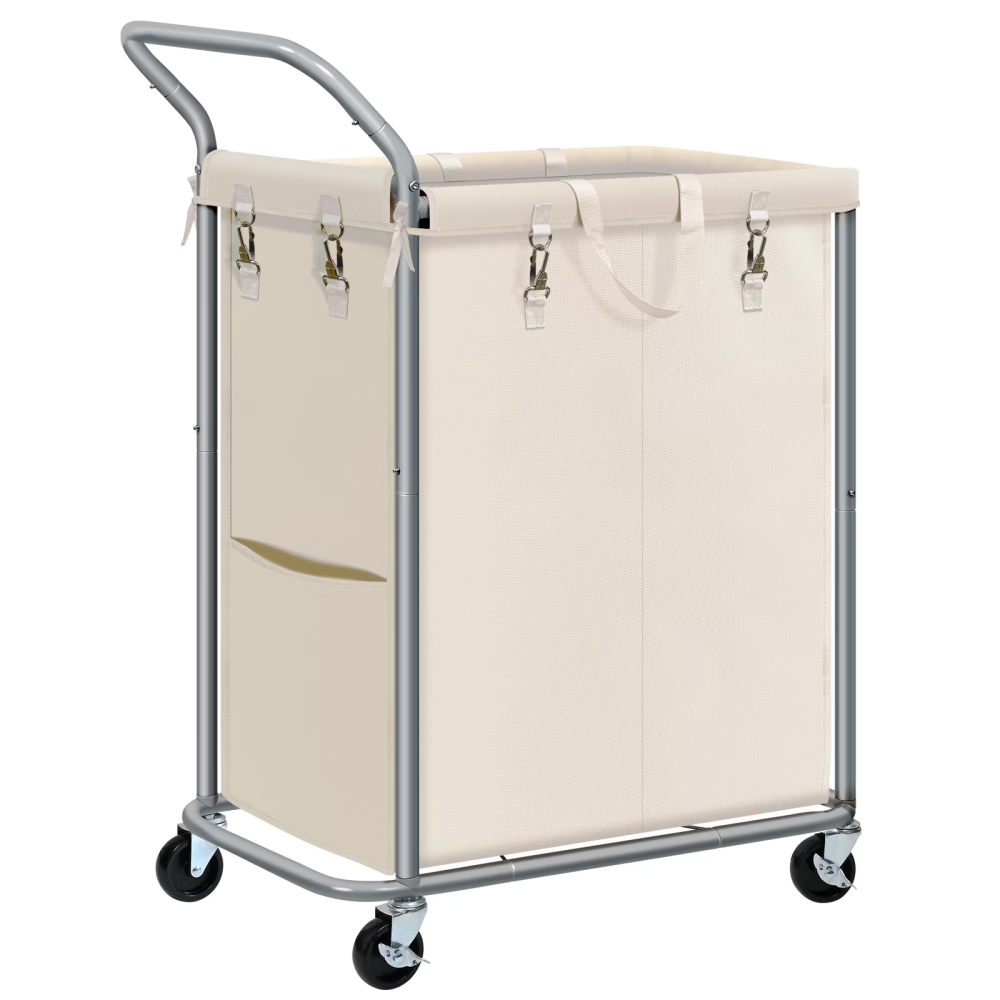
A wheeled laundry hamper eliminates the haul-and-lift routine, but rolling performance depends on caster quality, frame rigidity, and bag attachment. Sizing the bin to your weekly wash volume and door thresholds matters more than decorative style. Skip fabric-only totes if you regularly move loads across carpet or between floors.

Buying guide image
Laundry & Garment Care

Laundry Hamper With Shelves

A laundry hamper with shelf combines dirty-clothes storage with a secondary shelf or sorting tier, so durability hinges on frame material and bag attachment quality. The core trade-off is between soft fabric bags (light, collapsible, but sag-prone) and rigid frames (steel, bamboo, or plastic) that hold shape under load. Choose a rigid frame with replaceable bags if you sort laundry regularly; skip open fabric sacks if you need structure or shelf load-bearing.

Buying guide image
Bedding, Linens & Home Textiles

Sheet Set

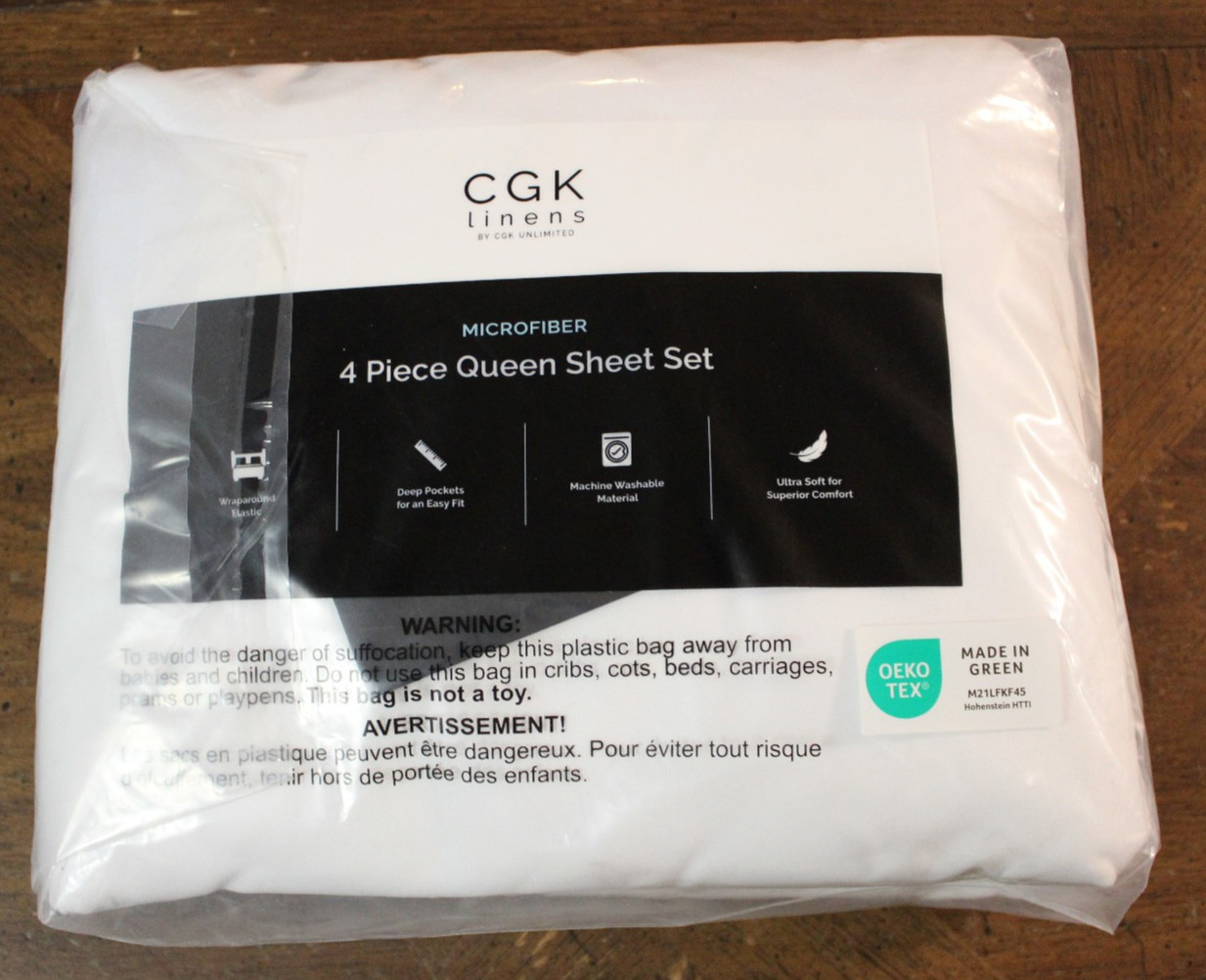
A sheet set is a coordinated bedding package — typically a fitted sheet, flat sheet, and one or two pillowcases — where the real trade-off is fabric quality and weave versus sticker price, not thread-count marketing. Durable sets use long-staple cotton (percale or sateen), linen, or bamboo with elasticated deep pockets; compromises are brushed microfiber and loose-weave blends that pill and trap heat. The decision rule: buy the fabric and pocket depth that fit your mattress and sleep temperature, and treat inflated '1800 series' labels as noise.

Buying guide image
Mirrors, Wall Decor & Decorative Accessories

Mirror With Lights

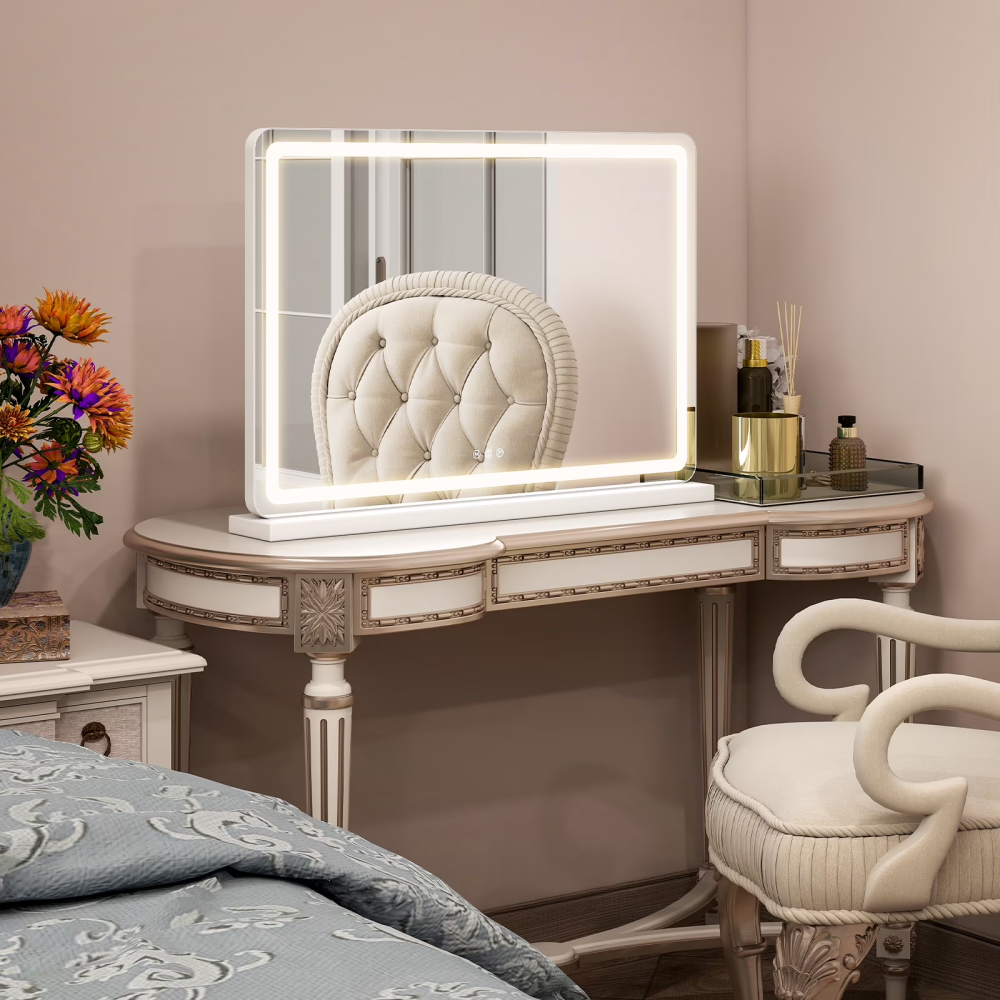
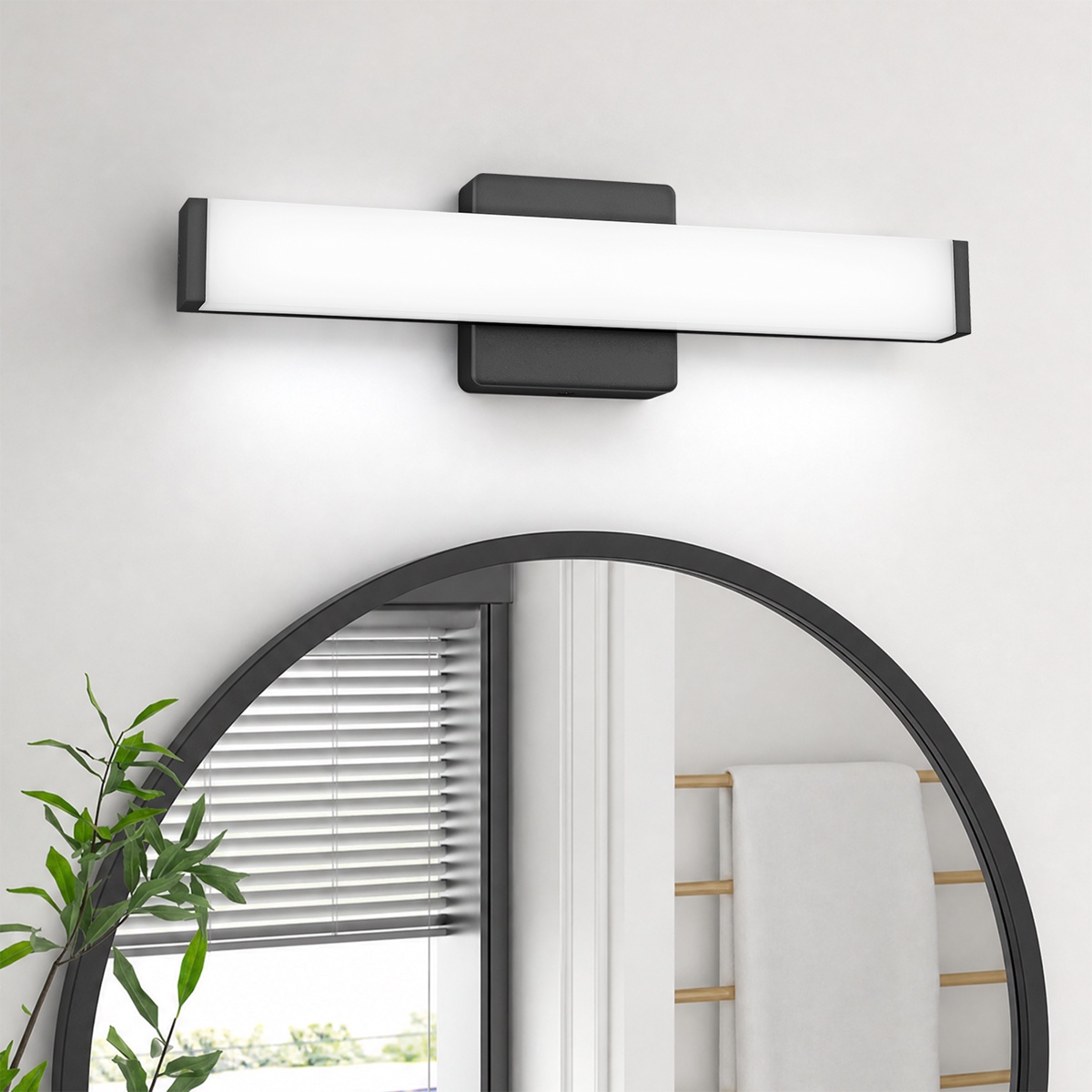
A mirror with light integrates LED illumination directly into the reflective surface or frame, eliminating shadows for grooming, makeup, and bathroom tasks. The core trade-off is between compact magnifying mirrors (portable, high magnification, battery-powered) and large wall-mounted vanity mirrors (broad coverage, hardwired or plug-in, dimmable color temperatures). Choose a hardwired or high-capacity rechargeable model with at least 1,200 lumens and a CRI of 90+ for daily grooming; skip low-lumen battery pucks that dim within weeks.

Buying guide image
Bedding, Linens & Home Textiles

Comforter

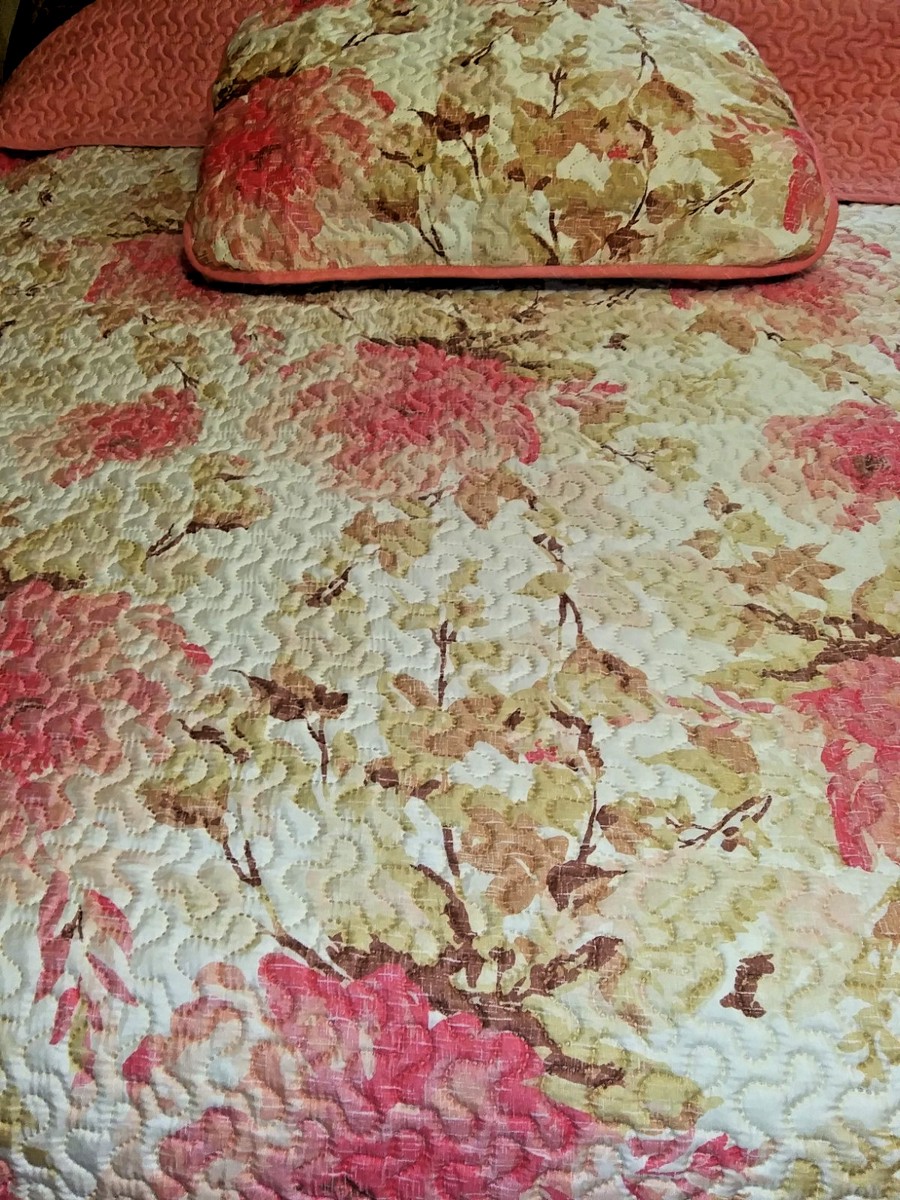
A comforter is a filled, quilted bed cover that provides primary warmth without a duvet cover, available in synthetic or natural fills and sold either as a standalone piece or bundled with shams and sheets. The core trade-off is fill quality versus cover durability: down and down-alternative offer loft and breathability but demand tighter-weave shells to contain fill, while polyester clusters and bonded fiber are cheaper but flatten faster and trap heat. The decision rule is simple: choose based on fill power and shell thread count for standalone comforters, and on piece count and GSM (grams per square meter) when buying bed-in-a-bag sets, because bundle fabric is routinely lighter than standalone shells.

Buying guide image
Fans, Heaters & Humidifiers

Flush Mount Ceiling Fan With Light

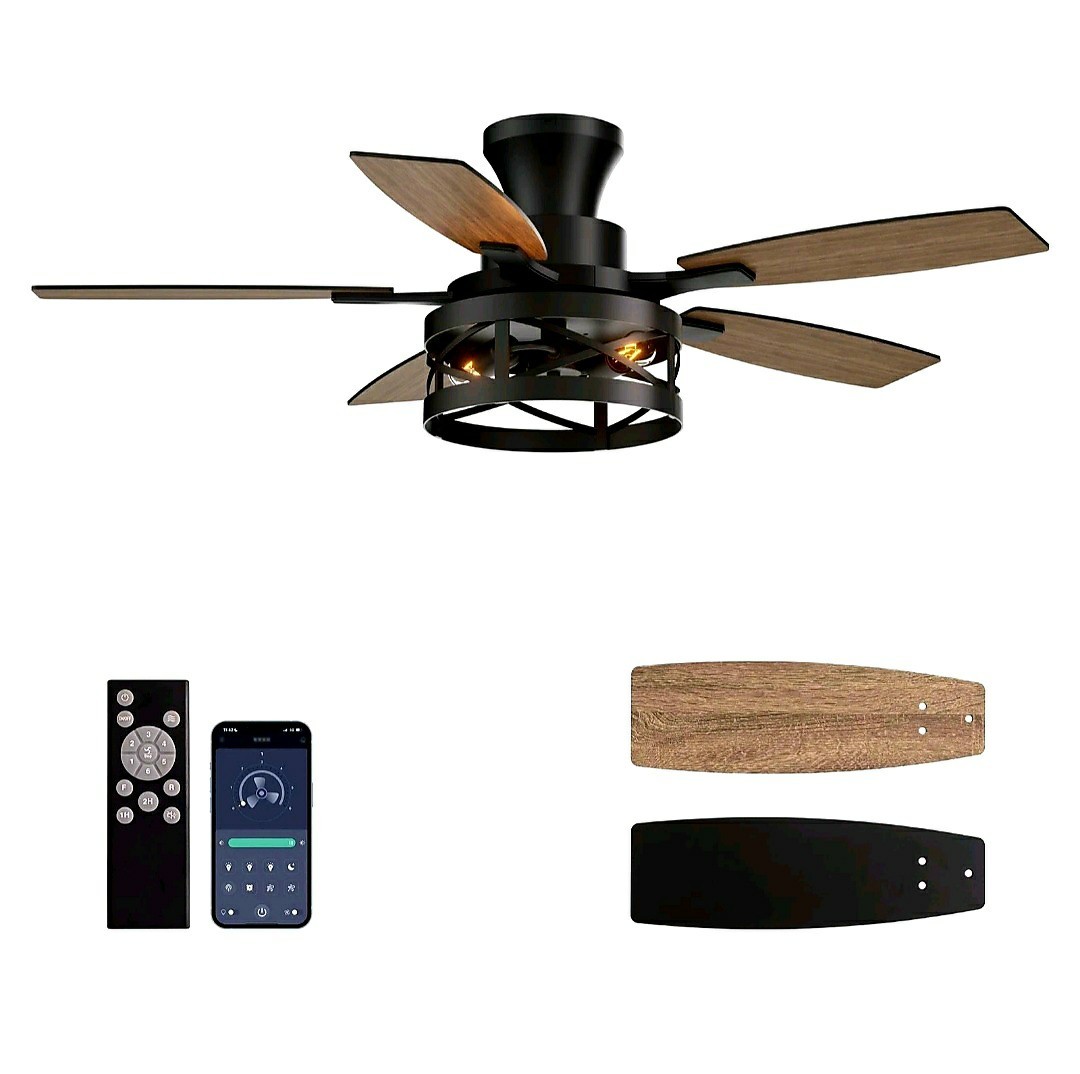
Flush mount ceiling fans with lights combine a low-profile air mover and integrated luminaire into a single fixture that hugs the ceiling, making them the default choice for rooms with 8-9 ft ceilings or low basement/loft clearances. The core trade-off is motor type and build: DC motors deliver quiet, efficient, reversible 6-speed operation, while AC motors are cheaper but noisier and less efficient; housing material (steel vs. thin stamped metal) and glass vs. acrylic shades determine long-term wobble resistance and light diffusion. Buy a DC-motor model with a sealed/damp-rated housing and a dimmable LED array for permanent installs; skip bare-bulb cage fixtures and unbranded AC units for primary living spaces.

Buying guide image
Rugs, Curtains, Blinds & Window Treatments

Curtain

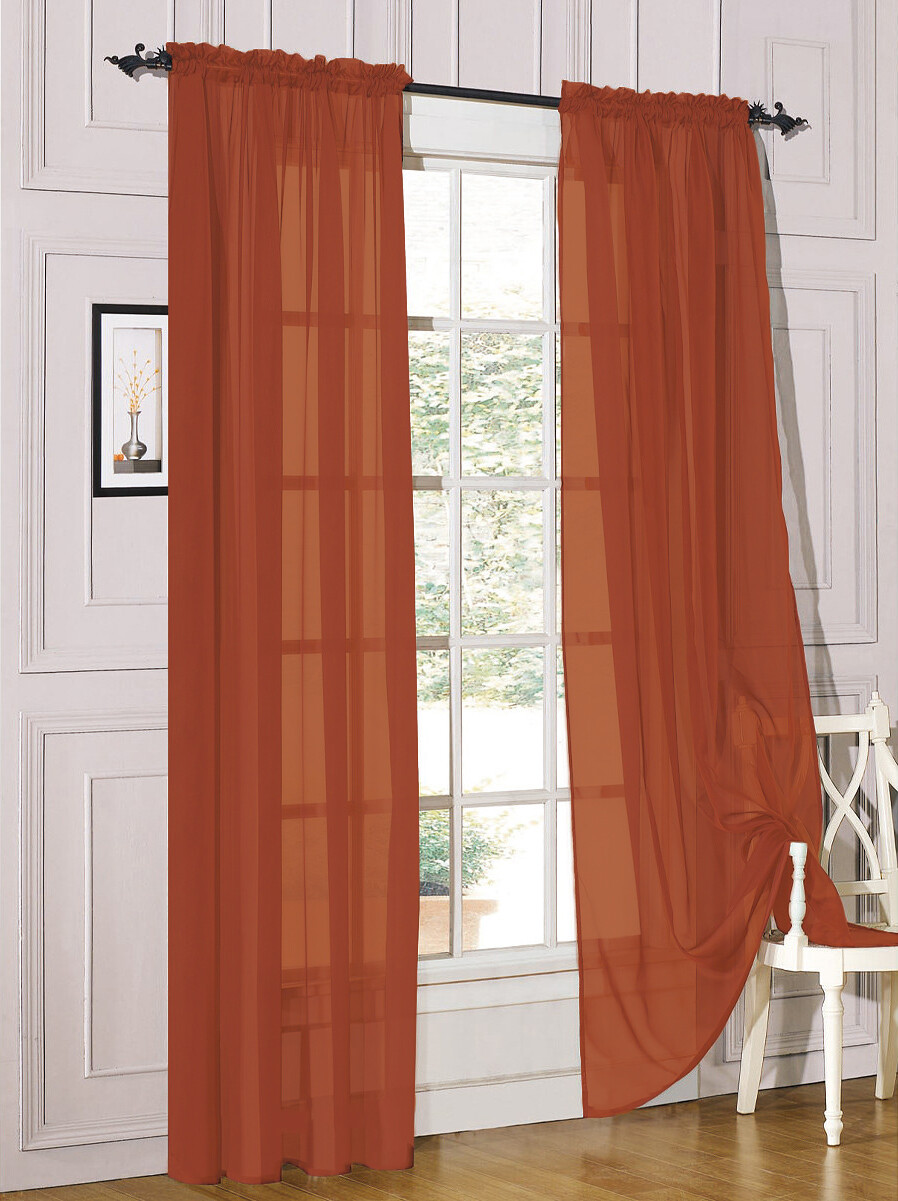
Curtains are a functional window treatment where fabric construction, header style, and light-blocking capability determine both privacy and thermal performance. The core trade-off is between opaque blackout or thermal weaves that insulate and darken versus sheer voile panels that diffuse light but offer minimal privacy. Choose by header hardware and measured coverage first: rod-pocket and grommet panels are not interchangeable, and a single panel rarely covers a standard window.

Buying guide image
Fans, Heaters & Humidifiers

Electric Heater

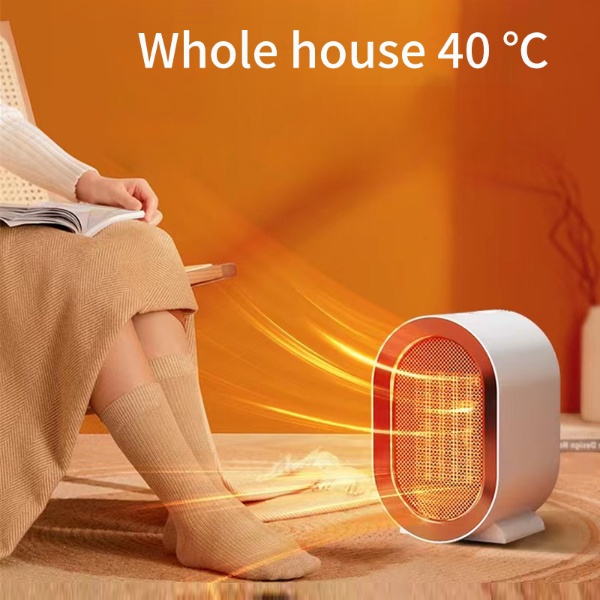
Electric heaters convert line power into room heat through resistive elements or PTC ceramics, and the core trade-off is between fast spot warmth (compact ceramic fans) and sustained whole-room comfort (oil-filled radiators or convection panels). The durable decision rule: match the heater's wattage and architecture to the room's square footage and insulation, and never rely on a 1500W portable as a primary heat source for spaces over 200 sq ft without a second unit or a dedicated 240V circuit.

Buying guide image
Mirrors, Wall Decor & Decorative Accessories

Wall Hanging Decor

Wall hanging decor spans metal sculptures, textile tapestries, and functional hooks, where the core trade-off is visual impact versus mounting durability and material longevity. Metal and resin pieces demand correct anchor selection for their weight, while textiles require fade-resistant dyes and stable rod pockets. The clear rule: choose a piece whose mounting hardware matches your wall substrate and whose material suits the room's humidity and sunlight.

Buying guide image
Home Storage & Organization

Bathroom Storage

Bathroom storage encompasses under-sink organizers, wall-mounted racks, over-toilet shelves, and freestanding cabinets designed to maximize small, humid spaces. The primary trade-off is between moisture-resistant materials (metal, treated plastic, sealed wood) and load-bearing capacity, since cheap particleboard and weak adhesives fail quickly in wet environments. Durable options use stainless steel or powder-coated metal frames with adjustable shelving rated for at least 22 lb per tier, while compromises rely on thin plastic or unsealed MDF that warps and sags.

Buying guide image
Home Security

Alarm System

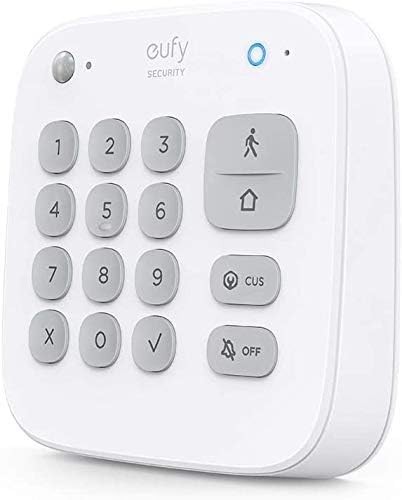
Alarm systems range from simple door chimes to full DIY hubs with cellular backup and professional monitoring. The primary trade-off is between sensor security (contact and motion) and connectivity reliability: Wi-Fi-only kits are inexpensive but fail when the network or power goes down, while cellular and dual-path systems remain armed. Choose a system with local siren and battery backup as the durable baseline; treat app-only or chime-only devices as convenience add-ons, not primary protection.

Buying guide image
Mirrors, Wall Decor & Decorative Accessories

Wall Art Living Room

Wall art for the living room spans framed canvas prints, painted metal sculptures, and cut-steel silhouettes, each with a different durability and visual-weight trade-off. The key decision is matching substrate and mounting hardware to your wall type and lighting, because a lightweight canvas needs only a nail while a powder-coated steel piece demands studs or anchors. Choose powder-coated steel or gallery-wrapped canvas on solid backing for longevity; skip bare iron or unframed prints if humidity or direct sun is a factor.

Buying guide image
Bathroom Accessories

Bathroom Accessory Set

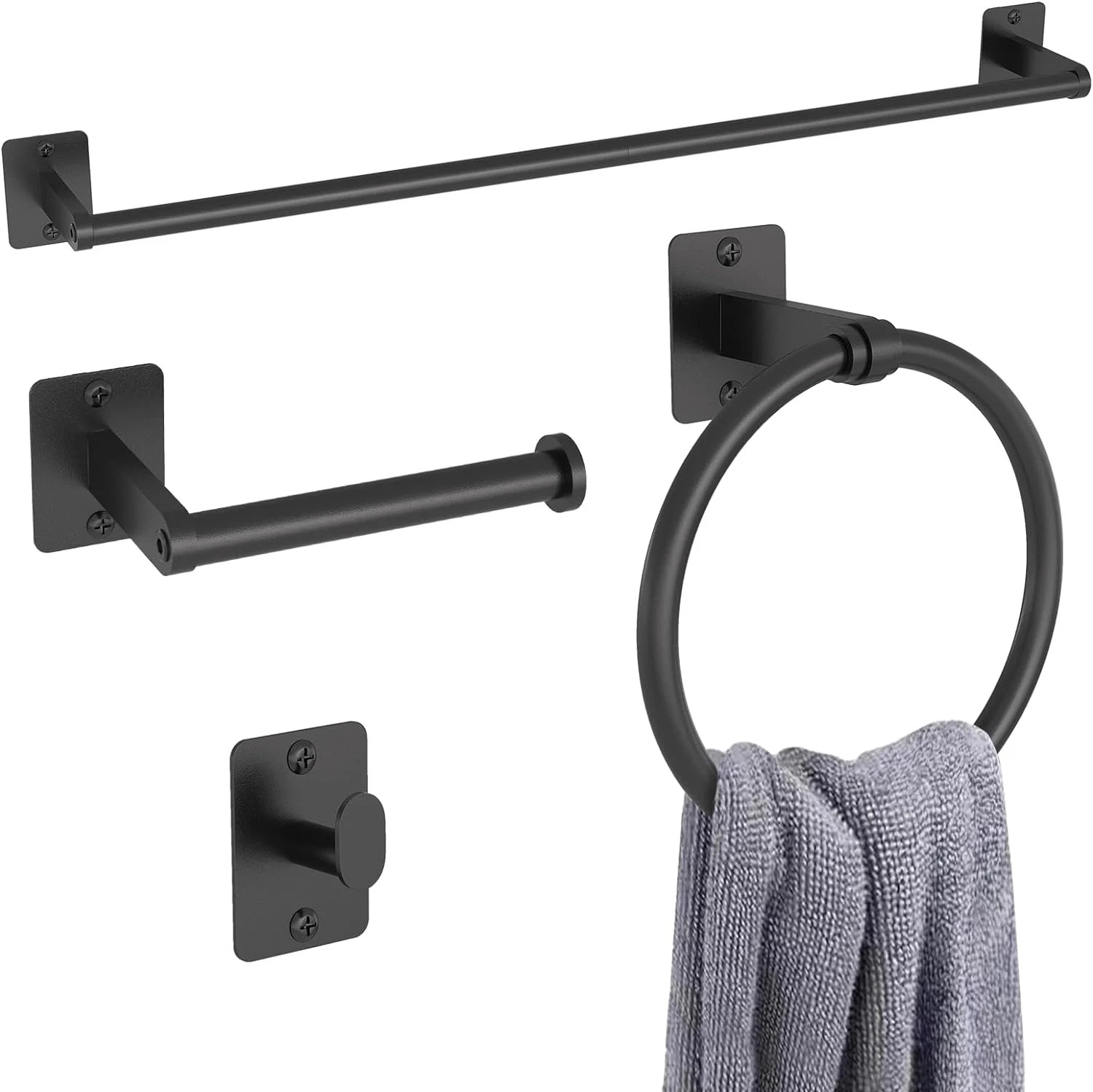
A bathroom accessory set bundles matching hardware (towel bar, ring, robe hooks, paper holder) or countertop essentials (soap dispenser, toothbrush holder, tumbler, dish, brush, bin) in one coordinated finish. The core trade-off is material and mounting: solid 304 stainless steel or brass with concealed screw anchors lasts decades, while plastic, zinc-alloy, or adhesive-only kits degrade with moisture, weight, and humidity. Buy based on wall substrate and daily towel load—choose drilled 304 steel for wet, high-traffic bathrooms and adhesive or plastic kits only for powder rooms and rentals.

Buying guide image
Home Security

Home Alarm

A home alarm system is a layered intrusion and life-safety setup—keypad/hub, entry sensors, motion detectors, and often sirens or cameras—where the core trade-off is long-term reliability versus cheap expandability. Durable systems use supervised RF or encrypted protocols plus battery backup, while compromises rely on unsupported Wi-Fi-only hubs and non-expandable sensor kits. The decision rule: buy a system with a documented sensor protocol, 12–24 hour backup battery, and monitored or self-monitored app alerts—skip any kit that cannot add sensors later.

Buying guide image
Metal Signs & Wall Plaques

Metal Decorative Sign

Metal decorative signs are printed or embossed wall plaques used for theming, labeling, and gift display, where the core trade-off is thin stamped tin versus heavier gauge steel or aluminum. Durable options use 0.5 mm+ steel or 1 mm+ aluminum with UV-cured or powder-coated graphics and pre-drilled or rolled edges; compromises are 0.2–0.3 mm tin with flat 2D prints, sharp corners, and adhesive backing.

Buying guide image
Throw Pillows & Cushion Covers

Decorative Pillow Cover

Decorative pillow covers are removable fabric shells that transform inexpensive inserts into seasonal or permanent accent pieces, with durability and feel driven almost entirely by fabric composition and closure hardware. The core trade-off is between low-cost polyester novelty prints that pill and fade versus cotton-linen, velvet, or corduroy weaves with hidden zippers that survive repeated washing and insert swaps. Buy cotton-linen or velvet with a concealed zipper for year-round use; skip thin printed polyester only if the cover must survive weekly washing or direct sun.

You may also like

Finding more guides for you…