
Photos from current listings. Actual item, color, and included accessories may vary.
Electric Heater Buying Guide
Electric heaters convert line power into room heat through resistive elements or PTC ceramics, and the core trade-off is between fast spot warmth (compact ceramic fans) and sustained whole-room comfort (oil-filled radiators or convection panels). The durable decision rule: match the heater's wattage and architecture to the room's square footage and insulation, and never rely on a 1500W portable as a primary heat source for spaces over 200 sq ft without a second unit or a dedicated 240V circuit.
At a glance
- Category
- Fans, Heaters & Humidifiers
- Last updated
- Nov 22, 2026
Current offers
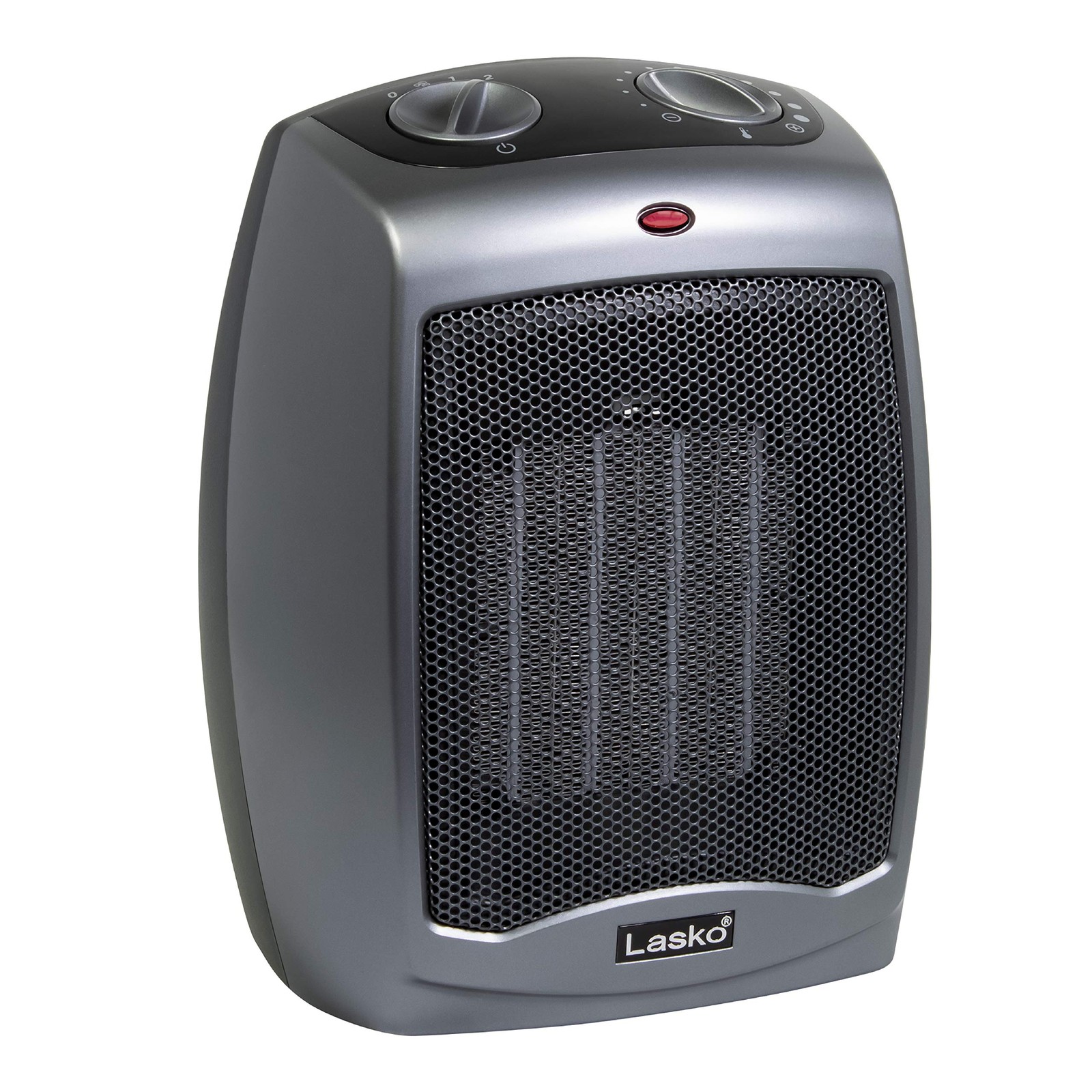 Lasko Portable Electric Ceramic Space Heater 1500W Thermostat Tip-Over Safety..$17.78View on eBay
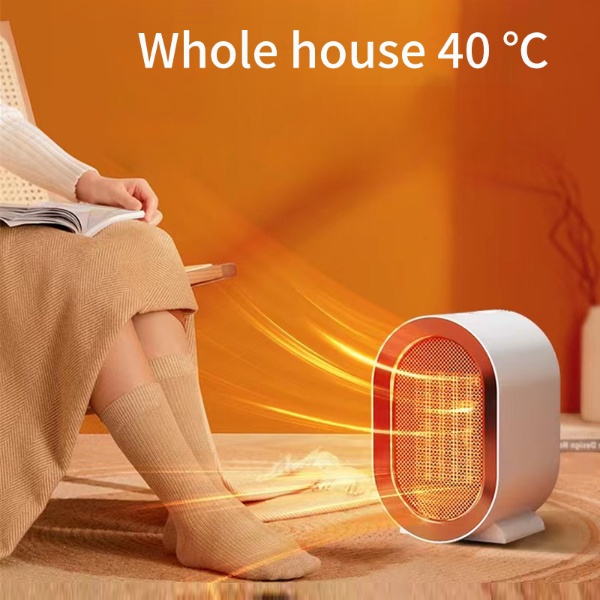 Desktop Electric Heater Mini Portable Fan 220V PTC Ceramic Heating Warm Air Blower Home Office Warmer Machine$31.99View on Mallflare
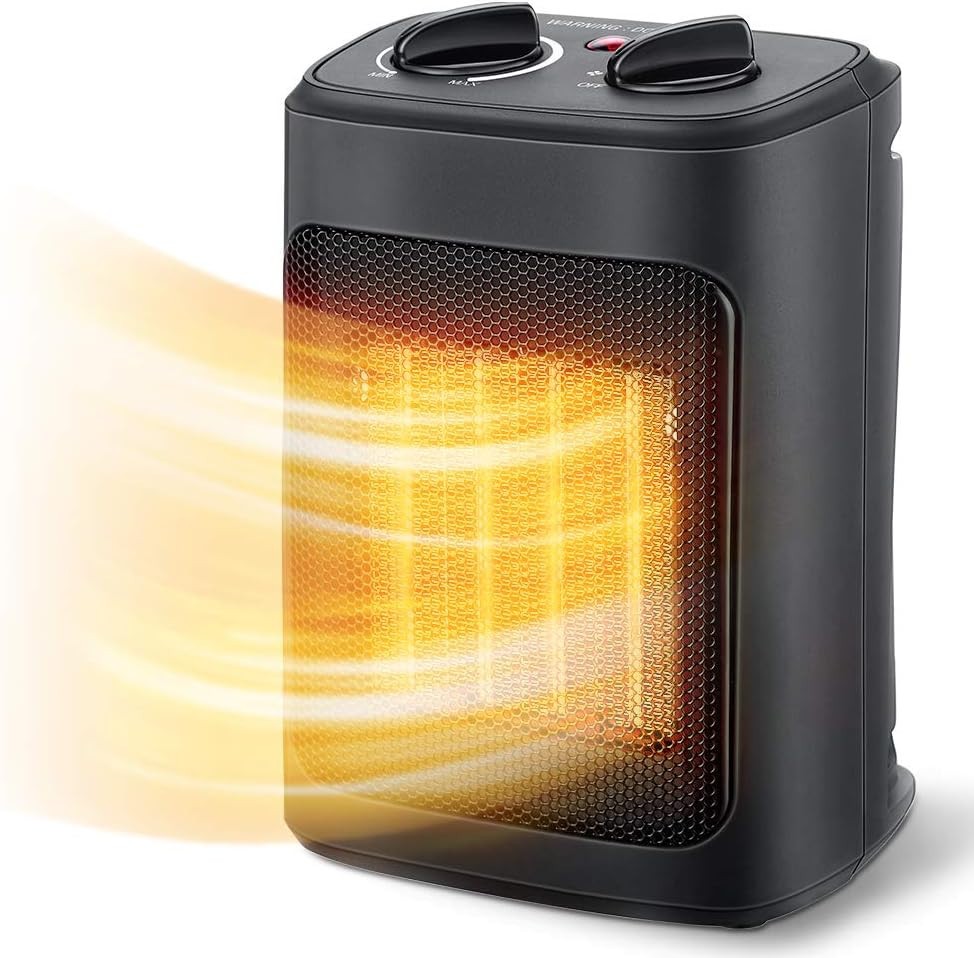 Aikoper Space Heater 1500W Electric Indoor Portable with Thermostat NEW SEALED$24.99View on eBay
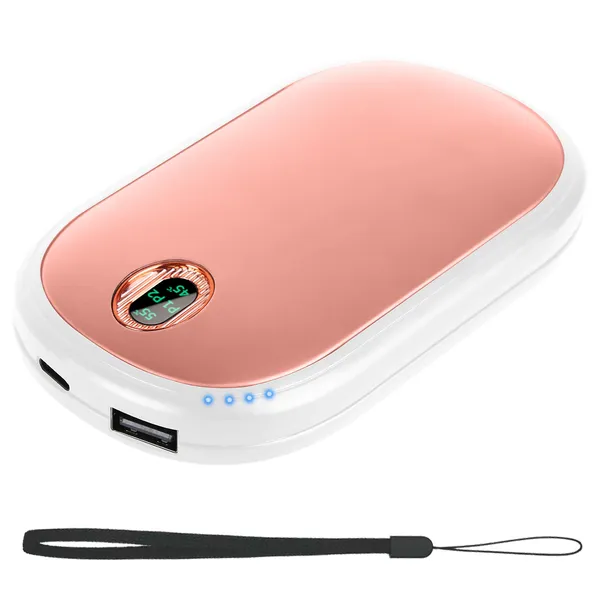 Rechargeable Hand Warmer Electric Heater Portable Reusable Pocket Power Bank With Digital Display 2 Levels Double-sided Heating$33.99View on Mallflare
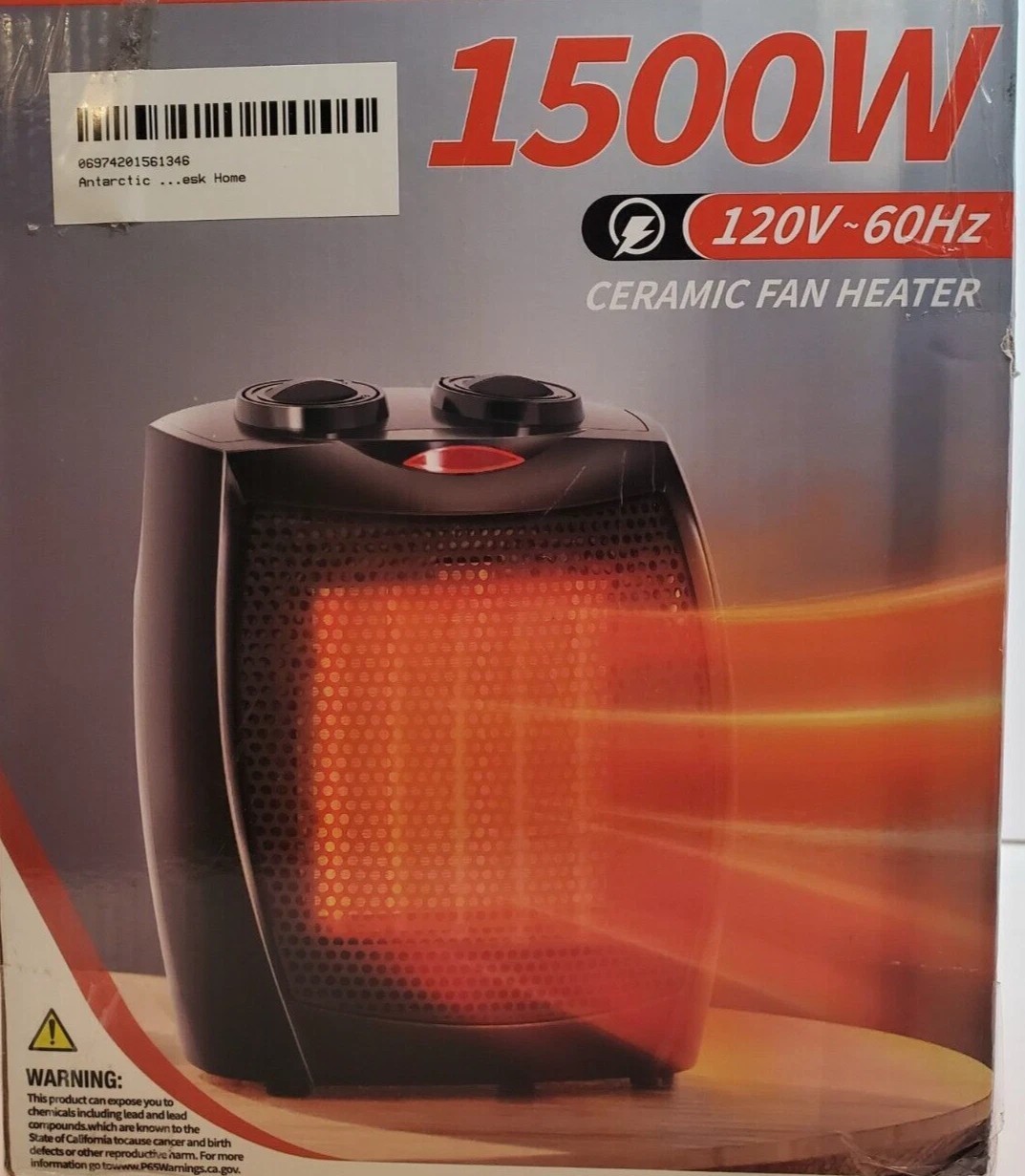 Portable Electric Space Heater with Thermostat, 1500W/750W Safe and Quiet Cerami$219.99Last checked Nov 17, 2026View on eBay
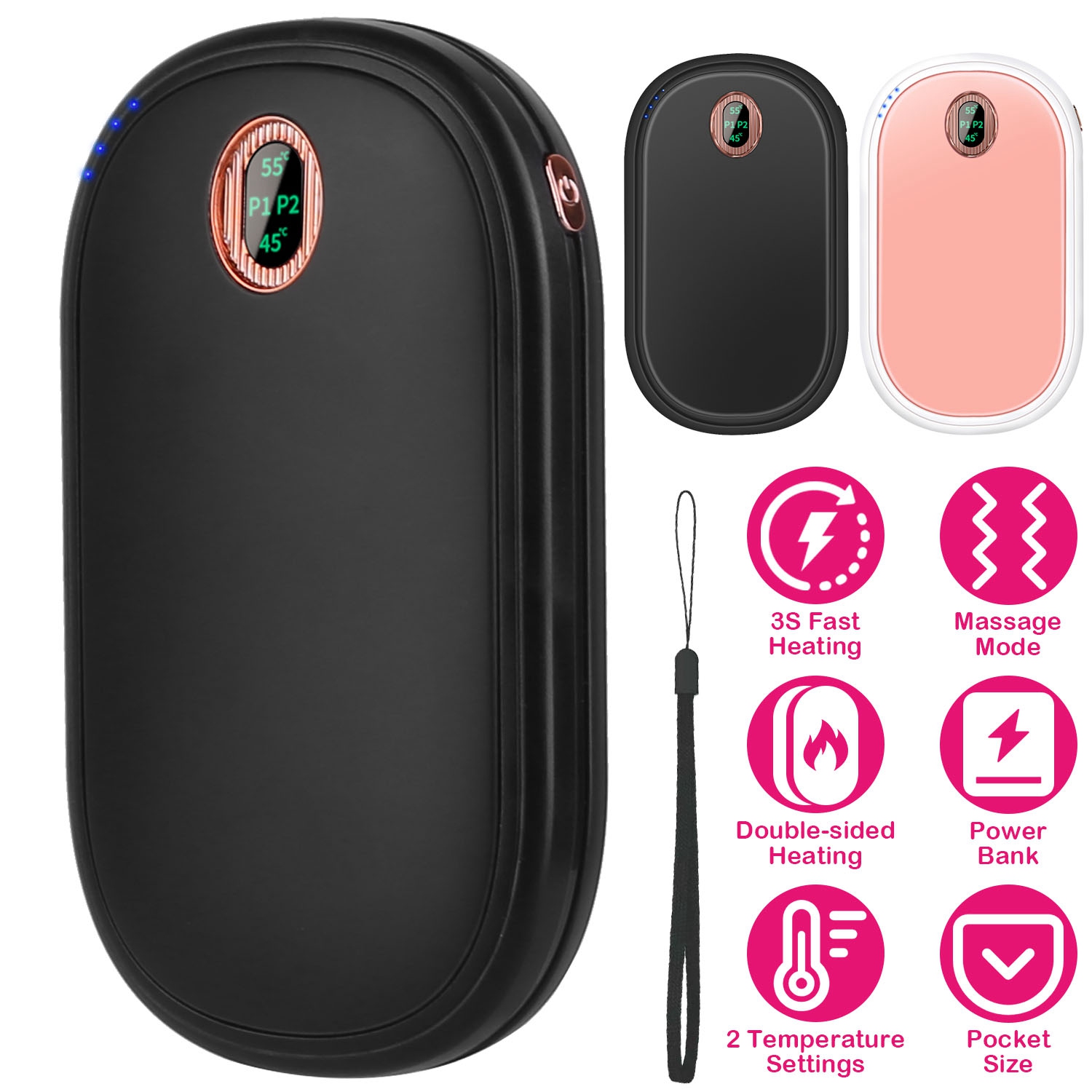 Black-Pink Color Options -- 1Pc Rechargeable Hand Warmer Electric Heater Portable Reusable Pocket Power Bank With Digital Display 2 Levels Double-sided Heating$34.99View on Mallflare
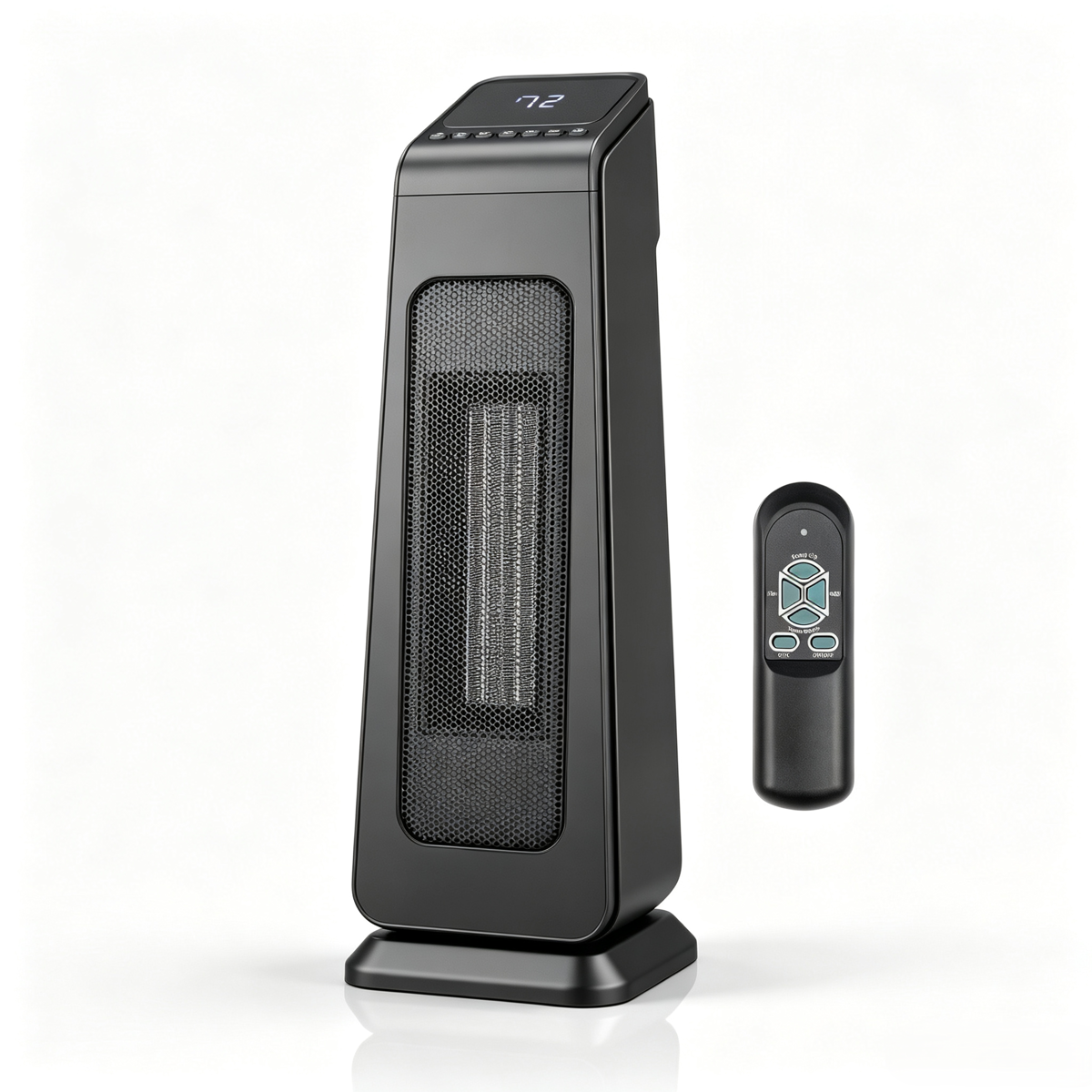 23" 1500W Portable Electric Heater with 3 Heat Settings, 70° Oscillation, Timer, Remote Control, Tip-Over Switch, for Indoor Bedroom Office Home, Black$101.99View on Mallflare
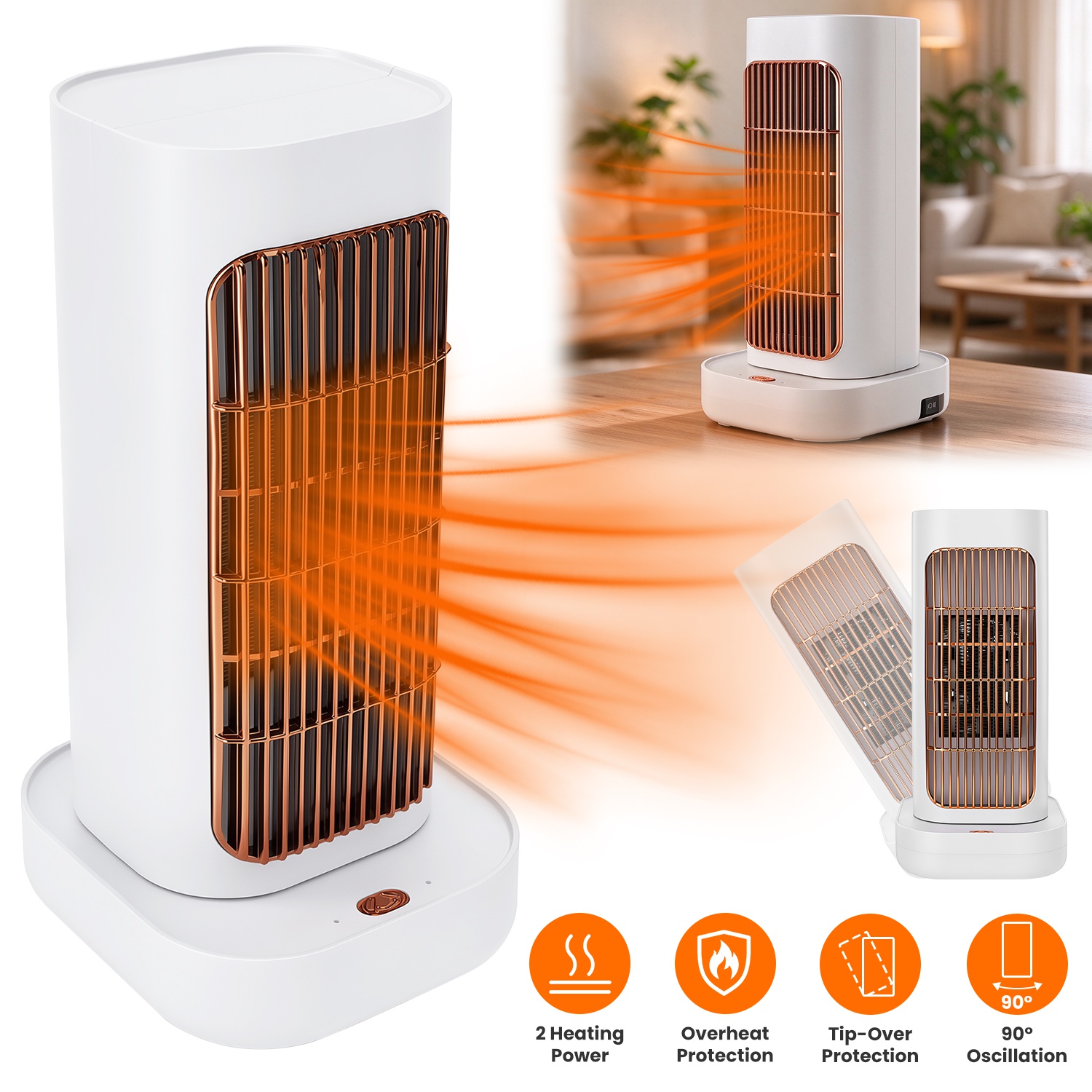 1300W Space Heater With 2 Heat Settings PTC Ceramic Electric 90 Degree Oscillation Tip-Over Shut-Off & Overheat Protection Portable For Bedroom Office Living Room$53.99View on Mallflare
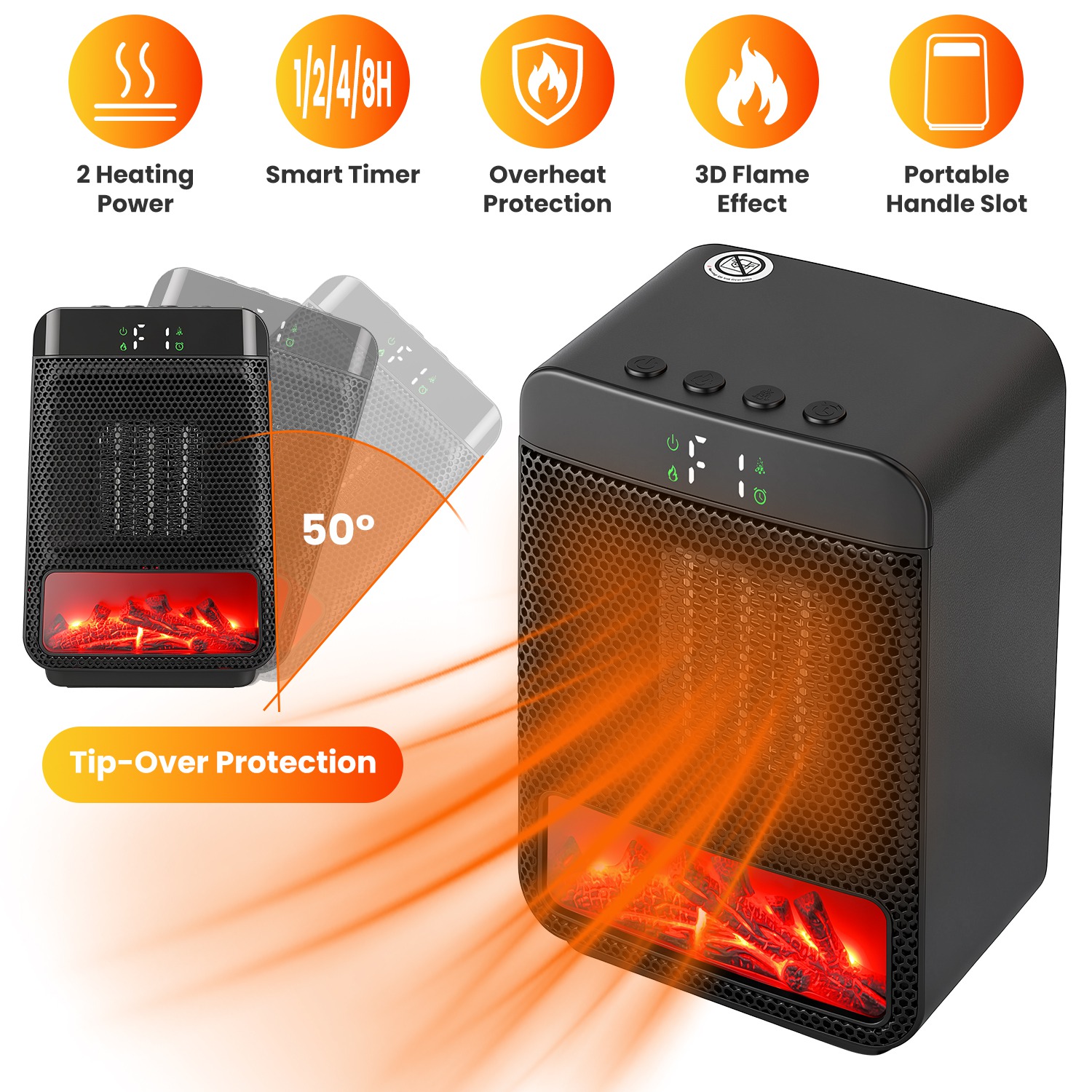 Portable Space Heater With 2 Heat Settings PTC Ceramic Electric Fireplace 3D Flame Effect 1-8H Timer Tip-Over Shut-Off Overheat Protection For Bedroom Office Living Room$59.99View on Mallflare
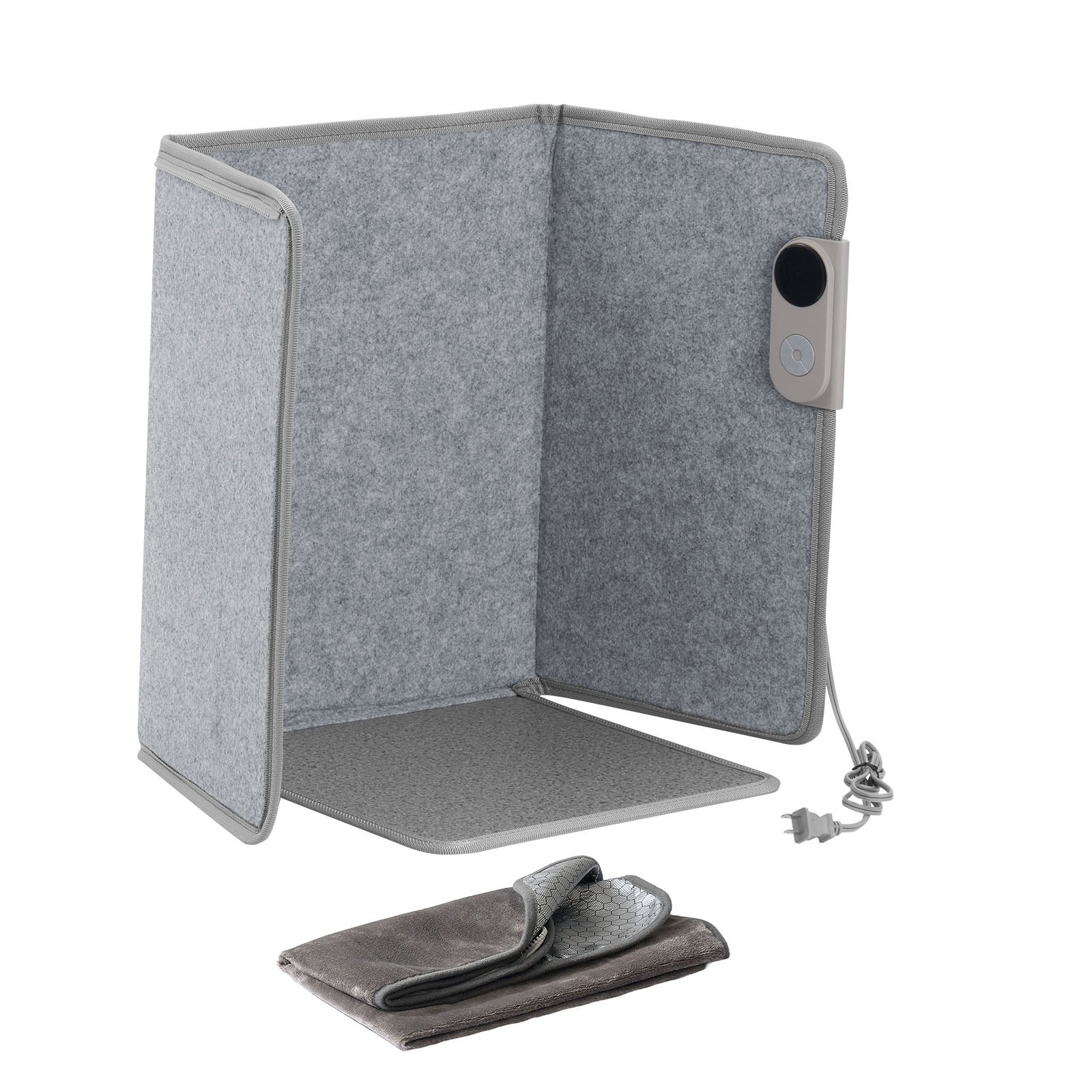 Under Desk Space Heater,Foldble Foot Warmer Portable For Home&Office,Timer & Secure,Quiet For Legs,Ankles,Touch&Remote Control Personal Electric Wall Warming Pad,Over-Heat Protection$65.99View on Mallflare
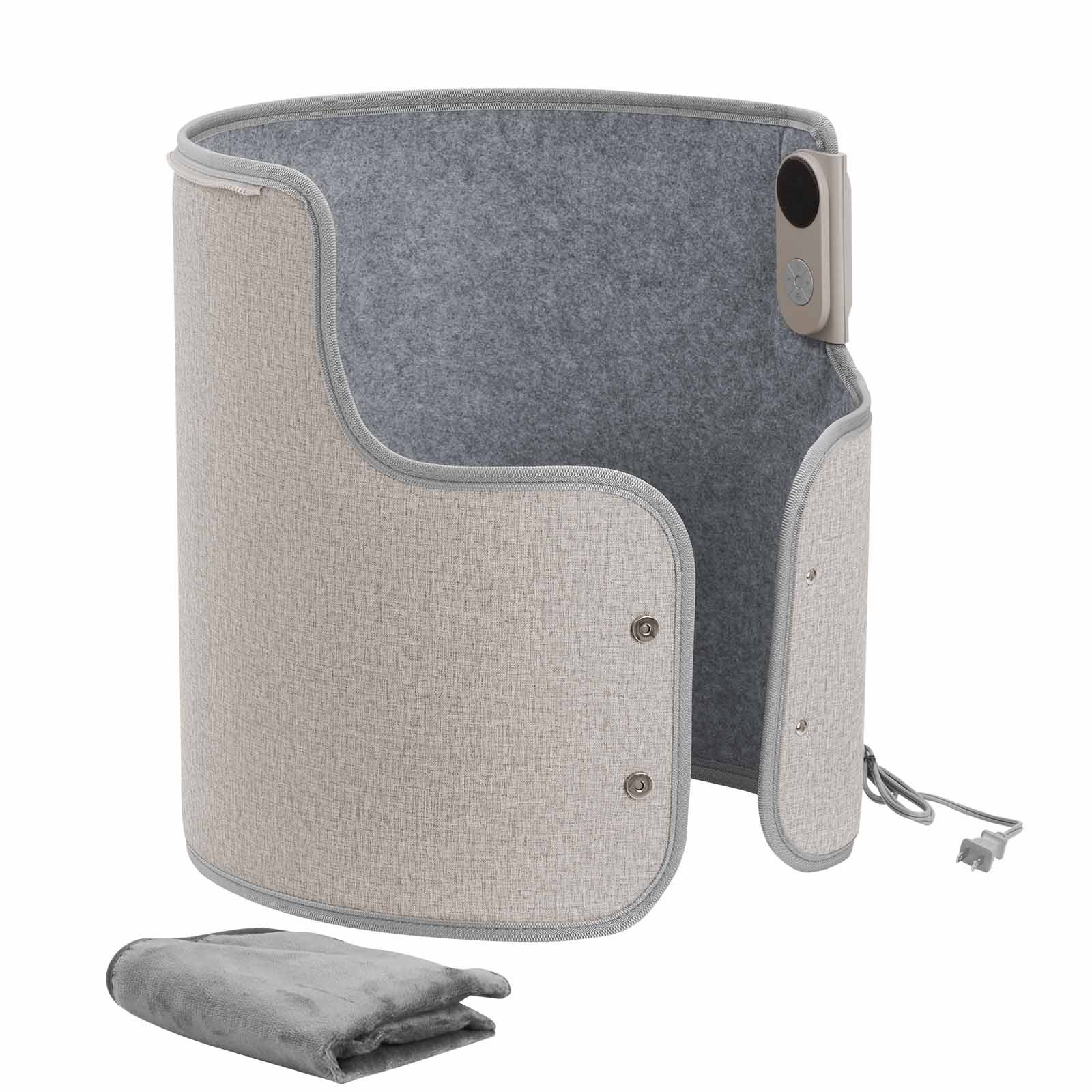 Under Desk Space Heater,Rollable Foot Warmer Portable For Home&Office,Timer & Secure,Quiet For Legs,Ankles,Touch&Remote Control Personal Electric Round Surround Warming Pad,Over-Heat Protection$68.99View on Mallflare
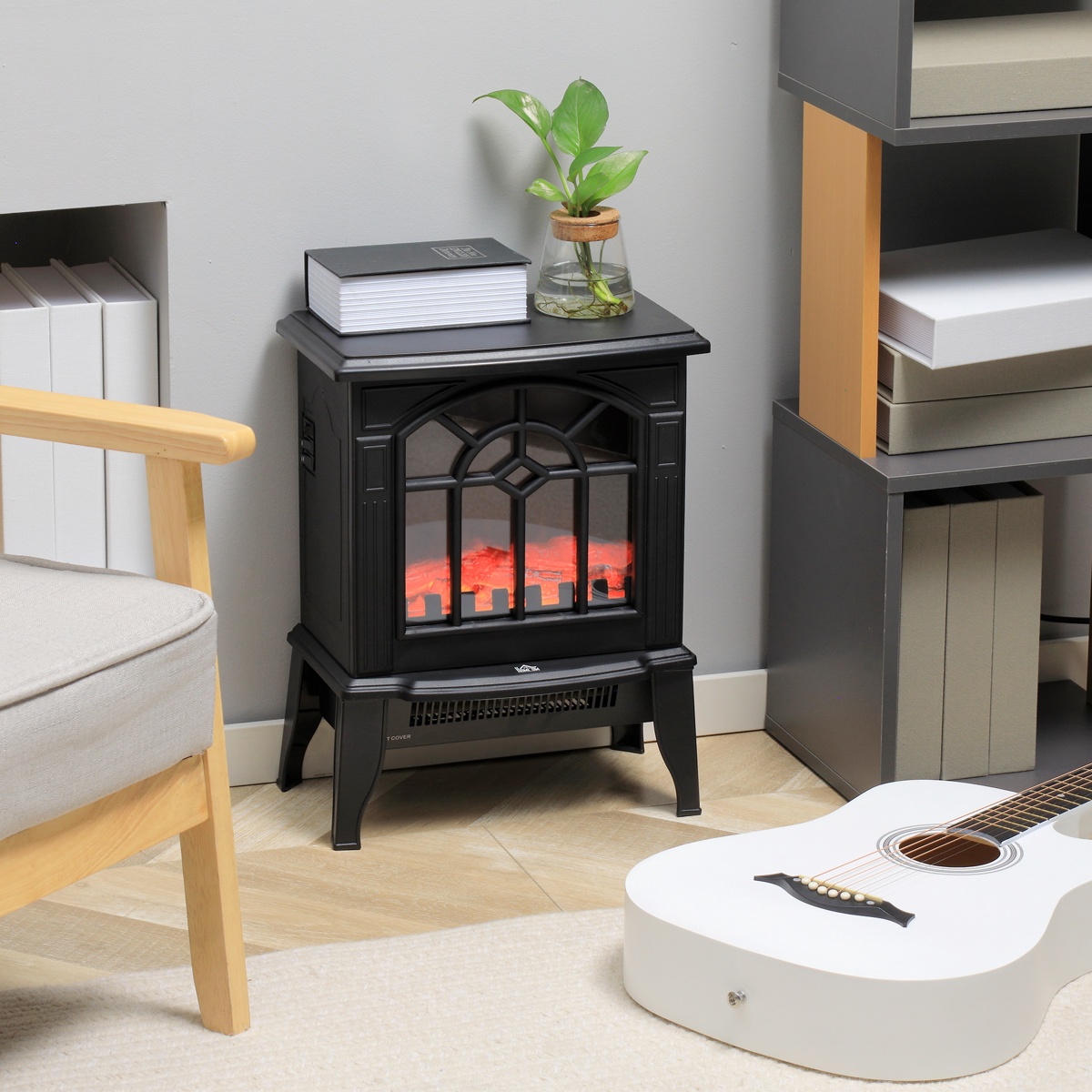 Electric Fireplace Heater$71.99View on Mallflare
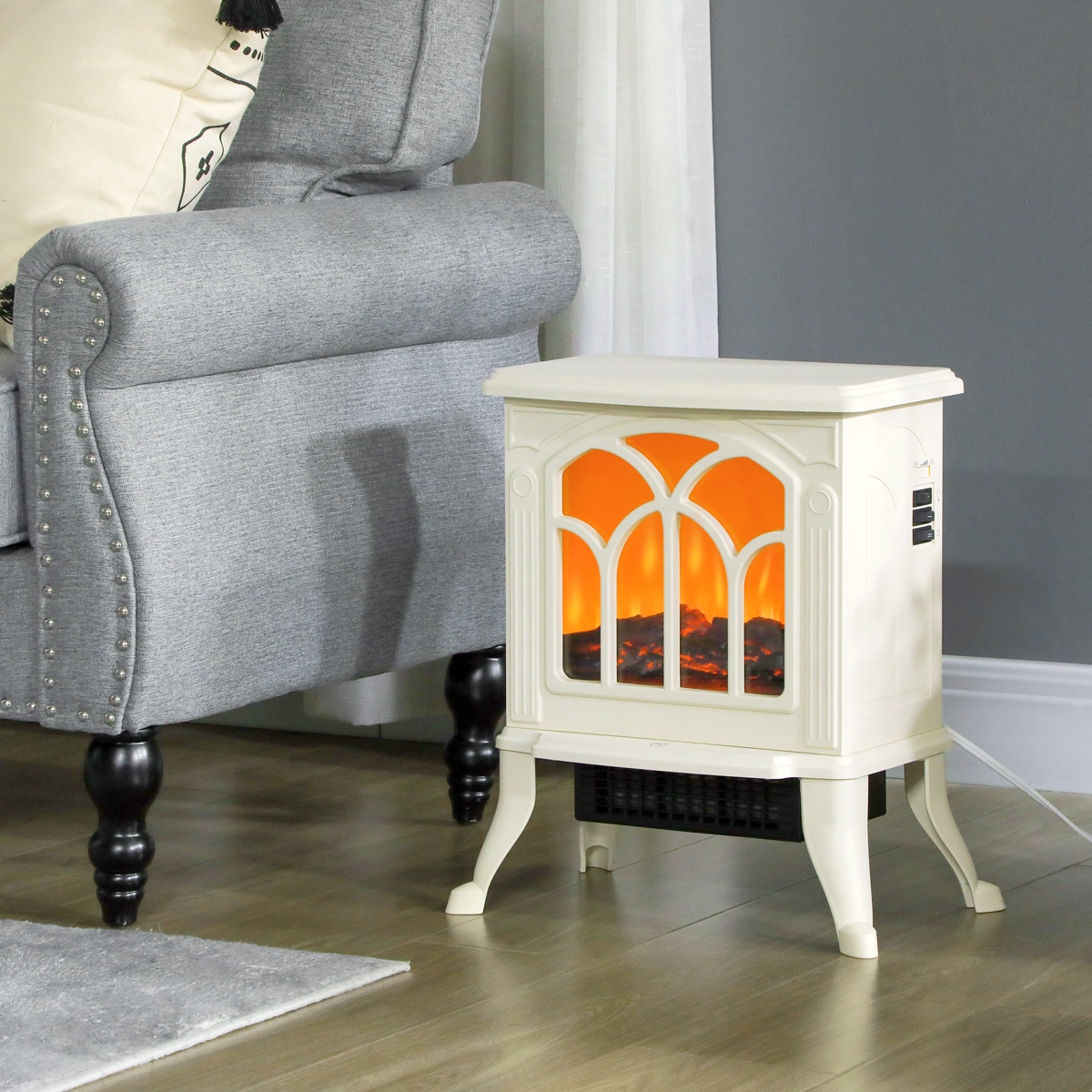 Electric Fireplace Heater, Freestanding Stove with Realistic Logs and Flame Effect, 750W/1500W, Beige$72.99View on Mallflare
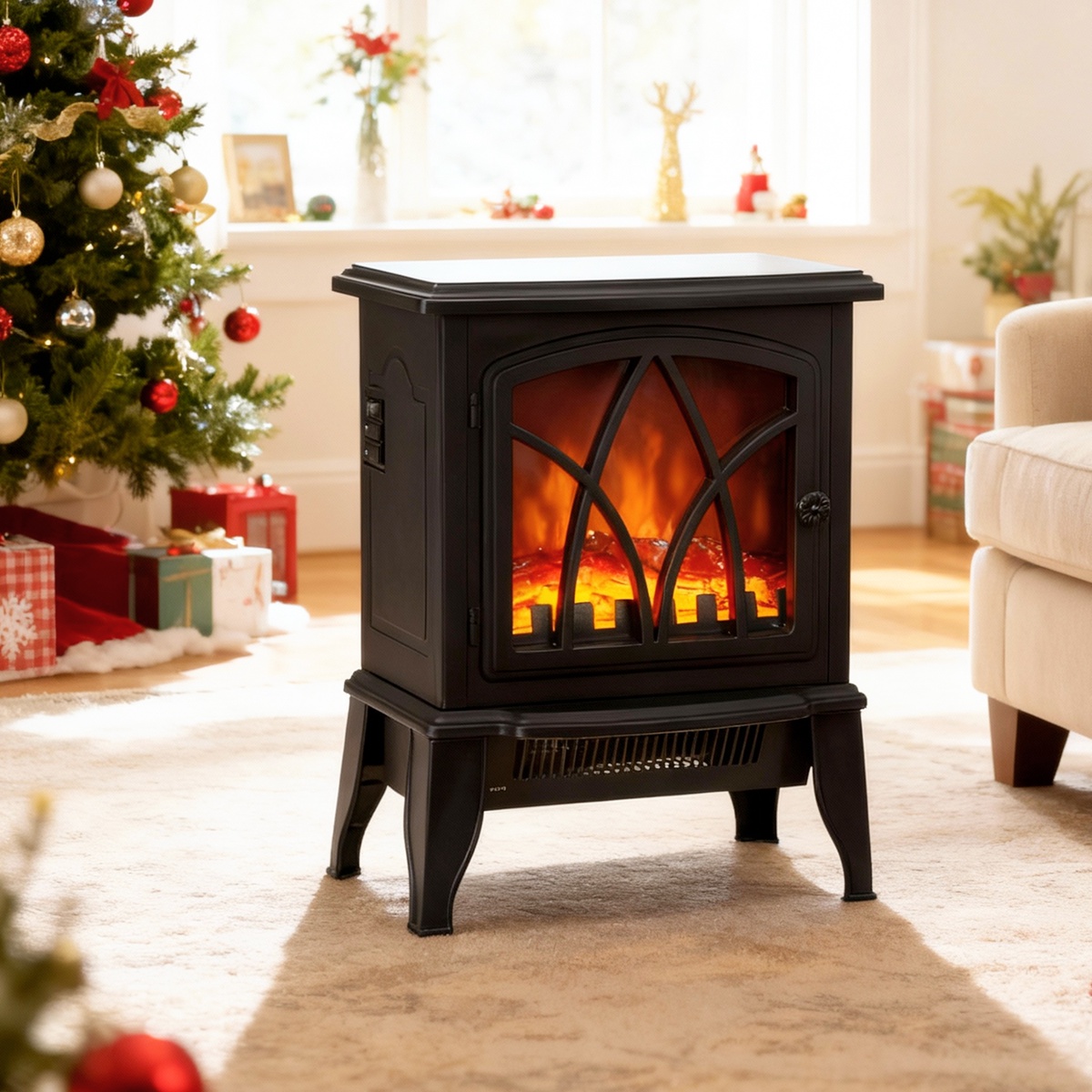 Electric Fireplace Heater, Freestanding Stove with Realistic Flames Overheating Protection 750W/1500W, Black$75.99View on Mallflare
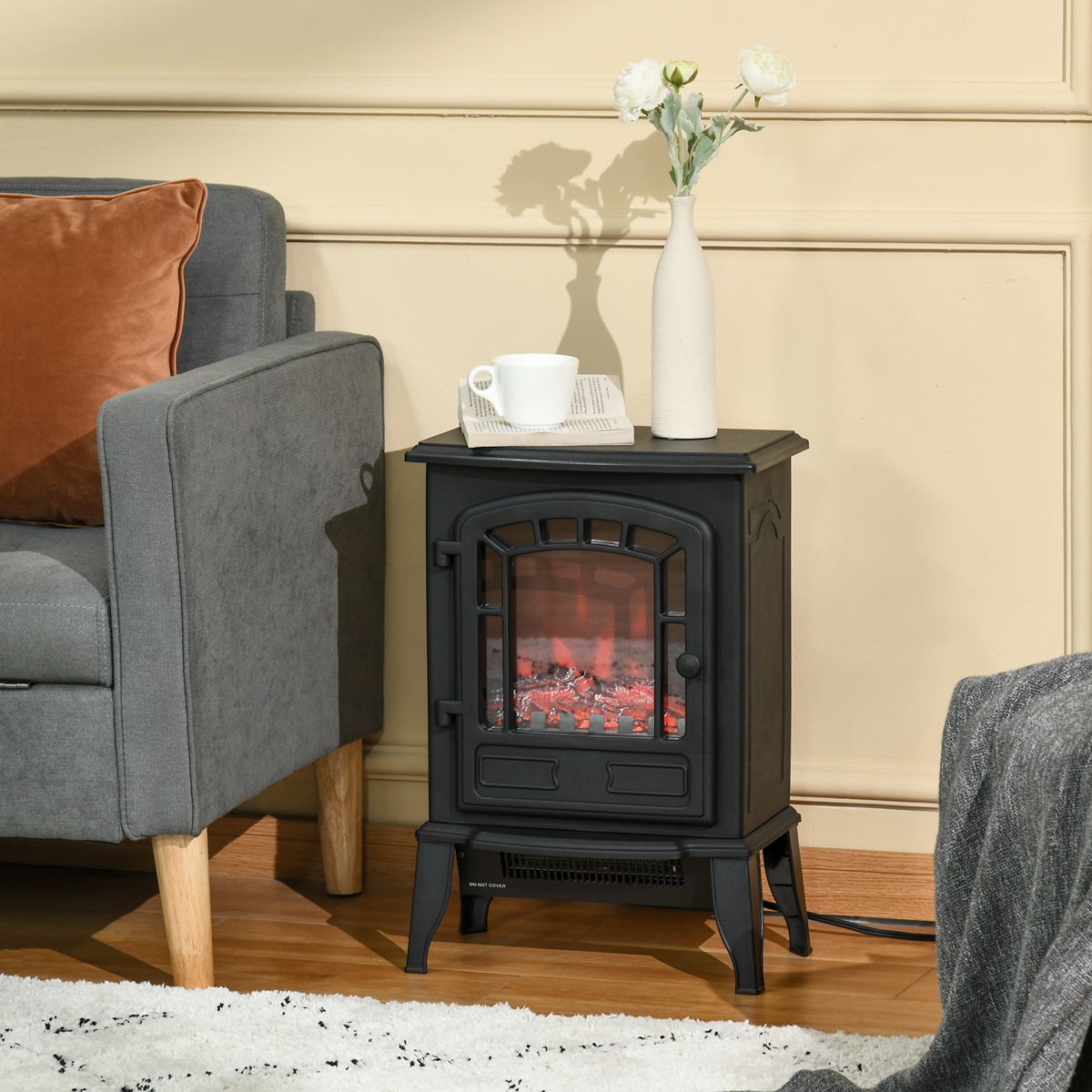 Electric Fireplace Heater, Freestanding Stove with Realistic Flame Effect Overheat Protection 750W/1500W Black$82.99View on Mallflare
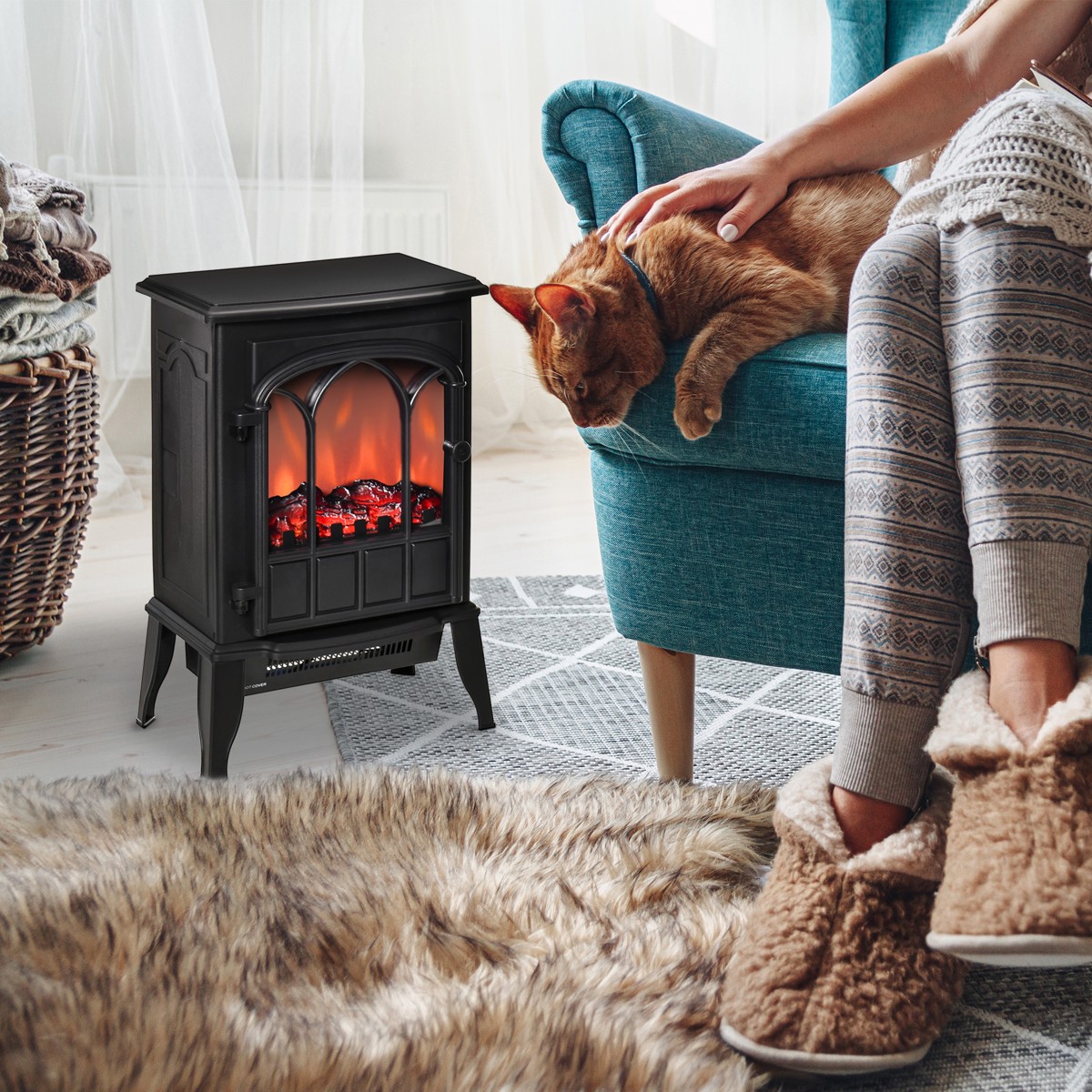 Electric Fireplace Stove, Freestanding Heater, 750W/1500W, Black$86.99View on Mallflare
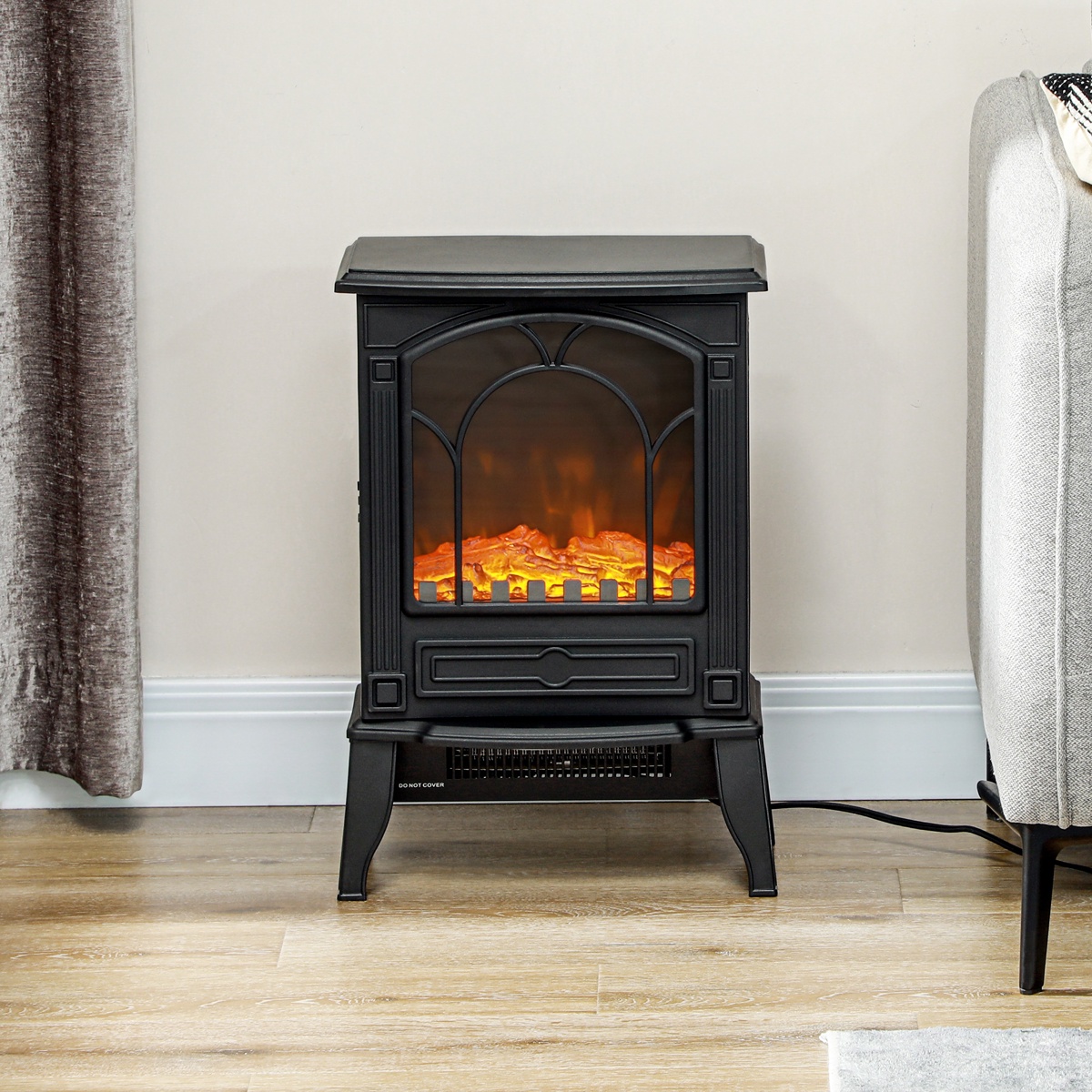 Electric Fireplace Heater, Freestanding Stove with Realistic Flame Effect Overheat Protection 725W/1450W Black$87.99View on Mallflare
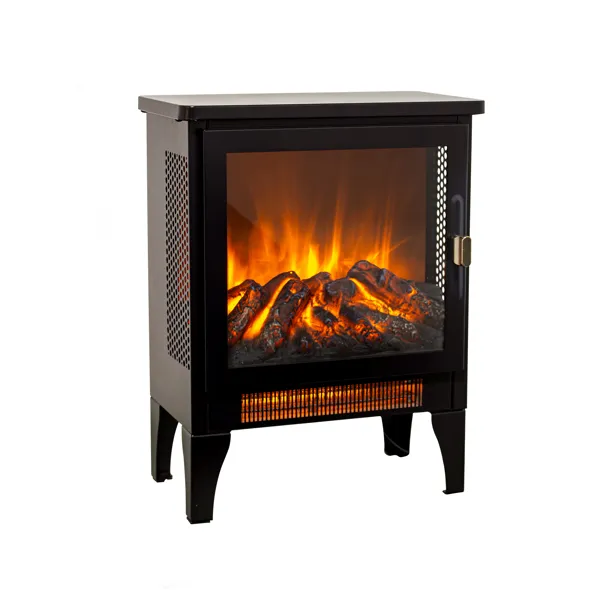 17 Inch Freestanding Electric Fireplace Stove Heater With 3D Flame Effect,Black$89.99View on Mallflare
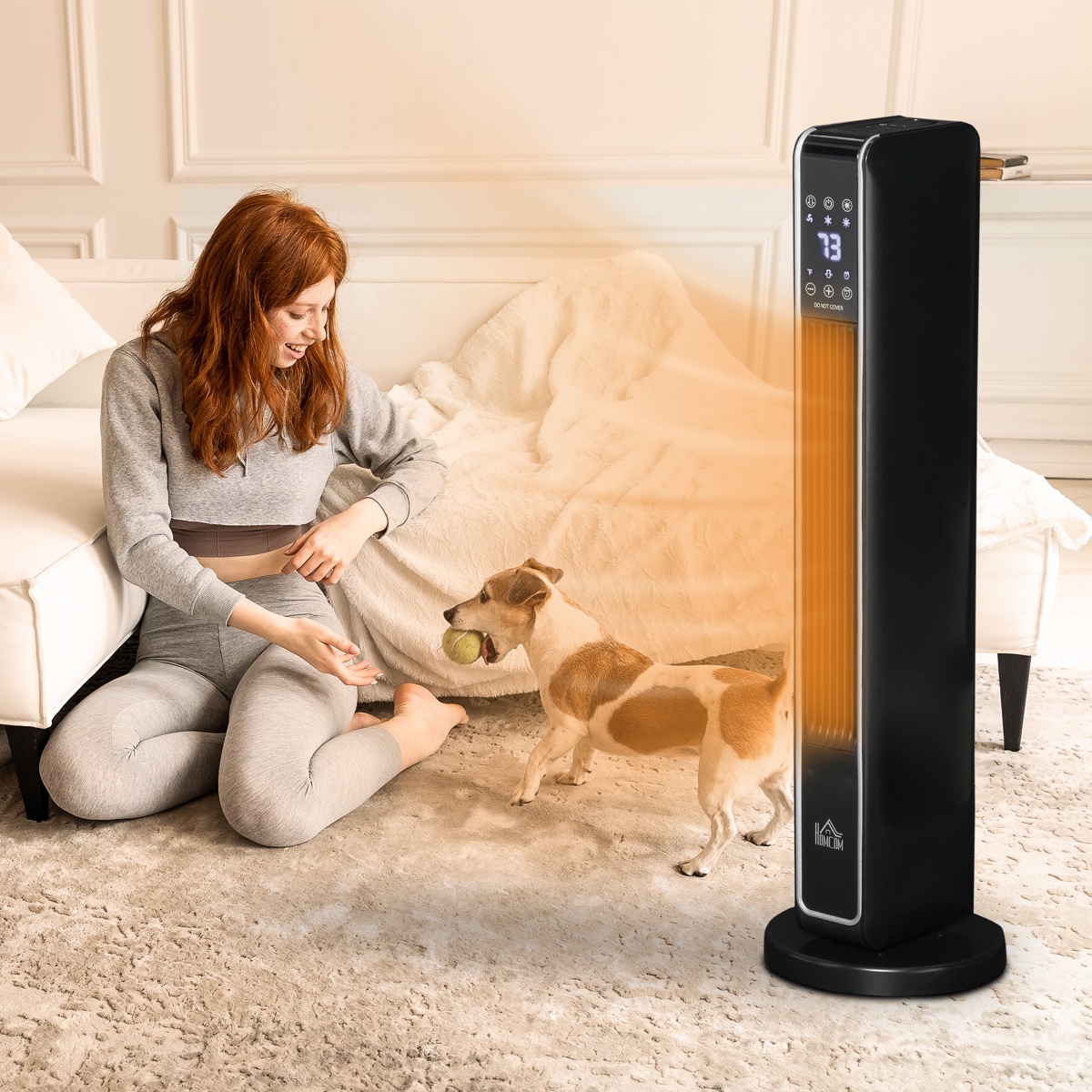 2-In-1 Portable Electric Tower Heater, Oscillating Space for Indoor Use with Remote Control, 8H Timer, Three Heating Modes(High, Low, Fan), 750W / 1500W, Black$90.99View on Mallflare
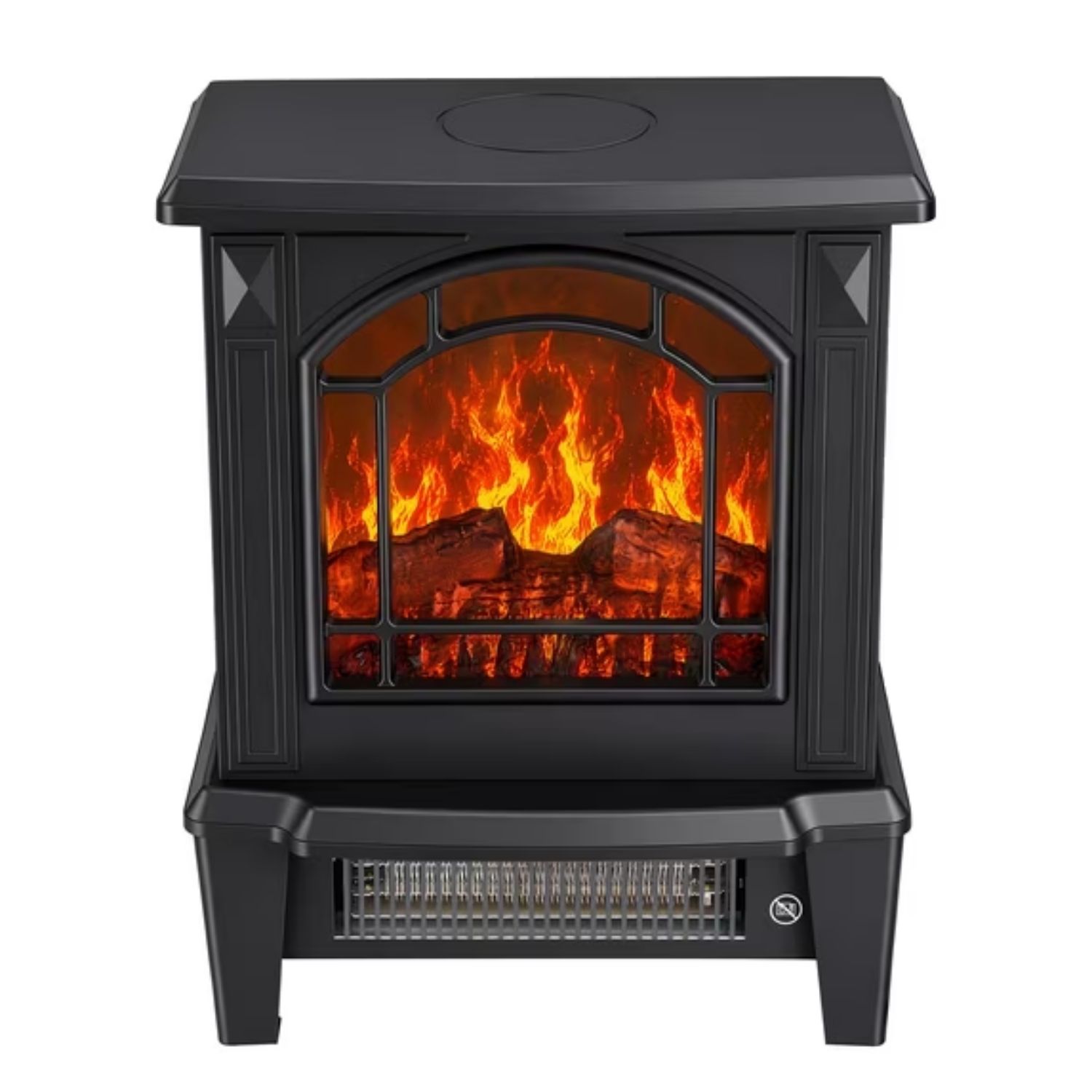 1400W Freestanding Electric Fireplace Heater, 2 Heat Settings, Realistic Log & Flame, Tip-Over & Overheat Safety Protection$93.99View on Mallflare
Highlights
- PTC ceramic heaters self-regulate resistance as they heat, delivering instant warmth and cool-touch exteriors but cycling on/off more frequently than oil-filled units.
- Standard 120V household circuits cap portable heaters at 1500W (about 5,100 BTU), which reliably heats 100–150 sq ft in average-insulated rooms.
- Oil-filled radiators and convection panels produce silent, steady heat with no fan noise but take 10–20 minutes to reach full output and are heavier to move.
- Tip-over switches and overheat cutoffs are mandatory safety baselines; oscillation and remote control are convenience features, not performance differentiators.
Best use cases
- Bedroom or home office under 150 sq ft: choose a 1500W PTC ceramic fan heater with thermostat and tip-over switch for fast, targeted warmth and quiet-enough sleep operation.
- Large room or open living area over 250 sq ft: choose a 240V hardwired or plug-in 3000W+ baseboard/convection heater, or run two 1500W units on separate circuits; skip any single 1500W portable as a primary source.
- Bathroom or damp space: choose a dedicated IP-rated wall heater or fan-forced unit with GFCI protection; skip oil-filled radiators and open-element models in wet zones.
- Garage or workshop with poor insulation: choose a 240V fan-forced or infrared heater rated for the space; skip ceramic desk heaters and mini 400W units that cannot overcome draft loss.
Buying tips
- Size by wattage: allow roughly 10W per square foot for average insulation, so a 150 sq ft room needs about 1500W; add 30% for poor insulation or unheated basements.
- Check the circuit: a 1500W heater draws 12.5A on 120V, so it must run on a dedicated 15A or 20A circuit; never share the outlet with a fridge, microwave, or power strip.
- Prefer PTC ceramic elements over wire-wound coils for safer surface temperatures, and choose metal or flame-retardant plastic housings over fabric-wrapped designs near bedding.
- For whole-room evenness, select oil-filled or convection models with a built-in thermostat and timer; for spot heat, a fan-forced ceramic with oscillation delivers faster perceived warmth.
Specs
| Heating Element | PTC ceramic vs wire coil vs oil-filled |
|---|---|
| Wattage / BTU | 1500W (5,100 BTU) / 3000W (10,200 BTU) |
| Room Size | 150 sq ft per 1500W (avg insulation) |
| Voltage / Circuit | 120V 15A dedicated vs 240V hardwired |
Related searches
What to check before buying
- Measure the room's square footage and note insulation quality; confirm the heater's rated wattage covers it at roughly 10W per sq ft.
- Verify the outlet is on a dedicated circuit and within cord reach; most portable heaters have 6 ft cords and must not use extension cords.
- Check floor and clearance requirements: oil-filled radiators need 6–12 inches from walls and furniture, and fan heaters need unobstructed intake and exhaust.
- Confirm voltage and plug standard for your region (120V NEMA 5-15 in North America, 220–240V elsewhere) and whether a 240V hardwired model requires an electrician.
FAQ
Data sources: eBay / Amazon listings and product attribute feeds. Updated Nov 22, 2026.
Some links on this page are affiliate links. If you buy after clicking one, we may earn a commission at no extra cost to you. This does not change which products appear here or their order. Affiliate disclosure.