
Photos from current listings. Actual item, color, and included accessories may vary.
Portable Air Conditioner Buying Guide
Portable air conditioners split into two distinct architectures: true compressor-based units that exhaust hot air outdoors and evaporative coolers that add moisture and only work in dry climates. The primary trade-off is BTU capacity versus exhaust and drainage logistics, not brand. Choose a dual-hose or single-hose compressor unit sized to your room's heat load for real cooling; choose an evaporative cooler only for dry, ventilated spaces where adding humidity is acceptable.
At a glance
- Category
- Fans, Heaters & Humidifiers
- Last updated
- Nov 22, 2026
Current offers
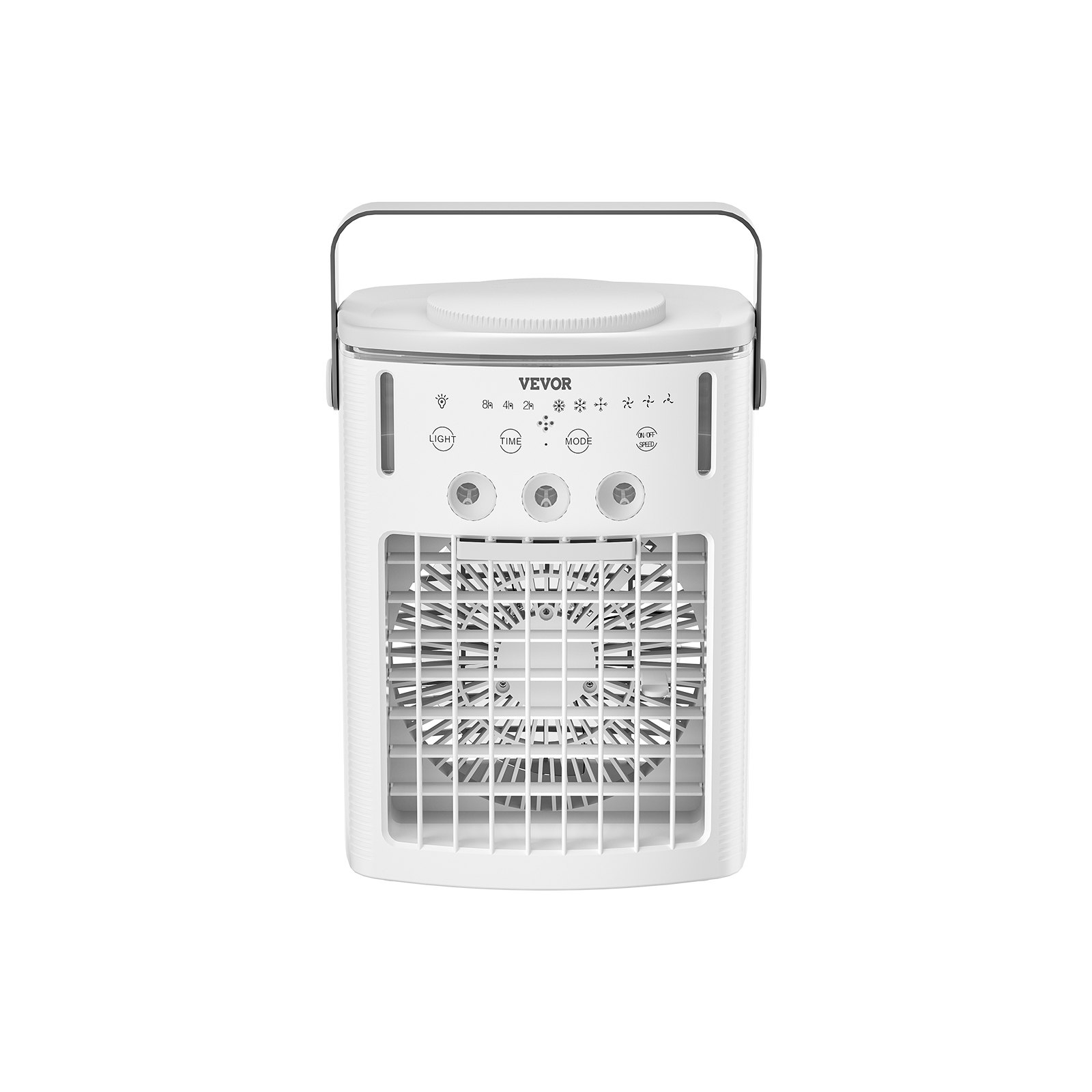 Portable Air Conditioner, 4-in-1 Evaporative Air Cooler With Remote Control, 3-Speed Mini Air Timer, 3 Mist Levels, 1L Water Tank, 120 Oscillating AC Fan For Desktop Home$39.99View on Mallflare
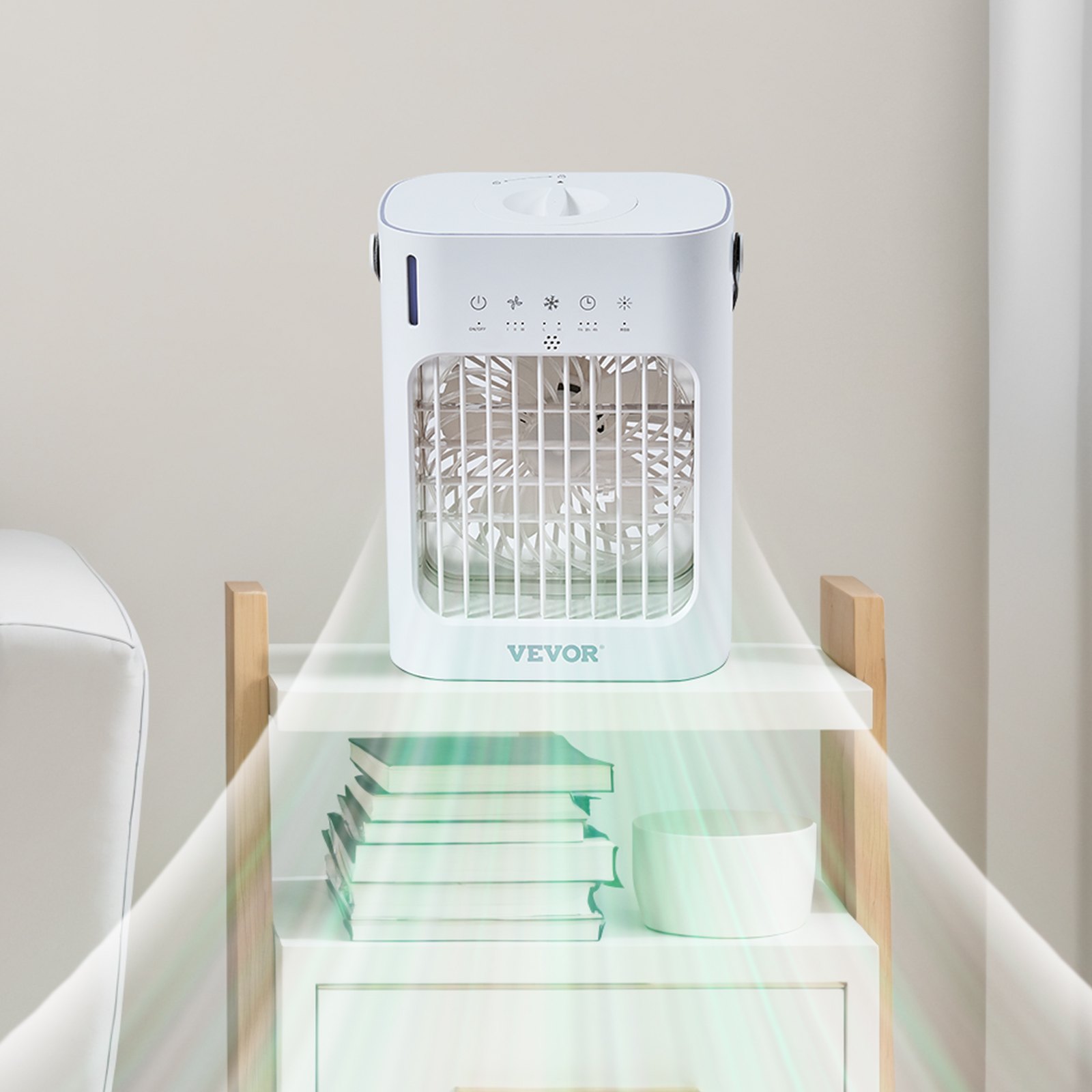 Portable Air Conditioner 4-in-1 Evaporative Air Cooler 700ml Water Tank$48.99View on Mallflare
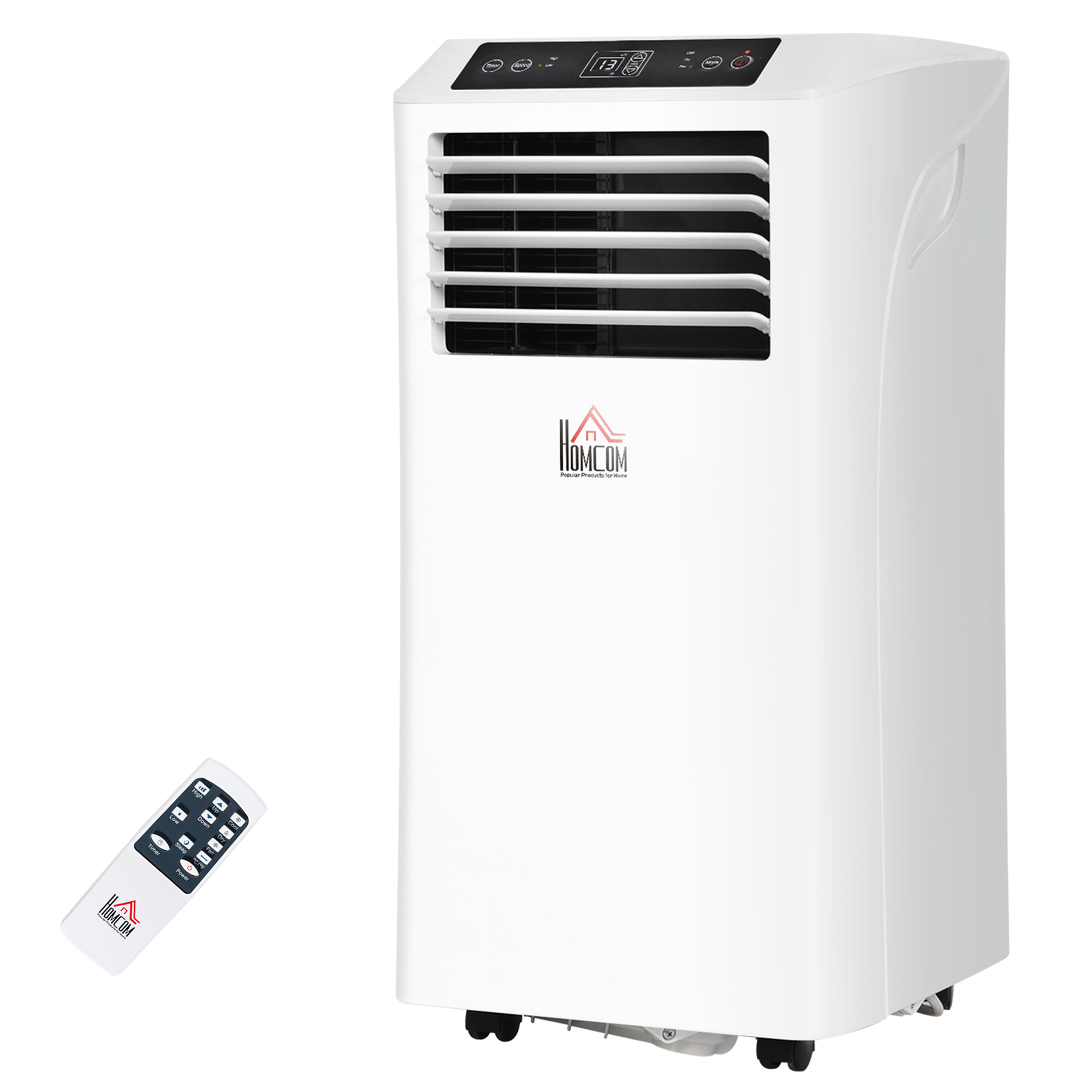 Plastic Portable Air Conditioner$394.99View on Mallflare
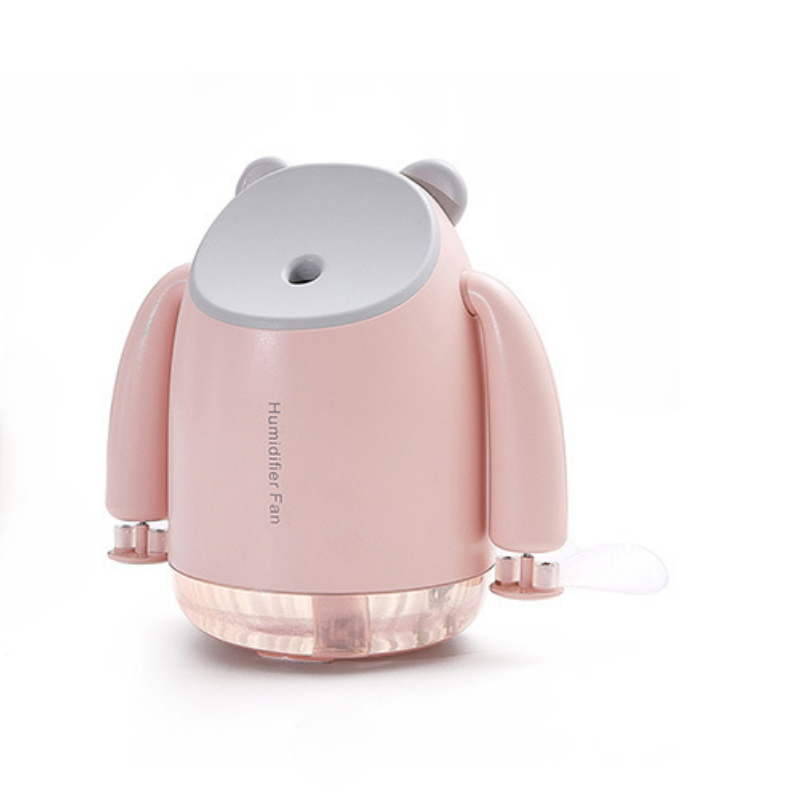 V12 Spray Cooling Fan Portable Water Humidifier USB Student Dormitory Fan Desktop Small Fan Mini Air Conditioner Kitten Double He$23.99View on Mallflare
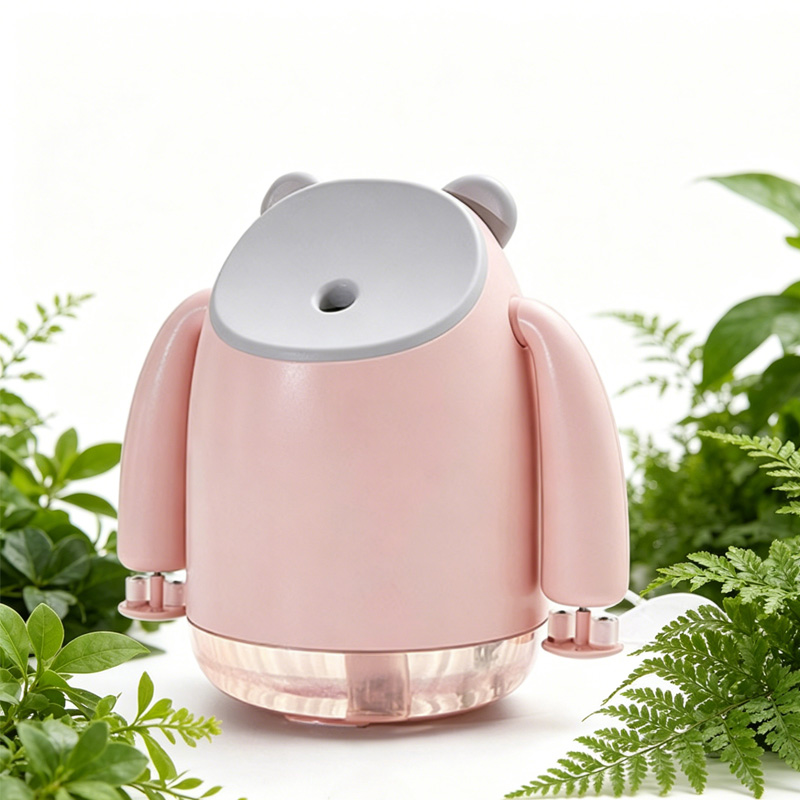 Spray Cooling Fan Portable Water Humidifier,USB Fan,desktop Small Fan,mini Air Conditioner Humidifier Double Head Fan$24.99View on Mallflare
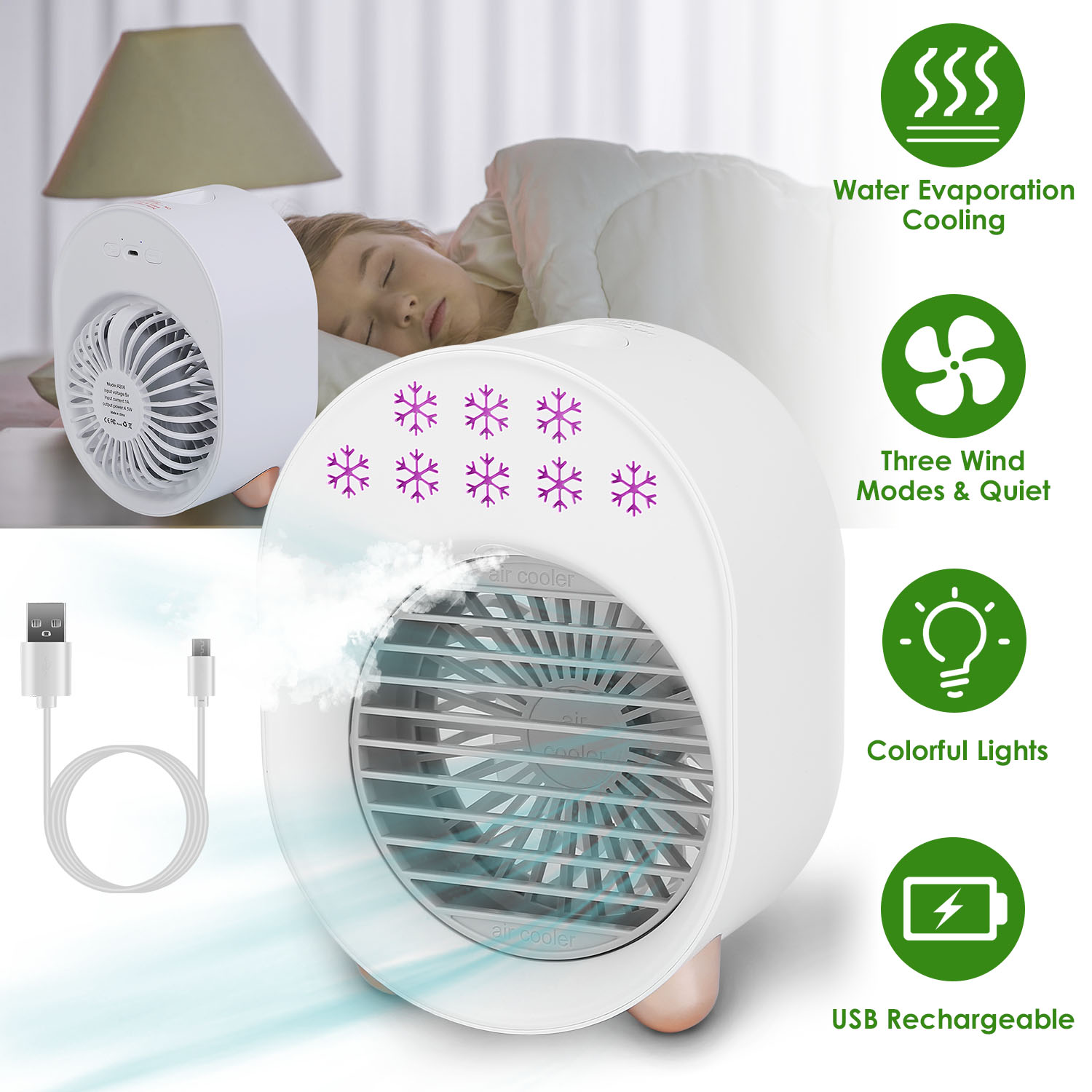 4 In 1 Portable Mini Desktop Air Conditioner Fan Water Mist Cooling Fan USB Rechargeable Humidifier Fan Evaporative Air Cooler 3 Wind Modes Colorful Lights$37.99View on Mallflare
Highlights
- True portable ACs use a rotary compressor rated in BTU (SACC/ASHRAE) and require a window exhaust kit; evaporative coolers use a water pump and fan with no compressor or refrigerant.
- Single-hose units pull conditioned room air out as exhaust, creating negative pressure; dual-hose units draw outside air for exhaust and cool more efficiently per BTU.
- Cooling capacity sizing: roughly 20 BTU per square foot for average rooms, plus 4,000 BTU for kitchens or sun-exposed spaces and 600 BTU per occupant above two.
- Condensate management differs: compressor units self-evaporate some water but need a drain hose or tank dump in humid climates; evaporative coolers consume 1L or more per hour and stop cooling when the tank empties.
Best use cases
- Bedroom or small room (up to ~250 sq ft): pick a 8,000–10,000 BTU single-hose compressor unit with a window kit and sleep mode; skip evaporative coolers if humidity is above 50%.
- Garage or workshop: choose a 12,000–14,000 BTU unit with dual hoses if the space is poorly insulated, and confirm a 115V 15A circuit; skip mini USB coolers entirely.
- RV or tent: for RVs pick a 10,000 BTU low-profile unit that fits a standard RV window plate; for tents use a compressor unit only with a generator or campsite pedestal, otherwise an evaporative cooler in dry heat.
- Desktop or personal spot cooling: a 1L evaporative mist fan suits a desk in dry air; it is the wrong fit for a closed bedroom or any humid climate.
Buying tips
- Match BTU to square footage: 8,000 BTU for 150–250 sq ft, 10,000–12,000 BTU for 250–400 sq ft, and 14,000+ BTU for 400–600 sq ft; oversizing wastes energy and cycles poorly.
- Prefer dual-hose over single-hose when the window allows it; dual-hose models avoid negative pressure and cool a room faster at the same BTU rating.
- Check the exhaust hose diameter and window kit maximum opening; most kits fit double-hung and sliding windows up to 48 inches, while casement windows need a specific panel.
- For evaporative coolers, verify airflow in CFM and tank size in liters; a 1L tank at high mist lasts roughly 3–5 hours, so larger tanks or hose-fill ports matter for all-day use.
Specs
| Cooling Type | Compressor AC vs Evaporative cooler |
|---|---|
| BTU / SACC Range | 8,000–14,000 BTU (compressor) |
| Exhaust Configuration | Single-hose vs Dual-hose |
| Water Tank / Drain | 1–5 L tank or continuous drain hose |
Related searches
What to check before buying
- Measure the room's square footage and ceiling height, and note sun exposure and appliance heat before selecting BTU.
- Confirm the window type, opening width, and whether the exhaust hose can reach it without sharp bends; sliding doors need a longer panel kit.
- Verify the circuit: most 8,000–14,000 BTU units draw 7–12 amps on 115V and should run on a dedicated 15A outlet, not a shared power strip.
- For evaporative coolers, check ambient relative humidity; performance drops sharply above 50% RH and the unit adds moisture to the room.
FAQ
Data sources: eBay / Amazon listings and product attribute feeds. Updated Nov 22, 2026.
Some links on this page are affiliate links. If you buy after clicking one, we may earn a commission at no extra cost to you. This does not change which products appear here or their order. Affiliate disclosure.