
Photos from current listings. Actual item, color, and included accessories may vary.
Ceiling Fan Buying Guide
Ceiling fans are long-term fixtures where the motor, blade span, and mounting system determine airflow, noise, and whether the fan survives years of daily use. The core trade-off is DC-motor efficiency and multi-speed control versus AC-motor simplicity and lower upfront cost, with blade span and downrod height dictating actual room performance. Choose a DC fan with sealed bearings and a span matched to your square footage for durability; treat tiny socket-style or unlisted-span fans as supplemental, not primary air movers.
At a glance
- Category
- Fans, Heaters & Humidifiers
- Last updated
- Nov 22, 2026
Current offers
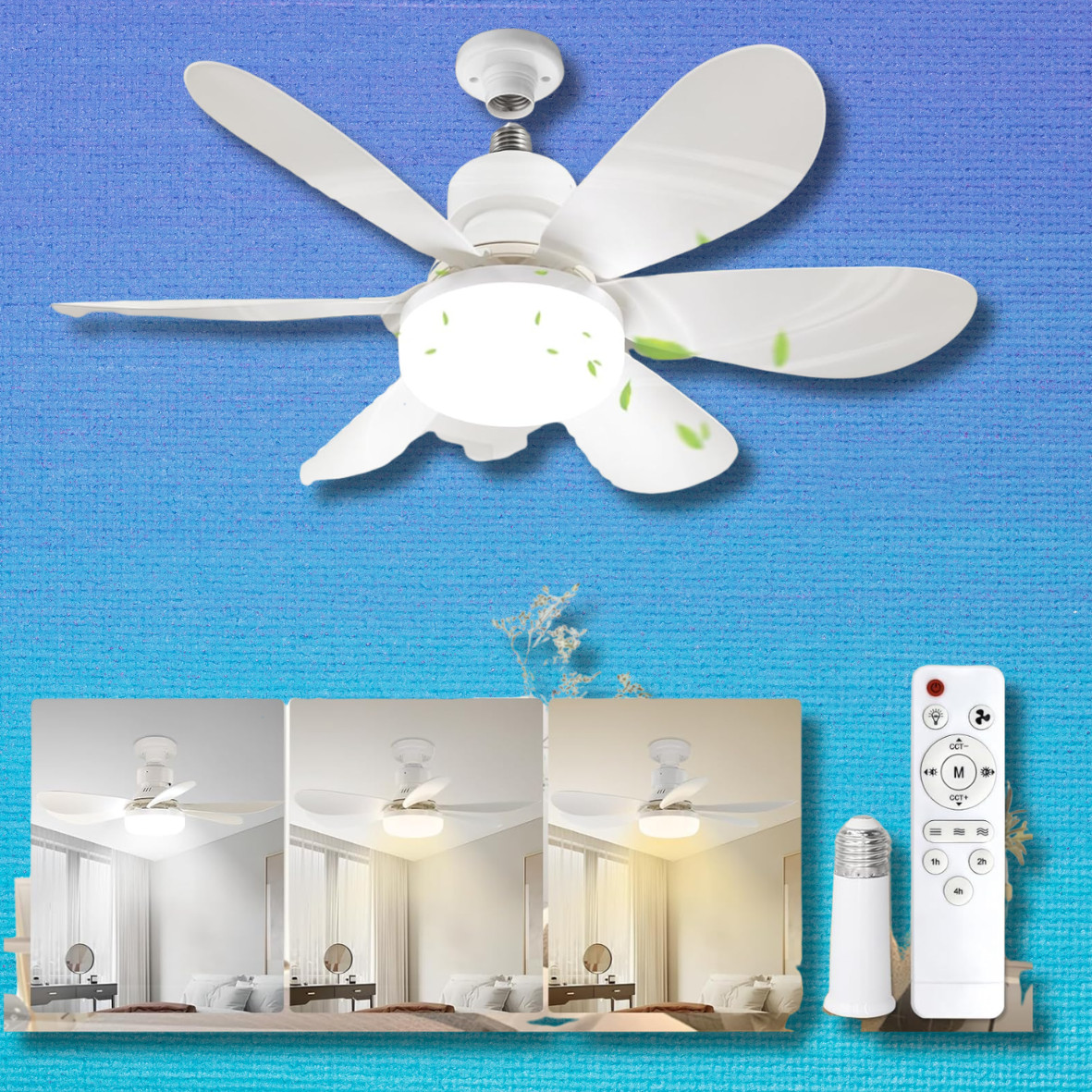 Socket Fan Light Ceiling Fans With Lights And Remote Dimmable LED Ceiling Fan US$32.99View on eBay
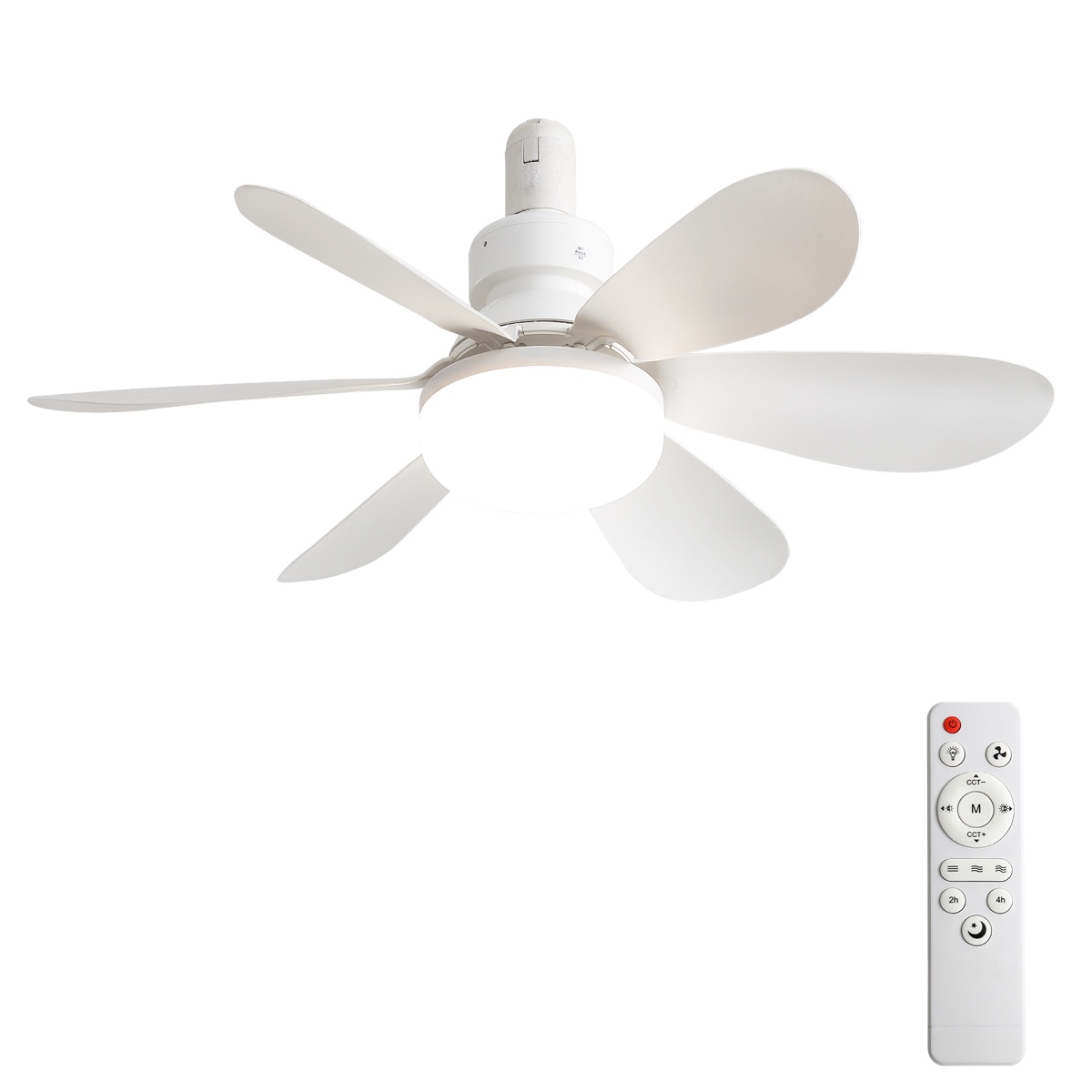 20-Inch Socket Fan Light Portable Ceiling Fan With And Remote, 3-Color Dimmable LED, Silent DC Motor, 2-4H Timer, Screw In Design For Small Rooms$68.99View on Mallflare
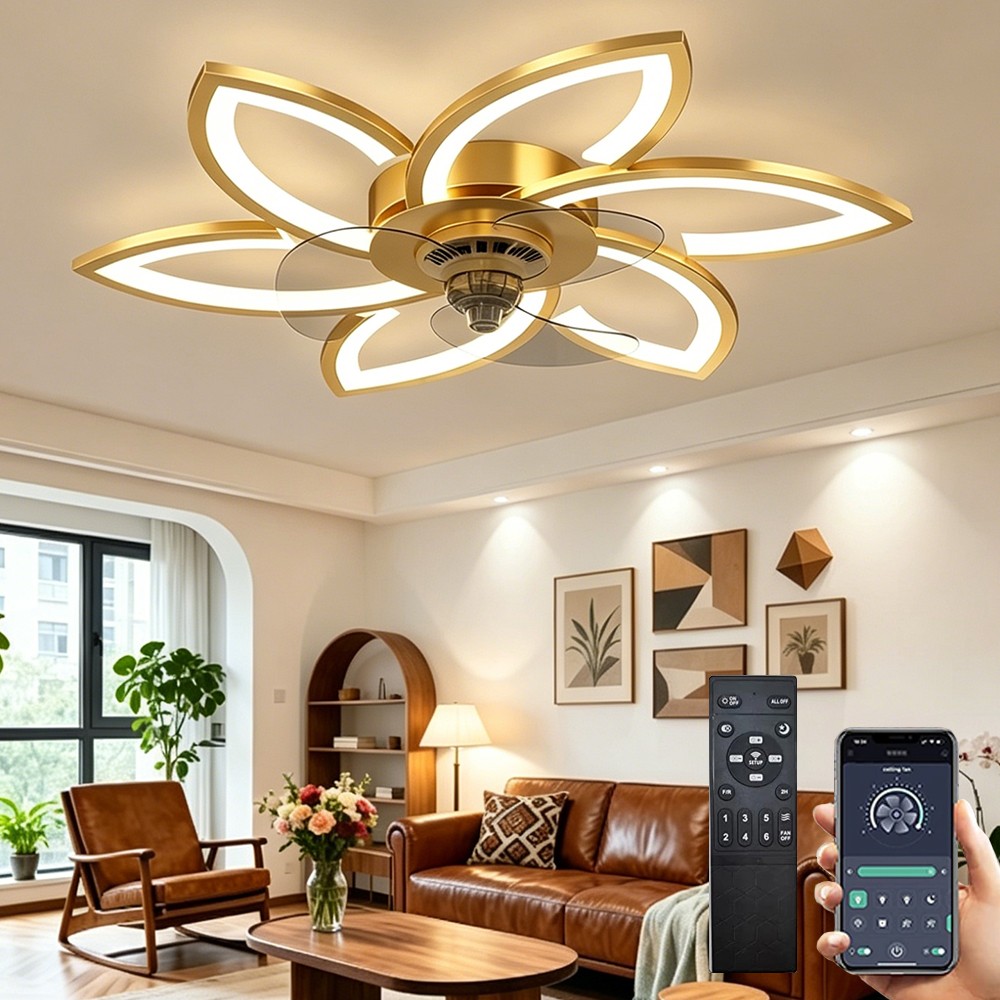 Quiet Modern Ceiling Fan Dimmable LED Light with Remote and APP Control$43.99View on eBay
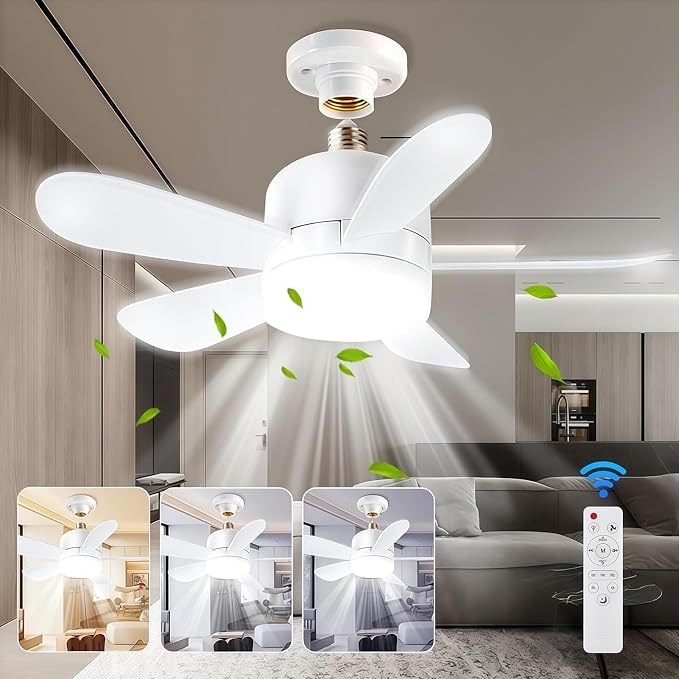 Ceiling Fan With Lighting Fixture, Plug-in Type, Remote Control 3 Wind Speeds, Suitable For Home, Living Room, Kitchen And Office$70.99View on Mallflare
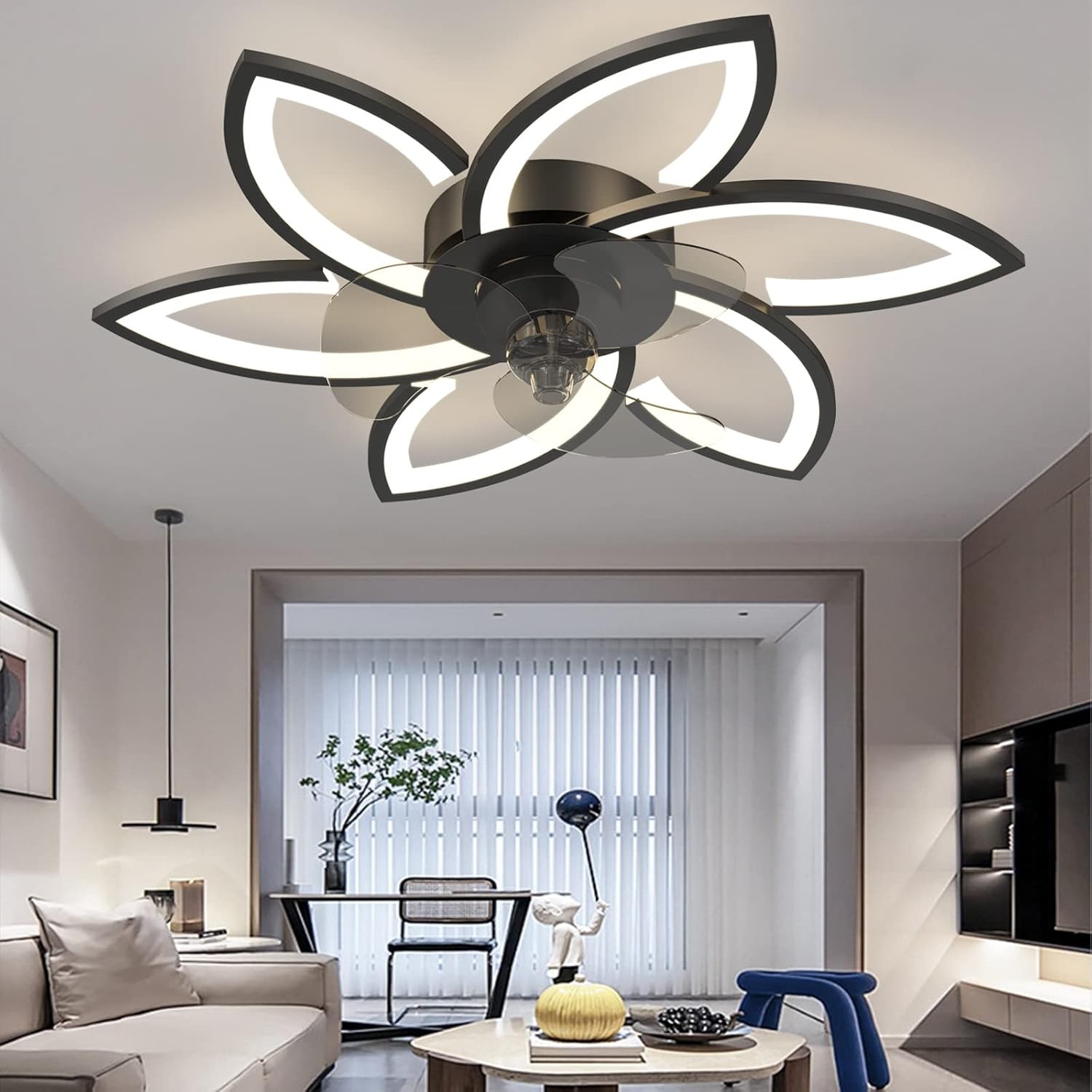 Low Profile Ceiling Fan with Light,Dimmable LED Ceiling Fans with Remote Control$48.55View on eBay
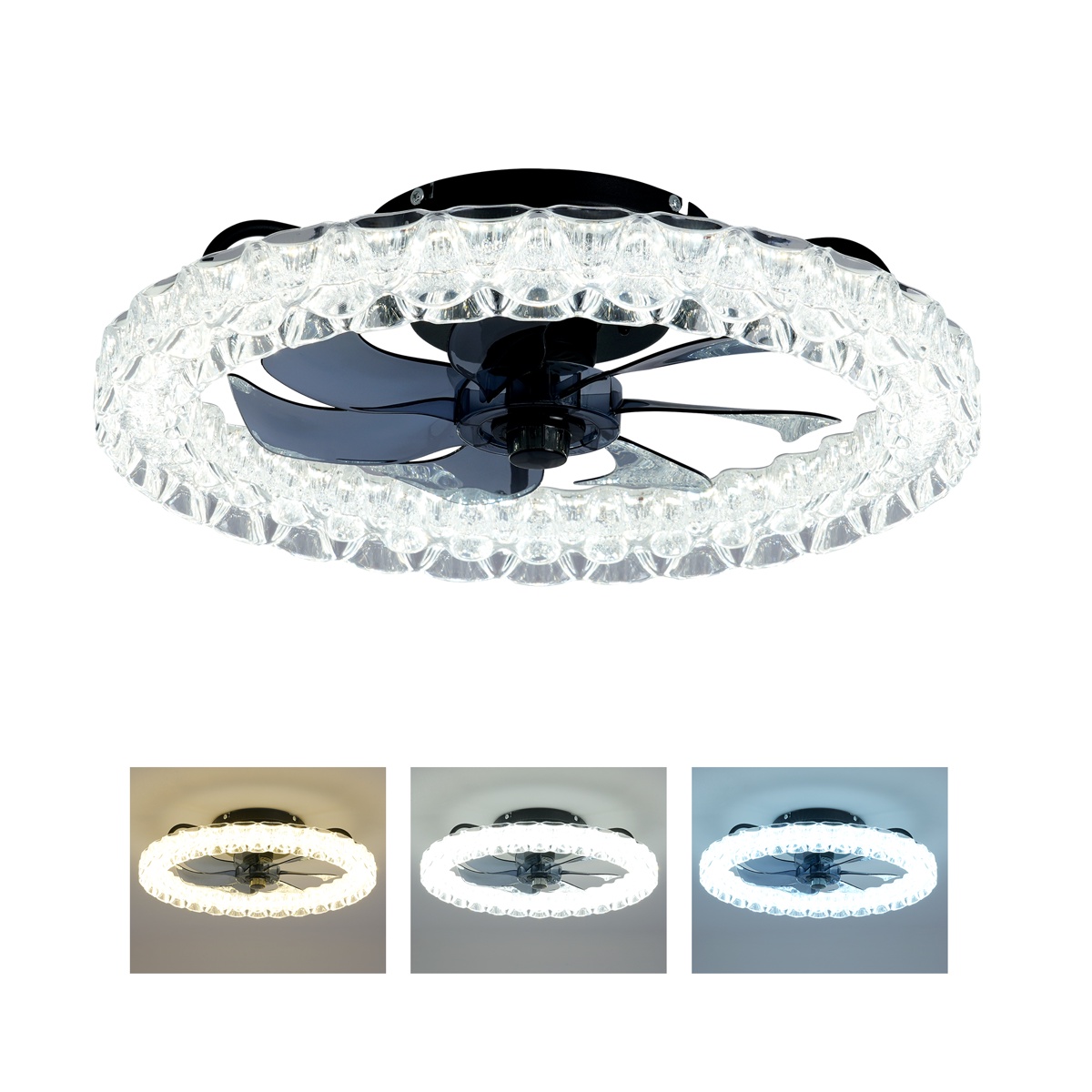 Galaxy Ceiling Fans With Kit ,LED Light Source And Remote Control, 3000-6500K Dimmable Modern Flush Mount LED Fan 6 Speeds, Quiet DC Motor For Living Room, Bedroom,Kitchen----Matte Black$77.99View on Mallflare
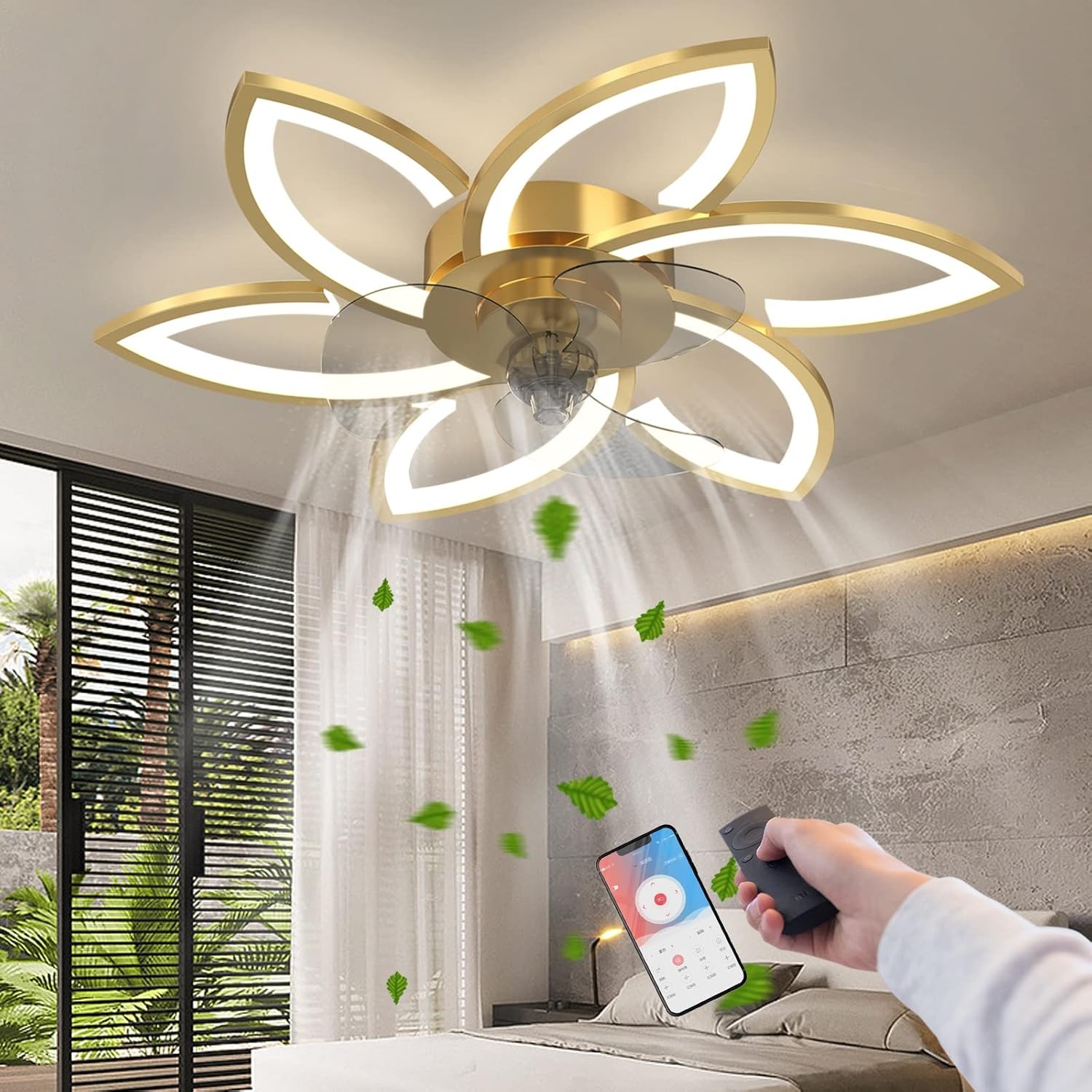 Low Profile Ceiling Fans with Lights & Remote,Dimmable Flush Mount Ceiling Fan$49.66View on eBay
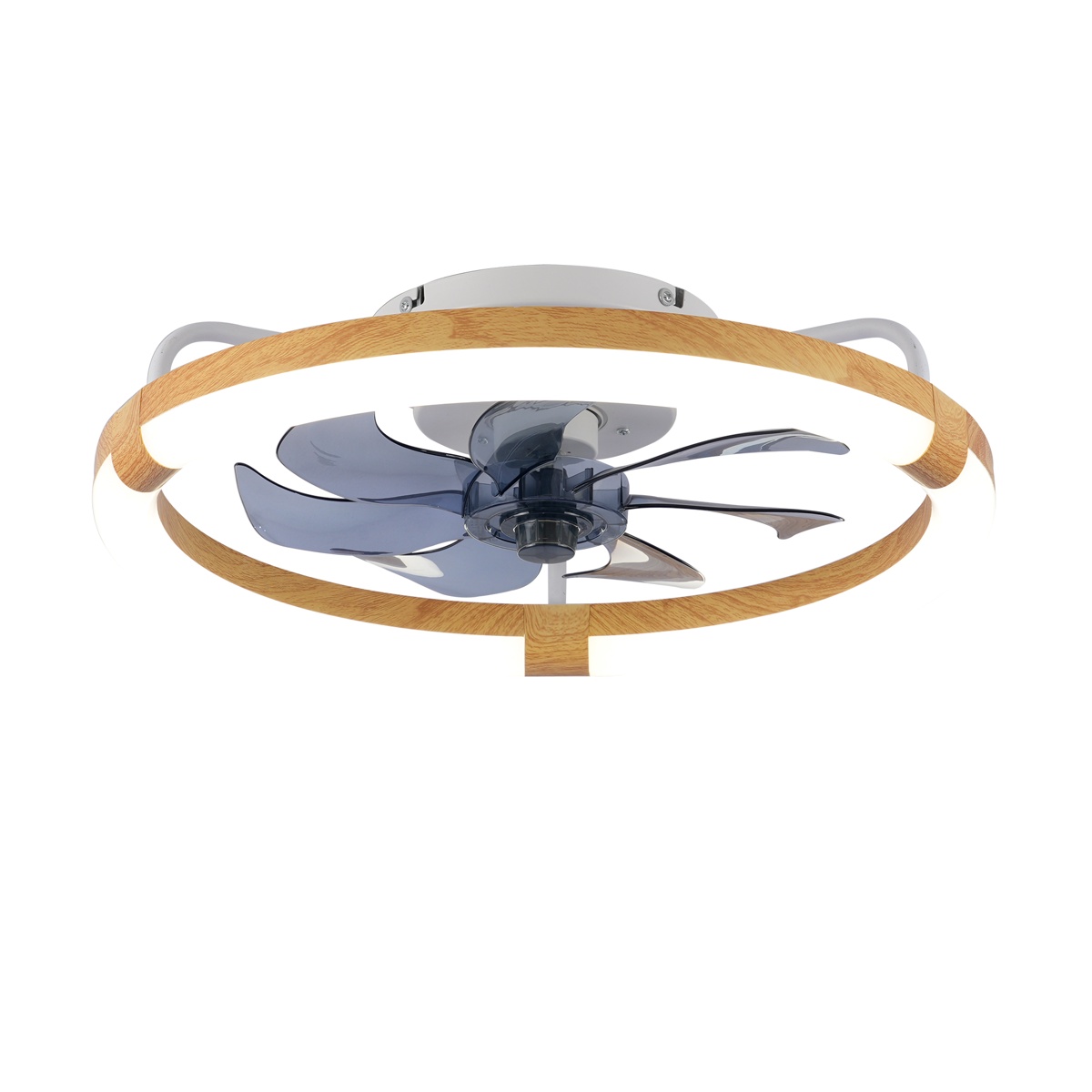 20 Ceiling Fans With Kit ,LED Light Source And Remote Control, 3000-6500K Dimmable Modern Flush Mount LED Fan 6 Speeds, Quiet DC Motor For Living Room, Bedroom,Kitchen----Matte White WOOD$77.99View on Mallflare
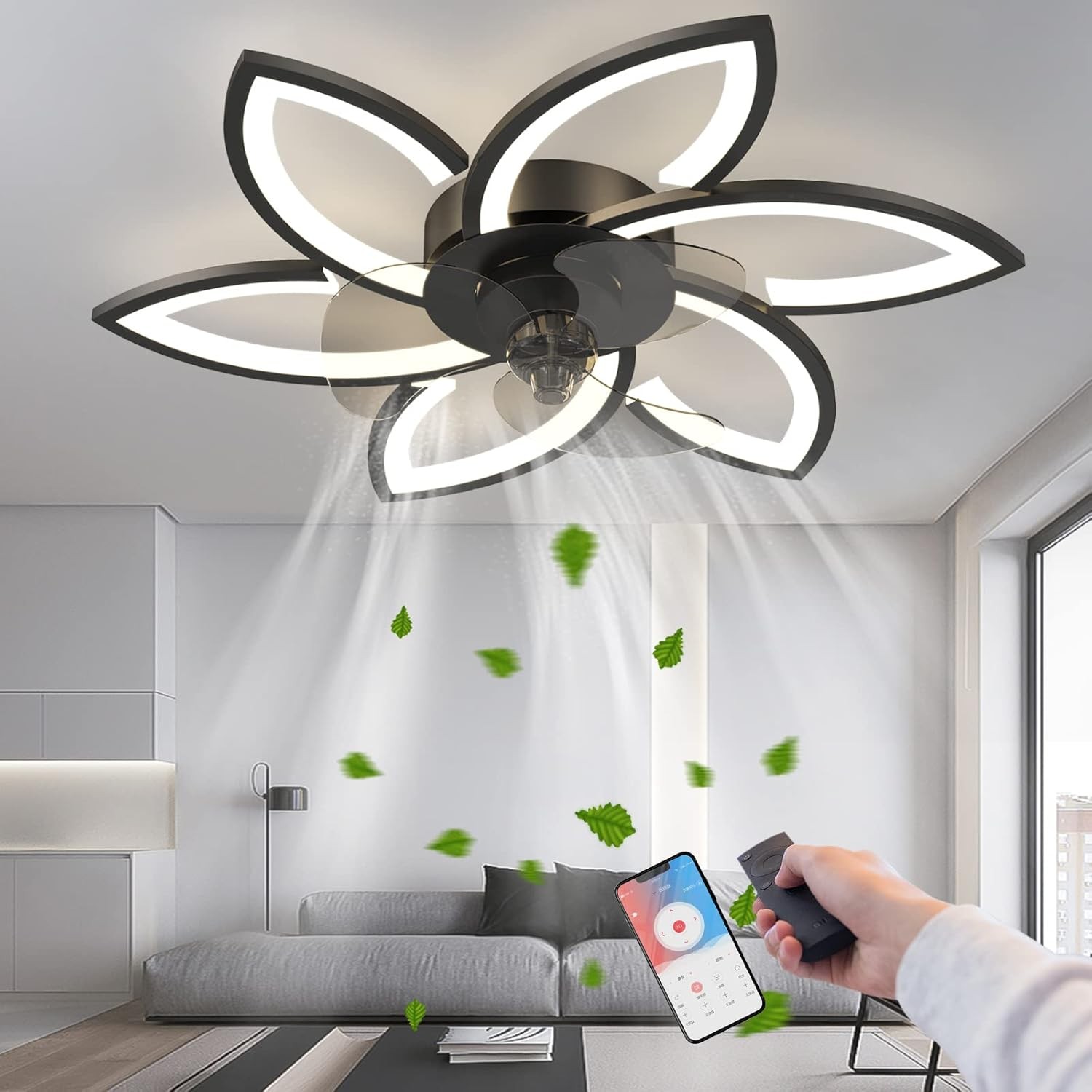 30.7in Ceiling Fans with Lights Remote & APP Control Flush Mount LED Fan Light$49.85View on eBay
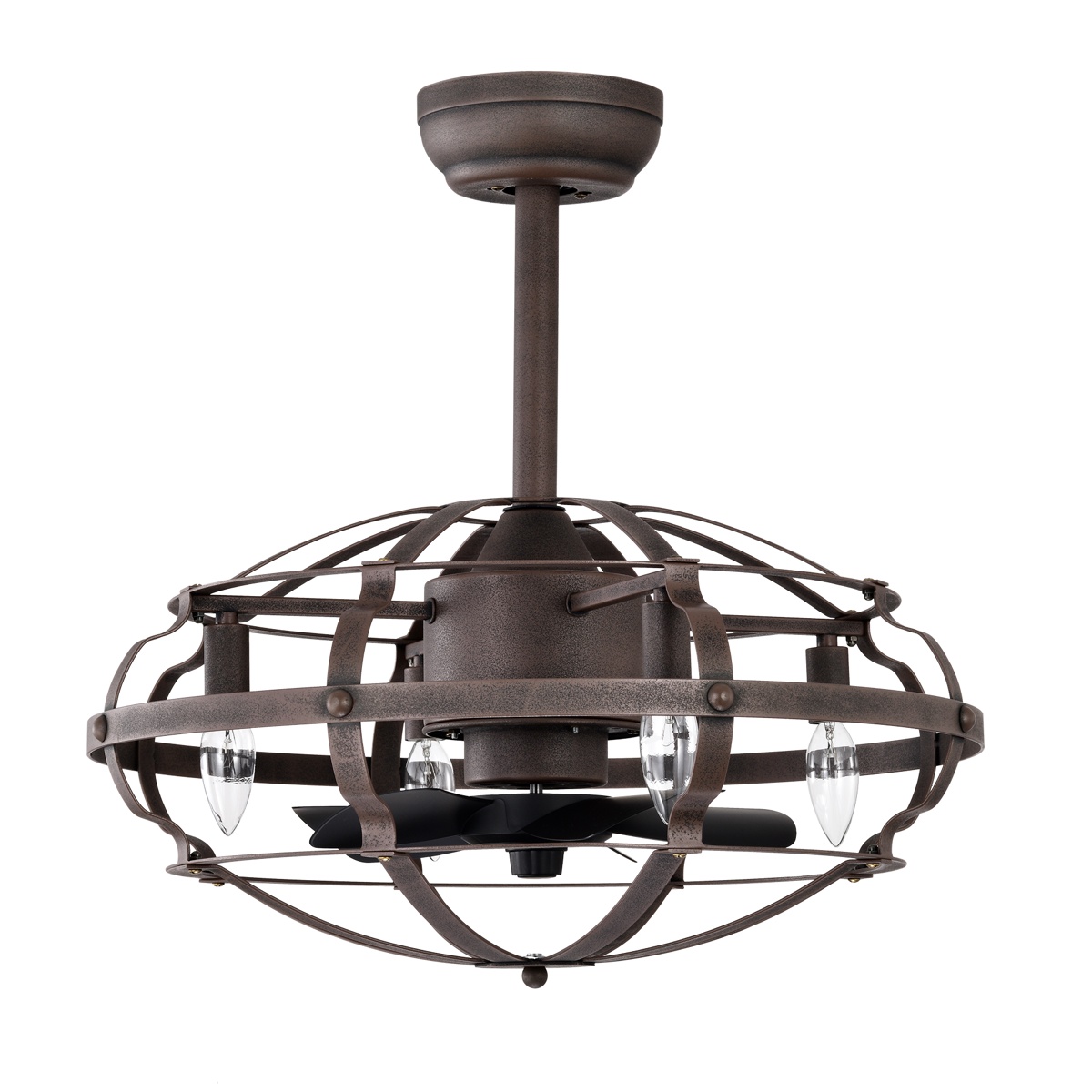 20.63 INCH Caged Ceiling Fan With Lights,Modern Enclosed Fan Indoor Remote Control ,AC Motor,3 Speed,Timing For Farmhouse, Bedroom Living Room Bedroom--NOT Included Bulbs--Rust Red Color$89.99View on Mallflare
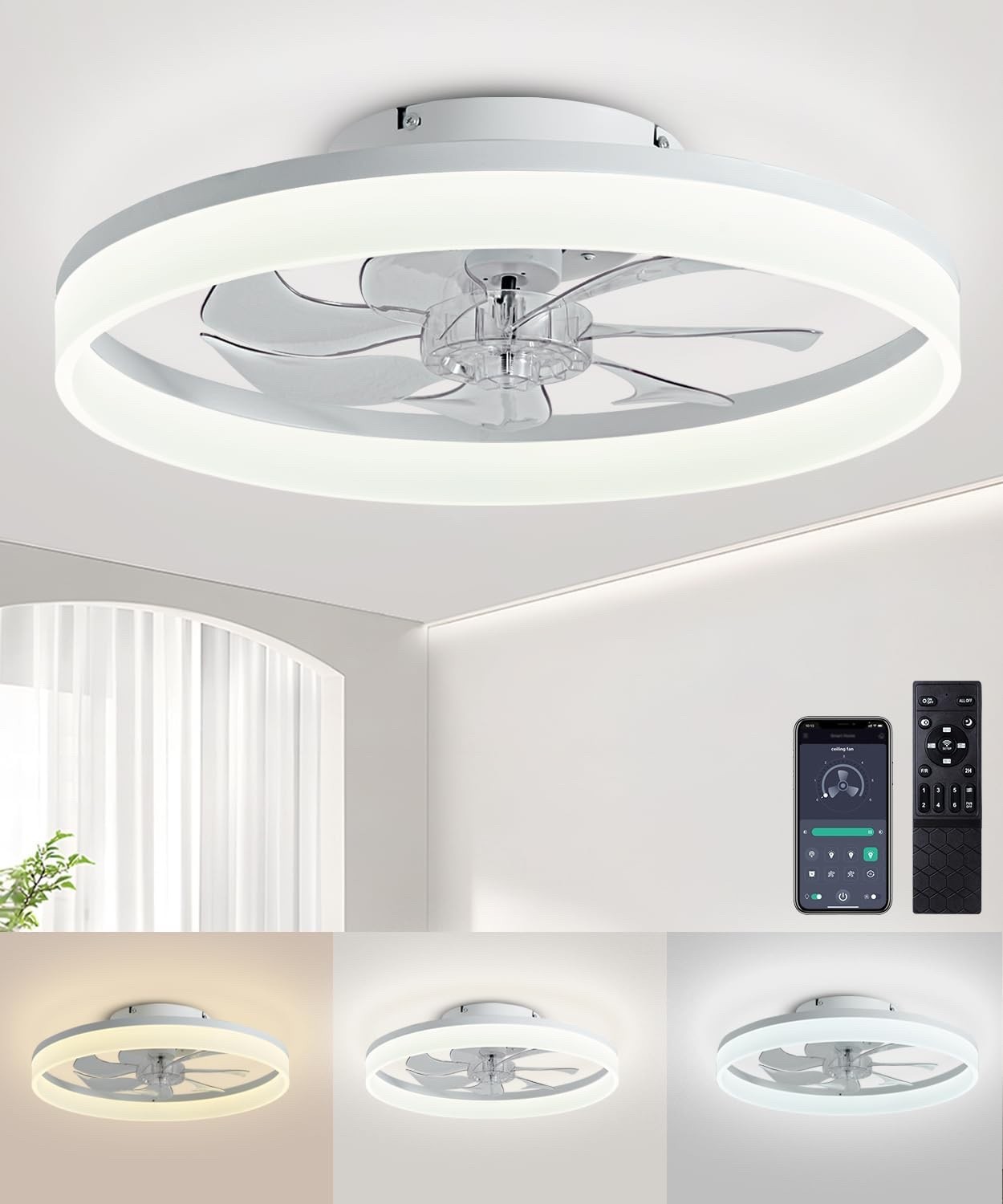 Low Profile Ceiling Fans with Lights and Remote,Flush Mount Foldable Fandelier$49.99View on eBay
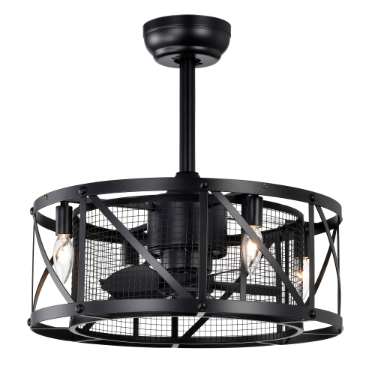 20''Industrial Ceiling Fan With Remote Control,3 Speed,AC Motor, Timing,5 PC Blades Small Size Fan- For Bedroom, Living Room--NOT Included Bulbs--Matte Bla$89.99View on Mallflare
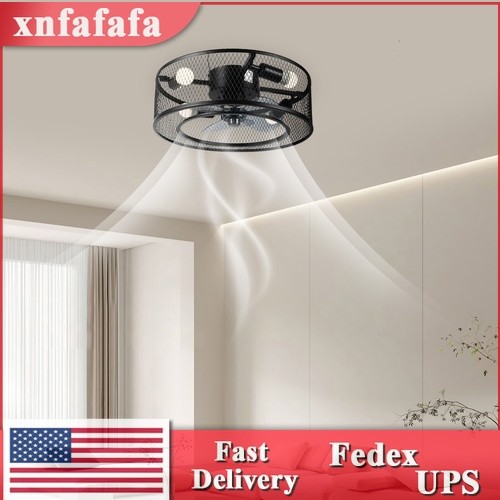 18" Caged Ceiling Fan w/ Light Iron Metal Round Lamp Chandelier 3 Speeds Black$50.21View on eBay
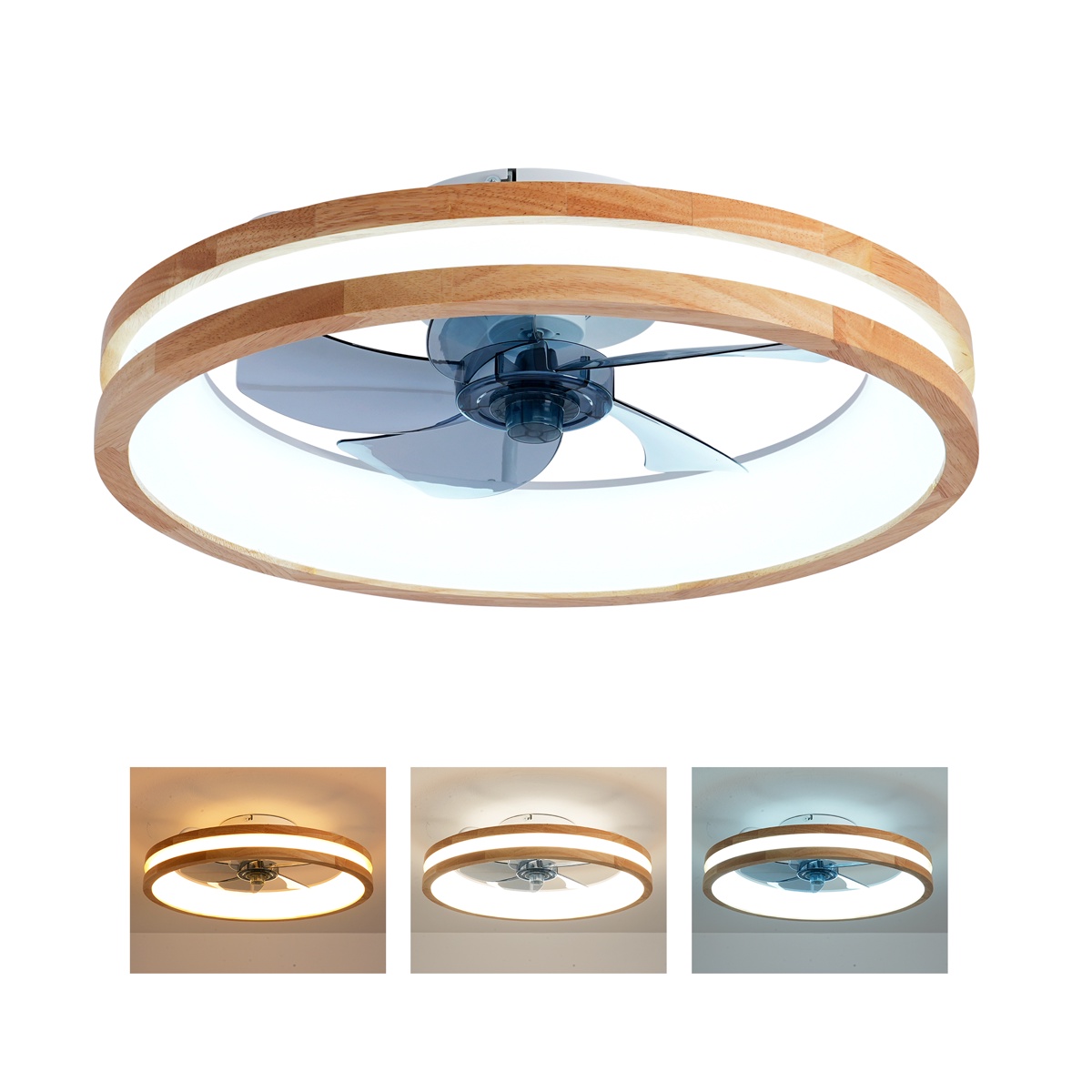 Ceiling Fans With Kit ,LED Light Source And Remote Control, 3000-6500K Dimmable Modern Flush Mount LED Fan 6 Speeds, Quiet DC Motor For Living Room, Bedroom,Kitchen----Natural Wood White$94.99View on Mallflare
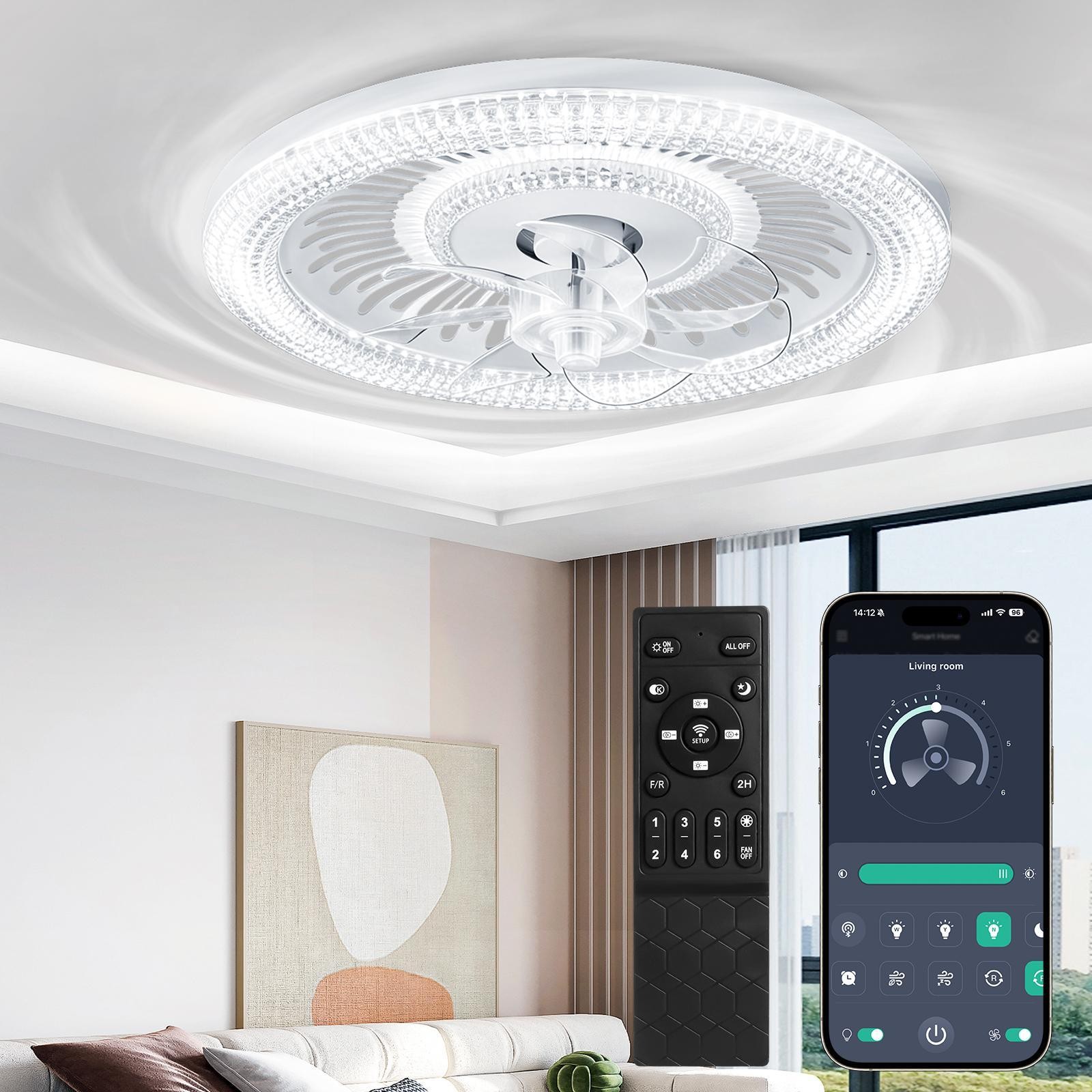 Socket Fan Light Ceiling Fans With Lights And Remote Dimmable LED Ceiling Fan US$50.99View on eBay
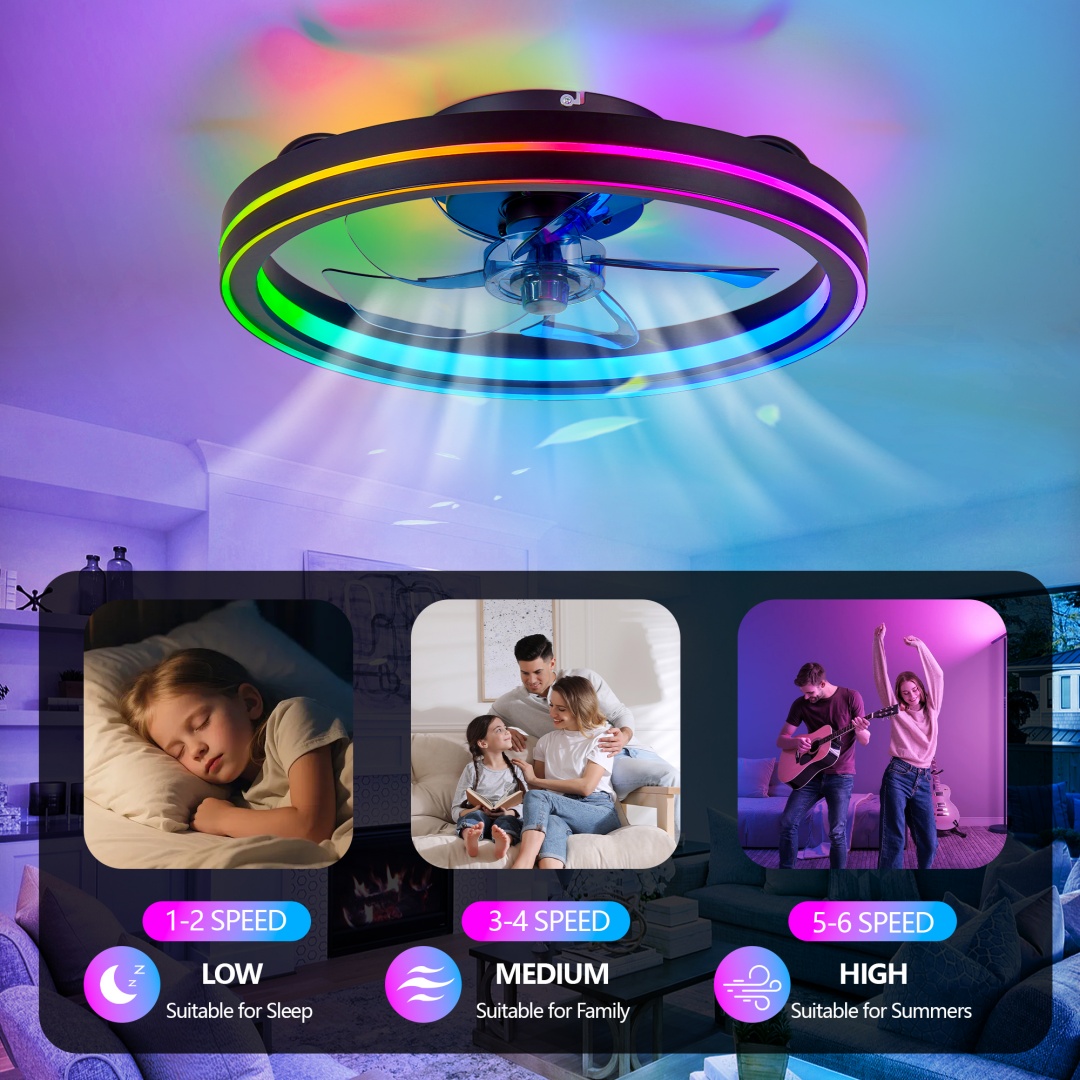 RGB Ceiling Fan With Lights, Low Profile Fans And Remote, Flush Mount LED Fan Light, Modern Bladeless Fandelier For Bedroom Works APP, 19IN Black$95.99View on Mallflare
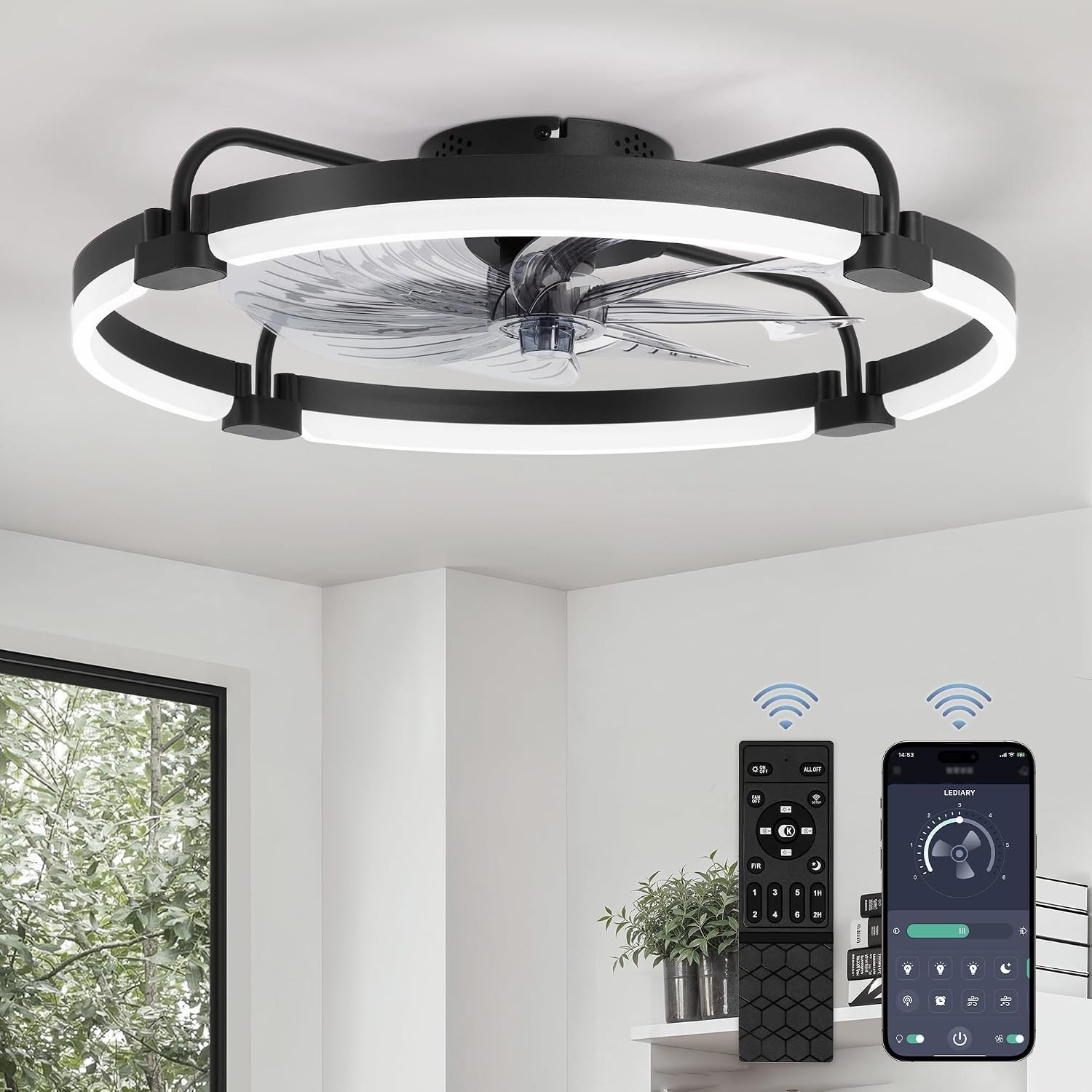 LEDIARY 24" Ceiling Fans with Lights and Remote, Low Profile Led Fan Light$52.43View on eBay
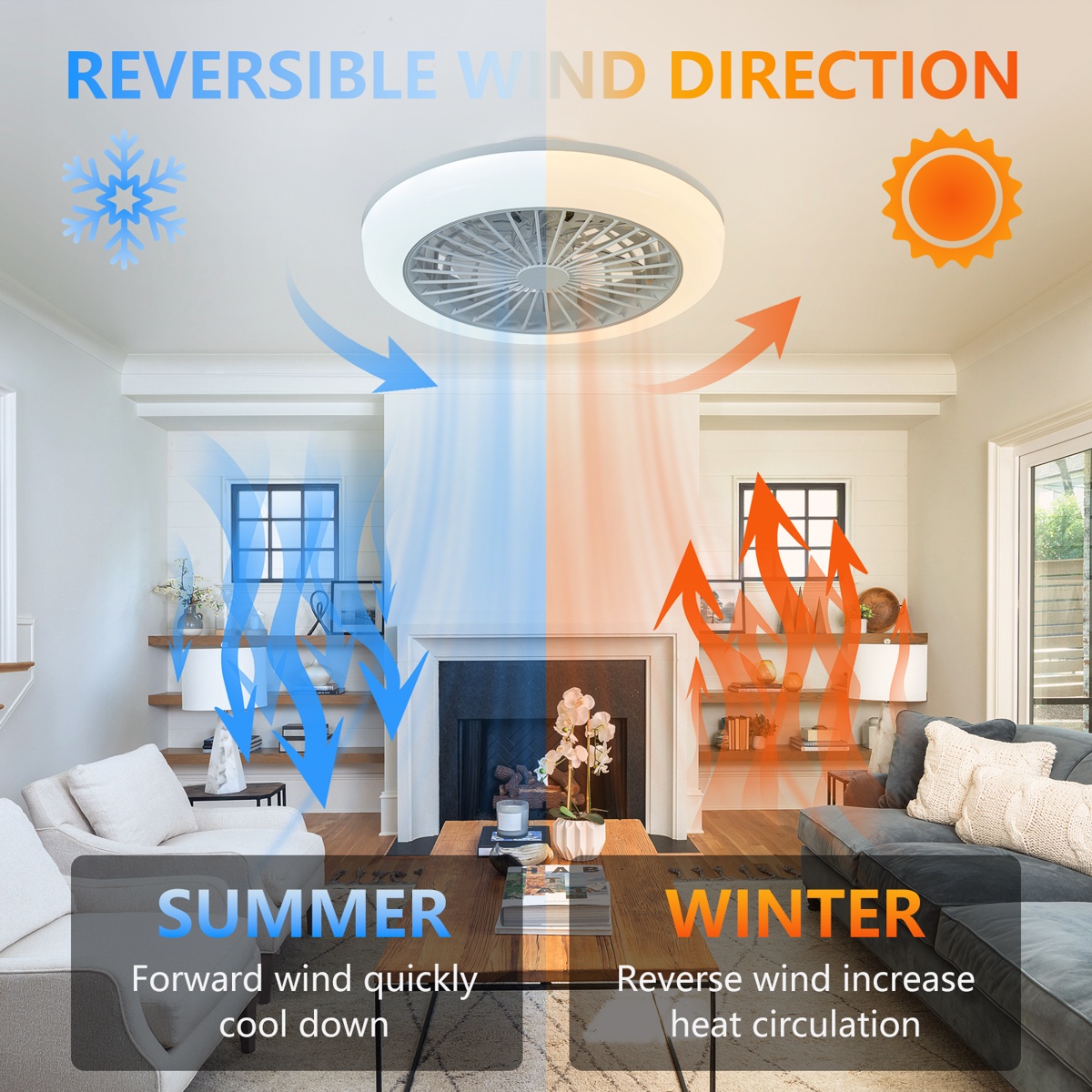 18 Inch Ceiling Fan With RGB Light Remote, Smart LED Fans App Control, Modern Low Profile Dimmable Fan For Bedroom Living Room White$95.99View on Mallflare
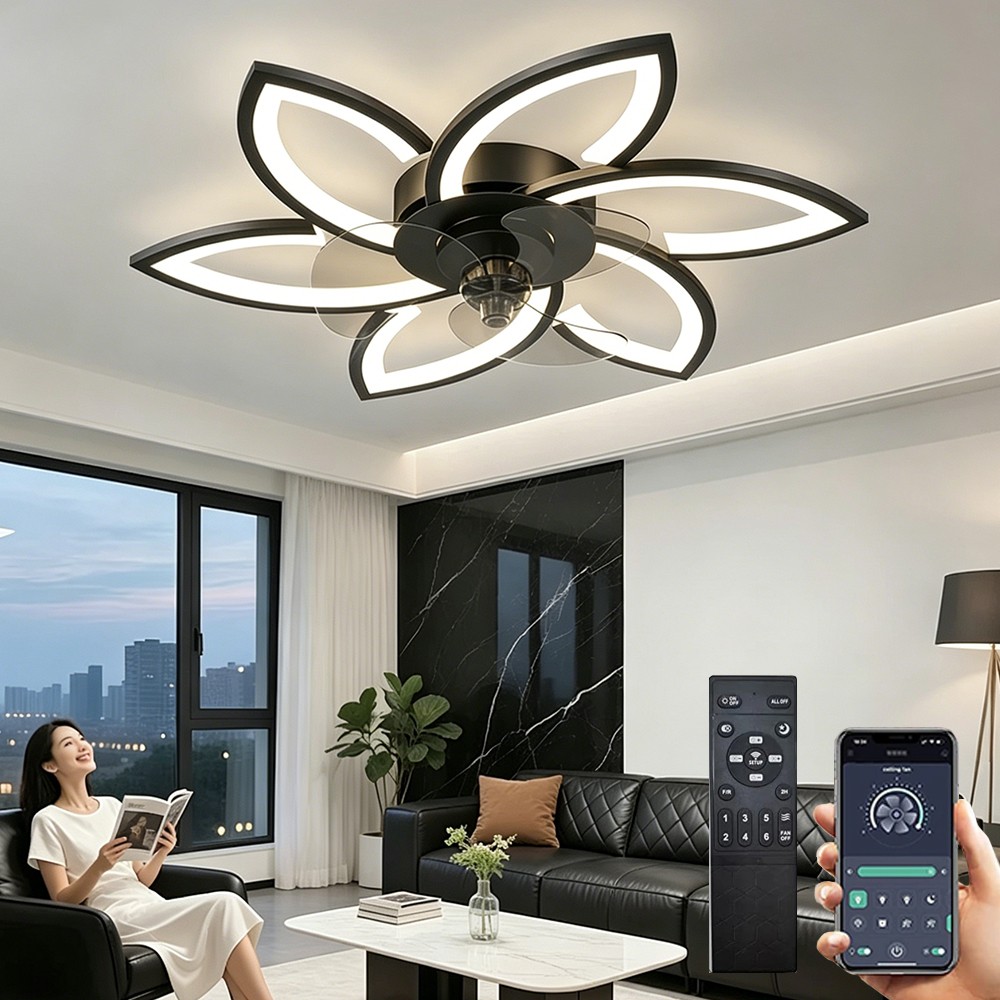 30.7" Ceiling Fan with Lamp,Dimmable Remote Control and APP Compatible$52.66View on eBay
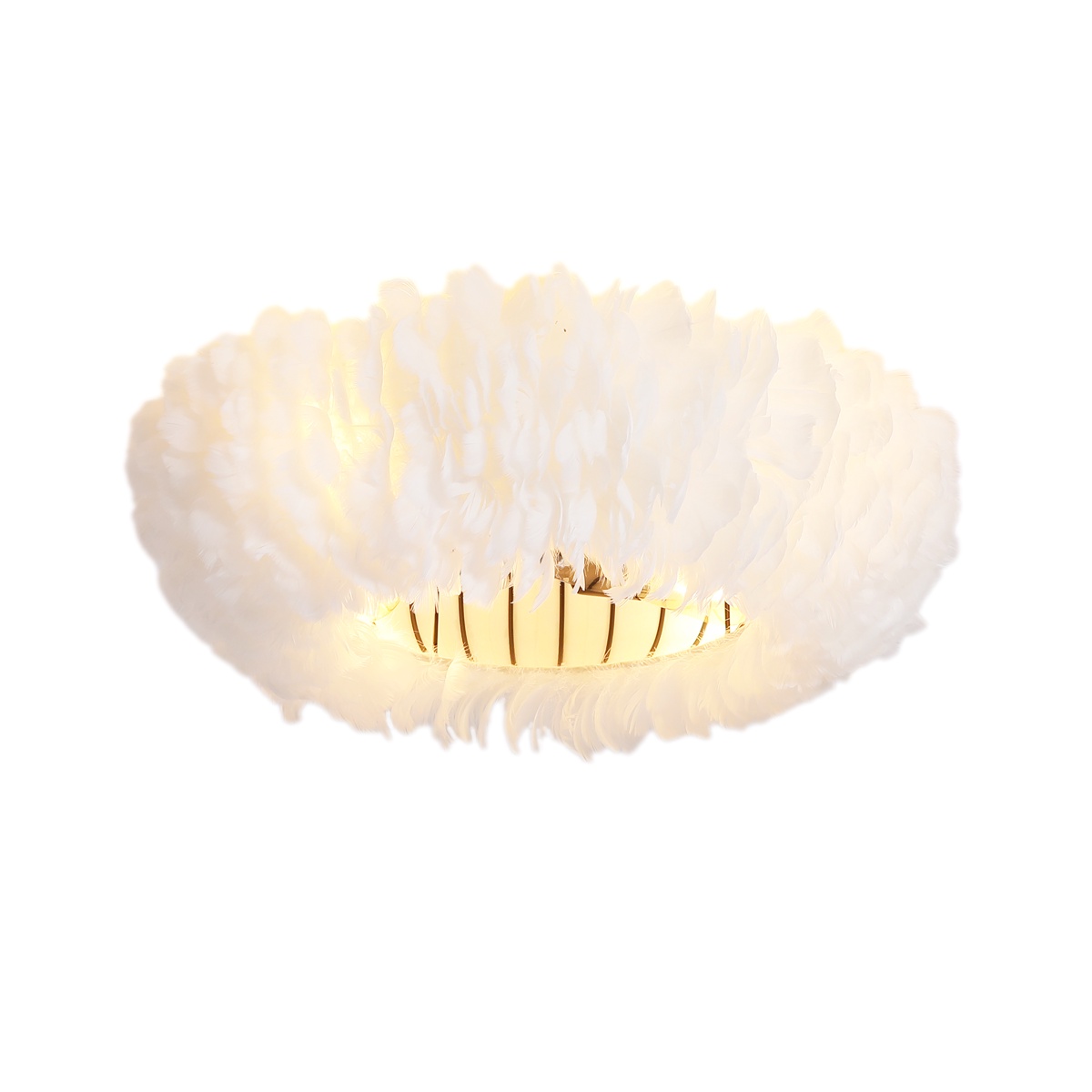 20 Feather-Dressed Caged Ceiling Fans With Remote, Flush Mount Fan Light, Chandelier Fan 6 Speed DC Motor Reversible Fan For Living Room Bedroom.--NOT INCLUDED BULBS$97.99View on Mallflare
Highlights
- DC 6-speed motors draw roughly 15-30W at high speed versus 60-80W for AC 3-speed, and run quieter with sealed bearings that resist dust and wobble.
- Blade span must match room size: 29-36 in for up to 75 sq ft, 42-48 in for 75-144 sq ft, 52-60 in for 144-400 sq ft; undersizing is the top cause of 'fan doesn't cool' complaints.
- Flush-mount (hugger) fans need at least 7 ft 10 in ceiling height and sit 7-10 in from ceiling; downrod fans need 8-9 ft ceilings and a rod length that keeps blades 8-9 ft above the floor.
- Dimmable LED light kits run 15-24W and 3000-6500K tunable white; integrated kits simplify wiring, while no-light models suit rooms with separate lighting and cut total fixture depth.
Best use cases
- Bedroom (best fit): pick a 42-52 in DC 6-speed fan with a dimmable 3000-6500K LED kit and remote; skip AC 3-speed models and any fan without a sleep or low-speed mode if noise matters.
- Low ceiling under 8 ft (best fit): choose a flush-hugger or low-profile fan with a 44-52 in span and no downrod; skip standard downrod fans, which will hang blades below 7 ft and create a head-strike hazard.
- Large living room or open plan 200-400 sq ft (best fit): use a 52-60 in span, 3-blade DC fan with reversible motor and downrod mount; skip 20-30 in socket or portable fans, which cannot move enough CFM for the volume.
- Small room, rental, or supplemental spot cooling (best fit): a 20-in socket fan light or plug-in fan works for a closet, laundry, or hallway; skip it as the only fan for a bedroom or living room because its CFM and span are too low.
Buying tips
- Match span to square footage using the standard rule: room length x width, then 29-36 in for <=75 sq ft, 42-48 in for 75-144 sq ft, 52-60 in for 144-400 sq ft.
- Choose DC motor and 6 speeds when the fan runs more than 2 hours daily or sits in a bedroom; the efficiency gain and lower noise justify the step-up over AC 3-speed.
- For ceilings 8-9 ft, use a downrod that leaves blades 8-9 ft above the floor and at least 10 in below the ceiling; for ceilings under 8 ft, use flush mount only.
- Confirm the light kit is dimmable and tunable 3000-6500K with a remote or app, not a fixed 4000K module; integrated LEDs are not user-replaceable on most fans, so buy a reputable driver.
Specs
| Motor Type | DC 6-speed vs AC 3-speed |
|---|---|
| Blade Span | 29-60 in (match to sq ft) |
| Mount Type | Flush hugger / downrod / slope |
| Light Kit | Dimmable LED 3000-6500K, 15-24W |
Related searches
What to check before buying
- Measure ceiling height and room length x width first; ceiling height decides flush vs downrod, and square footage decides blade span.
- Check the electrical box: most full-size ceiling fans require a fan-rated box anchored to a joist; retrofit brace boxes are needed where only a light box exists.
- Verify the mount works for your ceiling: flat ceilings use flush or downrod; sloped ceilings above 15 degrees need a slope-mount canopy or ball-joint hanger.
- Confirm control and wiring: remote and app models need a receiver in the canopy; wall-switch-only models lose separate light and fan control unless dual switches are wired.
FAQ
Data sources: eBay / Amazon listings and product attribute feeds. Updated Nov 22, 2026.
Some links on this page are affiliate links. If you buy after clicking one, we may earn a commission at no extra cost to you. This does not change which products appear here or their order. Affiliate disclosure.