
Photos from current listings. Actual item, color, and included accessories may vary.
Alarm System Buying Guide
Alarm systems range from simple door chimes to full DIY hubs with cellular backup and professional monitoring. The primary trade-off is between sensor security (contact and motion) and connectivity reliability: Wi-Fi-only kits are inexpensive but fail when the network or power goes down, while cellular and dual-path systems remain armed. Choose a system with local siren and battery backup as the durable baseline; treat app-only or chime-only devices as convenience add-ons, not primary protection.
At a glance
- Category
- Home Security
- Last updated
- Nov 22, 2026
Current offers
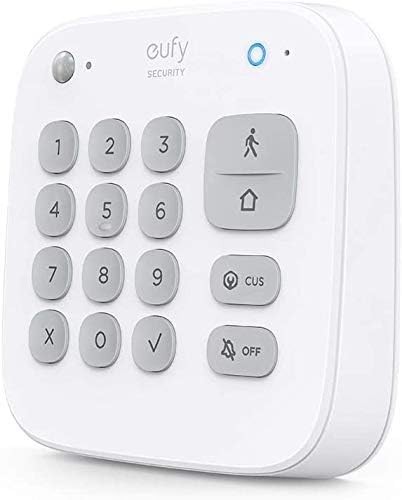 eufy Keypad Home Security System Home Alarm System 180-Day Battery Home/Away/off$25.49View on eBay
 Early Alert Bed Alarm System Wireless Bed And Chair Sensor Pad With Pager$76.99View on Mallflare
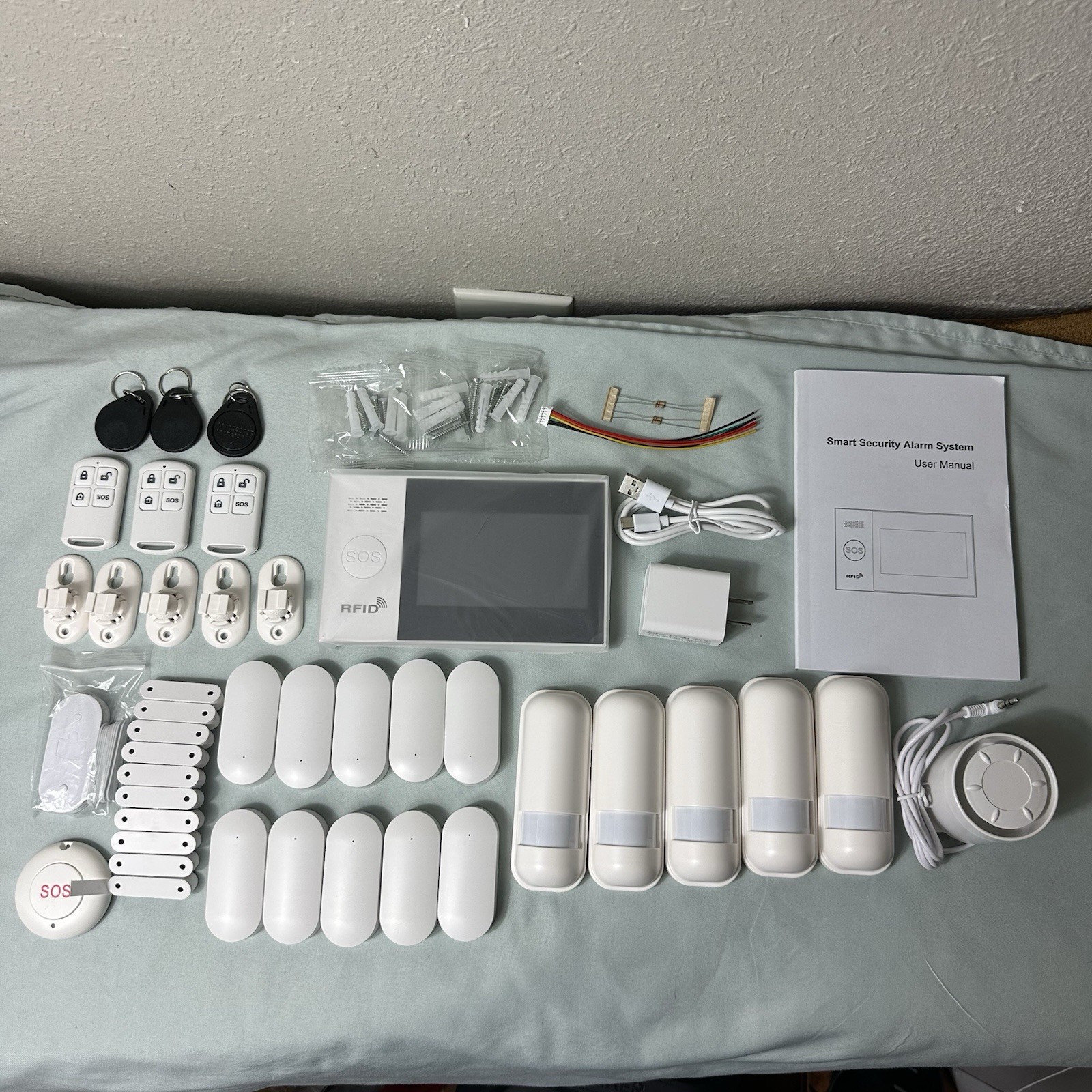 Wireless Smart Home Security Alarm System with RFID$79.99View on eBay
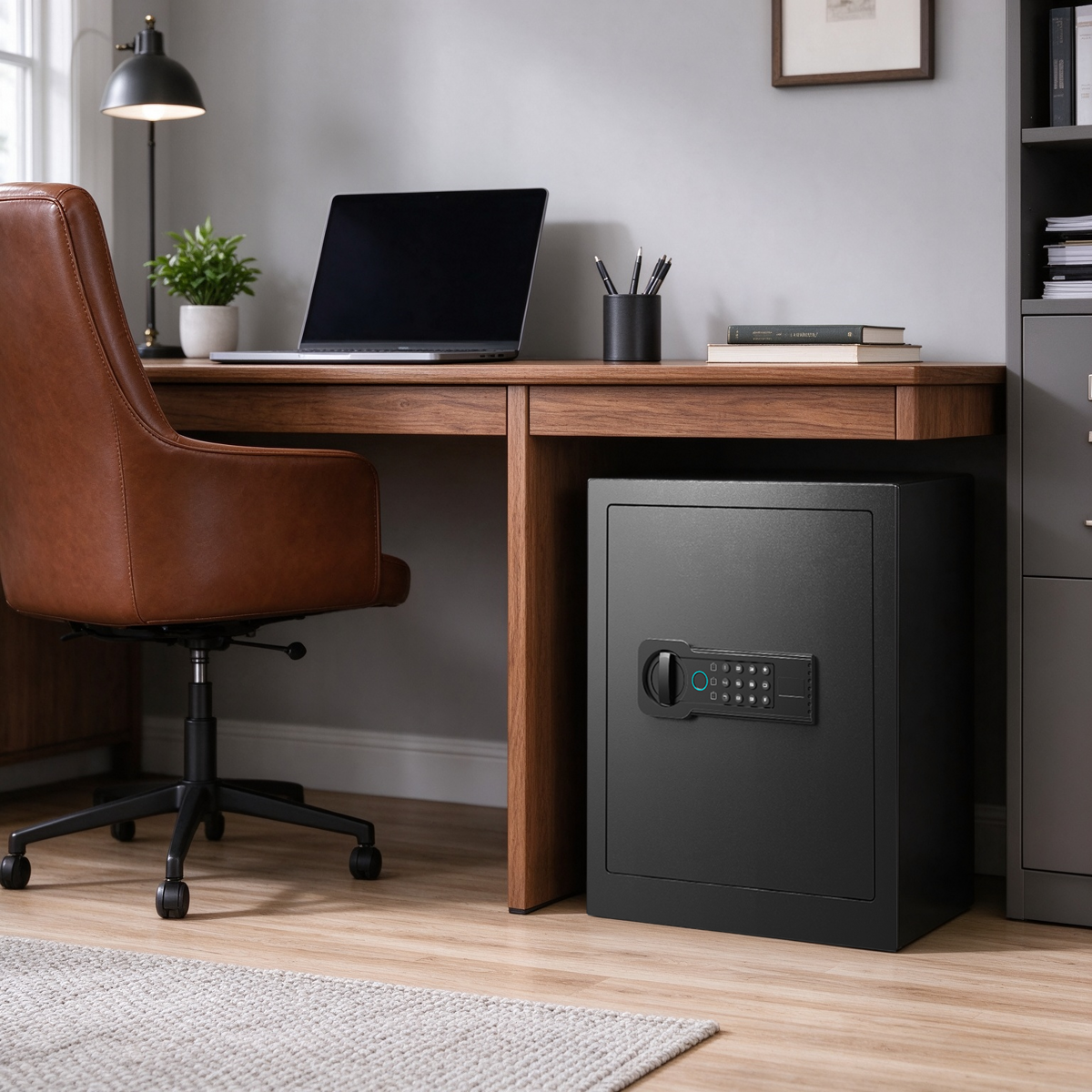 Home Safe, Featuring Fingerprint & Digital Password Design, Built-in Alarm System and Silent Mode, Black$167.99View on Mallflare
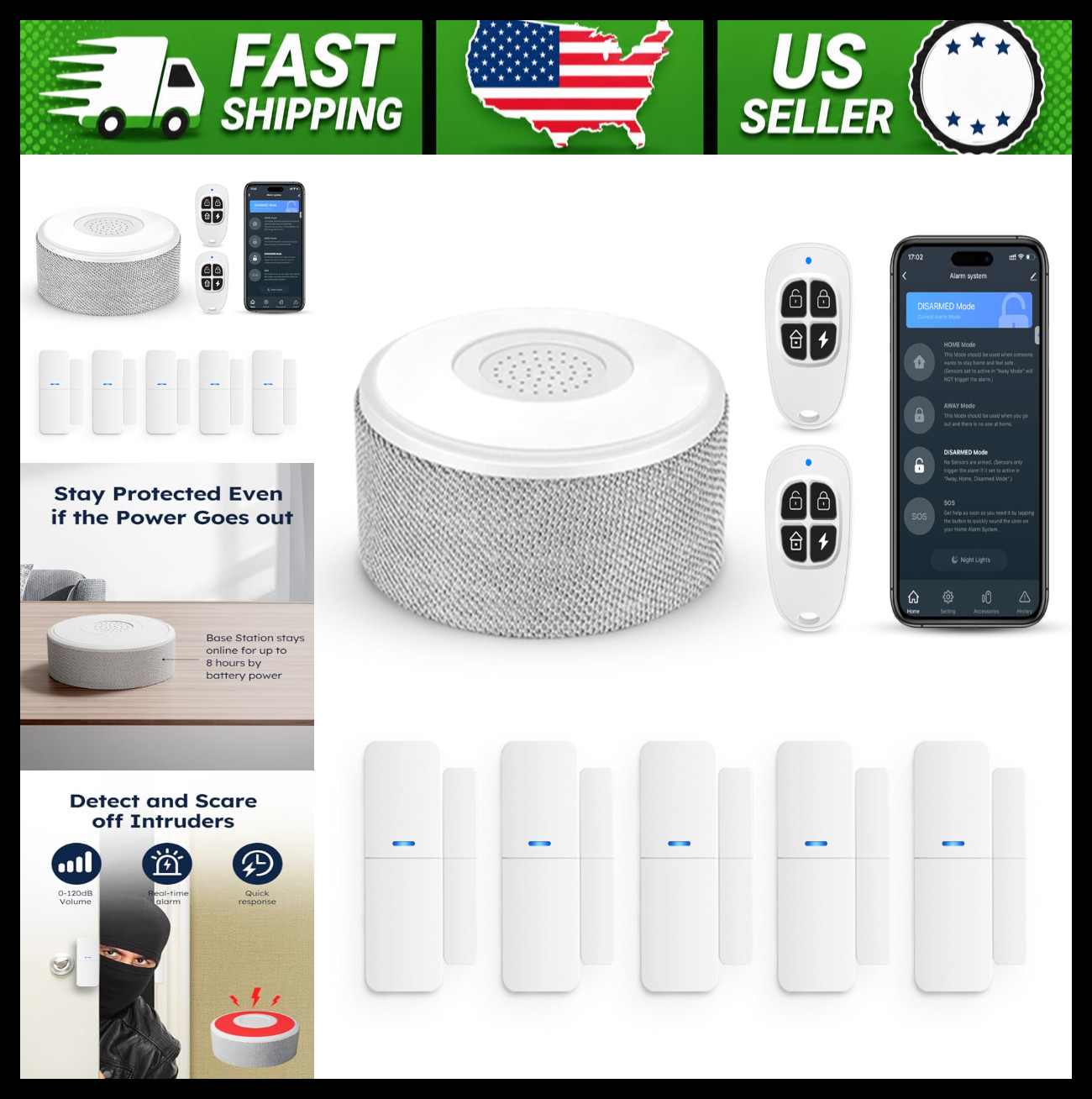 WiFi Wireless Home Security Alarm System, 8-Piece Kit with Door Sensors$110.99View on eBay
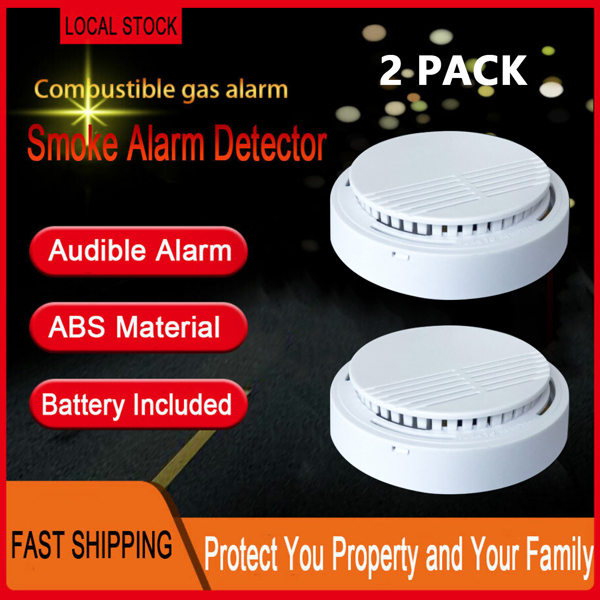 (2 Pack) Smoke Alarm Detector Home Fire Safety Sensor Alert Battery Included$20.99View on Mallflare
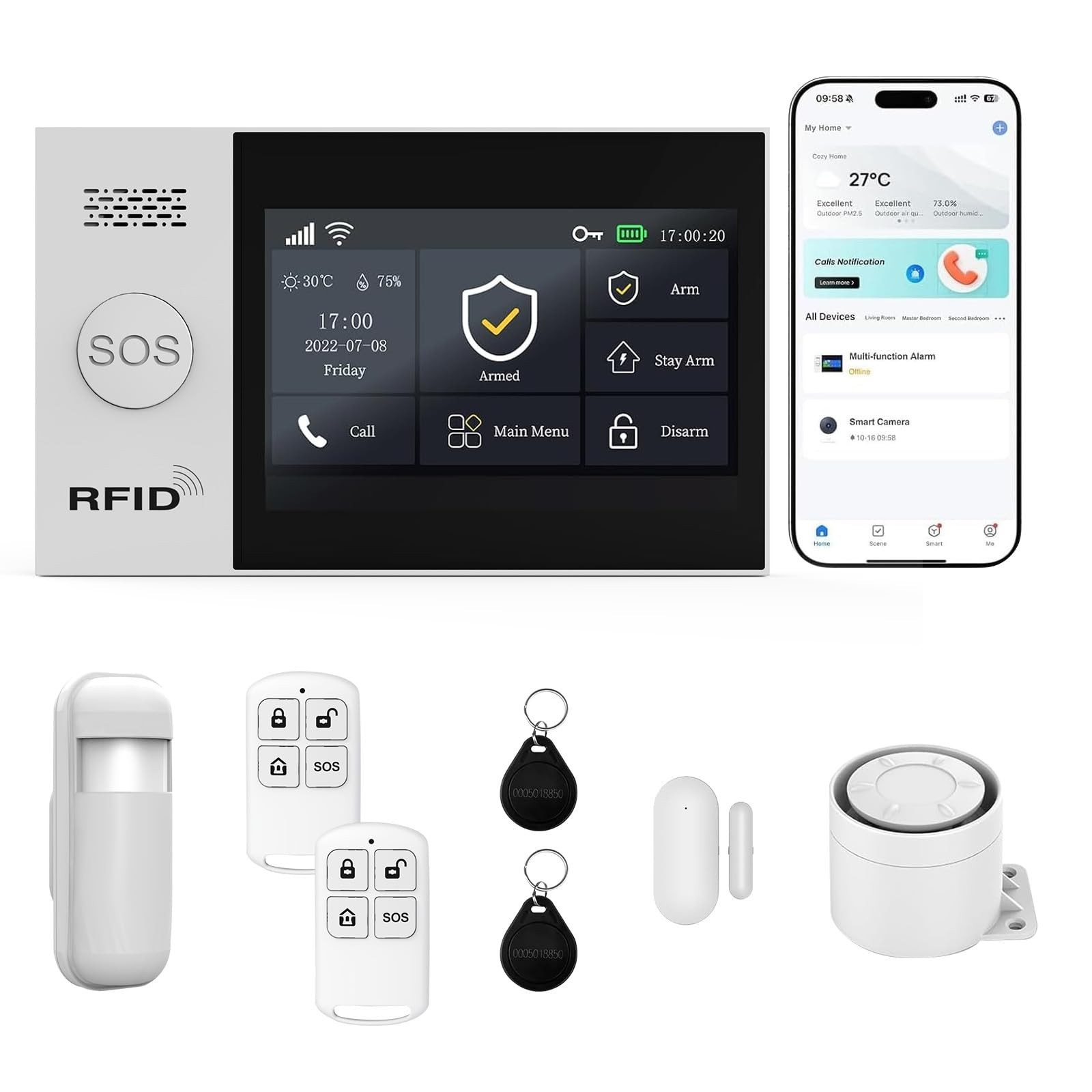 Wireless Home Security Alarm System | 4.3" Touch Screen | GSM/4G+WiFi | DIY Sens$111.99View on eBay
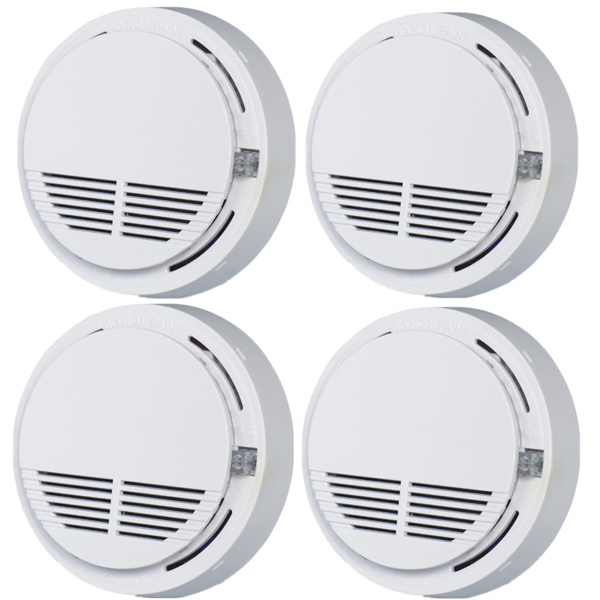 (4 Pack) Smoke Alarm Detector Home Fire Safety Sensor Alert Battery Included$26.99View on Mallflare
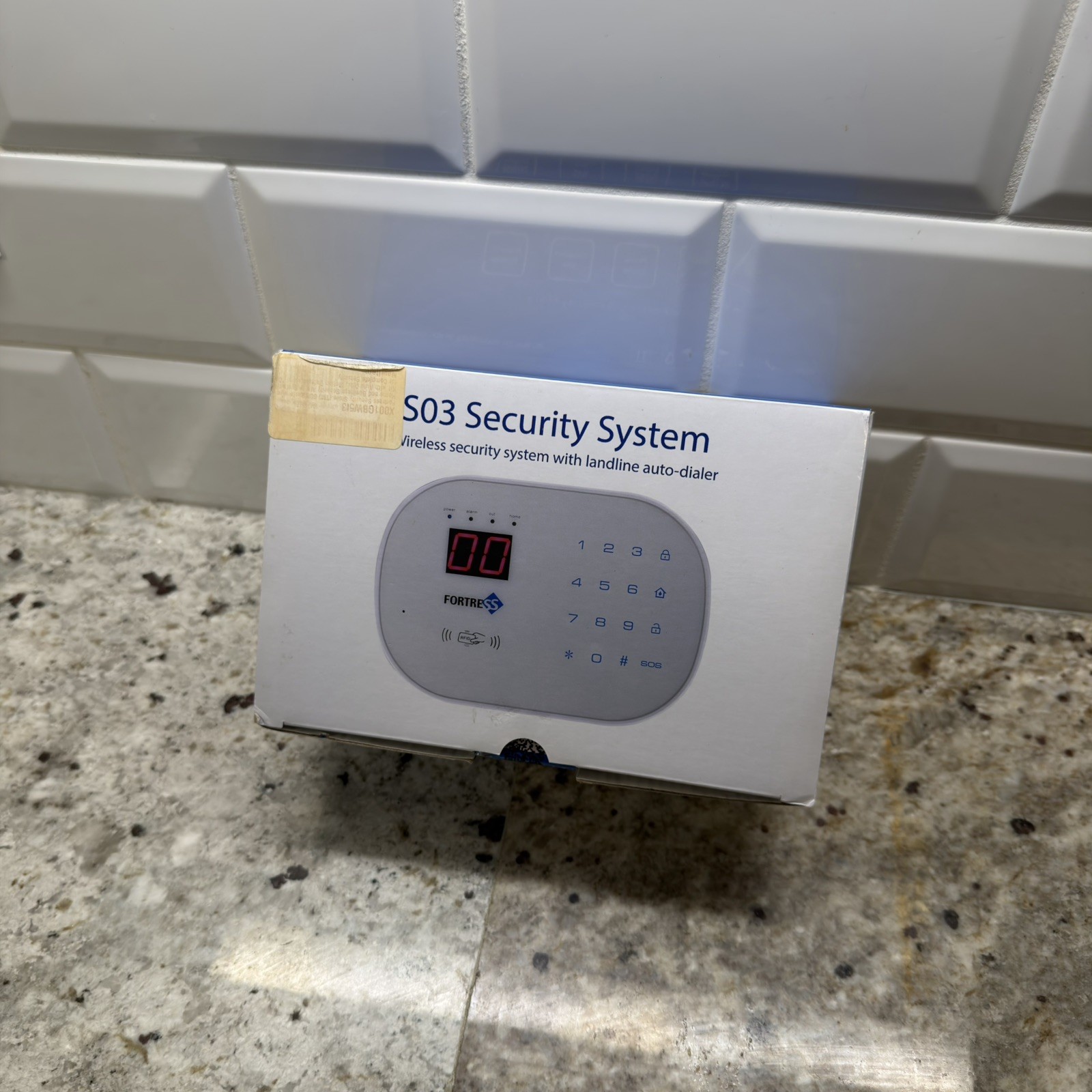 Fortress S03 Home Security Alarm System w/ Siren, 5 Door/window, 2 Keyfob$120.00View on eBay
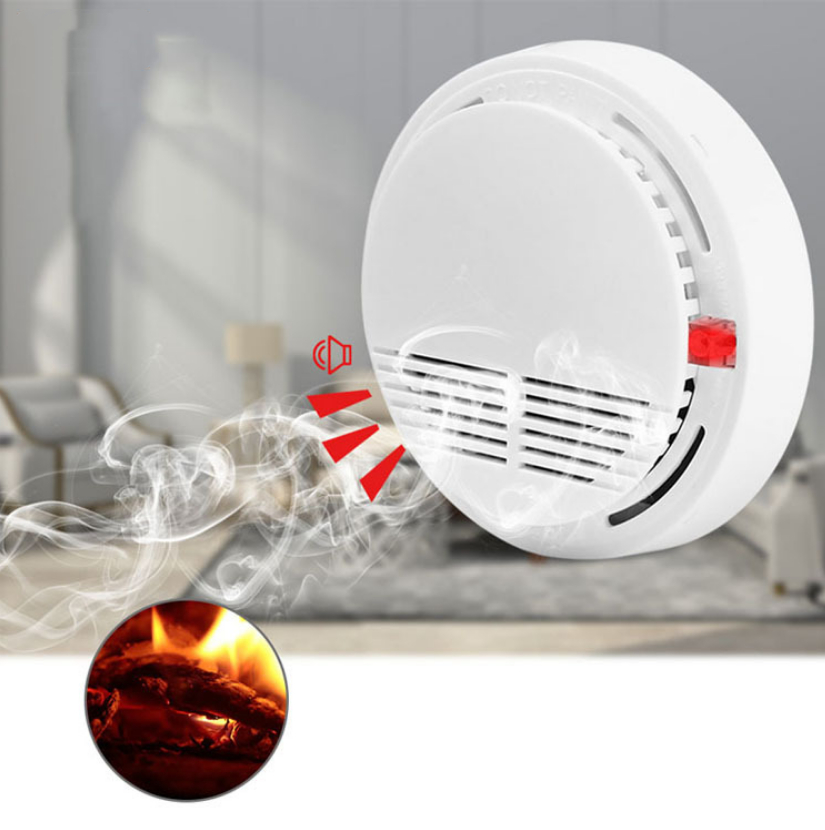 Smoke Alarm Detector Home Fire Safety Sensor Alert Battery Included$28.99View on Mallflare
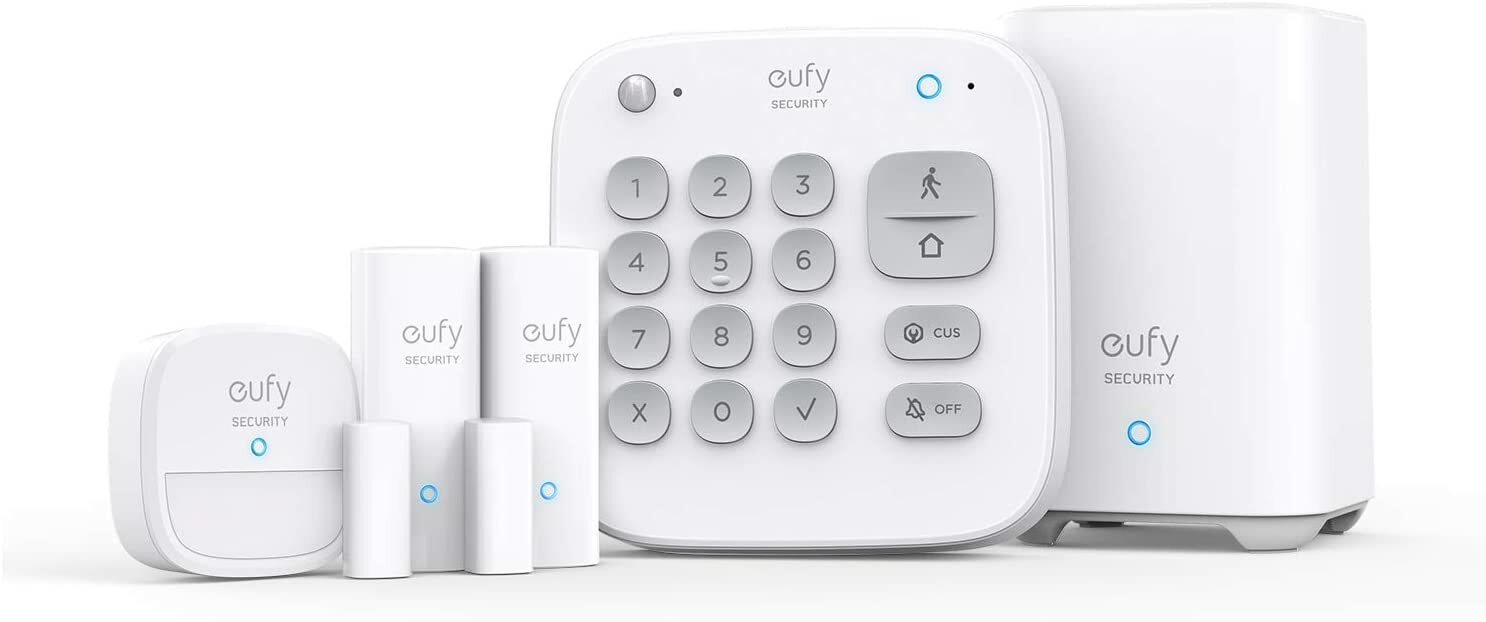 eufy 5-Pcs Wireless Alarm System Smart Home Security Kit Motion Sensor with App$159.99View on eBay
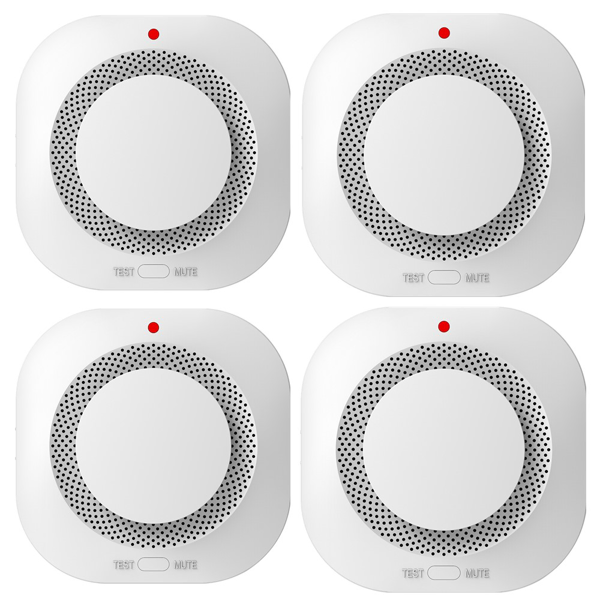 (4 Pack)Smoke Alarm Fire Protection Home Security System Smoke$32.99View on Mallflare
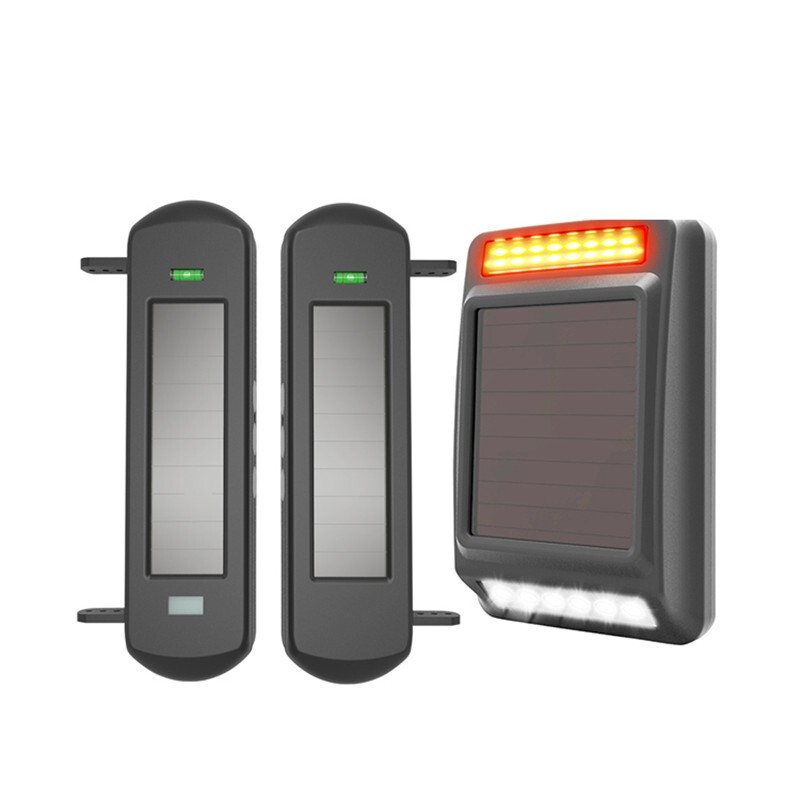 HTZSAFE Solar Wireless Alarm System 800 Meters Wireless Range DIY Home Security$179.99View on eBay
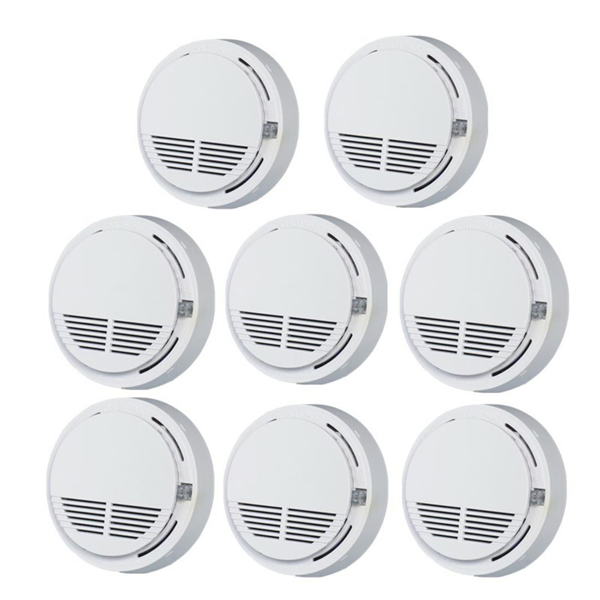 (8 Pack) Smoke Alarm Detector Home Fire Safety Sensor Alert Battery Included$41.99View on Mallflare
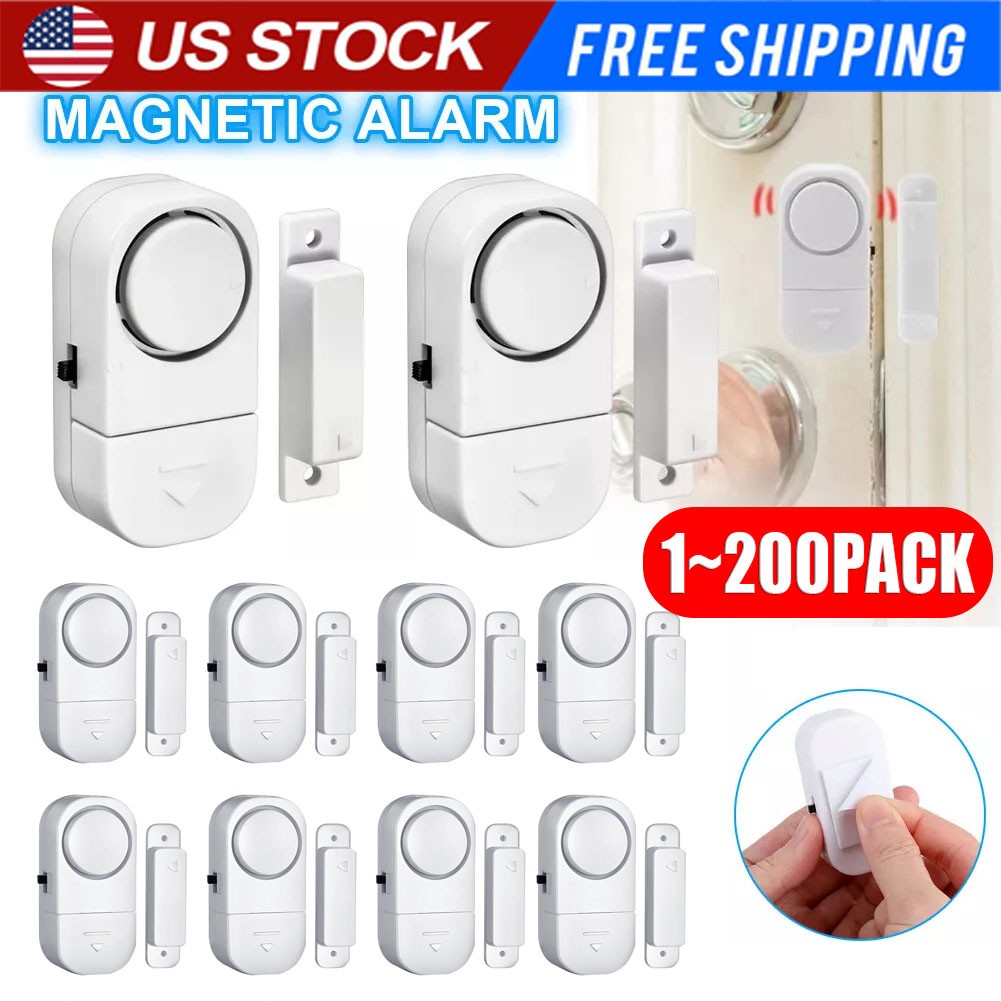 Wireless Home Window Door Burglar Security Alarm System Magnetic Sensor lot$293.89Last checked Nov 16, 2026View on eBay
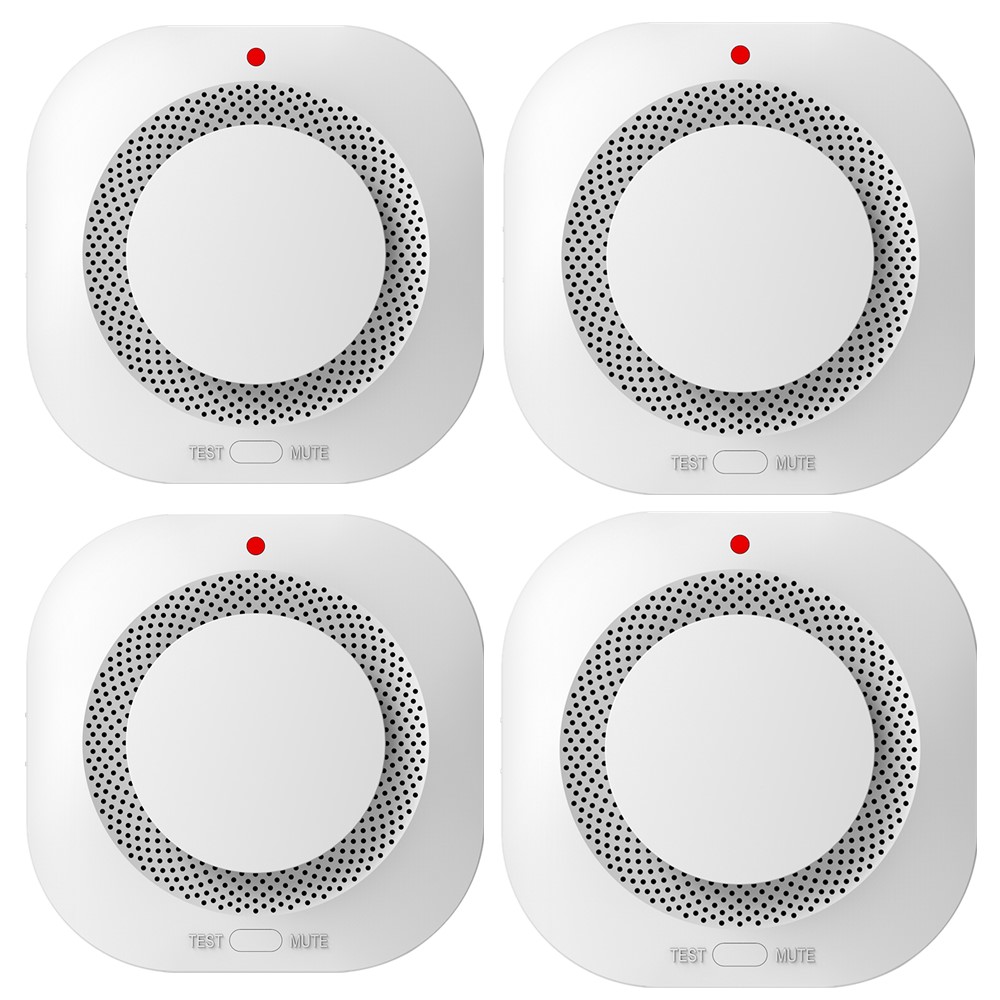 (4 Pack)Smoke Alarm Fire Protection Home Security System Smoke Platform policies vary; relevant qualifications are attached via link, pl$41.99View on Mallflare
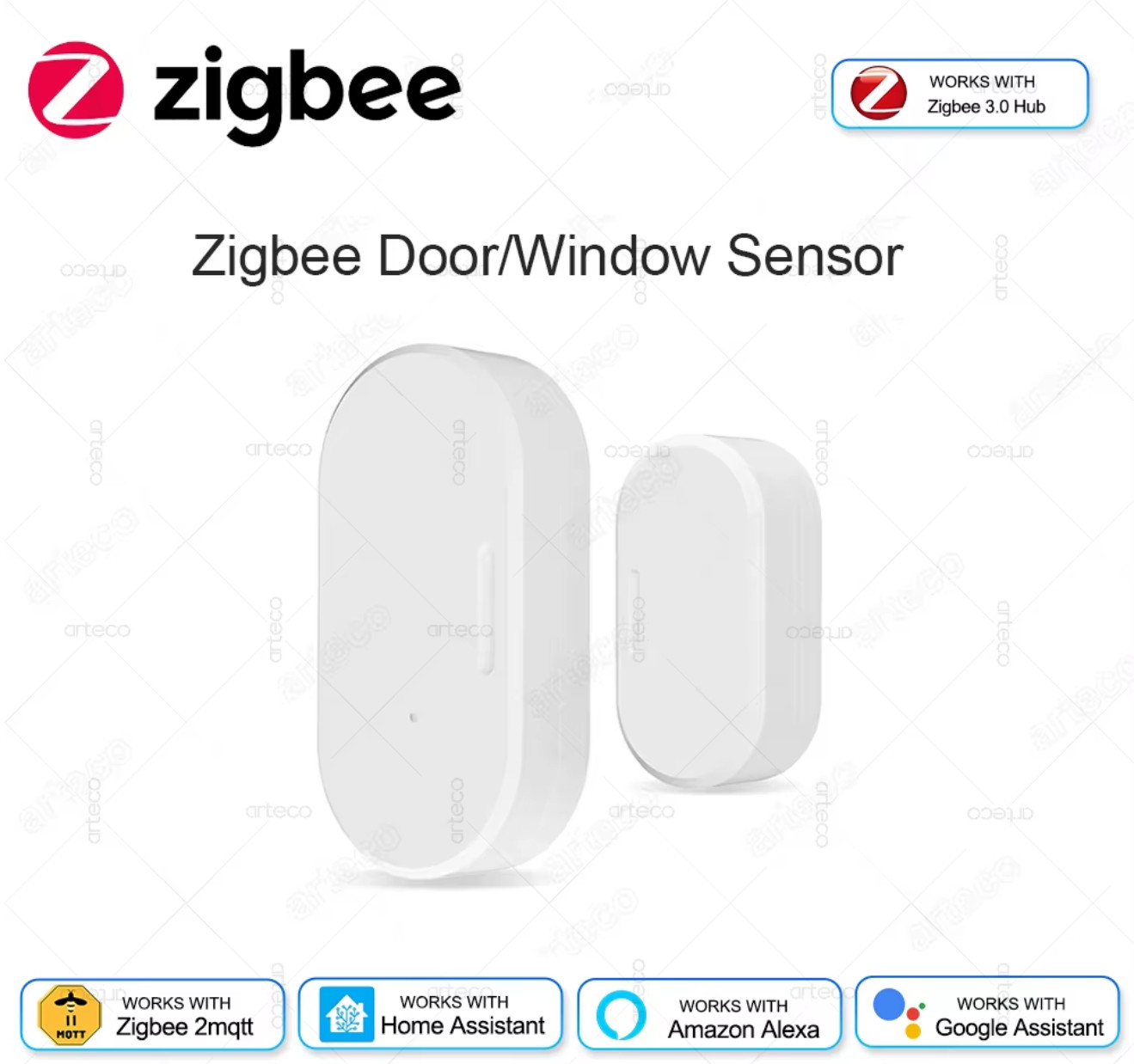 Zigbee Door Window Sensor Open Close Detector Smart Home Security Alarm Burglar$7.99View on eBay
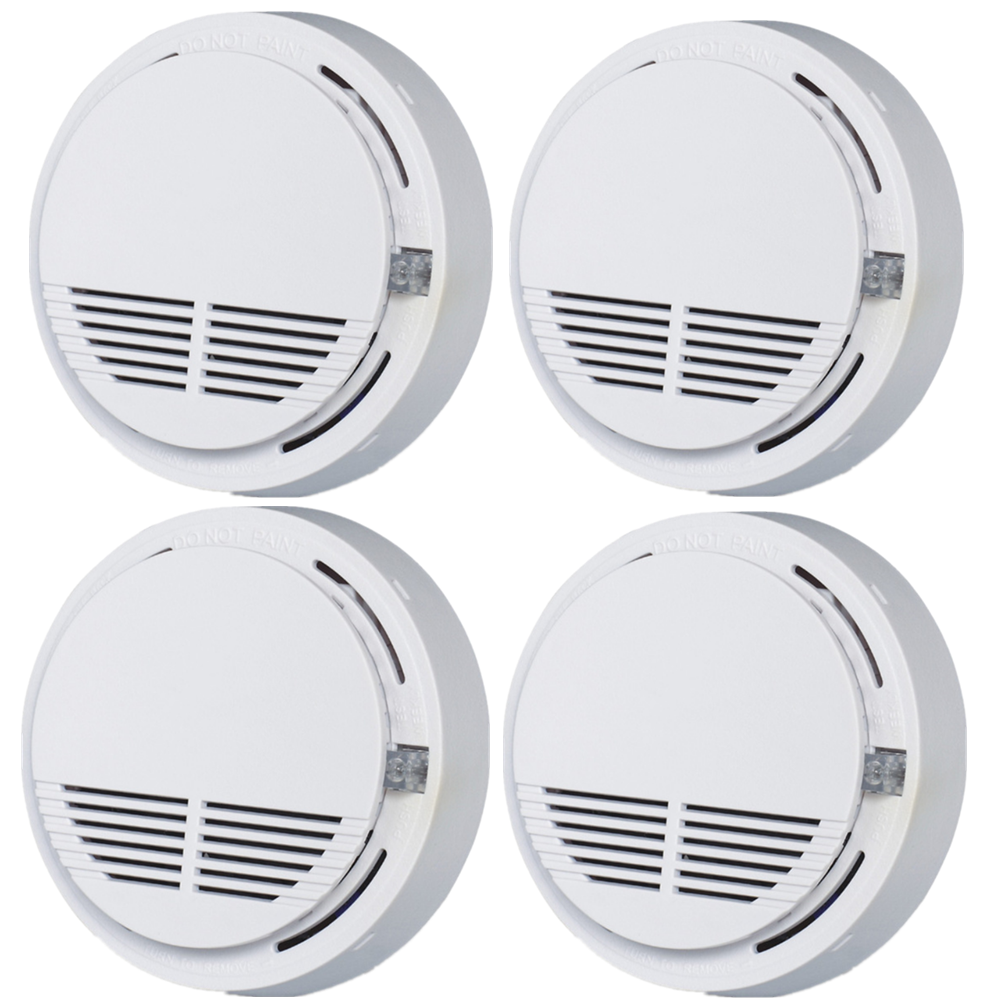 4xFire Smoke Alarm Detector Sensor Battery Operated Room Home Fire Safety Alert$44.99View on Mallflare
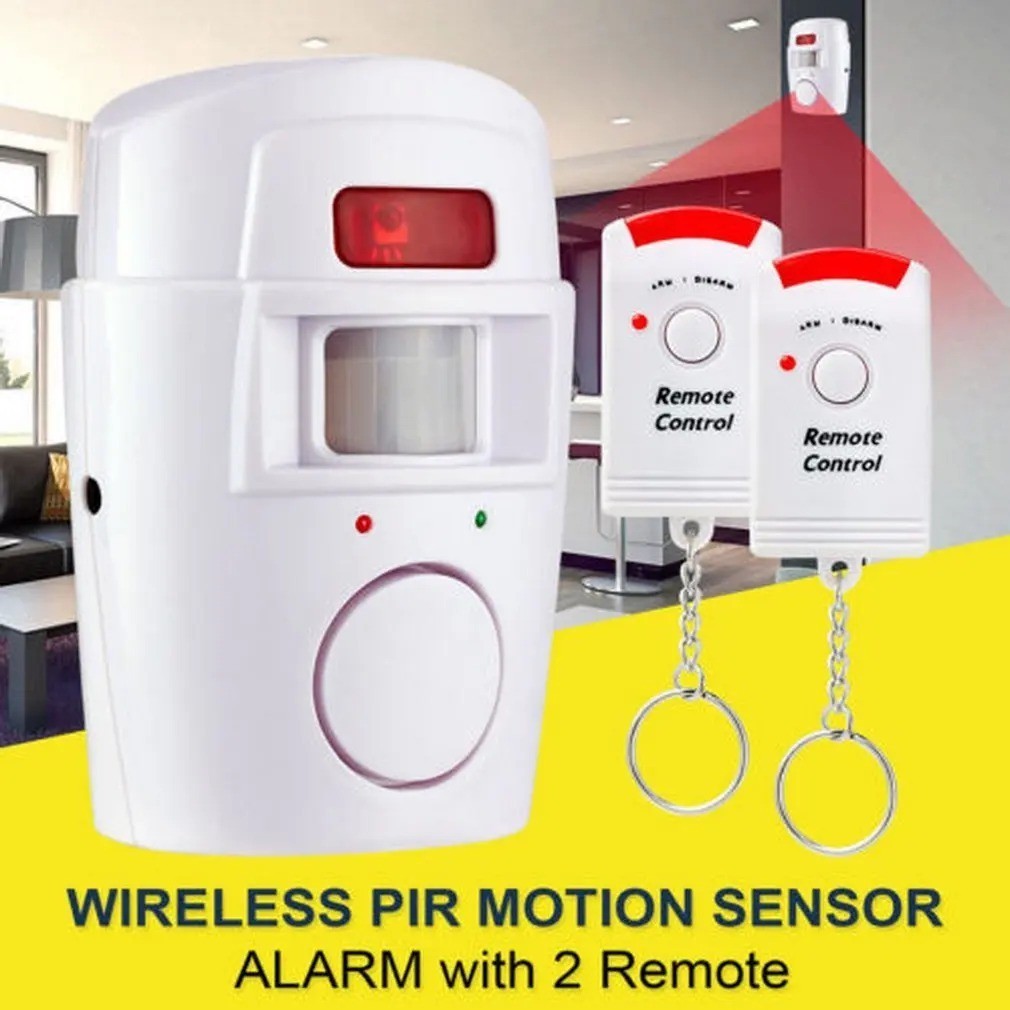 Wireless Motion Sensor Alarm Home Security Detector Indoor Outdoor Remote Garage$10.55View on eBay
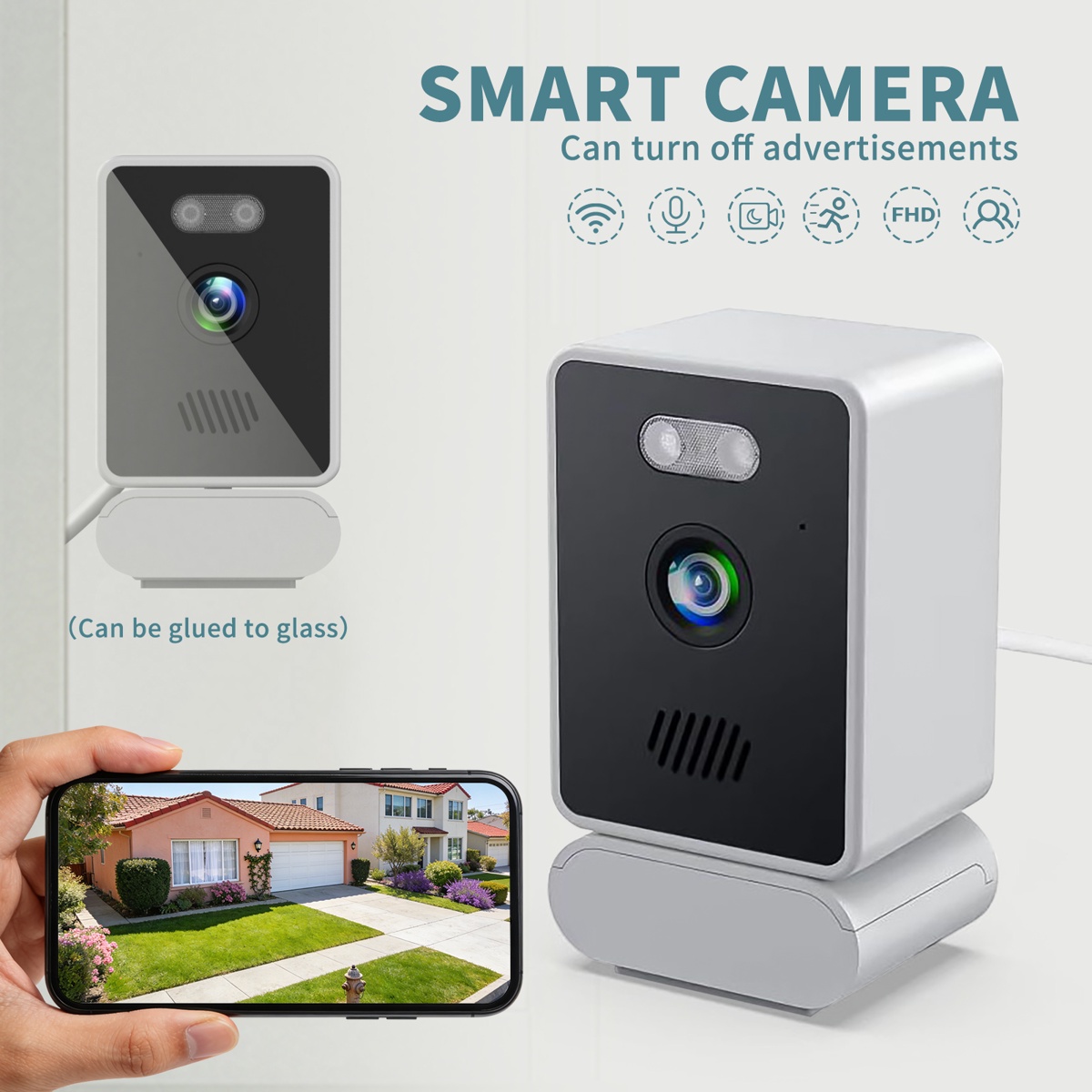 Window type disguised surveillance camera, built-in WiFi, motion detection alarm, suitable for cross-border security of homes/shops$47.99View on Mallflare
Highlights
- Hub connectivity tier: Wi-Fi only vs Wi-Fi + GSM/4G dual-path vs landline — dual-path hubs keep reporting when internet or power fails.
- Sensor types: magnetic contact sensors for doors/windows, PIR motion detectors, and glass-break sensors — contact sensors are the minimum perimeter layer.
- Power backup: 24-hour+ rechargeable backup battery in hub and sensors rated 1–2 years on coin cell or AA lithium determines outage resilience.
- Siren rating: 95–105 dB at 3 m for indoor sirens; external sirens or strobes need weather-rated enclosures for outdoor use.
Best use cases
- Best for renters or apartments: no-contract DIY hub kit with 4–8 contact sensors, keypad, and optional cellular backup — skip hardwired panel systems.
- Best for houses needing reliable alerts: dual-path (Wi-Fi + 4G) hub with 10+ sensors, motion detector, and 100 dB+ siren; pair with professional monitoring only if you want dispatch.
- Wrong fit: door chimes and single magnetic window alarms are kid-safety or entry-alert devices, not perimeter security — do not rely on them for whole-home protection.
- Wrong fit: Wi-Fi-only camera-integrated kits without local siren or battery backup are surveillance, not alarm systems — they fail silently during outages.
Buying tips
- Count sensors needed: one per exterior door plus one per ground-floor window; add PIR motion for hallways and glass-break for sliding doors.
- Require a hub with rechargeable backup battery and cellular (GSM/4G) or dual-path reporting if you want alarms during power or internet outages.
- Check RF protocol compatibility: 433 MHz sensors are common and cheap but one-way; 2.4 GHz or proprietary encrypted protocols (e.g., Zigbee, Z-Wave) add supervision and tamper alerts.
- Match siren dB to space: 95–105 dB indoor for apartments and houses; outdoor sirens need IP-rated housings and local regulations may limit duration.
Specs
| Connectivity | Wi-Fi / Wi-Fi+4G / landline |
|---|---|
| Backup Power | 24 hr hub battery min |
| Siren Loudness | 95–105 dB indoor |
| Sensor Protocol | 433 MHz / Zigbee / Z-Wave |
Related searches
What to check before buying
- Measure door and window frames: contact sensors need 10–20 mm gap alignment and flat mounting surfaces; recessed sensors require drilling.
- Confirm power and network: hub needs a continuous outlet, and Wi-Fi-only systems require 2.4 GHz network; cellular hubs need a SIM or built-in eSIM plan.
- Check monitoring contract terms if included: no-contract DIY is flexible, but professional monitoring requires a plan and may lock equipment.
- Verify sensor battery types and quantities (CR2032, AA lithium) and hub backup battery replacement interval before committing to a large kit.
FAQ
Data sources: eBay / Amazon listings and product attribute feeds. Updated Nov 22, 2026.
Some links on this page are affiliate links. If you buy after clicking one, we may earn a commission at no extra cost to you. This does not change which products appear here or their order. Affiliate disclosure.