
Photos from current listings. Actual item, color, and included accessories may vary.
Wireless Outdoor Security Camera Buying Guide
Wireless outdoor security cameras split into two hard architectures: battery/solar units that need no wiring but trade continuous recording for event-triggered clips, and plug-in Wi-Fi cameras that stream 24/7 but require an outdoor outlet. The decisive rule: pick battery/solar only where power runs are impossible and you accept motion-event recording; pick wired Wi-Fi wherever an outlet exists and you need continuous coverage.
At a glance
- Category
- Home Security
- Last updated
- Nov 22, 2026
Current offers
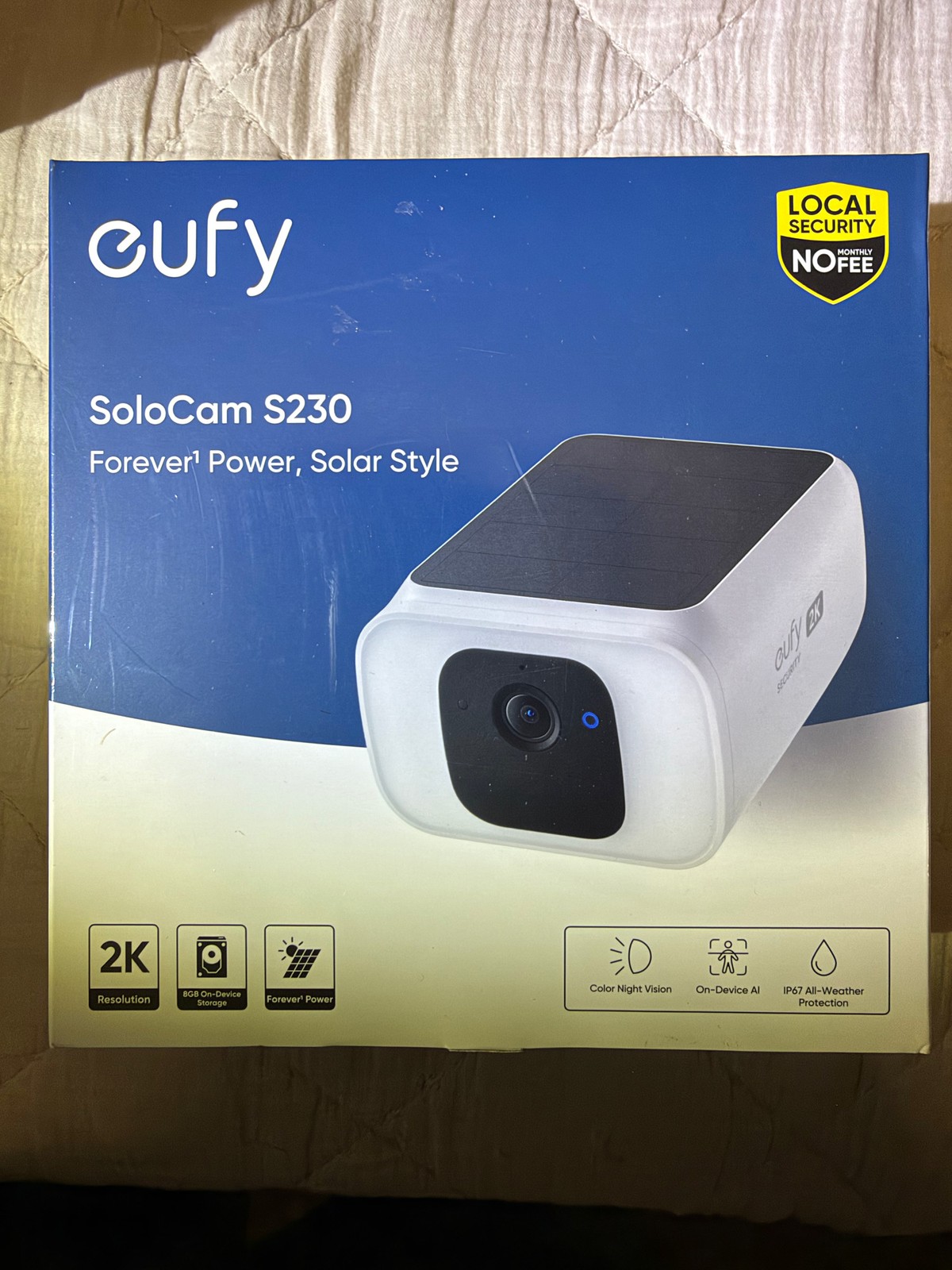 eufy SoloCam S230 S40 Solar Wireless Outdoor Security Camera 2K T8124 New$89.99View on eBay
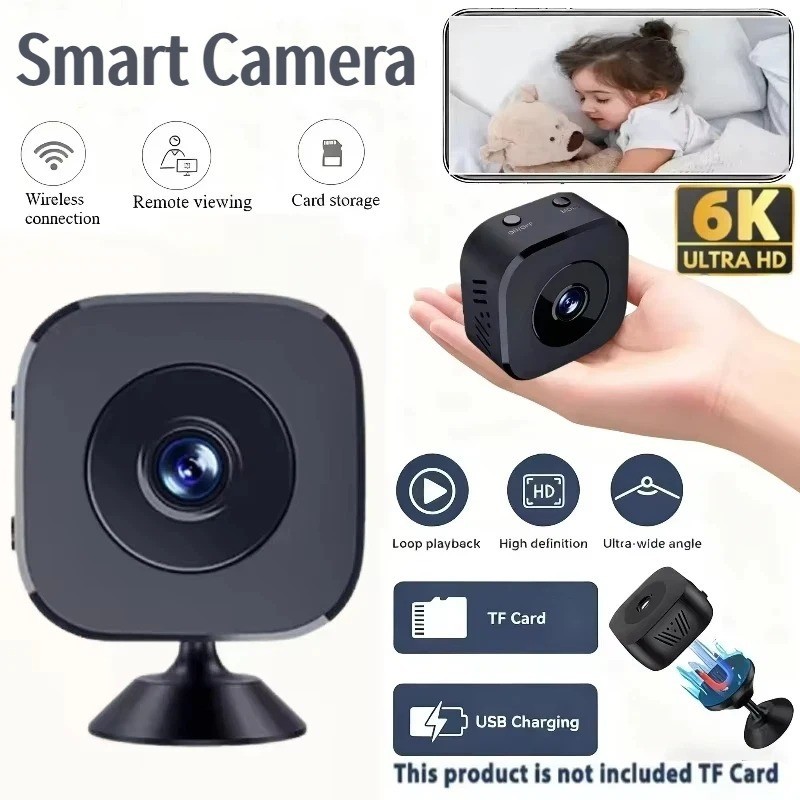 Wireless Security Camera Indoor Outdoor Home Wifi Night Vision Camera HD 4K$11.99View on eBay
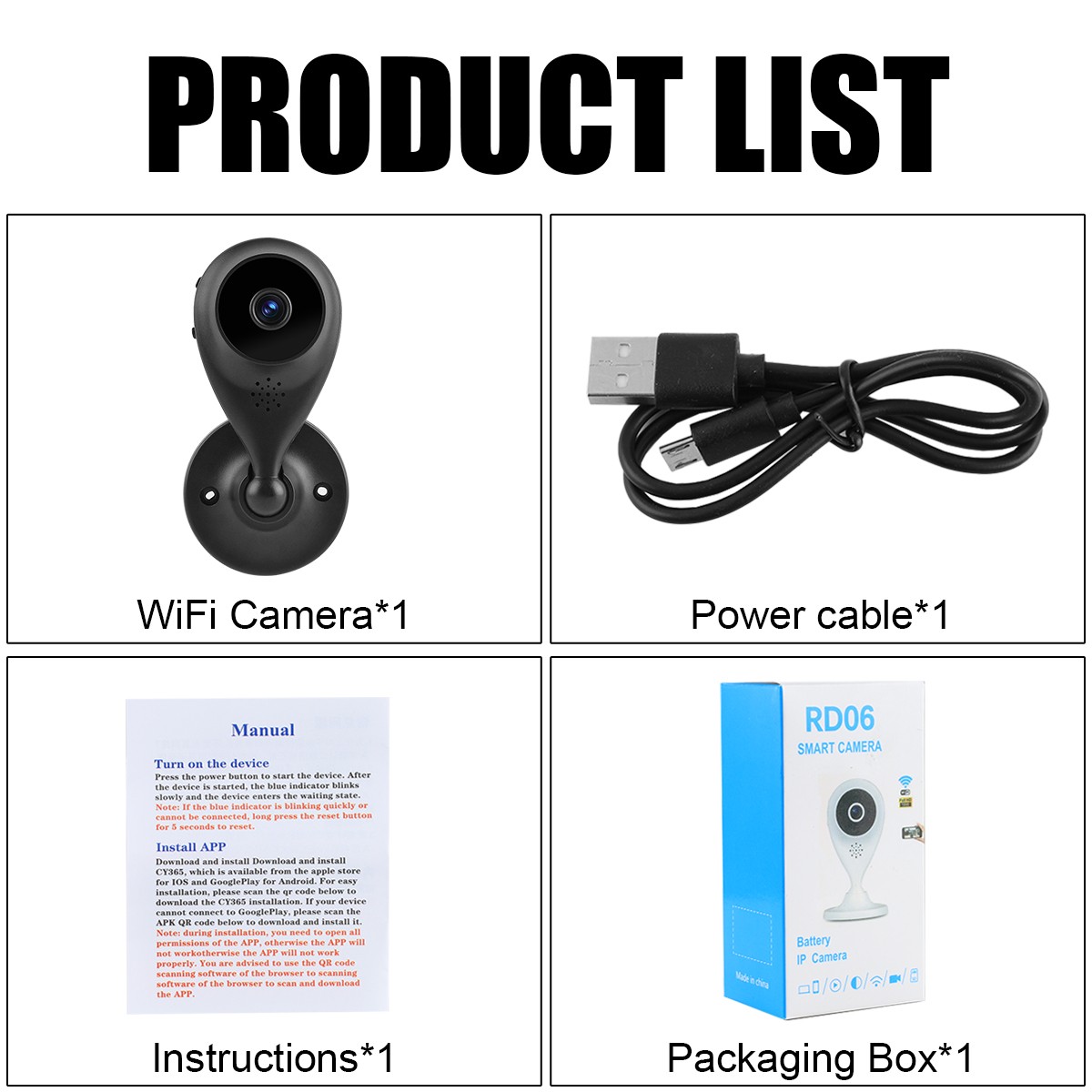 1080P Wireless WiFi Camera Home Security Night Vision Cam Indoor & Outdoor 32GB$12.88View on eBay
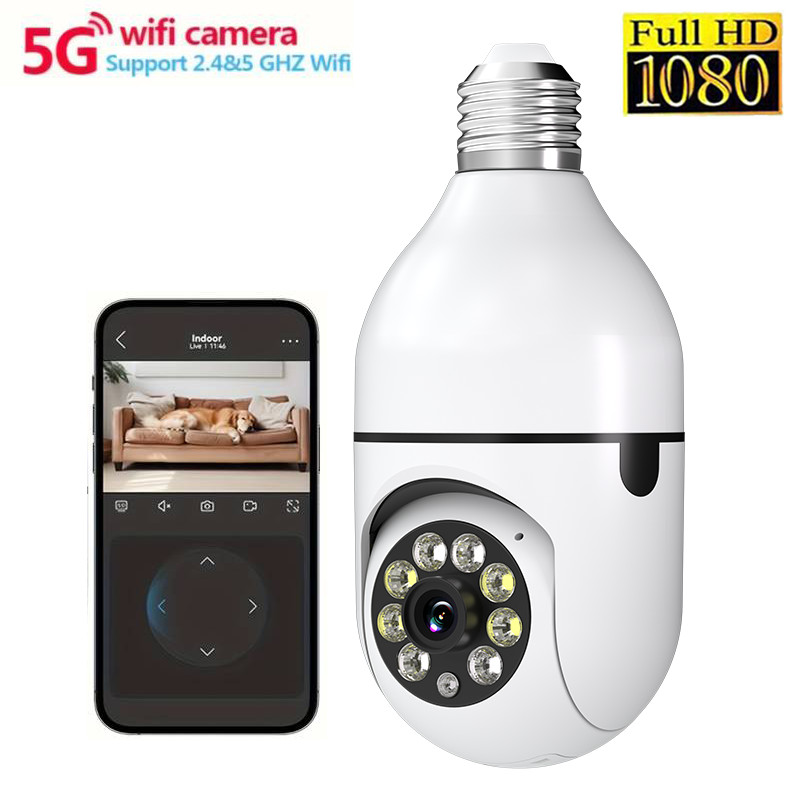 Wireless Security Camera System Outdoor Home 5G Wifi Night Vision Cam 1080P$13.30View on eBay
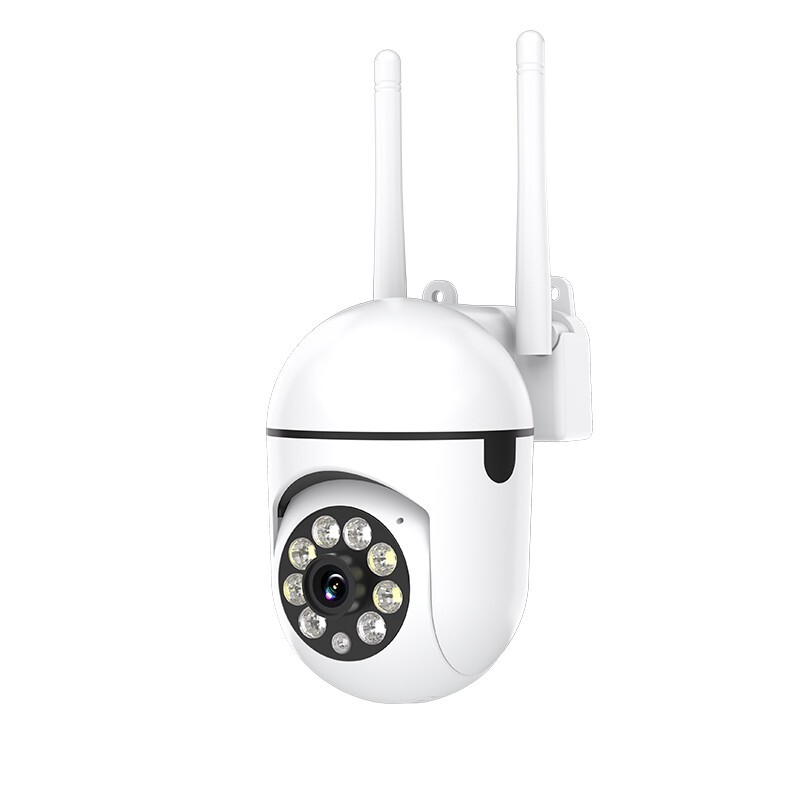 Security Camera Wireless 2.4G WiFi Smart Home outdoor Night Vision Wired Cam$13.58Last checked Nov 19, 2026View on eBay
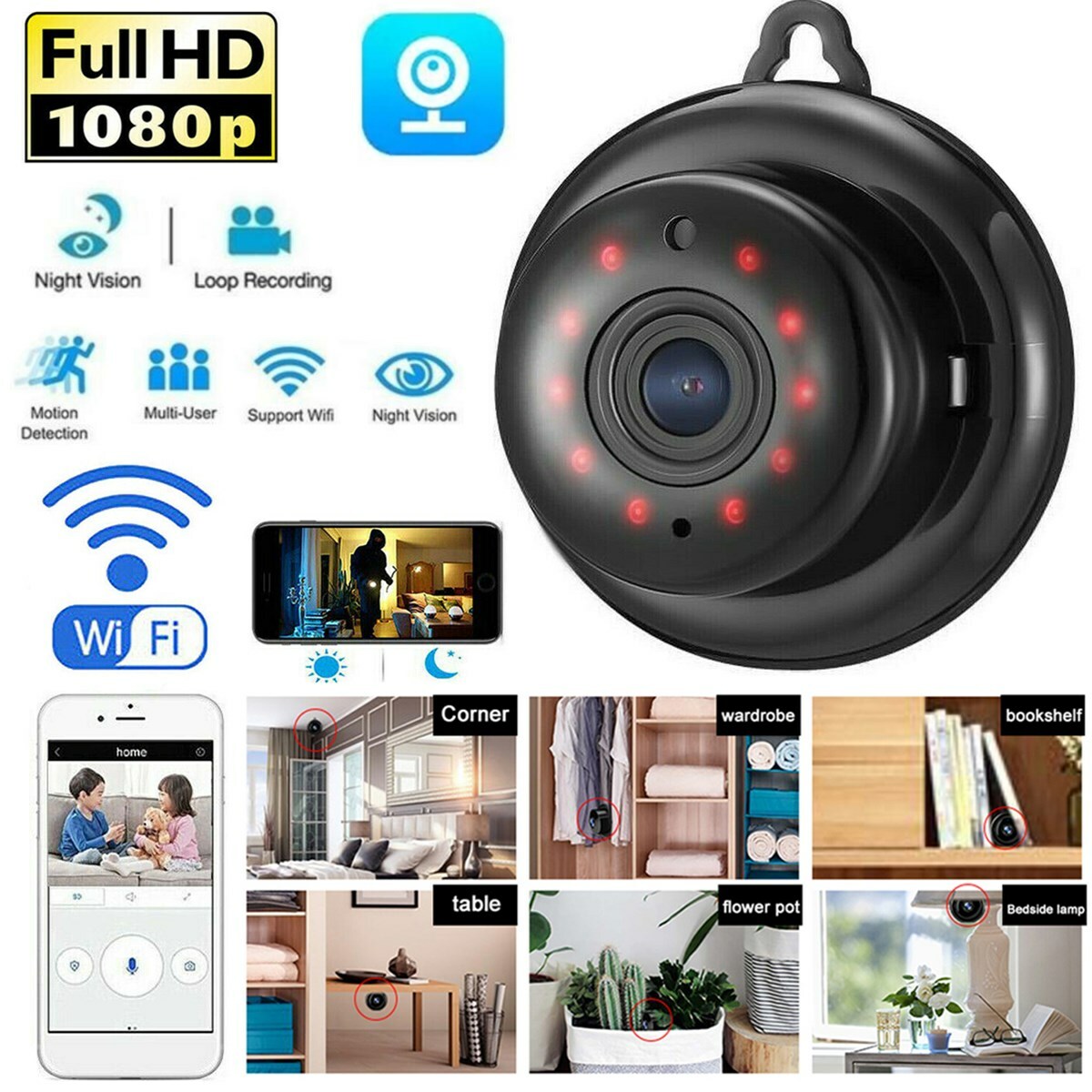 CCTV Camera WiFi 1080P Wireless IR Indoor Outdoor Security Night Vision Home CAM$13.84Last checked Nov 22, 2026View on eBay
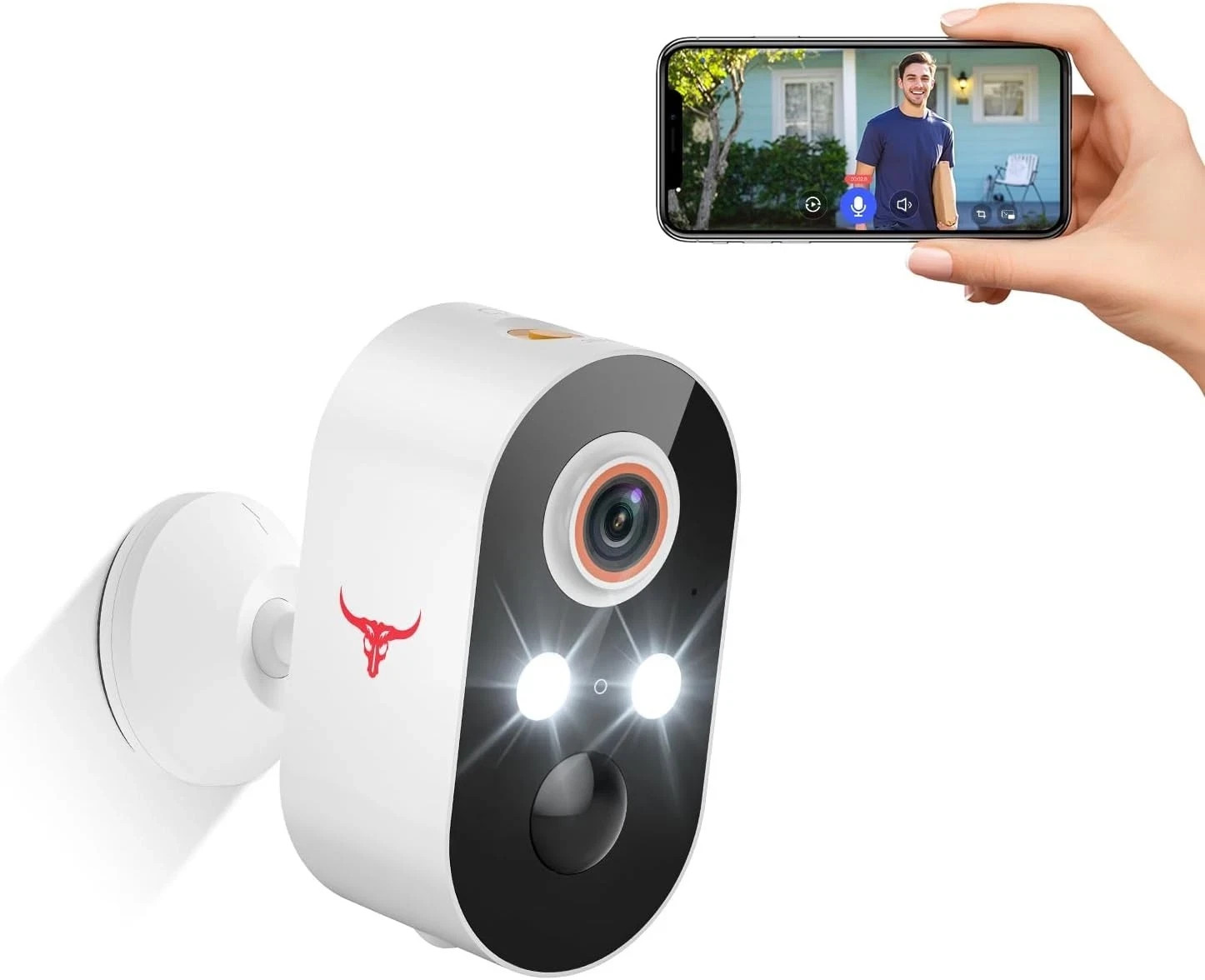 Wireless Security Camera For Home Outdoor Security, Battery Powered 1080P HD NEW$14.95View on eBay
 Security Camera System Outdoor Indoor Home Wireless Wifi Night Camera HD1080P~$17.99View on eBay
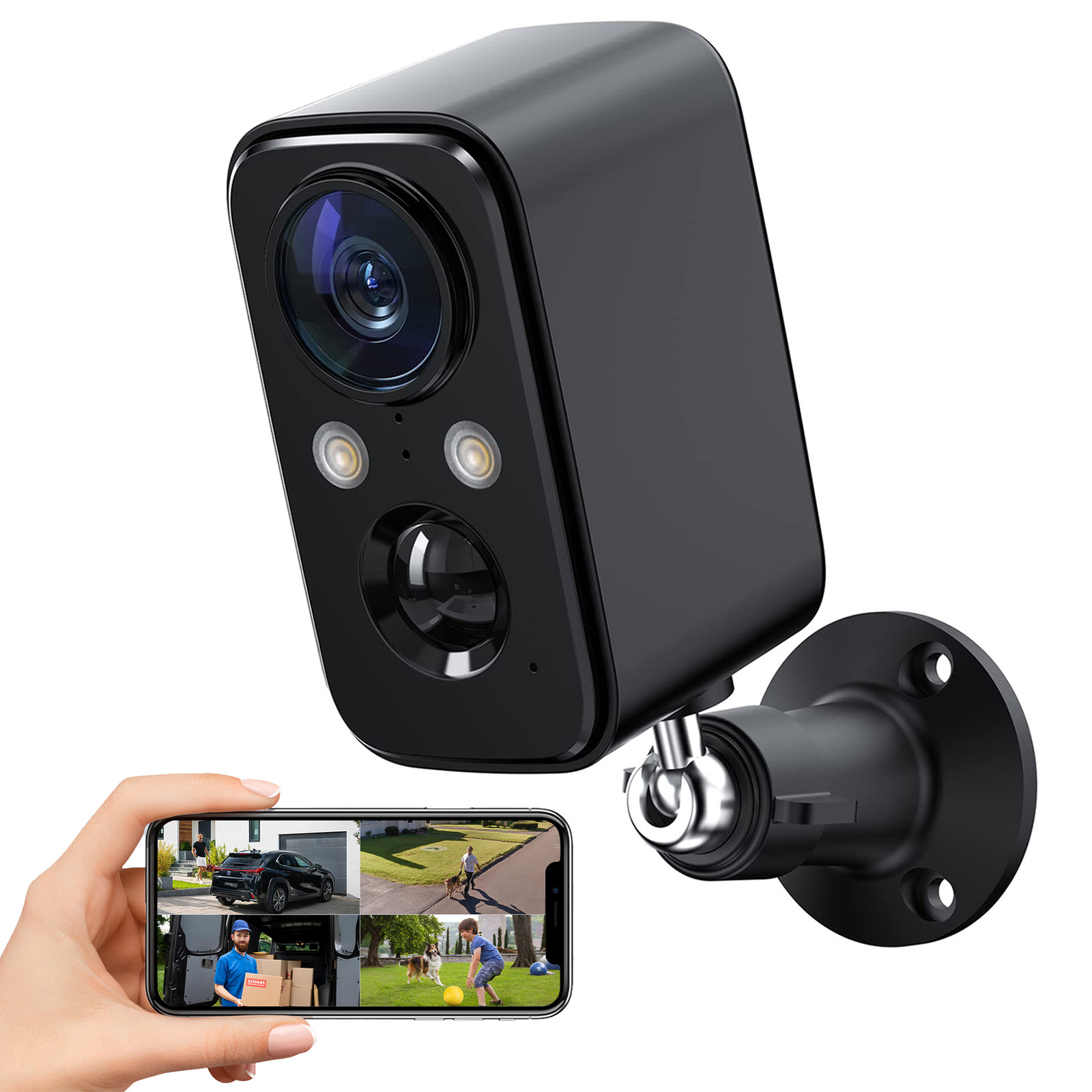 Wireless Home Security Camera 2K Battery-Powered Camera 4MP Outdoor Security Cam$19.49View on eBay
 ANRAN Camera Monitor 5MP Home Security System Wireless Outdoor Solar Battery IR$19.99View on eBay
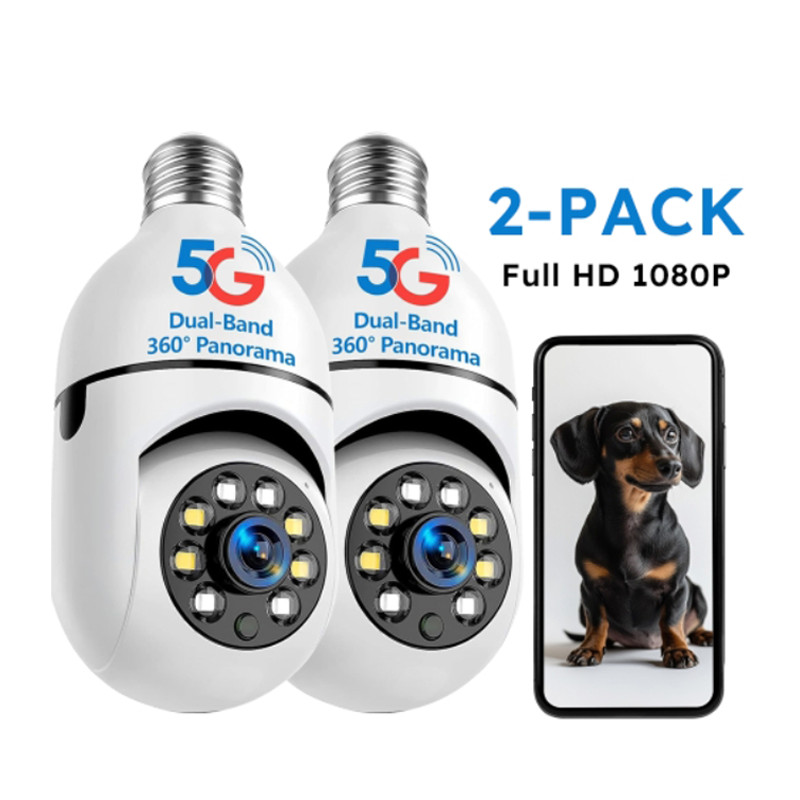 Wireless Security Camera System Outdoor Home 5G Wifi Night Vision Cam 1080P!$21.99View on eBay
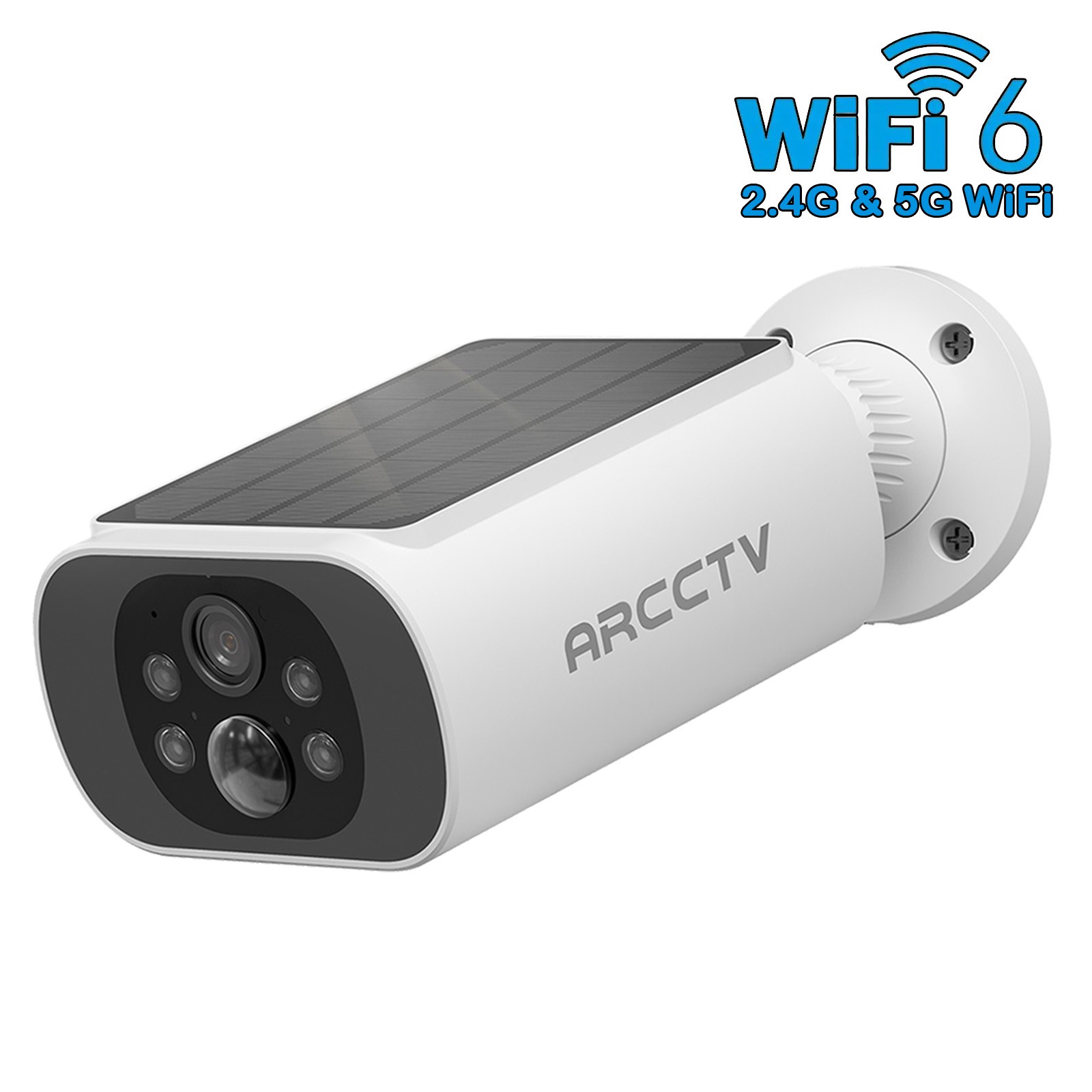 ARCCTV Wireless 4MP Solar WiFi Security Camera Home Outdoor CCTV Battery Powered$23.00View on eBay
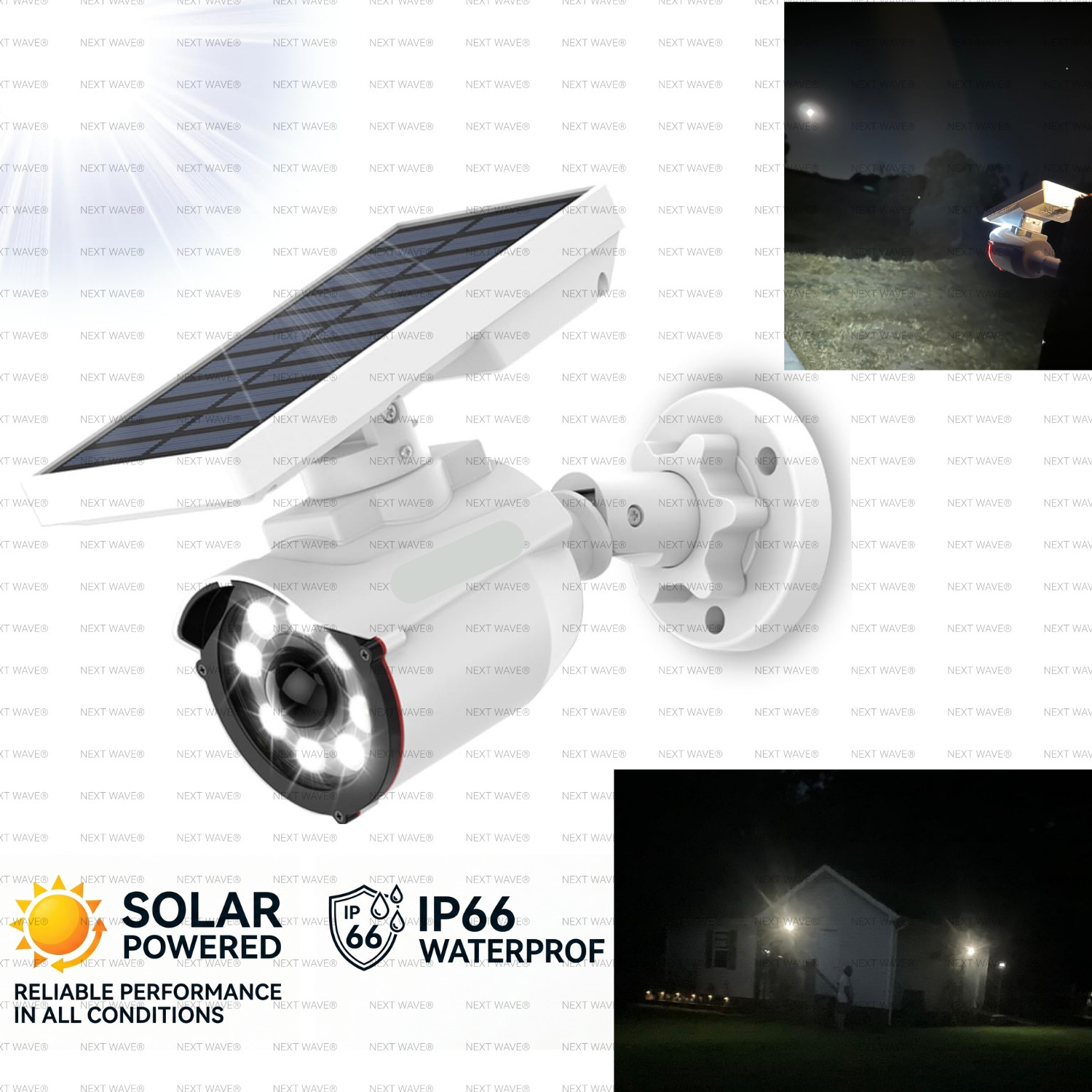 Solar Camera Security Outdoor - 100% Wire-Free Security Cameras Wireless Outdoor$26.97View on eBay
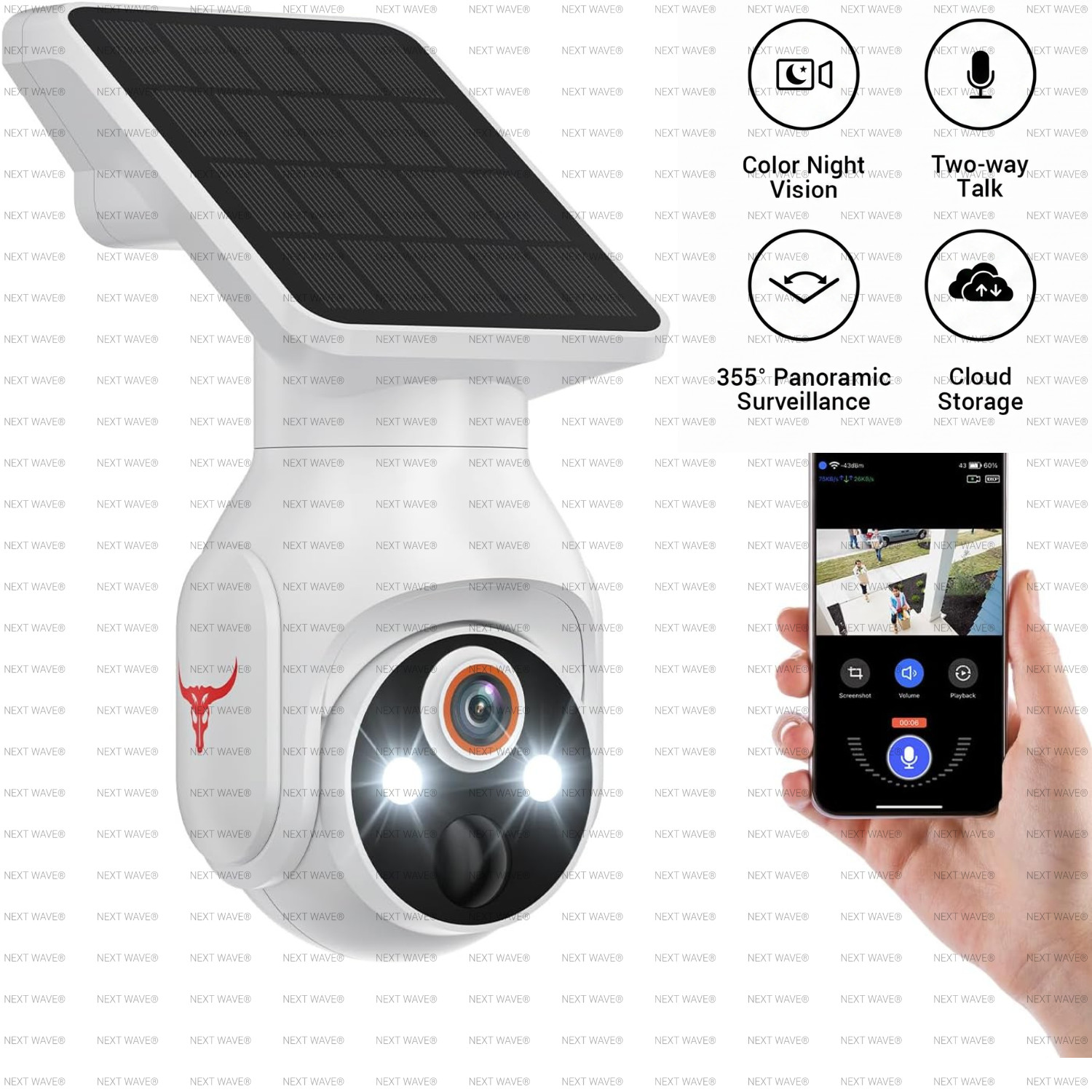 Solar Camera Security Outdoor - 100% Wire-Free Security Cameras Wireless Outdoor$27.97View on eBay
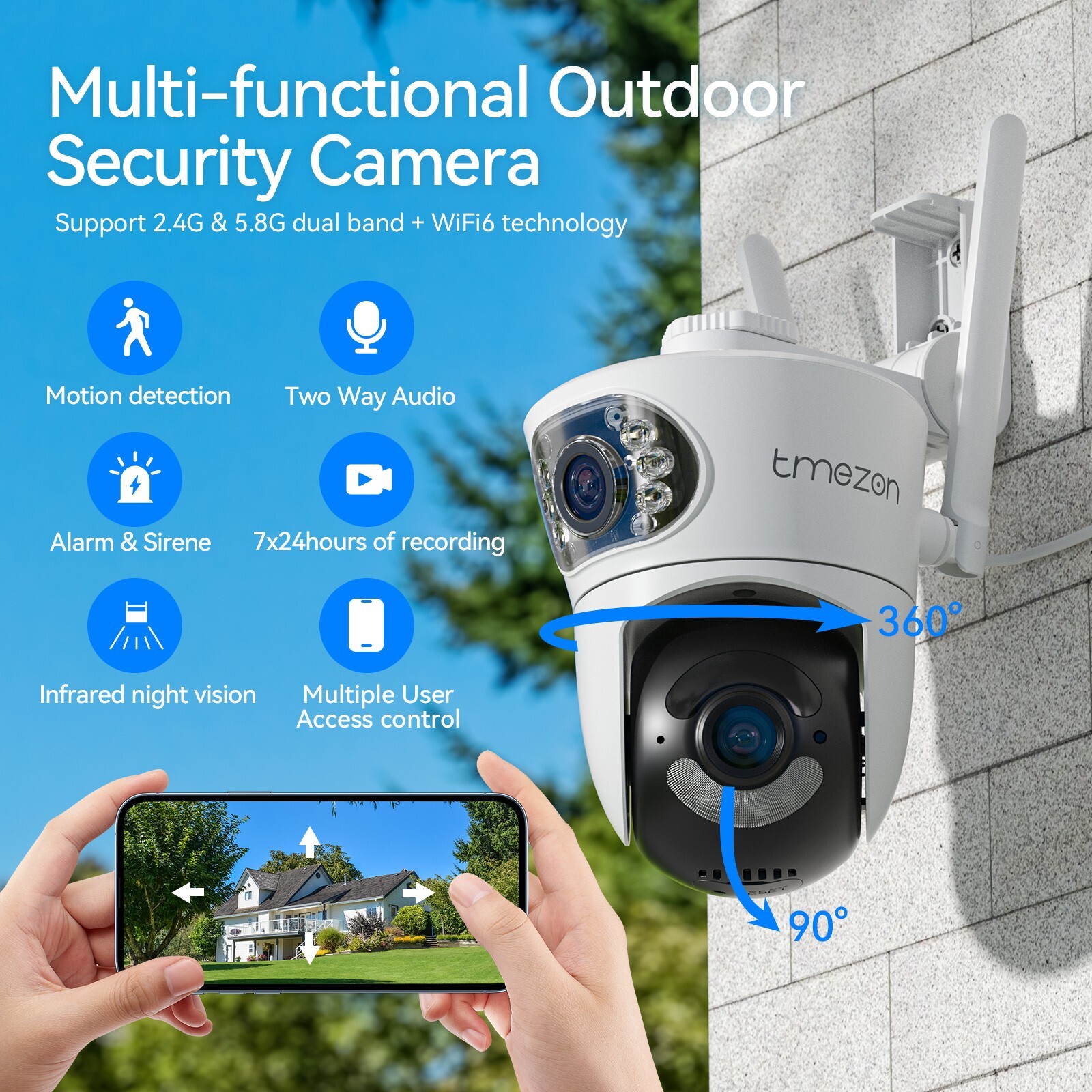 4MP Wireless Security Cameras System Outdoor Home Dual Lens Wifi Night Vision$28.99Last checked Nov 21, 2026View on eBay
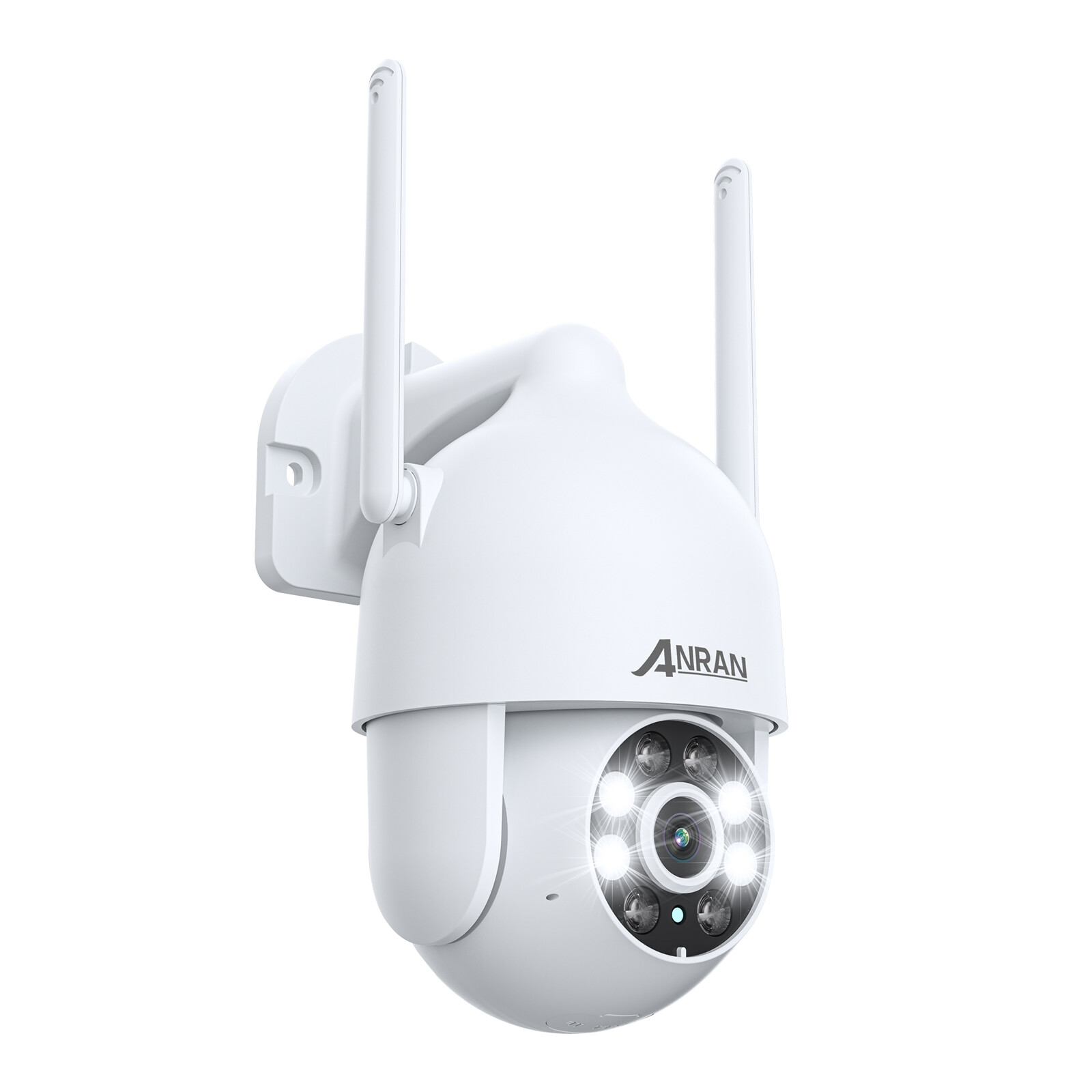 ANRAN WiFi Security Camera 360° PTZ Wireless 3MP WIFI Night Vision Home Outdoor$28.99View on eBay
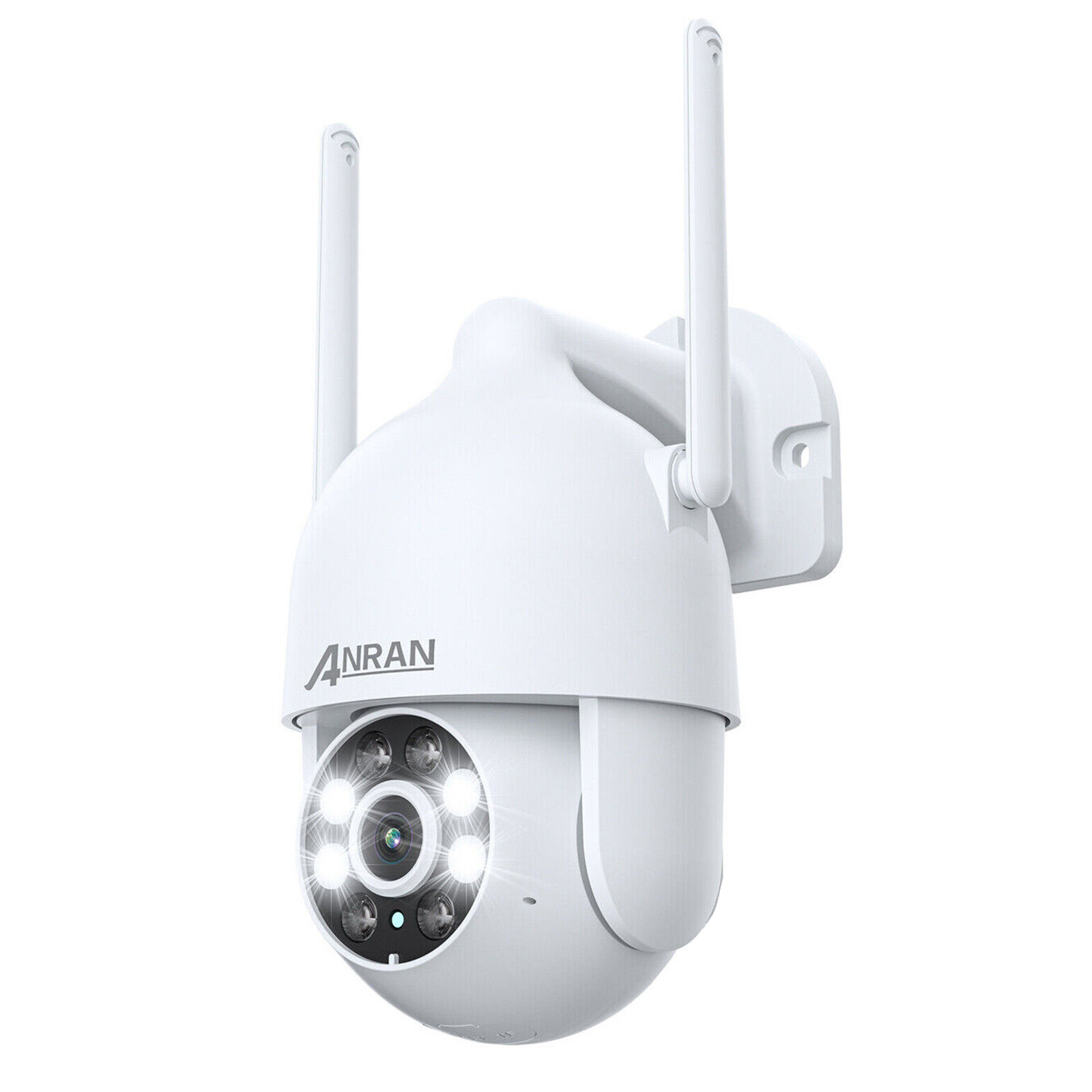 ANRAN Home Security IP Camera Wireless Outdoor PTZ WiFi Home IP65 CCTV 2K Alarm$32.99View on eBay
 ARCCTV 2Pack Wireless Security Camera Outdoor Solar Battery WiFI 4MP Home IP65$33.00View on eBay
- ARCCTV Wireless Security Camera 3MP Solar Battery Outdoor Home IP65 WIFI Camera$34.00View on eBay
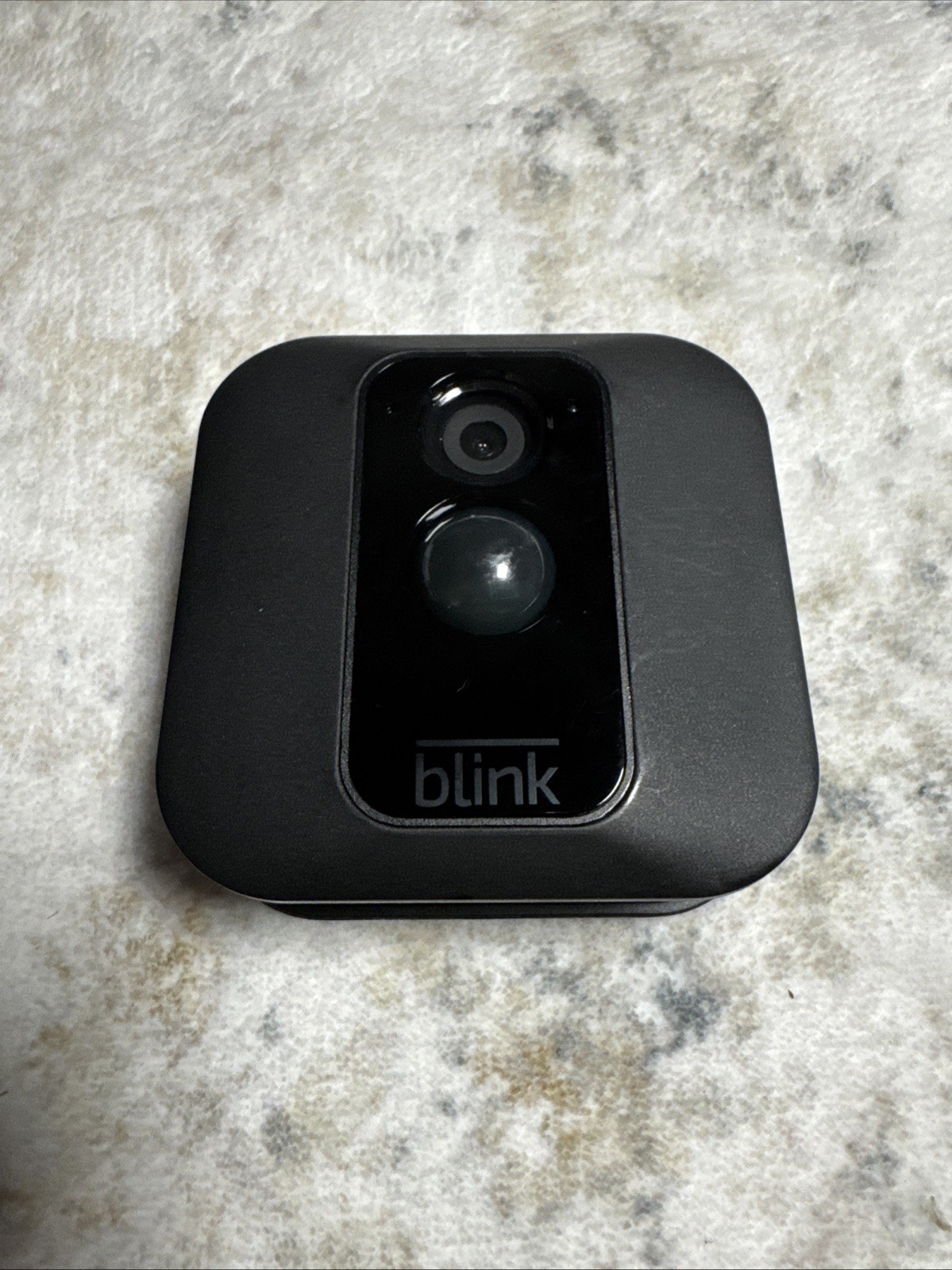 Blink BCM00600U (Wireless) (Indoor/Outdoor) Home Security Camera System$34.49View on eBay
Highlights
- Battery cameras record on PIR motion events only; continuous 24/7 recording requires a wired power source or a camera with a constant-power mode.
- Solar models need 2-4 hours of direct sun daily; eufy SoloCam S230/S40-class panels recharge only when unshaded, and winter sun angles cut yield 40-60%.
- Resolution tiers are real: 1080p identifies a person at ~20 ft, 2K/4K extends facial ID to ~30-40 ft but doubles battery draw and storage per clip.
- Local storage is microSD (usually up to 128GB) or a sync module/base station; cloud subscriptions add recurring cost and are not required for basic recording.
Best use cases
- Best fit: renter or remote shed with no outlet — choose a solar bullet with PIR, 2K, and microSD; skip any model advertising 24/7 recording.
- Best fit: front door with an outdoor outlet — choose a plug-in Wi-Fi camera for continuous recording and pre-buffered motion clips; skip battery models that miss the seconds before an event.
- Best fit: large yard or driveway — choose a 4K wired camera with a 110-130° lens or a 2K PTZ for pan coverage; skip fixed 1080p units that can't resolve plates at distance.
- Wrong fit: mounting battery cameras under deep eaves or north walls — solar yield collapses; use a plug-in model or run low-voltage cable instead.
Buying tips
- Match field of view to distance: a 2.8mm lens gives ~110° wide coverage for porches; a 4mm lens narrows to ~85° but reads faces and plates farther out.
- Wi-Fi band matters: most battery cameras are 2.4GHz-only for range and power; 5GHz models stream smoother but need stronger signal at the mount point.
- Check IP rating: IP65 handles rain and dust; IP66/IP67 adds jet-spray and temporary submersion resistance for exposed coastal or sprinkler zones.
- Battery math: a 5,000-10,000mAh pack yields roughly 2-6 months at 10-20 events/day; cold below 32°F cuts runtime 20-40%, so size up or add solar.
Specs
| Power Source | Battery + solar / plug-in Wi-Fi |
|---|---|
| Recording Mode | Motion-event clips vs 24/7 wired |
| Resolution Tier | 1080p / 2K / 4K |
| Weather Rating | IP65 minimum, IP66/IP67 exposed |
Related searches
What to check before buying
- Measure the mount height and angle: 7-9 ft avoids tampering and captures faces; above 10 ft you mostly record the tops of heads.
- Confirm 2.4GHz Wi-Fi signal at the exact mount point, not inside the house — one bar at the wall means dropped events.
- Verify outlet or solar exposure: an unshaded south-facing panel needs 3+ peak sun hours; shaded mounts require a plug-in unit.
- Check storage and power companions: microSD card class (U1/U3), sync module or base station, and whether the camera ships with a mount and screws.
FAQ
Data sources: eBay / Amazon listings and product attribute feeds. Updated Nov 22, 2026.
Some links on this page are affiliate links. If you buy after clicking one, we may earn a commission at no extra cost to you. This does not change which products appear here or their order. Affiliate disclosure.