
Photos from current listings. Actual item, color, and included accessories may vary.
Home Alarm Buying Guide
A home alarm system is a layered intrusion and life-safety setup—keypad/hub, entry sensors, motion detectors, and often sirens or cameras—where the core trade-off is long-term reliability versus cheap expandability. Durable systems use supervised RF or encrypted protocols plus battery backup, while compromises rely on unsupported Wi-Fi-only hubs and non-expandable sensor kits. The decision rule: buy a system with a documented sensor protocol, 12–24 hour backup battery, and monitored or self-monitored app alerts—skip any kit that cannot add sensors later.
At a glance
- Category
- Home Security
- Last updated
- Nov 22, 2026
Current offers
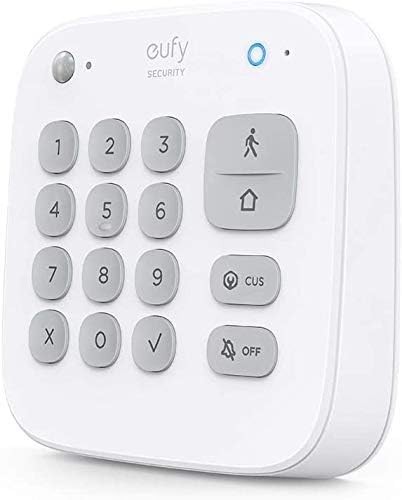 eufy Keypad Home Security System Home Alarm System 180-Day Battery Home/Away/off$25.49View on eBay
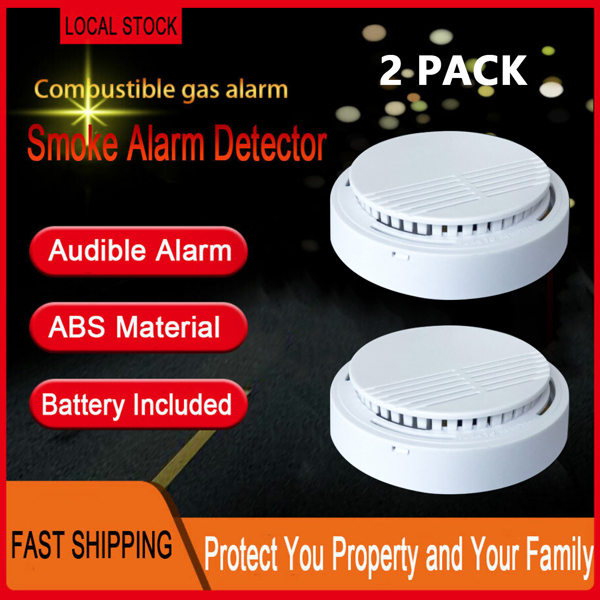 (2 Pack) Smoke Alarm Detector Home Fire Safety Sensor Alert Battery Included$20.99View on Mallflare
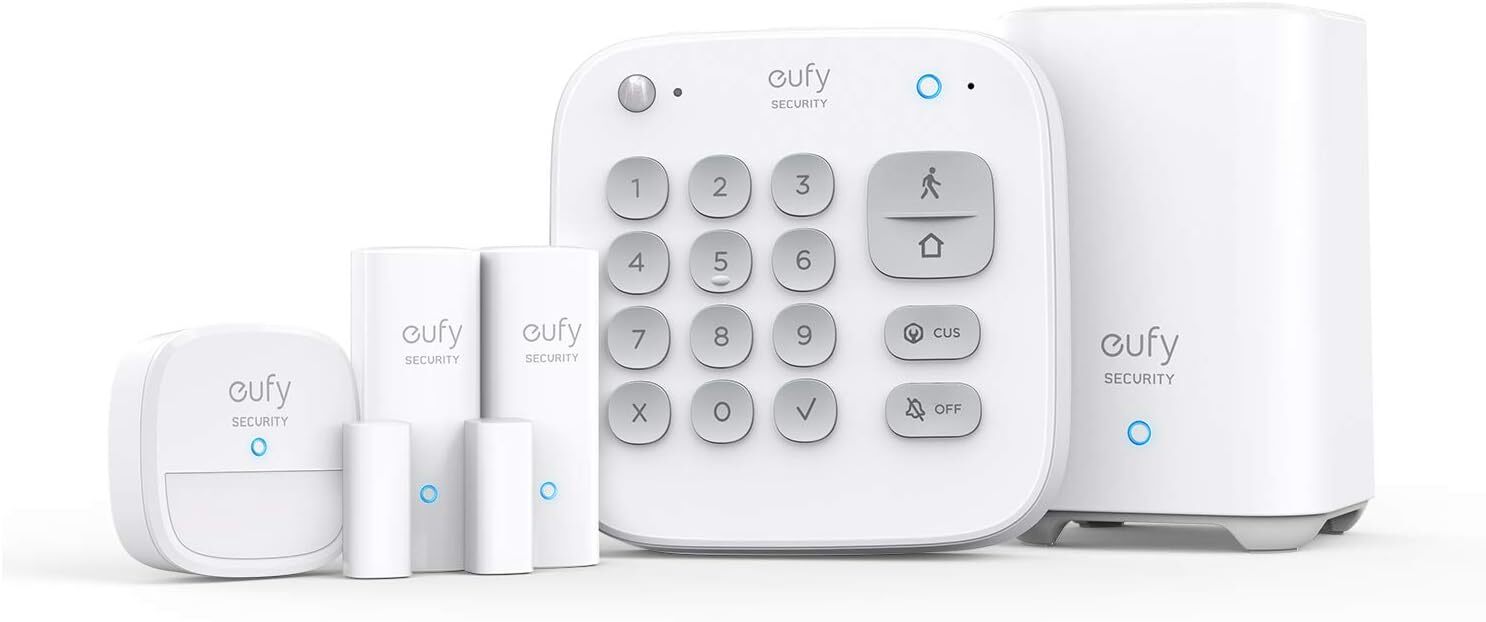 eufy 5-Piece Home Alarm Security System Kit Keypad Entry/Motion Sensor|Refurbish$99.99Last checked Nov 22, 2026View on eBay
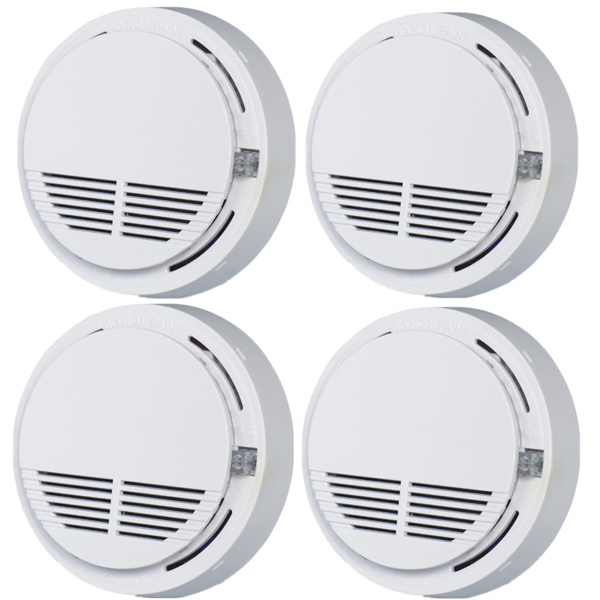 (4 Pack) Smoke Alarm Detector Home Fire Safety Sensor Alert Battery Included$26.99View on Mallflare
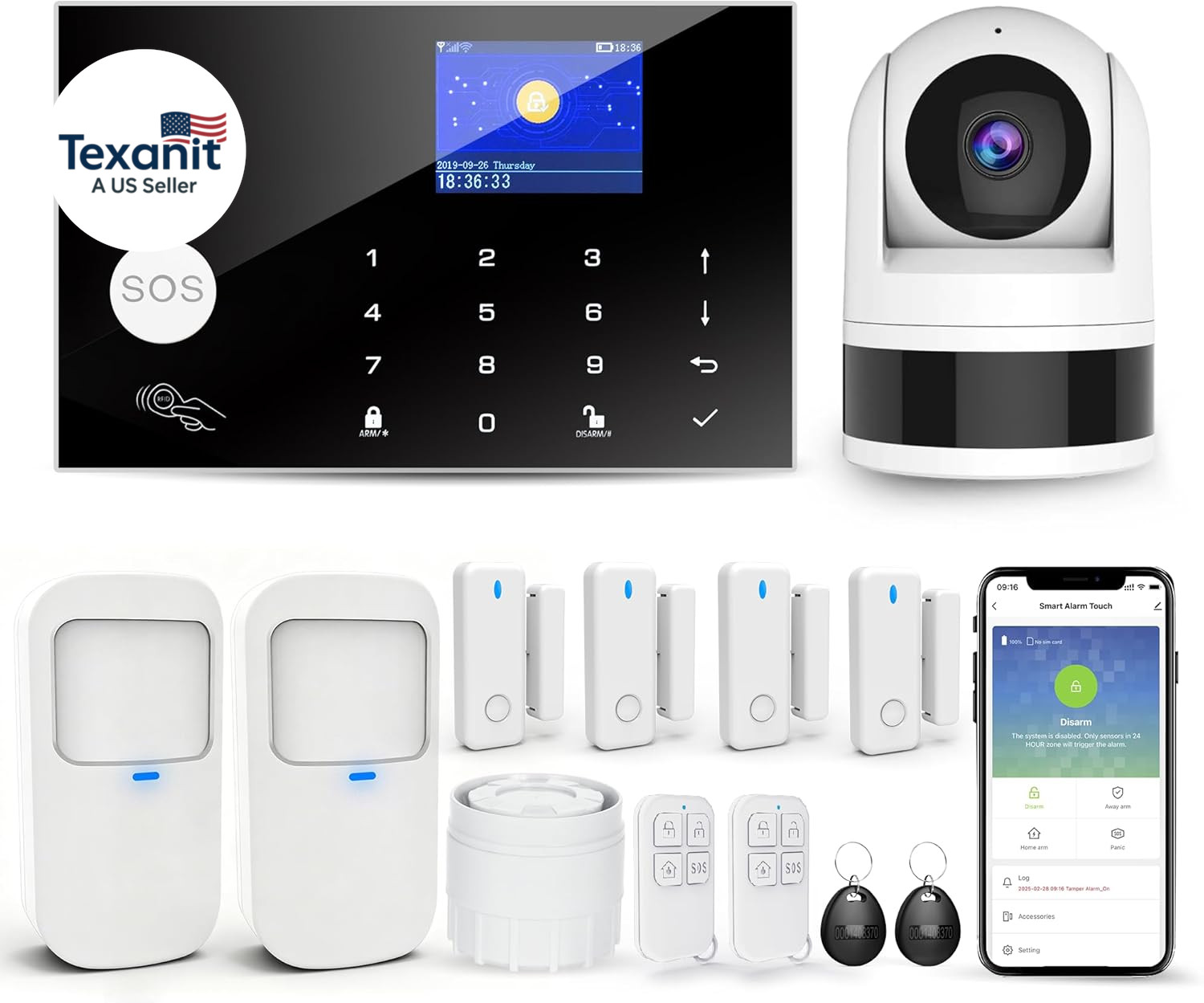 Home Security System with Camera, Wifi + GSM Home Alarm Kit with Phone App Alert$159.71View on eBay
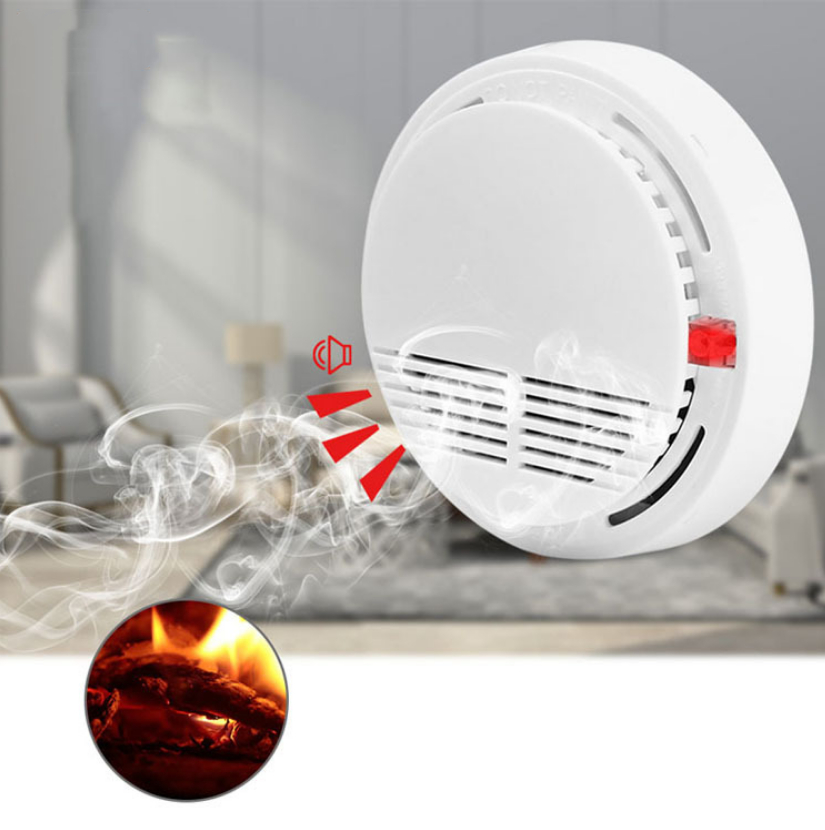 Smoke Alarm Detector Home Fire Safety Sensor Alert Battery Included$28.99View on Mallflare
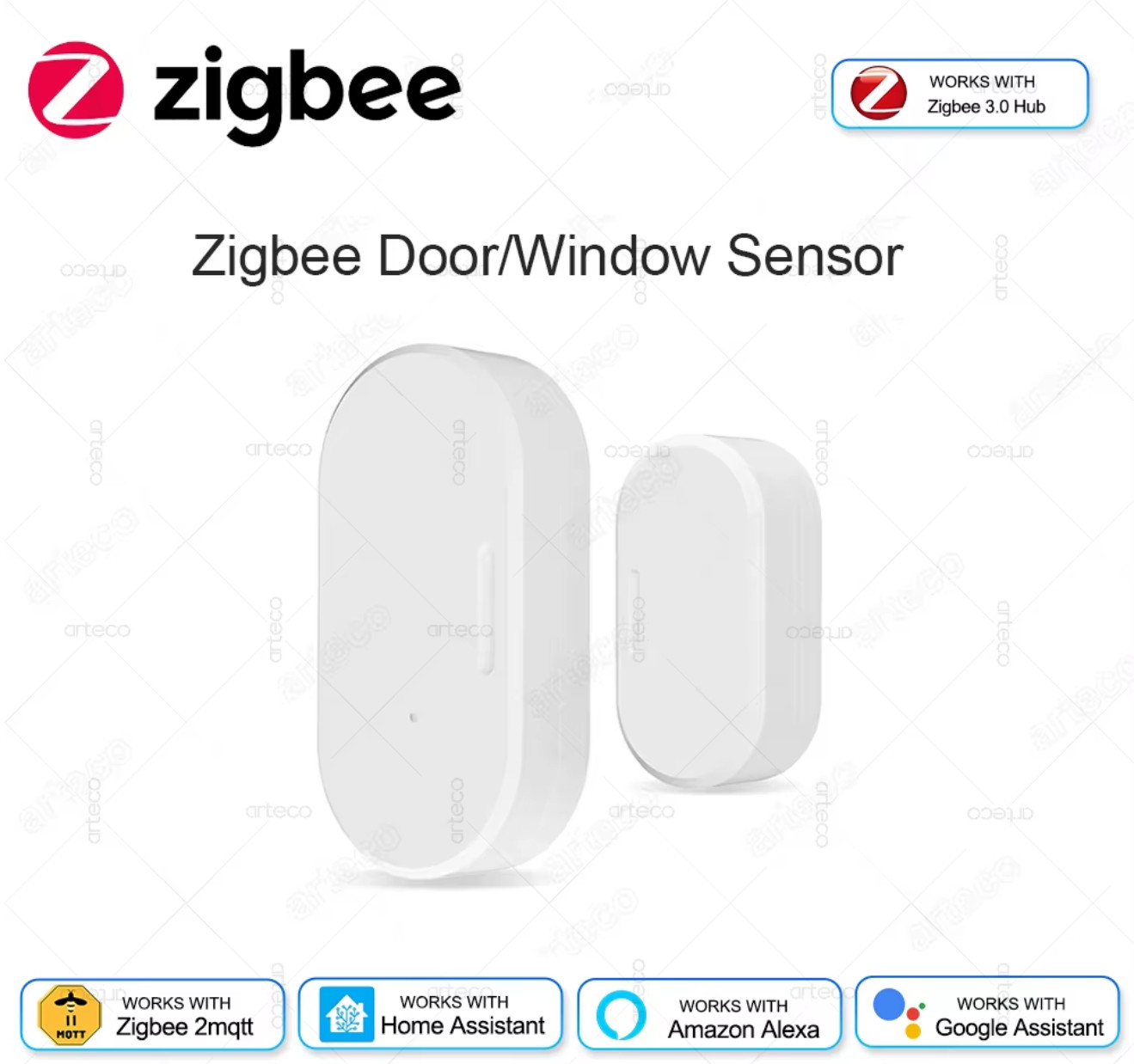 Zigbee Door Window Sensor Open Close Detector Smart Home Security Alarm Burglar$7.99View on eBay
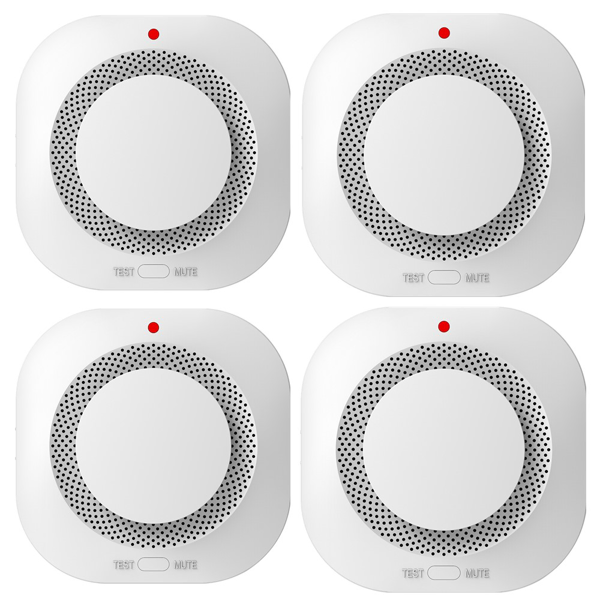 (4 Pack)Smoke Alarm Fire Protection Home Security System Smoke$32.99View on Mallflare
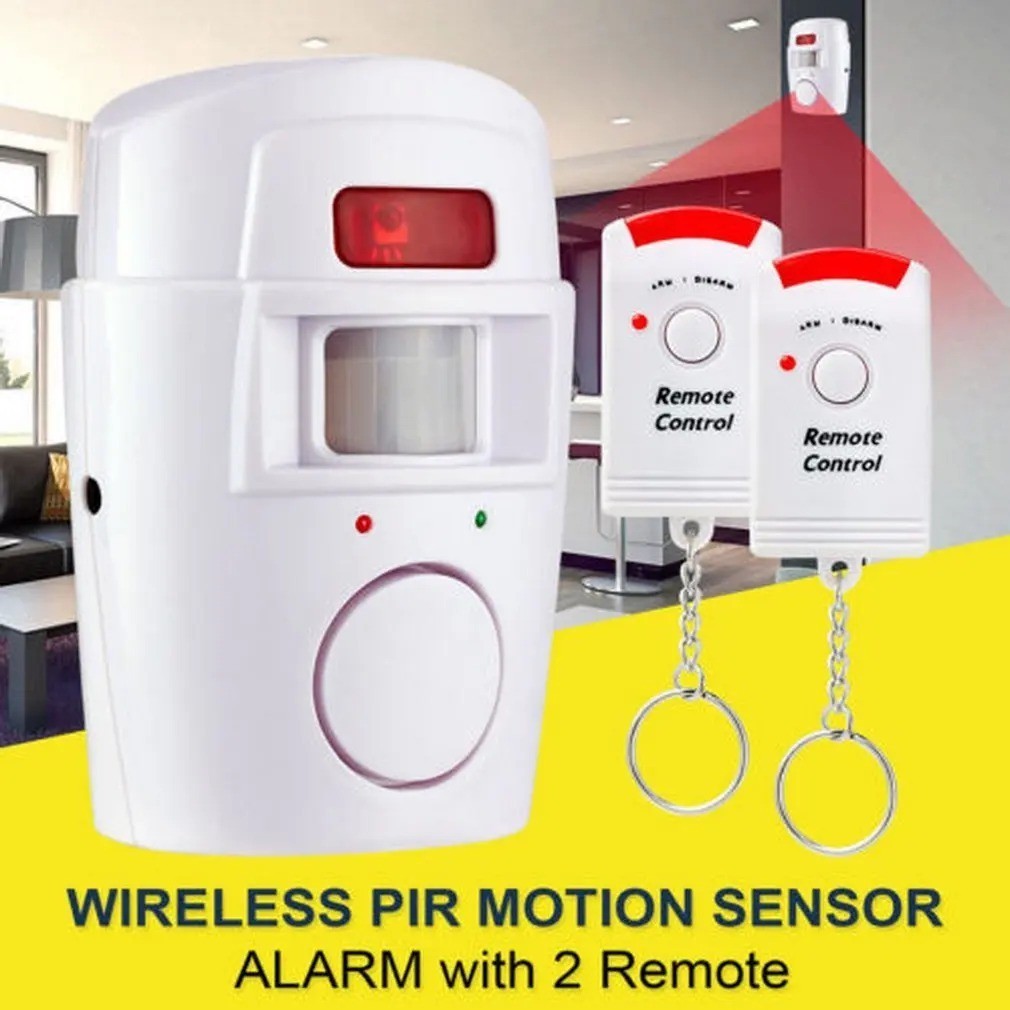 Wireless Motion Sensor Alarm Home Security Detector Indoor Outdoor Remote Garage$10.55View on eBay
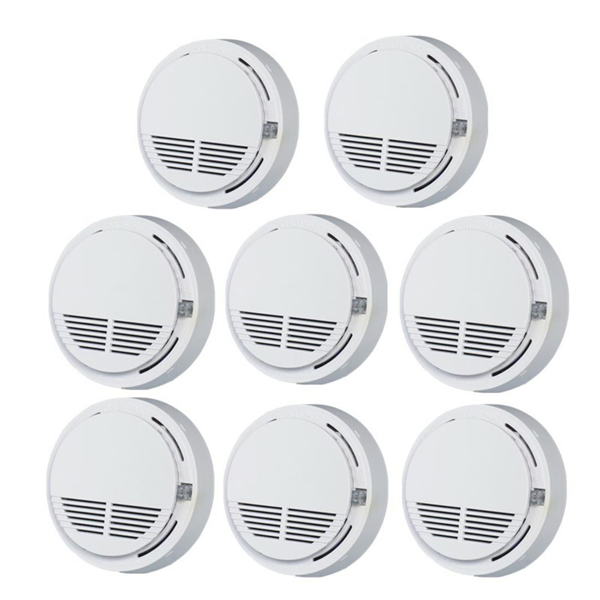 (8 Pack) Smoke Alarm Detector Home Fire Safety Sensor Alert Battery Included$41.99View on Mallflare
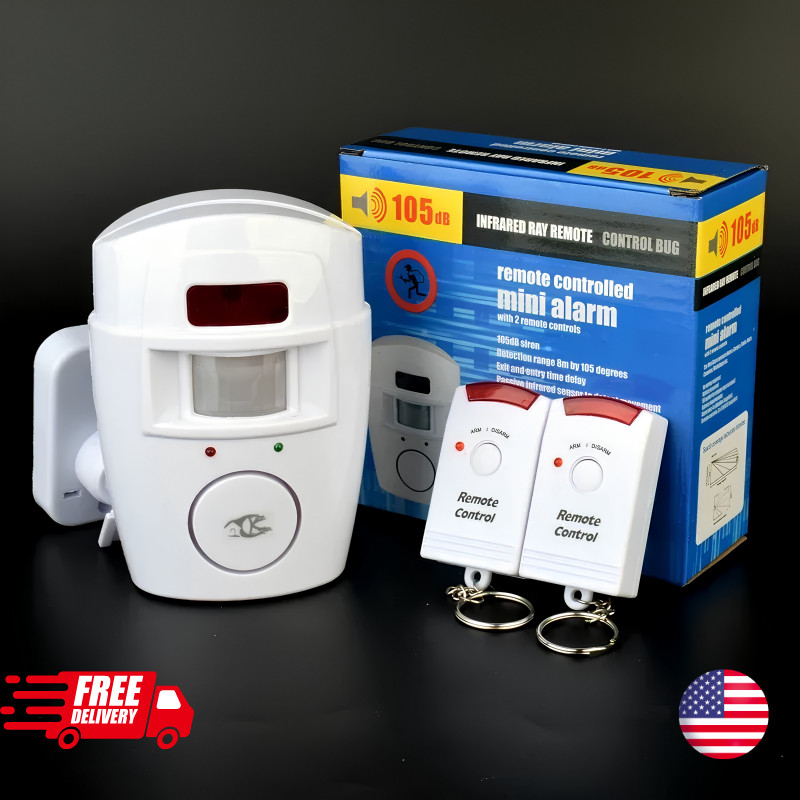 Wireless Driveway Alarm Infrared Motion Sensor Home Garage Alert Security System$11.99Last checked Nov 20, 2026View on eBay
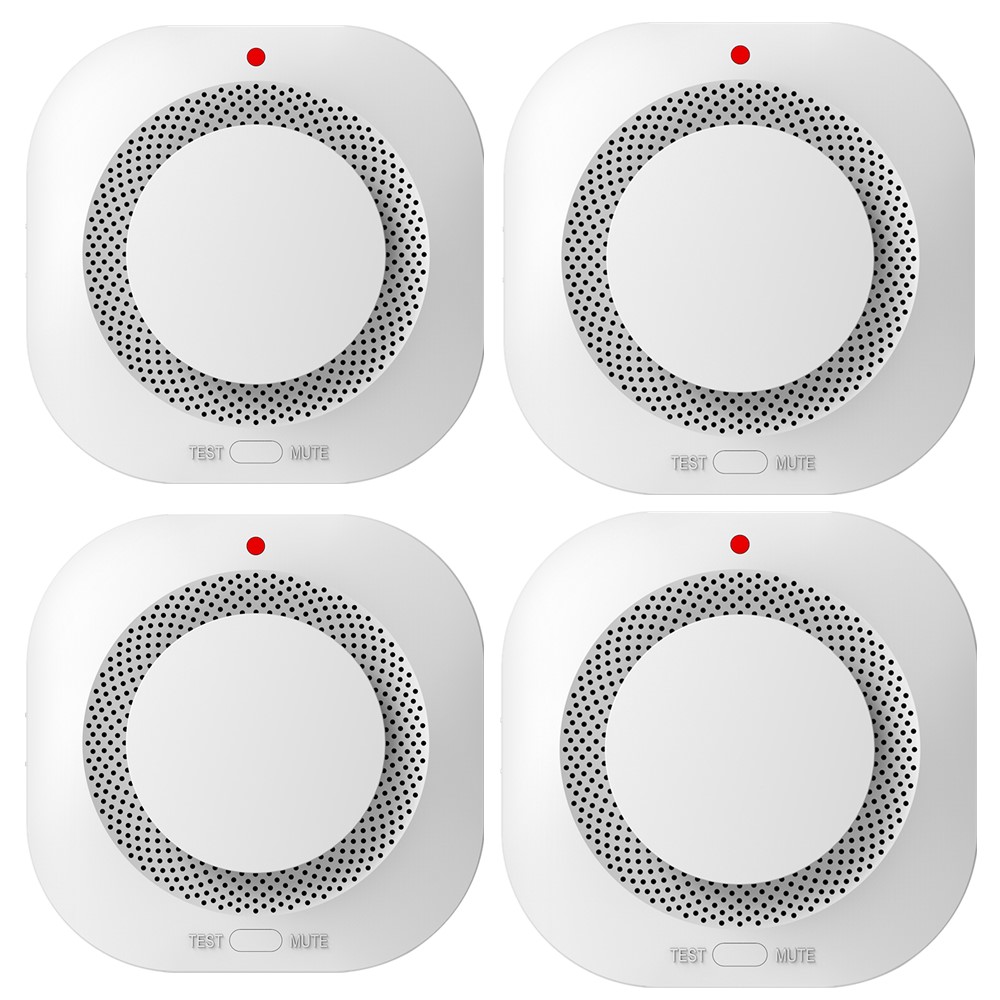 (4 Pack)Smoke Alarm Fire Protection Home Security System Smoke Platform policies vary; relevant qualifications are attached via link, pl$41.99View on Mallflare
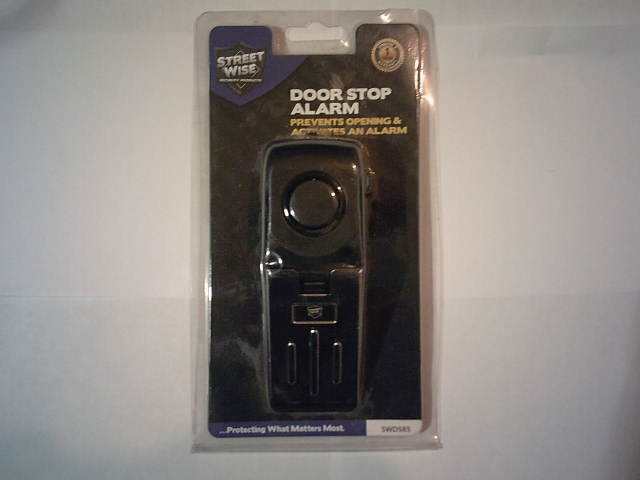 Home Door Stop Alarm Street Wise Security Products SWDS85 New Original Package$12.75View on eBay
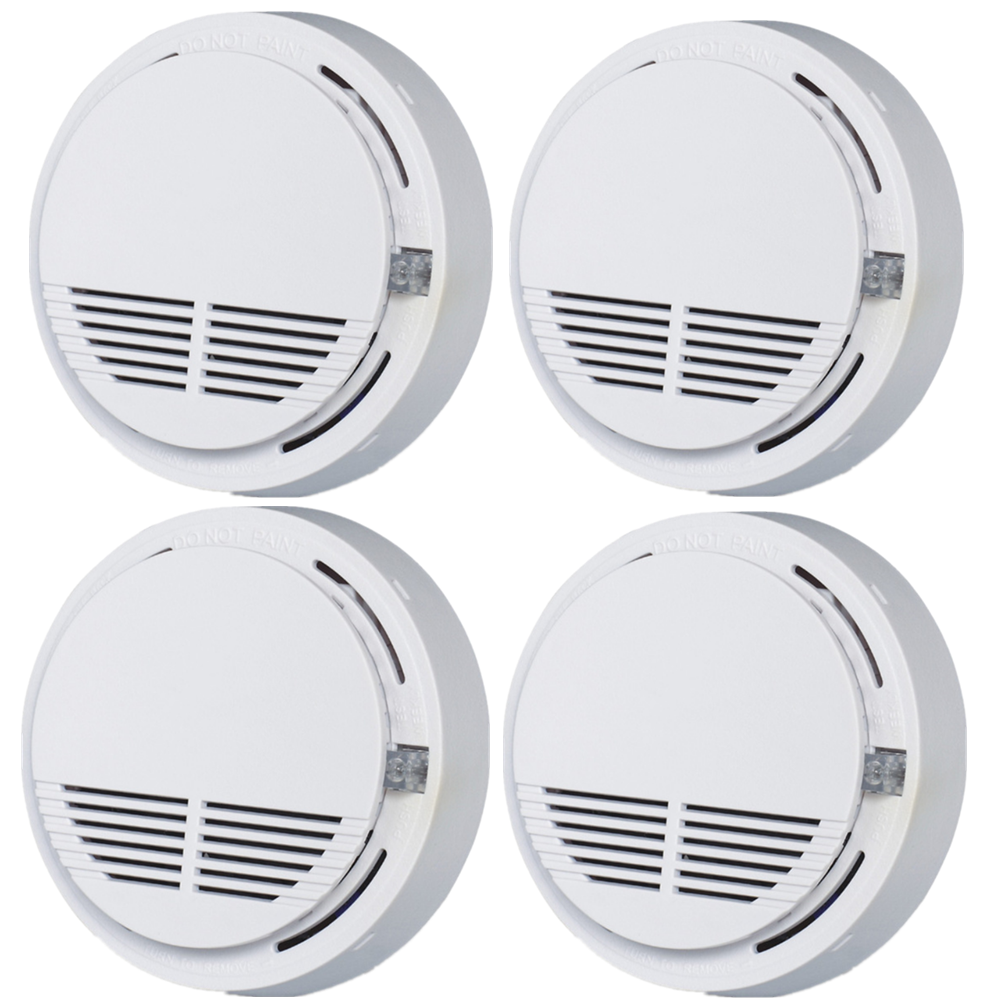 4xFire Smoke Alarm Detector Sensor Battery Operated Room Home Fire Safety Alert$44.99View on Mallflare
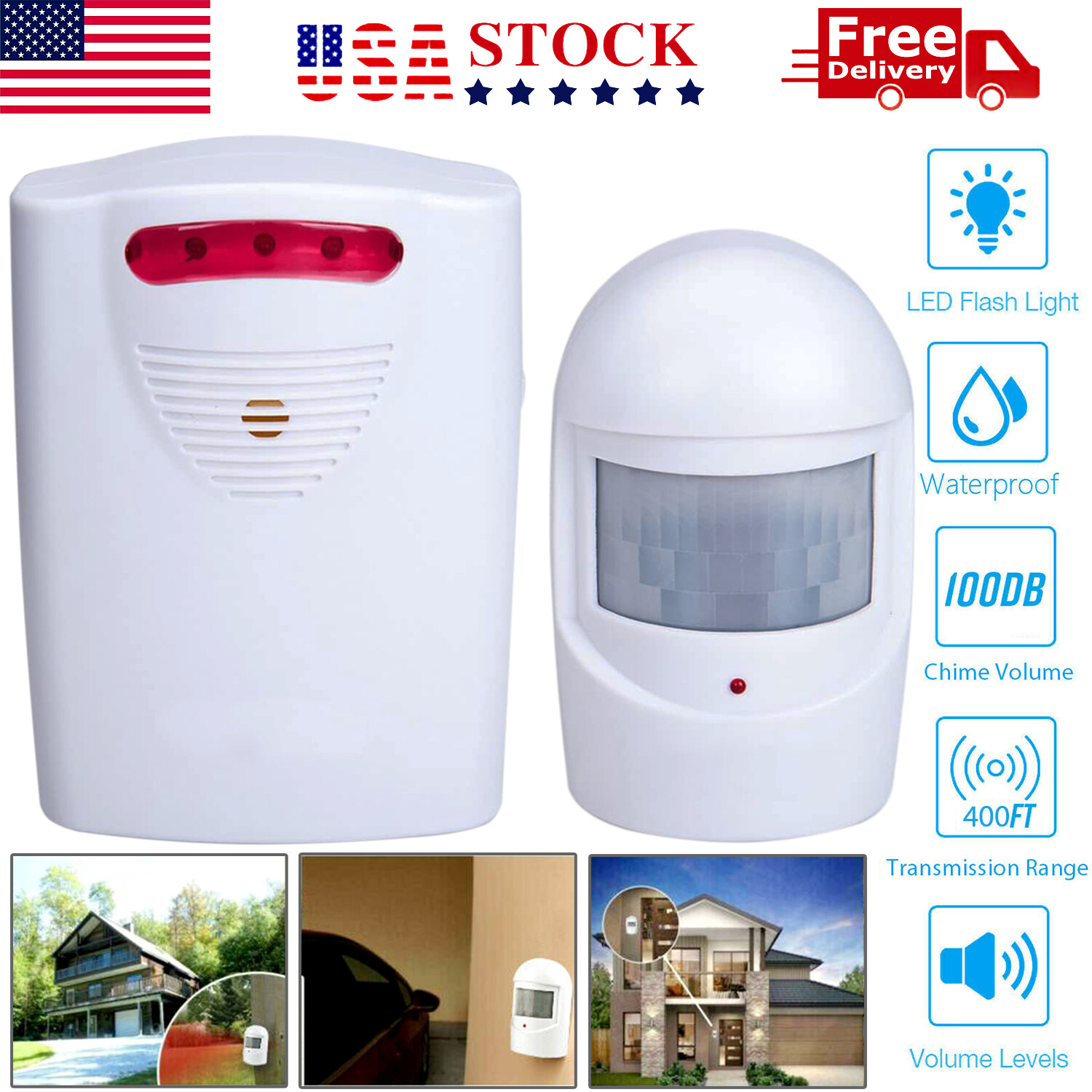 Wireless Driveway Alarm Infrared Motion Sensor Home Garage Alert Security System$15.89Last checked Nov 21, 2026View on eBay
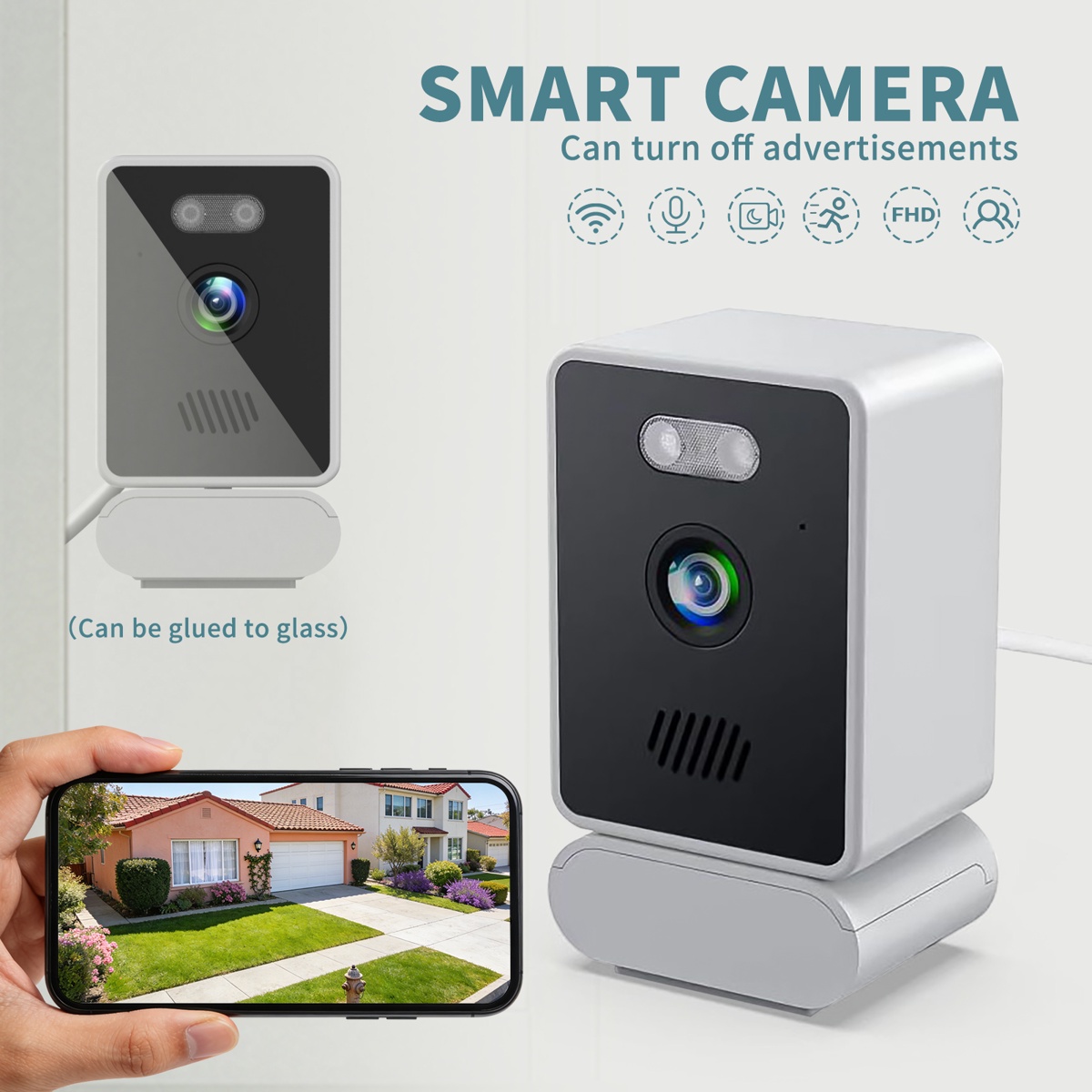 Window type disguised surveillance camera, built-in WiFi, motion detection alarm, suitable for cross-border security of homes/shops$47.99View on Mallflare
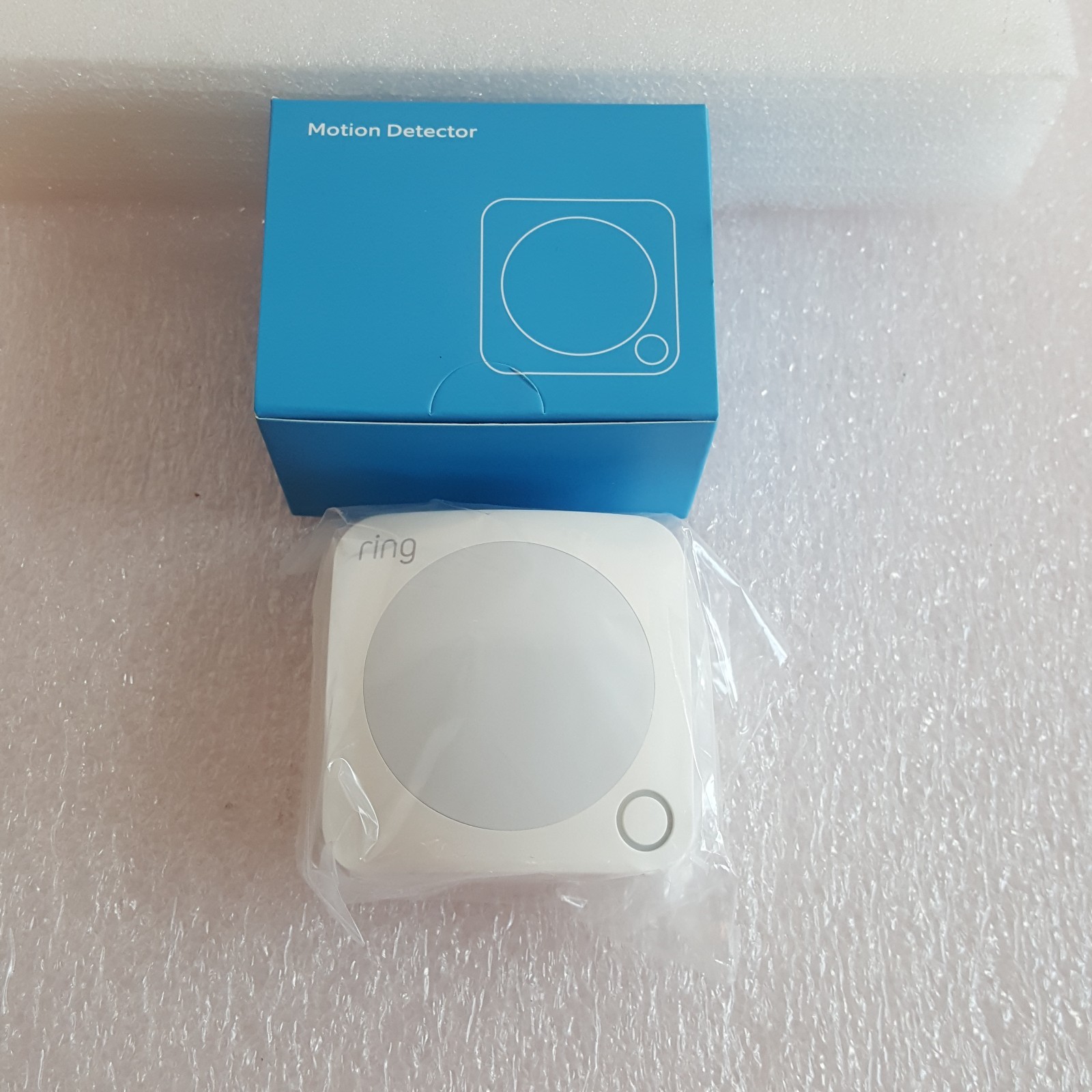 Ring Alarm Motion PIR Detector Sensor Home Security System Wireless Wifi 2nd Gen$24.77Last checked Nov 21, 2026View on eBay
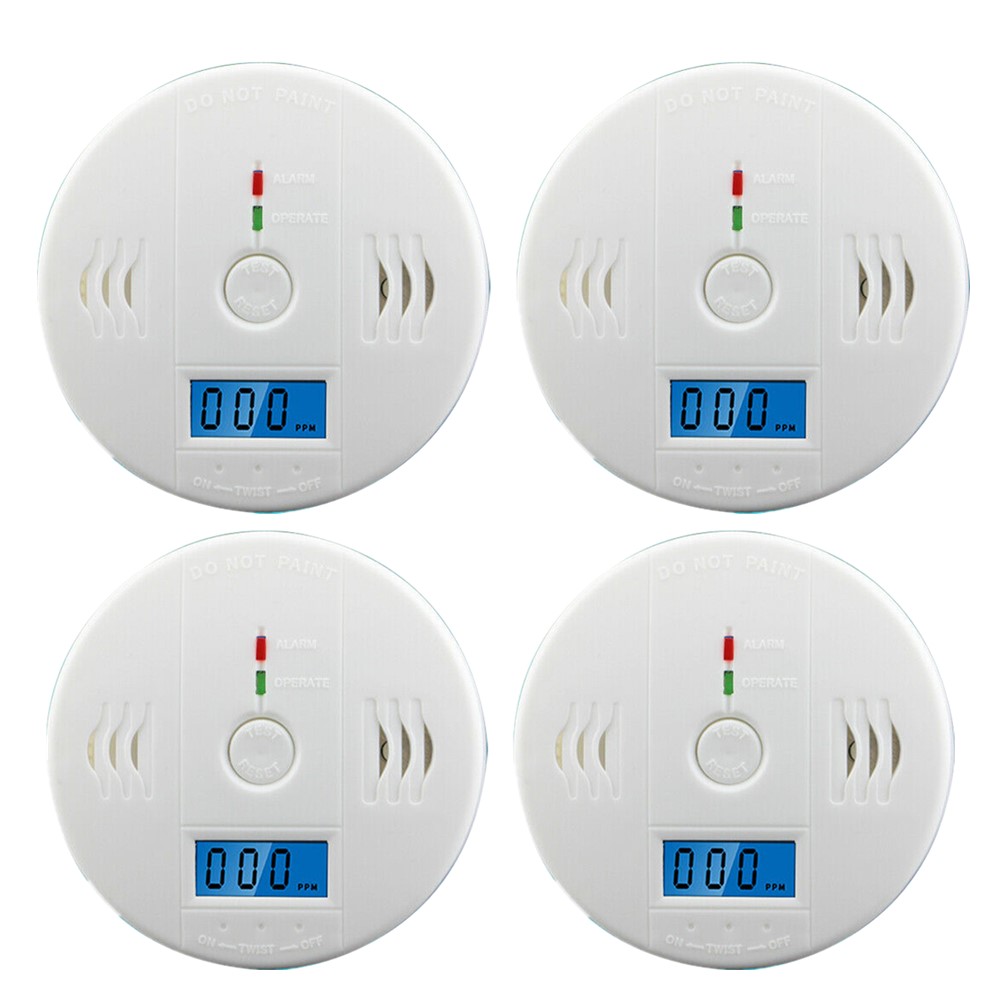 (4 Pack)LCD Display CO Carbon Monoxide Gas Detector Device Home Safety Alarm Platform policies vary; relevant qualifications are att$47.99View on Mallflare
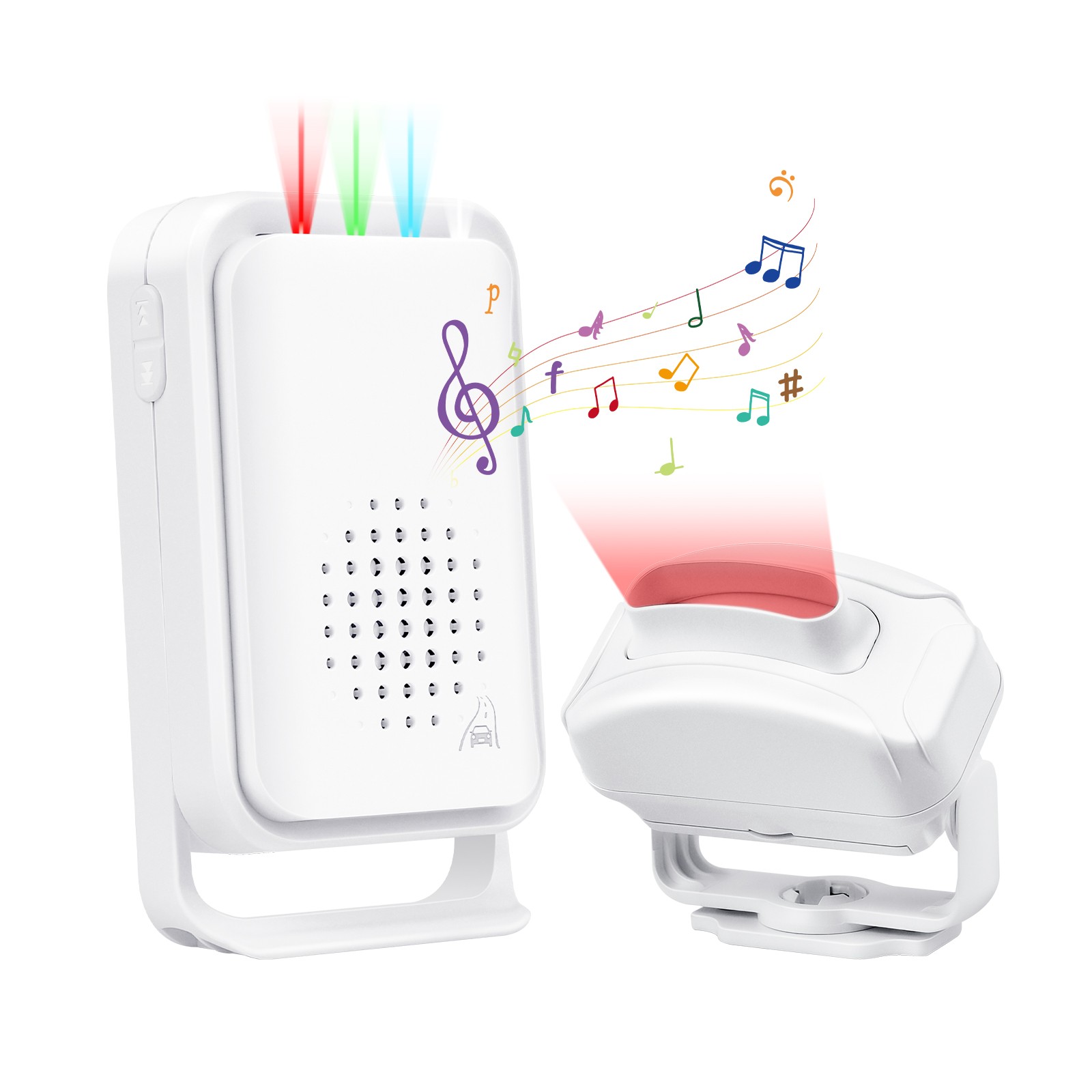 Wireless Driveway Alarm Waterproof Motion Infrared Sensor Home Security Doorbell$26.69View on eBay
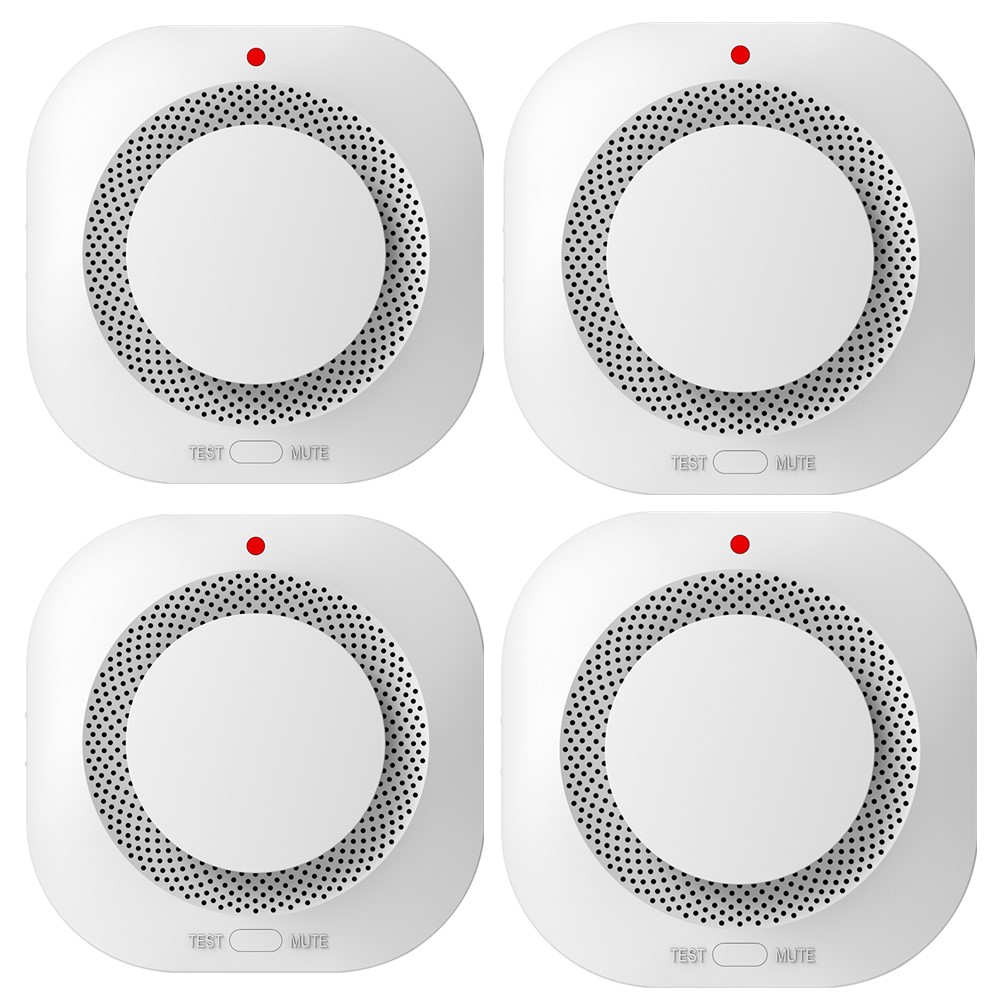 4 Pack Smoke Alarm Fire Protection Home Security System$50.99View on Mallflare
Highlights
- Hub architecture matters: supervised 433/868 MHz RF delivers multi-year coin-cell sensor life, while Wi-Fi-only sensors drain batteries in months.
- Entry sensors are typically CR2032 or CR123A powered with 2–5 year life; magnet gap tolerance of 15–25 mm determines reliable door/window triggering.
- PIR motion sensors detect across 8–12 m at 90–110°; pet-immune models filter under 20–25 kg to prevent false alarms.
- Backup batteries in hubs last 12–24 hours; systems with cellular/GSM fallback still report when broadband or power fails.
Best use cases
- Best fit for renters: a wireless keypad-plus-sensor kit with adhesive mounts and app alerts—no drilling, no contract.
- Best fit for full homes: a hub with 8–16 zones, glass-break and smoke listeners, plus a 12–24 hour backup battery and optional monitoring.
- Right fit for outbuildings or driveways: a dedicated driveway alarm or long-range wireless PIR, not an indoor-only kit sensor.
- Wrong fit: smoke-only or door-chime products bought as complete intrusion systems—they lack arming modes, entry delay, and central alert logic.
Buying tips
- Count zones before buying: 1 per door/window plus 1–2 motion sensors per floor; kits below 6 zones rarely cover a 2–3 bedroom home.
- Match the sensor protocol: Zigbee/Z-Wave hubs need a compatible controller, while standalone RF kits only pair with their own branded sensors.
- Choose power tiers deliberately: CR123A suits cold garages, CR2032 suits indoor contacts, and 9V batteries suit sirens and smoke listeners.
- Confirm entry/exit delay configurability—30–60 seconds avoids false alarms and gives time to disarm at the keypad.
Specs
| System Type | Complete kit / Hub + sensors / Standalone |
|---|---|
| Sensor Protocol | RF 433/868 MHz, Zigbee, Z-Wave, Wi-Fi |
| Backup Battery | 12-24 hr hub backup / 2-5 yr sensor |
| Alert Method | App push, SMS, siren 95-105 dB |
Related searches
What to check before buying
- Measure each door and window: sensor bodies need 20–25 mm mounting clearance and magnet gap under 15–25 mm.
- Check wall material at the keypad: drywall takes adhesive or anchors, brick/concrete needs masonry plugs.
- Verify the hub's power input matches your region (120 V US or 230 V EU plug) and that the backup battery is user-replaceable.
- Confirm the app supports push alerts and multi-user access, and that the system can add at least 4–8 more sensors later.
FAQ
Data sources: eBay / Amazon listings and product attribute feeds. Updated Nov 22, 2026.
Some links on this page are affiliate links. If you buy after clicking one, we may earn a commission at no extra cost to you. This does not change which products appear here or their order. Affiliate disclosure.