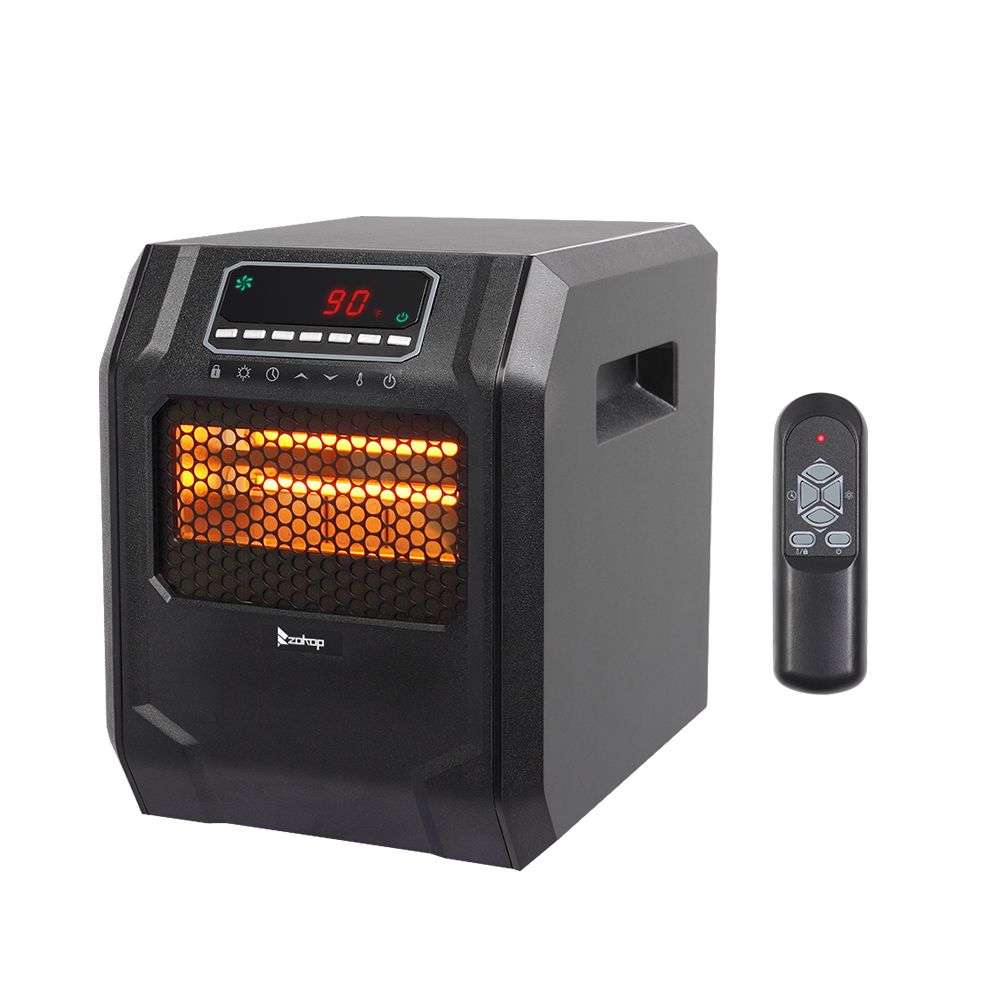

Photos from current listings. Actual item, color, and included accessories may vary.
Metal Fan Buying Guide
Metal fans use steel or aluminum guards, blades, and housings to survive heat, dust, and continuous duty where plastic cracks or deforms. The core trade-off is airflow-per-watt versus noise and mounting flexibility: high-velocity industrial cages move massive CFM but run loud, while decorative metal ceiling fans prioritize looks and quiet operation over raw output. Decide by duty cycle and mounting location: pick a sealed-motor high-velocity model for workshops and garages, and a ceiling or pedestal metal fan for living spaces where noise and finish matter.
At a glance
- Category
- Fans, Heaters & Humidifiers
- Last updated
- Nov 22, 2026
Current offers
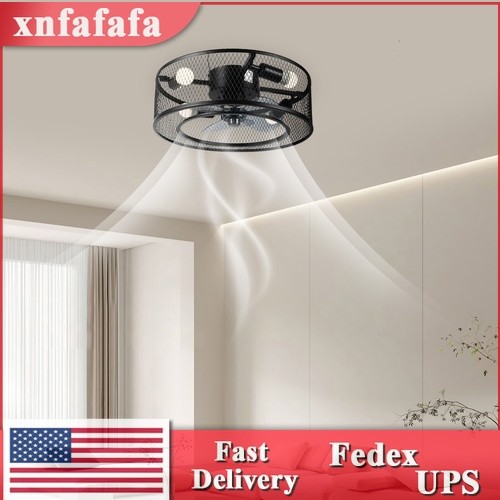
Highlights
- Motor type separates tiers: fully enclosed ball-bearing motors handle 8–12 hr continuous industrial duty, while sleeve-bearing motors are for intermittent residential use only.
- Blade material and pitch drive CFM: aluminum or steel blades with 15–25° pitch move 2–3× the air of shallow plastic blades at the same RPM.
- Guard wire gauge and spacing determine safety and durability: welded steel cages with ≤7 mm gaps meet typical finger-safety norms; thin stamped guards bend and rust.
- Oscillation and tilt hardware is the first failure point: metal gearboxes and steel pivot bolts outlast plastic oscillation cams, especially in wall-mount and pedestal designs.
Best use cases
- Best fit: garage, workshop, or commercial kitchen — choose an 18–24 inch high-velocity wall-mount or pedestal fan with a sealed ball-bearing motor and welded steel cage; skip decorative ceiling fans here.
- Best fit: covered patio or barn — pick a damp-rated metal ceiling fan with sealed bearings and rust-resistant finish; skip indoor-only finishes and exposed sleeve-bearing motors.
- Wrong fit: bedroom or nursery — metal industrial fans are too loud; choose a quiet metal-blade ceiling fan with a DC motor instead of a high-velocity cage fan.
- Wrong fit: low-ceiling room — an 18 inch caged ceiling fan with light kit needs at least 7 ft clearance; choose a flush-mount or wall-mount metal fan instead.
Buying tips
- Match blade diameter to room: 12–16 inch for small rooms and desks, 18–20 inch for garages and patios, 24 inch+ for warehouses; larger blades move more air at lower RPM and less noise.
- Check motor enclosure: sealed ball-bearing motors are rated for continuous duty; sleeve-bearing motors are for occasional use and will seize under 8+ hour daily runtime.
- Confirm mounting hardware and ceiling joist capacity for ceiling fans — metal caged ceiling fans are heavier than plastic equivalents and require a fan-rated electrical box.
- For outdoor or damp locations, require a UL damp/wet rating and rust-resistant finishes such as powder-coated steel or aluminum; indoor-only finishes corrode within a season.
Specs
| Motor Type | Sealed ball-bearing vs sleeve-bearing |
|---|---|
| Blade Material | Aluminum / steel / powder-coated steel |
| Blade Diameter | 12–24 in (residential to industrial) |
| Mount Type | Wall / ceiling / pedestal / floor |
Related searches
What to check before buying
- Measure ceiling height and fan downrod length: caged ceiling fans need 7 ft minimum floor-to-blade clearance; add a downrod for ceilings above 9 ft.
- Verify the electrical box is fan-rated and anchored to a joist — metal ceiling fans weigh more than plastic and will pull out of a standard box.
- Check outlet voltage and plug type for portable and wall-mount metal fans: most high-velocity models are 110–120V with a standard 3-prong plug; 220–240V models need a dedicated circuit.
- Confirm wall-mount fan bracket fits your wall material (wood stud, masonry, or metal beam) and that the fan head clears nearby doors and shelving through its oscillation arc.
FAQ
Data sources: eBay / Amazon listings and product attribute feeds. Updated Nov 22, 2026.
Some links on this page are affiliate links. If you buy after clicking one, we may earn a commission at no extra cost to you. This does not change which products appear here or their order. Affiliate disclosure.