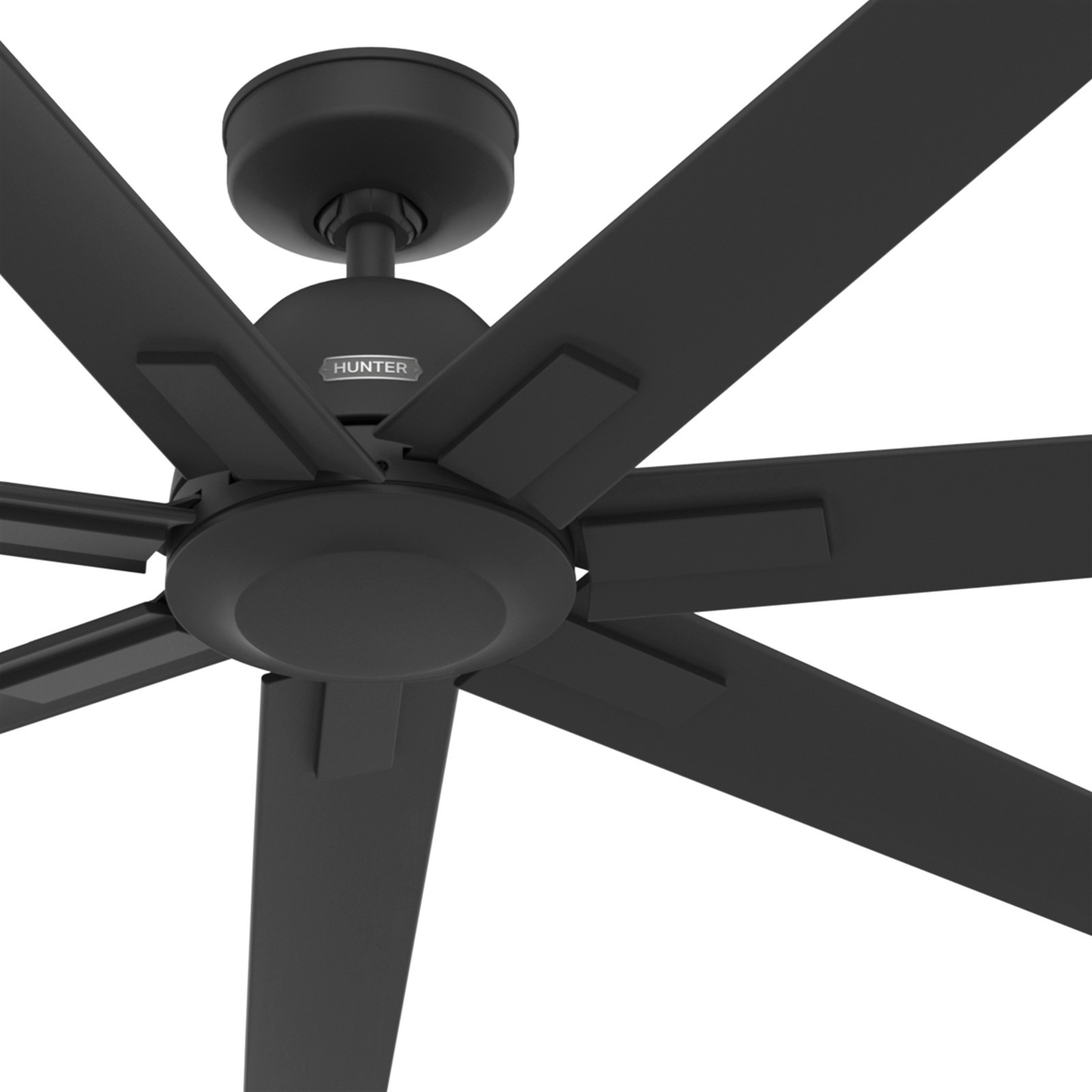

Photos from current listings. Actual item, color, and included accessories may vary.
Hunter Outdoor Ceiling Fan Buying Guide
Hunter outdoor ceiling fans are damp- or wet-rated air movers built to survive humidity, salt air, and temperature swings where indoor-rated fans corrode or fail. The core trade-off is rating and motor construction: a UL Damp/Wet listing plus a sealed, corrosion-resistant motor determines lifespan, while blade material and housing finish dictate how well the fan handles sun and moisture. The decision rule is simple: buy only a fan explicitly rated for your exposure (damp for covered porches, wet for open patios), and skip any fan whose rating or motor sealing is unspecified.
At a glance
- Category
- Fans, Heaters & Humidifiers
- Last updated
- Nov 22, 2026
Current offers
Highlights
- UL Damp rating suits covered porches with indirect moisture; UL Wet rating is required for open patios, pergolas, and coastal salt-air exposure.
- Sealed ball-bearing motors with rust-resistant housings outlast sleeve-bearing or unsealed motors in humid, coastal, and freeze-thaw climates.
- ABS or marine-grade composite blades resist warping and moisture absorption; plywood or solid-wood blades can delaminate or swell outdoors.
- Finish grade matters: powder-coated or marine-grade finishes resist salt and UV fade far better than painted or lacquered finishes on coastal installs.
Best use cases
- Covered porch or screened lanai with indirect rain: pick a UL Damp-rated Hunter with sealed bearings and composite blades; skip indoor-only or unrated fans.
- Open patio, pergola, or coastal dock exposed to direct rain and salt: require UL Wet rating plus a marine-grade or powder-coated finish; skip damp-only models.
- High-humidity pool cage or spa area: choose a wet-rated fan with non-corroding stainless or coated hardware; skip fans with exposed steel fasteners.
- Dry indoor great room or sunroom with occasional open windows: a standard indoor-rated Hunter is sufficient; do not pay a premium for wet rating you do not need.
Buying tips
- Match rating to exposure: Damp for covered outdoor areas, Wet for direct rain; never install an indoor-rated fan outdoors regardless of price.
- Size by blade span: rooms up to roughly 100 sq ft use 42–48 in; 100–200 sq ft use 52–56 in; larger or open outdoor spaces step to 60 in or more.
- Confirm ceiling height and downrod: standard 8–9 ft ceilings need a short downrod; vaulted or high outdoor ceilings require a longer downrod for proper airflow.
- Check control compatibility: pull-chain is simplest outdoors; remote or wall-control models need a receiver rated for damp/wet environments and compatible wiring.
Specs
| Outdoor Rating | UL Damp vs UL Wet |
|---|---|
| Motor Sealing | Sealed ball-bearing vs open |
| Blade Material | ABS composite vs wood |
| Finish Grade | Powder-coated vs painted |
Related searches
What to check before buying
- Measure the mounting location: ceiling height, slope, and clearance determine downrod length and whether a sloped-ceiling adapter is required.
- Verify electrical supply: confirm the outdoor circuit supports the fan's amperage and that a proper outdoor-rated junction box and GFCI protection are in place.
- Assess exposure: note direct rain, salt spray, and sun intensity to select Damp vs Wet rating and finish grade.
- Confirm blade clearance: outdoor fans need at least 7 ft from floor to blade trailing edge and adequate distance from walls for unobstructed airflow.
FAQ
Data sources: eBay / Amazon listings and product attribute feeds. Updated Nov 22, 2026.
Some links on this page are affiliate links. If you buy after clicking one, we may earn a commission at no extra cost to you. This does not change which products appear here or their order. Affiliate disclosure.