
Photos from current listings. Actual item, color, and included accessories may vary.
Electric Space Heater Buying Guide
Electric space heaters convert line power into localized warmth via resistive elements (PTC ceramic, wire coil, or infrared quartz) and a fan or radiant surface. The core trade-off is between fast, fan-driven ceramic convection that heats air quickly and quiet radiant/infrared or oil-filled units that warm objects and people without blower noise. The clear decision rule: buy a unit rated at 1500W/120V with a verified tip-over switch and overheat cutoff for real room heating; treat sub-500W mini desktop units as personal spot warmers, not room heaters.
At a glance
- Category
- Fans, Heaters & Humidifiers
- Last updated
- Nov 22, 2026
Current offers
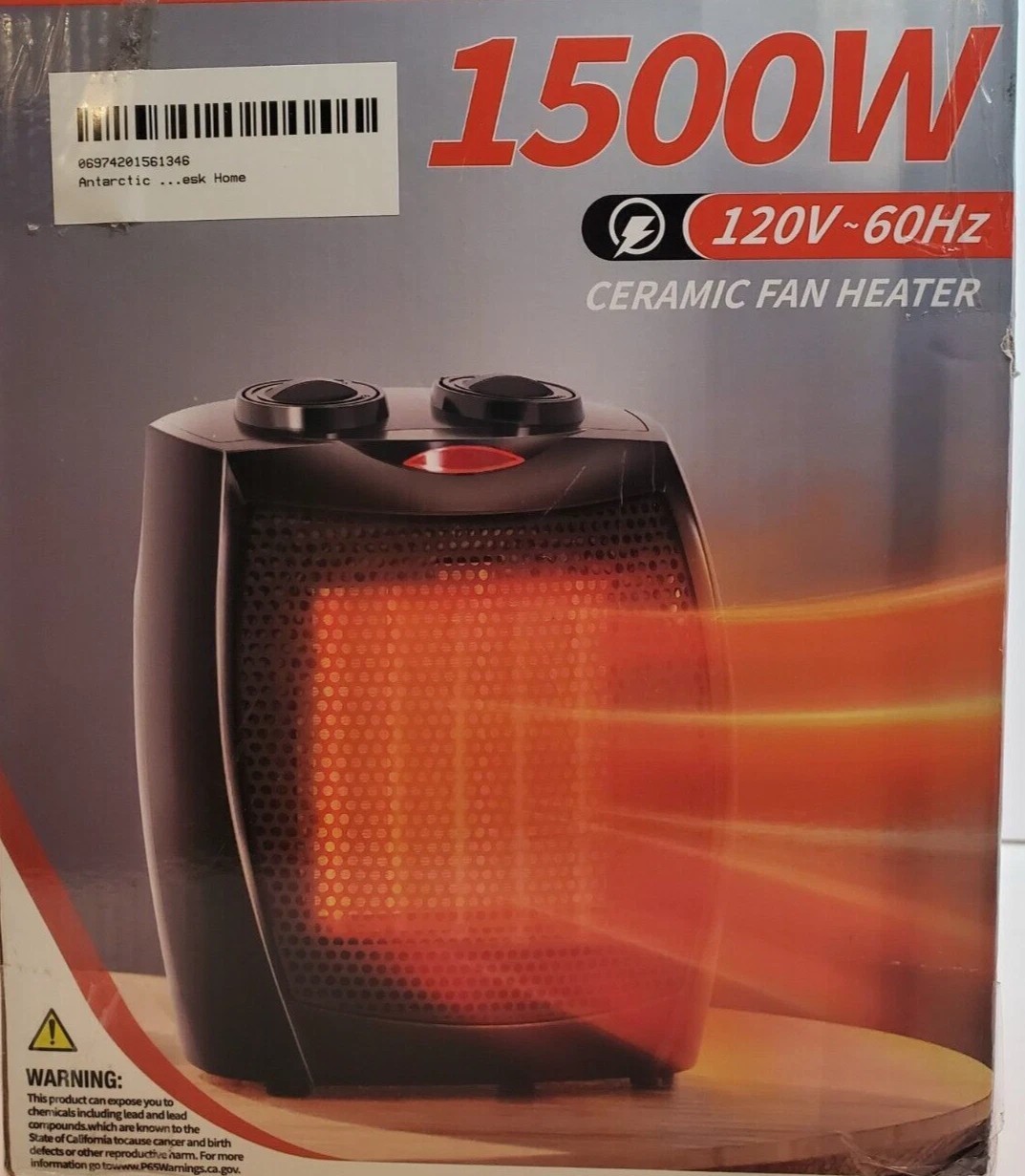 Portable Electric Space Heater with Thermostat, 1500W/750W Safe and Quiet Cerami$219.99Last checked Nov 17, 2026View on eBay
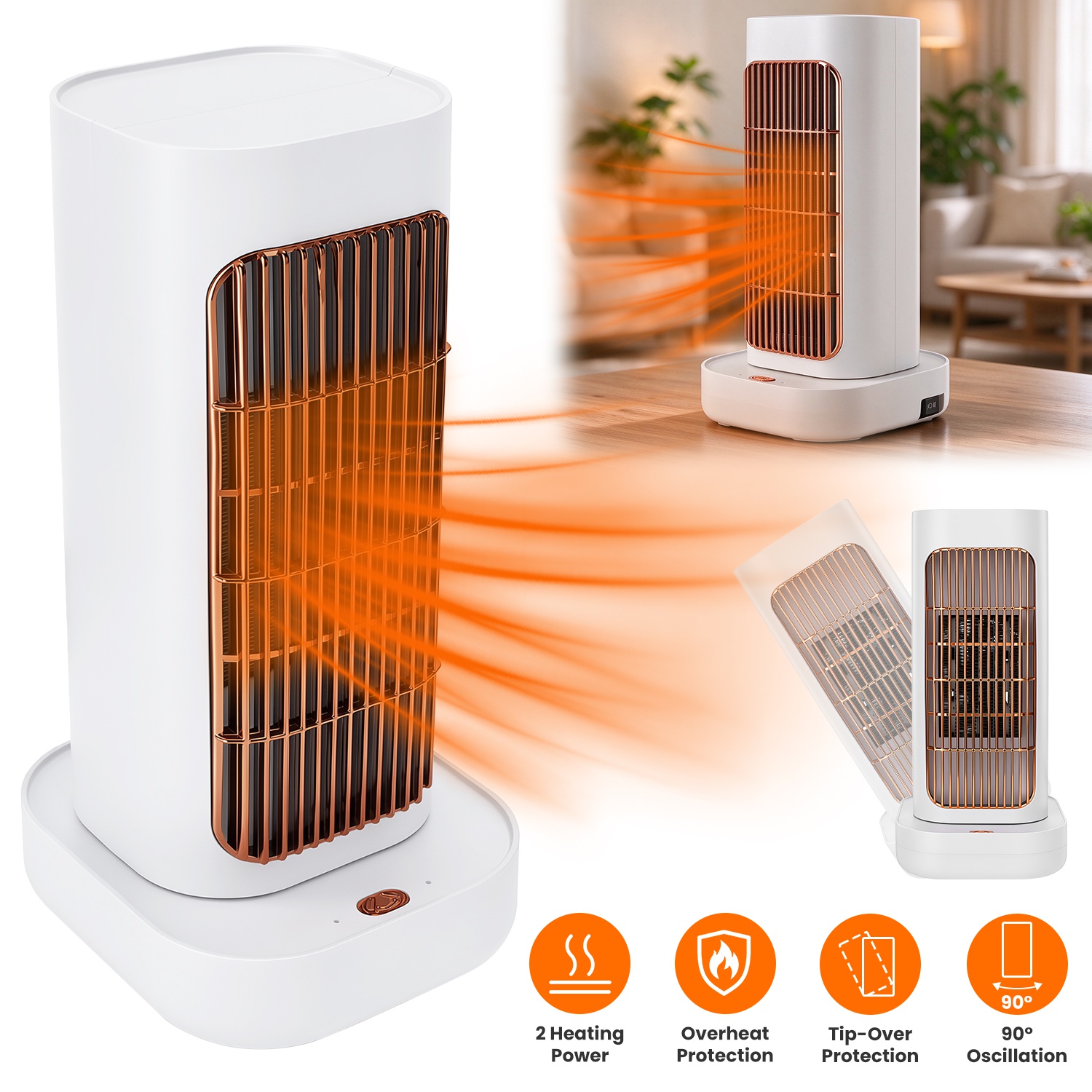 1300W Space Heater With 2 Heat Settings PTC Ceramic Electric 90 Degree Oscillation Tip-Over Shut-Off & Overheat Protection Portable For Bedroom Office Living Room$53.99View on Mallflare
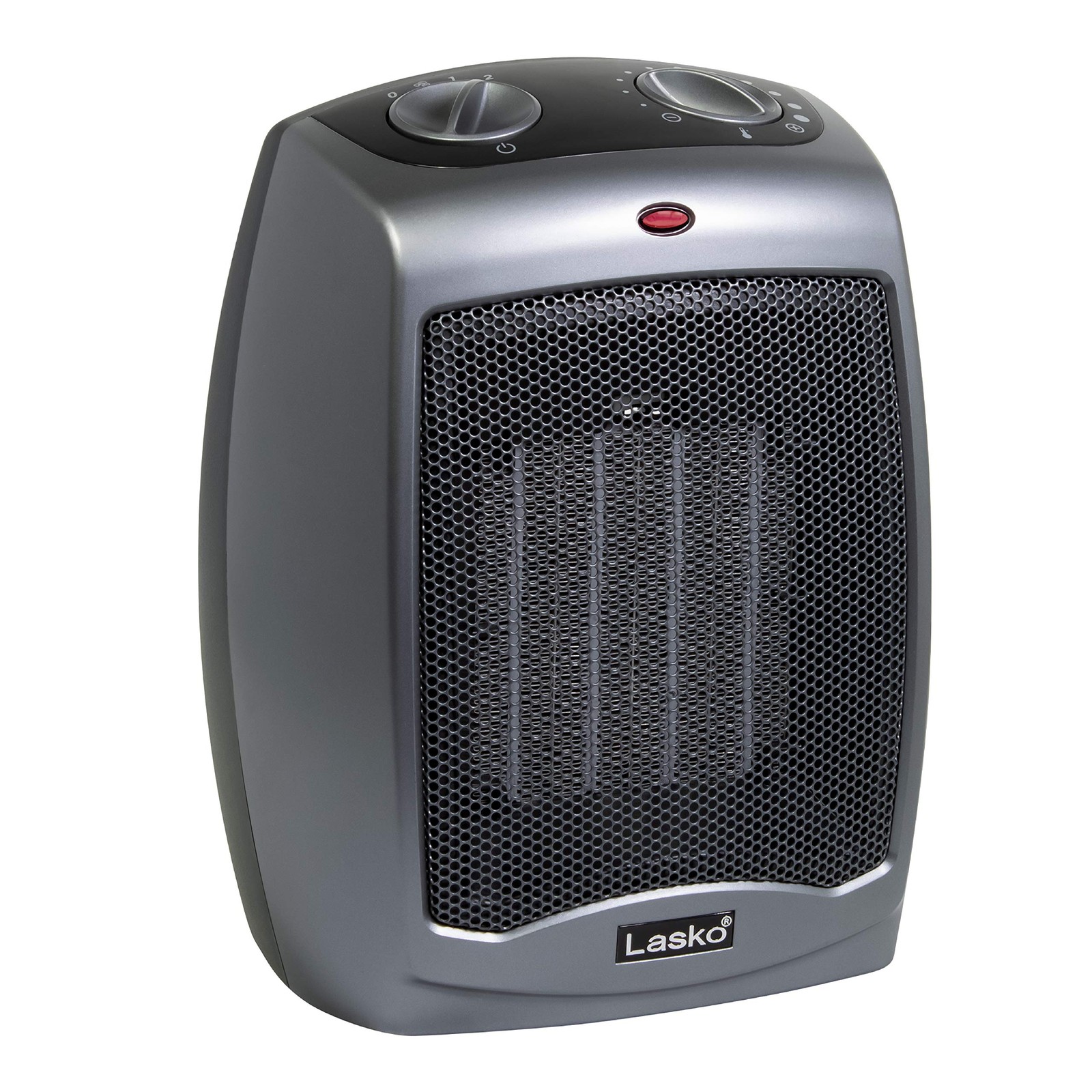 Lasko Portable Electric Ceramic Space Heater 1500W Thermostat Tip-Over Safety..$17.78View on eBay
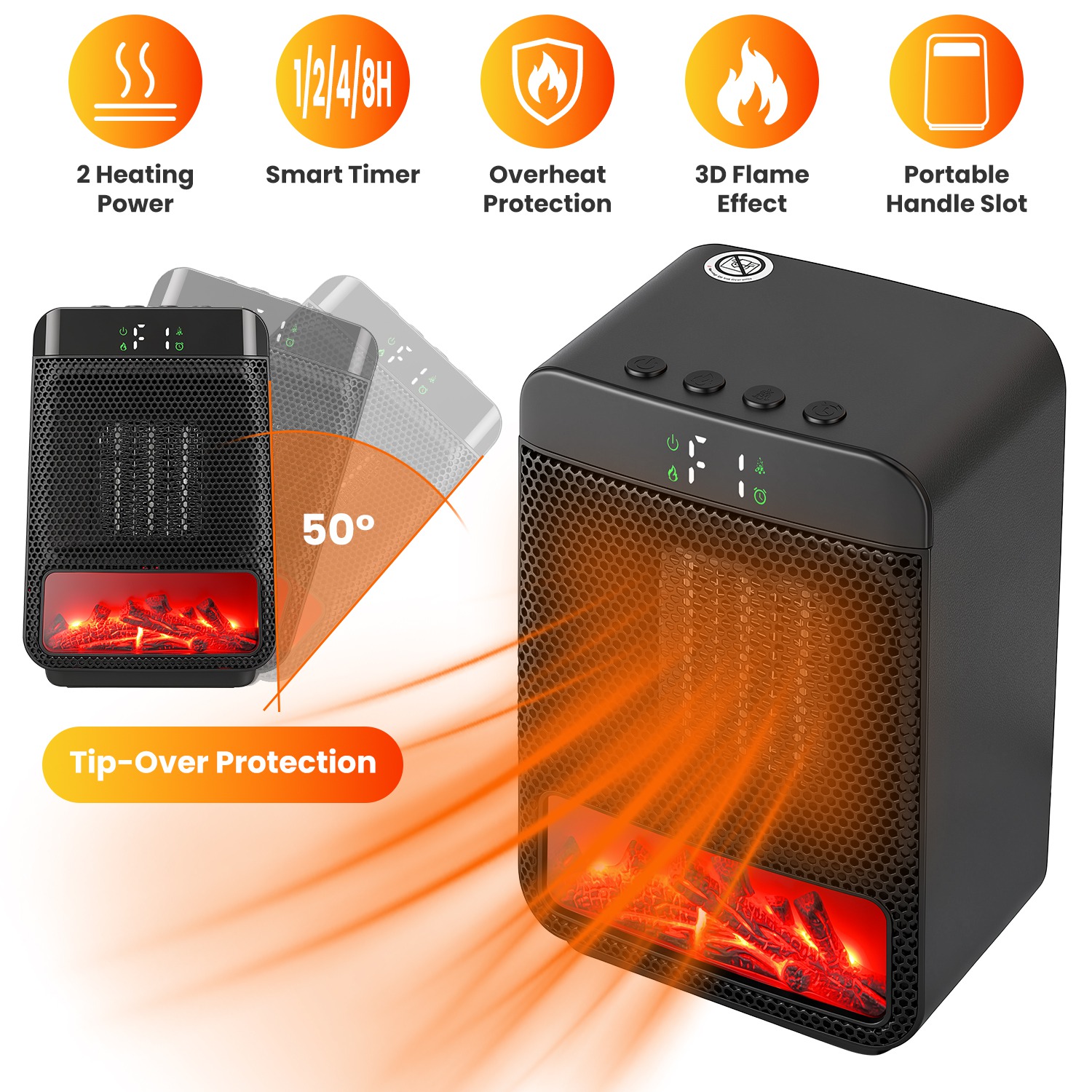 Portable Space Heater With 2 Heat Settings PTC Ceramic Electric Fireplace 3D Flame Effect 1-8H Timer Tip-Over Shut-Off Overheat Protection For Bedroom Office Living Room$59.99View on Mallflare
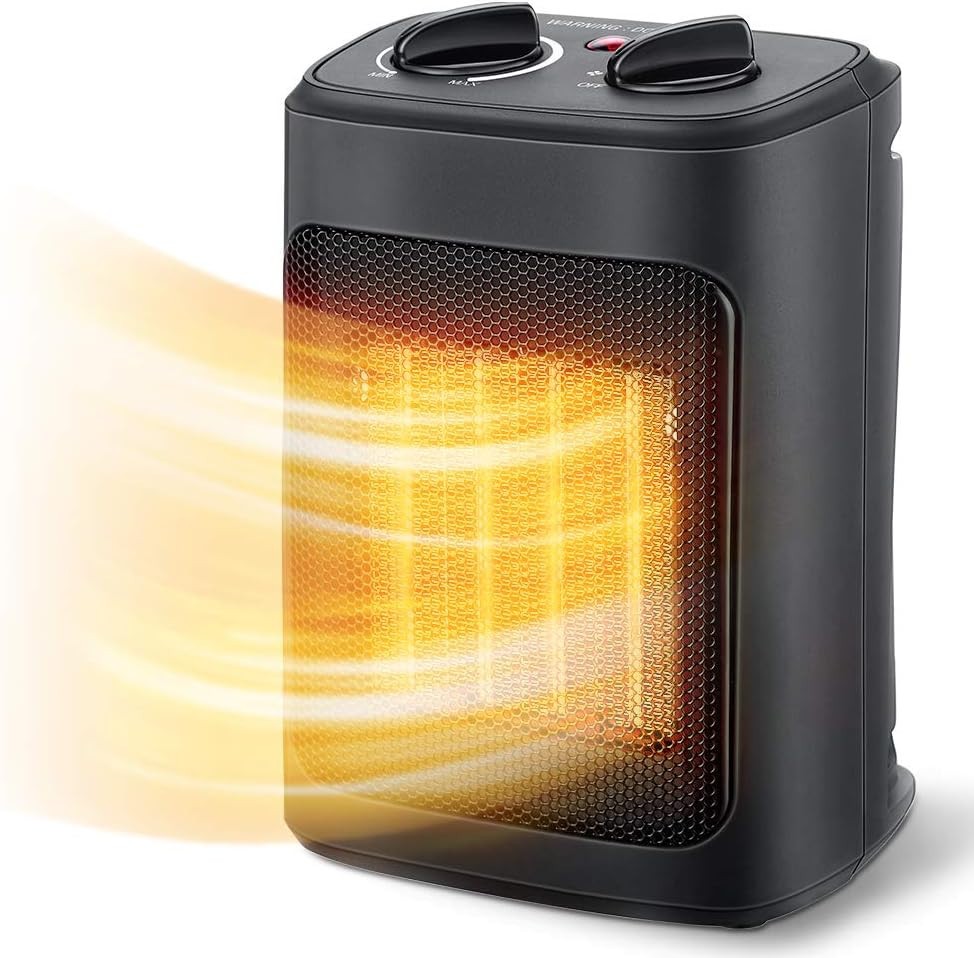 Aikoper Space Heater 1500W Electric Indoor Portable with Thermostat NEW SEALED$24.99View on eBay
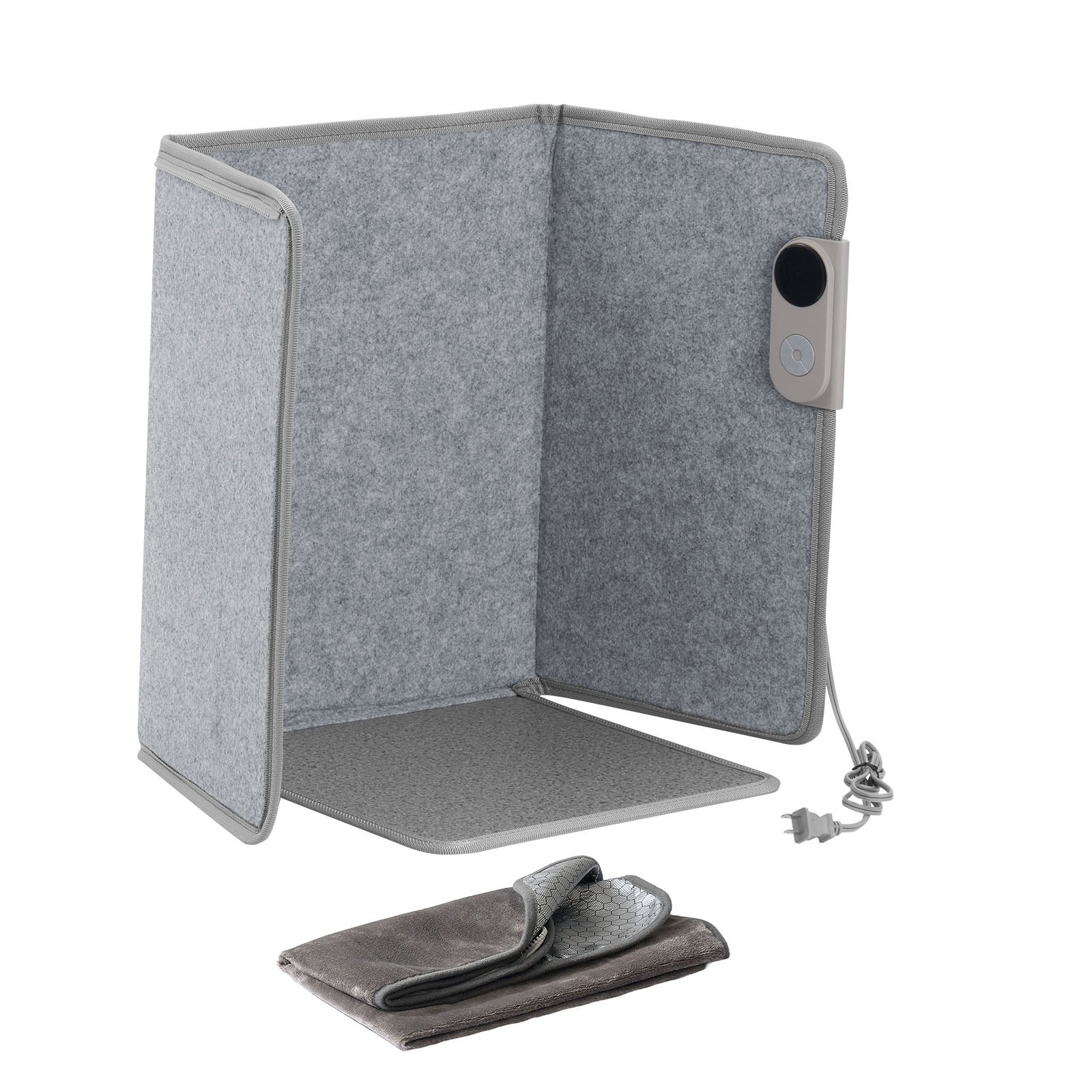 Under Desk Space Heater,Foldble Foot Warmer Portable For Home&Office,Timer & Secure,Quiet For Legs,Ankles,Touch&Remote Control Personal Electric Wall Warming Pad,Over-Heat Protection$65.99View on Mallflare
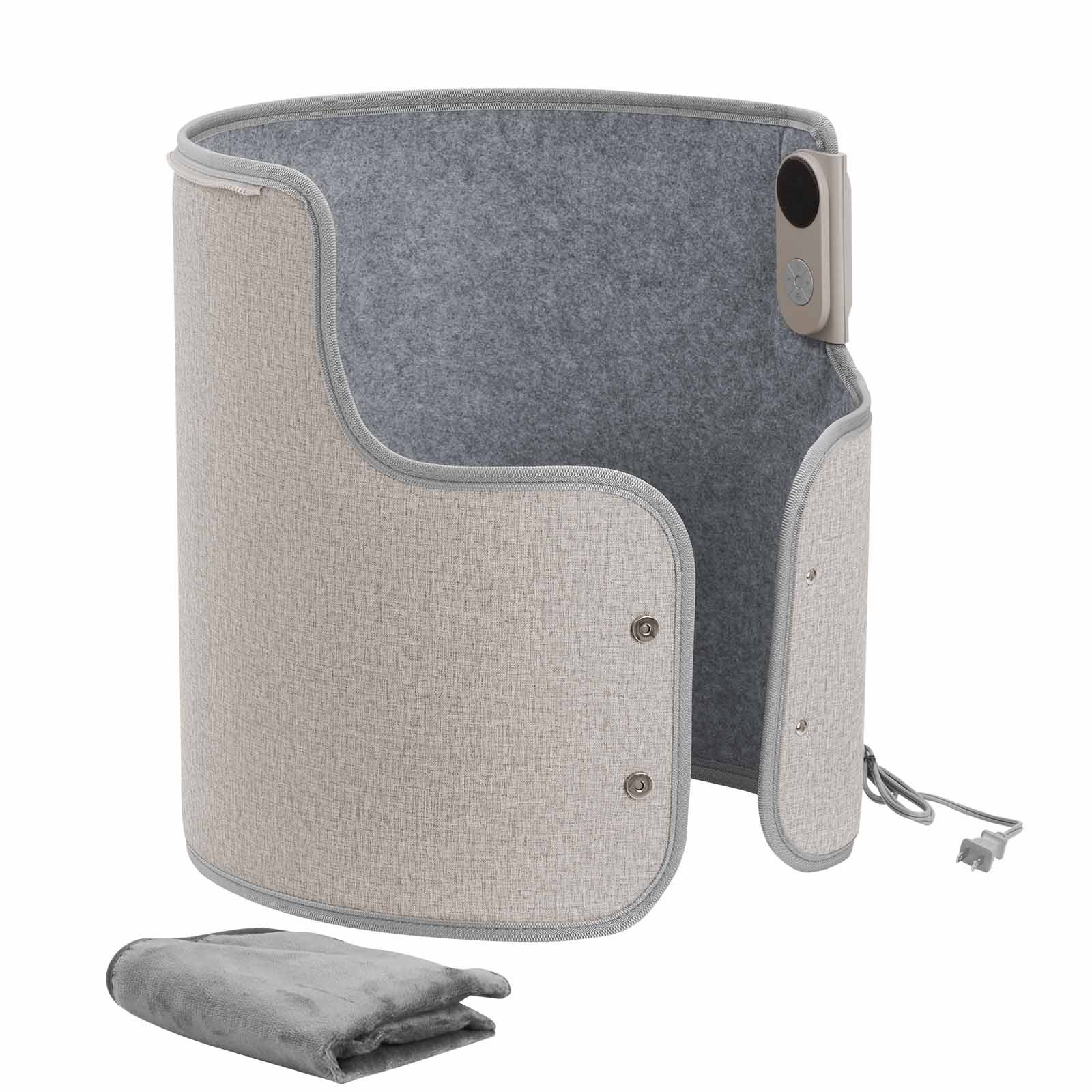 Under Desk Space Heater,Rollable Foot Warmer Portable For Home&Office,Timer & Secure,Quiet For Legs,Ankles,Touch&Remote Control Personal Electric Round Surround Warming Pad,Over-Heat Protection$68.99View on Mallflare
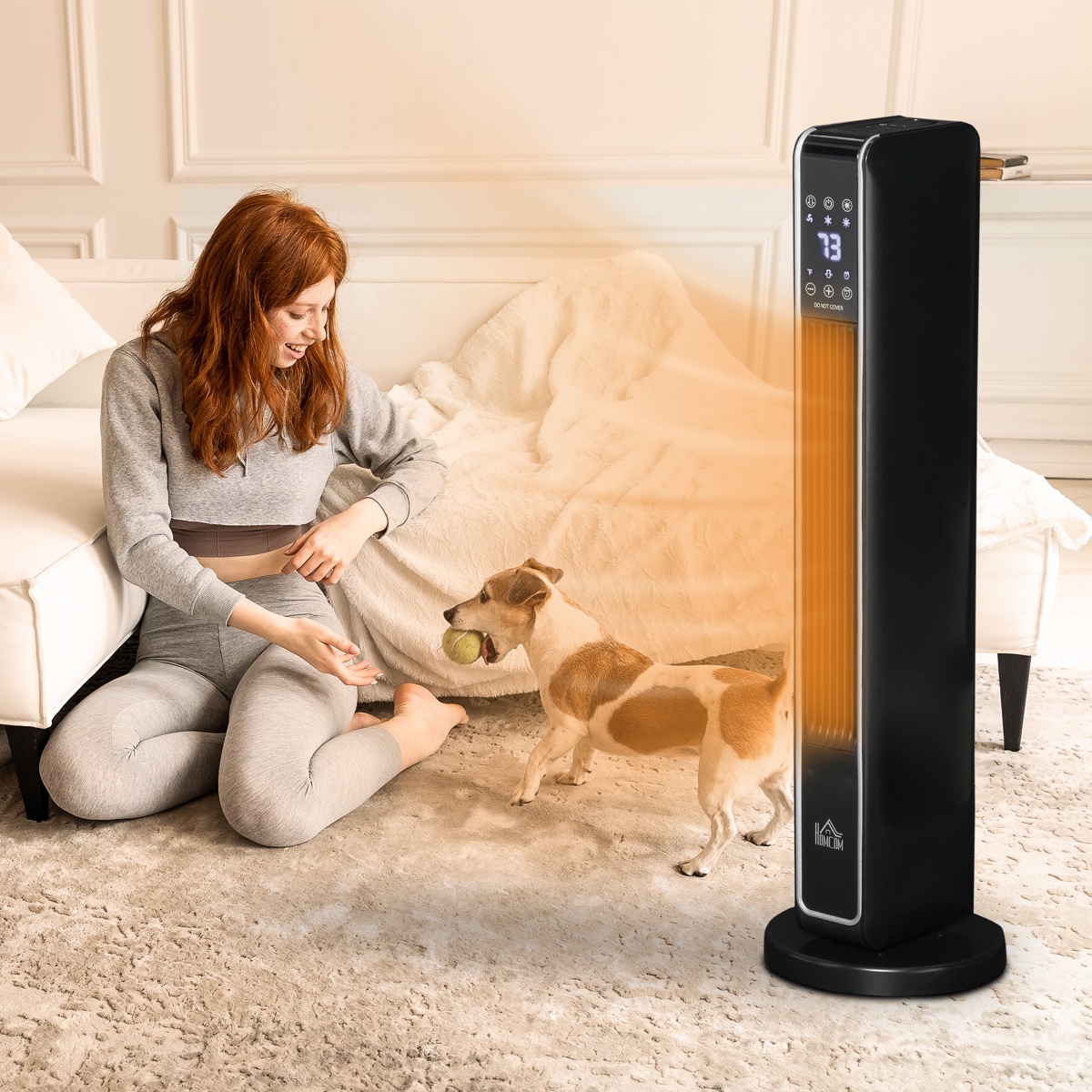 2-In-1 Portable Electric Tower Heater, Oscillating Space for Indoor Use with Remote Control, 8H Timer, Three Heating Modes(High, Low, Fan), 750W / 1500W, Black$90.99View on Mallflare
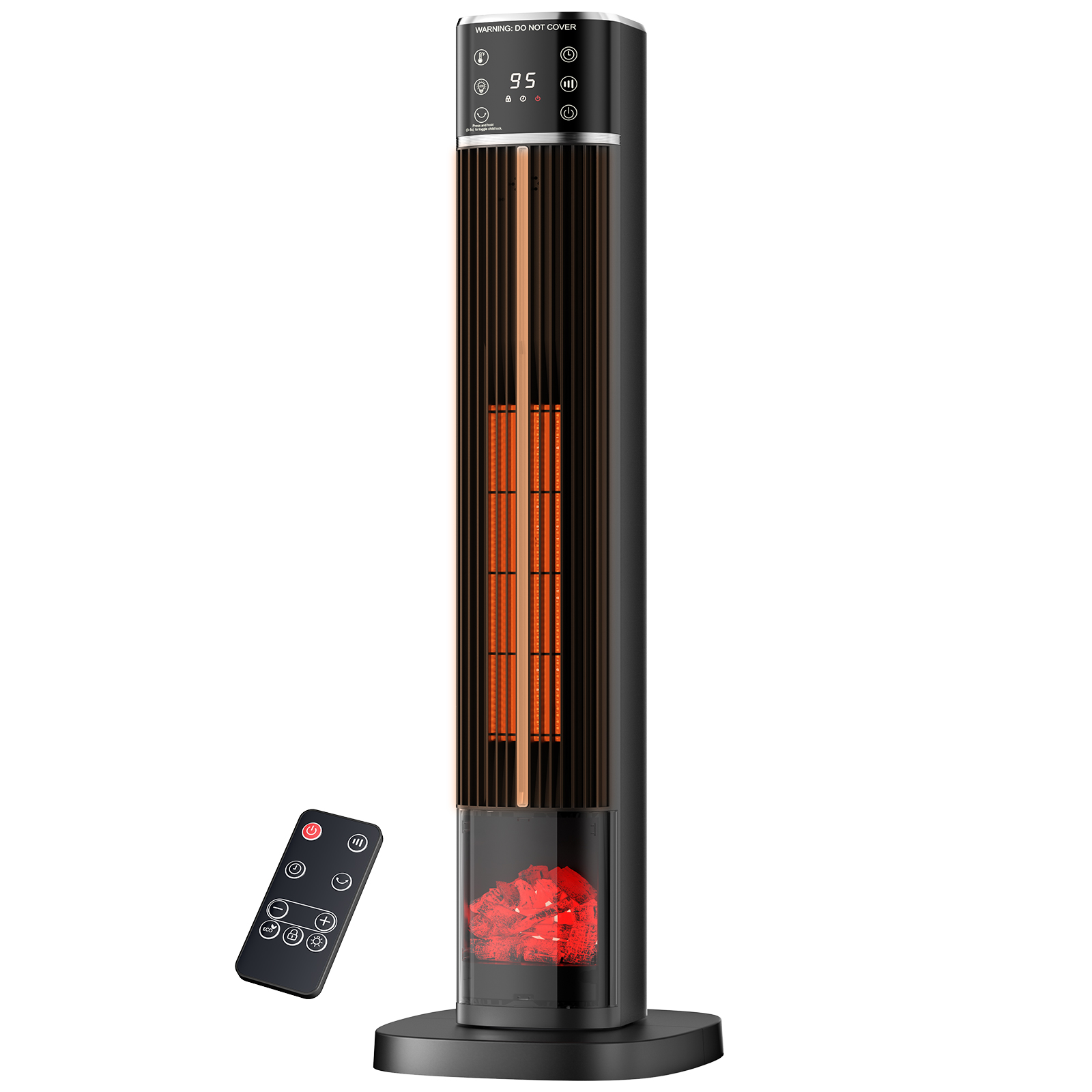 Space Heater, Ceramic Tower Electric For Indoor Use$93.99View on Mallflare
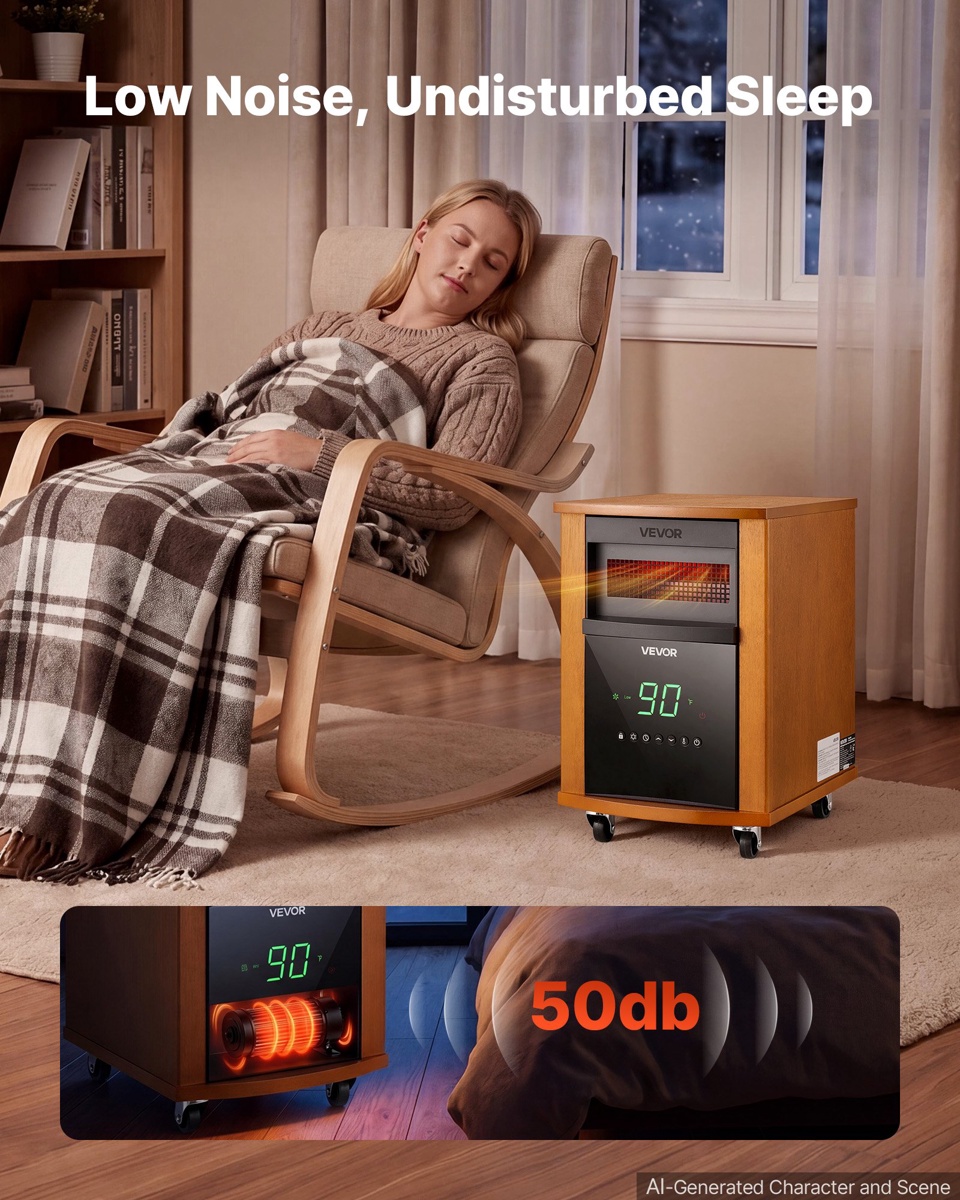 Infrared Heater 1500W Electric Space With Remote Control, 3 Heat Settings, 12H Timer, Overheat Shutoff, Portable Wheels, Premium MDF, For Indoor Bedrooms, Offices, Studies, Light Wood$124.99View on Mallflare
Highlights
- PTC ceramic elements self-regulate: resistance rises with temperature, limiting runaway heat and making them the safest fast-heat architecture for 1500W portable units.
- Standard North American space heaters draw 12.5A at 1500W on a 120V circuit, which is 80% of a 15A branch circuit — the maximum continuous load allowed by code.
- Dual-wattage 1500W/750W models let you run low heat on shared circuits or with other loads; 400–500W mini units produce roughly a quarter to a third of the heat of full-size units.
- Infrared and MDF-cabinet units heat objects and occupants directly and run near-silent, but they warm room air far more slowly than fan-forced ceramic convection.
Best use cases
- Best fit for a bedroom or home office: 1500W PTC ceramic tower or compact unit with thermostat, 90° oscillation, and tip-over shutoff — quiet enough for sleep and fast to warm 100–150 sq ft.
- Best fit for a cold bathroom or garage workspace: 1500W/750W dual-wattage ceramic with a high IP-rated or damp-location design; skip 400W desktop minis entirely for these spaces.
- Right for a living room with high ceilings or open layout: 1500W infrared cabinet heater with remote and 12H timer heats people and furniture directly; wrong for heating an entire open-plan floor quickly.
- Wrong fit for any room over roughly 150 sq ft: a 400–500W mini desktop heater only takes the chill off hands and a chair, not the room; step up to 1500W or address the home's primary heating.
Buying tips
- Size by watts, not marketing: about 10W per square foot of well-insulated space means a 1500W heater covers roughly 150 sq ft; a 750W low setting covers about 75 sq ft.
- Insist on both tip-over shutoff and overheat protection as separate mechanisms — most reputable 1500W models include both; treat any unit listing only one as a safety compromise.
- Choose PTC ceramic with a fan for fast room heating, infrared/quartz for silent spot warmth, and oil-filled for slow, sustained radiant heat with no fan noise.
- Check the plug and cord: a 1500W heater needs a grounded 15A circuit and should plug directly into a wall outlet — never into a power strip, extension cord, or surge protector.
Specs
| Heating Element | PTC ceramic / infrared quartz / wire coil |
|---|---|
| Wattage / Voltage | 1500W max at 120V (750W low setting common) |
| Safety Shutoffs | Tip-over + overheat, separate mechanisms |
| Heat Coverage | ~10W per sq ft; 1500W ≈ 150 sq ft |
Related searches
What to check before buying
- Measure the room's square footage and confirm the heater's wattage covers it at roughly 10W per square foot; do not expect a 400–500W mini to heat a full room.
- Confirm the outlet is a grounded 120V 15A receptacle on a circuit with headroom — a 1500W heater alone uses 12.5A, so avoid sharing that circuit with other high-draw appliances.
- Verify the unit has tip-over and overheat shutoffs and a cool-touch housing if children or pets are present; plastic housings are common and safe when the element is guarded.
- Leave at least 3 feet of clearance from curtains, bedding, and furniture, and place the heater on a flat, hard surface — never on carpet pile or near water in bathrooms unless rated for damp locations.
FAQ
Data sources: eBay / Amazon listings and product attribute feeds. Updated Nov 22, 2026.
Some links on this page are affiliate links. If you buy after clicking one, we may earn a commission at no extra cost to you. This does not change which products appear here or their order. Affiliate disclosure.