
Photos from current listings. Actual item, color, and included accessories may vary.
Electric Fireplace Insert Buying Guide
An electric fireplace insert is a zero-clearance, vent-free heating module designed to drop into an existing mantel, wall cavity, or cabinet opening. The core trade-off is between infrared/quartz radiant heating (fast, directional warmth) and fan-forced convection (room-wide circulation), with build durability dictated by steel gauge and flame-effect realism. A durable insert uses a metal firebox with a minimum 20-gauge steel shell, a sealed 1400W/1500W heating element with overheat cutoff, and a modular flame/log assembly; compromises use thin 24-gauge shells, unsealed plastic LED housings, and undersized 750W elements that cannot heat beyond 200 sq ft.
At a glance
- Category
- Fans, Heaters & Humidifiers
- Last updated
- Nov 22, 2026
Current offers
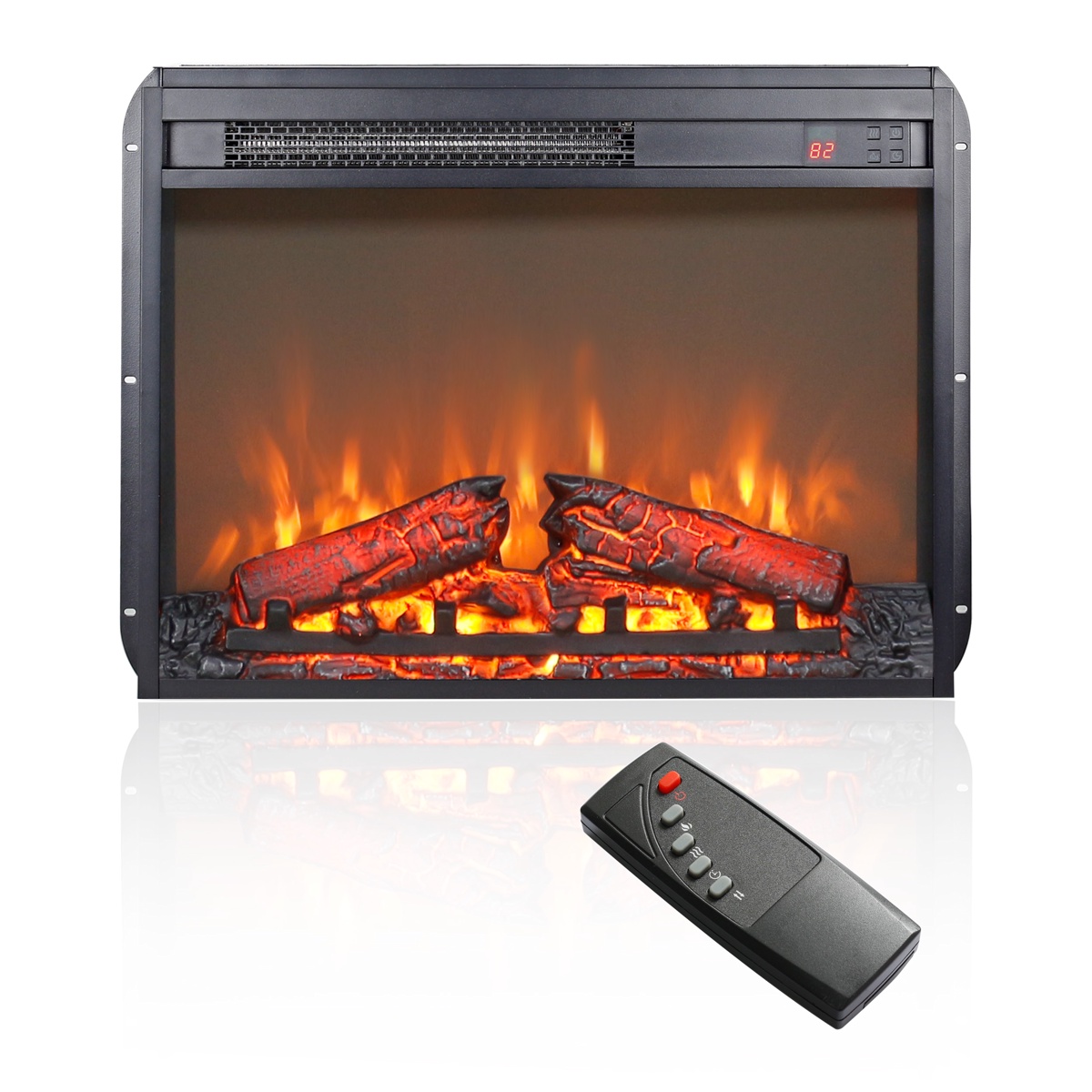 23 inch electric fireplace insert, ultra thin heater with log set & realistic flame, remote control timer, overheating protection$190.99View on Mallflare
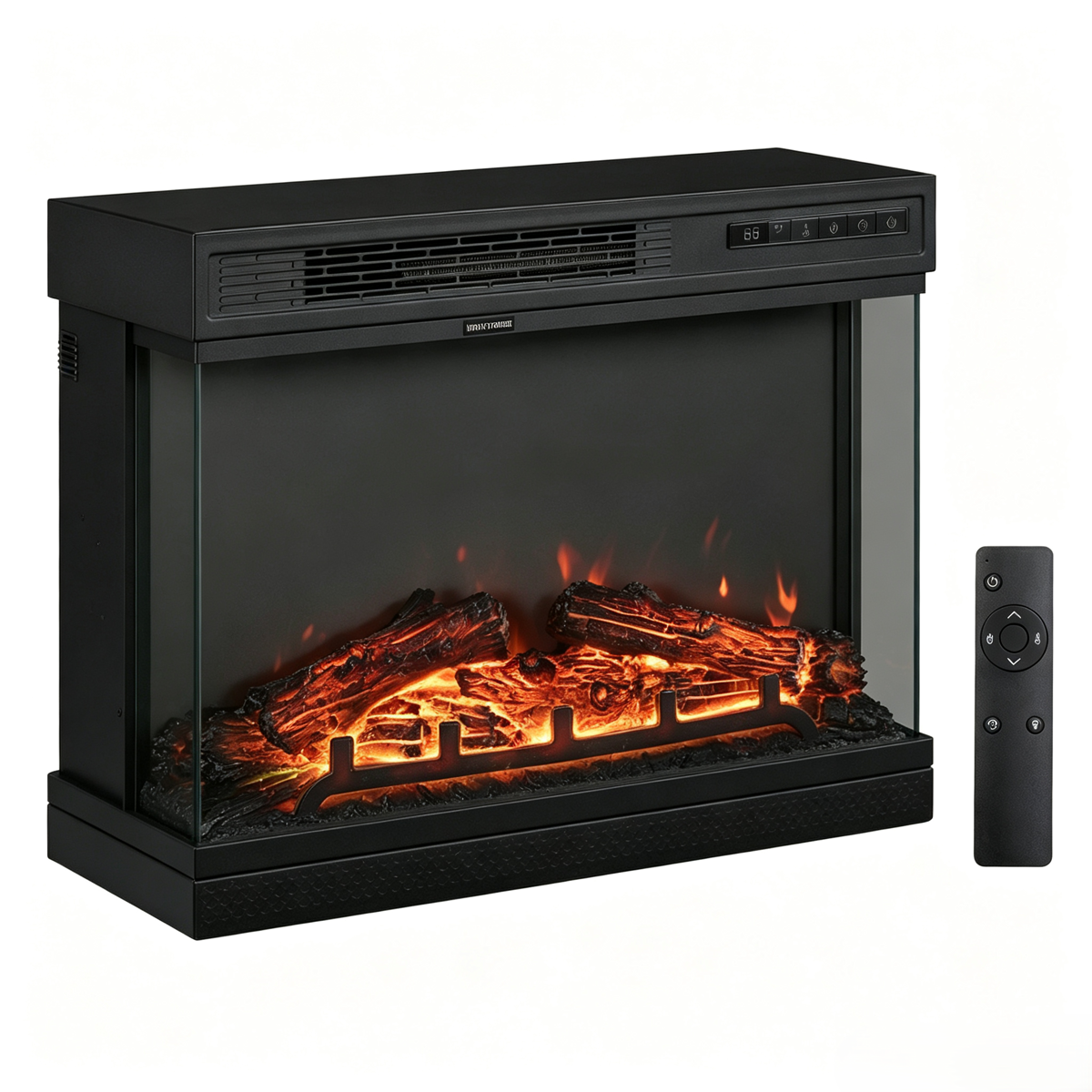 24-Inch Built-In Electric Fireplace Insert - 120V 1500W, Black Steel, 3-Side Glass, Adjustable Thermostat & Timer, 5-Level Flame & 12 LED Colors, Remote Included$215.99View on Mallflare
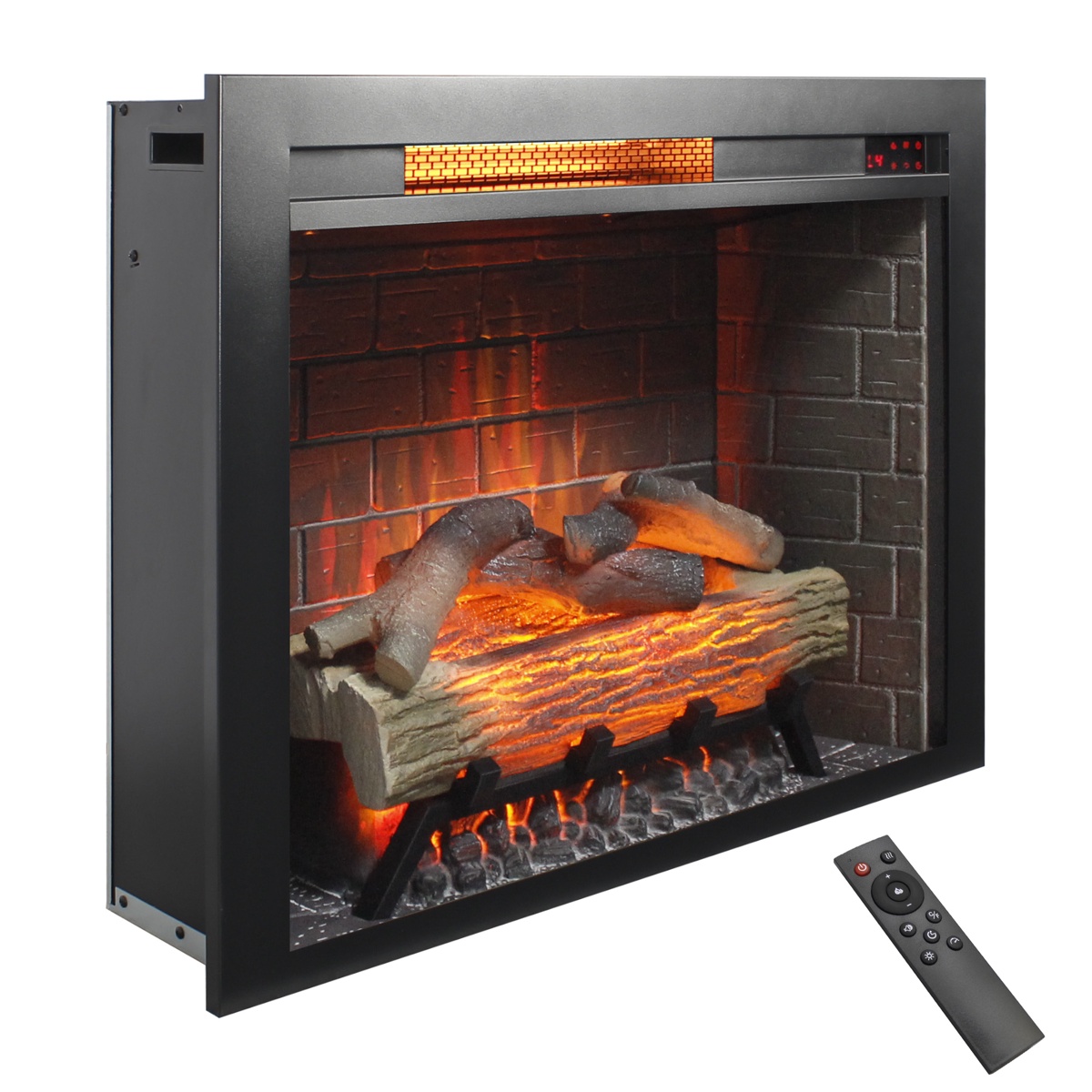 28inch Infrared Electric Fireplace Insert, Touch Panel Home Decor Heater, With Cracking Sound$442.99View on Mallflare
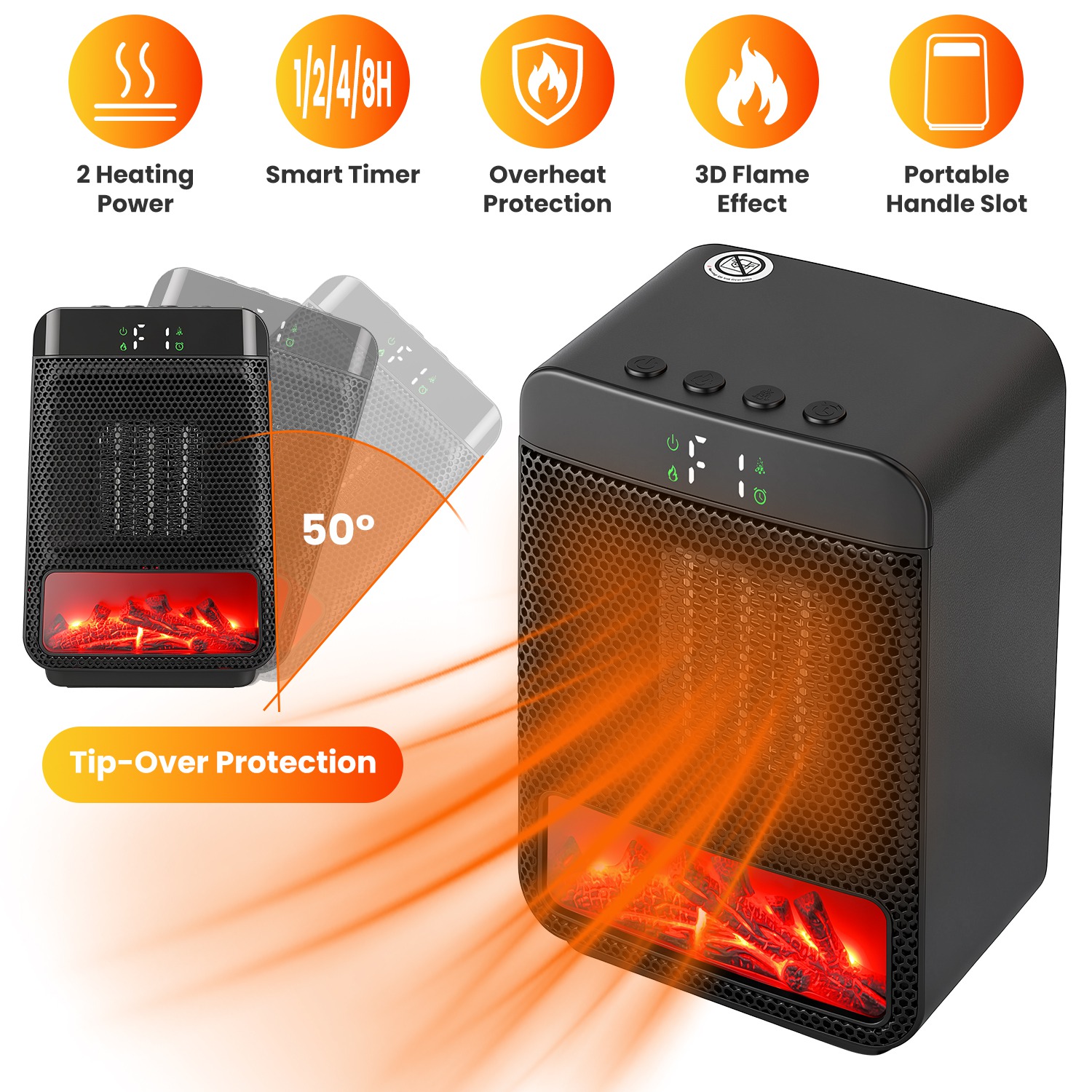 Portable Space Heater With 2 Heat Settings PTC Ceramic Electric Fireplace 3D Flame Effect 1-8H Timer Tip-Over Shut-Off Overheat Protection For Bedroom Office Living Room$59.99View on Mallflare
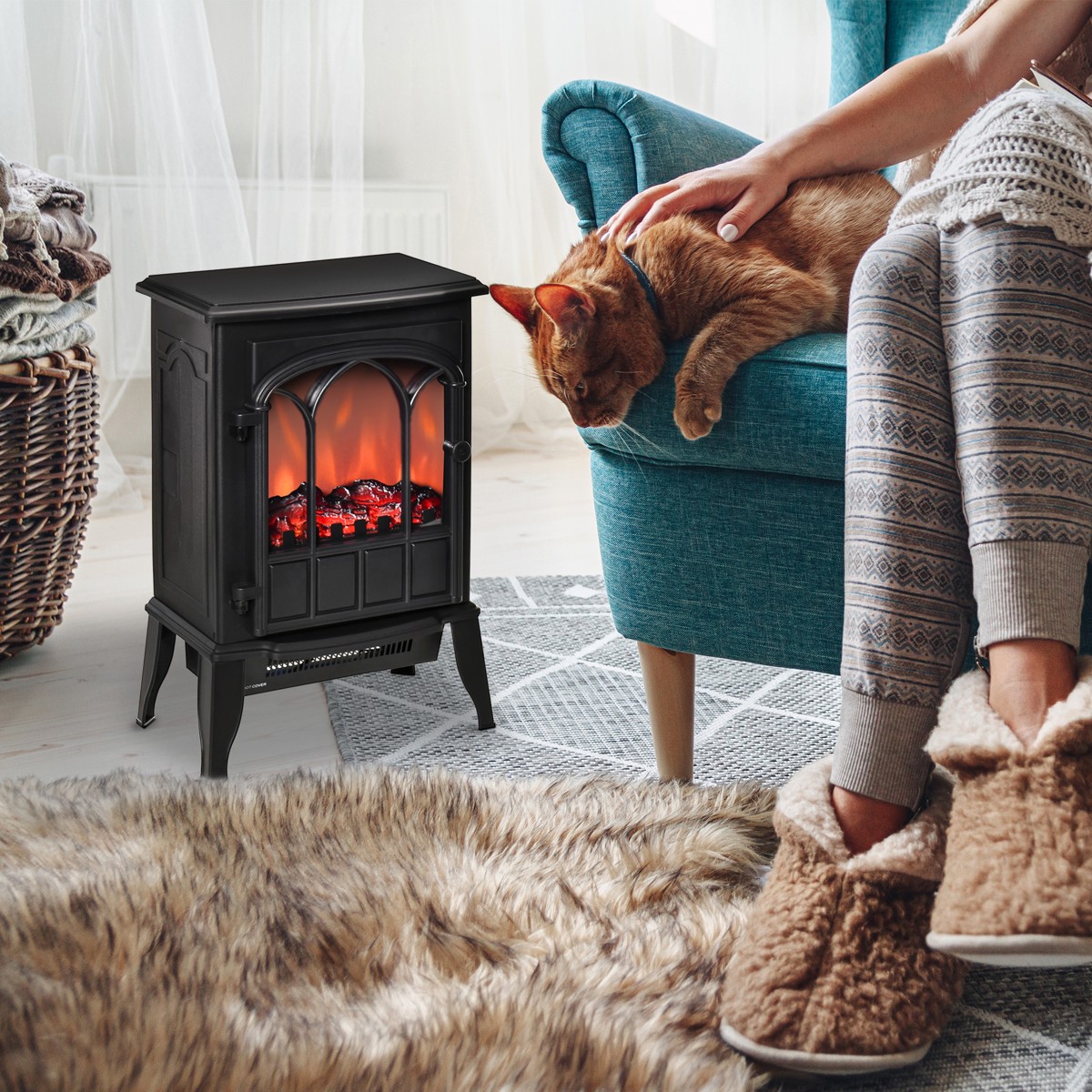 Electric Fireplace Stove, Freestanding Heater, 750W/1500W, Black$86.99View on Mallflare
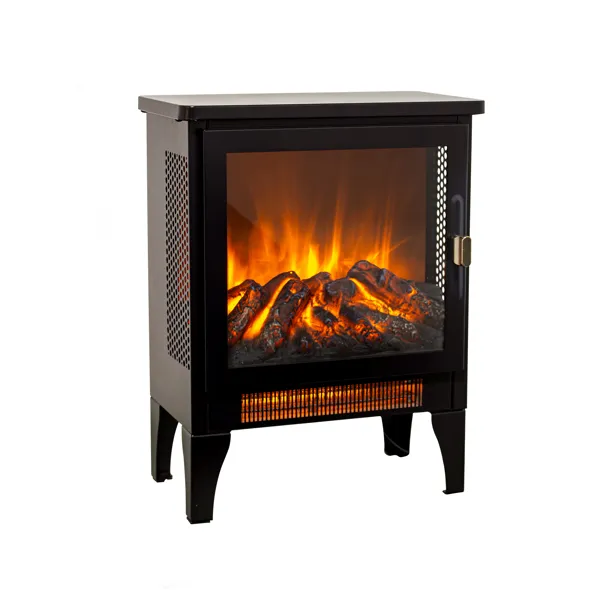 17 Inch Freestanding Electric Fireplace Stove Heater With 3D Flame Effect,Black$89.99View on Mallflare
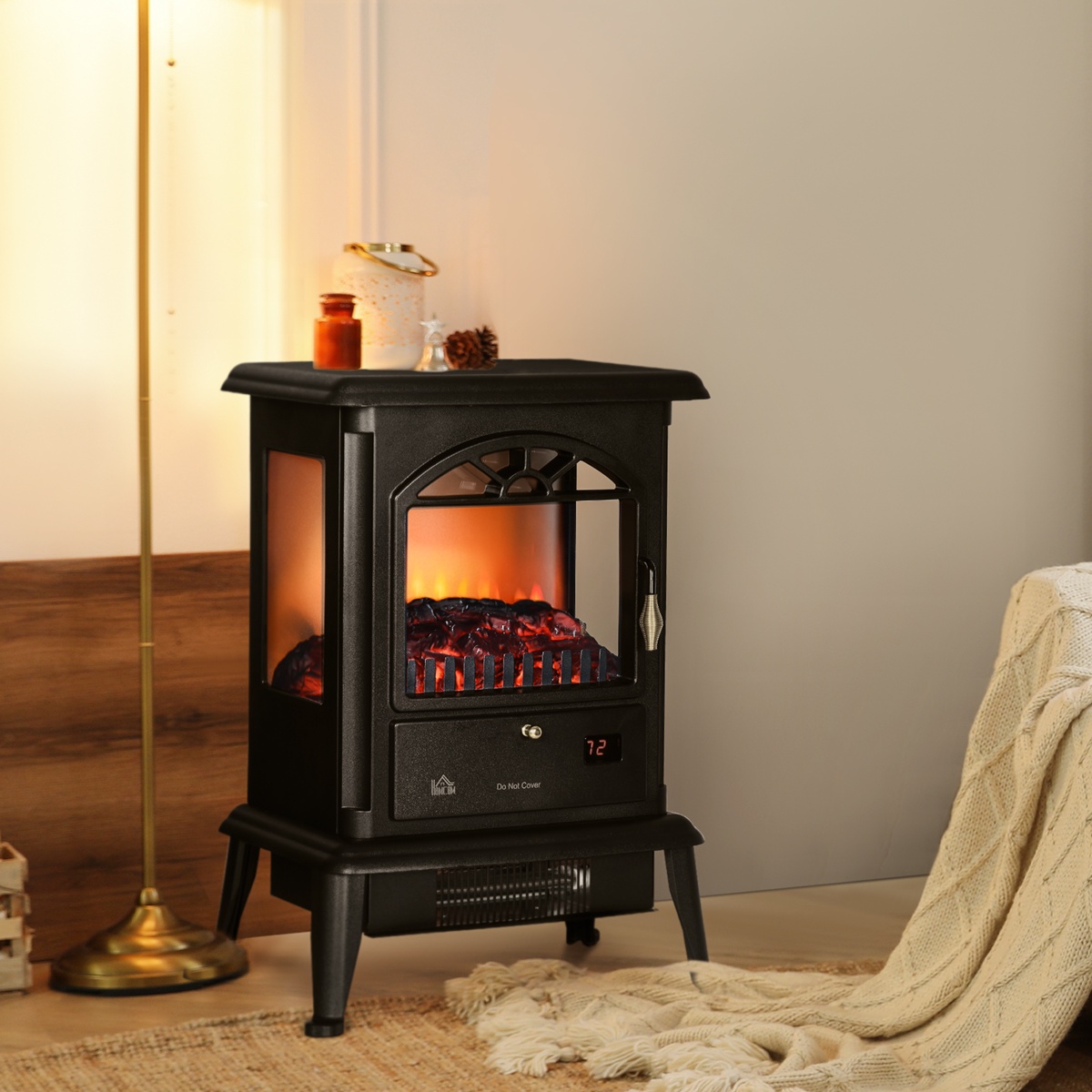 23" Electric Infrared Fireplace Stove, Freestanding Fire Place Heater with Realistic Log Flame, Timer, Black$100.99View on Mallflare
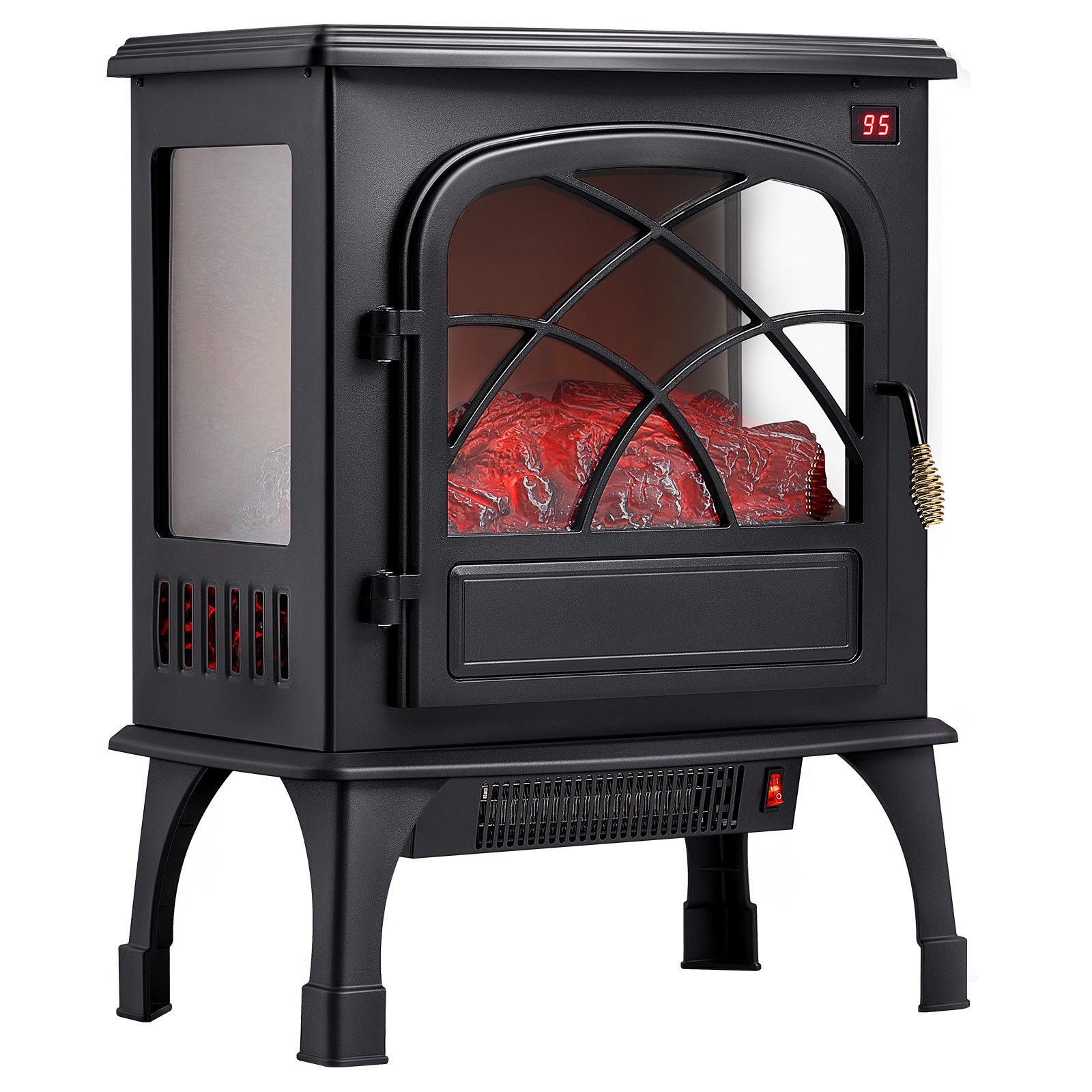 25.5inch Freestanding Fireplaces, 1500W 5120BTU Portable Electric Fireplace Stove Heater, With Overheating Protection,Adjustable Flames,Timer, Remote,for Living Room,Bedroom,Black$101.99View on Mallflare
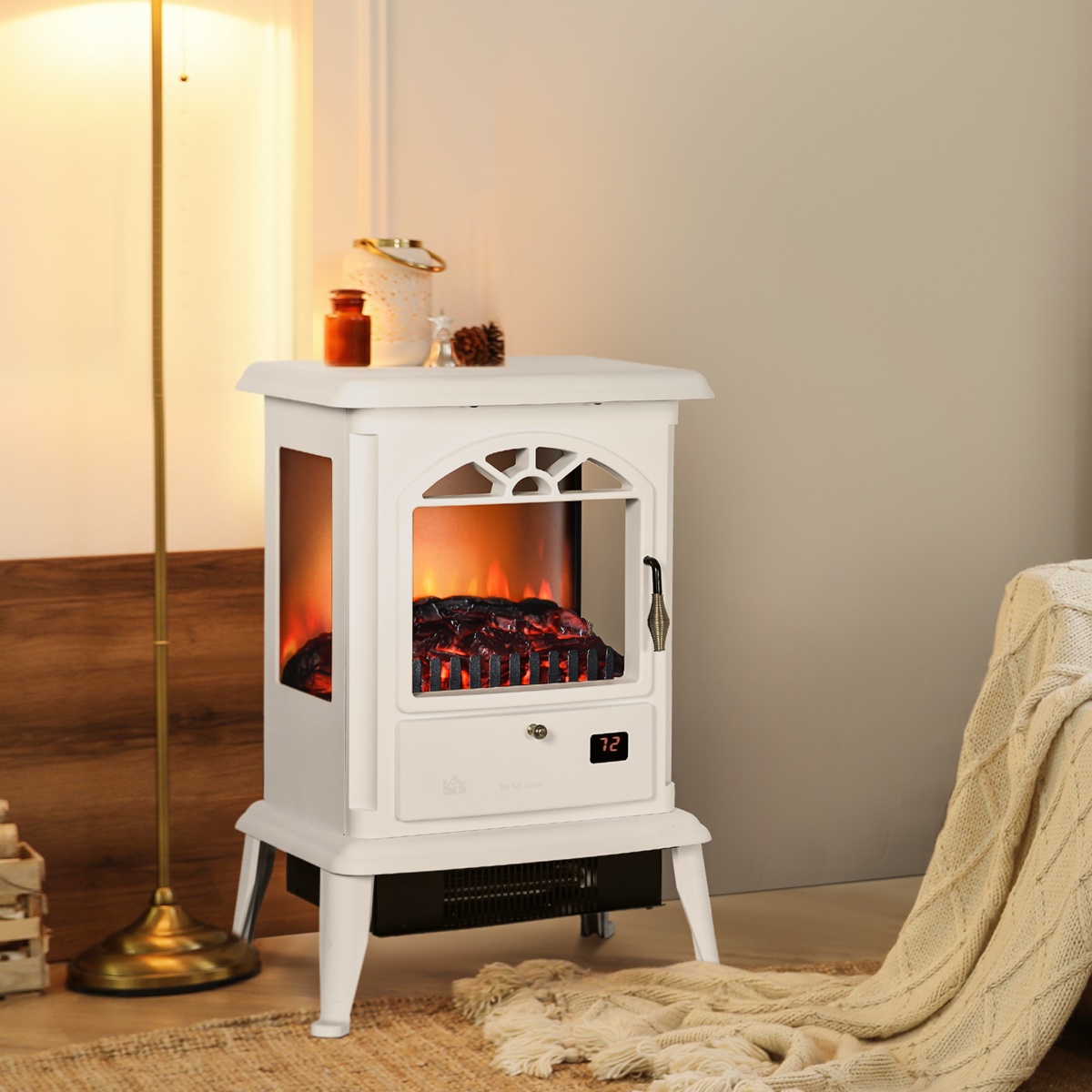 23" Electric Infrared Fireplace Stove, Freestanding Fire Place Heater with Realistic Log Flame, Adjustable Temperature, Timer, 1000W/1500W, White$111.99View on Mallflare
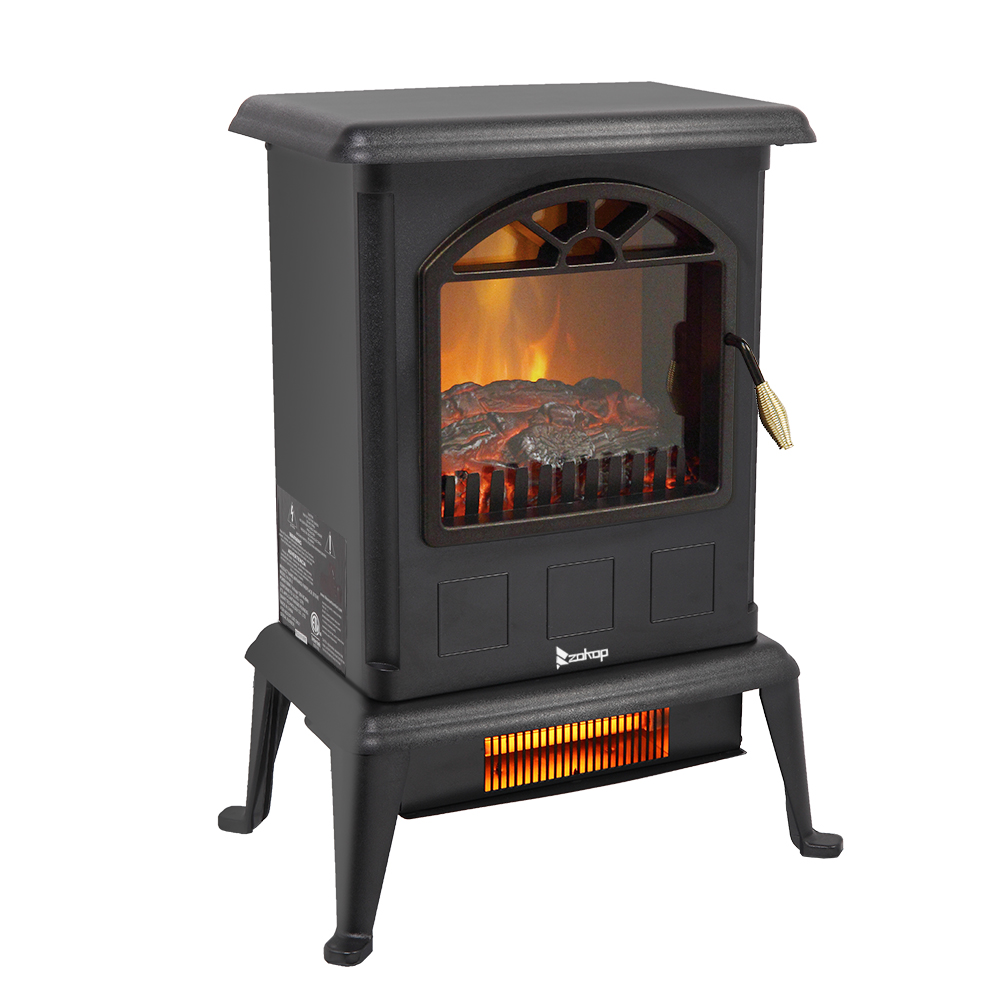 Infrared Heater / Electric Fireplace / Stove$126.99View on Mallflare
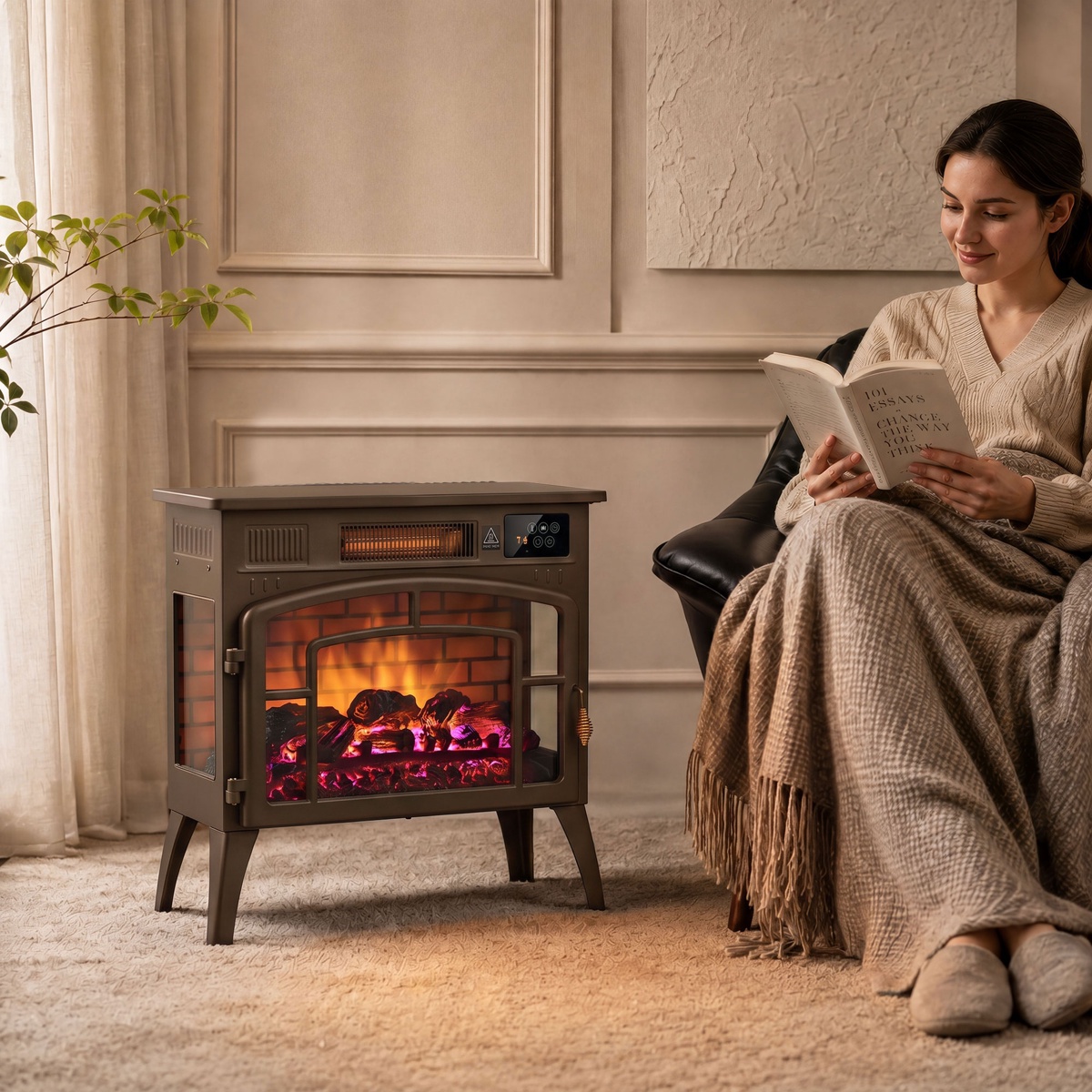 3-Sided Glass WiFi Electric Fire Heater, Smart Fireplace Stove, Brown$155.99View on Mallflare
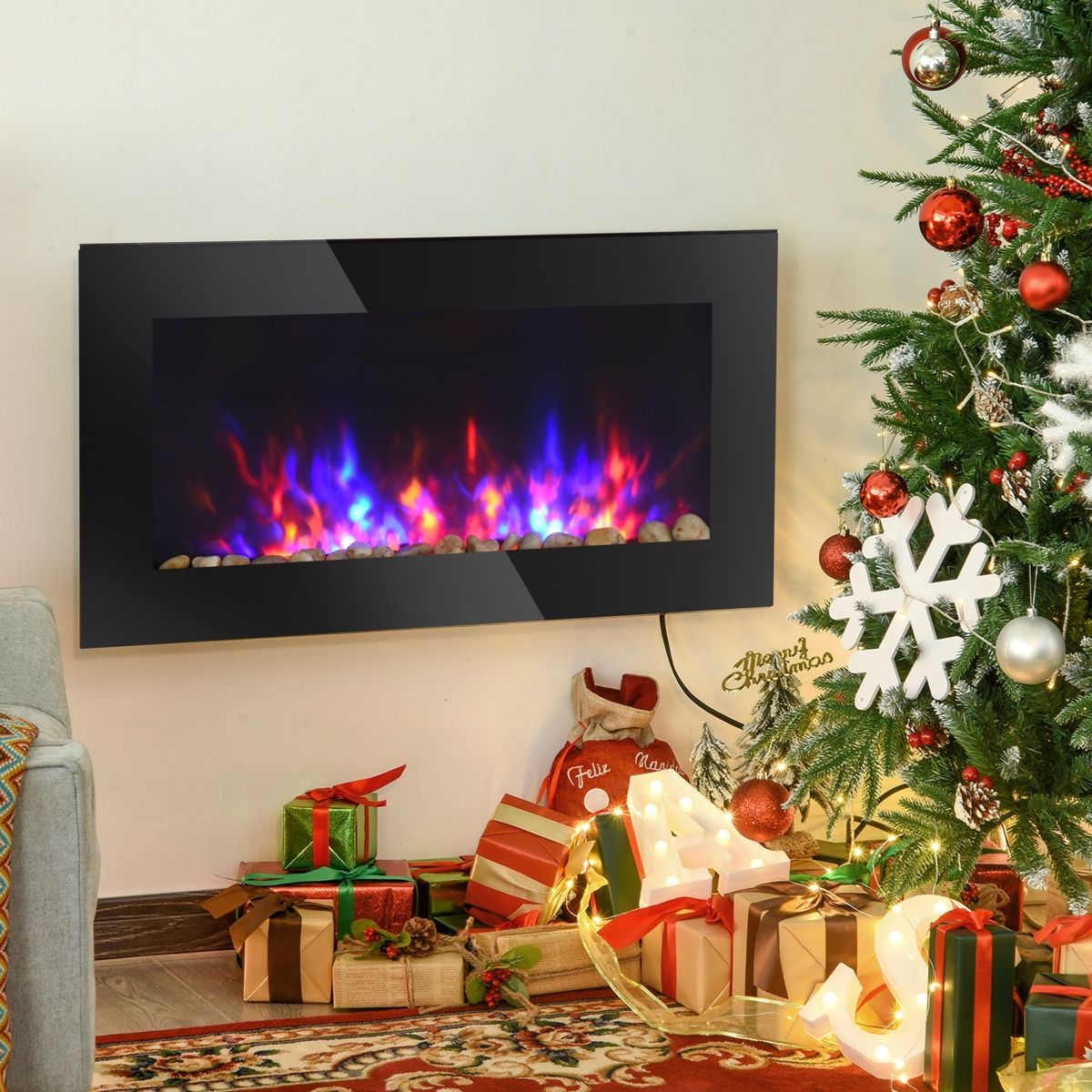 36" 1450W Electric Wall-Mounted Fireplace with Flame Effect, 7 Color Background Light and Side Black$159.99View on Mallflare
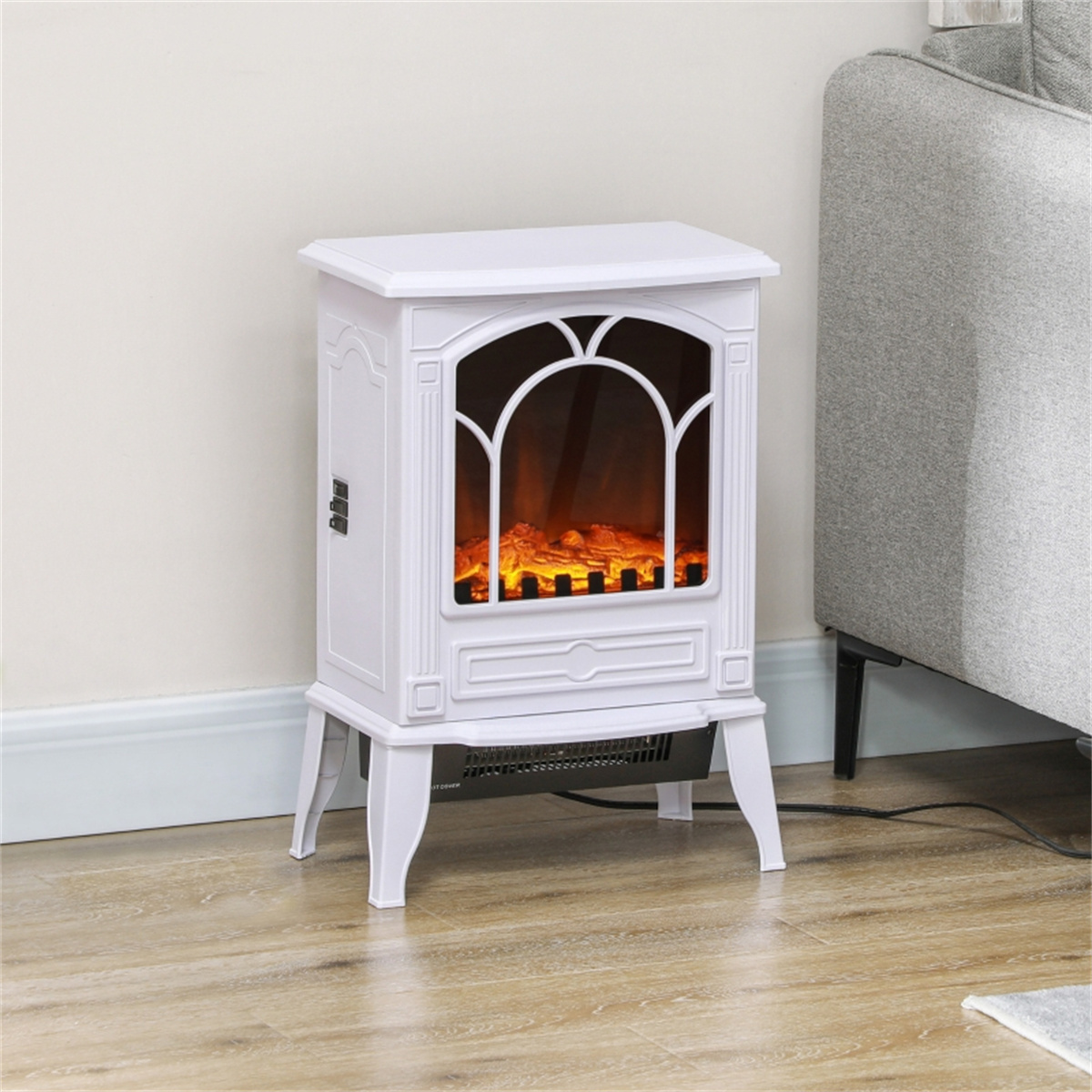 Electric Fireplace Stove – Freestanding Heater with Realistic Flame & Overheat Shutoff$160.99View on Mallflare
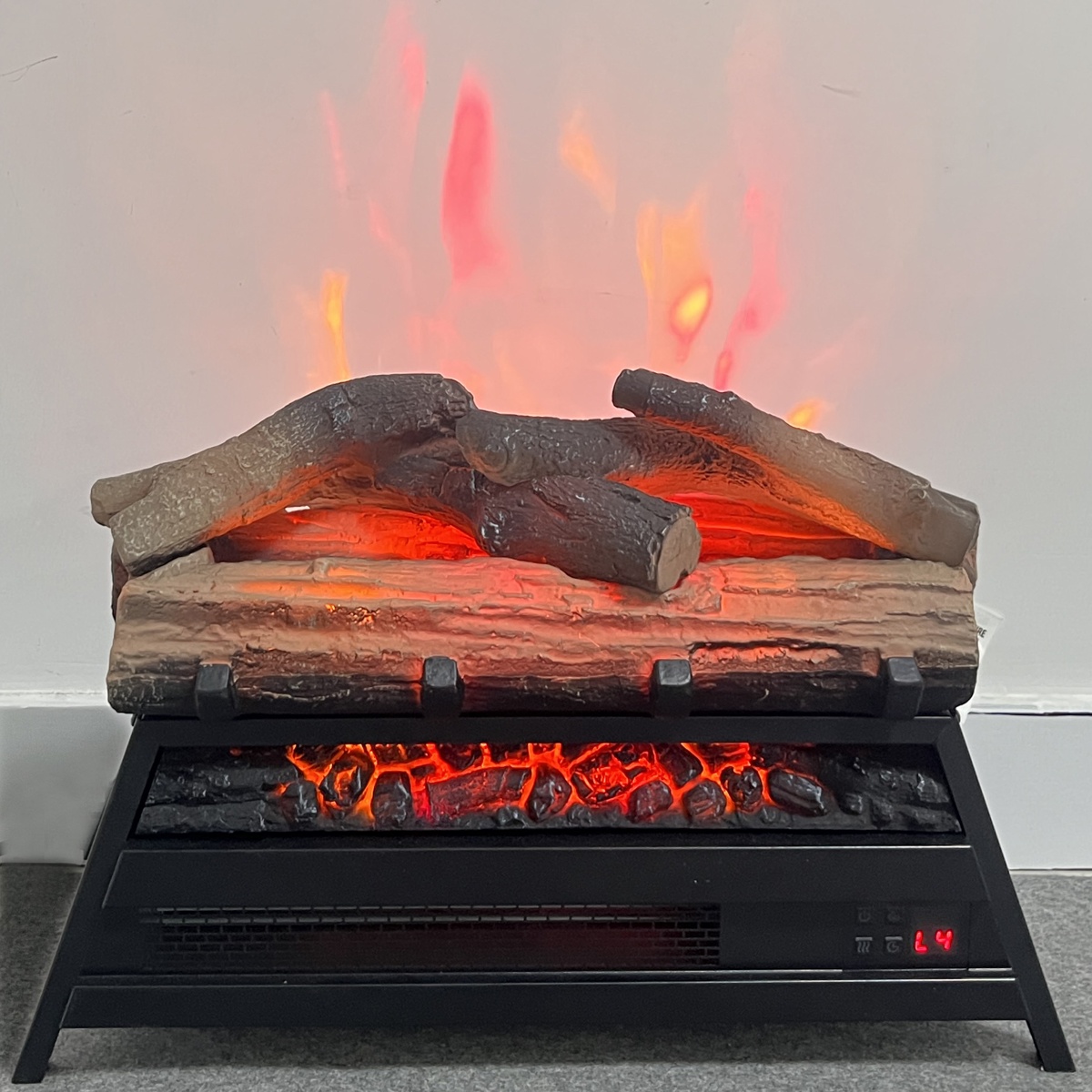 23 inch Electric Fireplace 3D Log set insert, Infrared Heater for Indoor$161.99View on Mallflare
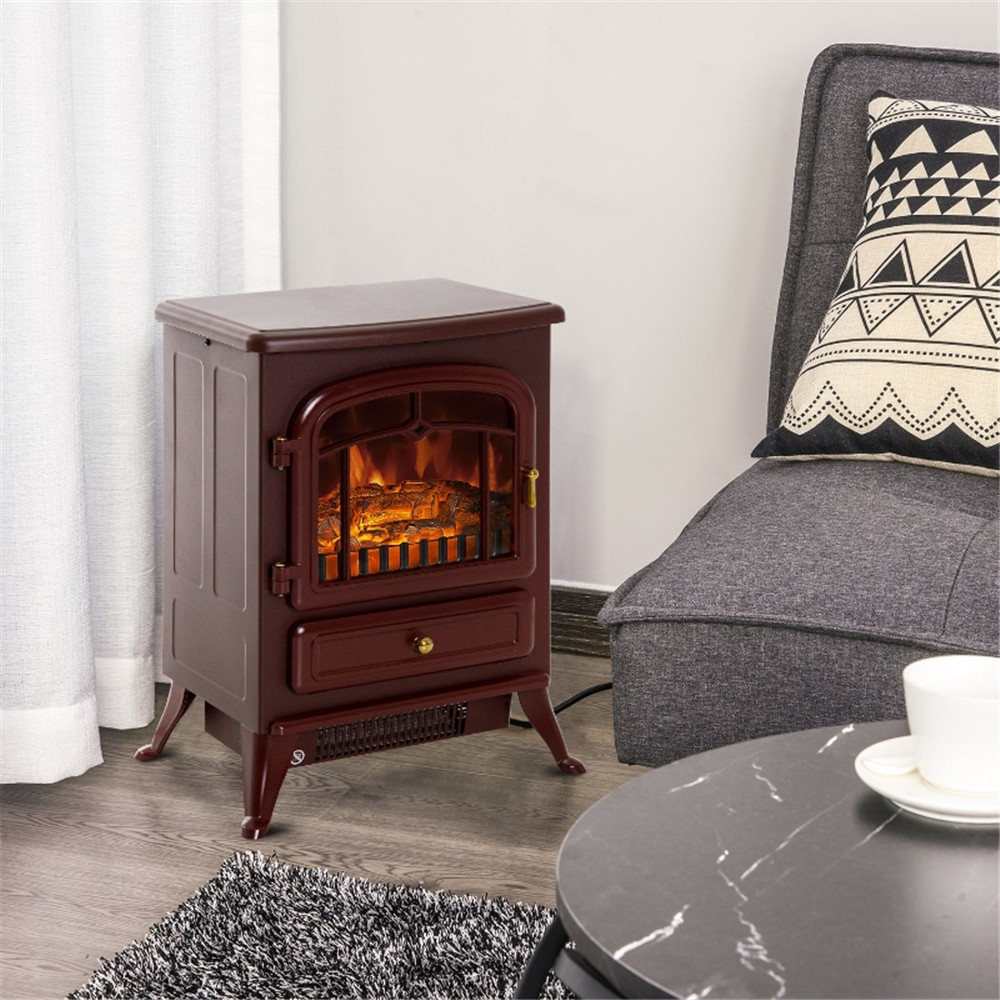 750W / 1500W 22" Electric Fireplace$176.99View on Mallflare
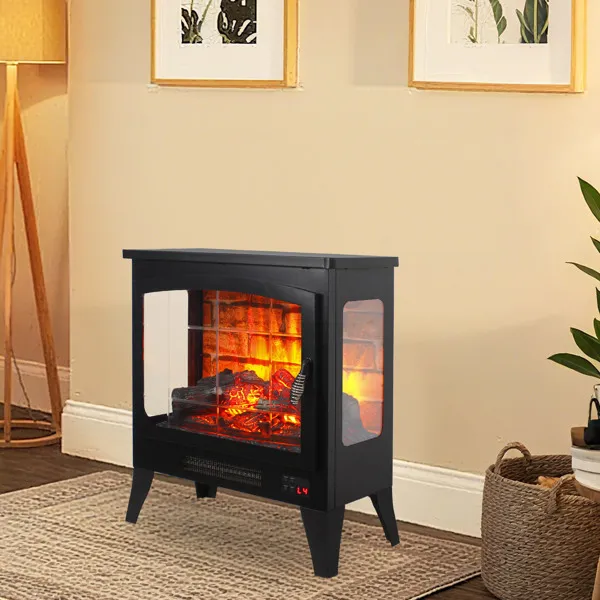 21 InchThree-sided Freestanding Electric Fireplace Stove Heater With 3D Flame Effect Remote Control$181.99View on Mallflare
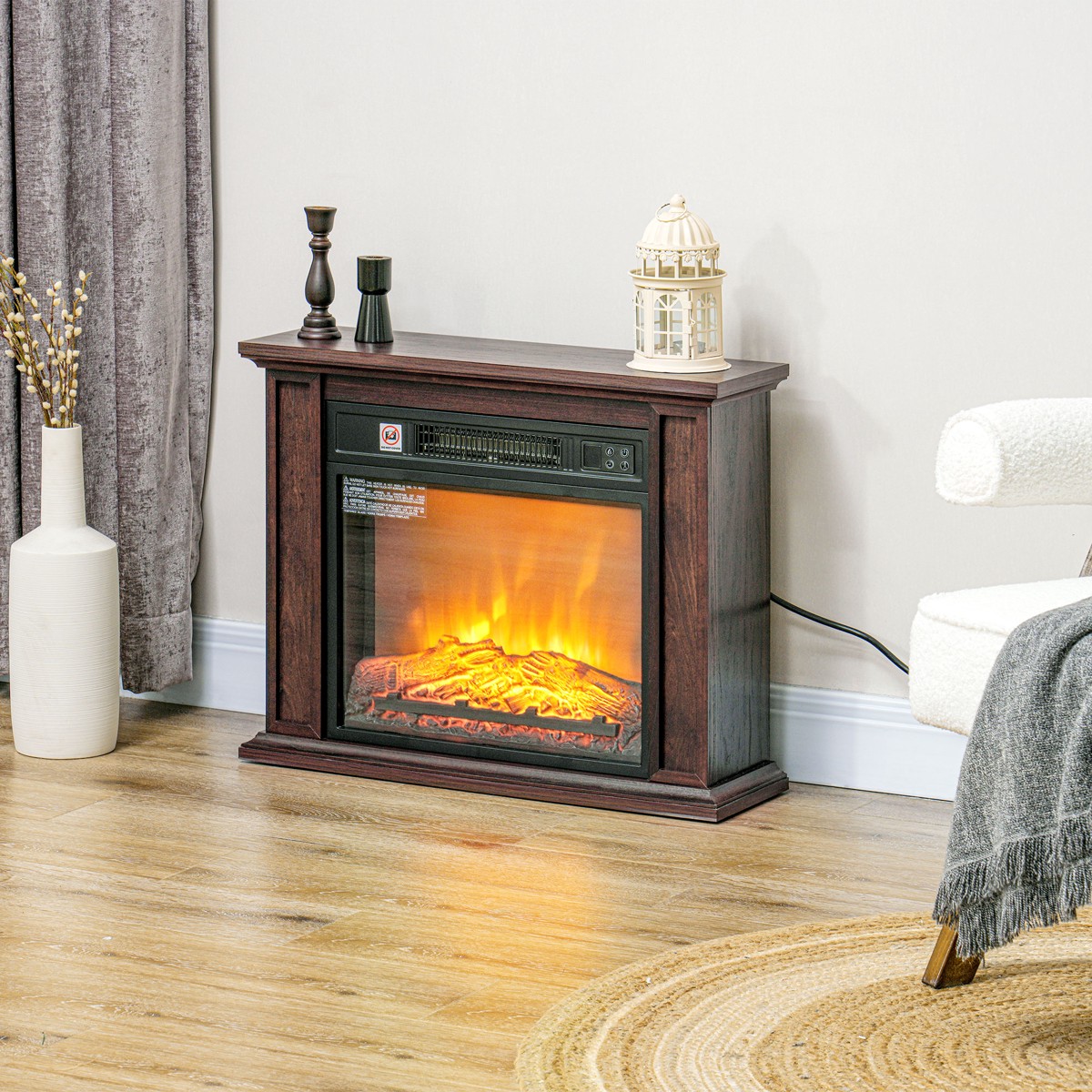 26" Freestanding Electric Fireplace with Mantel, 1400W Replaceable Insert Heater 3D Flame Effect, Brown$193.99View on Mallflare
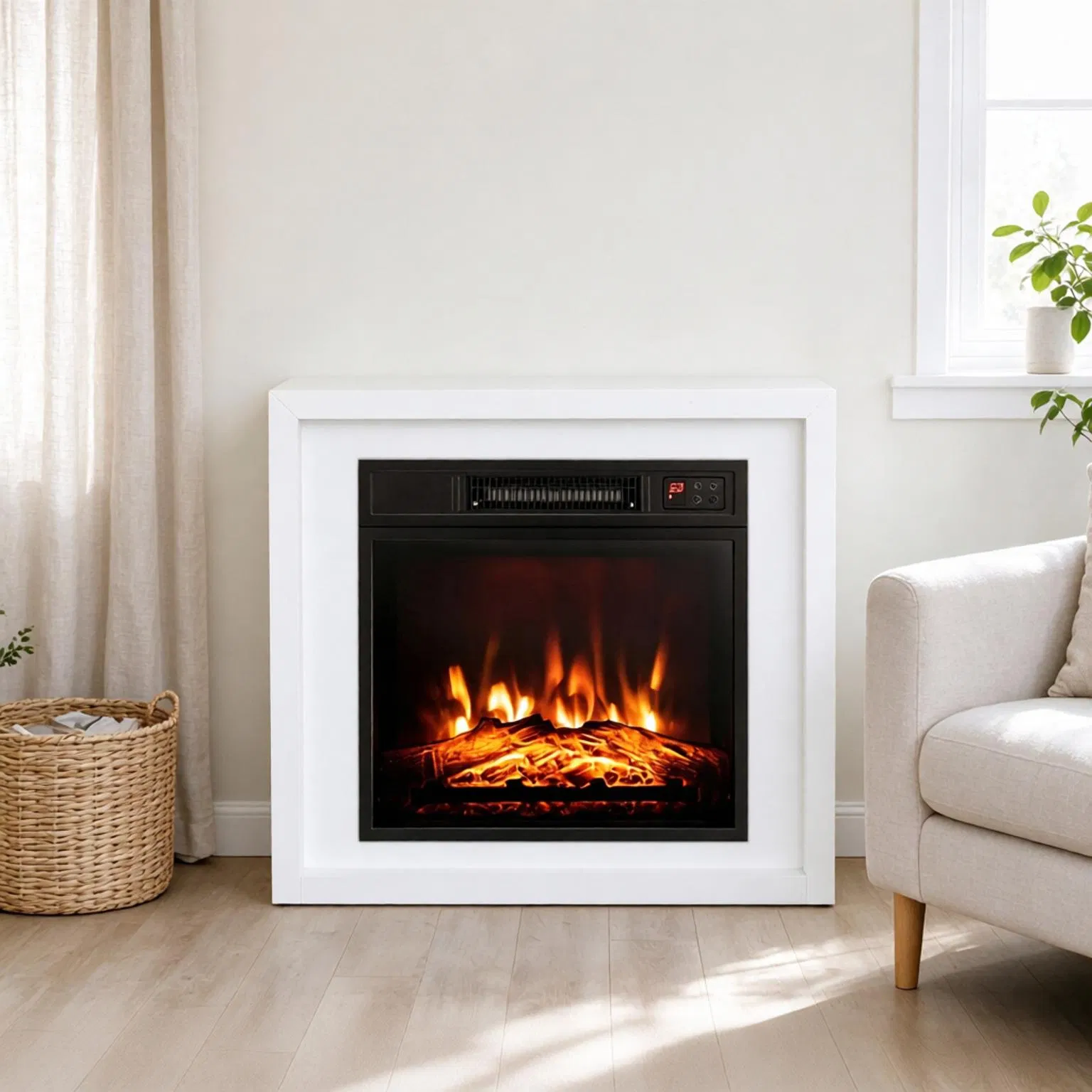 Adjustable LED Flame Electric Fireplace Add 18 Inch ,with Heat Settings ,for Home Decor$197.99View on Mallflare
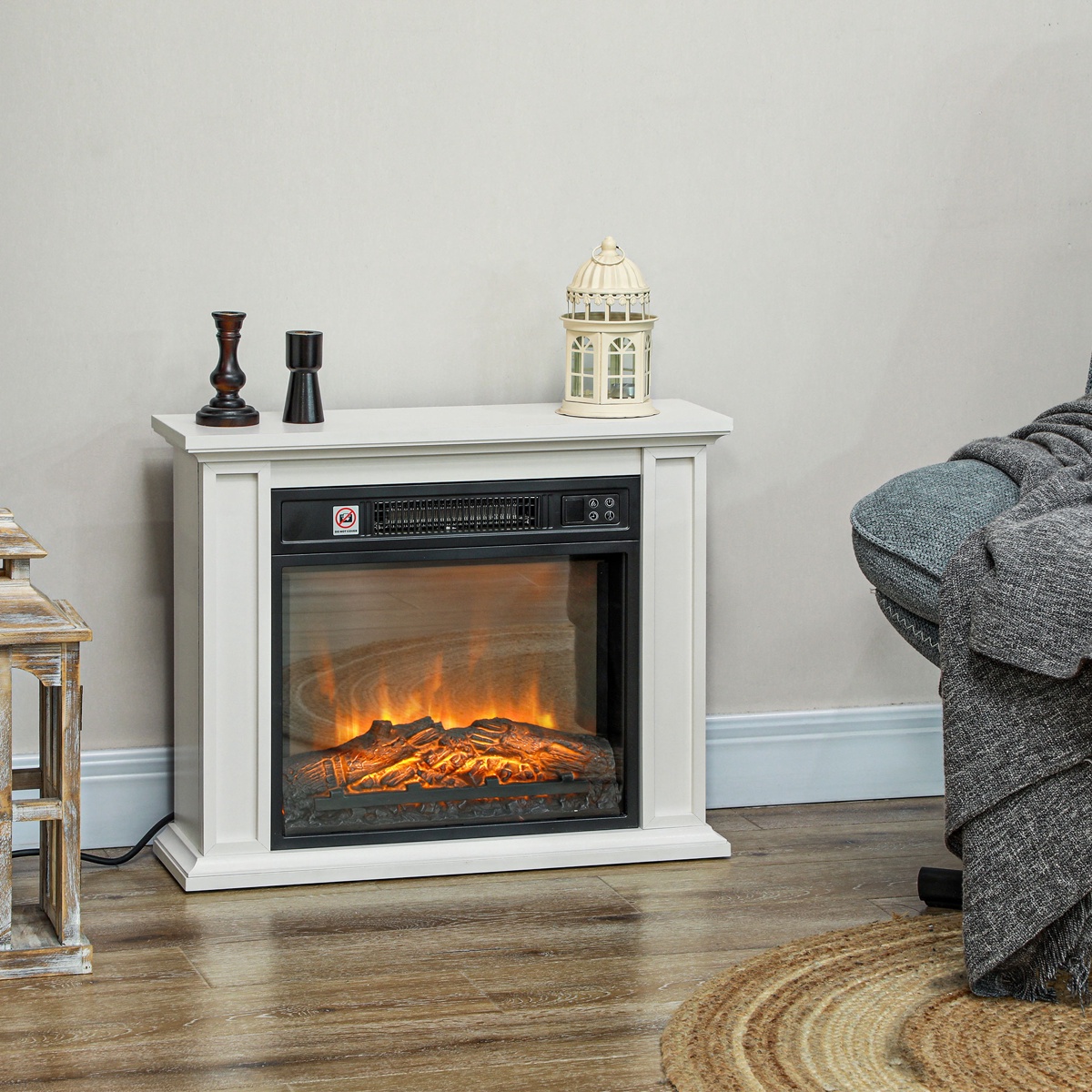 26" Freestanding Electric Fireplace with Mantel, 1400W Replaceable Insert Heater 3D Flame Effect, WHite$204.99View on Mallflare
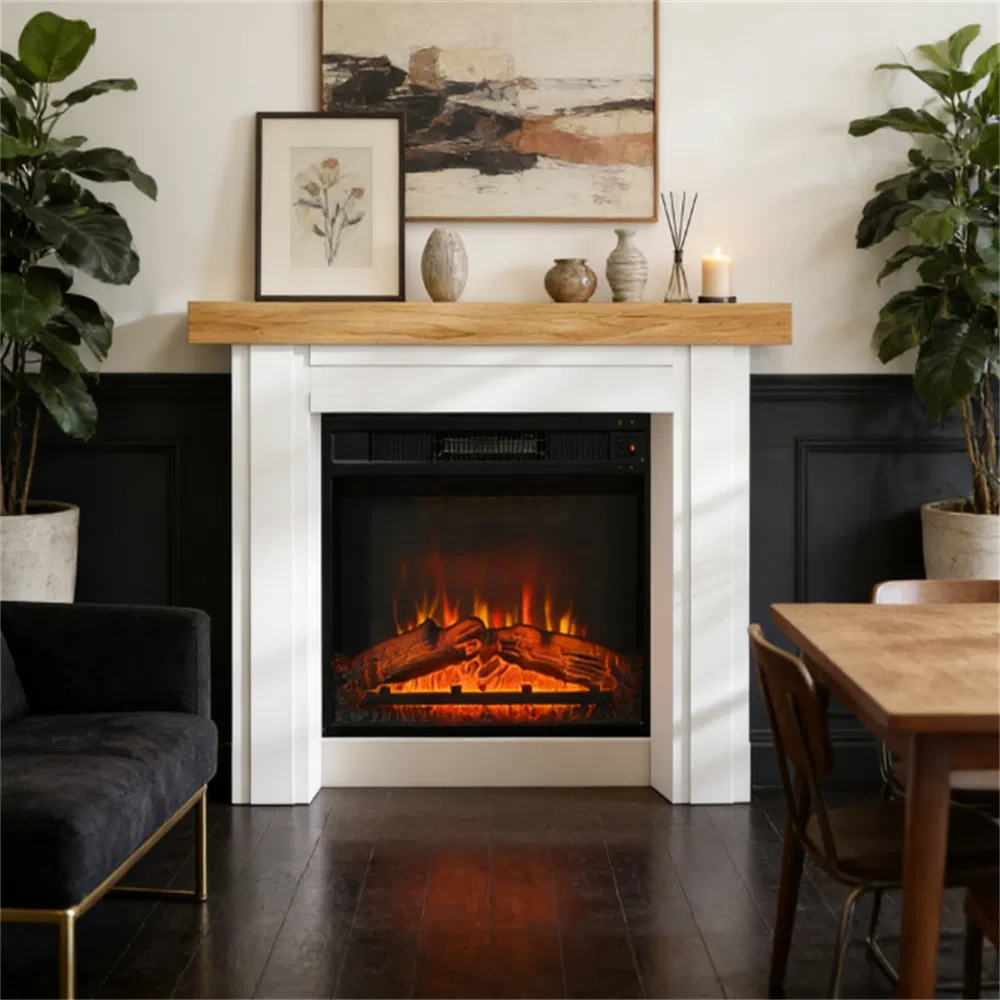 Modern fireplace mantel, freestanding electric natural wood$235.99View on Mallflare
Highlights
- Heating output splits into 1400W/1500W (≈4,780–5,120 BTU) fan-forced units for rooms up to 400 sq ft versus 750W/1000W (≈2,560–3,410 BTU) infrared units best for zone heating under 200 sq ft.
- Firebox depth determines fit: ultra-thin inserts run 3–5 in deep for wall-mount or shallow cabinets, while recessed log-set inserts need 8–12 in of cavity depth for the flame drum and heater box.
- Flame realism tiers separate buyers: basic LED strip with static ember bed, 3D log set with mirrored flame projection, and full-spectrum multi-color flame with adjustable brightness and speed.
- Safety and code compliance hinge on overheat protection, a cool-touch tempered-glass front, and a hardwired or 120V grounded plug option; vent-free inserts must carry an ETL/UL listing for indoor use.
Best use cases
- Pick a 23–27 in ultra-thin (3–5 in deep) fan-forced insert for retrofitting a shallow existing mantel or a 2x4 wall cavity—skip deep log-set models that will protrude or require framing changes.
- Choose a 1400W/1500W recessed insert with a 3D log set and adjustable brightness for a primary living room up to 400 sq ft where ambiance and supplemental heat both matter—skip 750W infrared units that only warm a small den.
- Select a freestanding mantel-surround package with a replaceable insert heater for renters or rooms without a framed cavity—skip bare inserts if you lack a mantel or cabinet to house the unit.
- Use an infrared heater insert for a bedroom or office under 200 sq ft needing fast directional warmth—skip it for open-plan spaces where fan-forced convection distributes heat far better.
Buying tips
- Measure the opening width, height, and depth first: a 23 in insert fits rough openings near 24 in wide, while 27 in units need roughly 28–29 in; add 1–2 in clearance for the trim flange.
- Match wattage to room size using 10W per sq ft as a rule: a 1400W/1500W unit covers up to 400 sq ft, while 750W units top out near 200 sq ft for supplemental heat.
- Confirm the electrical circuit: 1500W at 120V draws 12.5A, so a dedicated 15A or 20A grounded circuit is required; shared circuits with other high-draw appliances will trip breakers.
- Choose metal-gauge construction over plastic: 20-gauge or thicker steel fireboxes resist heat warping, while thin 24-gauge shells and plastic LED housings degrade and discolor over seasons.
Specs
| Heating Type | Fan-forced convection vs infrared |
|---|---|
| Wattage / BTU | 1400–1500W (≈4,780–5,120 BTU) |
| Insert Depth | Ultra-thin 3–5 in vs recessed 8–12 in |
| Flame Effect | LED strip / 3D log / multi-color |
Related searches
What to check before buying
- Rough opening dimensions: width, height, and depth measured to the nearest 1/8 in, plus trim-flange overlap so the insert face sits flush against the mantel or wall.
- Electrical supply: a grounded 120V outlet or hardwired junction within reach of the 6 ft cord; confirm the circuit is 15A minimum and not shared with major appliances.
- Clearance and combustibles: maintain manufacturer-specified clearance to sidewalls, mantel shelves, and flooring; vent-free inserts require zero clearance to the firebox but still need front clearance for heat discharge.
- Companion parts: mantel surround, cabinet, or framed wall cavity sized to the insert; remote control and thermostat are typically included, but a trim kit or hardwired kit may be a separate required accessory.
FAQ
Data sources: eBay / Amazon listings and product attribute feeds. Updated Nov 22, 2026.
Some links on this page are affiliate links. If you buy after clicking one, we may earn a commission at no extra cost to you. This does not change which products appear here or their order. Affiliate disclosure.