
Photos from current listings. Actual item, color, and included accessories may vary.
Electric Fan Heater Buying Guide
An electric fan heater uses a motor-driven fan to push air over a resistive or PTC ceramic element, trading room-wide silent convection for fast localized heat. The core trade-off is heater architecture: cheap open-wire coils run hot and dry with no safety tier, while PTC ceramic elements self-regulate and hold output as airflow drops. Buy a PTC ceramic unit with tip-over and overheat cutoffs for safety and stable wattage, and skip unlisted open-coil plastic boxes for anything beyond supervised desk use.
At a glance
- Category
- Fans, Heaters & Humidifiers
- Last updated
- Nov 22, 2026
Current offers
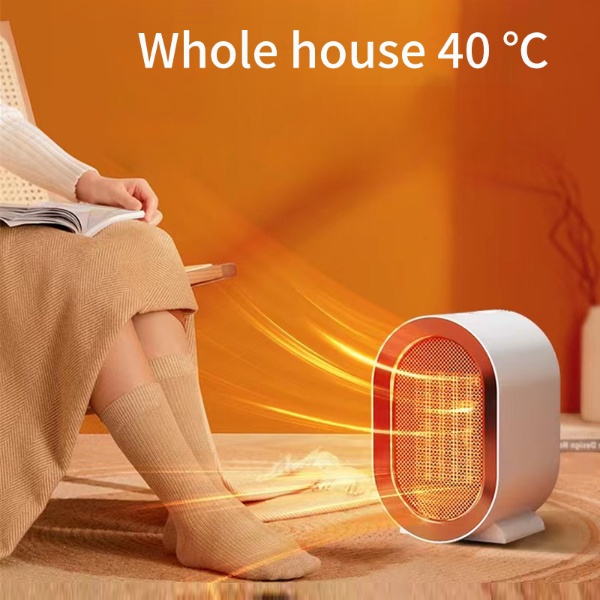 Desktop Electric Heater Mini Portable Fan 220V PTC Ceramic Heating Warm Air Blower Home Office Warmer Machine$31.99View on Mallflare
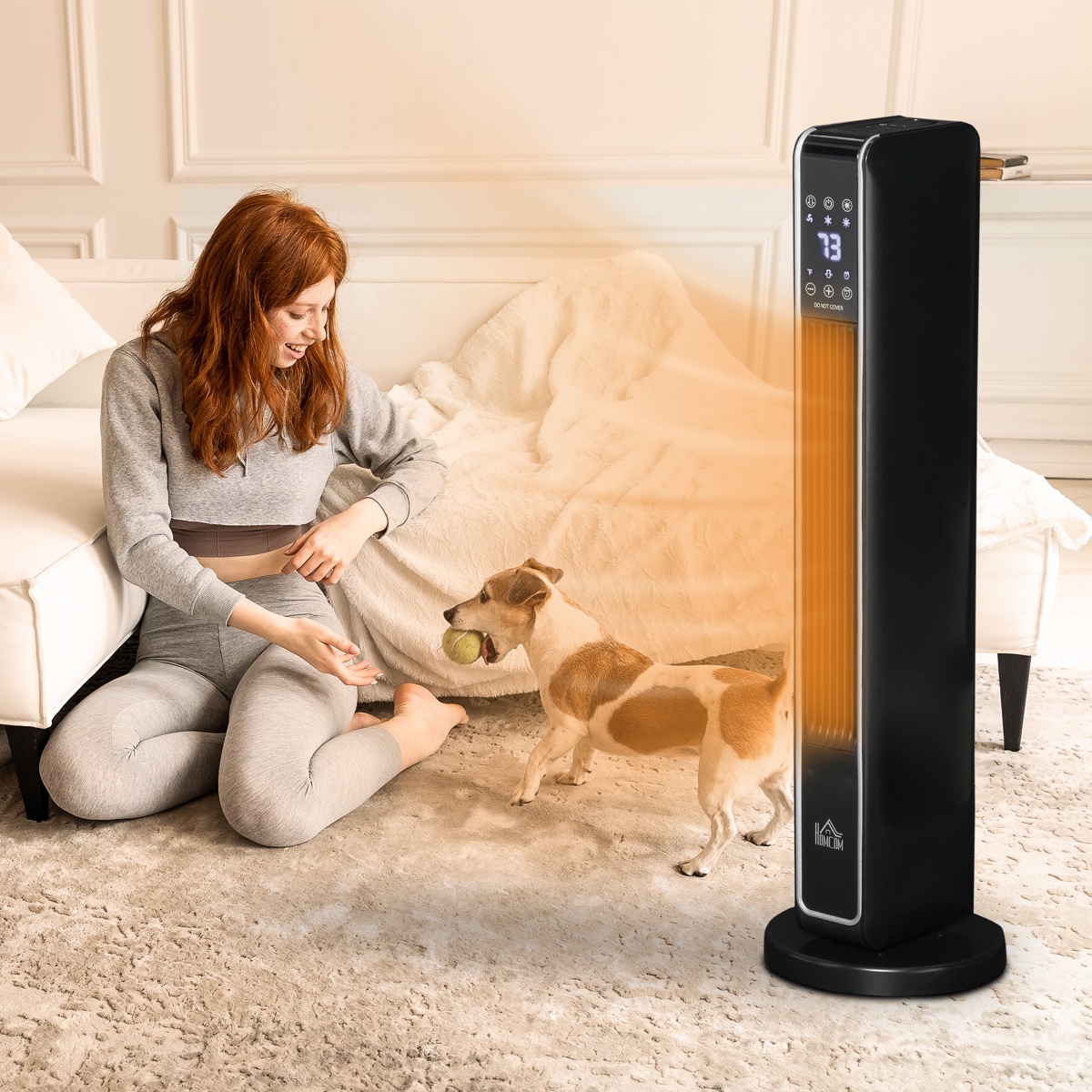 2-In-1 Portable Electric Tower Heater, Oscillating Space for Indoor Use with Remote Control, 8H Timer, Three Heating Modes(High, Low, Fan), 750W / 1500W, Black$90.99View on Mallflare
Highlights
- PTC ceramic elements self-regulate: resistance rises as they heat, so output stays stable and surfaces run cooler than open nichrome wire coils.
- Wattage sets heat, not size: 400-500 W suits desk/personal zones, 1000-1500 W heats small rooms, 2000 W is the ceiling on a standard 120 V/15 A circuit.
- Fan heater output equals airflow times temperature rise; a weak fan at 1500 W feels cooler than a strong fan at 1200 W.
- Safety tier hinges on tip-over switch, thermal fuse, and cool-touch housing; plastic housings need flame-retardant grade and element separation.
Best use cases
- Best fit: a 400-500 W PTC desktop heater for a desk, cubicle, or bedside zone where you want fast personal warmth without heating the whole room.
- Best fit: a 1000-1500 W PTC fan heater with thermostat and tip-over cutoff for a small bedroom, bathroom, or office up to roughly 150 sq ft.
- Wrong fit: expecting a 400 W mini heater to warm a living room or garage; below ~10 W per sq ft of treated space output is imperceptible.
- Skip open-coil plastic heaters for unattended or child/pet areas; choose ceramic PTC with auto-tip and overheat shutoff instead.
Buying tips
- Match wattage to circuit: 1500 W draws ~12.5 A at 120 V, so never share a 15 A breaker with a kettle, microwave, or hair dryer.
- Choose PTC ceramic over open-wire coils: ceramic self-limits temperature and won't glow, reducing fire risk and dry-air feel.
- Look for a mechanical or digital thermostat with a stated range (e.g., 15-30 C); heaters without thermostats cycle constantly and waste power.
- For 220-240 V markets buy the 220 V model; a 120 V heater on 220 V mains destroys the element instantly, and vice versa.
Specs
| Heating Element | PTC ceramic vs open-wire coil |
|---|---|
| Power Tier | 400-500 W desk / 1000-1500 W room / 2000 W max |
| Voltage Standard | 120 V (US) or 220-240 V (EU/UK) |
| Safety Cutoffs | Tip-over switch + overheat thermal fuse |
Related searches
What to check before buying
- Measure treated floor area: plan ~10 W per sq ft (about 100 W per sq m) for noticeable heat; a 400 W unit covers only a desk zone.
- Confirm outlet and breaker: 1500 W needs a dedicated 15 A/120 V circuit; 2000 W+ may require 20 A or 220-240 V supply.
- Check placement clearance: keep at least 3 ft from bedding, curtains, and walls; fan heaters need unobstructed intake and exhaust.
- Verify plug standard: 220-240 V units ship with EU/UK plugs and will not fit North American outlets without a transformer.
FAQ
Data sources: eBay / Amazon listings and product attribute feeds. Updated Nov 22, 2026.
Some links on this page are affiliate links. If you buy after clicking one, we may earn a commission at no extra cost to you. This does not change which products appear here or their order. Affiliate disclosure.