
Photos from current listings. Actual item, color, and included accessories may vary.
Steam Cleaner Buying Guide
Steam cleaners span handheld, canister, and mop formats that differ mainly in boiler pressure, tank capacity, and heat-up speed—not cosmetic styling. The core trade-off is portability versus sustained steam output: handhelds trade duty cycle for reach, while canisters and mops deliver longer runtimes at higher wattage. Buy a model with a pressure rating of at least 3 bar and a metal boiler if you need genuine grout and grease removal; skip low-wattage plastic-tank units that sputter and cool mid-task.
At a glance
- Category
- Smart Cleaning
- Last updated
- Nov 22, 2026
Current offers
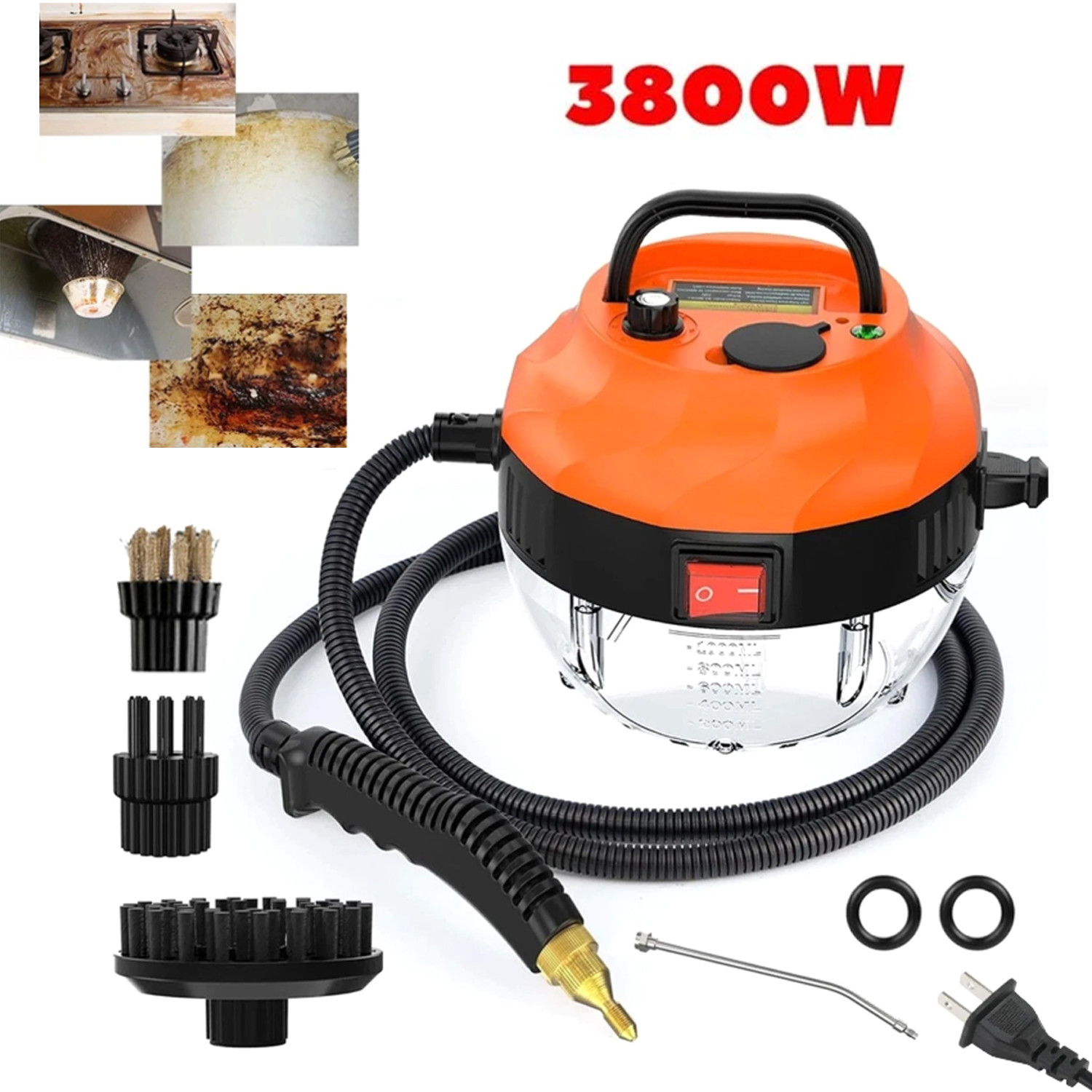 3800W High Pressure Steam Cleaner Household Car Steam Cleaner Cleaning Machine$38.98View on eBay
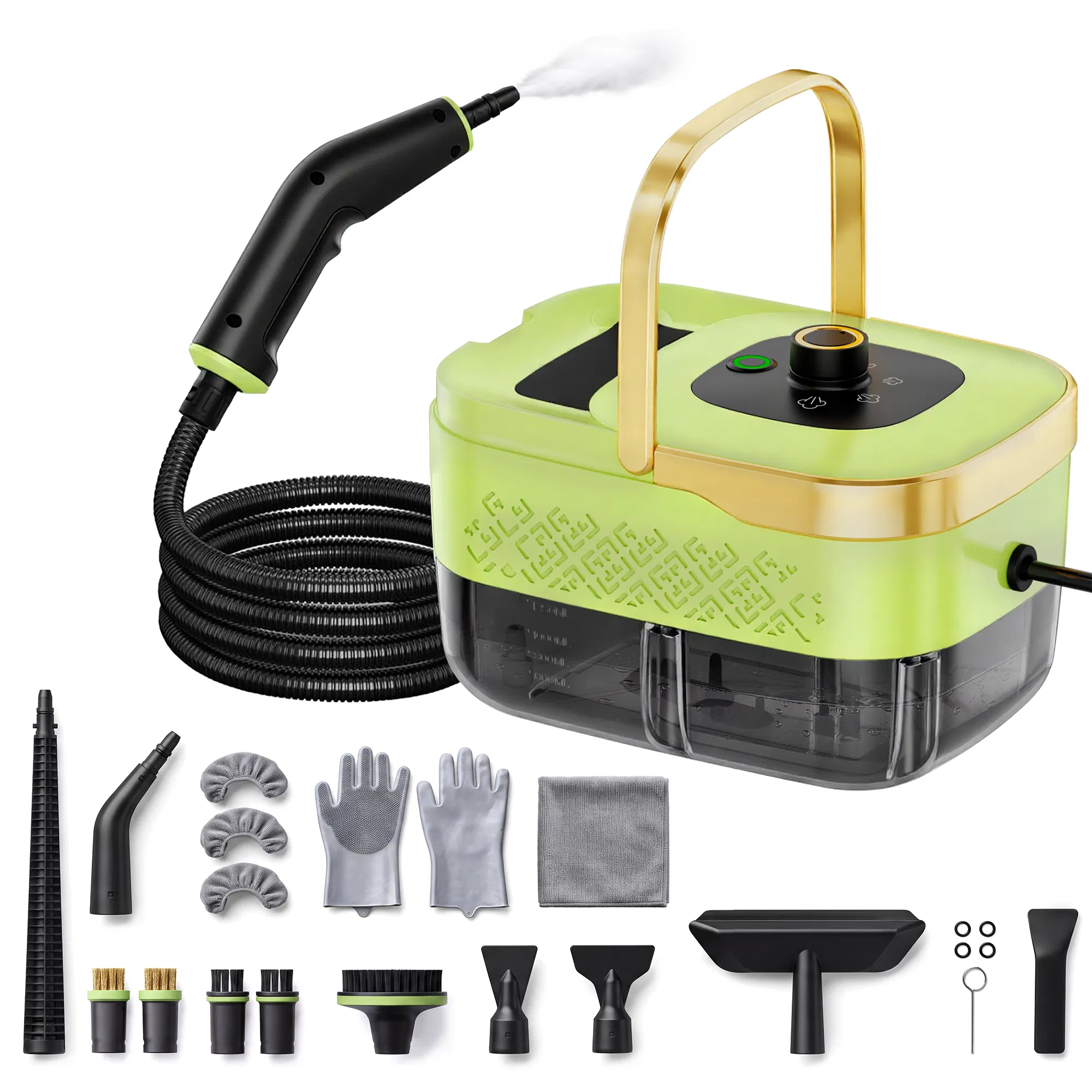 Handheld Steam Cleaner 1500W With 22-Piece Accessory Kit, 15-Second Fast Heat-Up, 4 Bar High-Pressure, 1.25L Large Tank, Chemical-Free For Kitchen, Bathroom, Tile, Grout, Windows$48.99View on Mallflare
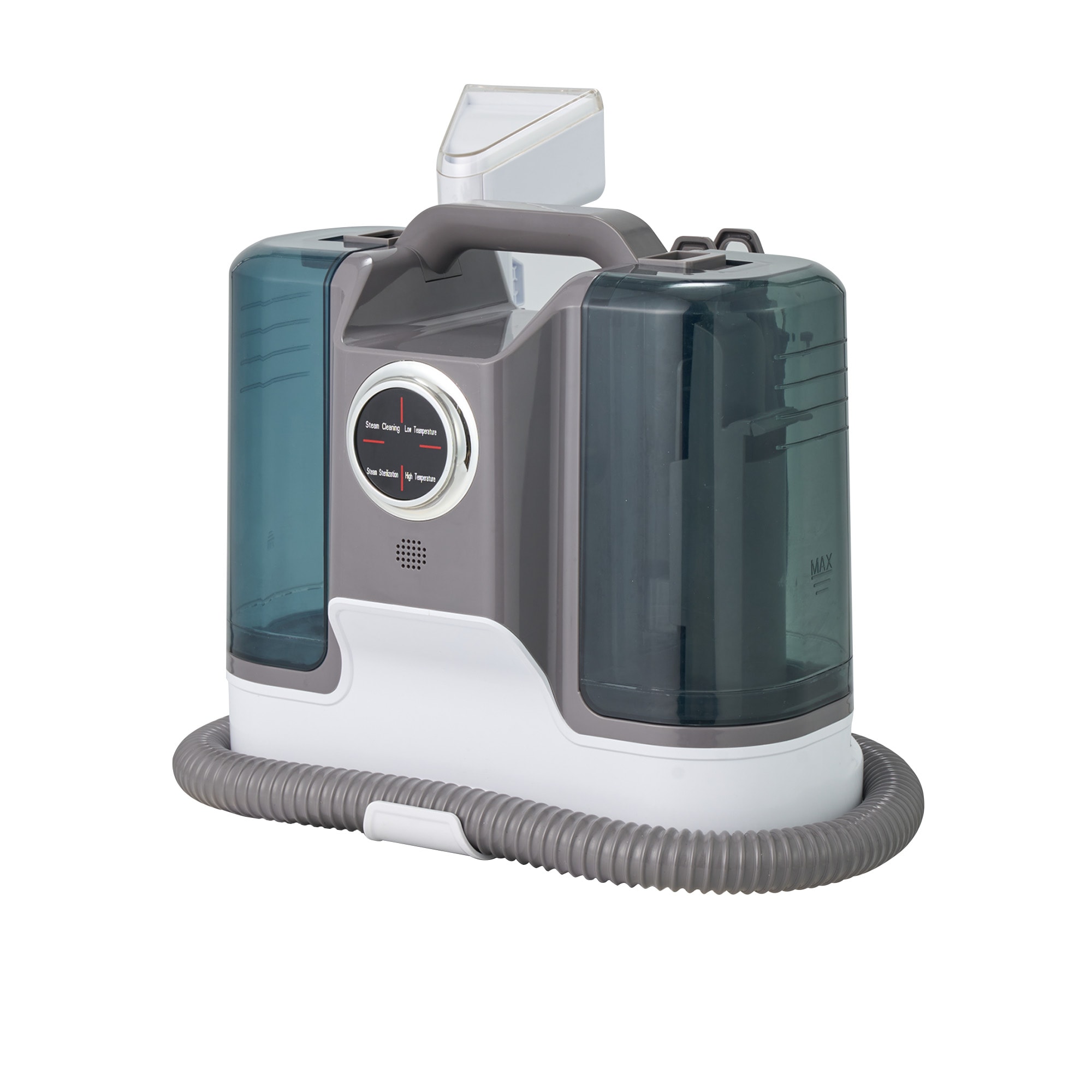 Steam Cleaner, Portable Carpet And Upholstery Spot For Pets, Stain Remover For$79.99View on Mallflare
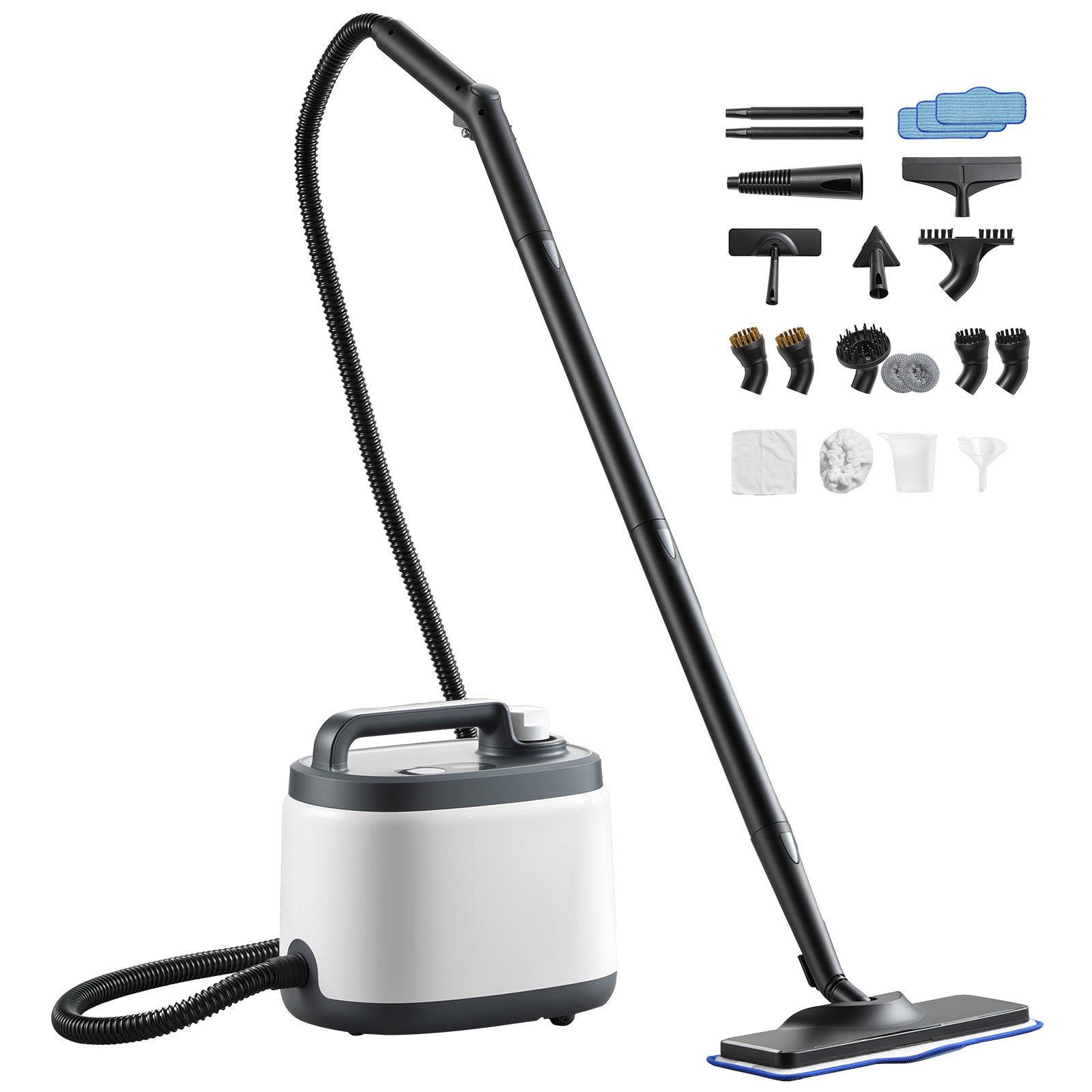 Steam Cleaner, 51 Oz Tank, Steamer For Cleaning With 19 Accessories, Extended Power Cord And Hose, Portable Handle, Fast Heating, Powerful Canister For Home, Car Detailing, Floors$142.99View on Mallflare
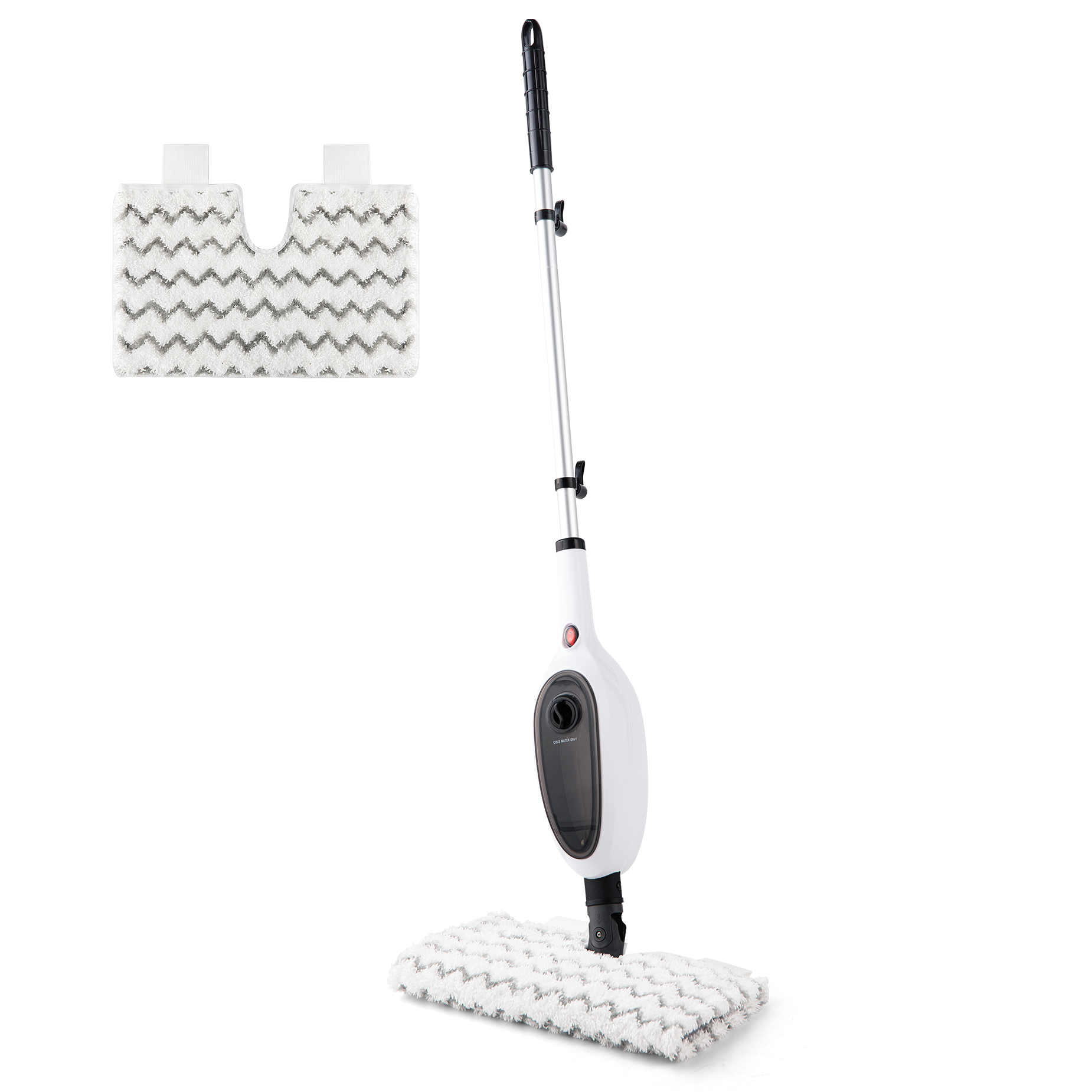 Steam Mops for Floor Cleaning, Unique Double-Sided Flip Design, 15 Seconds Fast Heating 10-in-1 Cleaner for Kitchen, Living Room Wood Tile$45.99View on Mallflare
Highlights
- Boiler pressure separates real cleaning power: 3–4 bar handhelds cut grease and grout; sub-2-bar units merely dampen surfaces.
- Heating element wattage dictates recovery: 1500W reaches steam in about 15 seconds, while 1000W units need 3–5 minutes and sag under continuous use.
- Tank capacity sets duty cycle: 1.25L canisters run 20–30 minutes; 350–500ml handhelds deliver 8–12 minutes before refilling.
- Mop-format steamers add motorized or flip pads for floor scrubbing, while smart wet-dry hybrids like the Tineco FLOOR ONE S5 Steam combine vacuum and steam in one pass.
Best use cases
- Best fit for kitchen grease, bathroom grout, and car interiors: a 1500W+ handheld with 3–4 bar pressure and a 1L+ tank; skip 800W mini units with 200ml tanks.
- Best fit for whole-floor mopping: a steam mop with a 15-second heat-up and double-sided or motorized pad; skip canister units that require dragging a hose across large rooms.
- Best fit for mixed vacuum-and-steam cleaning on hard floors: a smart wet-dry hybrid like the Tineco FLOOR ONE S5 Steam; skip it if you only need spot steam for upholstery and grout.
- Wrong fit for outdoor decks or heavy garage degreasing: consumer 3–4 bar steamers lack the pressure and tank size of 5+ bar commercial units; rent or buy commercial grade instead.
Buying tips
- Match wattage to task: 1500W+ for continuous grout and grease work; 1000–1200W is adequate only for light touch-ups and garment steaming.
- Require at least 3 bar working pressure for tile and grout; below 2.5 bar, steam volume drops and cleaning becomes scrubbing labor.
- Choose tank size by room count: 1.25L covers a full bathroom plus kitchen; 350–500ml handhelds need one refill per fixture.
- For floor care, pick a mop with a 15-second heat-up and swivel head; canister units with long hoses suit stairs and cars better than open floors.
Specs
| Format | Handheld / Canister / Steam mop |
|---|---|
| Working Pressure | 2–4 bar (3+ bar for grout) |
| Heating Wattage | 1000–1500W; 1500W fast heat |
| Tank Capacity | 350ml–1.25L; 1L+ for rooms |
Related searches
What to check before buying
- Measure floor area and storage space: canister units with hoses need 1.5m of clearance and a hook; mops fold flat for closet storage.
- Confirm electrical circuit: 1500W+ units draw 12.5A at 120V and should run on a dedicated kitchen or bathroom circuit, not a shared power strip.
- Check floor material compatibility: sealed tile, laminate, and vinyl tolerate steam; unsealed hardwood and waxed floors can warp or strip.
- Verify accessory fit: grout brushes, angled nozzles, and squeegees must match the hose diameter—proprietary connectors limit third-party add-ons.
FAQ
Data sources: eBay / Amazon listings and product attribute feeds. Updated Nov 22, 2026.
Some links on this page are affiliate links. If you buy after clicking one, we may earn a commission at no extra cost to you. This does not change which products appear here or their order. Affiliate disclosure.