
Photos from current listings. Actual item, color, and included accessories may vary.
Automatic Window Cleaner Buying Guide
Automatic window cleaners are suction-based robots that adhere to vertical glass and traverse it via vacuum grip and drive wheels, trading manual squeegee effort for edge-reach and safety limitations. The core trade-off is suction retention (safety on framed vs frameless glass) versus cleaning path coverage and water delivery, which separates genuinely usable units from toys that stall or streak. Choose a model with a rated suction hold above 20 kPa, a tether system, and a spray-capable design; skip bare suction-only units with no safety rope and no edge sensor.
At a glance
- Category
- Smart Cleaning
- Last updated
- Nov 22, 2026
Current offers
 HIXZAP Smart Window Cleaning Robot Automatic Glass Cleaner Suction Anti-Drop$49.99Last checked Nov 21, 2026View on eBay
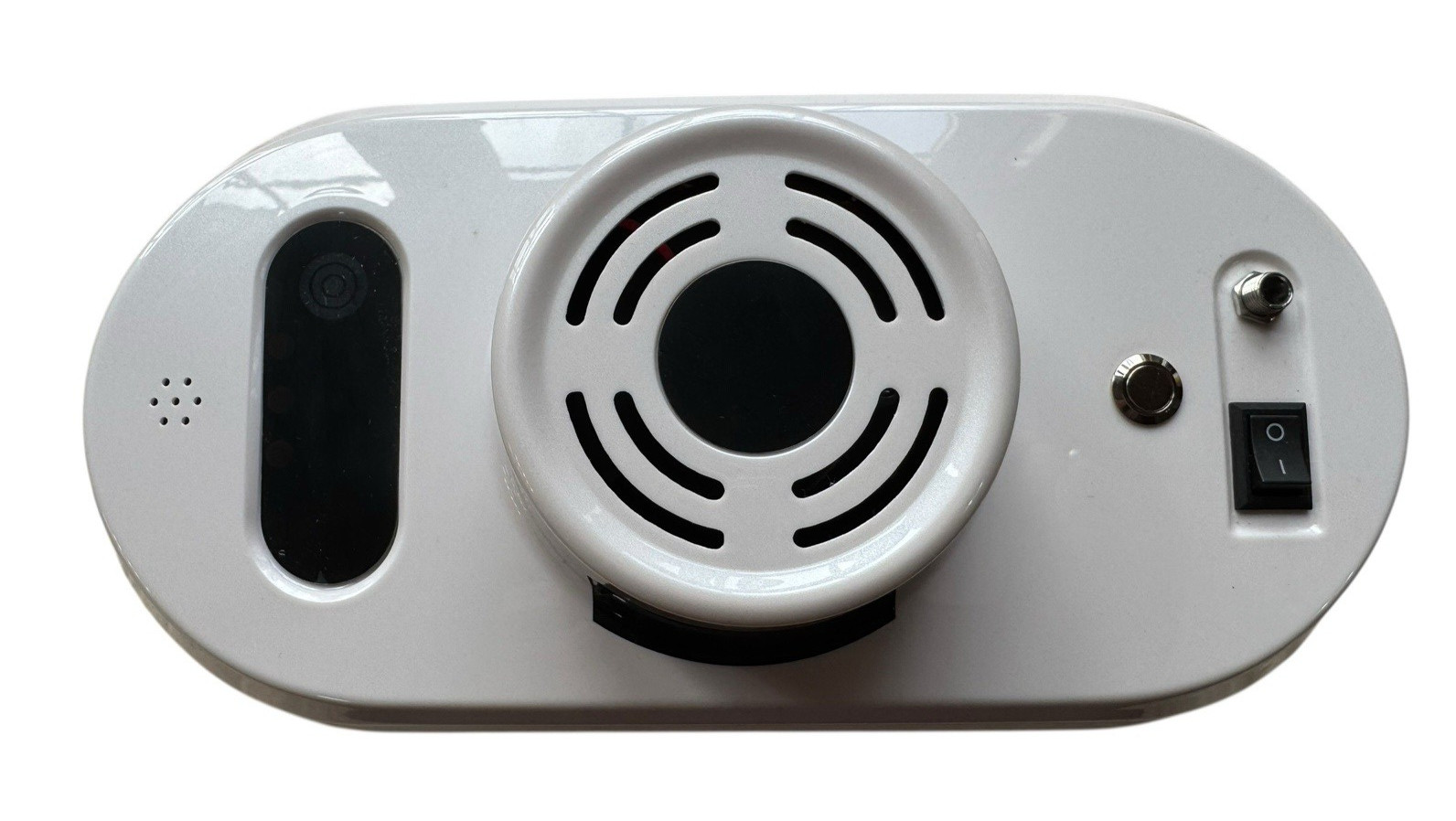 Automatic Smart Cleaning Window Robot Window Cleaner with Remote Control$53.98Last checked Nov 21, 2026View on eBay
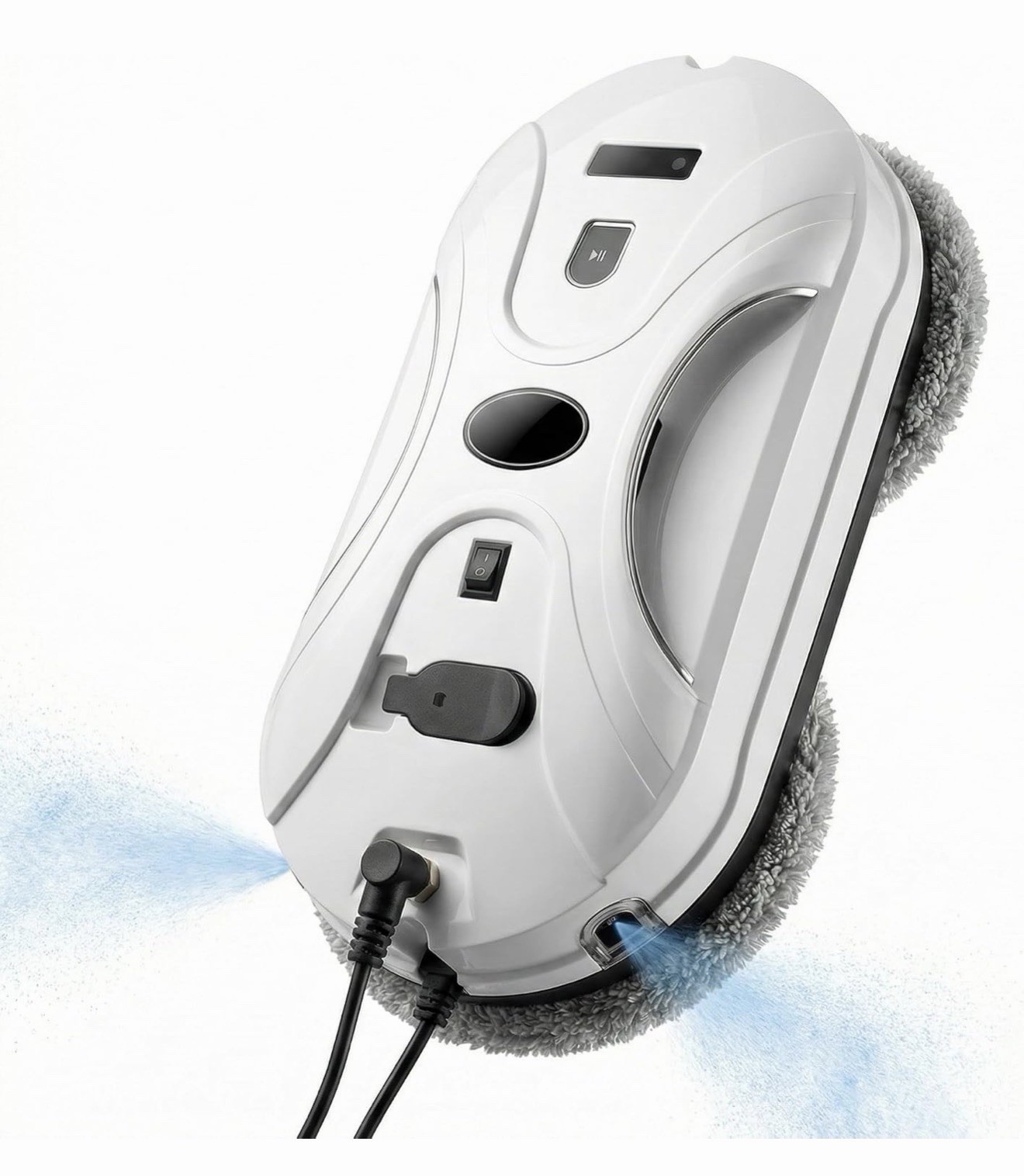 Automatic Window Cleaning Robot Smart Glass Cleaner with Remote Control$80.99View on eBay
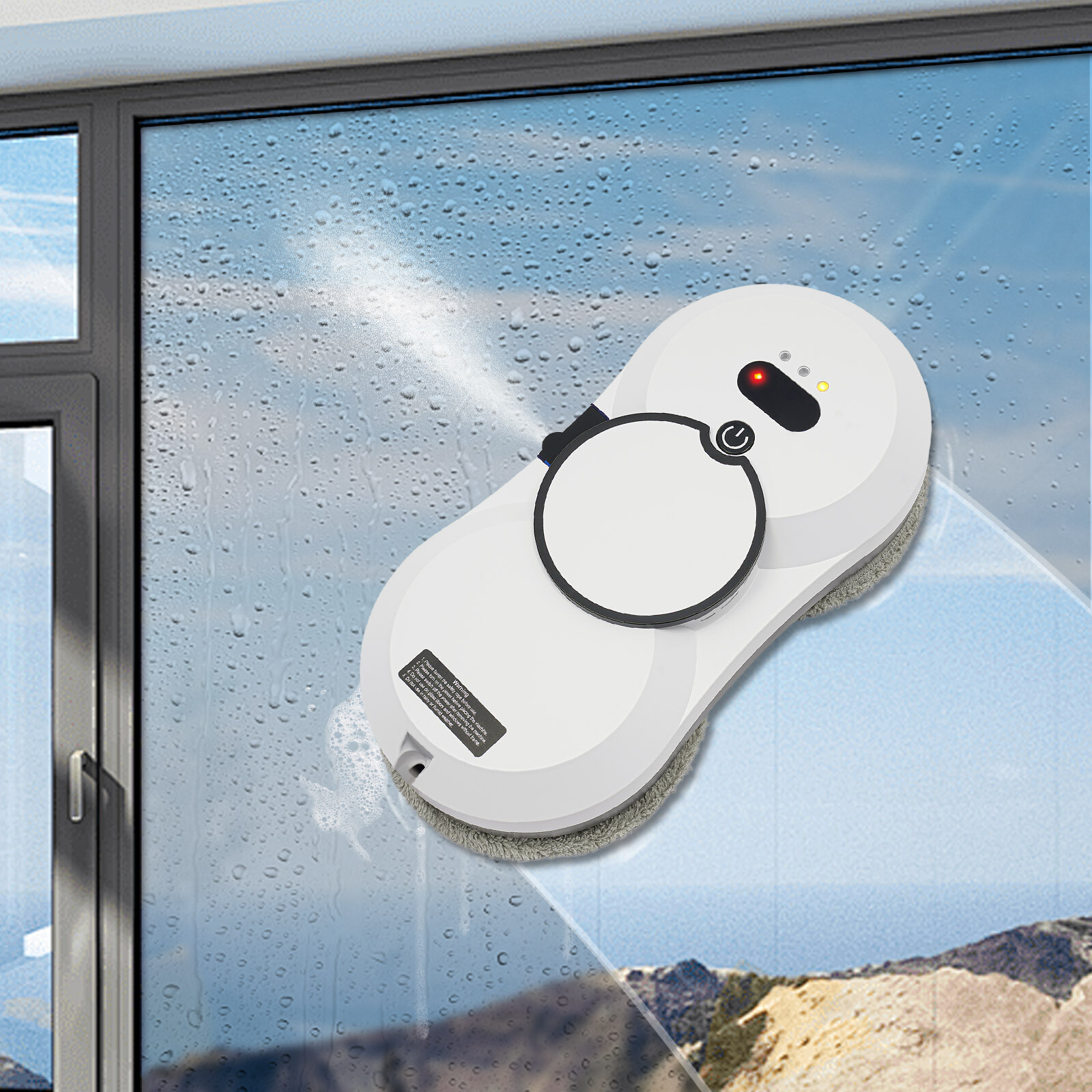 Window Cleaning Robot, Smart Window Cleaner with Automatic Water Spray Remotes$88.74View on eBay
 NEW Window Cleaning Robot Automatic Smart Cleaning Robot 3-modes$89.99Last checked Nov 22, 2026View on eBay
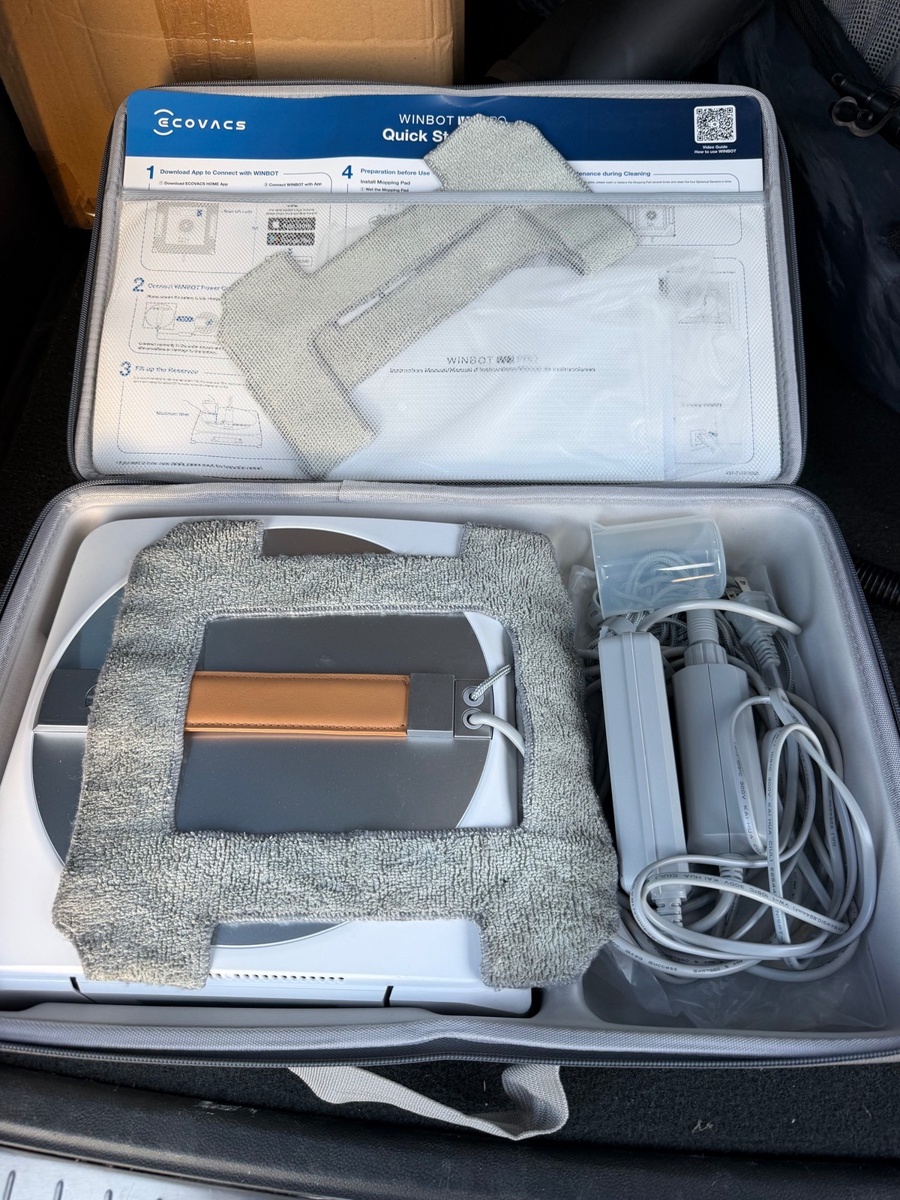 Ecovacs Winbot W1 Pro Automatic Window Cleaning Robot Vacuum Cleaner with Case$229.99Used · Last checked Nov 21, 2026View on eBay
Highlights
- Vacuum suction retention is the safety-critical spec: units rated 20–30 kPa hold on vertical glass; sub-15 kPa models slip on slick or humid surfaces.
- Edge-detection sensors (optical or mechanical) determine whether the robot stops at frame edges; frameless glass requires a sensor array that recognizes the glass boundary.
- Water spray vs dry microfiber: spray-capable units clean exterior grime in one pass; dry-only units are for interior dust and leave streaks on baked-on residue.
- Safety tether and battery backup: a physical safety rope plus a built-in backup battery that maintains suction during power loss are non-negotiable on upper-floor exterior glass.
Best use cases
- Best fit: interior framed windows on lower floors — choose a suction robot with edge sensors and a microfiber pad; skip tether hardware if the glass is reachable and framed.
- Best fit: exterior upper-floor windows — choose a unit with a rated suction ≥25 kPa, a safety rope, and battery backup suction; skip any model without a tether anchor point.
- Wrong fit: frameless or frameless-style glass balustrades — most suction robots rely on frame contact for edge detection and will run off unframed panes; skip unless the unit explicitly supports frameless glass with optical edge sensing.
- Wrong fit: small panes under 12 in / 30 cm — the robot's footprint and turning radius make coverage inefficient; use a manual squeegee on panes smaller than the robot's body diagonal.
Buying tips
- Measure the glass pane: the robot needs at least 4–6 in / 10–15 cm of clearance at each edge for turning; panes narrower than the robot's diagonal waste suction cycles.
- Check suction rating: 20 kPa is the practical minimum for vertical hold; 25–30 kPa is required for exterior glass above the first floor where wind and humidity reduce grip.
- Match water delivery to grime: interior dust needs only a microfiber pad; exterior pollen and road film need a spray or water-tank model to avoid dry-scrubbing grit into the glass.
- Verify tether and backup battery: a safety rope with a load rating above the robot's weight plus a backup battery that holds suction for 20–30 minutes during power loss are mandatory for exterior use.
Specs
| Suction Retention | 20–30 kPa vertical hold |
|---|---|
| Edge Detection | Optical or mechanical frame sensor |
| Cleaning Delivery | Dry microfiber vs water spray |
| Safety System | Tether rope + backup battery suction |
Related searches
What to check before buying
- Window frame depth and type: confirm the frame lip is at least 0.4 in / 1 cm so the edge sensor can register; frameless glass needs optical edge sensing, not mechanical bumpers.
- Glass size and layout: single panes should be at least 12 in / 30 cm wide and tall; multi-pane grids require a robot that fits within one pane without straddling muntins.
- Power and plug standard: verify the unit's adapter matches your local voltage (110–120 V US vs 220–240 V EU) and that the cord reaches the window from an indoor outlet.
- Exterior safety anchor: confirm a secure indoor anchor point for the safety rope and that the rope length exceeds the drop to the ground by at least 10 ft / 3 m.
FAQ
Data sources: eBay / Amazon listings and product attribute feeds. Updated Nov 22, 2026.
Some links on this page are affiliate links. If you buy after clicking one, we may earn a commission at no extra cost to you. This does not change which products appear here or their order. Affiliate disclosure.