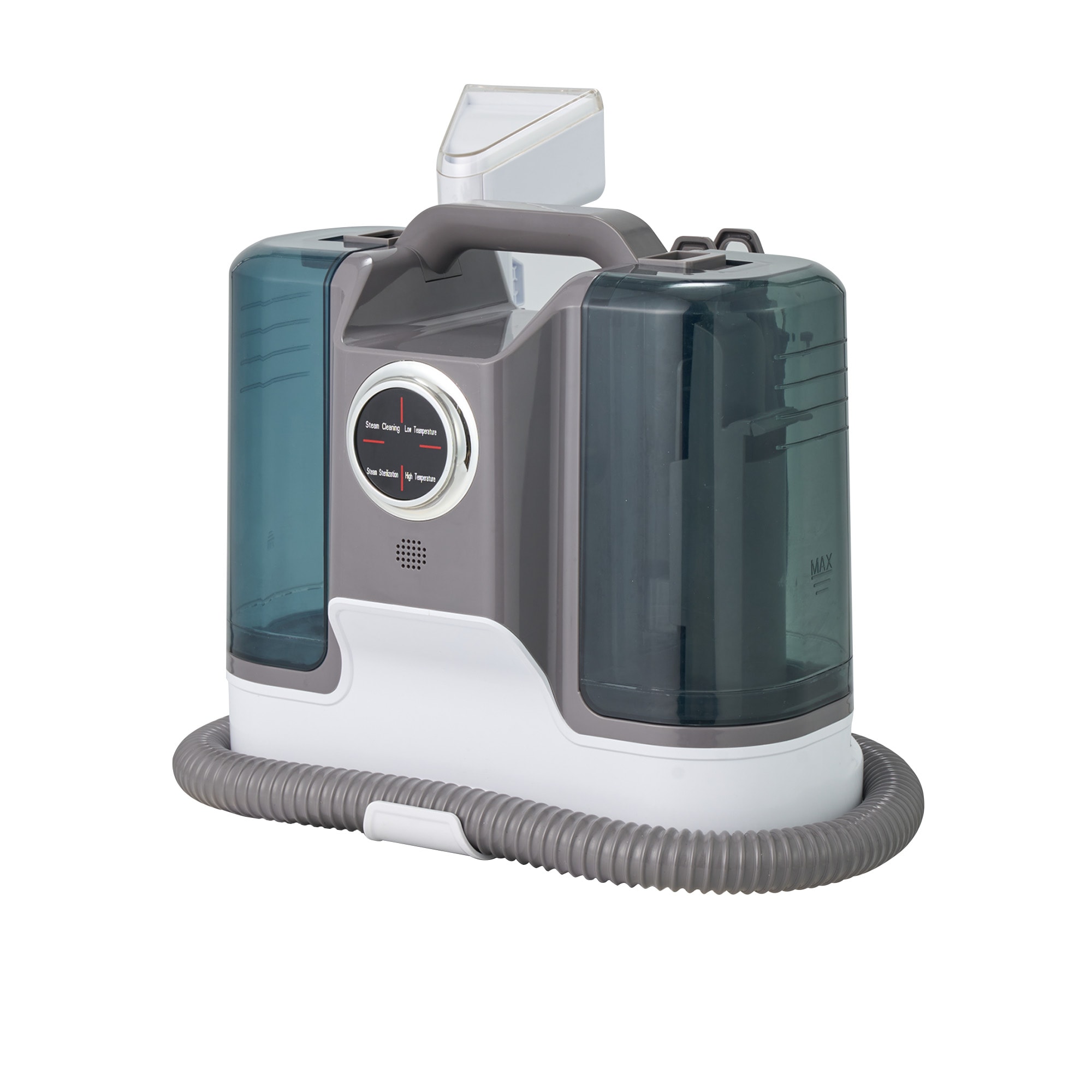

Photos from current listings. Actual item, color, and included accessories may vary.
Carpet Stain Remover Buying Guide
Carpet stain removers split into three chemistries: oxygen-based oxidizers for organic dyes and tannins, enzyme/probiotic formulas for protein and pet waste, and solvent/emulsifier blends for oil and grease. The decisive trade-off is stain-type specificity versus fiber safety: oxidizers brighten but can bleach wool or fade solution-dyed nylon, while enzymes clean deeply but need dwell time and neutral pH. Buy the chemistry matched to the stain class and fiber, and avoid all-purpose sprays for old set-in stains or natural fibers.
At a glance
- Category
- Smart Cleaning
- Last updated
- Nov 22, 2026
Current offers
Highlights
- Oxygen bleach (sodium percarbonate) releases hydrogen peroxide in water, lifting coffee, wine, and fruit dyes; safe on colorfast synthetics but can lighten wool and silk.
- Enzyme and probiotic cleaners use protease, amylase, and lipase to digest protein, starch, and fat soils; they need 10-15 minutes dwell and work best at neutral pH.
- Solvent-based spot removers dissolve grease and oil but leave residue that attracts dirt; follow with a surfactant rinse or extraction to prevent re-soiling.
- Carpet cleaning performance is tied to agitation and extraction: a stiff brush plus wet vacuum removes more soil than spray-and-wipe alone, regardless of formula.
Best use cases
- For fresh pet accidents and food spills on synthetic carpet, pick an enzyme or oxygen cleaner with a brush applicator and blot immediately; skip solvent sprays that set protein odors.
- For old, dark stains on nylon or polyester, choose an oxygen-based powder mixed warm and dwelled 15-30 minutes, then extract; avoid enzyme-only formulas that cannot lift oxidized tannins.
- For wool, silk, or natural fiber rugs, use a pH-neutral wool-safe shampoo or enzyme cleaner with no oxidizer; skip sodium percarbonate and high-alkaline detergents that felt fibers.
- For grease, makeup, and tar on olefin or solution-dyed carpet, use a citrus or solvent spotter with a surfactant rinse; skip water-only enzyme products that cannot cut oil.
Buying tips
- Match chemistry to stain class: oxygen for tannin/coffee/wine, enzyme for protein/pet, solvent for oil/grease; an all-purpose spray is the weakest choice for old set-in stains.
- Check fiber first: wool and silk require pH-neutral, oxidizer-free formulas; nylon and polyester tolerate oxygen bleach; olefin is sensitive to heat and strong solvents.
- For old stains, buy a two-part system: a pre-spray enzyme or oxygen booster plus a surfactant extraction step; single-step spot sprays rarely penetrate dried soil.
- Prefer concentrates and powders over ready-to-use sprays for cost per square foot and dosage control; dilute per label and test on a hidden area for colorfastness.
Specs
| Chemistry Type | Oxygen / Enzyme / Solvent |
|---|---|
| Fiber Compatibility | Synthetic / Wool-safe / Olefin |
| Form Factor | Spray / Concentrate / Powder |
| Dwell Time | 5-30 min by chemistry |
Related searches
What to check before buying
- Identify carpet fiber from the manufacturer tag or a burn test snippet: wool, nylon, polyester, olefin, or solution-dyed; formula choice depends on it.
- Measure the stain area and count stains to buy the right volume: spot bottles suit small marks, concentrates and powders suit whole-room or repeated old stains.
- Check ventilation and drying: wet cleaning needs airflow and 6-12 hours dry time; plan a fan or open window and avoid walking on damp carpet.
- Confirm you have a wet/dry vacuum or extraction tool for rinse steps; spray-and-blot alone leaves surfactant residue that re-soils faster.
FAQ
Data sources: eBay / Amazon listings and product attribute feeds. Updated Nov 22, 2026.
Some links on this page are affiliate links. If you buy after clicking one, we may earn a commission at no extra cost to you. This does not change which products appear here or their order. Affiliate disclosure.