
Photos from current listings. Actual item, color, and included accessories may vary.
Smart Window Cleaner Buying Guide
A smart window cleaner is a suction-mounted robot that traverses vertical glass while spraying and wiping, replacing manual squeegee work on high or large panes. The core trade-off is suction safety versus cleaning path intelligence: cheap units rely on fixed zigzag paths and single-nozzle spray, while better models add dual-direction travel, edge detection, and backup battery hold. Buy a model with at least 2500Pa rated suction, a UPS backup battery, and auto-spray; skip anything without an anti-drop sensor and safety rope.
At a glance
- Category
- Smart Cleaning
- Last updated
- Nov 22, 2026
Current offers
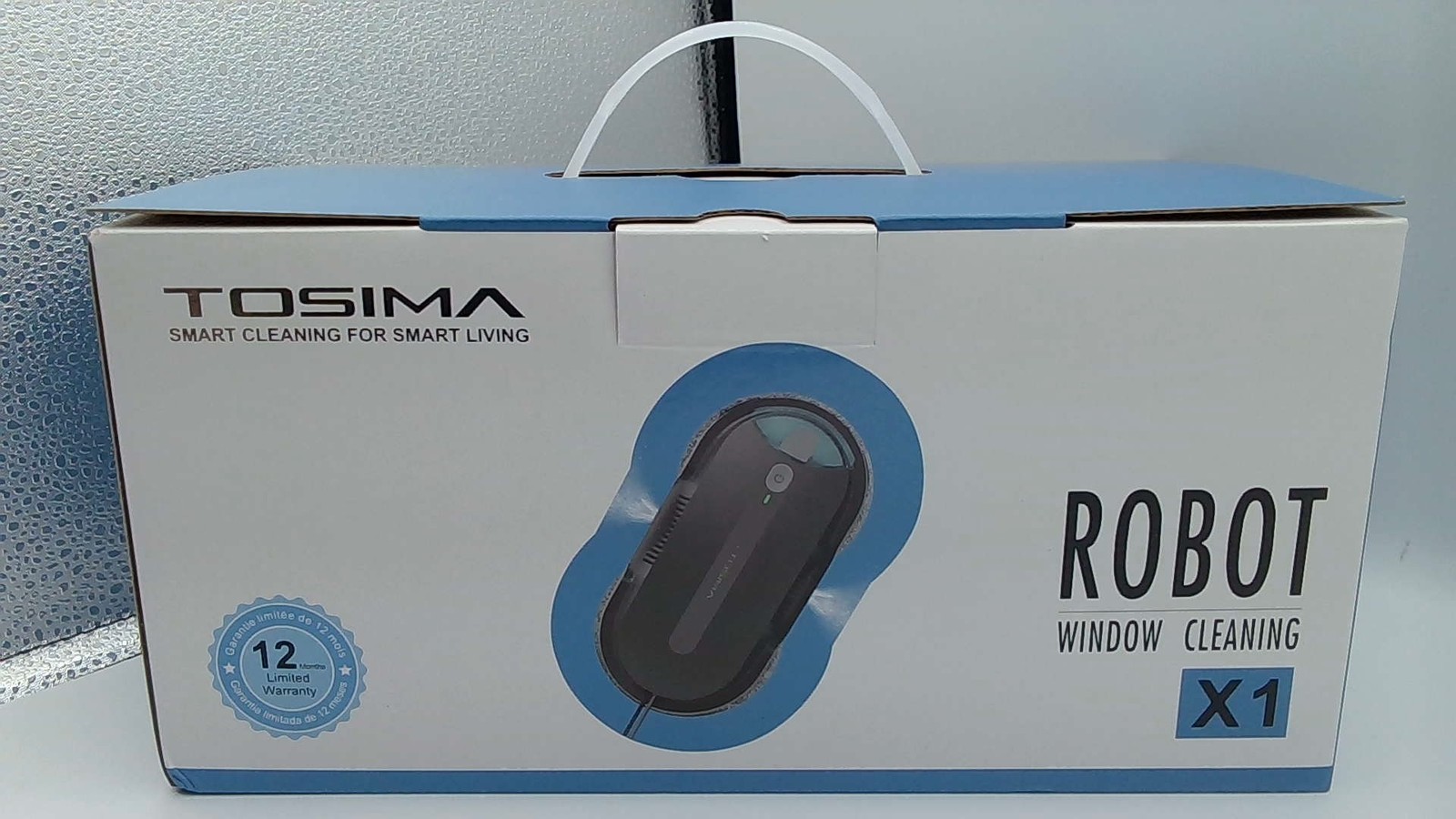 Tosima X1 Window Cleaning Robot Dual Direction Auto-Spray Smart Window Cleaner$80.99Last checked Nov 21, 2026View on eBay
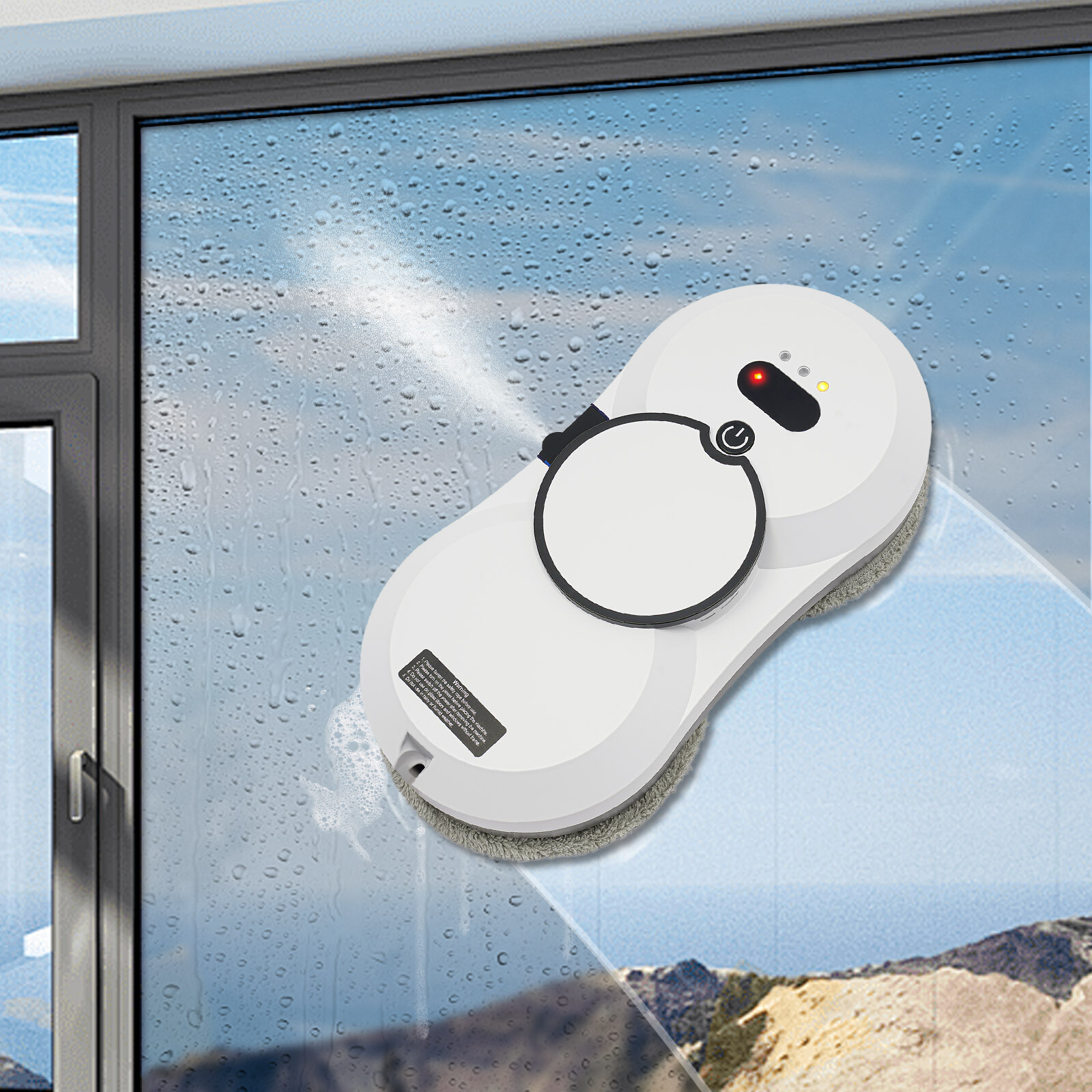 Window Cleaning Robot, Smart Window Cleaner with Automatic Water Spray Remotes$88.74View on eBay
 HIXZAP Smart Window Cleaning Robot Automatic Glass Cleaner Suction Anti-Drop$49.99Last checked Nov 21, 2026View on eBay
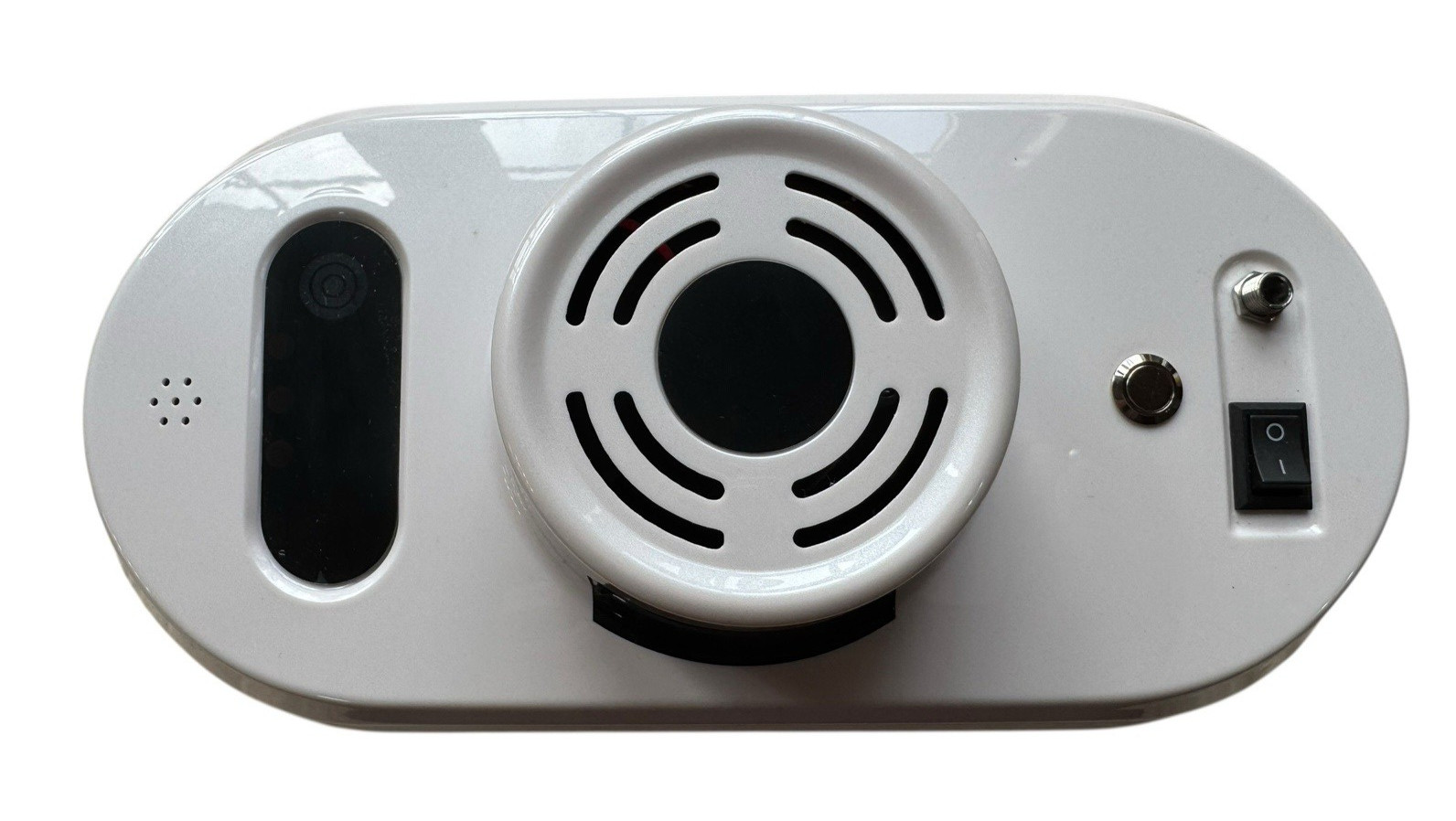 Automatic Smart Cleaning Window Robot Window Cleaner with Remote Control$53.98Last checked Nov 21, 2026View on eBay
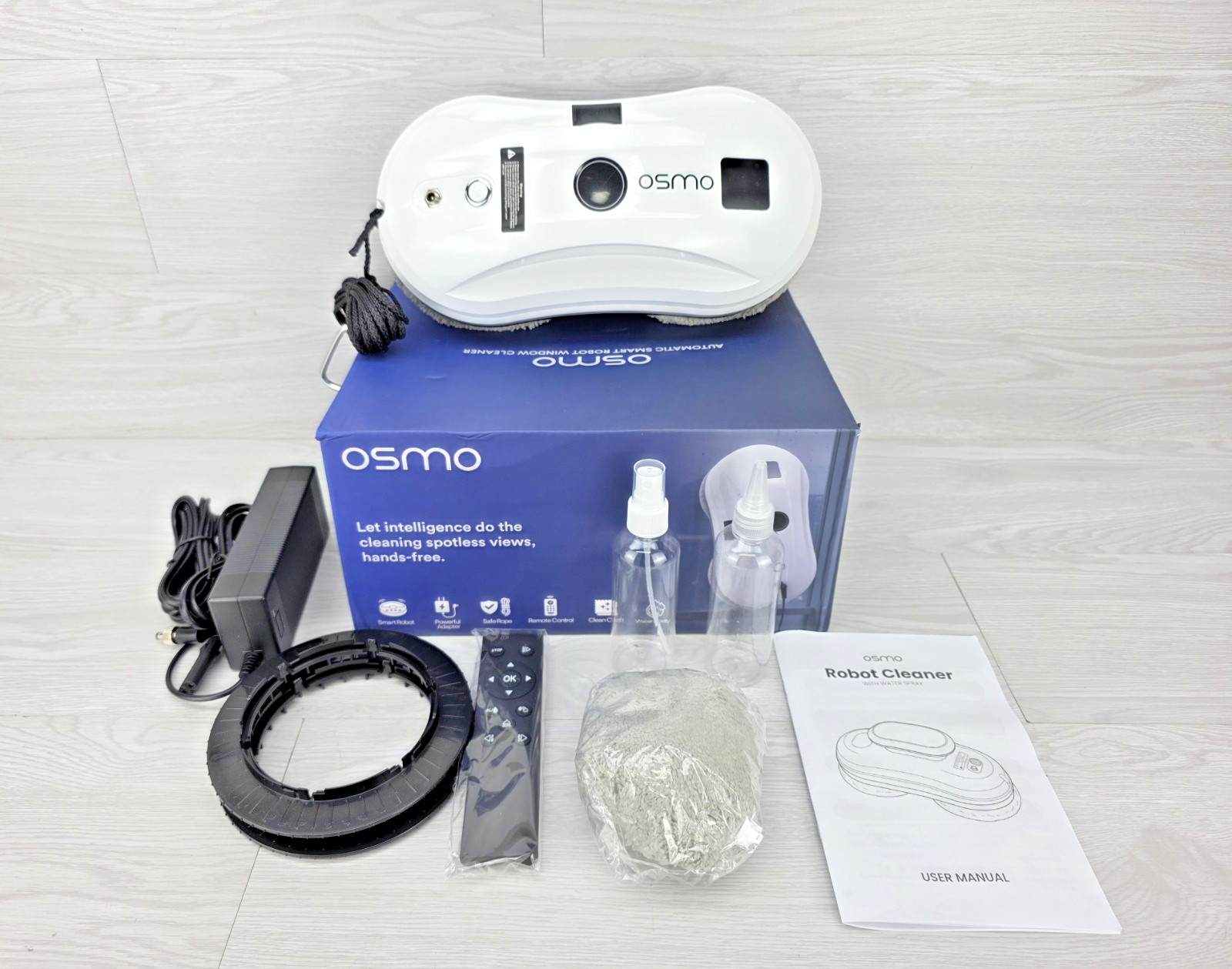 Osmo RoboClean Smart Cleaning Robot Window Cleaner Remote Control Spare Pads$54.01View on eBay
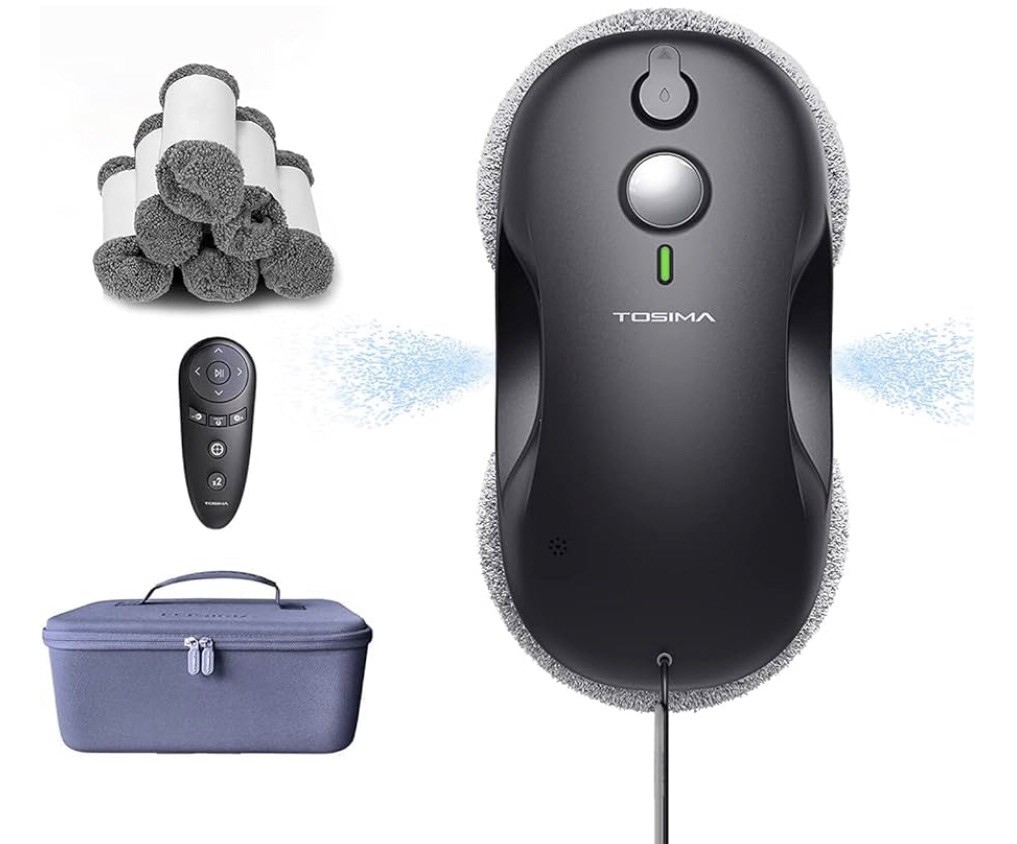 Tosima W3 Window Cleaning Robot, Dual Direction Auto-Spray Smart Navigation Safe$59.90View on eBay
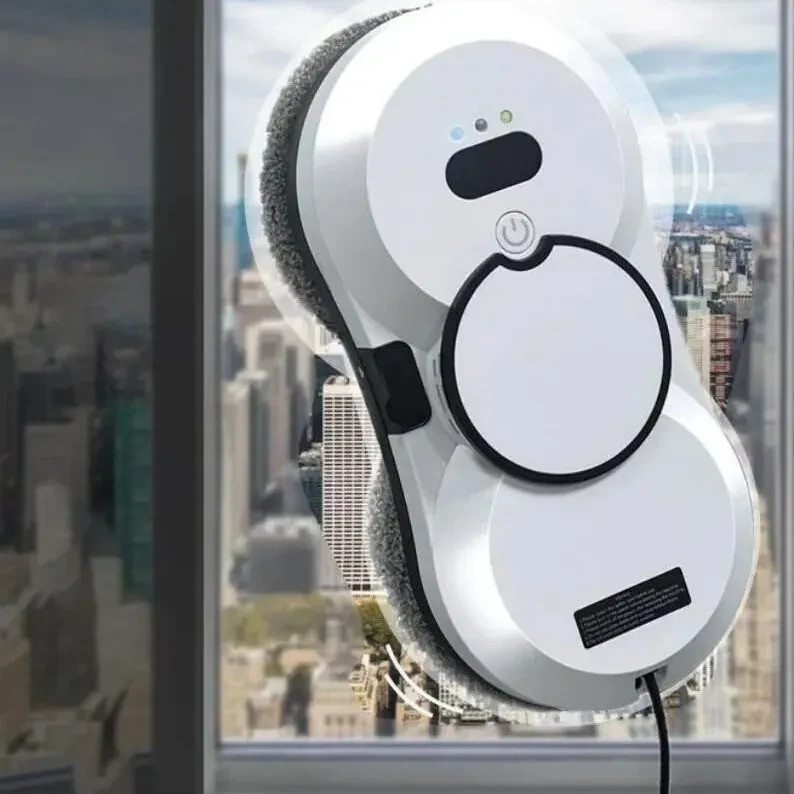 Robot Window Cleaner Smart Glass Cleaning Robotic Remote Control Indoor Outdoor$69.30View on eBay
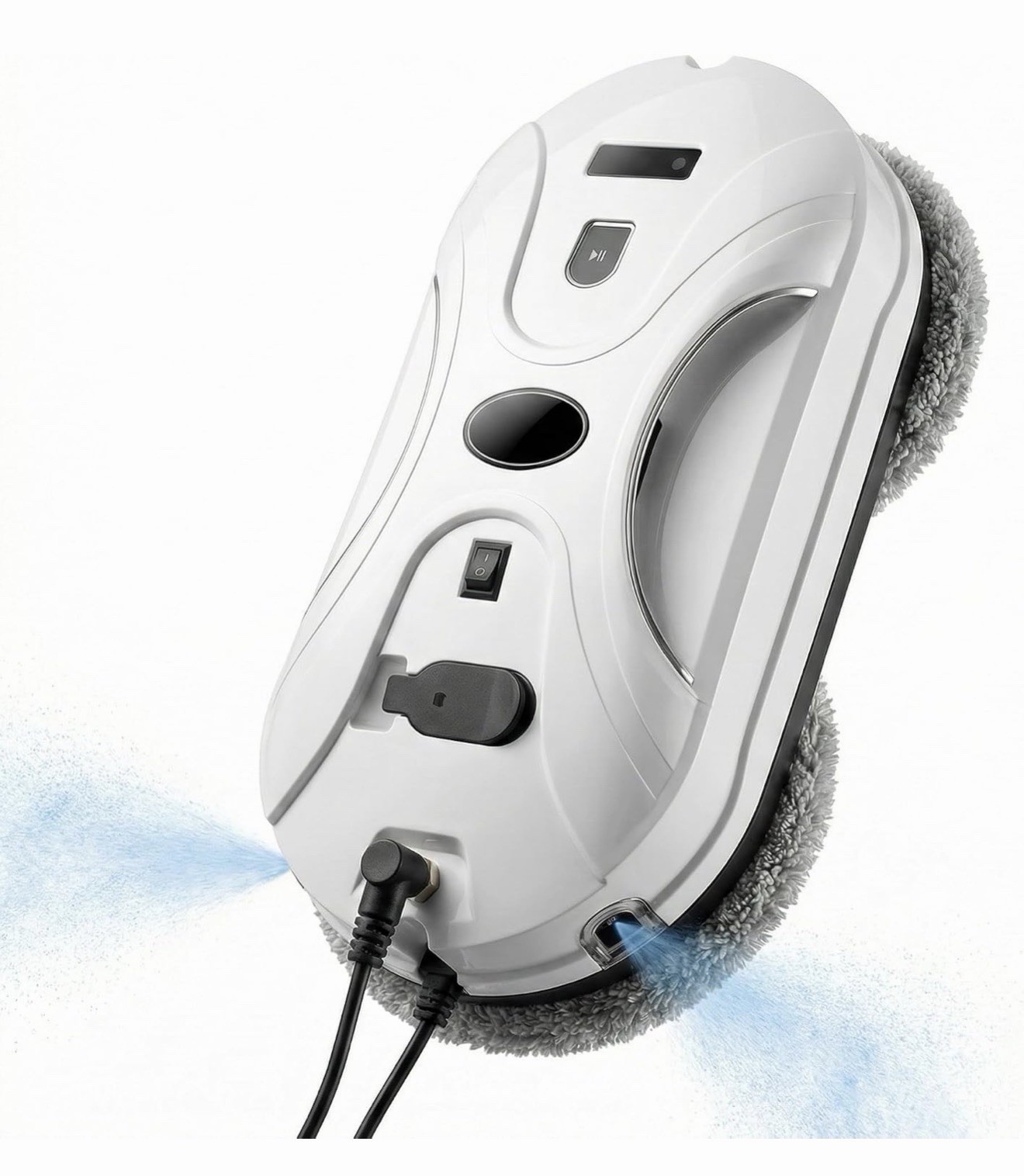 Automatic Window Cleaning Robot Smart Glass Cleaner with Remote Control$80.99View on eBay
 NEW Window Cleaning Robot Automatic Smart Cleaning Robot 3-modes$89.99Last checked Nov 22, 2026View on eBay
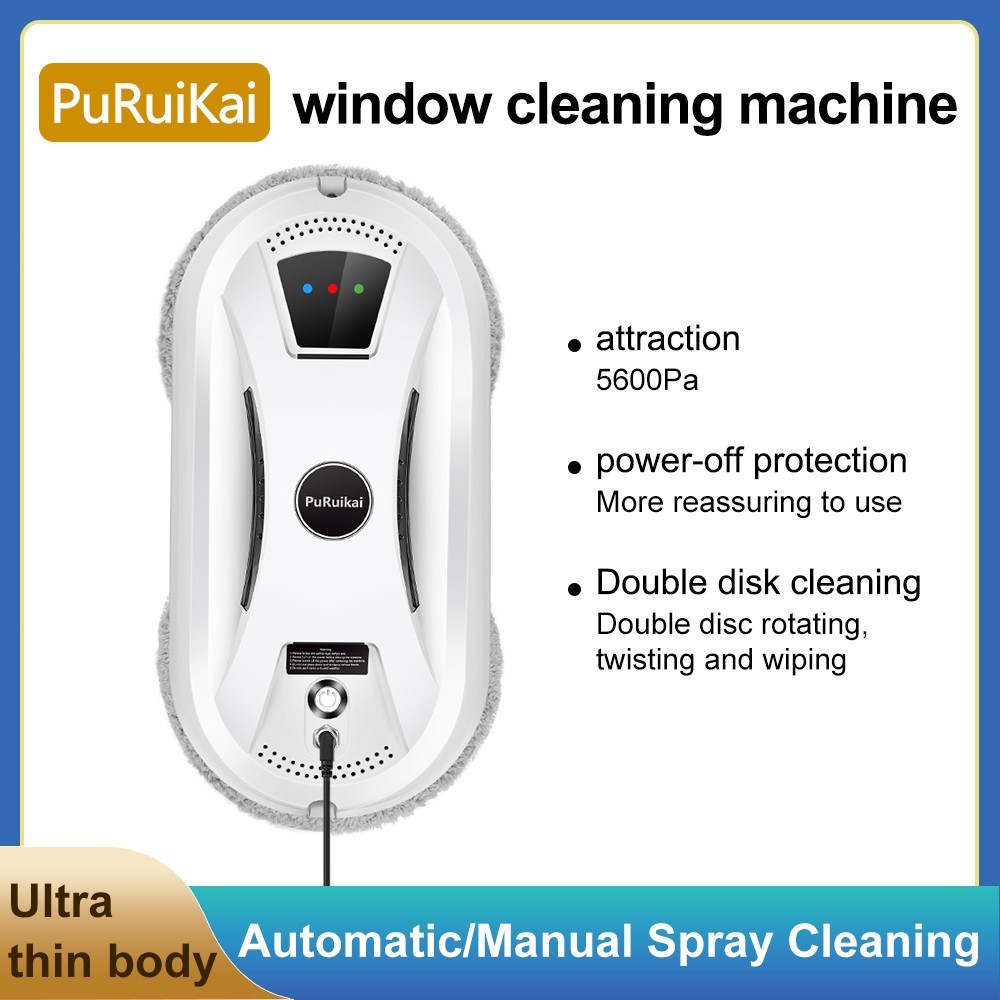 Smart Window Cleaning Robot, Remote Control Glass Cleaner, One-Button Operation$93.10Last checked Nov 18, 2026View on eBay
 X1 Window Cleaning Robot 6400Pa Smart Variable Suction Dual Spray Remote$109.00Last checked Nov 21, 2026View on eBay
 Window Cleaner Robot Smart Glass Cleaning Remote Control Cleaning 3200Pa Suction$110.71View on eBay
- Window Cleaner Robot Smart Glass Cleaning Remote Control Cleaning 3200Pa Suction$110.83View on eBay
- Window Cleaner Robot Smart Glass Cleaning Remote Control Cleaning 3200Pa Suction$110.83View on eBay
- Window Cleaner Robot Smart Glass Cleaning Remote Control Cleaning 3200Pa Suction$111.35View on eBay
 Smart Window Cleaning Robot Dual Spray Glass Cleaner Vacuum w/ Remote Control$119.51View on eBay
- Smart Window Cleaning Robot Dual Spray Glass Cleaner Vacuum w/ Remote Control$119.78Last checked Nov 22, 2026View on eBay
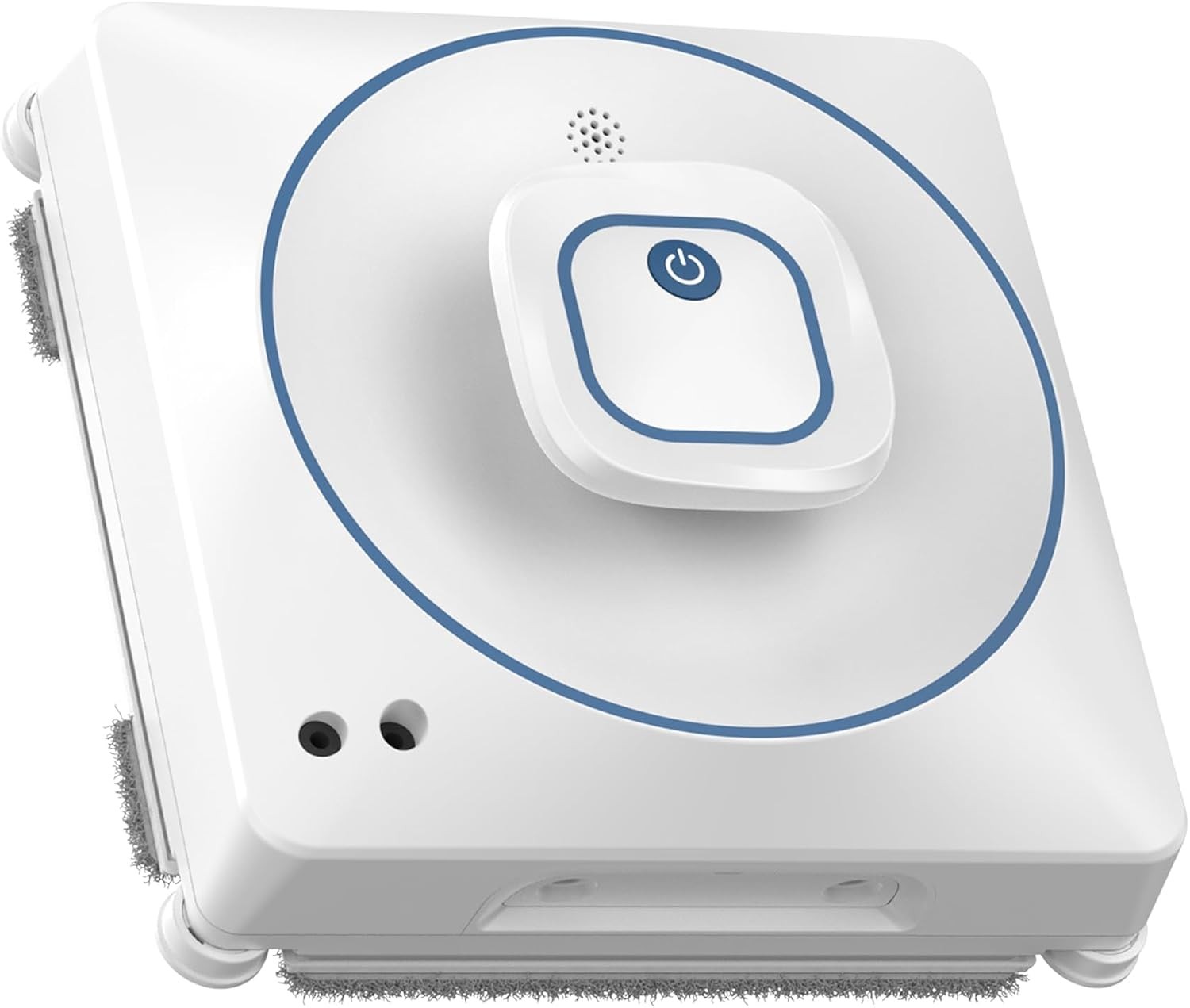 QIYO Window Cleaning Robot WCR-FG01 8000Pa Suction Dual Spray Smart Navigation$233.99New · Last checked Nov 21, 2026View on eBay
Highlights
- Suction class separates tiers: 2500-3000Pa handles framed interior glass, 4000-5600Pa is needed for textured or exterior panes and thicker seals.
- Path logic: fixed N/Z zigzag is standard; dual-direction travel and AI edge detection cut missed streaks on wide panes.
- Safety stack: integrated UPS battery holds suction 20-30 minutes after power loss, plus tether rope and edge sensors.
- Spray systems range from single nozzle to dual auto-spray; dual spray wets the full pad width and reduces dry-drag streaks.
Best use cases
- Best fit: floor-to-ceiling interior windows and glass partitions — pick a 2500-3000Pa unit with auto-spray and remote; skip high-Pa exterior models that are heavier and cost more.
- Best fit: exterior second-story or balcony glass — choose 4000-5600Pa suction with UPS backup, safety rope, and dual-direction travel; skip budget single-nozzle robots that stall on dirty exterior film.
- Best fit: frameless or beveled-edge shower glass — select a model with edge-detection sensors that stop at the frame; skip robots that only use fixed-path navigation and can run off the pane.
- Wrong fit: rough, frosted, or heavily textured glass and window screens — suction seals fail; use a manual squeegee instead of any robot in this class.
Buying tips
- Match suction to glass: interior framed panes need 2500Pa minimum; exterior or large panes need 4000Pa+ and a UPS hold of at least 20 minutes.
- Confirm the robot fits your pane width: most units need a minimum glass area around 40x40cm and a frame lip under 5mm to seal.
- Choose dual auto-spray over single-nozzle: it keeps the microfiber pad evenly wet, cutting streaks and repeat passes on large panes.
- Prefer models with a remote and app path control over fixed zigzag-only units; dual-direction travel reduces edge misses on wide windows.
Specs
| Suction Power | 2500-5600Pa by tier |
|---|---|
| Navigation | Fixed zigzag vs dual-direction AI |
| Spray System | Single nozzle vs dual auto-spray |
| Safety Backup | UPS hold 20-30 min + tether |
Related searches
What to check before buying
- Measure pane width and height: robots need roughly 40x40cm minimum and at least 10cm clearance from frame corners for the suction seal.
- Check frame depth: a raised frame lip over 5mm can block travel; flush or frameless glass needs edge-detection sensors.
- Verify power: these are corded units, so confirm a nearby outlet and cable length reaches the top of the pane without strain.
- Inspect glass condition: cracked, frosted, or heavily textured panes break suction; smooth flat glass only.
FAQ
Data sources: eBay / Amazon listings and product attribute feeds. Updated Nov 22, 2026.
Some links on this page are affiliate links. If you buy after clicking one, we may earn a commission at no extra cost to you. This does not change which products appear here or their order. Affiliate disclosure.