
Photos from current listings. Actual item, color, and included accessories may vary.
Smart Robot Vacuum Buying Guide
Smart robot vacuums combine autonomous navigation, suction, and docking to automate floor cleaning, with the core trade-off being navigation intelligence and brush/airflow design versus price. Durable performers use LiDAR or camera SLAM with app-defined no-go zones, while compromises rely on random bounce and weak 1800-2000Pa suction. The decision rule: require mapped navigation and a brushroll suited to your floor type; skip any model that cannot store a floor plan or schedule per room.
At a glance
- Category
- Smart Cleaning
- Last updated
- Nov 22, 2026
Current offers
 Smart Window Cleaning Robot Dual Spray Glass Cleaner Vacuum w/ Remote Control$119.51View on eBay
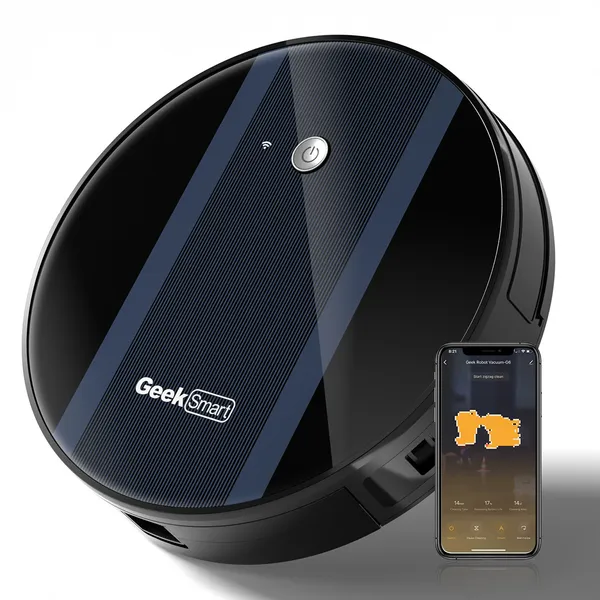 Geek Smart Robot Vacuum Cleaner G6; Ultra-Thin; 1800Pa Strong Suction; Automatic Self-Charging; App Control; Custom Cleaning; Great For Hard Floors To Carpets$146.99View on Mallflare
- Smart Window Cleaning Robot Dual Spray Glass Cleaner Vacuum w/ Remote Control$119.78Last checked Nov 22, 2026View on eBay
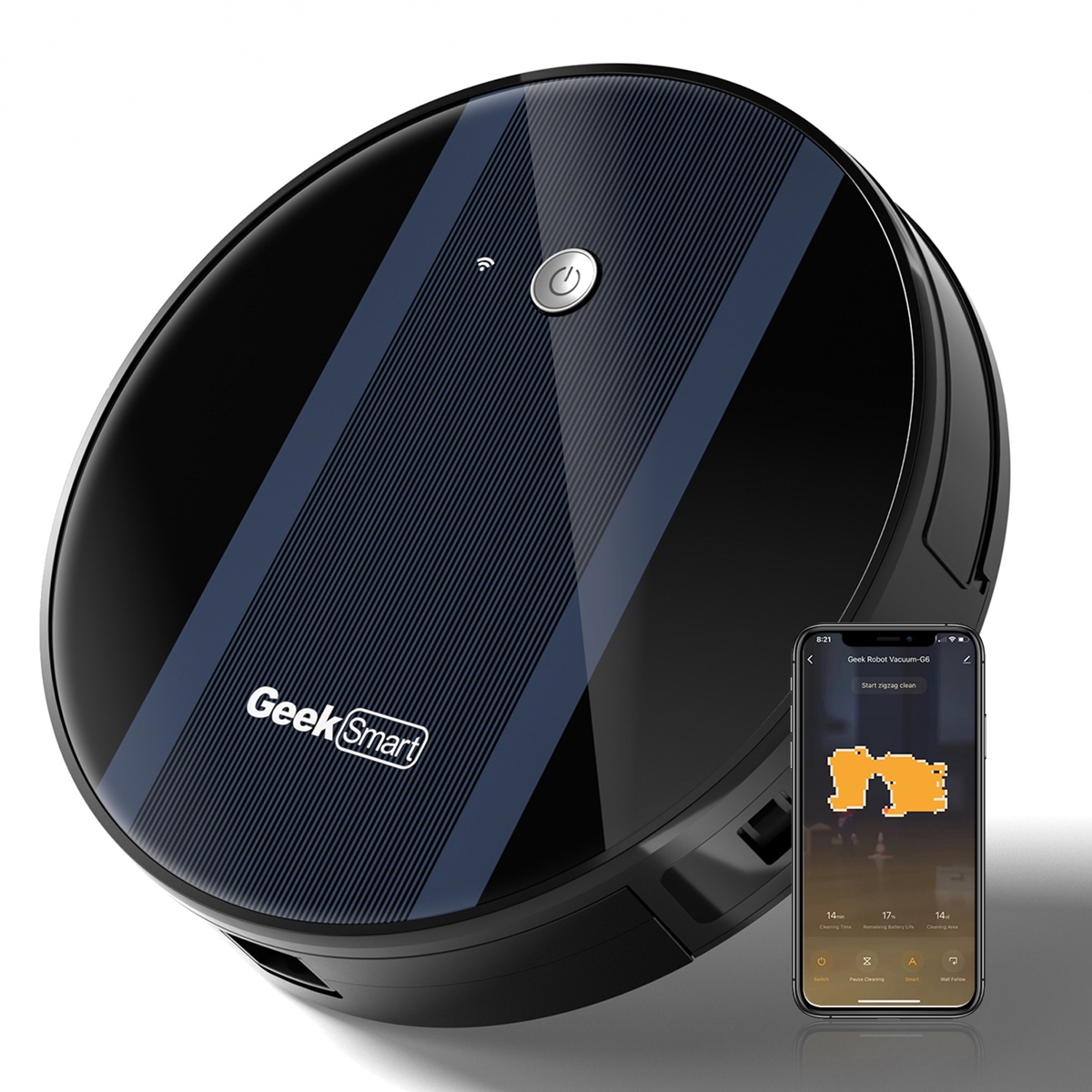 Geek Smart Robot Vacuum Cleaner G6 Plus, Ultra-Thin, 1800Pa Strong Suction, Automatic Self-Charging, Wi-Fi Connectivity, App Control, Custom Cleaning, Great For Hard Floors To Carpets.Ban On Amazon$215.99View on Mallflare
 Neato Botvac 75 Smart Cleaning Robotic Vacuum Robot Refurbished$119.97Last checked Nov 14, 2026View on eBay
Highlights
- Navigation tier determines efficiency: LiDAR or vSLAM models map rooms and clean in systematic rows; gyro/random-bounce models wander and miss zones.
- Suction is only half the story: 1800-2500Pa is entry-level; 4000Pa+ with a sealed airflow path and rubber brushroll lifts carpet debris without hair tangles.
- Dock tier changes ownership cost: self-empty bases hold weeks of debris, while self-wash mop docks add plumbing and periodic cleaning of the base itself.
- Battery capacity and runtime track floor area: 2500-3500mAh covers small flats; 5000mAh+ with auto-recharge-and-resume handles multi-room homes.
Best use cases
- Best fit for hard floors and pet hair: pick a model with a rubber or combo brushroll and 2500Pa+ suction; skip bristle-only brushes that wrap hair.
- Best fit for wall-to-wall carpet: choose 4000Pa+ suction with a sealed brush housing and carpet boost; skip ultra-thin 1800Pa units marketed for low clearance.
- Wrong fit for multi-level homes without a second dock: a single-floor map model won't climb stairs; buy one unit per floor or carry it, and skip models that require re-mapping after each move.
- Best fit for hands-off maintenance: self-empty dock if you empty bins more than weekly; skip self-wash mop docks if you won't clean the base tray.
Buying tips
- Measure doorway thresholds and rug pile: robots need ~2cm climbing clearance and 8-9cm body height to pass under sofas; ultra-thin models under 8cm clear low furniture but carry smaller bins.
- Match battery to square footage: 2500mAh ≈ 60-90 min ≈ 60-80m²; 5000mAh+ with auto-resume covers 150m²+ without manual re-docking.
- Check brush type against floor: rubber brushrolls resist hair wrap on hard floors and pet hair; bristle brushes agitate carpet better but tangle long hair.
- Verify connectivity and zones: Wi-Fi 2.4GHz is required for app pairing; mapping models support no-go zones and per-room schedules, random-bounce models do not.
Specs
| Navigation | LiDAR / vSLAM / random-bounce |
|---|---|
| Suction Power | 1800-2500Pa entry; 4000Pa+ carpet |
| Battery / Runtime | 2500-5000mAh; 60-180 min |
| Dock Type | Charge-only / self-empty / self-wash |
Related searches
What to check before buying
- Measure the gap under sofas, beds, and toe-kicks; confirm robot height (8-10cm typical) and threshold climb before buying.
- Confirm a 2.4GHz Wi-Fi band and phone OS compatibility for app control; 5GHz-only networks block pairing on many models.
- Check dock footprint and clearance: self-empty bases need side and top clearance for the bag/bin and power outlet access.
- For mop models, confirm water tank capacity and whether the pad is washable or disposable; self-wash docks need a nearby outlet and drain/refill routine.
FAQ
Data sources: eBay / Amazon listings and product attribute feeds. Updated Nov 22, 2026.
Some links on this page are affiliate links. If you buy after clicking one, we may earn a commission at no extra cost to you. This does not change which products appear here or their order. Affiliate disclosure.