
Photos from current listings. Actual item, color, and included accessories may vary.
Smart Floor Cleaner Buying Guide
A smart floor cleaner spans two distinct architectures: robotic vacuums that autonomously map and clean floors, and cordless wet-dry vacuums that combine vacuuming and mopping in one manual pass. The core trade-off is autonomy versus deep-cleaning power—robots win on daily maintenance, while wet-dry stick vacuums win on scrubbing and spill recovery. Buy a robot only if you have mostly hard floors with low-pile rugs; buy a wet-dry cordless if you need to tackle sticky messes, pet accidents, or deep grout cleaning.
At a glance
- Category
- Smart Cleaning
- Last updated
- Nov 22, 2026
Current offers
 Tineco Floor One S3 Smart Cordless All-in-One Vacuum Cleaner, Self-Cleaning$69.00Last checked Nov 22, 2026View on eBay
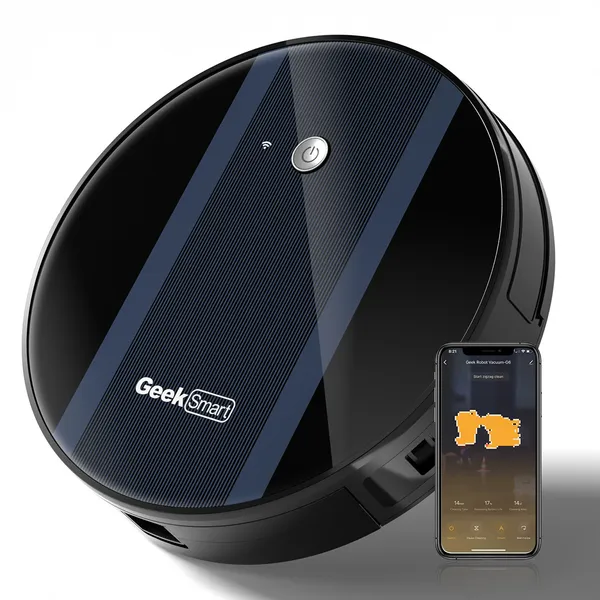 Geek Smart Robot Vacuum Cleaner G6; Ultra-Thin; 1800Pa Strong Suction; Automatic Self-Charging; App Control; Custom Cleaning; Great For Hard Floors To Carpets$146.99View on Mallflare
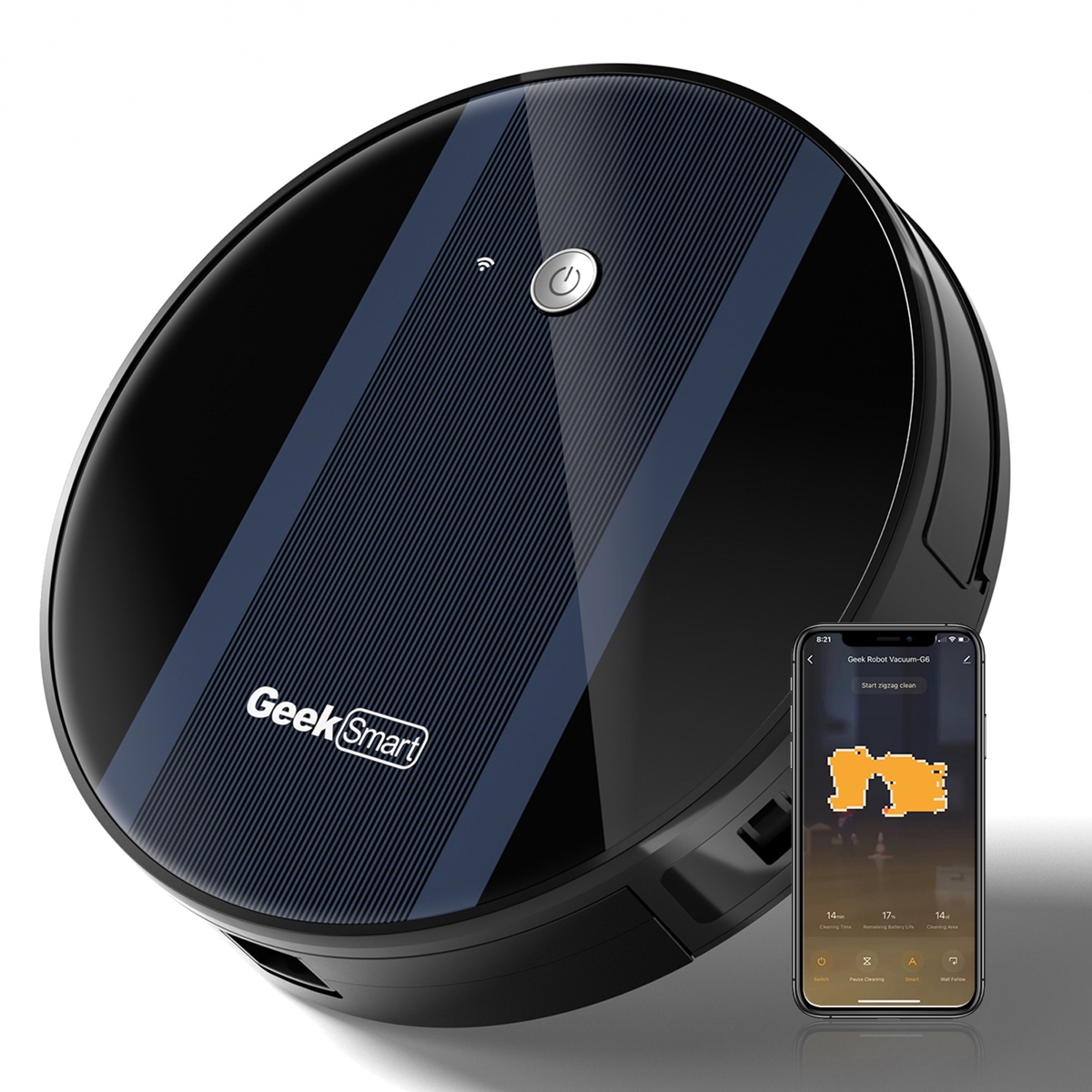 Geek Smart Robot Vacuum Cleaner G6 Plus, Ultra-Thin, 1800Pa Strong Suction, Automatic Self-Charging, Wi-Fi Connectivity, App Control, Custom Cleaning, Great For Hard Floors To Carpets.Ban On Amazon$215.99View on Mallflare
Highlights
- Robot vacuums under 1800Pa suction are entry-level; 2000Pa+ is needed for embedded dirt in low-pile carpet, while 4000Pa+ units handle medium-pile rugs.
- Wet-dry cordless vacuums separate clean and dirty water in dual tanks; tank capacity of 0.5L clean/0.4L dirty is the practical minimum for a full-room pass.
- Self-cleaning stations for wet-dry vacuums flush the brush roll and tubing with clean water, preventing odor and biofilm buildup between uses.
- LiDAR navigation robots map rooms in real time and allow no-go zones; gyro-only robots bounce randomly and miss spots in cluttered layouts.
Best use cases
- Best fit: daily dust and hair removal on hard floors and low-pile rugs—pick a LiDAR robot with 2000Pa+ suction and a 0.4L+ dustbin, skip gyro-only models.
- Best fit: weekly deep cleaning of kitchens, bathrooms, and tile grout—pick a cordless wet-dry vacuum with dual tanks and self-cleaning, skip robots without mopping pads.
- Wrong fit: homes with wall-to-wall medium-pile carpet—a wet-dry vacuum's mopping function is wasted, and a robot needs 4000Pa+ suction to be effective.
- Wrong fit: multi-level homes without a charging dock on each floor—robots cannot climb stairs, so a lightweight cordless stick vacuum is more practical.
Buying tips
- Match suction to floor type: 1800–2000Pa for hard floors and low-pile rugs, 3000–4000Pa for medium-pile carpet and pet hair.
- Check robot height: ultra-thin models under 3 inches fit under sofas and beds, but taller LiDAR turrets (3.5–4 inches) block them from low-clearance areas.
- For wet-dry vacuums, verify the dirty tank is at least 0.4L and the clean tank 0.5L; smaller tanks require refills mid-clean on rooms over 200 sq ft.
- Prefer robots with Wi-Fi app control and scheduling over remote-only models; app-based no-go zones and per-room cleaning are essential for cluttered homes.
Specs
| Cleaner Type | Robot vacuum vs cordless wet-dry |
|---|---|
| Suction Power | 1800–4000Pa (robot) / 100+ AW (cordless) |
| Navigation | LiDAR mapping vs gyro random |
| Tank Capacity | 0.4–0.6L dirty / 0.5–0.8L clean |
Related searches
What to check before buying
- Measure floor clearance under furniture: robot height must be less than the gap under sofas, beds, and cabinets (typically 3–4 inches).
- Confirm floor type: robots with mopping pads are safe on sealed hard floors but can damage unsealed wood or laminate with standing water.
- Check voltage and plug standard: cordless wet-dry vacuums sold in North America are 120V; European models are 220–240V and need a converter.
- Verify the robot's charging dock footprint and required wall clearance—most need 3–5 inches on each side and a nearby outlet.
FAQ
Data sources: eBay / Amazon listings and product attribute feeds. Updated Nov 22, 2026.
Some links on this page are affiliate links. If you buy after clicking one, we may earn a commission at no extra cost to you. This does not change which products appear here or their order. Affiliate disclosure.