
Photos from current listings. Actual item, color, and included accessories may vary.
Smart Cleaning Robot Buying Guide
Smart cleaning robots split into two distinct architectures: floor robots (vacuum/mop combos) and window-cleaning robots (suction-mounted glass cleaners). The core trade-off is suction power and navigation intelligence on floors versus vacuum adhesion strength and safety tethering on windows. Buy a floor robot with at least 2000Pa and LiDAR or gyro navigation for hard floors-to-carpet transitions, or a window robot with 2800Pa+ adsorption and a physical safety rope for exterior glass.
At a glance
- Category
- Smart Cleaning
- Last updated
- Nov 22, 2026
Current offers
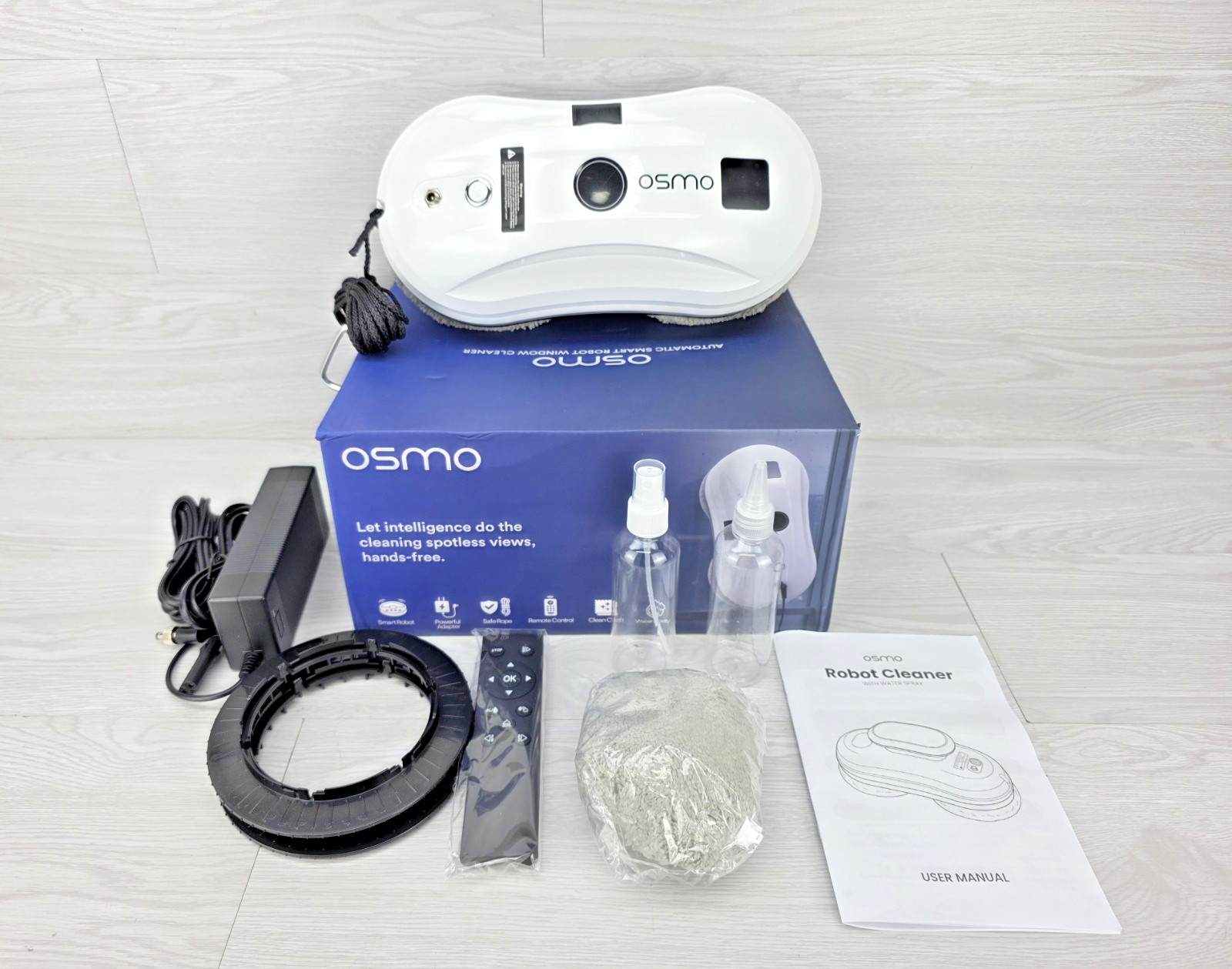 Osmo RoboClean Smart Cleaning Robot Window Cleaner Remote Control Spare Pads$54.01View on eBay
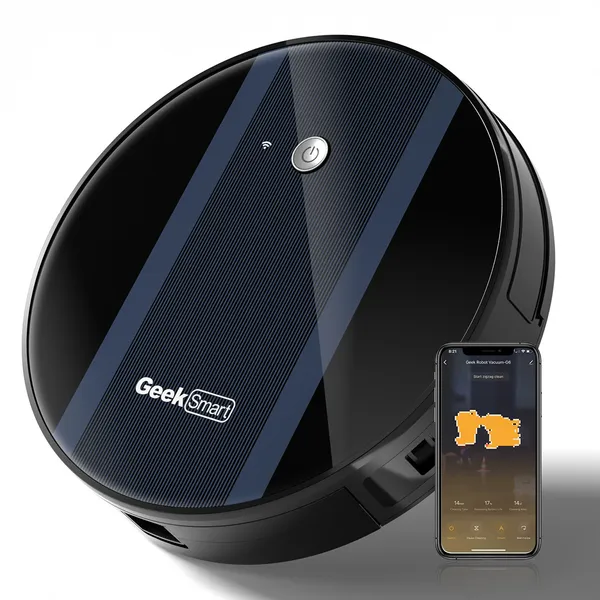 Geek Smart Robot Vacuum Cleaner G6; Ultra-Thin; 1800Pa Strong Suction; Automatic Self-Charging; App Control; Custom Cleaning; Great For Hard Floors To Carpets$146.99View on Mallflare
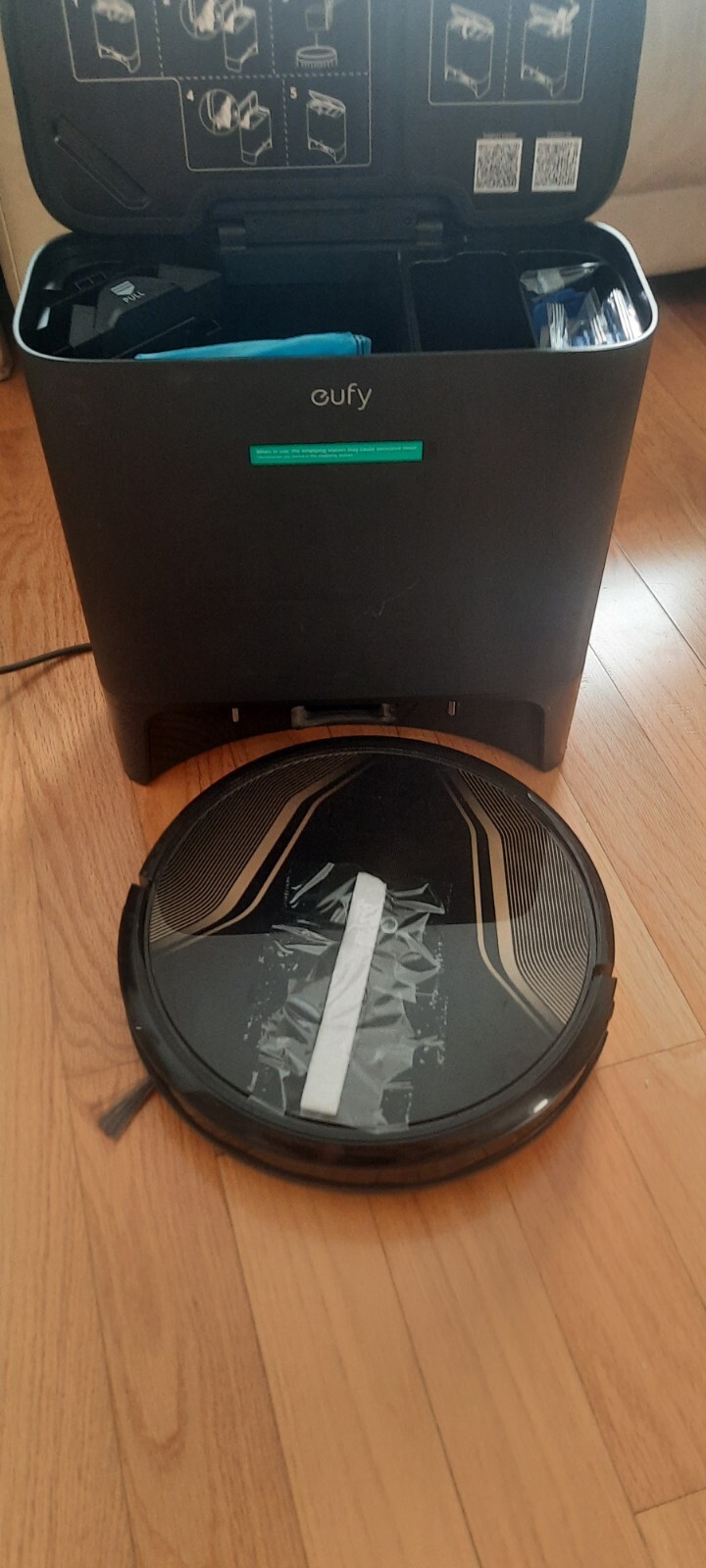 eufy robovac G40+ all in one smart cleaning robot. Comes with extra accessories$70.00View on eBay
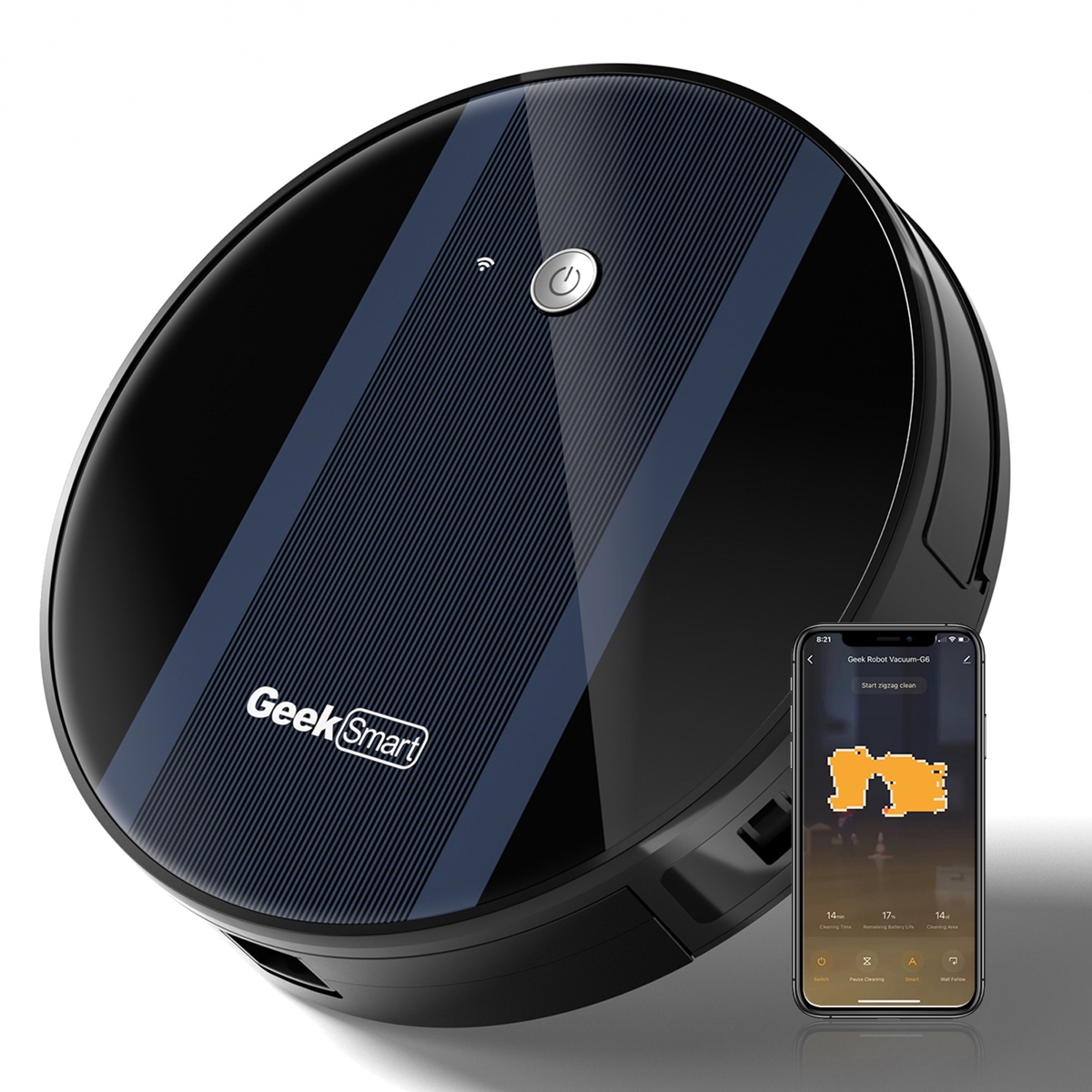 Geek Smart Robot Vacuum Cleaner G6 Plus, Ultra-Thin, 1800Pa Strong Suction, Automatic Self-Charging, Wi-Fi Connectivity, App Control, Custom Cleaning, Great For Hard Floors To Carpets.Ban On Amazon$215.99View on Mallflare
 NEW Window Cleaning Robot Automatic Smart Cleaning Robot 3-modes$89.99Last checked Nov 22, 2026View on eBay
 HIXZAP Smart Window Cleaning Robot Automatic Glass Cleaner Suction Anti-Drop$49.99Last checked Nov 21, 2026View on eBay
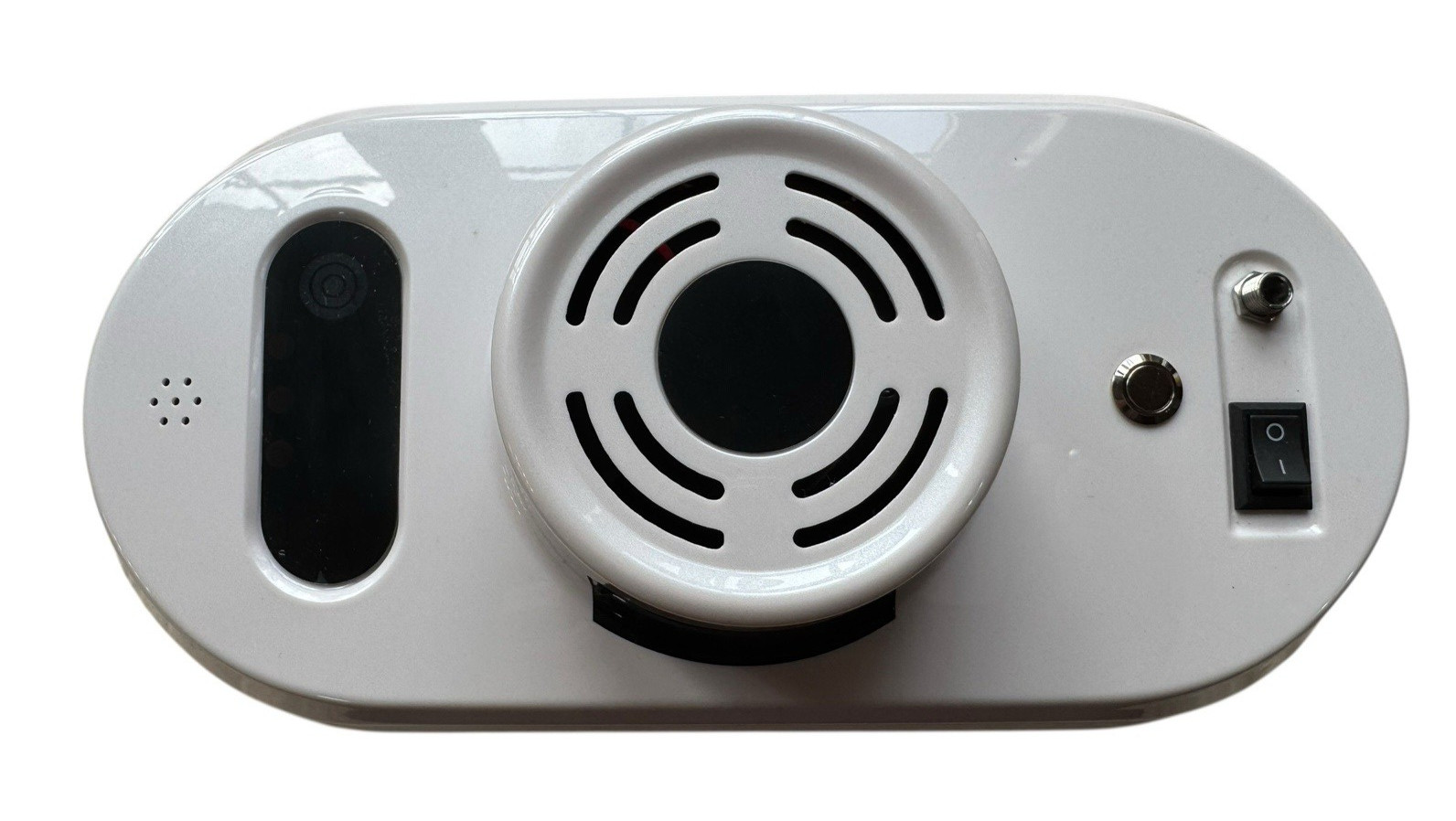 Automatic Smart Cleaning Window Robot Window Cleaner with Remote Control$53.98Last checked Nov 21, 2026View on eBay
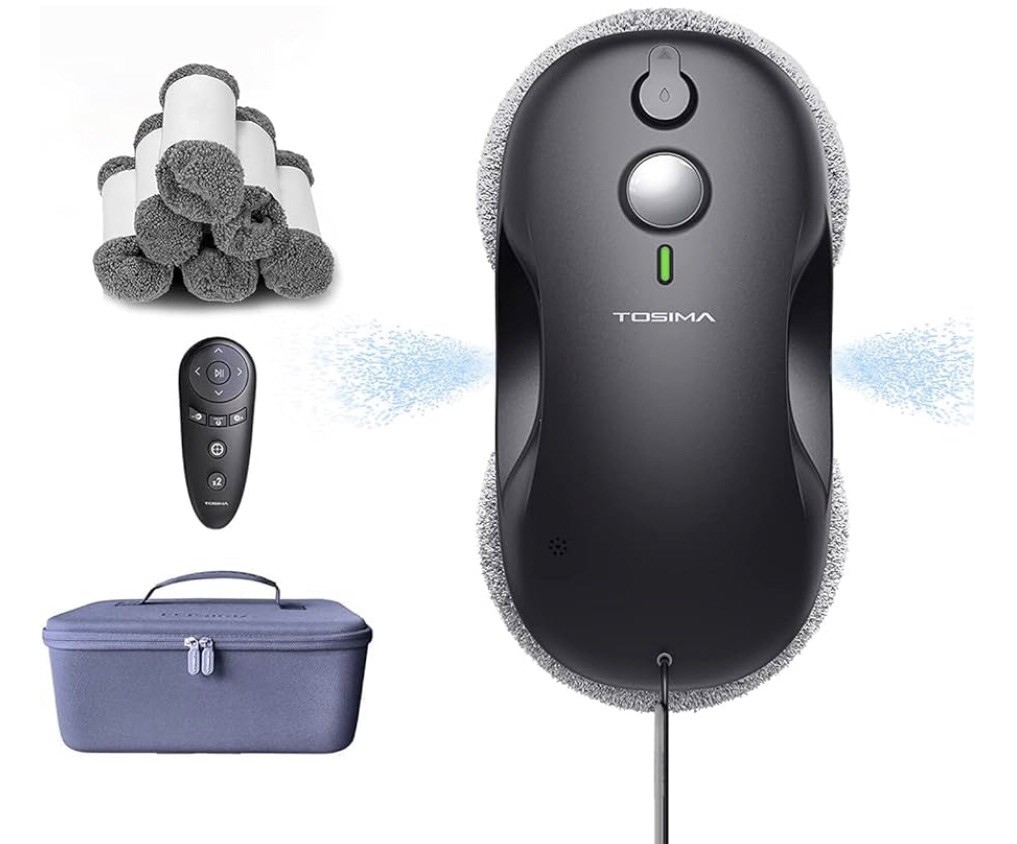 Tosima W3 Window Cleaning Robot, Dual Direction Auto-Spray Smart Navigation Safe$59.90View on eBay
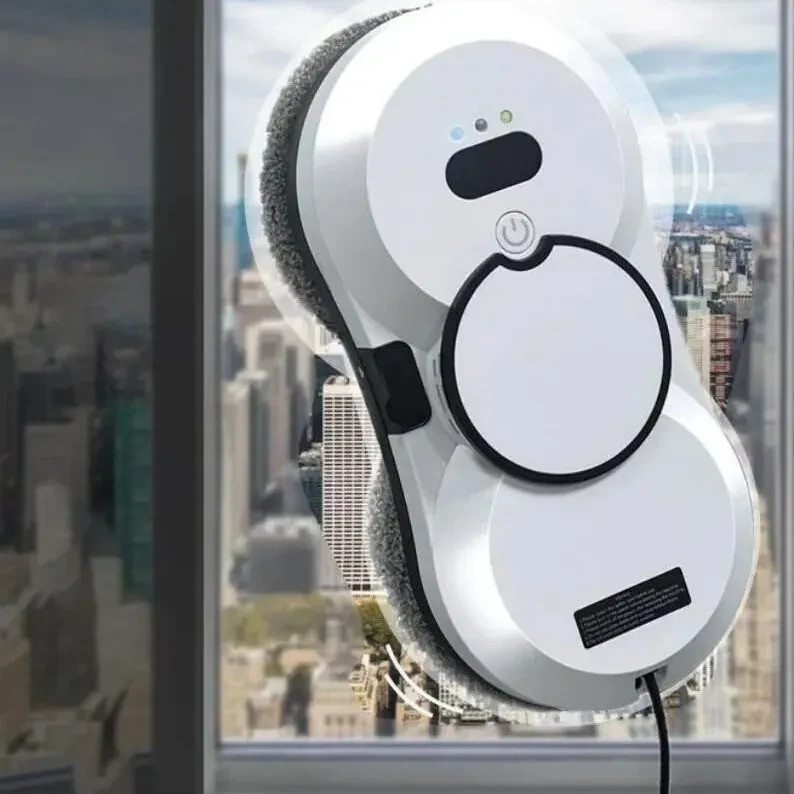 Robot Window Cleaner Smart Glass Cleaning Robotic Remote Control Indoor Outdoor$69.30View on eBay
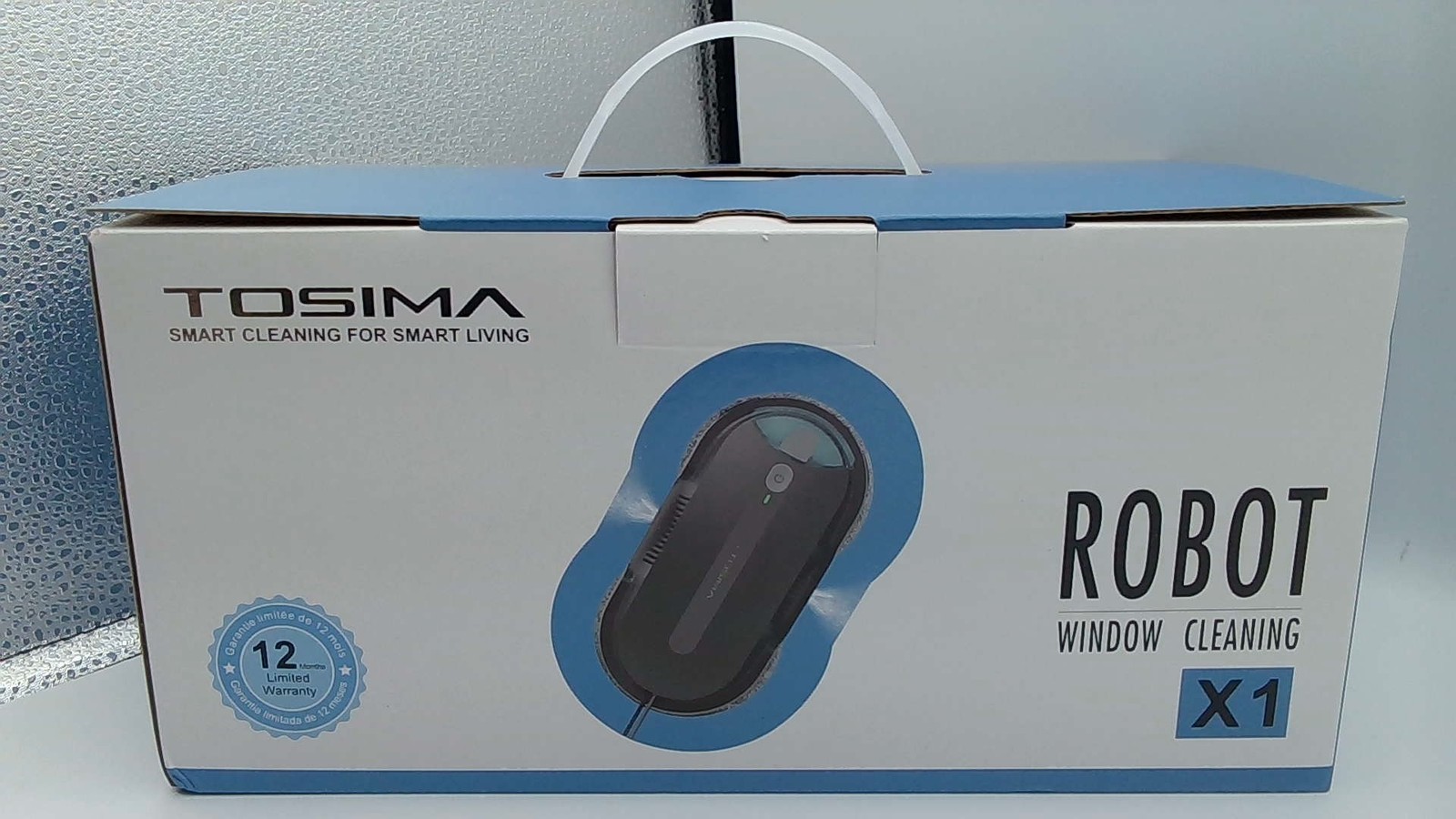 Tosima X1 Window Cleaning Robot Dual Direction Auto-Spray Smart Window Cleaner$80.99Last checked Nov 21, 2026View on eBay
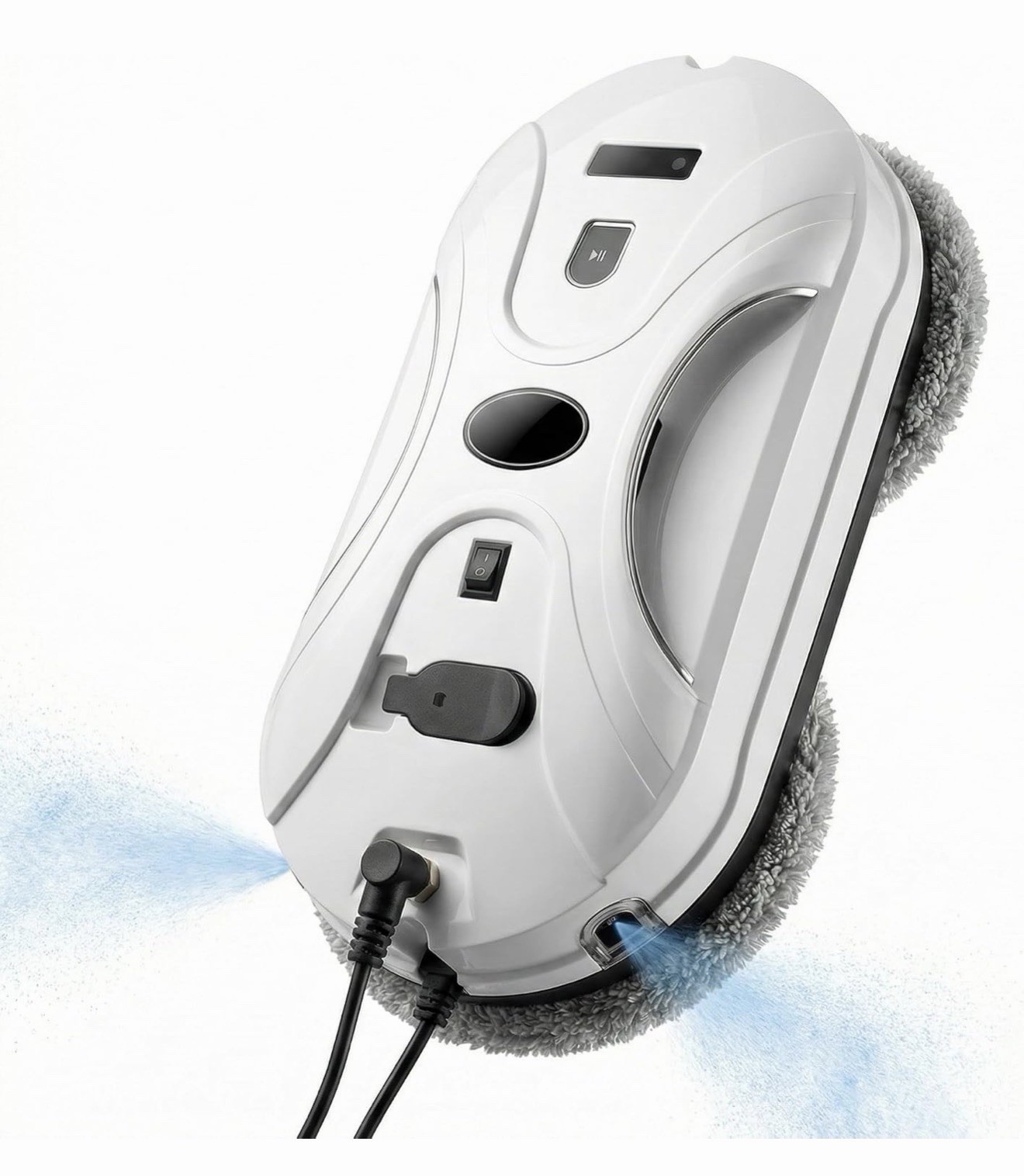 Automatic Window Cleaning Robot Smart Glass Cleaner with Remote Control$80.99View on eBay
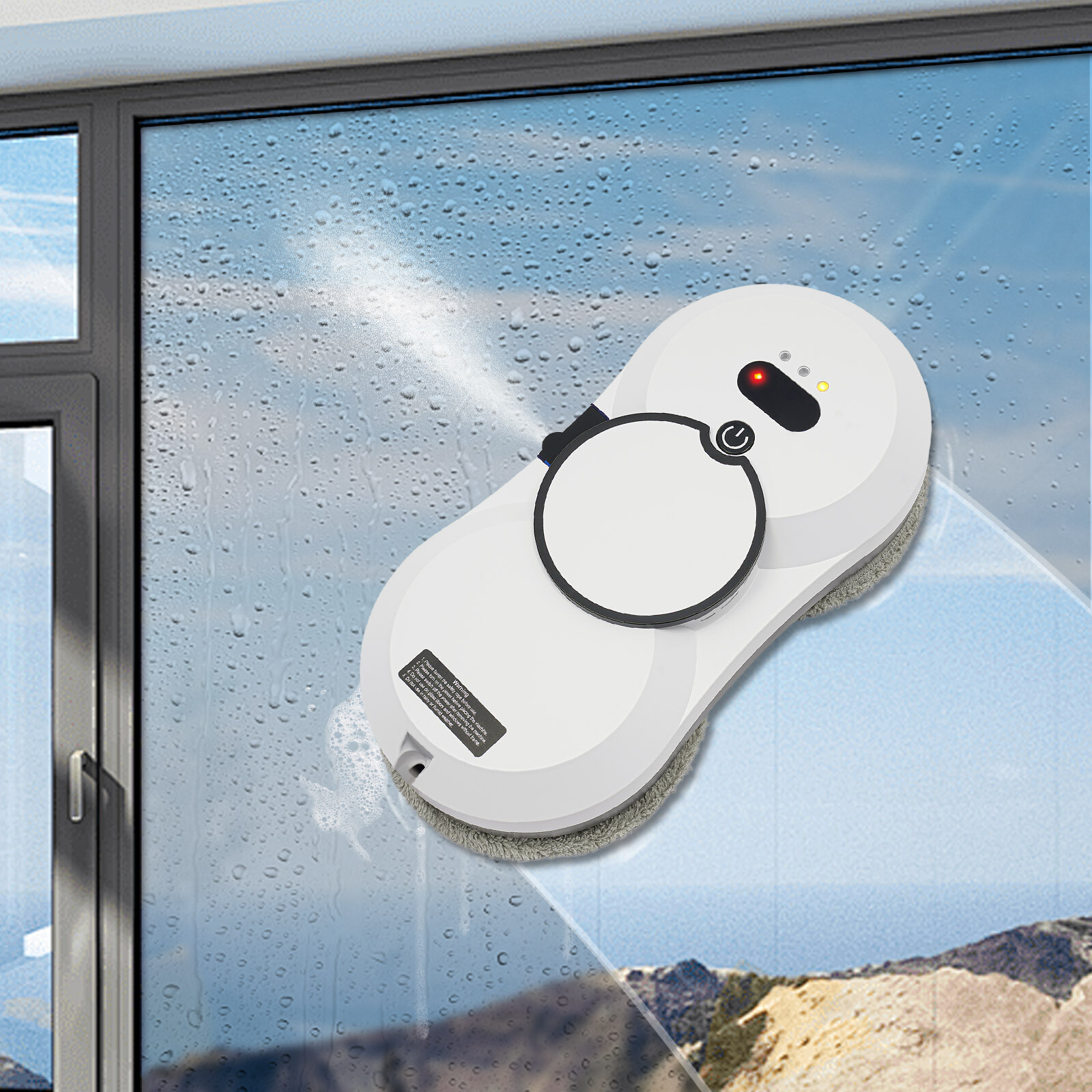 Window Cleaning Robot, Smart Window Cleaner with Automatic Water Spray Remotes$88.74View on eBay
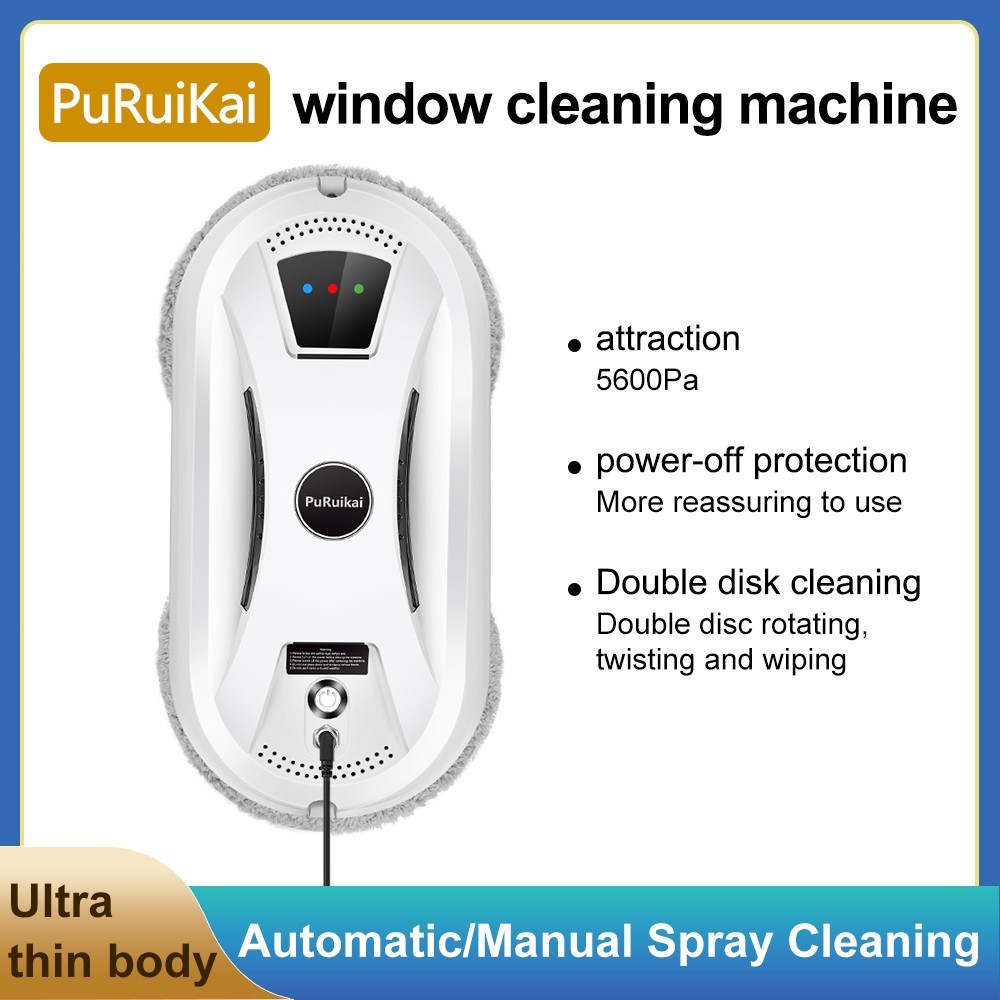 Smart Window Cleaning Robot, Remote Control Glass Cleaner, One-Button Operation$93.10Last checked Nov 18, 2026View on eBay
 X1 Window Cleaning Robot 6400Pa Smart Variable Suction Dual Spray Remote$109.00Last checked Nov 21, 2026View on eBay
 Window Cleaner Robot Smart Glass Cleaning Remote Control Cleaning 3200Pa Suction$110.71View on eBay
- Window Cleaner Robot Smart Glass Cleaning Remote Control Cleaning 3200Pa Suction$110.83View on eBay
- Window Cleaner Robot Smart Glass Cleaning Remote Control Cleaning 3200Pa Suction$110.83View on eBay
- Window Cleaner Robot Smart Glass Cleaning Remote Control Cleaning 3200Pa Suction$111.35View on eBay
 Smart Window Cleaning Robot Dual Spray Glass Cleaner Vacuum w/ Remote Control$119.51View on eBay
- Smart Window Cleaning Robot Dual Spray Glass Cleaner Vacuum w/ Remote Control$119.78Last checked Nov 22, 2026View on eBay
Highlights
- Floor robots under 2000Pa are entry-tier and struggle with embedded carpet dirt; 2700-4000Pa units handle medium-pile carpets and pet hair reliably.
- Navigation grade decides coverage: gyroscope + bump sensors wander; LiDAR or camera SLAM maps rooms and enables no-go zones and scheduled zone cleaning.
- Window robots rely on vacuum adsorption (typically 2800-4000Pa) plus a safety rope and UPS backup to prevent falls during power loss.
- Floor robot batteries cluster at 2500-5200mAh; runtime scales roughly 1 minute per 10mAh under standard suction, so 5200mAh delivers 90+ minutes.
Best use cases
- Best fit: apartments with hard floors and low-pile rugs — pick a 2700Pa+ LiDAR floor robot with a 400ml+ dustbin and 150ml+ water tank; skip sub-1800Pa gyro models.
- Best fit: multi-story homes with exterior floor-to-ceiling glass — choose a corded window robot with 3000Pa+ suction, edge-detection sensors, and a tether rated to the glass height.
- Wrong fit: high-pile or shag carpets — standard floor robots clog and stall; only robots with 4000Pa+ and rubber bristle rollers are appropriate.
- Wrong fit: frameless or textured/frosted glass — window robots need a smooth sealed surface and a frame to grip; skip these and use a manual squeegee.
Buying tips
- Match suction to floor: 1800-2200Pa for hard floors only, 2700-3500Pa for low-pile rugs, 4000Pa+ for medium-pile carpet and pet households.
- For window robots, confirm the safety rope length exceeds the window drop and that the UPS backup holds suction for at least 20-30 minutes after power loss.
- Check floor robot clearance: ultra-thin bodies under 3 inches slide under sofas and beds; measure gap height before choosing a standard 3.5-inch unit.
- Window robots require a power cord to the glass — verify a nearby outlet reachable by the included cable length plus extension, since battery-only window units are rare and short-runtime.
Specs
| Robot Type | Floor vacuum/mop vs window glass |
|---|---|
| Suction Power | 1800-4000Pa+ (floor) / 2800-4000Pa (window) |
| Navigation | Gyro/bump vs LiDAR/camera SLAM |
| Battery & Runtime | 2500-5200mAh / 60-150 min (floor) |
Related searches
What to check before buying
- Measure floor transition height: robots climb thresholds up to 0.6-0.8 inches; taller lips need ramps or a different model.
- For window robots, confirm the glass is smooth, untextured, and framed, and that the pane width exceeds the robot's minimum footprint (usually 12x12 inches).
- Check voltage and plug standard: corded window robots are region-specific (110V vs 220V); confirm the plug type matches your outlet.
- Verify companion parts: floor robots need replacement brushes and filters every 2-3 months; window robots need spare cleaning pads and a spare safety rope.
FAQ
Data sources: eBay / Amazon listings and product attribute feeds. Updated Nov 22, 2026.
Some links on this page are affiliate links. If you buy after clicking one, we may earn a commission at no extra cost to you. This does not change which products appear here or their order. Affiliate disclosure.