
Photos from current listings. Actual item, color, and included accessories may vary.
Self Cleaning Vacuum Buying Guide
Self-cleaning vacuums fall into two architectures: wet/dry floor cleaners that auto-rinse their brush and dock, and robot vacuums that auto-empty debris into a base. The core trade-off is dock complexity versus cleaning role — brush-rinse tanks handle spills and mopping, while auto-empty bases handle daily debris without bin touches. Buy a docked system only if you will maintain its consumables and have floor space for the base; otherwise a manual-empty unit with a larger bin is the more durable choice.
At a glance
- Category
- Smart Cleaning
- Last updated
- Nov 22, 2026
Current offers
 Tineco Floor One S3 Smart Cordless All-in-One Vacuum Cleaner, Self-Cleaning$69.00Last checked Nov 22, 2026View on eBay
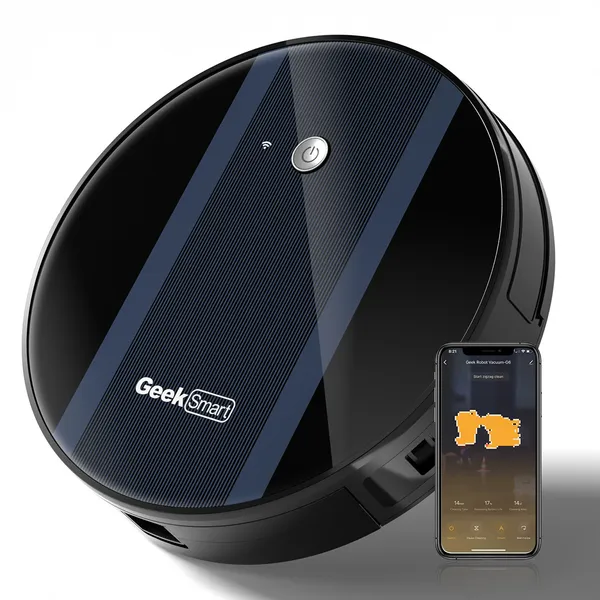 Geek Smart Robot Vacuum Cleaner G6; Ultra-Thin; 1800Pa Strong Suction; Automatic Self-Charging; App Control; Custom Cleaning; Great For Hard Floors To Carpets$146.99View on Mallflare
 iRobot Roomba j7+ Self-Emptying Vacuum Cleaning Robot - Certified Refurbished!$199.99Last checked Nov 18, 2026View on eBay
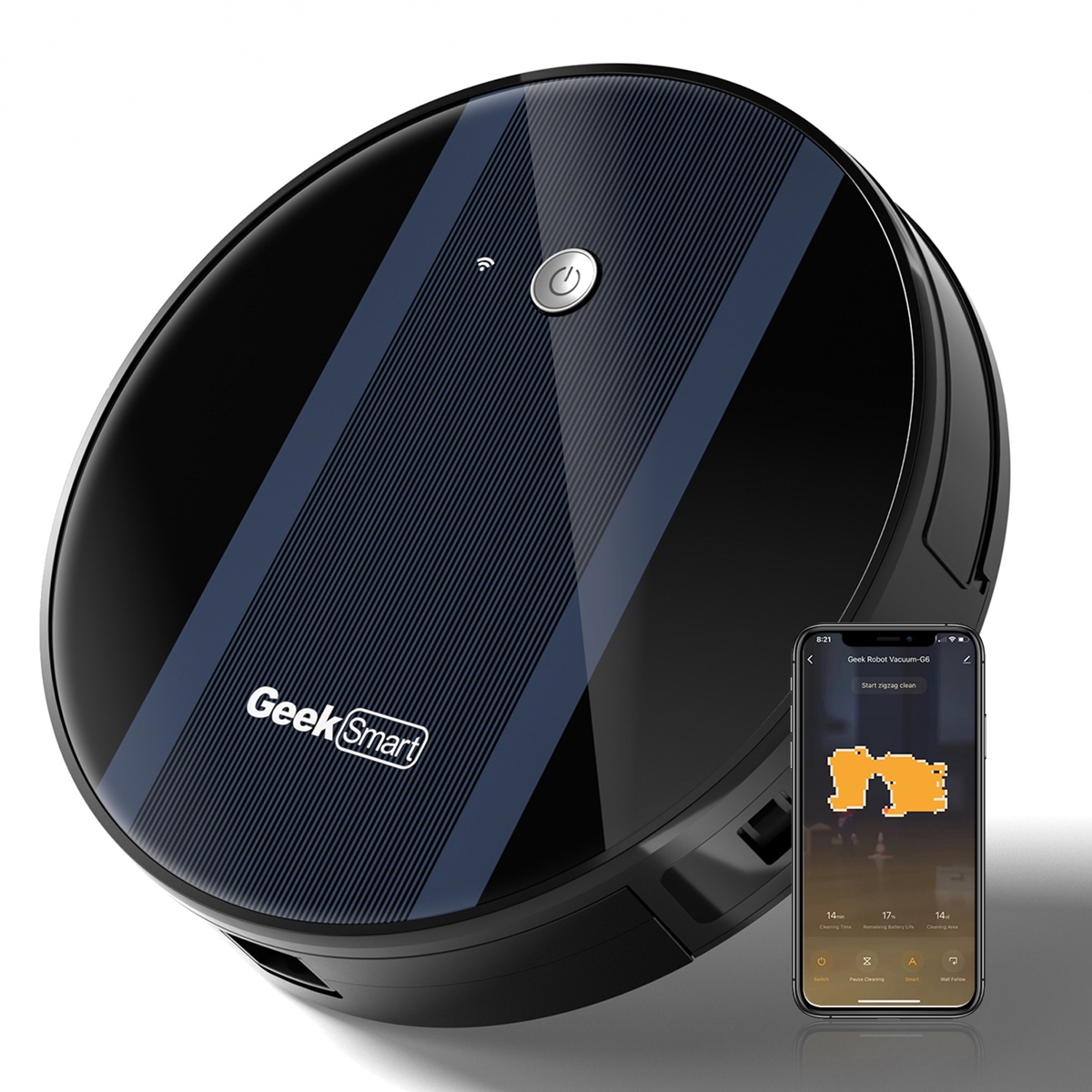 Geek Smart Robot Vacuum Cleaner G6 Plus, Ultra-Thin, 1800Pa Strong Suction, Automatic Self-Charging, Wi-Fi Connectivity, App Control, Custom Cleaning, Great For Hard Floors To Carpets.Ban On Amazon$215.99View on Mallflare
Highlights
- Wet self-cleaning floor cleaners use a motorized brush roll rinsed by the dock; dirty-water and clean-water tanks are separate, typically 0.6–0.8 L each.
- Robot auto-empty bases use a high-power suction transfer into a sealed bag or bin; bagged bases hold roughly 30–60 days of debris, bagless bins need manual dumping.
- Self-cleaning docks require consumables: brush rolls, filters, and cleaning solution; robot bases add bags or bin seals, so ongoing cost and part availability matter.
- Suction on robot vacuums is rated in Pa — 1800 Pa handles hard floors and low-pile carpet, while 2500 Pa+ is needed for medium-pile and pet hair.
Best use cases
- Pick a wet/dry self-cleaning floor cleaner (e.g., Tineco Floor One series) if you have hard floors, tile, or sealed wood and want mop-and-vacuum in one pass with auto brush rinse.
- Pick a self-emptying robot (e.g., Roomba j7+ class) if you want hands-off daily debris removal on carpet and hard floors and can site a base with clearance.
- Skip a self-emptying robot if your home is multi-level or cluttered with cables and pet accidents — mapping robots need clear floors and a single-level map to work reliably.
- Skip a wet/dry floor cleaner if you have wall-to-wall high-pile carpet; the wet brush roll and solution are designed for hard surfaces, not deep carpet.
Buying tips
- Match suction to flooring: 1800 Pa for hard floors and low-pile, 2500 Pa+ for medium-pile carpet and pet hair; higher Pa drains battery faster.
- Check dock footprint before buying: auto-empty bases need roughly 30–40 cm clearance on sides and front for the robot to dock and empty reliably.
- Confirm consumable availability — brush rolls, filters, and bags are model-specific; a dock with no replacement parts becomes a manual vacuum.
- For wet cleaners, verify tank capacity: 0.6 L clean water covers roughly 50–70 m² per fill; larger homes need a second fill or a bigger tank.
Specs
| Cleaning Type | Wet/dry floor cleaner vs dry robot |
|---|---|
| Self-Clean Mechanism | Brush-rinse dock vs auto-empty base |
| Suction Power | 1800–2500+ Pa (robot vacuums) |
| Tank / Bin Capacity | 0.6–0.8 L tanks; 30–60 day base |
Related searches
What to check before buying
- Measure the dock site: base width plus 10 cm each side, and a power outlet within cord reach; robot bases are taller than the robot itself.
- Check floor transitions: thresholds over 20 mm can block robots; wet cleaners need sealed hard floors that tolerate moisture.
- Verify voltage and plug standard for your region — corded docks are region-specific, and battery chargers are 100–240 V only if stated.
- Confirm companion parts: replacement brush rolls, filters, and bags should be listed for the exact model before you commit to the dock ecosystem.
FAQ
Data sources: eBay / Amazon listings and product attribute feeds. Updated Nov 22, 2026.
Some links on this page are affiliate links. If you buy after clicking one, we may earn a commission at no extra cost to you. This does not change which products appear here or their order. Affiliate disclosure.