
Photos from current listings. Actual item, color, and included accessories may vary.
Self Cleaning Robot Vacuum Buying Guide
A self-cleaning robot vacuum automates both floor cleaning and debris disposal, typically via a dock that empties the bin into a larger bag or canister. The primary trade-off is between suction power and bin/dock capacity versus the added footprint, cost, and maintenance of the self-emptying system. Durable options use brushless motors, HEPA filtration, and rigid dock components; compromises often rely on smaller bins, weaker suction, or fragile dust bags that negate the convenience.
At a glance
- Category
- Smart Cleaning
- Last updated
- Nov 22, 2026
Current offers
 iRobot Roomba j7+ Self-Emptying Vacuum Cleaning Robot - Certified Refurbished!$199.99Last checked Nov 18, 2026View on eBay
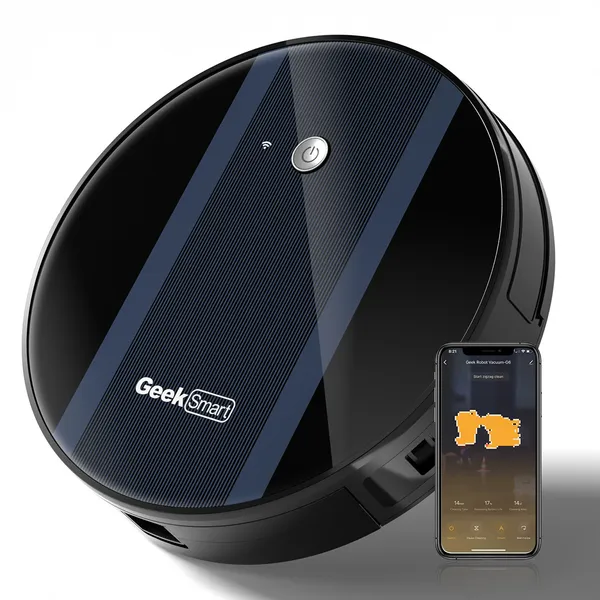 Geek Smart Robot Vacuum Cleaner G6; Ultra-Thin; 1800Pa Strong Suction; Automatic Self-Charging; App Control; Custom Cleaning; Great For Hard Floors To Carpets$146.99View on Mallflare
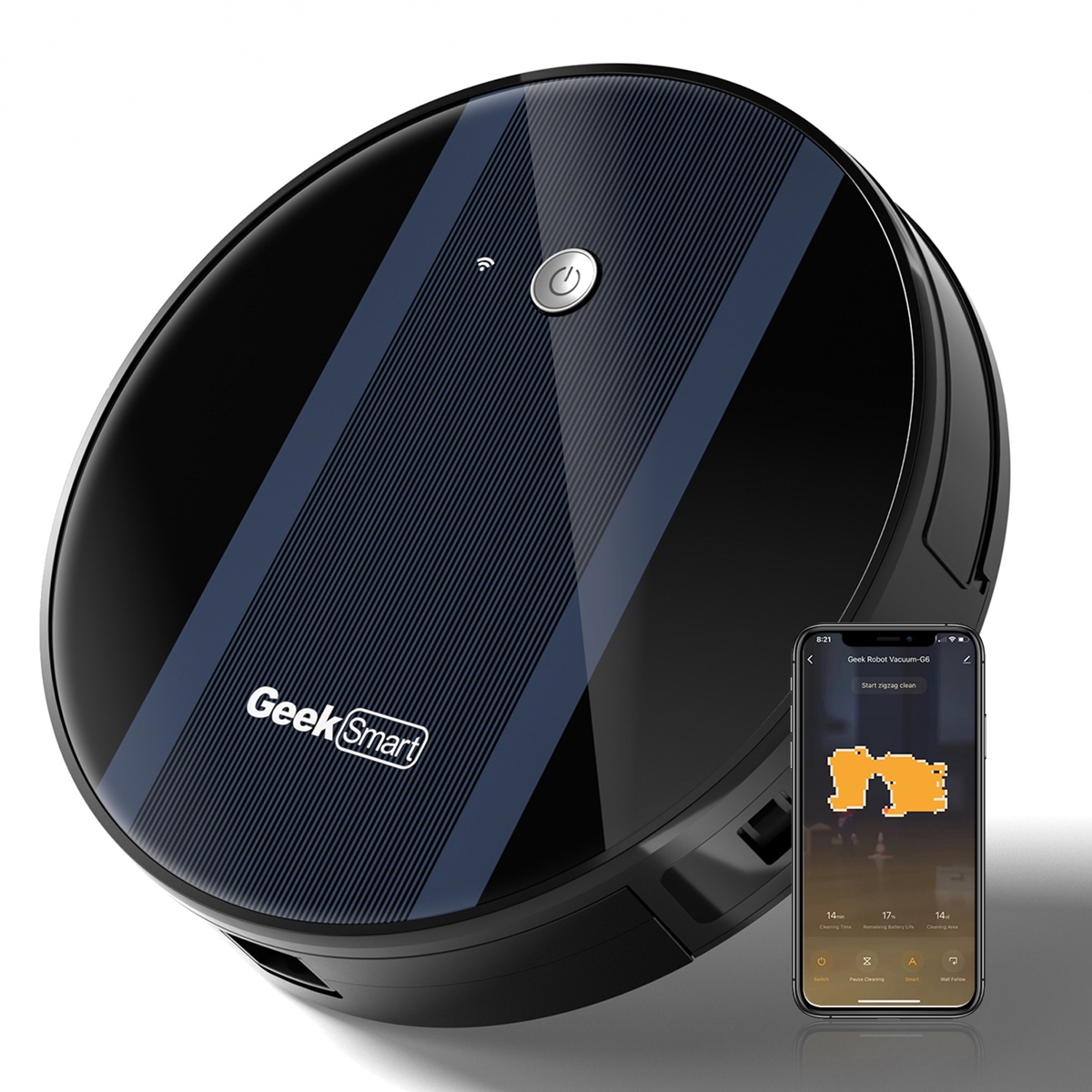 Geek Smart Robot Vacuum Cleaner G6 Plus, Ultra-Thin, 1800Pa Strong Suction, Automatic Self-Charging, Wi-Fi Connectivity, App Control, Custom Cleaning, Great For Hard Floors To Carpets.Ban On Amazon$215.99View on Mallflare
Highlights
- Self-emptying docks use either disposable bags (1-2L capacity, 30-60 days between changes) or bagless canisters (2-3L, weekly emptying); bagged systems seal allergens better but add recurring cost.
- Suction below 2000Pa suits hard floors and low-pile rugs; 2500Pa+ is needed for medium-pile carpet and pet hair, with brushless motors providing consistent power and longer lifespan than brushed motors.
- HEPA filtration (H13 or better) captures 99.95% of particles down to 0.3 microns; cheaper robots use washable foam filters that leak fine dust back into the room.
- LiDAR navigation (spinning laser turret) maps rooms accurately and enables no-go zones; camera-based navigation is cheaper but struggles in low light and may have privacy concerns.
Best use cases
- Best for multi-room homes with a mix of hard floors and low-to-medium-pile carpet: choose a model with 2500Pa+ suction, LiDAR mapping, and a bagged self-emptying dock for allergen containment.
- Best for pet owners: prioritize a rubber brushroll (resists hair tangles), 2500Pa+ suction, and a dock with a sealed bag; skip models with bristle brushes and small 0.3L bins.
- Wrong fit for cluttered rooms with many cables and obstacles: self-emptying robots need clear floor access; instead pick a manual robot or cordless vacuum for targeted cleaning.
- Wrong fit for homes with high-pile or shag carpet: most self-cleaning robots lack the suction and brush height to deep-clean; choose a dedicated upright vacuum with powered brushroll.
Buying tips
- Match dock type to maintenance preference: bagged docks (1-2L bags) require a change every 30-60 days and cost more per year; bagless docks (2-3L) need weekly emptying but no consumables.
- Check the robot's bin size: self-emptying models still have onboard bins (0.2-0.5L); smaller bins mean more frequent dock transfers and potential clogging with pet hair.
- Verify navigation: LiDAR-based mapping (e.g., Roomba j7+, Roborock S7) supports virtual walls and room-specific cleaning; gyroscope-only robots clean randomly and miss spots.
- Confirm brushroll type: rubber or combo brushrolls handle hair better than pure bristle brushes; models with extractors (like Roomba j7+) reduce tangles but may need periodic cleaning.
Specs
| Suction Power | 1800Pa (basic) / 2500Pa+ (carpet) |
|---|---|
| Dock Type | Bagged (1-2L) / Bagless (2-3L) |
| Navigation | LiDAR vs Camera vs Gyro |
| Filtration | HEPA H13 vs Washable Foam |
Related searches
What to check before buying
- Measure dock clearance: self-emptying docks need 1.5-2 ft of free space in front and above for the robot to dock and the bag/canister to be removed; check doorways and furniture gaps.
- Check floor transitions: robots can climb thresholds up to 0.6-0.8 inches; measure any steps or thick rugs to ensure the robot won't get stuck or miss areas.
- Verify voltage and plug: imported models may be 100-120V or 220-240V; ensure the dock's power supply matches your country's standard to avoid adapter hazards.
- Ensure Wi-Fi compatibility: most app-controlled robots require 2.4GHz Wi-Fi; 5GHz-only networks will prevent setup, so confirm router settings before buying.
FAQ
Data sources: eBay / Amazon listings and product attribute feeds. Updated Nov 22, 2026.
Some links on this page are affiliate links. If you buy after clicking one, we may earn a commission at no extra cost to you. This does not change which products appear here or their order. Affiliate disclosure.