
Photos from current listings. Actual item, color, and included accessories may vary.
Robotic Buying Guide
Robotic cleaners span floor vacuums/mops and window-cleaning robots, all trading suction power, navigation, and battery capacity against price and build quality. The core decision is whether you need autonomous floor coverage with mapping and self-emptying, or a specialized window bot for glass and tile. Durable options use brushless motors, LiDAR or vSLAM navigation, and HEPA filtration; compromises rely on random bounce navigation, brushed motors, and tiny batteries.
At a glance
- Category
- Smart Cleaning
- Last updated
- Nov 22, 2026
Current offers
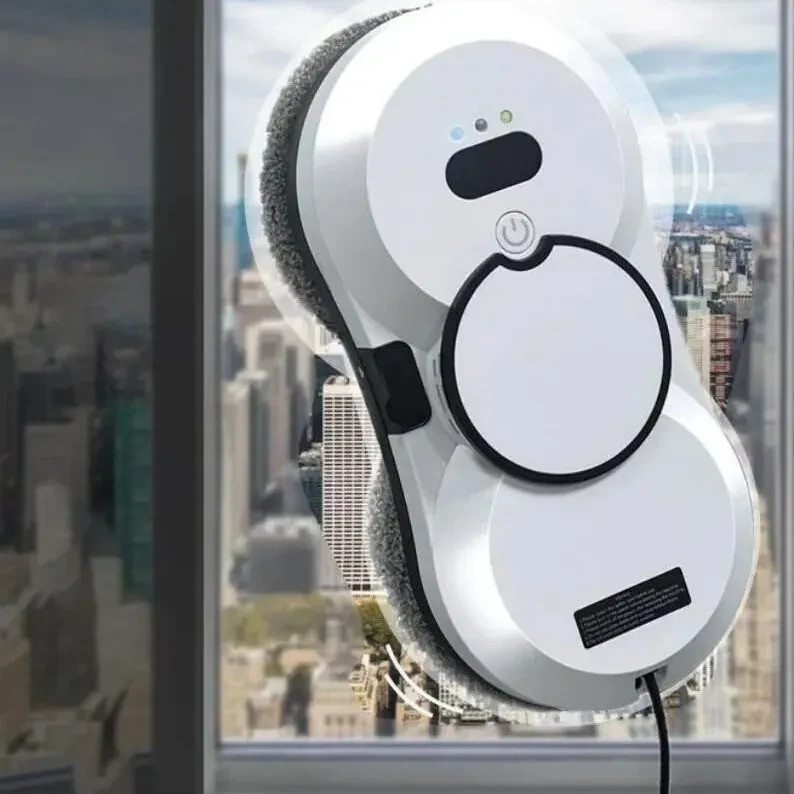 Robot Window Cleaner Smart Glass Cleaning Robotic Remote Control Indoor Outdoor$69.30View on eBay
 Neato Botvac 75 Smart Cleaning Robotic Vacuum Robot Refurbished$119.97Last checked Nov 14, 2026View on eBay
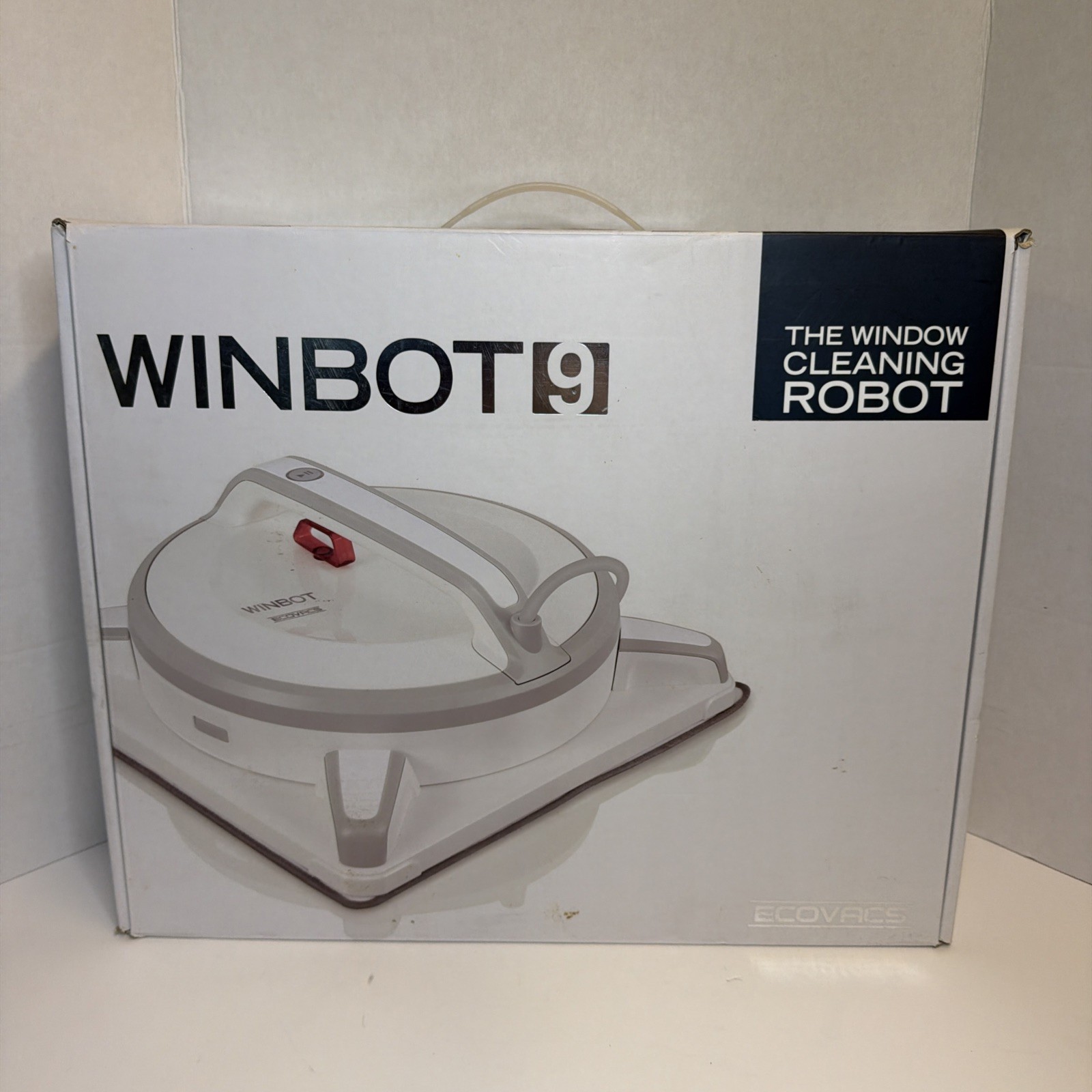 ECOVACS Robotics WINBOT 9 Window Cleaning Robot NEW$249.99New · Last checked Nov 21, 2026View on eBay
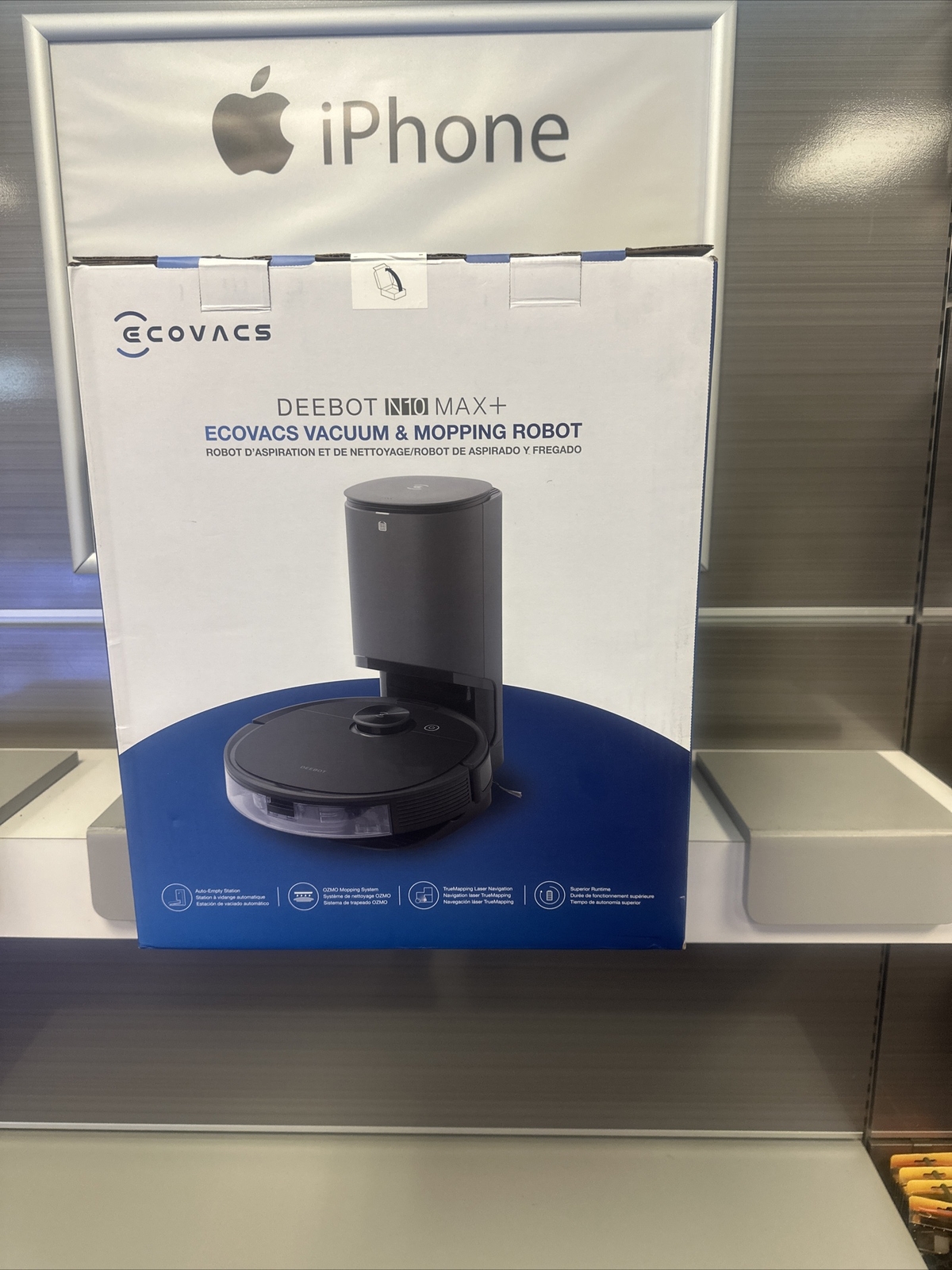 ECOVACS Robotics - DEEBOT N10 MAX+ Robot Vacuum and Mop - BLACK$450.00Last checked Nov 17, 2026View on eBay
Highlights
- Floor robots split into LiDAR/vSLAM mapping models with app zones versus gyro/bump random-navigation budget units that miss spots and repeat passes.
- Window cleaners use vacuum suction (typically 2500–6000 Pa) plus microfiber pads; higher Pa and edge-detection sensors prevent falls and streaks on frameless glass.
- Self-emptying docks hold 2–3 months of debris via 2.5–3 L bags; bagless bases need weekly manual emptying and lose the convenience premium.
- Battery capacity 2500–5200 mAh maps to 90–180 min runtime; models under 2000 mAh typically clean one room before a recharge cycle.
Best use cases
- Pick a LiDAR mapping floor robot with self-empty dock for multi-room homes with pets—skip random-navigation units that miss pet hair along walls.
- Choose a window-cleaning robot with 4000 Pa+ suction and safety tether for exterior high-rise glass; skip it for interior-only use where a microfiber kit suffices.
- Select a 2-in-1 vacuum-mop with 2500–3000 Pa for hard floors and low-pile rugs; skip combo mops on high-pile carpet where suction alone is needed.
- Opt for a refurbished flagship (e.g., Neato Botvac D-shape) only if battery health is verified; skip refurbished units without a stated battery cycle count.
Buying tips
- Match suction to flooring: 2500–3000 Pa for hard floors and low-pile, 4000 Pa+ for medium-pile carpet and pet hair; below 2000 Pa is light-duty only.
- Verify navigation tier: LiDAR or camera vSLAM enables zone cleaning and no-go lines; gyro-only models clean randomly and need physical barriers.
- For window bots, confirm glass thickness compatibility (typically 3–24 mm) and a backup battery that holds suction 20–30 minutes during power loss.
- Check dock bag capacity and filter grade: HEPA H13 or better traps fine dust; 2.5 L+ bags last 60–90 days in average homes.
Specs
| Navigation | LiDAR / vSLAM vs Gyro random |
|---|---|
| Suction Power | 2000–6000 Pa (4000+ for carpet) |
| Runtime | 90–180 min (2500–5200 mAh) |
| Dock Type | Self-empty 2.5–3 L vs manual base |
Related searches
What to check before buying
- Measure doorway thresholds and rug heights—most floor robots climb 15–20 mm; taller thresholds need ramps or a different model.
- Confirm Wi-Fi band: many robots require 2.4 GHz networks and will not connect to 5 GHz-only routers.
- For window bots, inspect frame depth and glass type—frameless or deep-recessed windows need specific pad sizes and edge sensors.
- Check voltage and plug standard for your region; cross-border imports may ship 100–120 V or 220–240 V only.
FAQ
Data sources: eBay / Amazon listings and product attribute feeds. Updated Nov 22, 2026.
Some links on this page are affiliate links. If you buy after clicking one, we may earn a commission at no extra cost to you. This does not change which products appear here or their order. Affiliate disclosure.