
Photos from current listings. Actual item, color, and included accessories may vary.
Car Vacuum Cleaner Buying Guide
Car vacuum cleaners split into two architectures: high-RPM brushless compressed-air blowers for dry debris and crevices, and motorized wet/dry vacuums with sealed dust cups for spills and pet hair. The decisive trade-off is airflow velocity versus sustained suction and filtration — blowers win on portability and RPM, vacuums win on capacity and liquid handling. Buy a sealed-cup vacuum for heavy mess, a brushless blower for light daily detailing; skip brushed-motor units that trade RPM for heat and short life.
At a glance
- Category
- Smart Cleaning
- Last updated
- Nov 22, 2026
Current offers
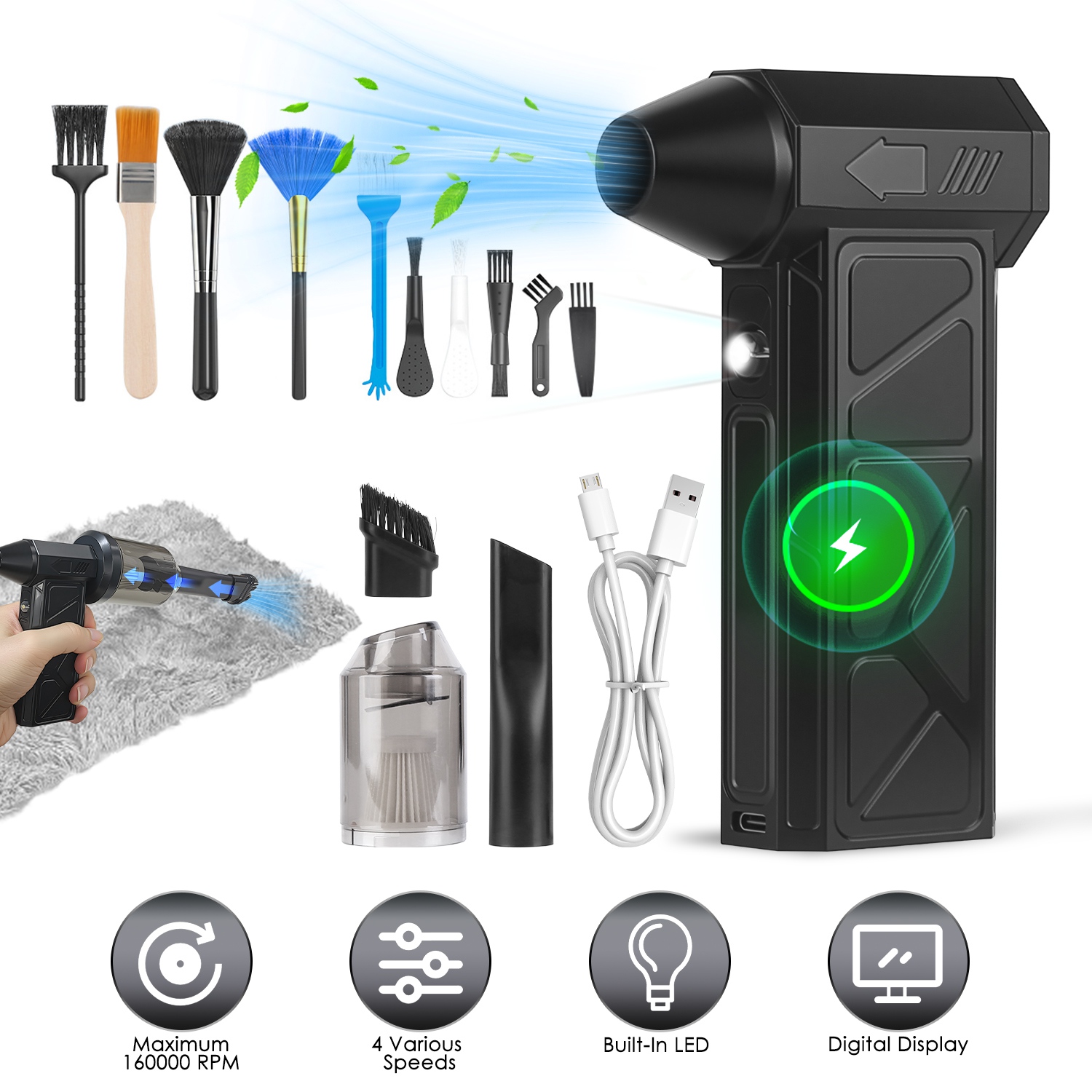 1Pc Compressed Air Duster With LED Light Vacuum Cleaner Max 160000RPM Speed For PC Keyboard Cleaning High Rechargeable Cordless Air Blower 4 Speeds For Home Car Outdoor$32.99View on Mallflare
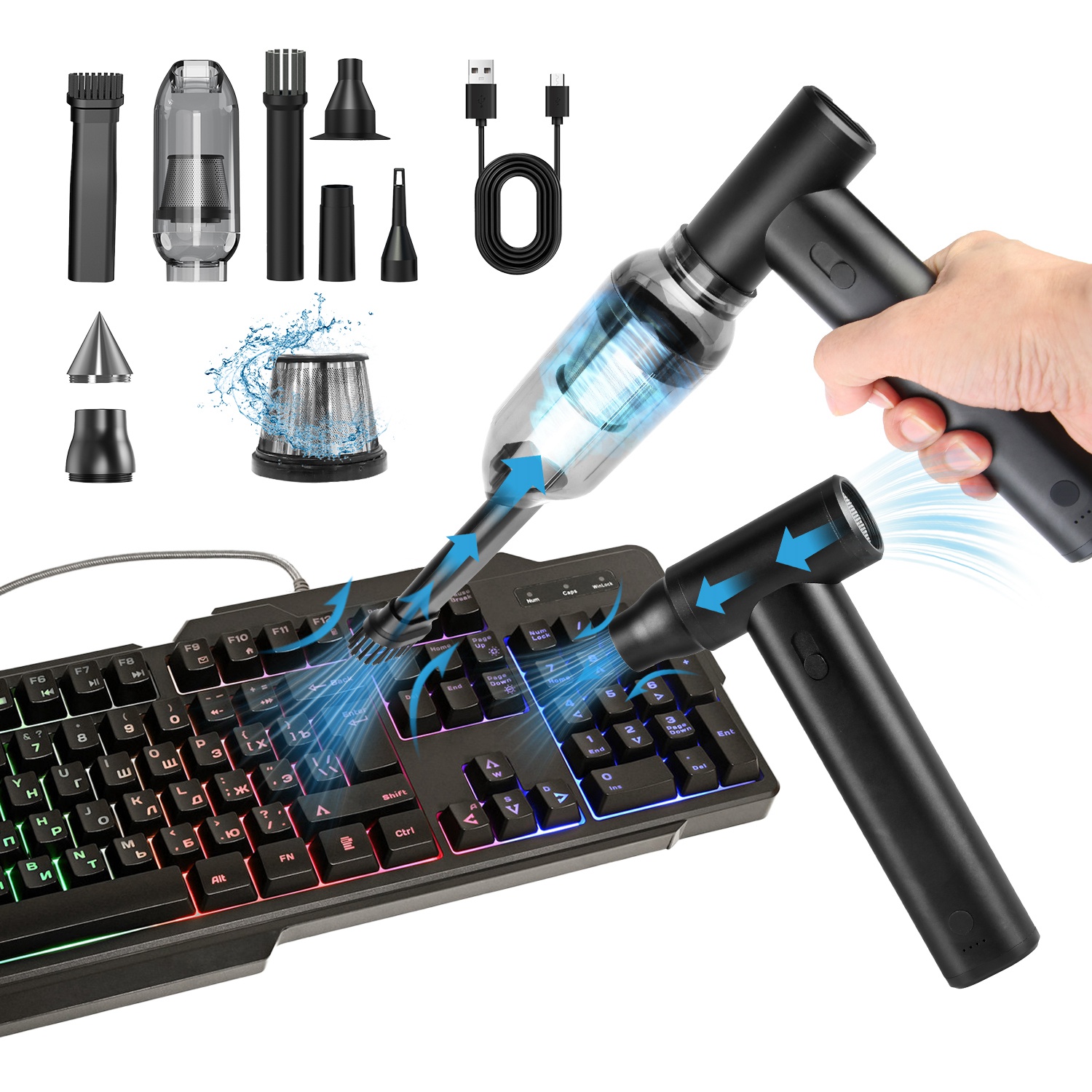 1Set Compressed Air Duster Brushless Motor 250000RPM Stepless Variable Speed 1WmAh Battery Cordless Dust Blower Vacuum Cleaner Portable Jet Dry For PC Keyboard Car Home$90.99View on Mallflare
Highlights
- Brushless DC motors reach 100,000–250,000 RPM with stepless or 4-speed control; brushed motors typically cap far lower and run hotter under sustained load.
- Cordless compressed-air blowers move high-velocity air but capture no debris; true car vacuums use a sealed dust cup and filter to retain dirt and liquid.
- Battery capacity drives runtime: 1,000–2,500 mAh cells deliver short high-RPM bursts; larger packs extend runtime but add weight and charge time.
- Housing material is almost universally ABS plastic — durability depends on motor type and switch/trigger quality, not shell thickness.
Best use cases
- Best fit: brushless compressed-air blower for dry crumbs, vents, seat rails, and keyboard/PC cleaning — pick 4-speed or stepless control for variable airflow.
- Best fit: sealed-cup cordless vacuum for pet hair, sand, and spilled liquids on upholstery — choose a model with a washable filter and at least 1,000 mAh battery for full-cabin passes.
- Wrong fit: buying a blower for wet spills or heavy pet hair — it will displace debris rather than capture it; step up to a wet/dry vacuum tier instead.
- Wrong fit: brushed-motor budget units for repeated full-car detailing — heat buildup and lower RPM make them a short-life compromise.
Buying tips
- Choose brushless over brushed: brushless delivers higher RPM, longer motor life, and cooler operation under repeated trigger pulls.
- Match battery to job: 1,000–1,500 mAh suits quick touch-ups; 2,000 mAh+ is needed for full-cabin passes without recharging.
- Pick variable speed (stepless or 4-speed) so you can drop airflow near loose trim and raise it for floor mats and crevices.
- For debris capture, require a sealed dust cup with a washable filter; blowers without a cup are for displacement, not collection.
Specs
| Motor Type | Brushless DC vs brushed |
|---|---|
| Max RPM | 100,000–250,000 RPM |
| Debris Capture | Sealed cup vs blower-only |
| Battery Capacity | 1,000–2,500 mAh cordless |
Related searches
What to check before buying
- Measure your 12V socket reach and cabin length; corded 12V units need a socket within reach of every seat, cordless needs charged battery before starting.
- Confirm nozzle and brush accessories fit seat rails, vents, and cupholders — narrow crevice tools are essential for tight gaps.
- Check charge time and runtime ratio: a unit that charges in 3–4 hours but runs 15–20 minutes suits touch-ups, not full detailing.
- Verify filter type and washability for wet/dry use; dry-only blowers should never ingest liquid.
FAQ
Data sources: eBay / Amazon listings and product attribute feeds. Updated Nov 22, 2026.
Some links on this page are affiliate links. If you buy after clicking one, we may earn a commission at no extra cost to you. This does not change which products appear here or their order. Affiliate disclosure.