
Photos from current listings. Actual item, color, and included accessories may vary.
White Noise Machine Buying Guide
A white noise machine masks disruptive sound with steady broadband or colored noise, and the core trade-off is between simple fan-based analog units and digital sound libraries that add adjustable timers, volume curves, and night lights. The decision rule: prioritize a true continuous-loop acoustic source or a well-implemented digital noise generator over units that merely play short looping samples, because sample loops create audible seams that break sleep.
At a glance
- Category
- Sleep Comfort
- Last updated
- Nov 22, 2026
Current offers
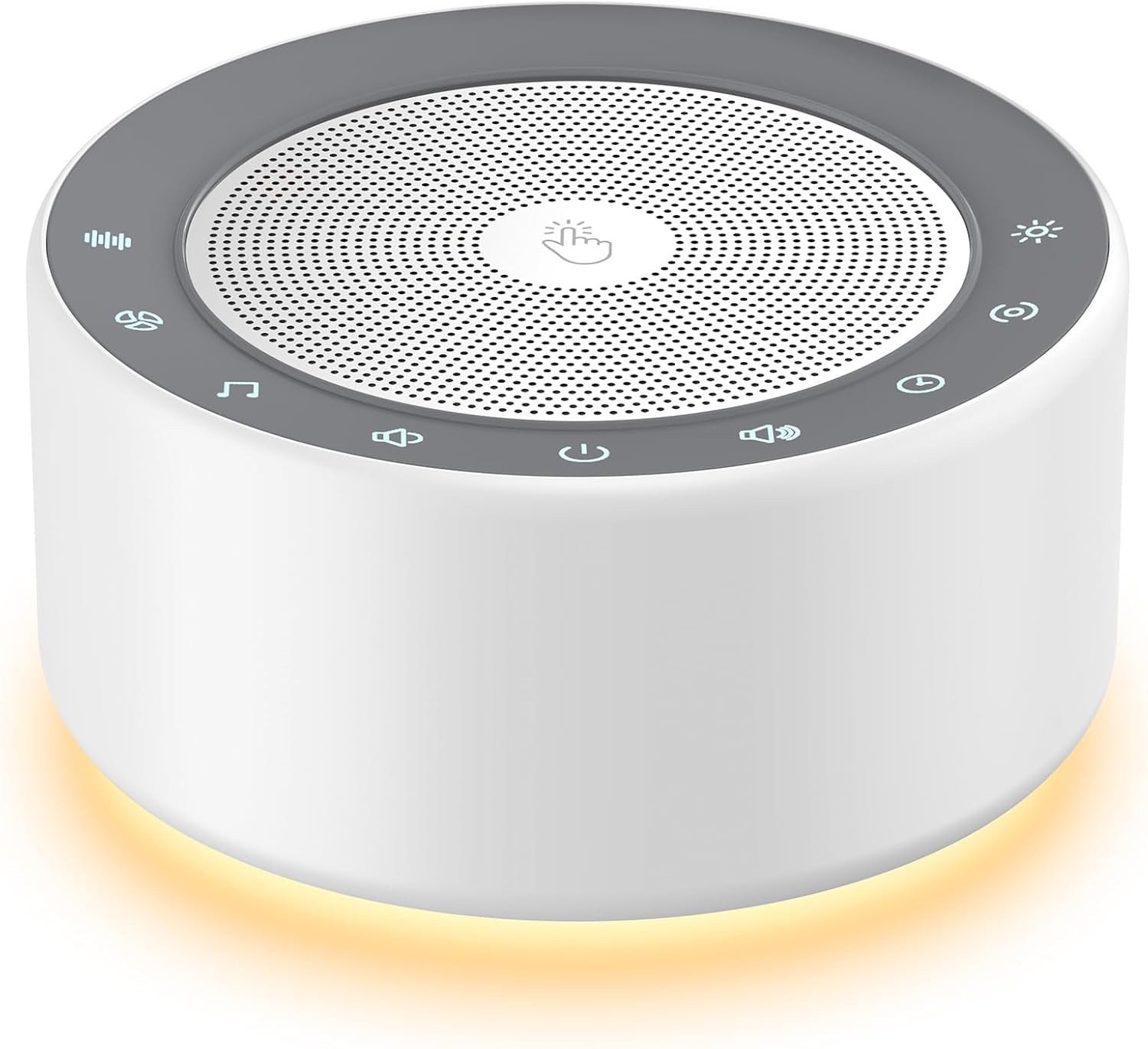 Kipcush White Noise Machine for Baby & Adults, 30 Soothing Sounds, Sleep Sound M$26.63View on eBay
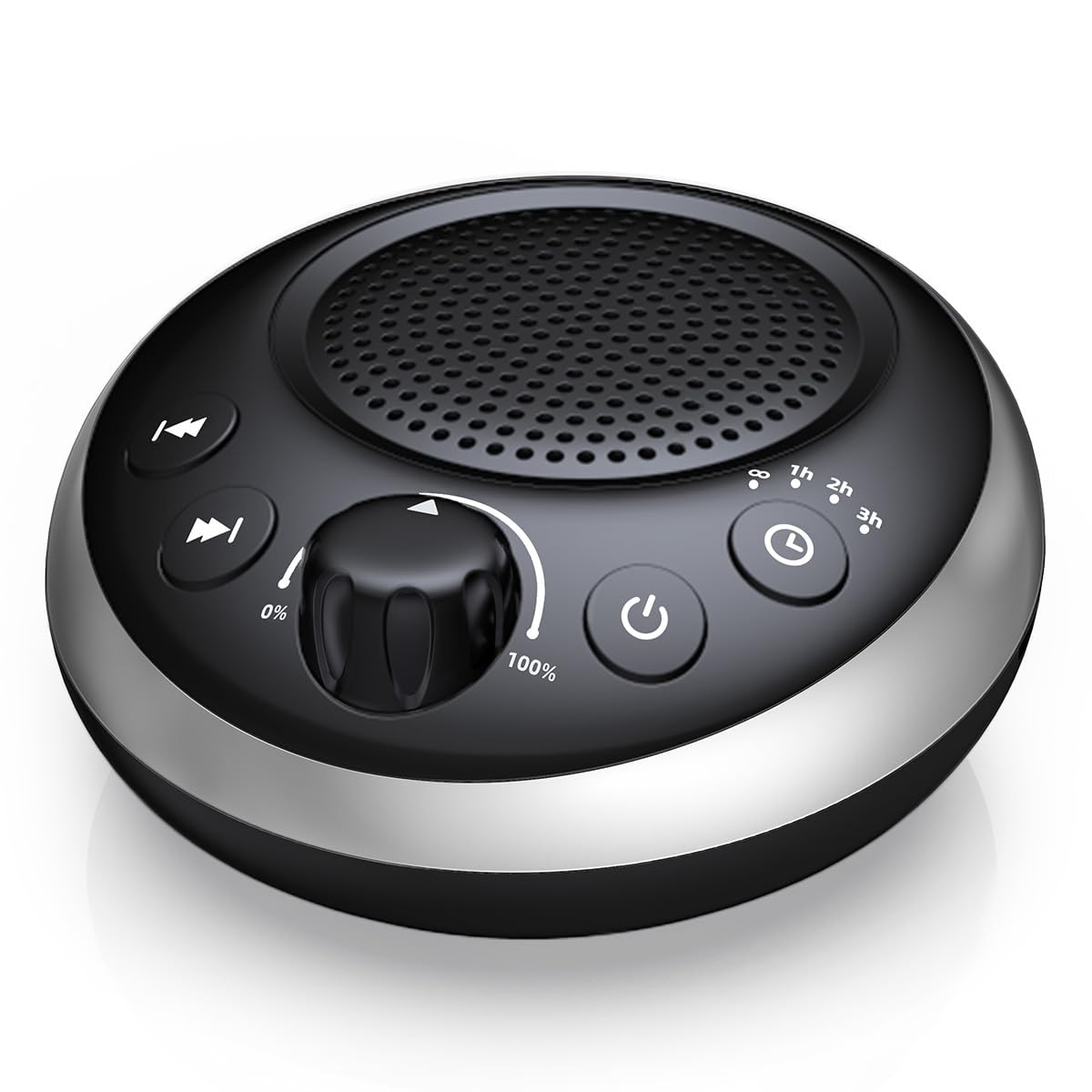 Loud Sound Machine White Noise Machine Nonstop Brown Noise Machine 30 Soothing$33.85View on eBay
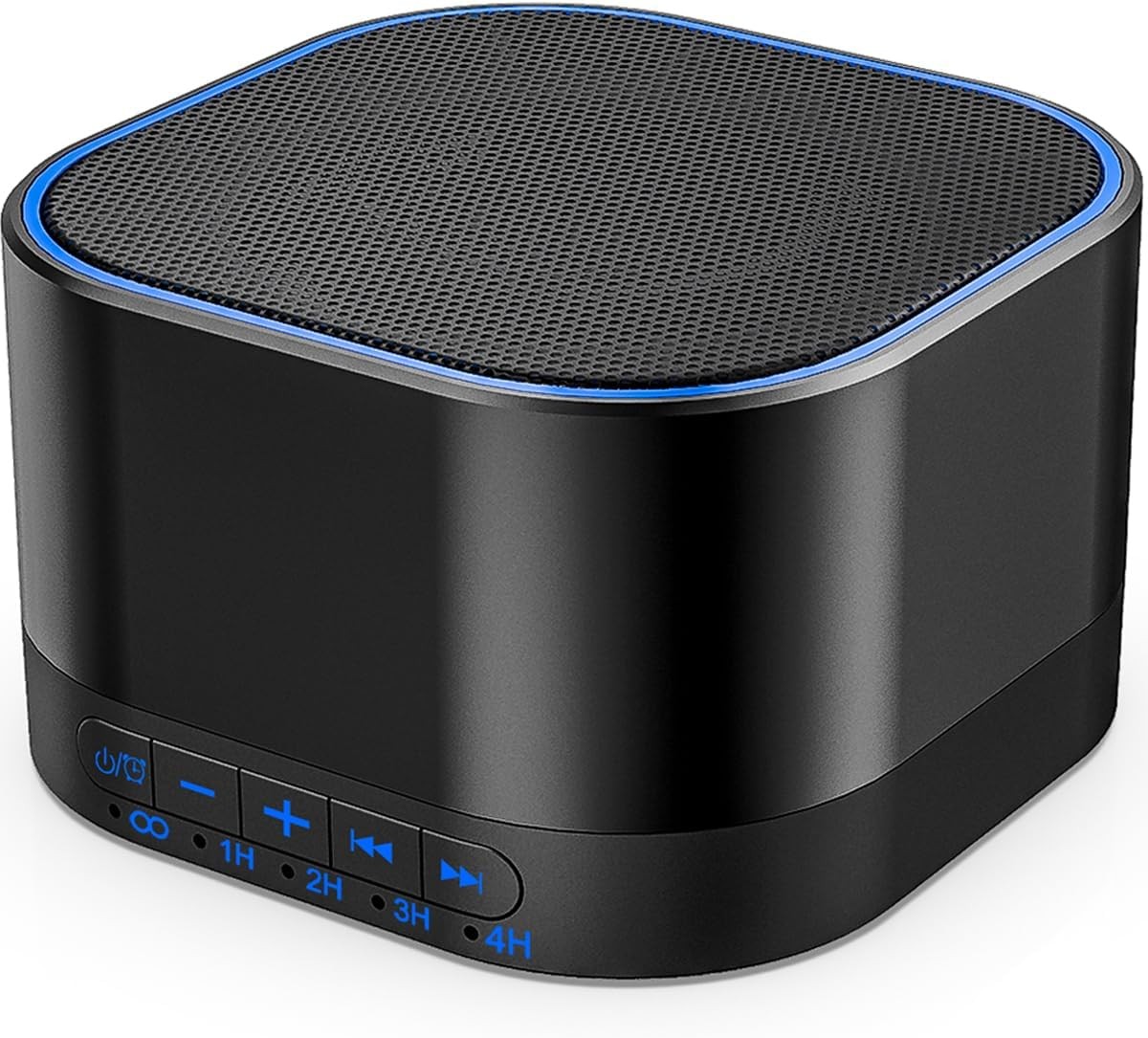 White Noise Machine 20 Soothing Sounds Sleep Timer for Baby Kids Adults USB AC$34.20View on eBay
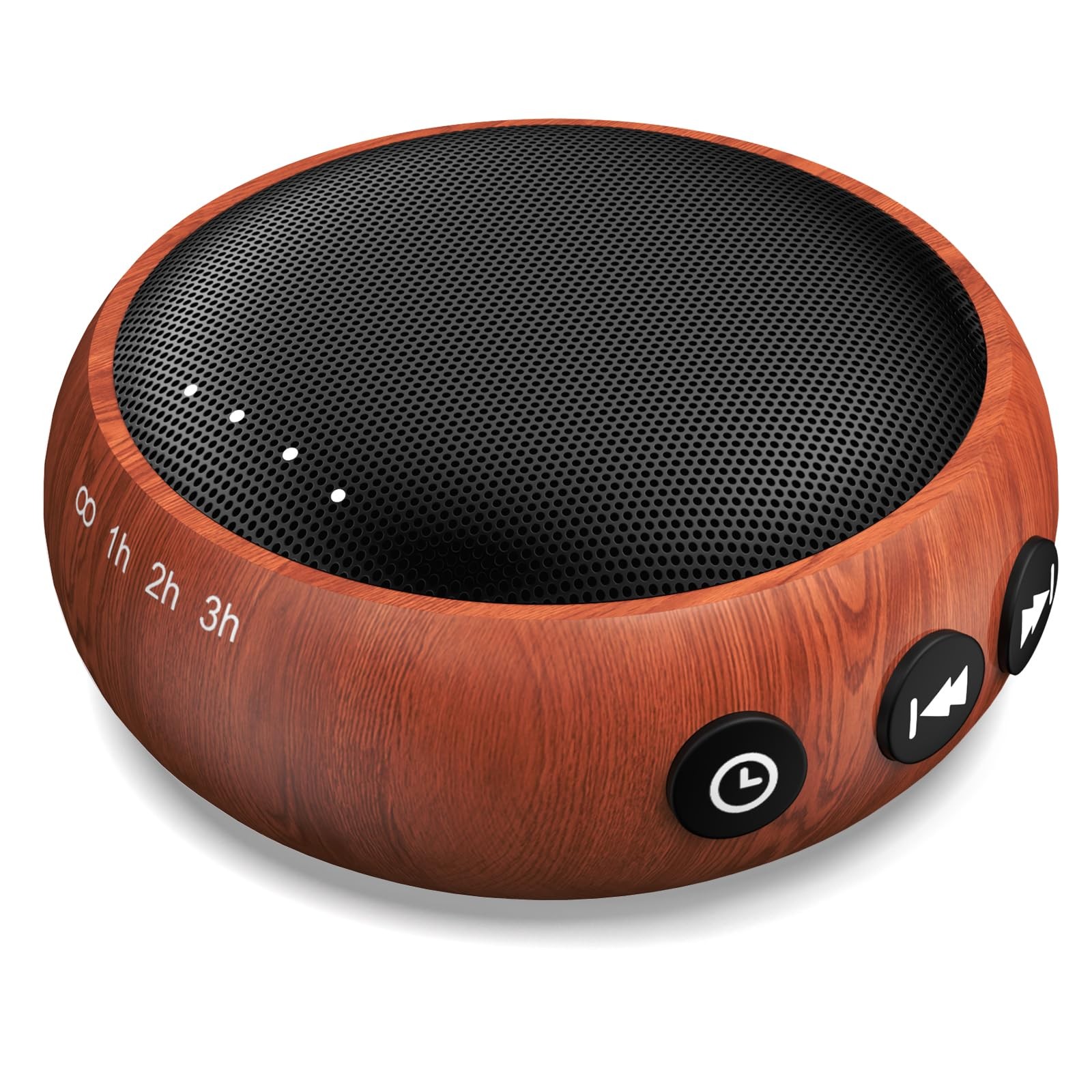 Sound Machine Small White Noise Machine with 30 Soothing Sounds Sleep Machine...$36.05View on eBay
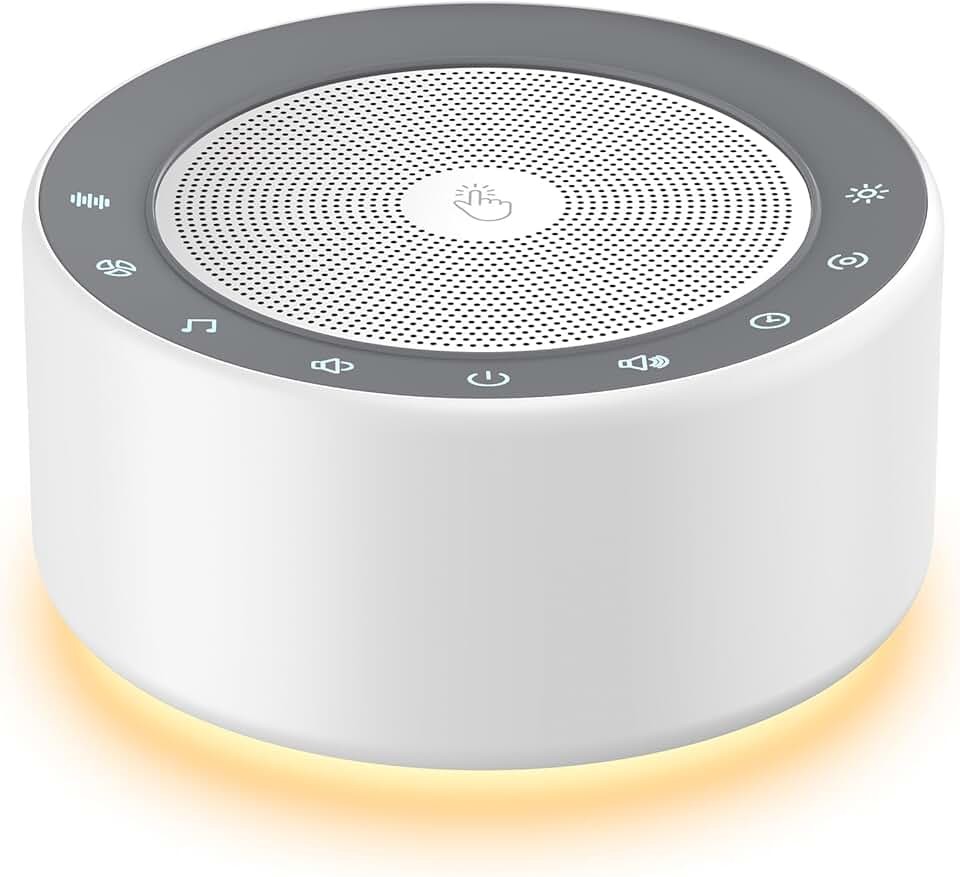 Kipcush White Noise Machine for Baby & Adults, 30 Soothing Sounds, Sleep ...$38.99View on eBay
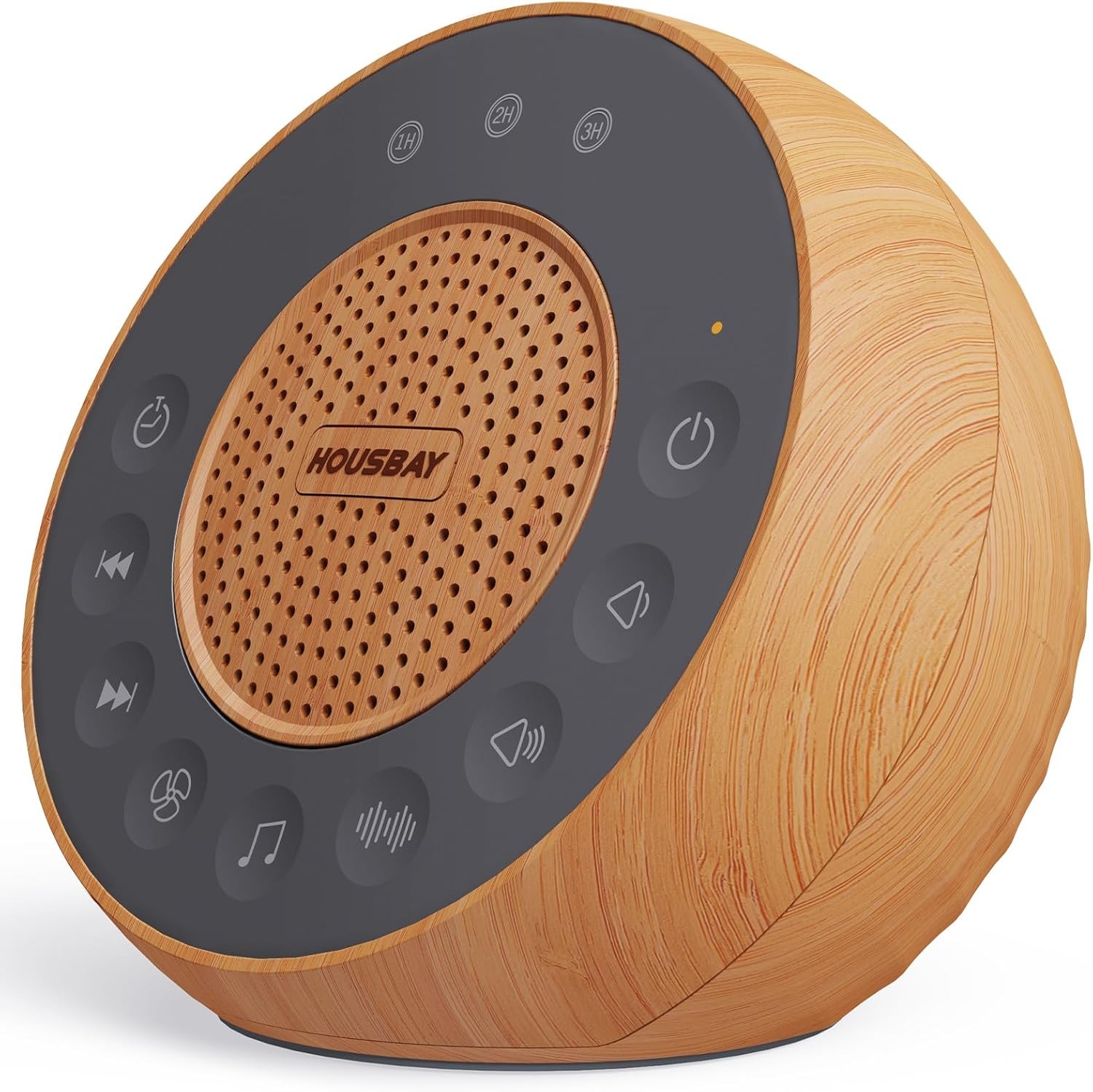 White Noise Machine 31 Soothing Sounds Sleep Sound Machine for Baby Adult Wood$47.24Last checked Nov 22, 2026View on eBay
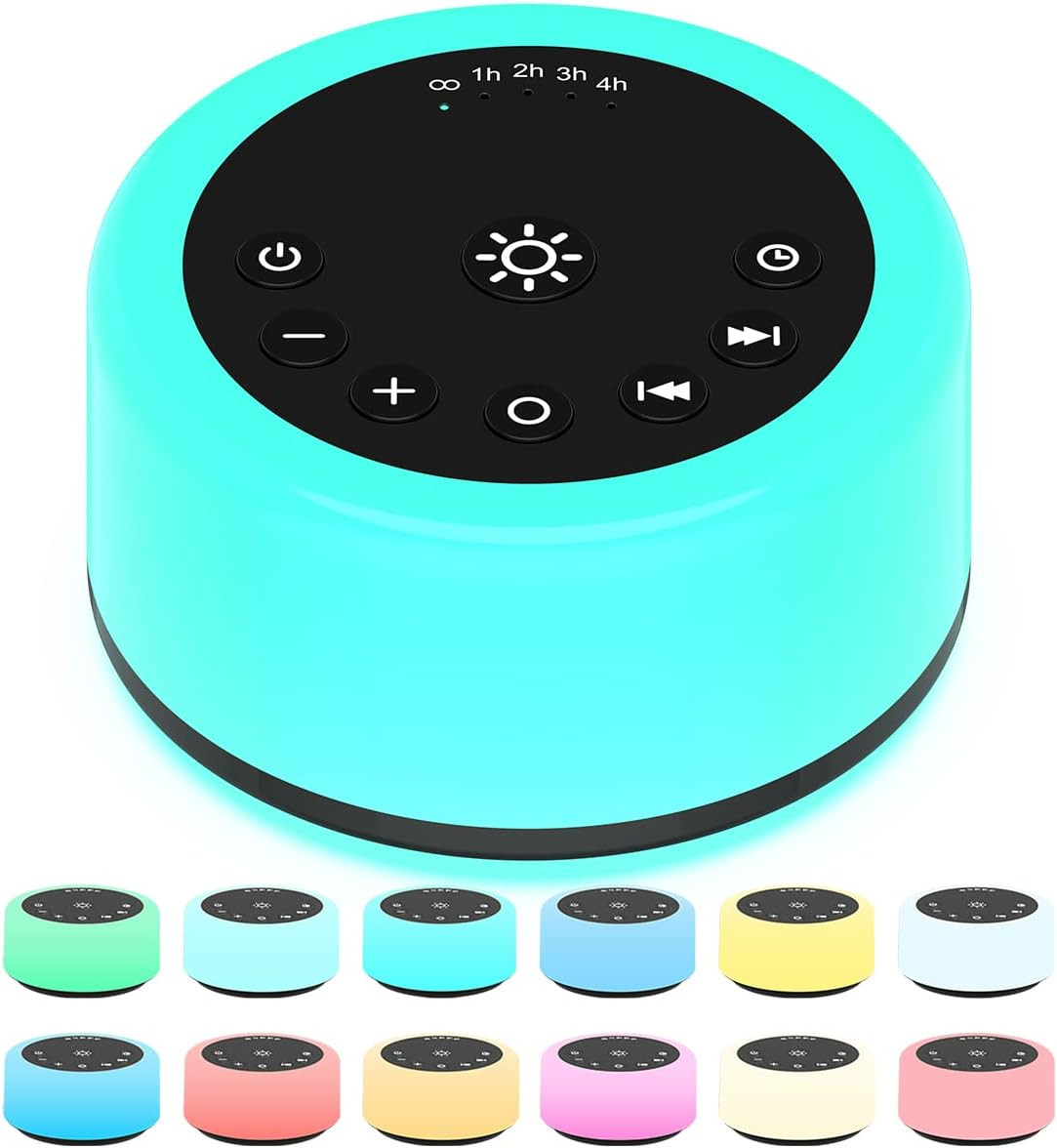 Soother Sleep Sound Machine Night Light White Noise Machine with 30 Soothing$49.99View on eBay
- Sound Machine White Noise Pink Noise Sleep Machine 30 Soothing Sounds$24.15View on eBay
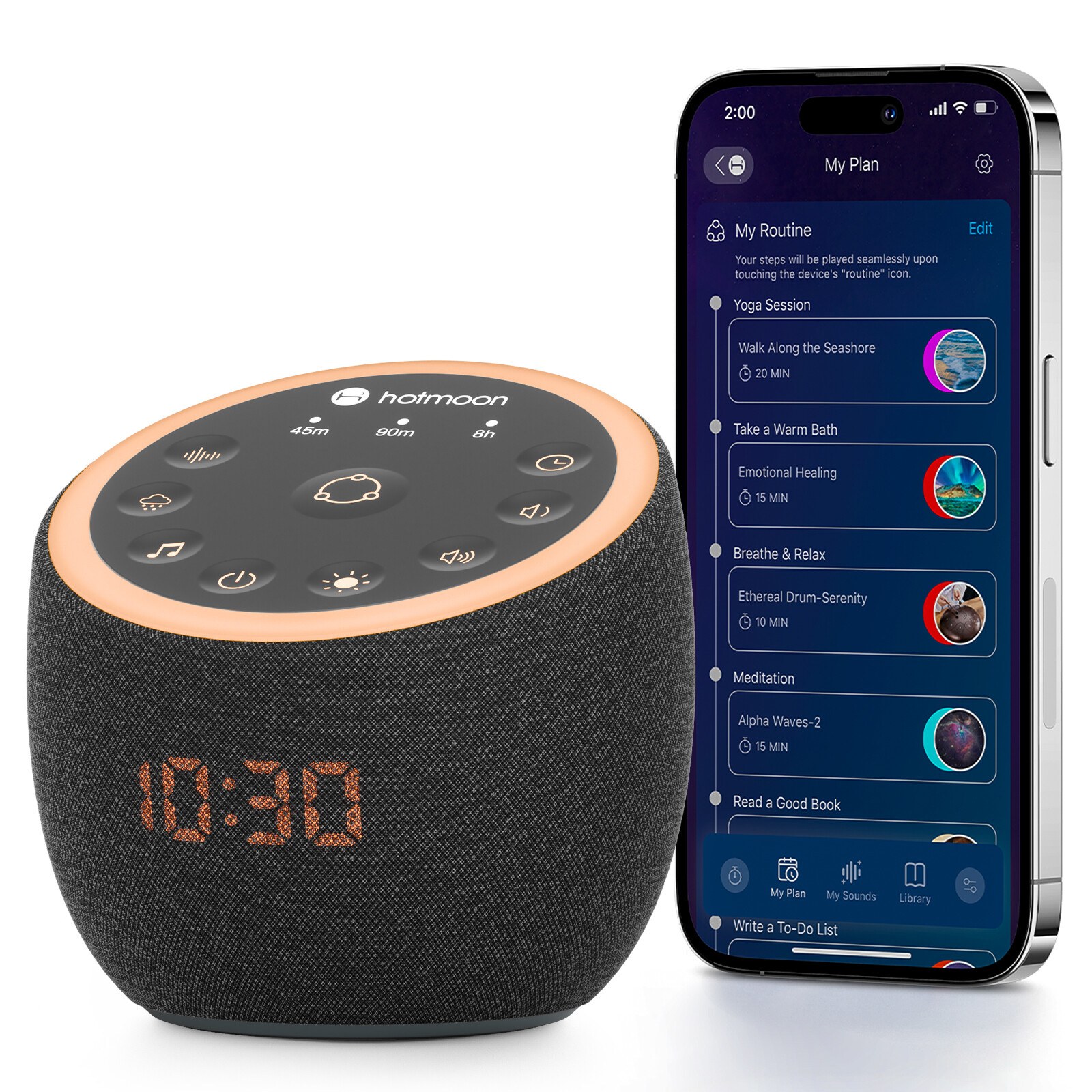 Cocoon Pro 2 White Noise Sleep Sound Machine 388 Soothing Sounds for Baby Adult$59.99View on eBay
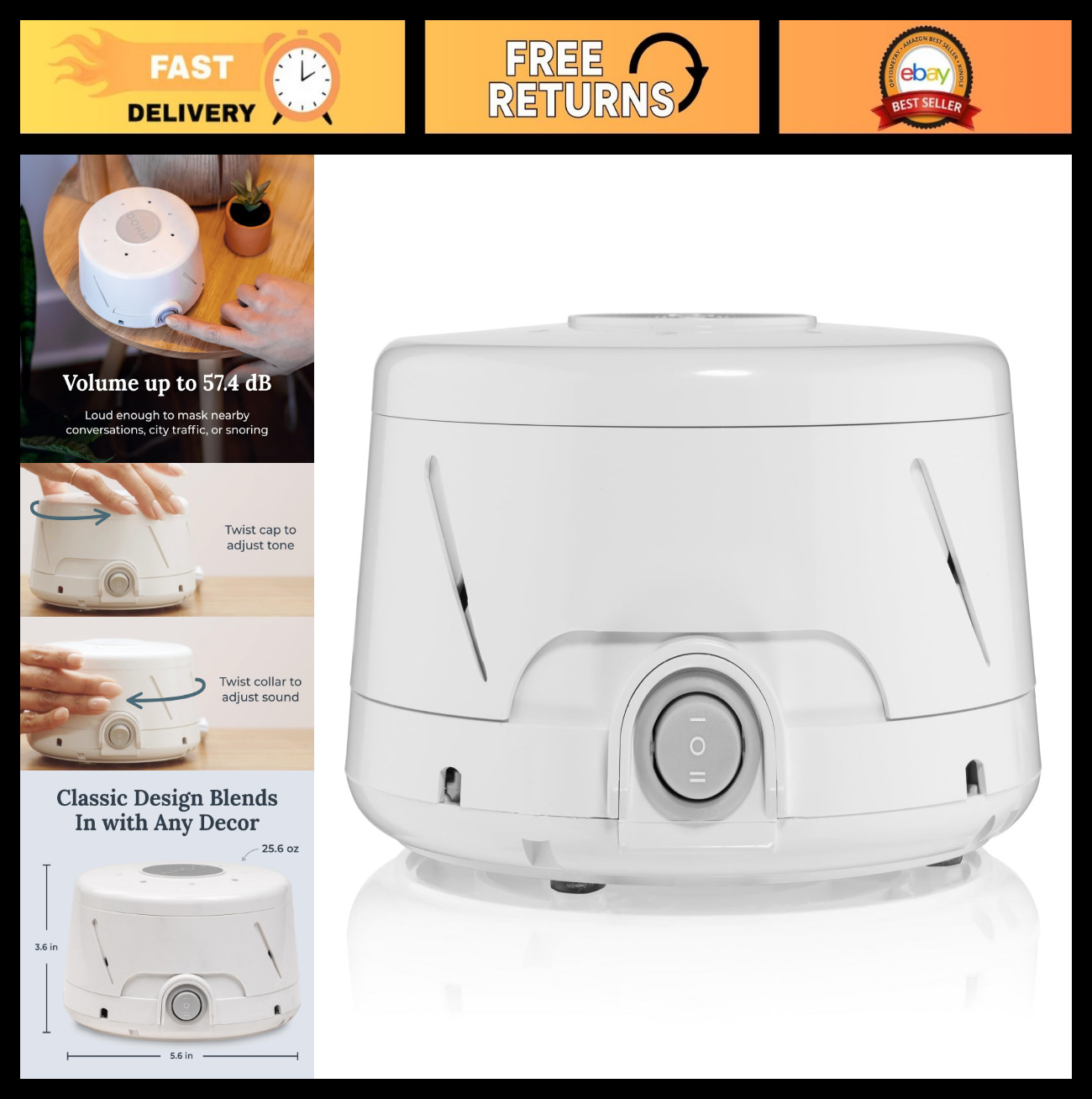 White Noise Sound Machine - Soothing Fan Sounds for Sleep, Baby & Office Privacy$94.99View on eBay
Highlights
- Digital machines store 20–30 sounds and often a dedicated brown/pink noise channel; analog fan units produce true broadband noise without digital looping artifacts.
- Nonstop looping is the key durability metric: fan-based or true generator machines run indefinitely, while cheap sample players may click or gap at loop boundaries.
- Sleep timers typically offer 15/30/60/120-minute auto-off plus continuous-on; continuous-on is essential for adults who wake during the night.
- Night-light and USB-C/USB-A power tiers separate nursery units from adult bedroom units; battery backup prevents mid-night dropouts during outages.
Best use cases
- Best for adults in apartments or noisy urban bedrooms: choose a fan-based or true brown/pink noise generator with continuous-on and adjustable volume, not a 30-sound sample player with a fixed loop.
- Best for nurseries and shared bedrooms: pick a unit with a warm dimmable night light, 15/30/60-minute timer, and child-lock, and skip high-volume units that exceed safe infant sleep sound levels.
- Best for office privacy and light sleepers: a loud fan-sound or brown-noise machine with mechanical volume knob beats app-controlled units that reset after power loss.
- Wrong fit: compact USB-only sample players with no continuous mode, no memory of last volume, and no battery, which are prone to loop seams and dropout.
Buying tips
- Choose 20–30 distinct sounds only if the library includes true brown, pink, and fan noise; a 30-sound count padded with lullabies or birds is not a sleep-masking upgrade.
- Confirm continuous/nonstop playback mode explicitly; timer-only machines run the risk of shutting off before deep sleep cycles complete.
- Prefer USB-C power with battery backup or a fan-based AC unit; USB-A-only sample players are the most common source of loop clicks and hum.
- Place the unit at least 3 feet from the head and cap volume near 50 dB for infants; adult sleep masking typically sits 40–60 dB depending on room noise.
Specs
| Sound Source | Fan-based analog vs digital sample playback |
|---|---|
| Loop Behavior | Continuous loop vs timed auto-off |
| Noise Colors | White, pink, brown, fan channels |
| Power & Backup | USB-C/AC with battery backup |
Related searches
What to check before buying
- Measure nightstand or shelf space: compact units run about 5.75 x 5.75 x 3.46 inches, so confirm clearance for the chosen footprint.
- Check the outlet or USB port location and cord length; a unit placed across the room needs a longer cord or battery operation.
- Verify the room’s ambient noise level: above roughly 50 dB of street or HVAC noise, choose a louder fan-based machine rather than a quiet sample player.
- For nurseries, confirm the night light is dimmable/warm and that the unit has a child-lock and no exposed small parts.
FAQ
Data sources: eBay / Amazon listings and product attribute feeds. Updated Nov 22, 2026.
Some links on this page are affiliate links. If you buy after clicking one, we may earn a commission at no extra cost to you. This does not change which products appear here or their order. Affiliate disclosure.