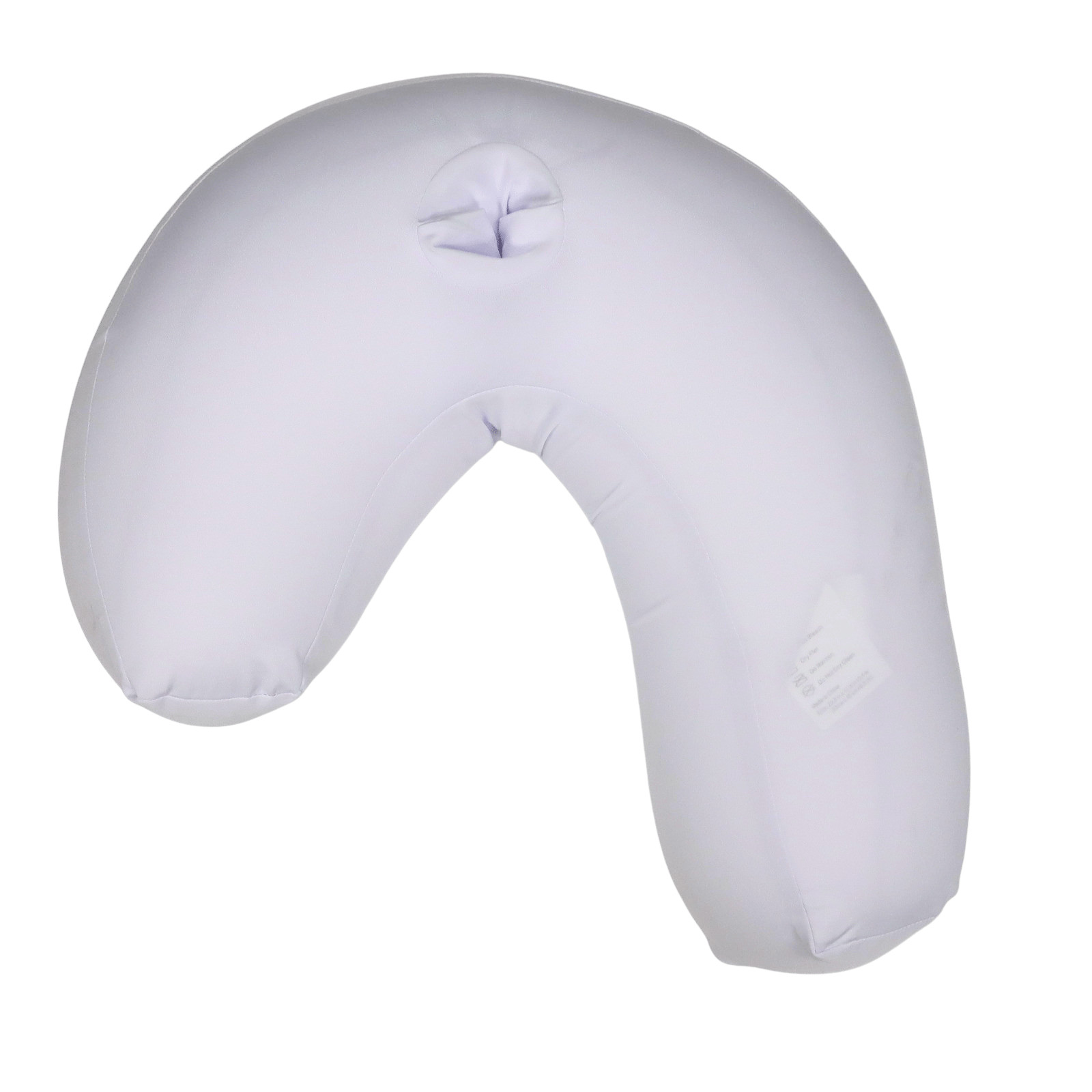

Photos from current listings. Actual item, color, and included accessories may vary.
Supportive Pillow Buying Guide
A supportive pillow is an ergonomic sleep surface engineered to keep the cervical spine neutral, with the core trade-off being adjustable fill/loft versus fixed-density foam that either matches your sleeping position or fights it. The decisive rule: choose a pillow whose loft and firmness are position-matched (side > back > stomach) and that uses a breathable, recoverable core—avoid one-size-fits-all slabs and non-returnable impulse buys.
At a glance
- Category
- Sleep Comfort
- Last updated
- Nov 22, 2026
Current offers
Highlights
- Loft determines alignment: side sleepers need 4-6 in loft to fill the shoulder gap; back sleepers 3-4 in; stomach sleepers 2-3 in or none.
- Fill architecture separates tiers: shredded memory foam or latex is adjustable and recoverable; solid molded foam is fixed; down/feather compacts and loses loft.
- Firmness grading runs soft through extra-firm; side sleepers want medium-firm to firm to prevent shoulder compression, back sleepers medium.
- Breathability features—perforated foam, gel infusions, ventilated covers—reduce heat buildup that degrades foam resilience over time.
Best use cases
- Side sleepers with neck or shoulder pain: pick a medium-firm shredded memory foam or latex pillow with 4-6 in loft and adjustable fill; skip low-profile down pillows.
- Back sleepers wanting neutral alignment: choose a medium-firm 3-4 in loft pillow with a contoured or cervical curve; skip extra-high side-sleeper lofts.
- Stomach sleepers or combination sleepers: select a soft, low-loft 2-3 in pillow or a adjustable shredded fill you can remove; skip firm contoured blocks that force the head up.
- Hot sleepers: choose perforated or gel-infused foam with a breathable knit cover; skip solid memory foam with non-breathable synthetic covers.
Buying tips
- Match loft to position first: measure the gap between your neck and mattress when lying on your side—4-6 in for side, 3-4 in for back, 2-3 in for stomach.
- Prefer shredded or adjustable fill over solid molded foam if you want to tune firmness and loft; solid foam is fixed and can't be modified.
- Check cover material and washability: removable, machine-washable covers extend pillow life; non-removable covers trap allergens and oils.
- Verify resilience: memory foam should recover within seconds after compression; slow-recovery foam suits pressure relief but can feel hot and sink excessively.
Specs
| Fill Type | Shredded foam / solid foam / latex / down |
|---|---|
| Loft Range | 2-3 in stomach; 3-4 in back; 4-6 in side |
| Firmness | Soft / medium / medium-firm / firm |
| Cover Washability | Removable machine-washable vs spot-clean |
Related searches
What to check before buying
- Measure your mattress height and pillow loft together: side sleepers need pillow loft that fills the shoulder-to-mattress gap, typically 4-6 in total.
- Confirm pillow dimensions fit your pillowcase and bed: standard 20x26 in, queen 20x30 in, king 20x36 in; oversized pillows need matching cases.
- Check climate and sleep temperature: hot sleepers need breathable covers and ventilated foam; cold sleepers can use denser foam without overheating.
- Ensure the pillow has a removable, washable cover and a returns window that allows a trial period—foam feel is subjective and non-returnable pillows are risky.
FAQ
Data sources: eBay / Amazon listings and product attribute feeds. Updated Nov 22, 2026.
Some links on this page are affiliate links. If you buy after clicking one, we may earn a commission at no extra cost to you. This does not change which products appear here or their order. Affiliate disclosure.