
Photos from current listings. Actual item, color, and included accessories may vary.
Support Pillow Back Pain Buying Guide
Support pillows for back pain range from contoured cervical rolls to full-body 54-inch aligners, and the core trade-off is fixed-shape orthopedic support versus compressible comfort fill. Durable relief comes from a firm, shape-retaining core (molded memory foam or dense foam) matched to your sleep position; soft polyester fills and undersized 22x15 pads are comfort compromises, not structural support.
At a glance
- Category
- Sleep Comfort
- Last updated
- Nov 22, 2026
Current offers
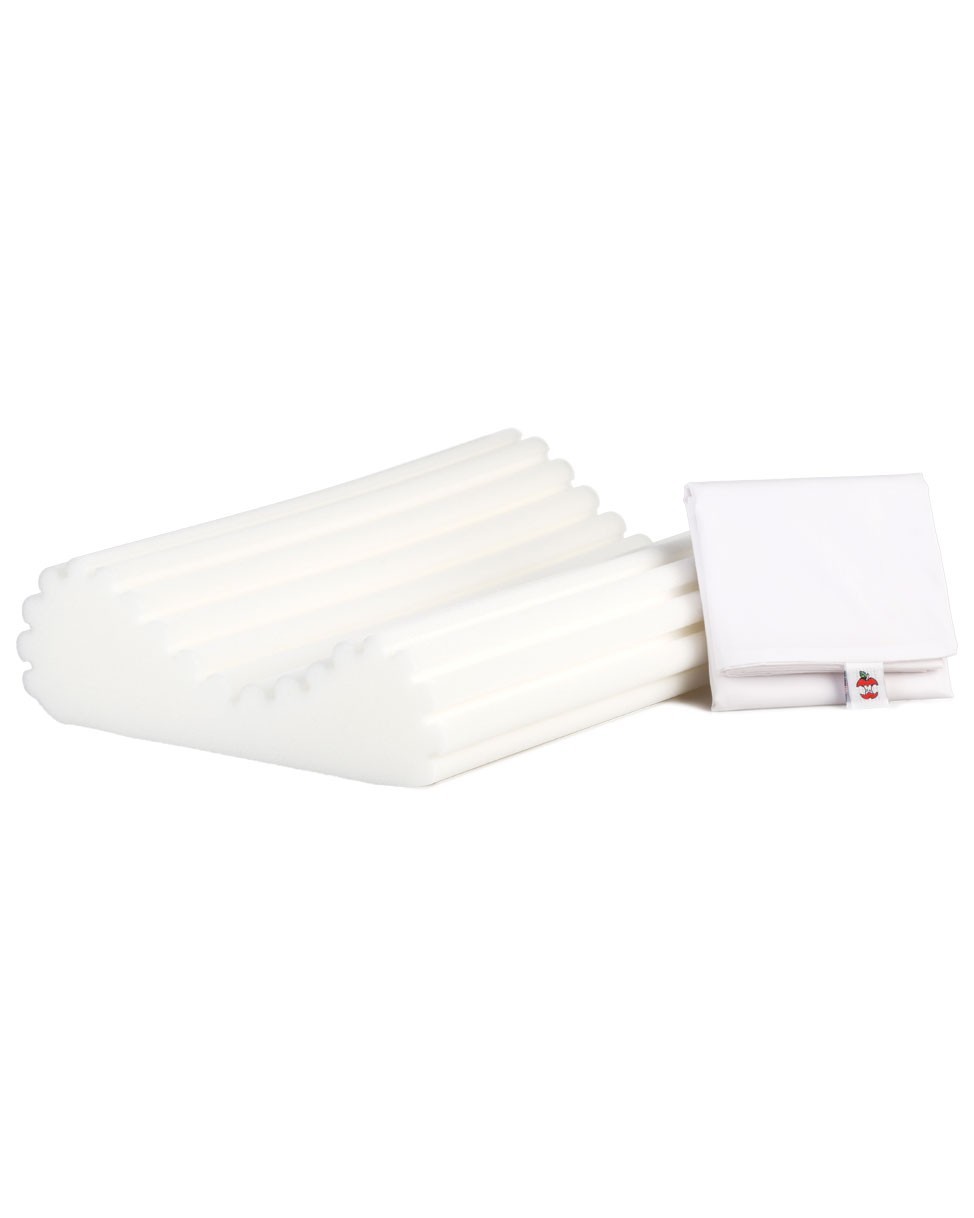 Core Products EconoWave Foam Cervical Support Pillow Air Circulation For Comfort$61.41View on eBay
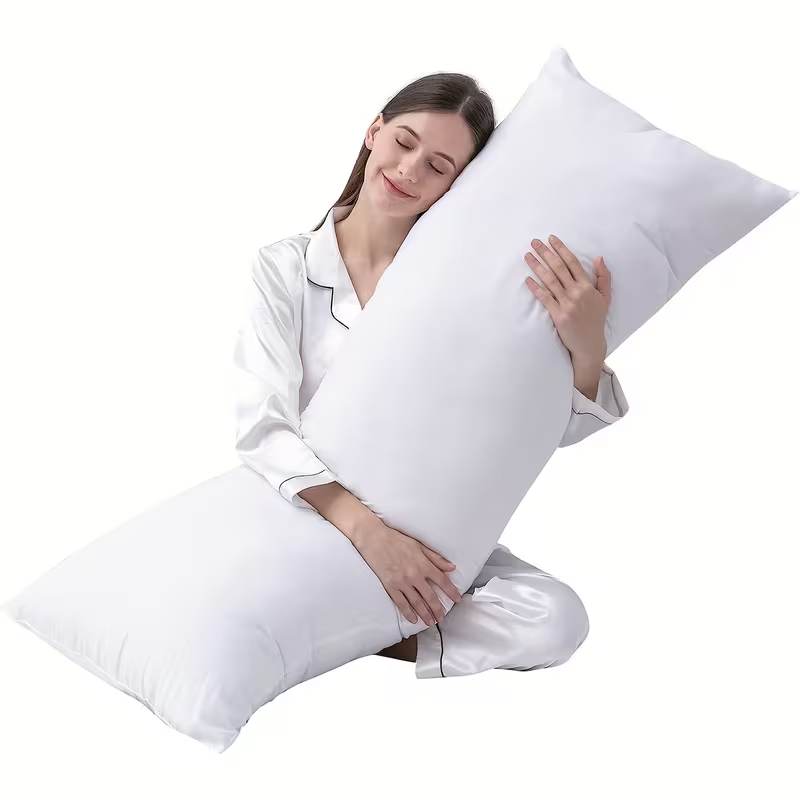 Ergonomic Full-Body Pillow, Extra Long 20 By 54 Inch Body With Soft Polyester Fill, Side Sleeping Support & Back Relief, White, Posture Corrector, Luxury Comfort Design, Highquality Fabric$37.99View on Mallflare
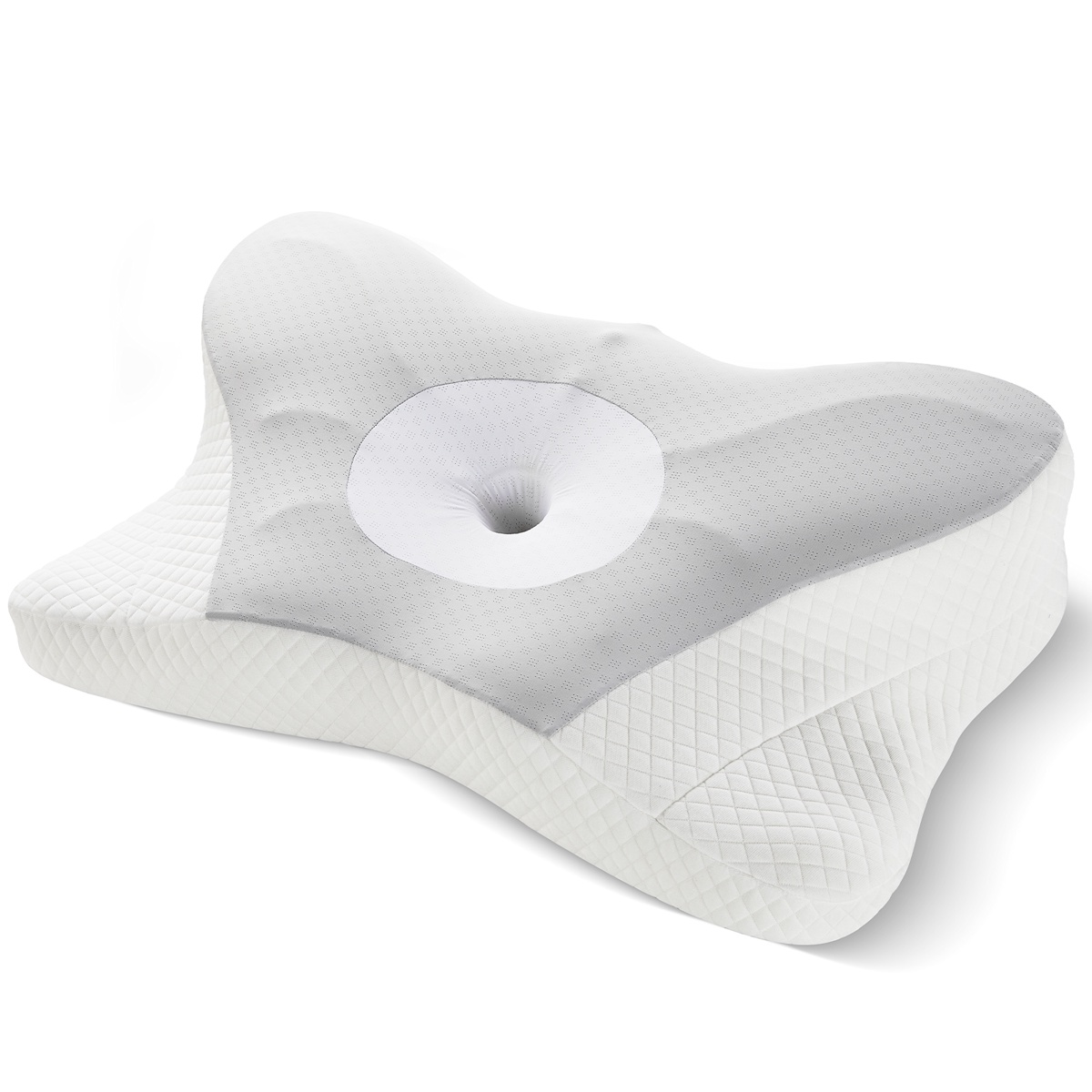 Ergonomic Foam Neck Pillow, Support, Protection Good Sleep$55.99View on Mallflare
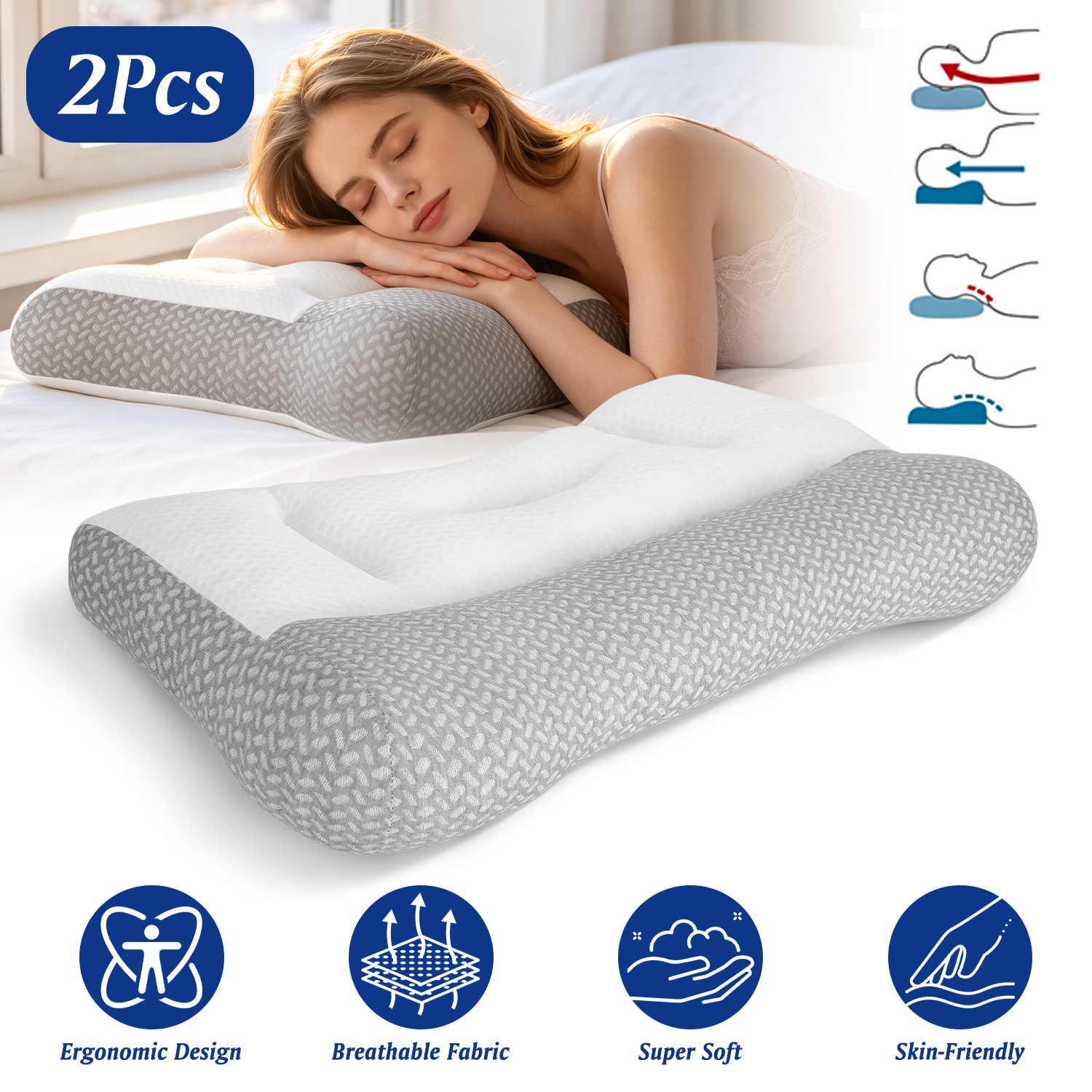 2 Pcs Breathable Mesh Ergonomic Sleep Pillow, Dual‑Sided High & Low Zoned Support with Ear Slot, Down‑Alternative Fiber Fill for Side Back Belly Sleepers$74.99View on Mallflare
Highlights
- Contoured cervical pillows use a 3-4 inch neck roll with a recessed center to hold the natural lordotic curve; flat or loose-fill pillows collapse and let the head drop.
- Molded memory foam at 4-6 lb/ft³ density retains shape for years; shredded foam and polyester clusters compact within months and lose loft.
- Full-body aligners run roughly 20x54 inches, bridging hips to shoulders for side sleepers; knee-positioned 22x15 orthopedic pads target lumbar and leg support instead.
- Foam density and cover breathability govern heat buildup: solid memory foam traps heat, while ventilated or convoluted foam with air channels improves circulation.
Best use cases
- Back or side sleeper with morning neck and upper-back stiffness: choose a contoured cervical pillow with a firm 3-4 inch neck roll, not a soft flat pad.
- Side sleeper with hip or low-back pressure: choose a 20x54-inch full-body pillow between the knees and along the torso; skip standard 22x15 pads that don't span the gap.
- Post-surgery or extended bed rest: choose a dense molded-foam wedge or full-body aligner; skip polyester-filled body pillows that flatten under sustained weight.
Buying tips
- Match loft to position: back sleepers need 3-4 inches of neck support, side sleepers 4-5 inches to fill the shoulder gap; stomach sleepers should use the thinnest profile available.
- Check foam density: 4-6 lb/ft³ molded memory foam holds shape; anything described only as 'soft foam' or 'polyester fill' compresses and needs replacement.
- Measure your pillowcase and mattress: a 20x54 body pillow needs a 20x54 case, and a cervical roll must sit under the neck, not the head, to preserve the curve.
- For heat-sensitive sleepers pick ventilated, convoluted, or air-channel foam; solid memory foam without breathability runs warm through the night.
Specs
| Support Type | Cervical contour / full-body aligner |
|---|---|
| Fill Material | Molded memory foam vs polyester fiber |
| Foam Density | 4-6 lb/ft³ (memory) / low (fiber) |
| Standard Size | 22x15 in pad / 20x54 in body |
Related searches
What to check before buying
- Measure your shoulder width and pillowcase: side sleepers need a loft that fills the shoulder-to-ear gap without lifting the head above spinal alignment.
- Confirm mattress firmness: a firm mattress pairs with a contoured cervical roll; a soft mattress needs a thicker loft to prevent sinking into extension.
- Check your sleep position before choosing: back and side sleepers benefit from cervical contouring, stomach sleepers should avoid high neck rolls entirely.
- Verify the cover is removable and washable and the foam is ventilated if you sleep hot or live in a warm, humid climate.
FAQ
Data sources: eBay / Amazon listings and product attribute feeds. Updated Nov 22, 2026.
Some links on this page are affiliate links. If you buy after clicking one, we may earn a commission at no extra cost to you. This does not change which products appear here or their order. Affiliate disclosure.