
Photos from current listings. Actual item, color, and included accessories may vary.
Sound Machine Buying Guide
A sound machine is a dedicated audio device that masks disruptive noise with continuous or looped soundscapes, and the primary trade-off is between simple single-sound units and feature-rich models with larger sound libraries, timers, and night lights. Durable options use sealed speaker chambers and hardware-level looping, while compromises often rely on low-bitrate loop files that create audible seams and thin plastic housings that buzz at higher volumes.
At a glance
- Category
- Sleep Comfort
- Last updated
- Nov 22, 2026
Current offers
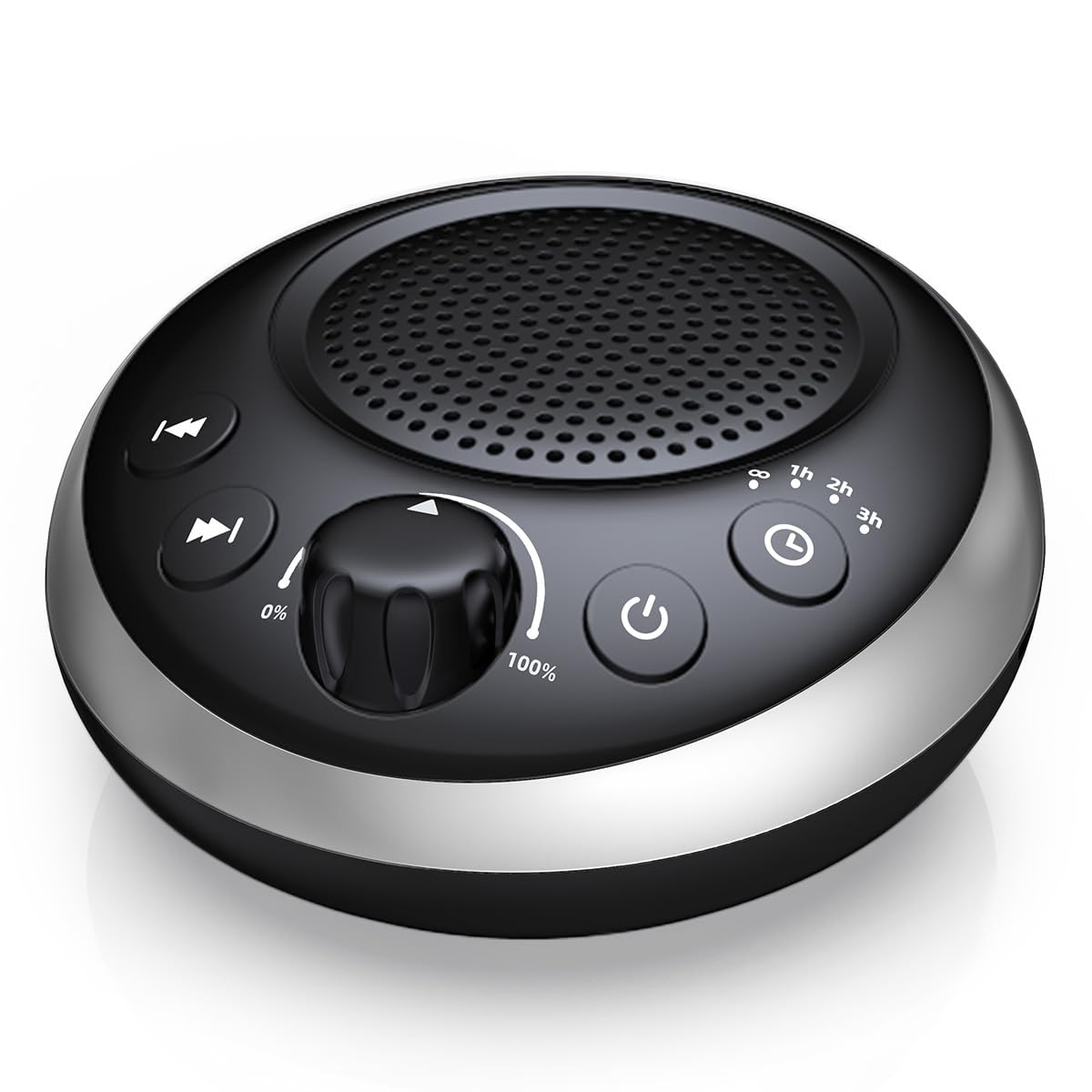 Sound Machine White Noise Pink Noise Sleep Machine 30 Soothing Sounds$24.15View on eBay
- Loud Sound Machine White Noise Machine Nonstop Brown Noise Machine 30 Soothing$33.85View on eBay
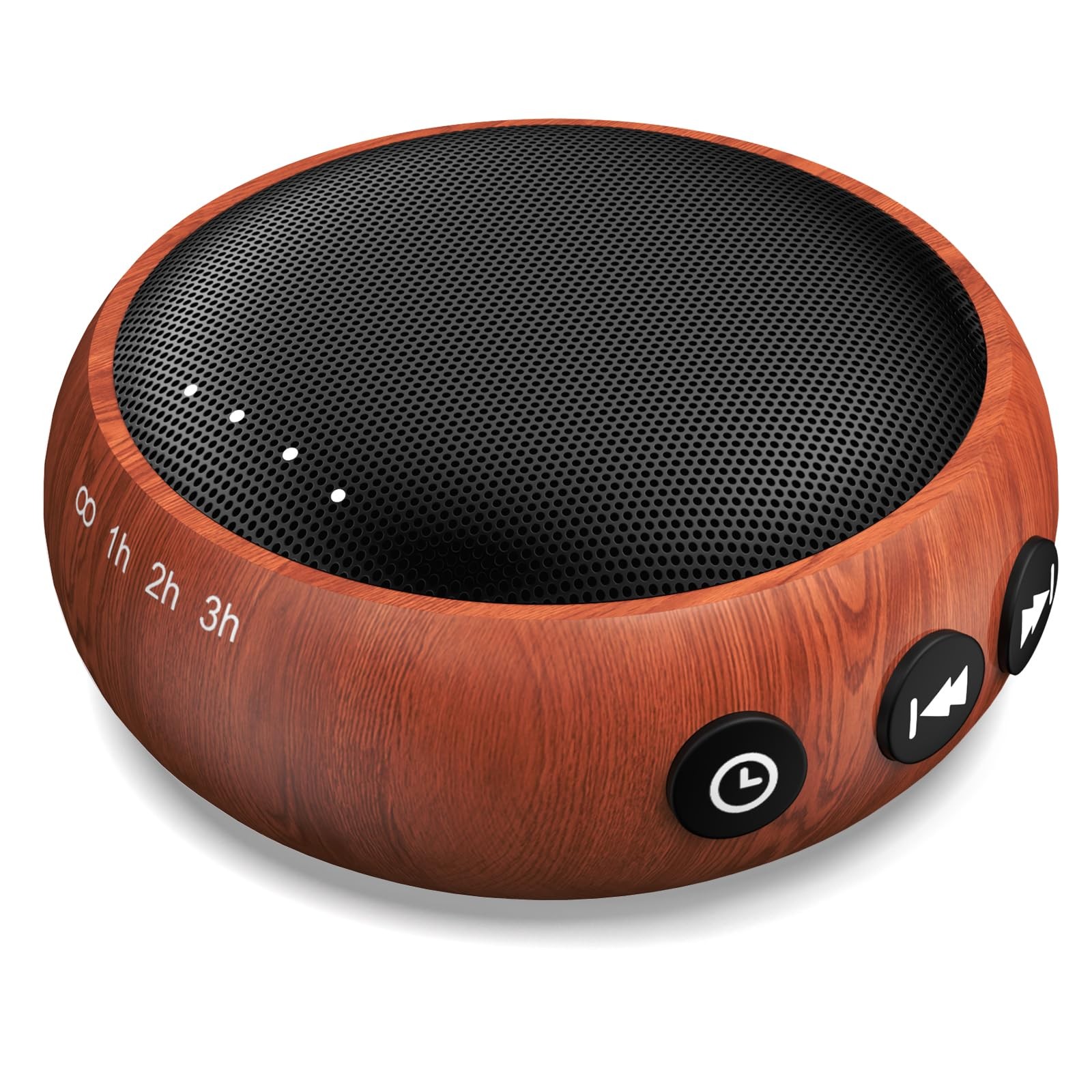 Sound Machine Small White Noise Machine with 30 Soothing Sounds Sleep Machine...$36.05View on eBay
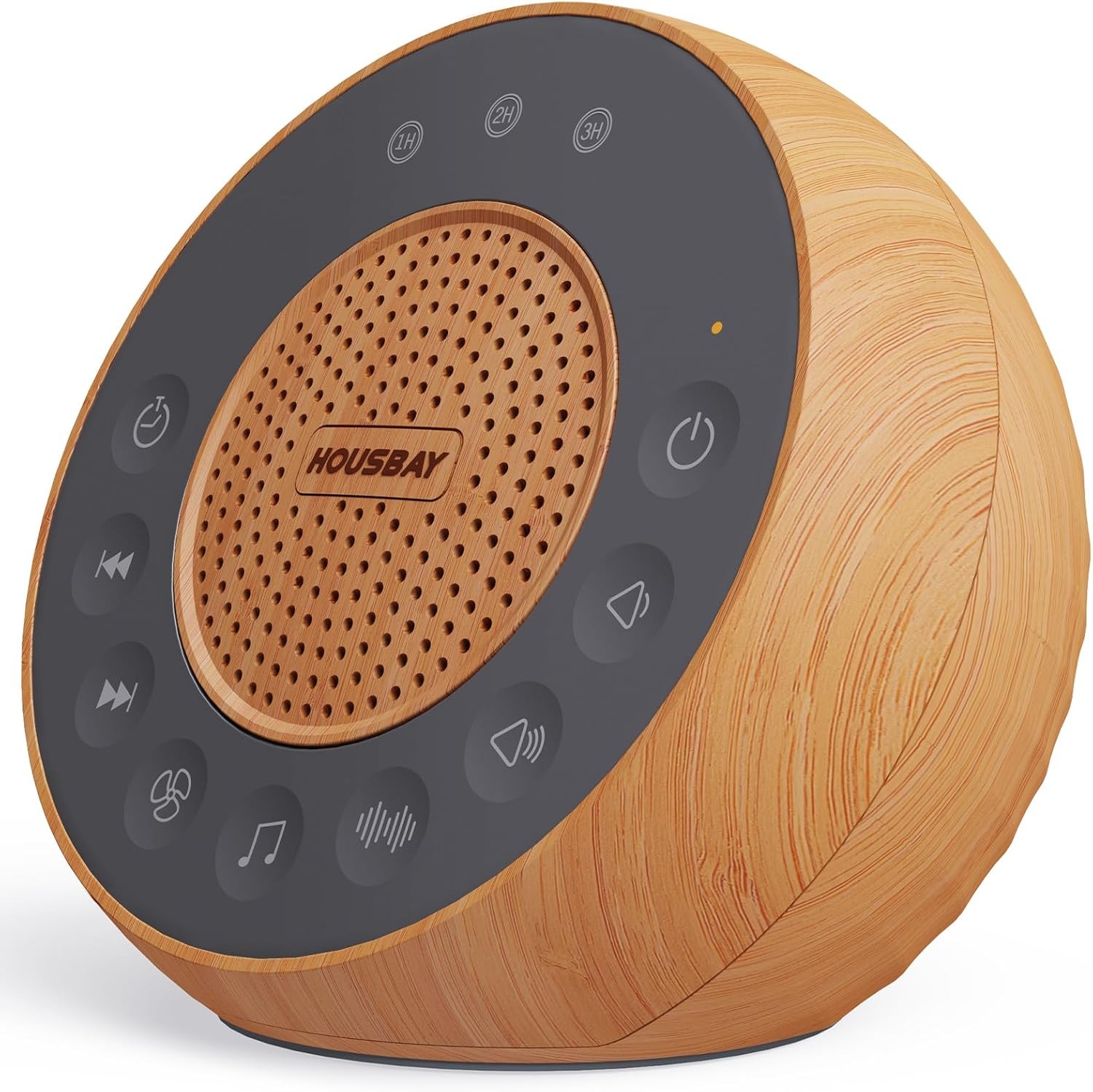 White Noise Machine 31 Soothing Sounds Sleep Sound Machine for Baby Adult Wood$47.24Last checked Nov 22, 2026View on eBay
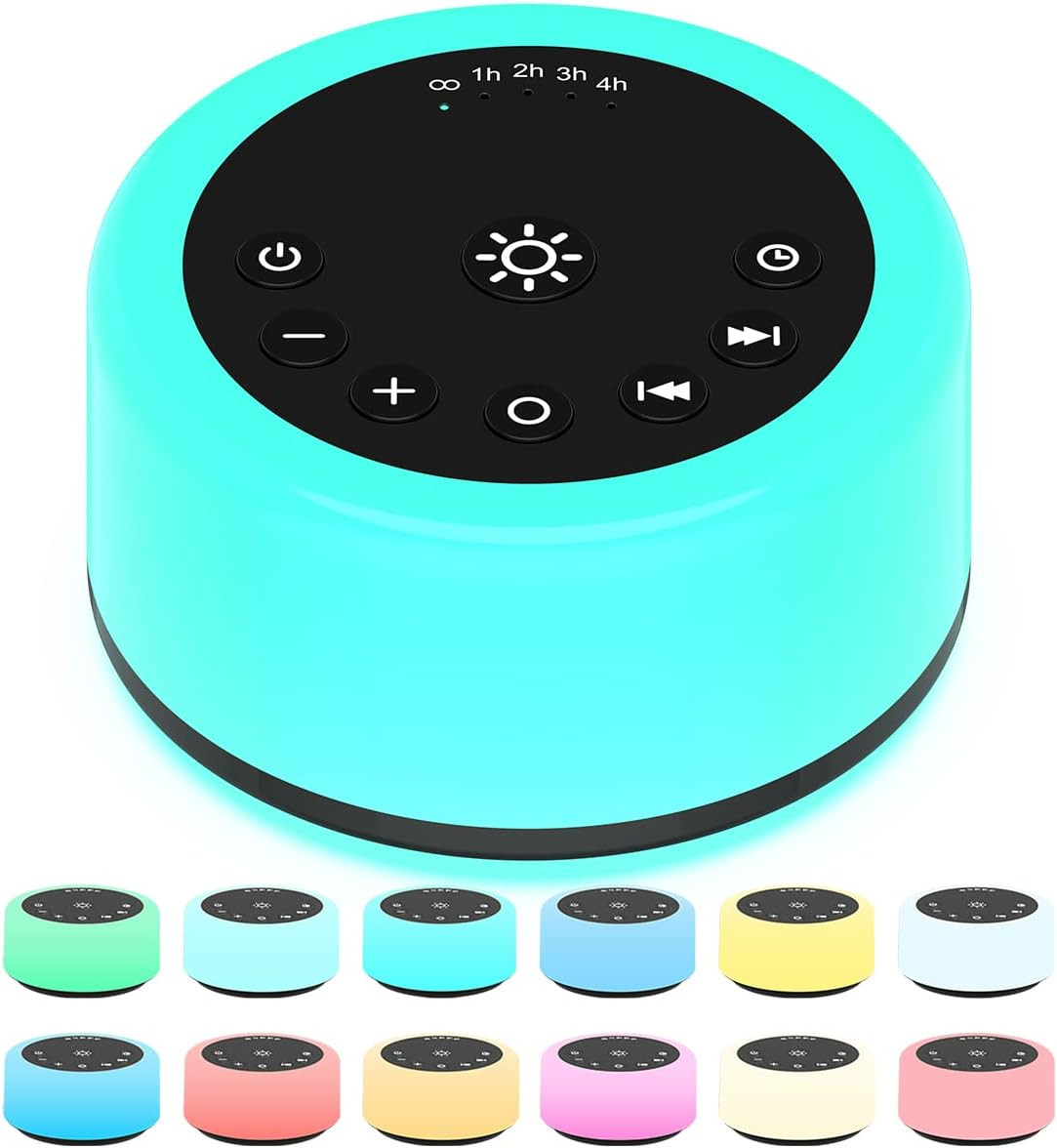 Soother Sleep Sound Machine Night Light White Noise Machine with 30 Soothing$49.99View on eBay
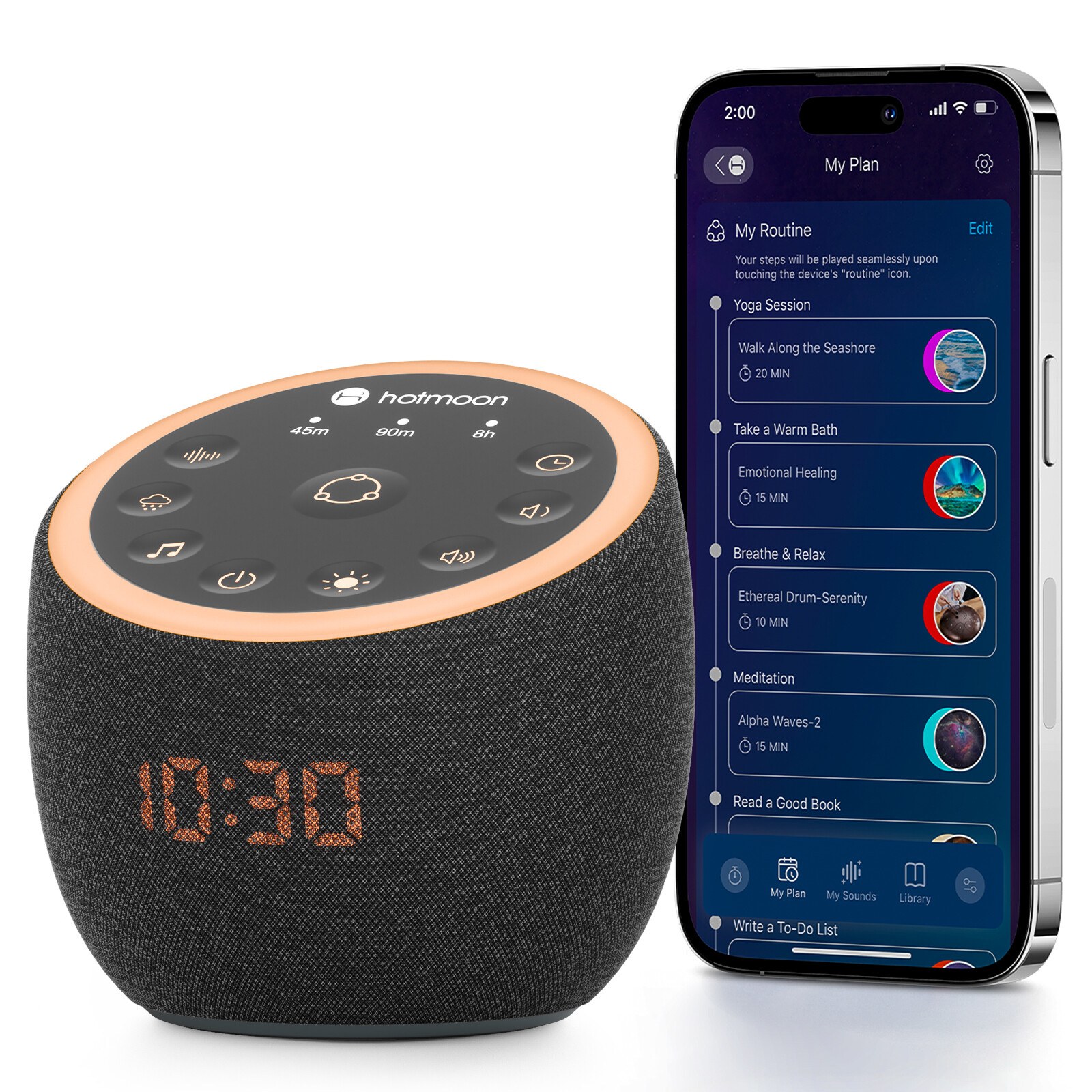 Cocoon Pro 2 White Noise Sleep Sound Machine 388 Soothing Sounds for Baby Adult$59.99View on eBay
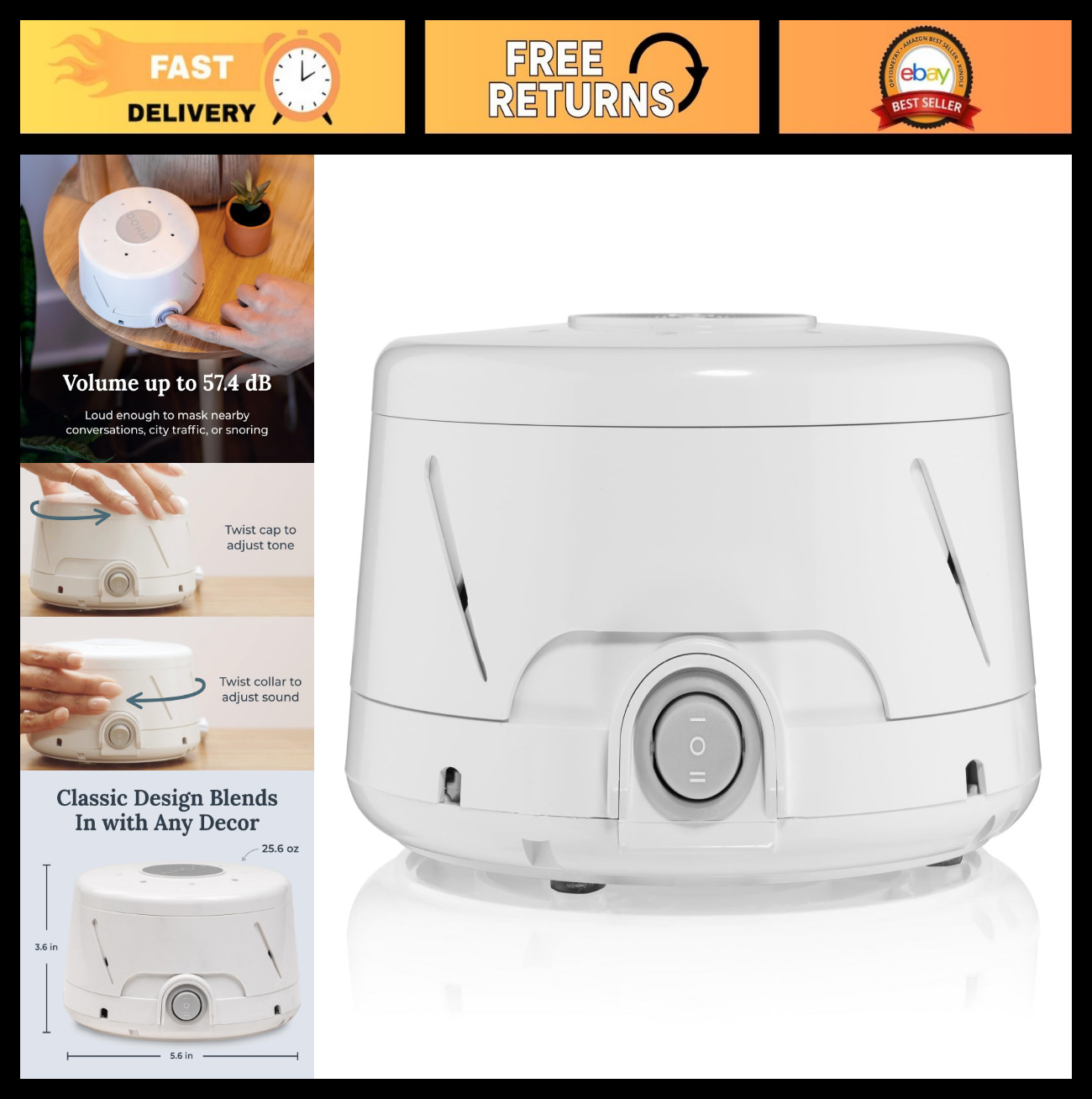 White Noise Sound Machine - Soothing Fan Sounds for Sleep, Baby & Office Privacy$94.99View on eBay
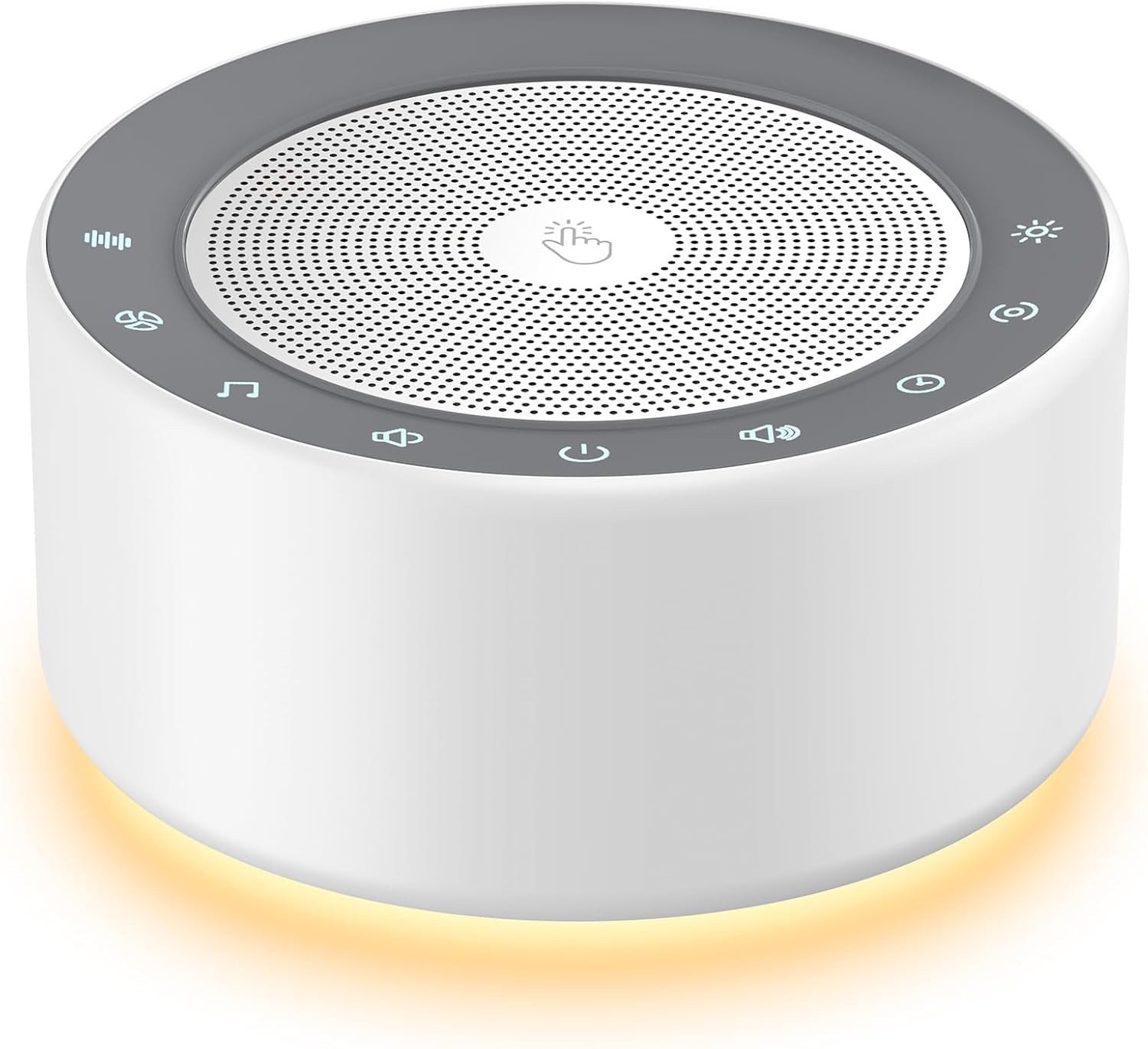 Kipcush White Noise Machine for Baby & Adults, 30 Soothing Sounds, Sleep Sound M$26.63View on eBay
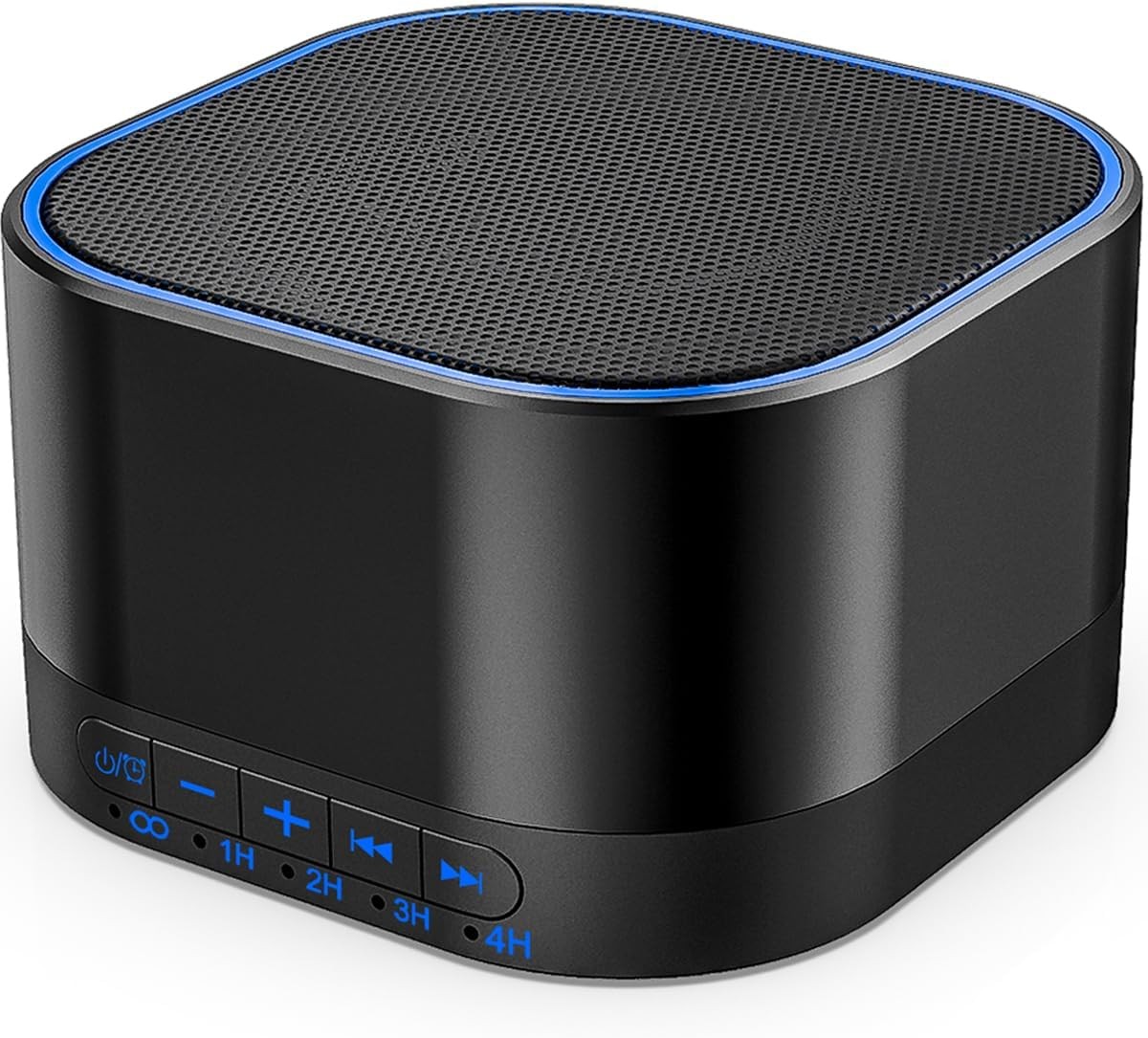 White Noise Machine 20 Soothing Sounds Sleep Timer for Baby Kids Adults USB AC$34.20View on eBay
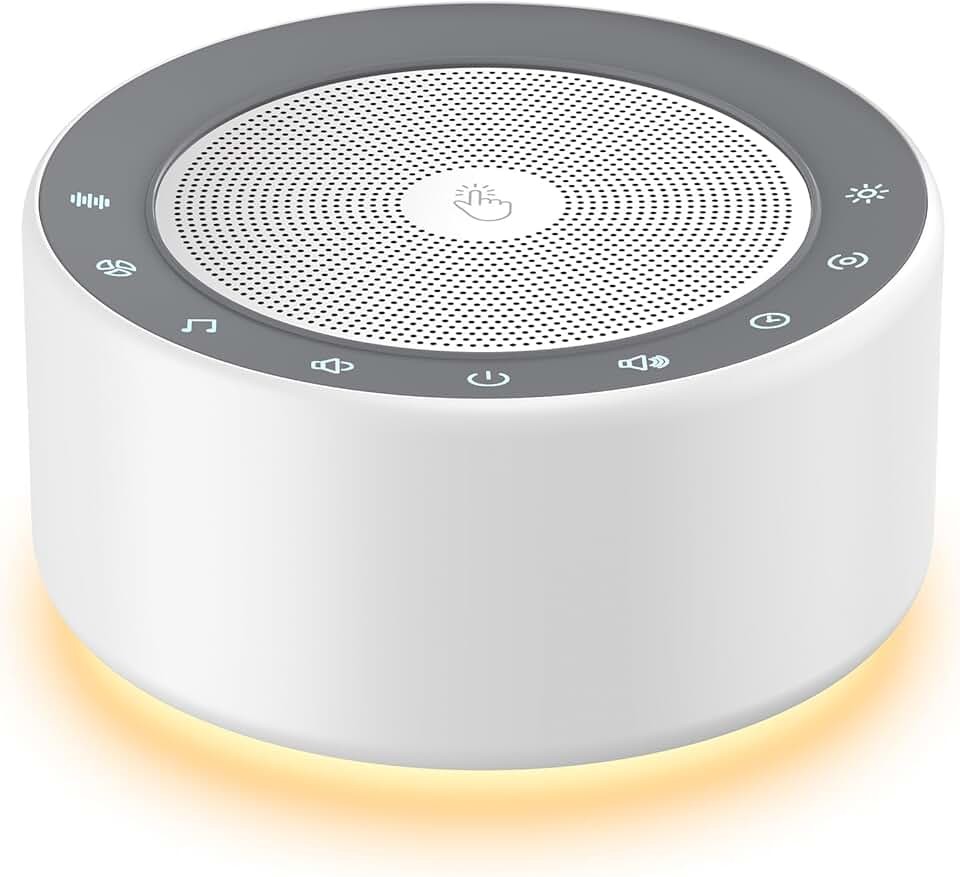 Kipcush White Noise Machine for Baby & Adults, 30 Soothing Sounds, Sleep ...$38.99View on eBay
 Soothing Sleep Machine with 30 Sounds & 12 Color Night Light for All Ages$59.99View on eBay
Highlights
- Sound libraries range from 20 to 388 tracks; 30-sound models are the practical baseline for masking tinnitus and sleep disruption.
- Brown and pink noise emphasize lower frequencies for deeper masking, while white noise provides the broadest spectral coverage for high-frequency disturbances.
- True nonstop looping requires gapless hardware playback; budget units with short loop files produce audible clicks every few seconds.
- Night-light and timer circuits are separate from the audio path; models with dedicated timer buttons avoid menu-diving in the dark.
Best use cases
- For tinnitus masking, pick a model with brown or pink noise and a volume range that stays loud enough without distortion — skip pure fan-sound units that lack low-frequency depth.
- For nursery use, choose a unit with a physical night light, child-lock, and continuous play without an auto-off timer — skip travel-only units with tiny speakers.
- For office privacy, select a fan-sound or white-noise model with a directional speaker and steady output — skip soundscape units with melodic loops that draw attention.
- For travel, pick a USB-C or battery-powered compact unit under 6 inches — skip full-size wood-cabinet models with AC-only adapters.
Buying tips
- Match the speaker driver size to the room: a 2-inch driver suits a nightstand, while rooms over 200 sq ft need a 3-inch or larger driver for adequate masking volume.
- Choose gapless hardware looping over file-based playback; units advertising 'nonstop' with 30+ sounds should use flash-memory loop chips, not repeated MP3 files.
- For tinnitus, prioritize brown and pink noise options over nature sounds; low-frequency energy below 500 Hz provides the most effective masking.
- Confirm power input: USB-C or USB-A adapters are universal, while barrel-jack models require the exact voltage and polarity to avoid hum.
Specs
| Noise Colors | White / Pink / Brown / Fan |
|---|---|
| Sound Library | 20-388 tracks; 30 typical |
| Loop Type | Gapless hardware vs file-based |
| Power Input | USB-C / USB-A / AC adapter |
Related searches
What to check before buying
- Measure the nightstand or shelf footprint; compact units run about 5.75 x 5.75 x 3.46 inches, so confirm clearance for vents and the night light.
- Check outlet or USB port proximity; a 6-foot cord is standard, but AC-adapter units need a free socket within reach.
- For shared bedrooms, verify a headphone jack or adjustable minimum volume to avoid disturbing a partner.
- In humid or dusty rooms, choose a sealed speaker grille and avoid fabric-wrapped models that trap moisture and muffle high frequencies.
FAQ
Data sources: eBay / Amazon listings and product attribute feeds. Updated Nov 22, 2026.
Some links on this page are affiliate links. If you buy after clicking one, we may earn a commission at no extra cost to you. This does not change which products appear here or their order. Affiliate disclosure.