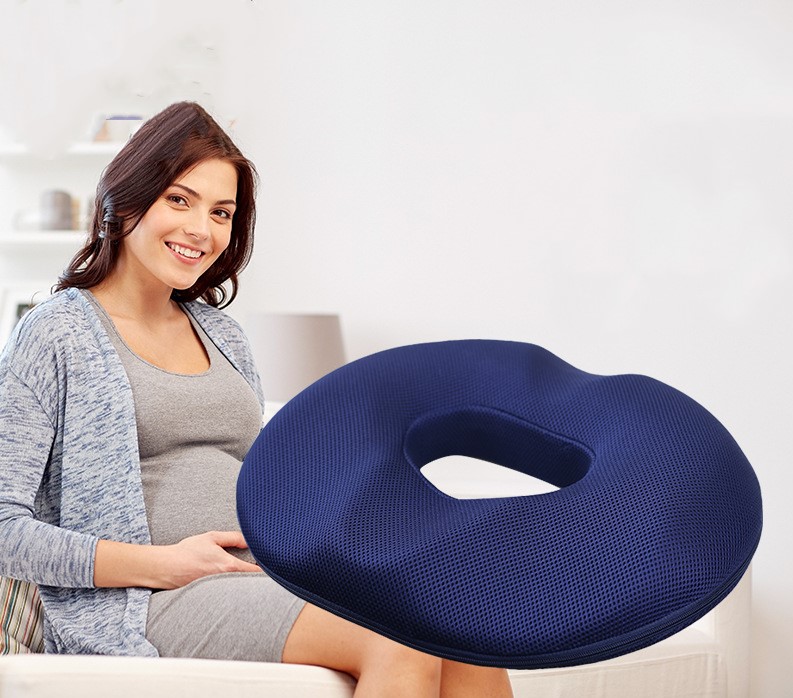

Photos from current listings. Actual item, color, and included accessories may vary.
Seat Cushion Buying Guide
A seat cushion is a foam or gel overlay that redistributes pressure under the ischial tuberosities (sit bones) and tailbone, and its performance hinges on foam density, thickness, and cover breathability rather than marketing claims. The core trade-off is high-density memory foam (durable support, warmer) versus low-density foam or gel (cooler, but prone to bottoming out). The decision rule: choose a cushion with a foam density of at least 2.5 lb/ft³ and a thickness of 2–3 inches for daily 8-hour use; skip anything under 2 lb/ft³ or under 1.5 inches for long sitting.
At a glance
- Category
- Sleep Comfort
- Last updated
- Nov 22, 2026
Current offers
Highlights
- Memory foam density drives durability: 2.5–5 lb/ft³ resists compression set; under 2 lb/ft³ collapses within months of daily use.
- Gel-infused or ventilated mesh covers reduce heat buildup; solid fabric covers trap heat and are best for cool rooms or short sits.
- Coccyx cutout (U-shaped rear notch) relieves tailbone pressure; flat cushions suit general comfort but not tailbone pain.
- Base grip and size must match chair seat: 17–18 inch width fits most office chairs; oversize cushions tilt the pelvis and reduce back support.
Best use cases
- Best fit: 8-hour office desk work — pick a 2.5–3 inch high-density memory foam cushion with a breathable cover and non-slip base; skip low-profile gel pads that bottom out.
- Best fit: Tailbone or coccyx pain — choose a cushion with a genuine rear cutout and medium-firm foam; skip flat cushions and overly soft foam that lets the tailbone sink to the seat.
- Wrong fit: Wheelchair or long-haul travel — skip thick memory foam (heat and instability); choose a 1.5–2 inch gel or closed-cell foam cushion with a secure strap.
Buying tips
- Match thickness to sitting duration: 2–3 inches for 6+ hour desk sitting; 1–2 inches for cars or brief sits to avoid knee-hip misalignment.
- Check foam density spec: 2.5 lb/ft³ or higher for daily use; 4–5 lb/ft³ for heavier users (over 200 lb) to prevent bottoming out.
- Choose a cover that is removable and washable; mesh or gel-infused fabric improves airflow, while solid polyester traps heat.
- Verify chair seat dimensions: cushion width should equal seat width (typically 17–18 inches) and depth should leave 1–2 inches behind the knees.
Specs
| Foam Density | 2.5–5 lb/ft³ (daily use); <2 avoid |
|---|---|
| Thickness | 2–3 in desk; 1–2 in car/travel |
| Cover Material | Breathable mesh/gel-infused vs solid fabric |
| Shape | Flat vs coccyx cutout (U-notch) |
Related searches
What to check before buying
- Measure your chair seat width and depth; a cushion more than 1 inch wider than the seat overhangs and destabilizes posture.
- Confirm the cushion has a non-slip bottom or strap; smooth fabric bases slide on leather and coated office chairs.
- Check seat height after adding cushion: add cushion thickness to seat height; total over 20 inches may leave feet dangling.
- For tailbone relief, measure cutout depth and width — the notch must align with your coccyx, not sit forward or behind it.
FAQ
Data sources: eBay / Amazon listings and product attribute feeds. Updated Nov 22, 2026.
Some links on this page are affiliate links. If you buy after clicking one, we may earn a commission at no extra cost to you. This does not change which products appear here or their order. Affiliate disclosure.