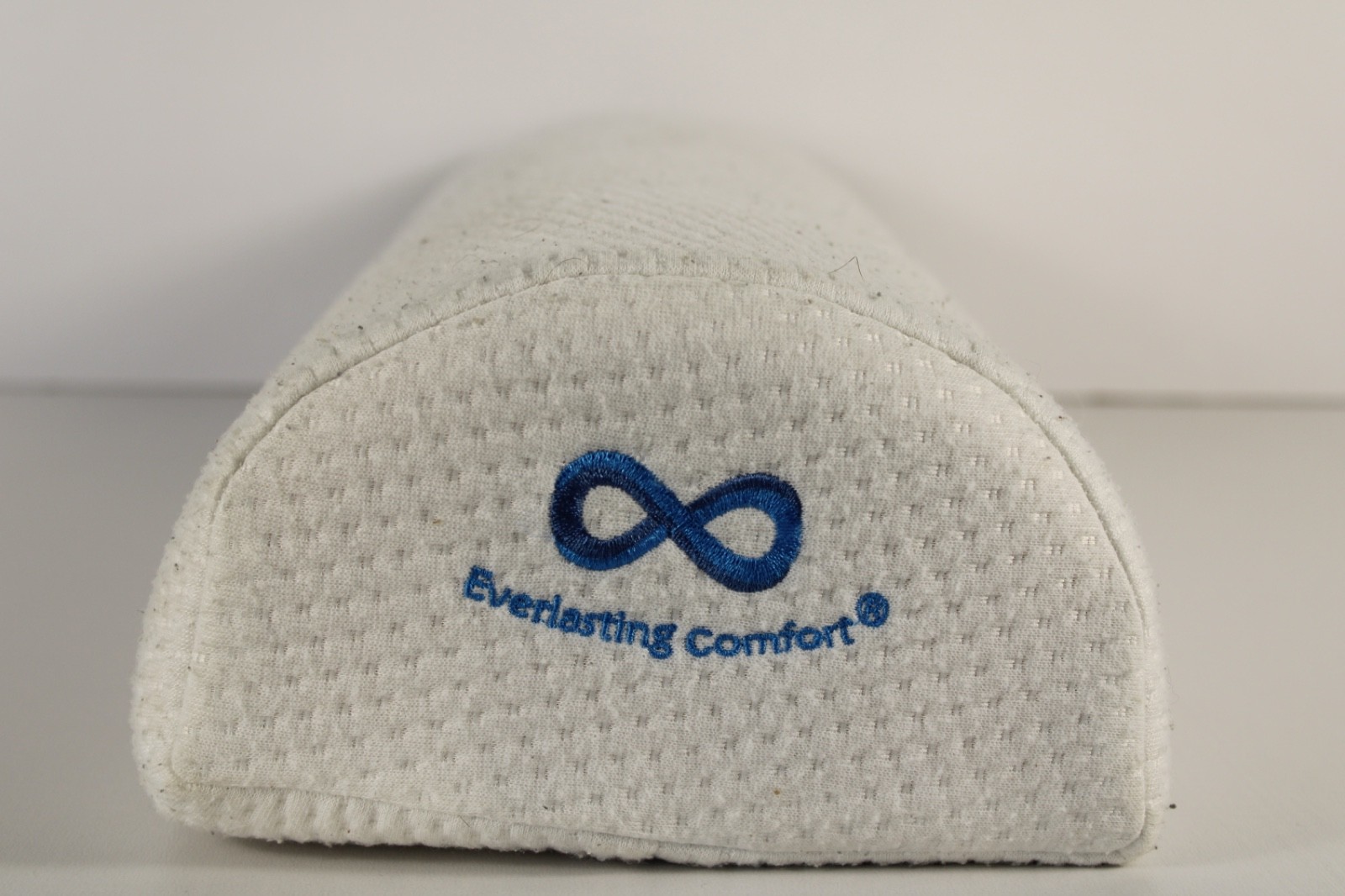

Photos from current listings. Actual item, color, and included accessories may vary.
Pillow Sciatica Buying Guide
A sciatica pillow is a positioning aid—typically a knee or leg support—that maintains spinal neutrality to reduce nerve compression, not a medical treatment. The core trade-off is between conforming memory foam (better for side-sleeping alignment) and adjustable inflatable or wedge designs (better for portability and height tuning). Choose a pillow that matches your sleep position and leg geometry; skip anything that forces your hips or knees out of neutral.
At a glance
- Category
- Sleep Comfort
- Last updated
- Nov 22, 2026
Current offers
Highlights
- Knee pillows use high-density memory foam (3–5 lb/ft³) or inflatable TPU bladders; foam conforms for side sleepers, air allows on-the-go height adjustment.
- Half-moon contours maintain 10–15° knee flexion, the neutral zone that reduces lumbar and sciatic nerve tension during back sleeping.
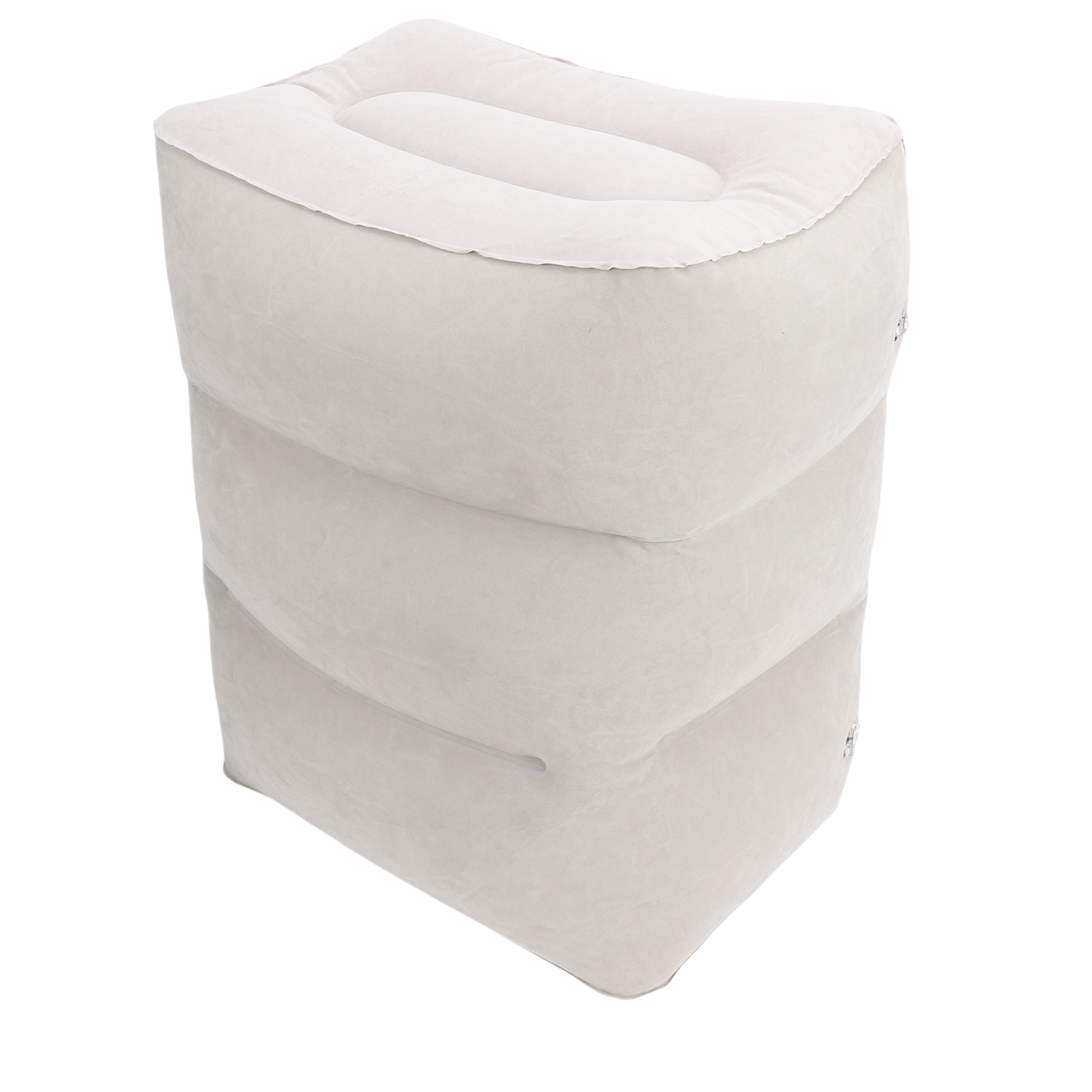
- Height-adjustable inflatable pillows (2–3 layers) let users dial 4–10 inches of leg elevation, useful for post-exercise or travel relief.
- Cover material matters: breathable knit or bamboo blends resist heat buildup better than non-woven synthetics, which trap sweat and degrade foam.
Best use cases
- Best for side sleepers: a contoured memory foam knee pillow between the knees to keep hips stacked and reduce sciatic pressure—skip flat rectangular pillows that slide out.
- Best for back sleepers: a half-moon under-knee cushion that maintains slight flexion and takes load off the lower spine—skip thick wedges that over-flex the hip.
- Best for travel or small spaces: a multi-layer inflatable footrest that packs flat and adjusts height—skip memory foam if you need portability or adjustable firmness.
- Wrong fit for stomach sleepers or those needing full-body support: a knee pillow alone won't correct prone alignment—consider a body pillow or wedge system instead.
Buying tips
- Measure your knee-to-hip gap when lying on your side: the pillow should fill it without lifting the top knee above the hip line—typically 6–9 inches thick for average adults.
- Foam density above 3 lb/ft³ resists flattening; below 2.5 lb/ft³ degrades within months under nightly load.
- Inflatable pillows should use TPU or PVC with welded seams and a two-valve system (one for inflation, one for fine-tuning) to hold pressure overnight.
- Match cover to climate: breathable mesh or bamboo for hot sleepers; removable, machine-washable covers extend pillow life and hygiene.
Specs
| Fill Material | Memory foam / Inflatable TPU |
|---|---|
| Contour Shape | Half-moon / Wedge / Rectangular |
| Height Adjustment | Fixed foam vs 2–3 layer inflatable |
| Cover Fabric | Breathable knit / Bamboo blend |
Related searches
What to check before buying
- Sleep position check: side sleepers need a between-knee pillow; back sleepers need an under-knee half-moon; stomach sleepers need a different support strategy entirely.
- Mattress firmness and bed height: a soft mattress sinks the hips, requiring a thicker knee pillow to maintain neutral alignment.
- Travel or home use: inflatable models need a pump or mouth valve and pack to under 1 lb; foam models are bulkier but ready to use instantly.
- Compatibility: if using with a CPAP or leg brace, confirm pillow dimensions and strap options don't interfere with equipment.
FAQ
Data sources: eBay / Amazon listings and product attribute feeds. Updated Nov 22, 2026.
Some links on this page are affiliate links. If you buy after clicking one, we may earn a commission at no extra cost to you. This does not change which products appear here or their order. Affiliate disclosure.