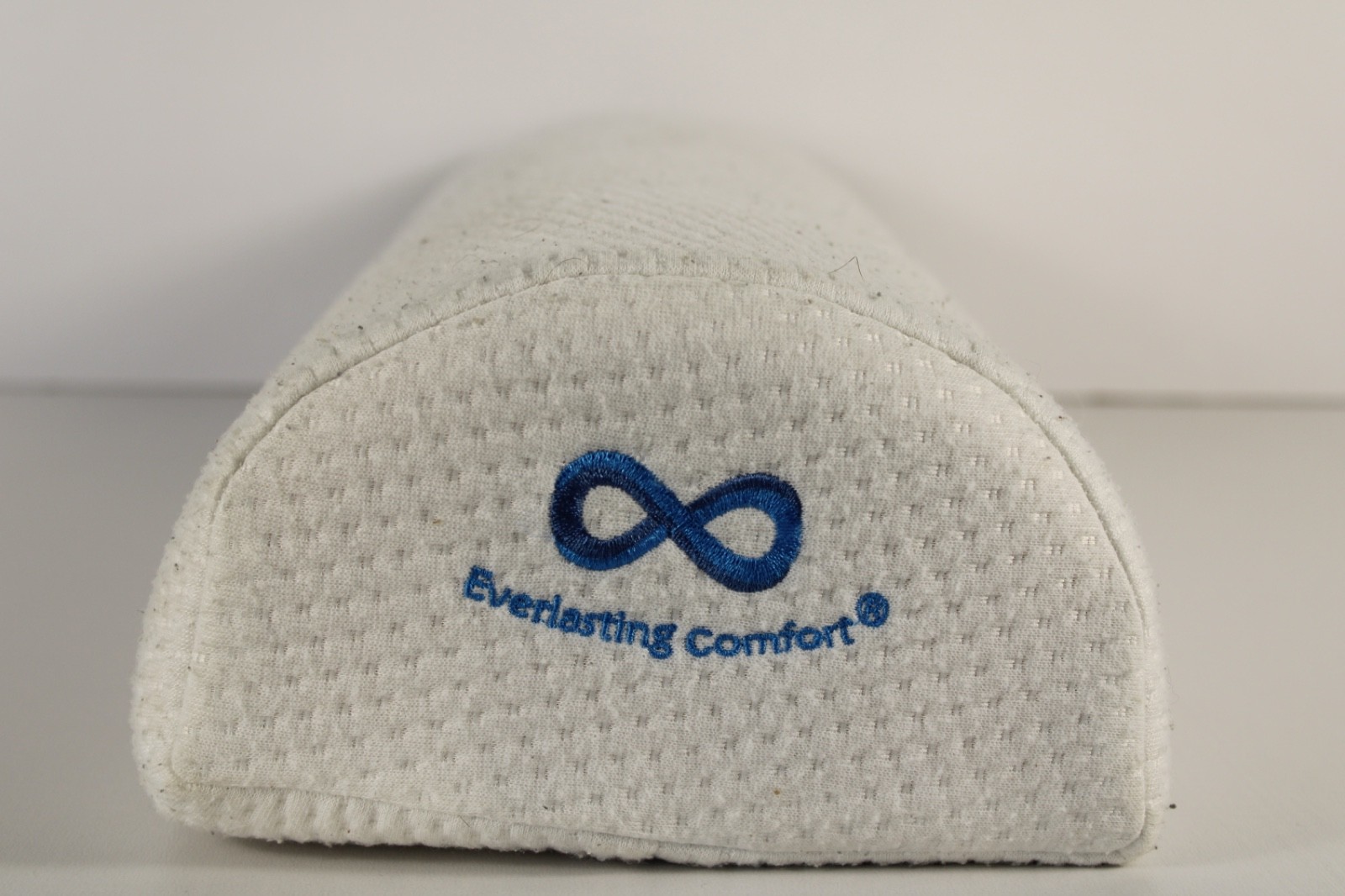

Photos from current listings. Actual item, color, and included accessories may vary.
Knee Pillow Side Sleeper Buying Guide
A knee pillow for side sleepers is a contoured memory-foam or latex cushion placed between the knees to align hips and spine, preventing pelvic rotation and lower-back strain. The key trade-off is foam density versus shape retention: low-density polyfoam softens and bottoms out within months, while high-density memory foam (3+ lb/ft³) or natural latex holds its contour for years. The decision rule is simple—buy a pillow with a removable, washable cover and a density rating you can verify, not a generic 'memory foam' claim.
At a glance
- Category
- Sleep Comfort
- Last updated
- Nov 22, 2026
Current offers
Highlights
- Density is the durability metric: memory foam at 3 lb/ft³ or higher resists compression; 2 lb/ft³ or less flattens in 6–12 months.
- Contour shape matters: a concave center or ergonomic cutout keeps the pillow from sliding out from between the knees during the night.
- Cover material determines hygiene: removable, machine-washable covers (often bamboo or polyester blend) prevent sweat and oil buildup in the foam.
- Strap or band options attach the pillow to one leg, holding it in place for restless sleepers; strapless designs rely on mattress friction.
Best use cases
- Best fit: side sleepers with lower-back or hip pain—choose a 5–6 inch thick contoured memory-foam pillow with a washable cover to fill the natural knee gap.
- Best fit: combination sleepers who shift between side and back—pick a half-moon or rectangular shape that also works under the knees when supine.
- Wrong fit: stomach sleepers—skip knee pillows entirely; they force lumbar extension and should use a thin pillow under the hips instead.
- Wrong fit: buyers wanting a full-body pillow substitute—a knee pillow only addresses knee-to-knee alignment; hip or shoulder pain may require a larger U-shaped body pillow.
Buying tips
- Measure your knee gap: side-lying knee spacing is typically 4–6 inches; choose a pillow thickness that fills this without over-lifting the top leg.
- Check foam density: listings that state 3–5 lb/ft³ memory foam are durable; 'high-density' without a number is usually 2 lb/ft³ or less.
- Prefer a removable, zippered cover in bamboo or cotton blend over bare foam—bare foam degrades from sweat and is not washable.
- If you move a lot, choose a pillow with an adjustable strap or elastic band; strapless tapered wedges can migrate off the bed.
Specs
| Foam Density | 3-5 lb/ft³ (high) vs 2 lb/ft³ (low) |
|---|---|
| Thickness Range | 4-6 in (side sleeper) |
| Cover Type | Removable / machine-washable |
| Strap Option | Yes (restless) / No (stationary) |
Related searches
What to check before buying
- Measure the distance between your knees while lying on your side to pick a 4–6 inch thickness—too thick tilts the pelvis.
- Confirm your mattress type: memory-foam mattresses grip the pillow better; on slick innerspring or latex, a strap model is more stable.
- Check cover washability: the cover should be removable and machine-washable on cold to keep the foam hygienic.
- Verify pillow dimensions fit your sleep space: standard knee pillows are 8–10 inches wide and 10–12 inches long—ensure it does not crowd your bed partner.
FAQ
Data sources: eBay / Amazon listings and product attribute feeds. Updated Nov 22, 2026.
Some links on this page are affiliate links. If you buy after clicking one, we may earn a commission at no extra cost to you. This does not change which products appear here or their order. Affiliate disclosure.