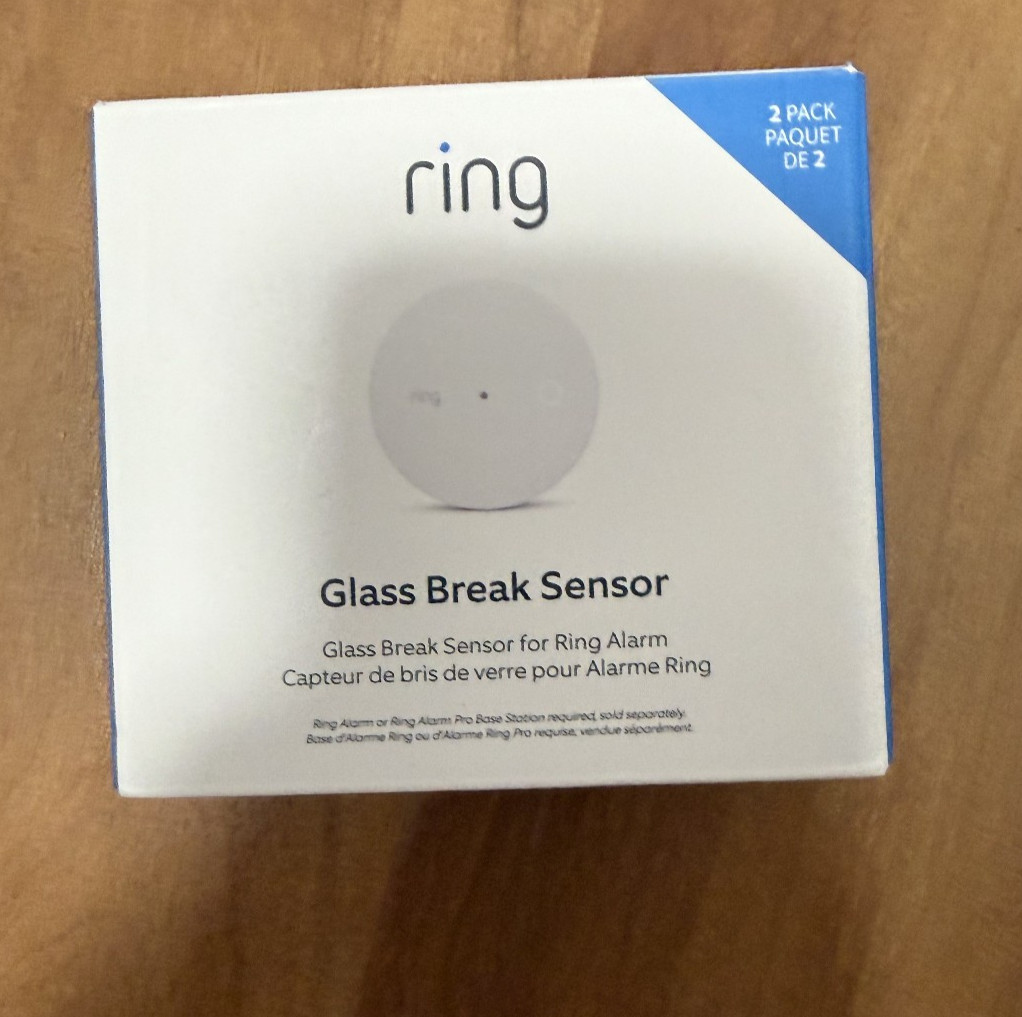

Photos from current listings. Actual item, color, and included accessories may vary.
Ring Alarm Buying Guide
Ring Alarm is a DIY Z-Wave home security system built around a Base Station that bridges sensors to the Ring app and optional 24/7 professional monitoring. The primary trade-off is between the integrated ecosystem convenience of Ring (proprietary Z-Wave sensors, app-locked features) and the flexibility of open-standard systems; the 2nd Gen hardware adds a built-in Eero Wi-Fi 6 extender and a slimmer keypad. Buy 2nd Gen kits for new installs, and only add 1st Gen sensors if you already own a 1st Gen Base Station.
At a glance
- Category
- Home Security
- Status
- Listings available
- Last updated
- Nov 22, 2026
Current offers
Highlights
- Base Station connects via Ethernet or Wi-Fi and uses Z-Wave 700 series for sensor pairing, with a built-in 24-hour backup battery and 104 dB siren.
- 2nd Gen adds a built-in Eero Wi-Fi 6 mesh extender to the Base Station and a slimmer Keypad with improved mounting; 1st Gen sensors remain Z-Wave compatible with both generations.
- Sensors are Z-Wave 700 series and battery-powered (CR123A or CR2032), with typical 1-3 year battery life depending on sensor type and traffic.
- Professional monitoring is optional via a Ring Protect Pro plan; without a plan the system provides self-monitoring alerts and app control but no cellular backup or professional dispatch.
Best use cases
- Best fit: renters and first-time DIY installers who want a no-drill, app-guided setup with optional professional monitoring and Alexa integration — choose a 5-piece or 8-piece 2nd Gen kit.
- Best fit: existing Ring camera or doorbell owners consolidating into one app — pair Ring Alarm sensors with Ring cameras for unified alerts and recording triggers.
- Wrong fit: buyers wanting local-only, no-subscription automation or HomeKit-native security — Ring Alarm requires the Ring app and lacks native HomeKit support; choose a HomeKit or local Z-Wave hub instead.
- Wrong fit: large multi-building properties needing wired, expandable panel zones — Ring Alarm supports a limited number of Z-Wave devices per Base Station and is not a wired commercial panel.
Buying tips
- Match kit size to entry points: count doors plus ground-floor windows; a 5-piece kit covers about one entry door and one motion zone, so add contact sensors for each additional door or window.
- Choose 2nd Gen for new installs: the Base Station includes an Eero Wi-Fi 6 extender and the Keypad is slimmer, while 1st Gen kits are only worth buying at a clear discount for existing 1st Gen owners.
- Verify Z-Wave compatibility before mixing brands: Ring sensors pair to the Ring Base Station, and third-party Z-Wave sensors work only if the Ring app lists them as supported.
- Plan power and network: the Base Station needs a constantly powered outlet and either Ethernet or 2.4/5 GHz Wi-Fi; the backup battery covers outages but cellular backup requires a Ring Protect Pro plan.
Specs
| Hub Connectivity | Z-Wave 700 / Wi-Fi 6 (Pro) |
|---|---|
| Sensor Protocol | Z-Wave (all sensors) |
| Glass Break Range | Up to 25 ft from glass |
| Siren Loudness | 104 dB base station |
Alternatives to compare


Related searches
What to check before buying
- Measure your entry points: count doors and ground-floor windows to determine kit size (5-piece covers 1-2 doors + 1 motion; 8-piece adds 2 contacts and 1 motion).
- Confirm your Wi-Fi signal reaches the planned hub location; the Pro hub's Eero extender helps dead zones but still needs a strong initial signal.
- Check that you have a standard US 120V outlet near the hub and keypad; both include AC adapters but no battery-only operation for the hub.
- Verify your smartphone meets the Ring app's minimum OS (iOS 14+ or Android 9+) and that you have a stable internet connection for remote monitoring.
FAQ
Data sources: eBay / Amazon listings and product attribute feeds. Updated Nov 22, 2026.
Some links on this page are affiliate links. If you buy after clicking one, we may earn a commission at no extra cost to you. This does not change which products appear here or their order. Affiliate disclosure.