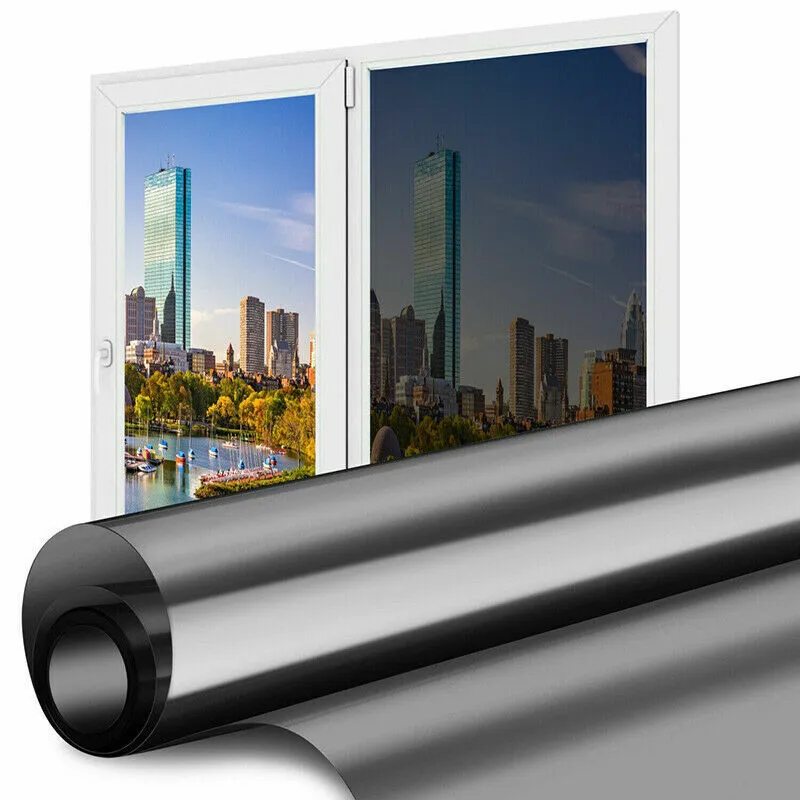

Photos from current listings. Actual item, color, and included accessories may vary.
Window Tint Film Buying Guide
Window tint film is a thin optical-grade polyester sheet applied to glass to reject solar heat, block UV, and add daytime privacy; the core trade-off is between reflective metallized films (maximum heat rejection, mirror look, RF interference) and dyed or ceramic films (clearer, no signal loss, shorter lifespan). Choose ceramic or high-VLT metallized film for permanent residential installs, and static-cling one-way mirror film only for temporary or rental daytime privacy.
At a glance
- Category
- Rugs, Curtains, Blinds & Window Treatments
- Last updated
- Nov 22, 2026
Current offers
Highlights
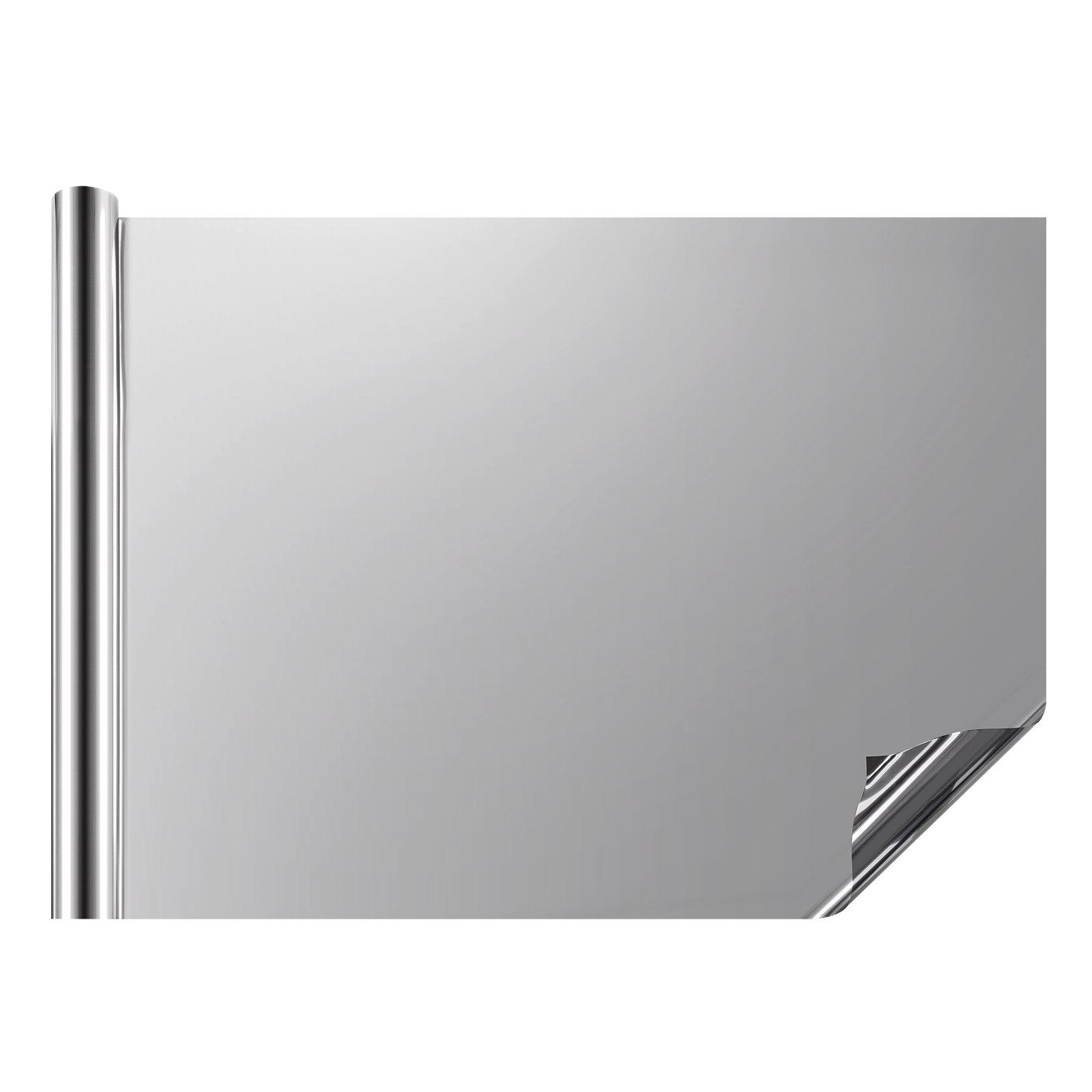
- Metallized sputtered film rejects up to 75-80% of solar heat and 99% UV but creates a mirror finish and can attenuate Wi-Fi/cellular signals.
- Ceramic nanoparticle film delivers 80-90% IR rejection with no signal interference and no mirror effect — the correct tier for HOA-restricted or full-time windows.
- Static-cling PVC film (no adhesive) bonds via surface tension and repositions easily but lasts 1-3 years and is not suitable for exterior or high-humidity glass.
- VLT (visible light transmission) drives darkness: VLT 5-20% is limo-dark, 35-50% is a subtle daylight tint, and 70%+ is nearly clear heat-rejection film.
Best use cases
- Best fit: daytime privacy on west/south-facing living-room glass — pick one-way mirror static-cling film at 20-35% VLT; skip it for nighttime privacy because interior lighting reverses the mirror.
- Best fit: permanent heat and UV control on double-pane residential windows — use ceramic adhesive film; skip metallized films on dual-pane units where reflected heat risks seal failure.
- Best fit: rental apartments or dorm windows needing removable tint — static-cling film only; skip adhesive films that leave residue and require razor-blade removal.
- Wrong fit: single-pane exterior glass in extreme climates where film must handle thermal shock — choose exterior-rated film or skip tinting entirely.
Buying tips
- Measure each pane's visible glass (not frame) and add 1-2 in per side for trimming; order film width equal to or greater than pane width to avoid seams.
- Match film to glass type: avoid metallized reflective film on double-pane or Low-E glass — trapped heat can crack seals; use ceramic or dyed film instead.
- Select VLT by room use: 5-20% for media rooms and south-facing glare, 35-50% for living areas, 70%+ when you want heat rejection with near-clear visibility.
- For one-way privacy film, confirm interior is brighter than exterior during use; at night with interior lights on, the mirror effect reverses and interior becomes visible.
Specs
| Film Type | Metallized / Ceramic / Dyed / Static-cling |
|---|---|
| VLT Range | 5-20% dark / 35-50% medium / 70%+ clear |
| Heat Rejection | Metallized 75-80% / Ceramic 80-90% IR |
| UV Block | 99% typical across all film types |
Related searches
What to check before buying
- Measure visible glass width and height per pane; multiply by pane count and add 10% waste for trimming errors.
- Identify glass type (single, double-pane, Low-E, tempered) — double-pane and Low-E units require ceramic or dyed film, never metallized reflective.
- Check orientation and sun exposure: south/west glass needs higher IR rejection; north-facing glass may only need UV-blocking clear film.
- Confirm installation environment: static-cling needs a smooth, clean, non-porous glass surface; textured, frosted, or dirty glass will not hold.
FAQ
Data sources: eBay / Amazon listings and product attribute feeds. Updated Nov 22, 2026.
Some links on this page are affiliate links. If you buy after clicking one, we may earn a commission at no extra cost to you. This does not change which products appear here or their order. Affiliate disclosure.