
Photos from current listings. Actual item, color, and included accessories may vary.
Window Privacy Tint Buying Guide
Window privacy tint is a thin plastic film applied to glass to block sightlines, cut solar heat and UV, and add daytime or nighttime privacy without replacing windows. The core trade-off is optical architecture: one-way mirror films rely on a bright-outside/dark-inside lighting differential for privacy, while static-cling decorative or frost films provide two-way obscurity independent of light direction. Buy one-way reflective film only for sun-facing windows where you want a view out; buy frosted, decorative, or dual-reflective film where privacy must hold at night or under interior lighting.
At a glance
- Category
- Rugs, Curtains, Blinds & Window Treatments
- Last updated
- Nov 22, 2026
Current offers
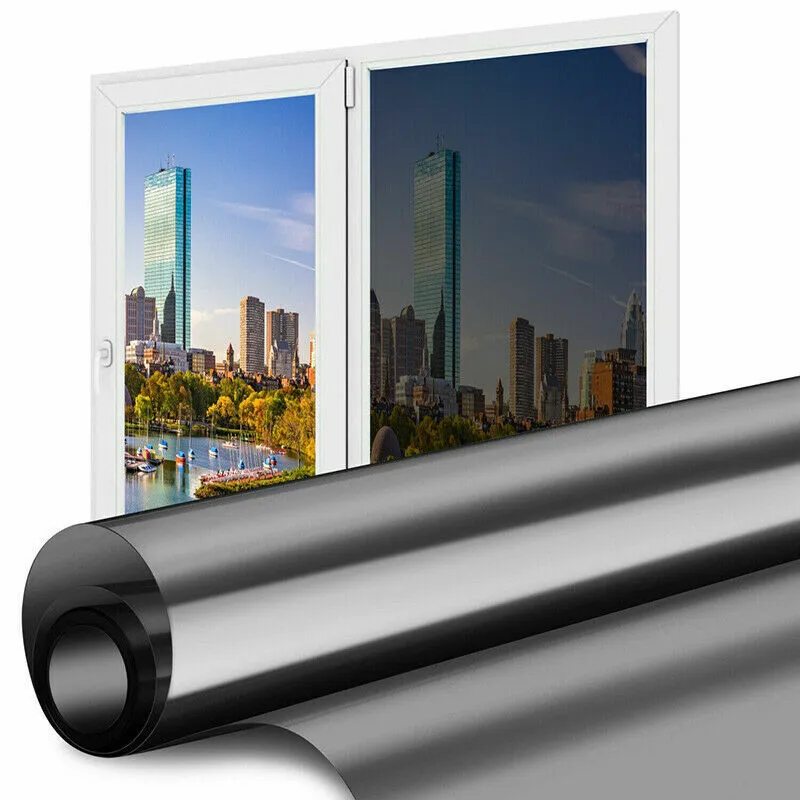 One Way Mirror Window Film Heat UV Reflective Privacy Tint Foil For Home Office$22.99View on Mallflare
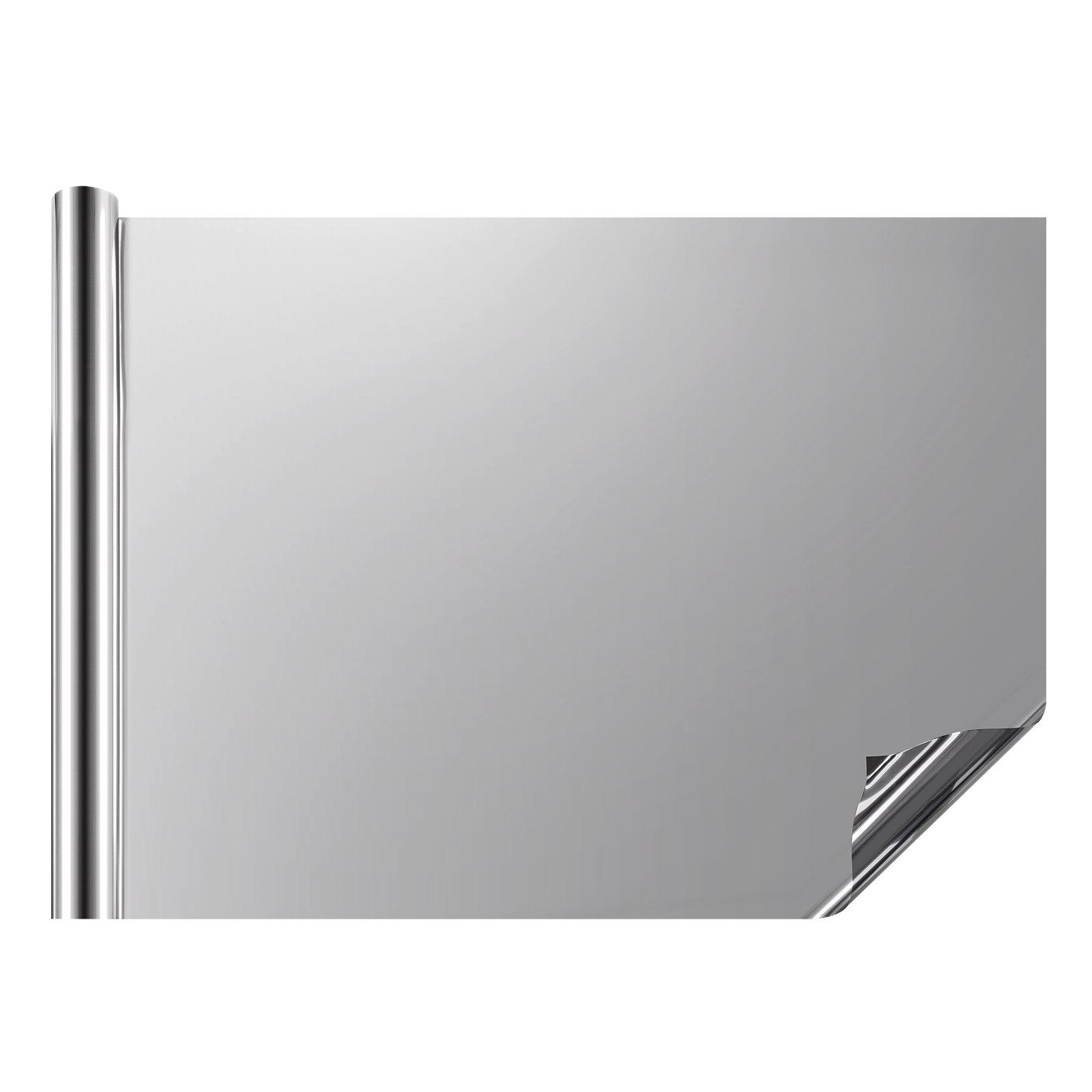 Window Privacy Film, One Way Tint, Daytime Mirror Reflective Heat Control Glass, Static Cling Sun Blocking See Out Not In For Home And Office, Black-Silver, 35.4 In X 13.1 Ft$34.99View on Mallflare
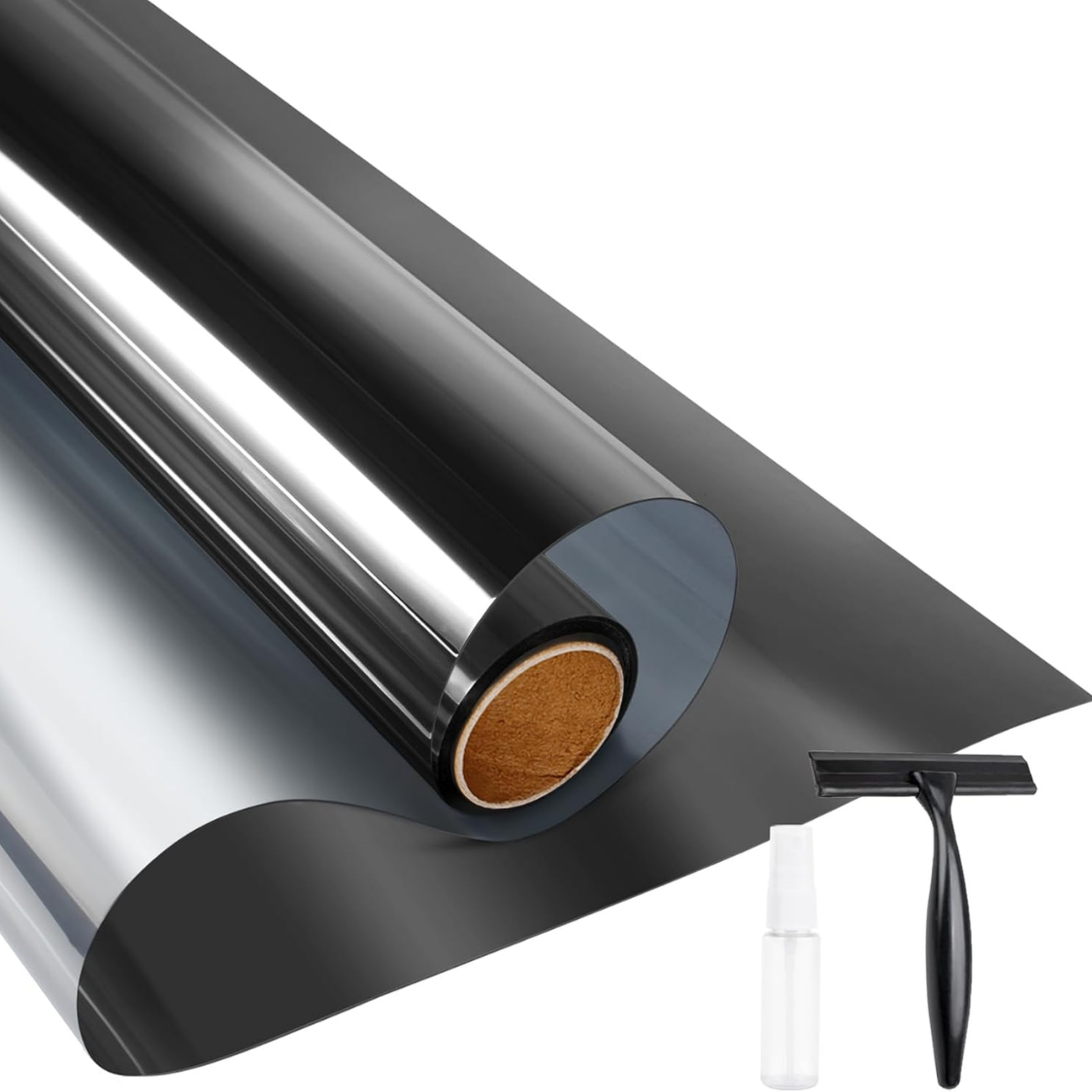 Window Privacy Film One Way Daytime Static Cling Sun Blocking Anti UV Reflective$39.99View on Mallflare
 Rainbow Stained Glass Window Privacy Film, Decorative Heat Blocking Sunlight Control For Home And Office Windows$45.99View on Mallflare
Highlights
- One-way mirror film is a polyester (PET) metallized layer that reflects visible light; privacy works only when exterior light exceeds interior light, so it fails at night with interior lights on.
- Static-cling films bond via surface tension and peel off cleanly with no adhesive residue; adhesive-backed films use a pressure-sensitive glue for permanent or high-humidity glass and are harder to remove.
- Heat rejection tracks total solar energy rejected (TSER) and visible light transmission (VLT): low-VLT mirror films reject the most heat but darken the room, while high-VLT clear films keep daylight with modest heat cut.
- Film thickness separates grades: 2-mil PET is standard for flat residential glass; 4-mil and above resist scratching and tearing but are unnecessary on non-opening panes.
Best use cases
- Best fit: west- or south-facing home office or living room windows where you want daytime mirror privacy and heat reduction — choose a silver or black-silver one-way reflective film with TSER in the 50-75% range.
- Best fit: street-level bedrooms, bathrooms, or entry doors needing round-the-clock obscurity — choose frosted, rainbow, or decorative static-cling film, not one-way mirror film, because interior lighting at night defeats reflection.
- Wrong fit: double-pane or Low-E insulated glass — standard reflective film can trap heat and crack the pane; specify films rated for dual-pane or Low-E glass.
- Skip: applying one-way film to interior-facing glass or shop windows at night without interior illumination control; it becomes transparent from outside once interior light dominates.
Buying tips
- Measure each pane's visible glass (width x height) and add 1-2 in per side for trimming; order the nearest standard roll width (e.g., 17.7 in, 23.6 in, 35.4 in) and cut down, never piece seams on one pane.
- Match film to glass type: standard 2-mil PET for single-pane clear glass; dual-pane-rated or Low-E-compatible film for insulated units to avoid thermal stress cracks.
- For heat control, prioritize TSER and UV rejection (99% UV block is standard on metallized films) over VLT; expect low-VLT mirror films to noticeably darken the room during the day.
- Choose static-cling for rentals and removable installations; choose adhesive-backed film for bathrooms, kitchens, and humid climates where cling films can lift at edges.
Specs
| Film Type | One-way mirror / Frost / Decorative |
|---|---|
| Application | Static cling vs adhesive-backed |
| Thickness | 2-mil standard / 4-mil+ heavy-duty |
| Glass Compatibility | Single-pane / Dual-pane / Low-E rated |
Related searches
What to check before buying
- Measure visible glass width and height for every pane and confirm the roll width covers the pane in one piece after trimming.
- Identify glass type — single-pane, dual-pane, tempered, or Low-E — and confirm the film is rated for that construction to prevent thermal cracking.
- Assess lighting direction: one-way mirror film needs brighter exterior than interior; plan blinds or frosted film for night privacy.
- Gather installation tools: squeegee, spray bottle with soapy water, utility knife, and lint-free cloth; static-cling films require a clean, wet glass surface.
FAQ
Data sources: eBay / Amazon listings and product attribute feeds. Updated Nov 22, 2026.
Some links on this page are affiliate links. If you buy after clicking one, we may earn a commission at no extra cost to you. This does not change which products appear here or their order. Affiliate disclosure.