
Photos from current listings. Actual item, color, and included accessories may vary.
Window Film Buying Guide
Window film is a thin polyester or vinyl sheet applied to glass to reduce solar heat gain, block UV, and add privacy without replacing windows. The core trade-off is between reflective metallic films that reject the most heat but darken rooms and block nighttime privacy, versus non-metallic ceramic or decorative films that stay clear and work after dark but reject less solar energy. Buy reflective one-way film only for daytime privacy on sun-facing glass, and choose ceramic or frosted static-cling film when you need 24-hour privacy or a bright interior.
At a glance
- Category
- Rugs, Curtains, Blinds & Window Treatments
- Last updated
- Nov 22, 2026
Current offers
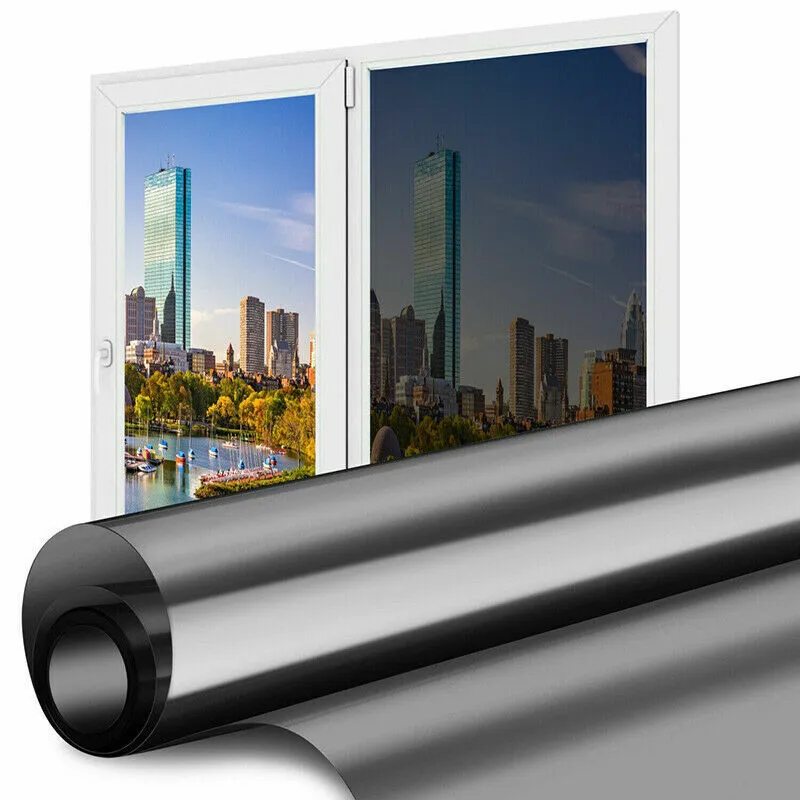 One Way Mirror Window Film Heat UV Reflective Privacy Tint Foil For Home Office$22.99View on Mallflare
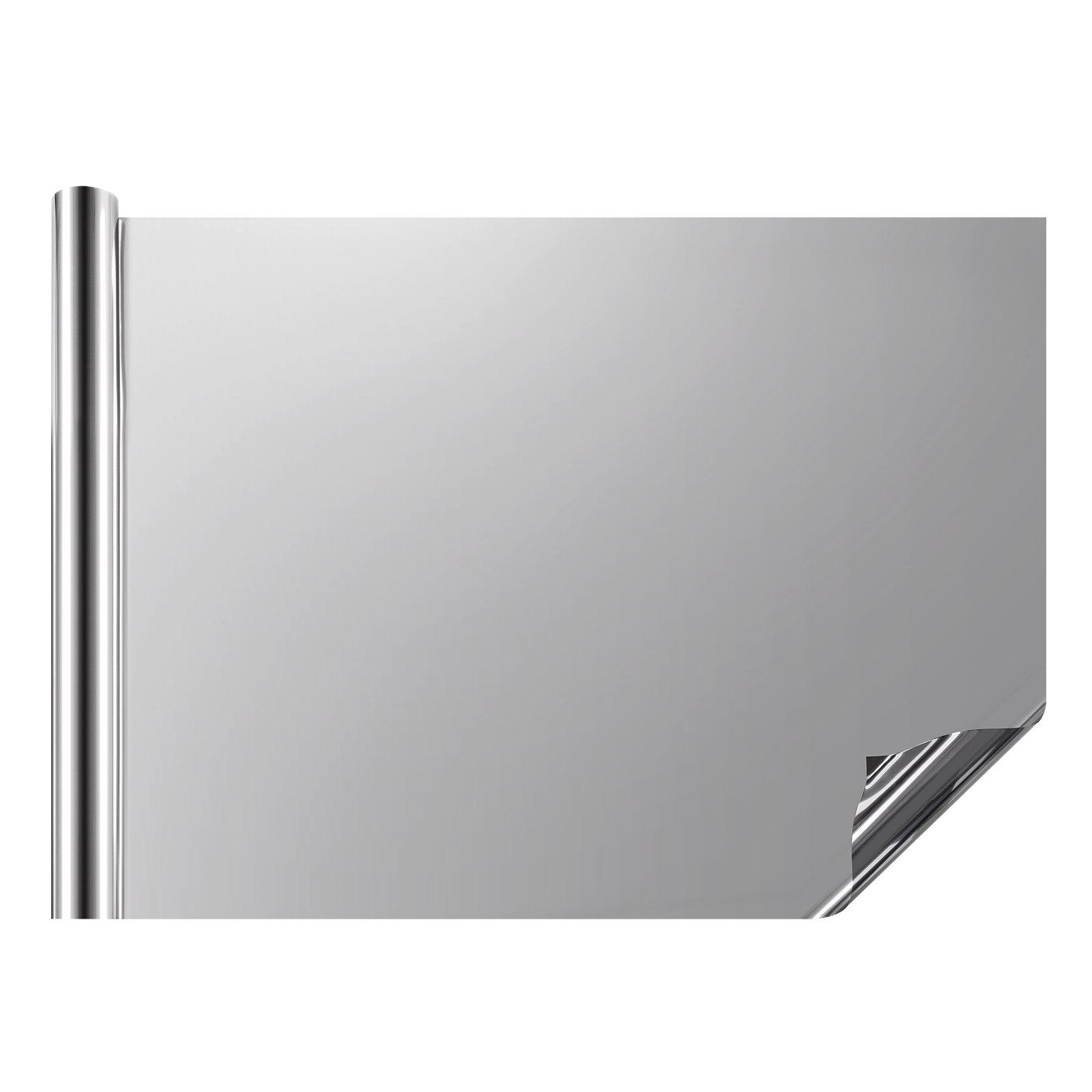 Window Privacy Film, One Way Tint, Daytime Mirror Reflective Heat Control Glass, Static Cling Sun Blocking See Out Not In For Home And Office, Black-Silver, 35.4 In X 13.1 Ft$34.99View on Mallflare
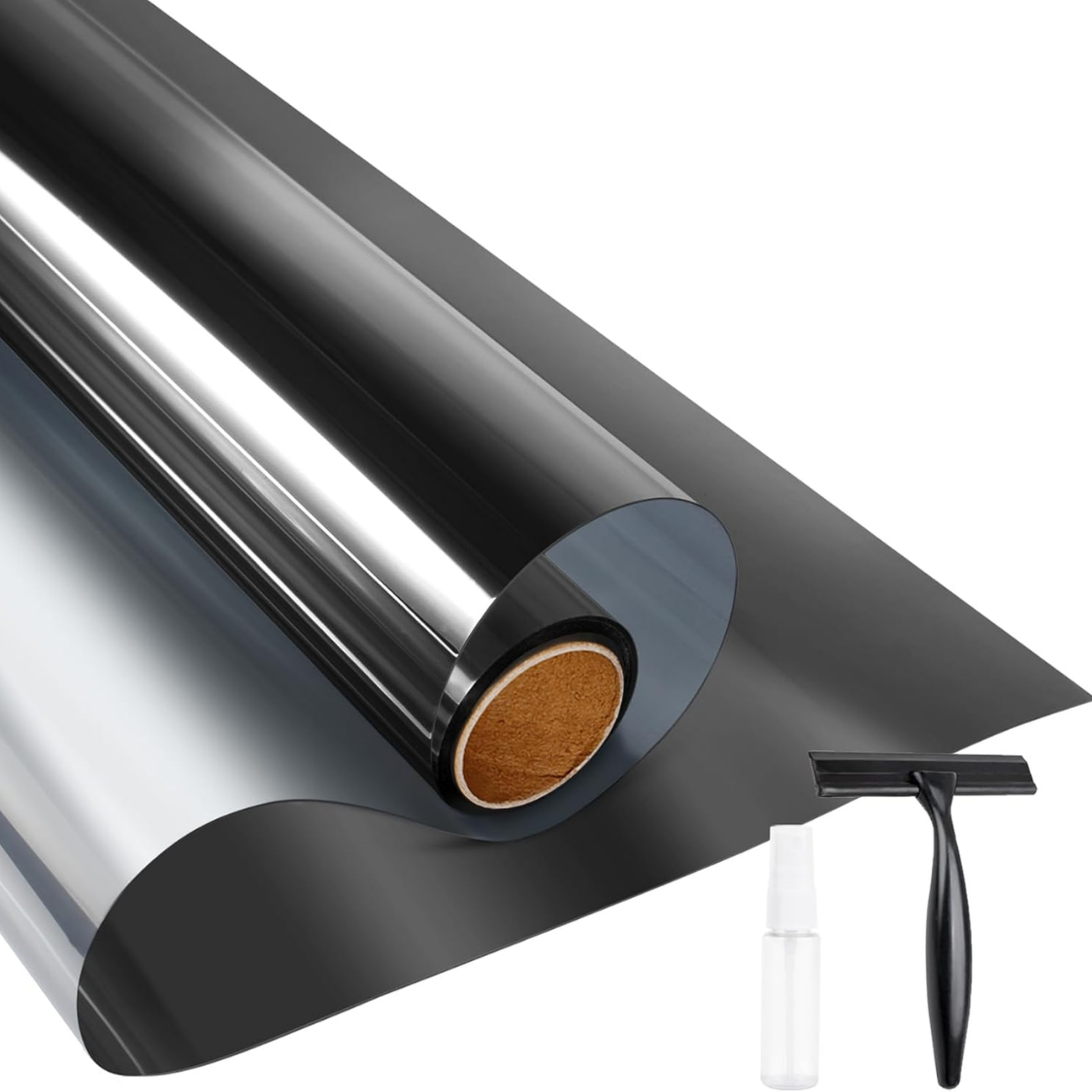 Window Privacy Film One Way Daytime Static Cling Sun Blocking Anti UV Reflective$39.99View on Mallflare
 Rainbow Stained Glass Window Privacy Film, Decorative Heat Blocking Sunlight Control For Home And Office Windows$45.99View on Mallflare
Highlights
- Metalized silver films reflect up to 70-80% of solar heat and 99% of UV, but read as a dark mirror from outside and lose privacy at night when interior lights are on.
- Ceramic and carbon films reject 50-70% of solar heat while staying visibly clear from both sides; they cost more per square foot but avoid the mirror look.
- Static-cling films use surface tension and a smooth glass surface, not adhesive; they peel off cleanly but bubble on textured, frosted, or dirty glass.
- Thickness drives durability: 2-mil films suit temporary or rental use, 4-mil handles daily cleaning, and 6-8-mil security films hold shattered glass together.
Best use cases
- Best for sun-facing west or south windows that overheat rooms: pick a metalized reflective film rated for 70%+ heat rejection and accept a darker, mirror-like exterior.
- Best for glass doors and night-lit rooms needing privacy: choose frosted, ceramic, or rainbow decorative film that stays opaque from both sides after dark; skip one-way mirror film.
- Best for renters and temporary setups: static-cling 2-mil film applies and removes without adhesive residue; avoid permanent pressure-sensitive adhesive films.
- Wrong fit for textured, frosted, or double-pane Low-E glass without verification: adhesive may not bond, and reflective film can trap heat and stress sealed double-pane units.
Buying tips
- Measure each pane's visible glass width and height, add 2 inches to both dimensions, and cut to that oversized sheet before trimming on the glass.
- Match film to glass type: avoid metalized reflective film on double-pane or Low-E windows unless the film is explicitly rated for sealed units; ceramic films are safer.
- For heat rejection, look for total solar energy rejected (TSER) of 60% or higher and UV rejection of 99%; tint darkness (VLT) below 20% noticeably dims rooms.
- Choose 4-mil or thicker for high-traffic doors and 2-mil static-cling for rental windows; security-rated 6-8-mil films only where glass breakage is a real risk.
Specs
| Film Type | Reflective / Ceramic / Frosted / Decorative |
|---|---|
| Heat Rejection (TSER) | 50-80% solar energy rejected |
| UV Block | 99% typical for quality films |
| Thickness | 2-mil static-cling to 8-mil security |
Related searches
What to check before buying
- Confirm glass type (single, double-pane, Low-E, tempered) and whether the window receives direct afternoon sun, since reflective film can overheat sealed units.
- Measure visible glass per pane, not frame-to-frame, and note any divided lites or curved surfaces that make flat film application impractical.
- Check interior lighting habits: one-way mirror film fails at night when inside lights are brighter than outside, so plan frosted or ceramic film for bedrooms.
- Verify you have a spray bottle, squeegee, utility knife, and lint-free cloth; static-cling film needs a clean, smooth surface and slightly soapy water for positioning.
FAQ
Data sources: eBay / Amazon listings and product attribute feeds. Updated Nov 22, 2026.
Some links on this page are affiliate links. If you buy after clicking one, we may earn a commission at no extra cost to you. This does not change which products appear here or their order. Affiliate disclosure.