
Photos from current listings. Actual item, color, and included accessories may vary.
Thermal Curtain Buying Guide
Thermal curtains are multi-layer window panels engineered to reduce heat transfer via dense weave, blackout coating, or insulated lining, with performance driven by fabric weight and header seal rather than marketing claims. The core trade-off is thermal/blackout density versus drape, breathability, and accurate sizing. Choose coated or lined panels rated at least 250 GSM with a ceiling-mounted track or wrap-around rod for real winter performance; skip unlined lightweight polyester sold only as 'thermal'.
At a glance
- Category
- Rugs, Curtains, Blinds & Window Treatments
- Last updated
- Nov 22, 2026
Current offers
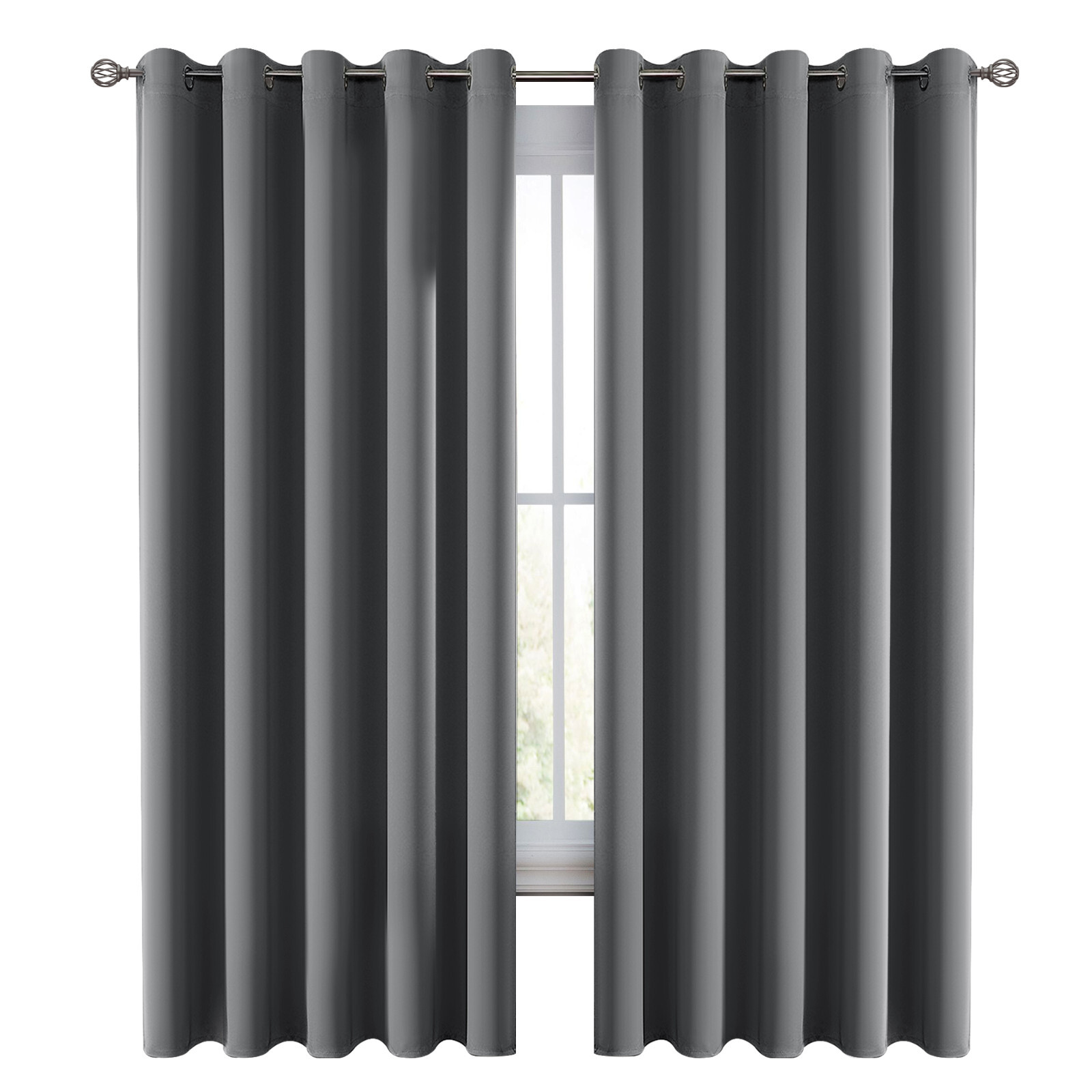 Pair of Blackout Curtains Eyelet Ring Top Ready Made Thick Thermal Curtain Set$17.45View on eBay
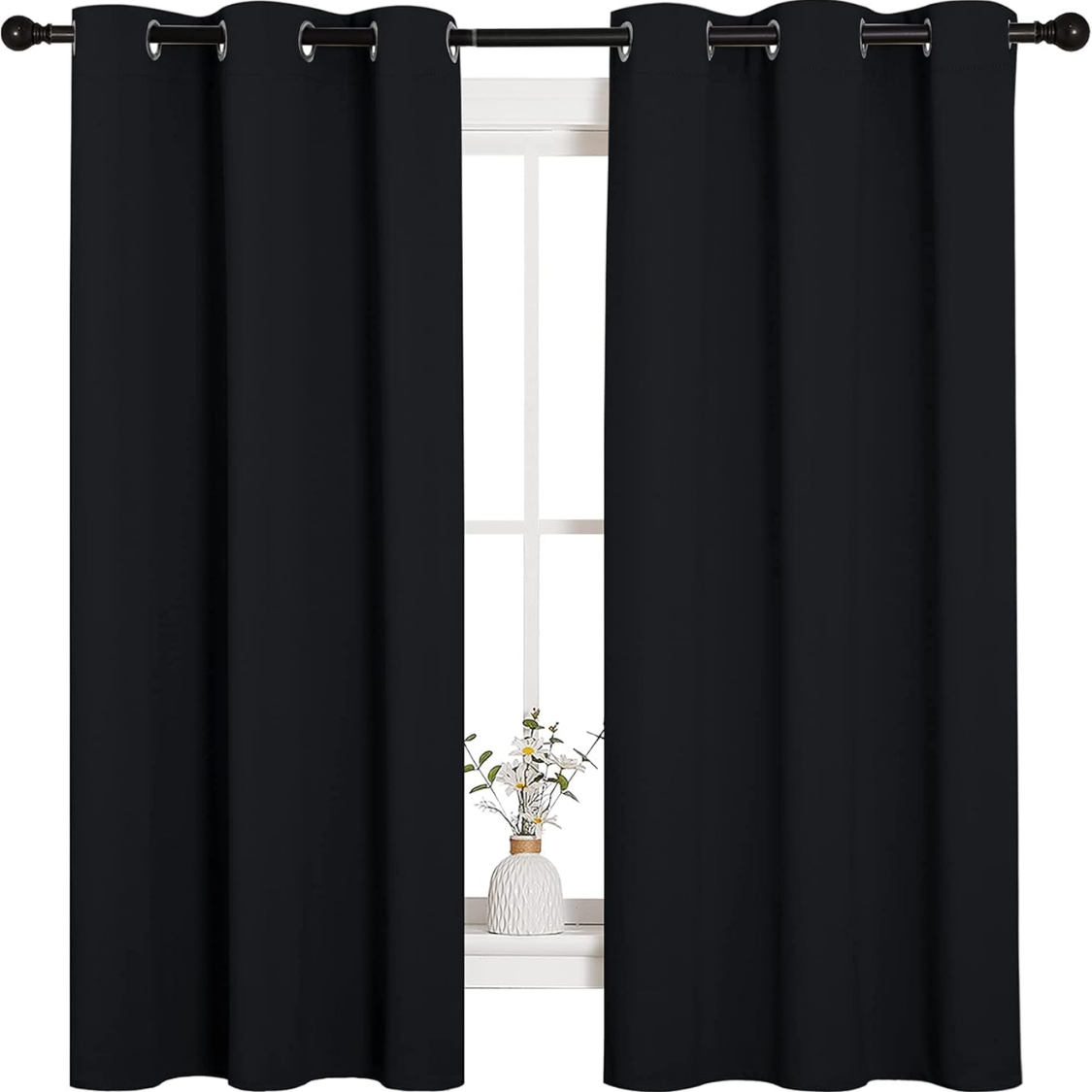 Halloween Pitch Black Solid Thermal Insulated Grommet Blackout Curtains Drapes For Bedroom Window 2 Panels, 42 Inches Wide By 63 Long$39.99View on Mallflare
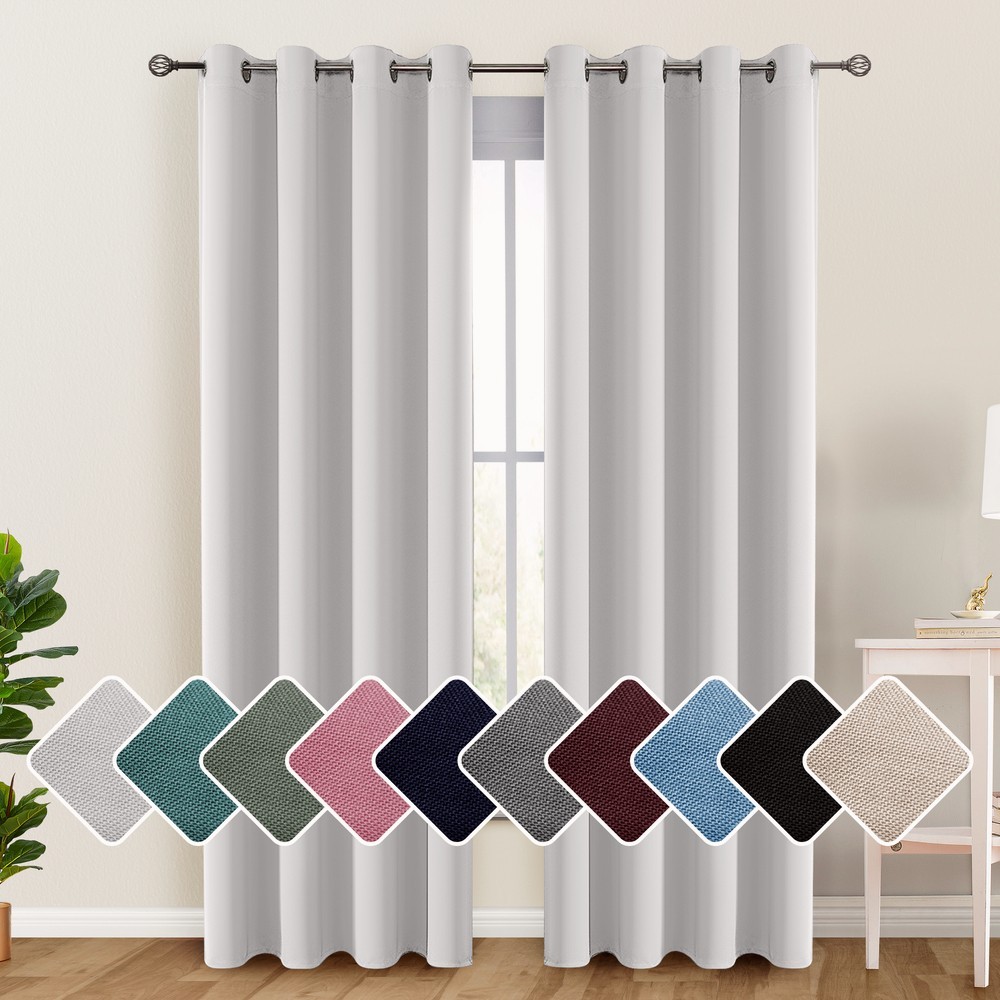 Blackout Curtain Room Darkening Window Curtains Insulated Thermal Grommet Panels$21.75View on eBay
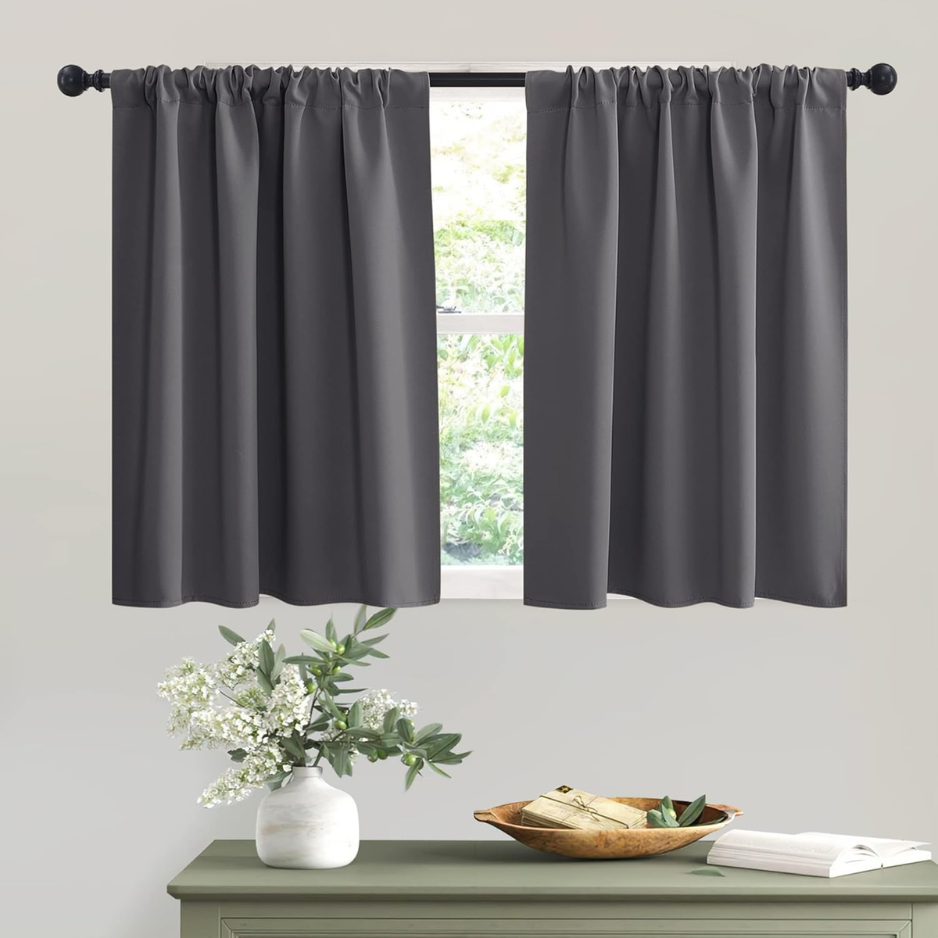 Short Grey Blackout Curtains 2 Panels Thermal Insulated Privacy Drapes For Small Windows W42 X L36$45.99View on Mallflare
Highlights
- Thermal performance is set by fabric weight and construction: triple-weave or coated panels at 250-350 GSM block 85-99% light and measurably reduce draft; single-layer 150-200 GSM polyester is decorative only.
- Header style determines seal: grommet and tab-top panels hang with 1-3 inch gaps at top and sides that leak heat; rod-pocket, back-tab, or ceiling track with return brackets create the near-sealed envelope that traps air.
- Blackout coating (acrylic foam or triple-weave) also blocks radiant heat; uncoated 'thermal' labels usually mean dense weave only and perform 30-50% worse in side-by-side winter tests.
- Panel width must be 1.5-2x the window width for pleating; a 42-inch panel covers roughly 21-28 inches of glass, so narrow 42x63 or 42x36 pairs suit small windows only, not standard 60-inch+ openings.
Best use cases
- Best fit: bedroom or nursery in winter — pick triple-weave or coated blackout panels at 250+ GSM with rod-pocket or back-tab header and floor-length drop to cut drafts and light.
- Best fit: small or short windows (basement, bathroom, attic) — use short 42x36 or 42x63 pairs, but mount the rod 2-4 inches beyond the frame and overlap center panels to compensate for narrow width.
- Wrong fit: living rooms needing daytime light and airflow — heavy coated blackout traps condensation and dims the room; choose lined cotton-look thermal panels or layer sheers instead.
- Wrong fit: renter or decorative use on a standard 60-inch window — a single 42-inch grommet pair leaves gaps and only covers ~28 inches per side; size up to 52x84 or wider per panel or skip.
Buying tips
- Measure glass width and add 8-12 inches total for overlap and returns, then double it for pleating: a 60-inch window needs two 60-inch panels (120 inches total), not a 42-inch pair.
- Set length by sill or floor: sill-length panels end 0.5 inch above the sill, floor-length 0.25-0.5 inch above the floor; add 4-6 inches above the frame for the rod pocket so the header sits high and blocks rising heat.
- Match header to goal: grommet rings give a 1.5-2 inch top gap and slide easily; back-tab or rod-pocket presses fabric to the rod for a tighter thermal seal; ceiling tracks with returns seal best.
- Check fabric weight or layers: 250-350 GSM triple-weave or bonded blackout lining performs in winter; 150-200 GSM single-layer polyester labeled 'thermal' is not insulation, and coated backs must face the glass.
Specs
| Thermal Construction | Triple-weave / coated blackout / lined |
|---|---|
| Fabric Weight | 250-350 GSM (thermal grade) |
| Header Type | Grommet / rod-pocket / back-tab / track |
| Panel Width Rule | 1.5-2x window width (pleated) |
Related searches
What to check before buying
- Window opening: measure exact glass width and height plus frame depth; confirm rod or track can mount 4-6 inches above and 2-4 inches wider than the frame.
- Header clearance: verify grommet inner diameter clears your rod (typically 1-1.5 inches) or that back-tab/rod-pocket fits rod circumference without bunching.
- Wall and ceiling: confirm stud or anchor points for rod brackets, and that ceiling track or return brackets fit the available soffit or ceiling depth.
- Environment: check for high humidity or condensation (coated blackout can trap moisture) and radiator or vent placement that a floor-length panel would block.
FAQ
Data sources: eBay / Amazon listings and product attribute feeds. Updated Nov 22, 2026.
Some links on this page are affiliate links. If you buy after clicking one, we may earn a commission at no extra cost to you. This does not change which products appear here or their order. Affiliate disclosure.