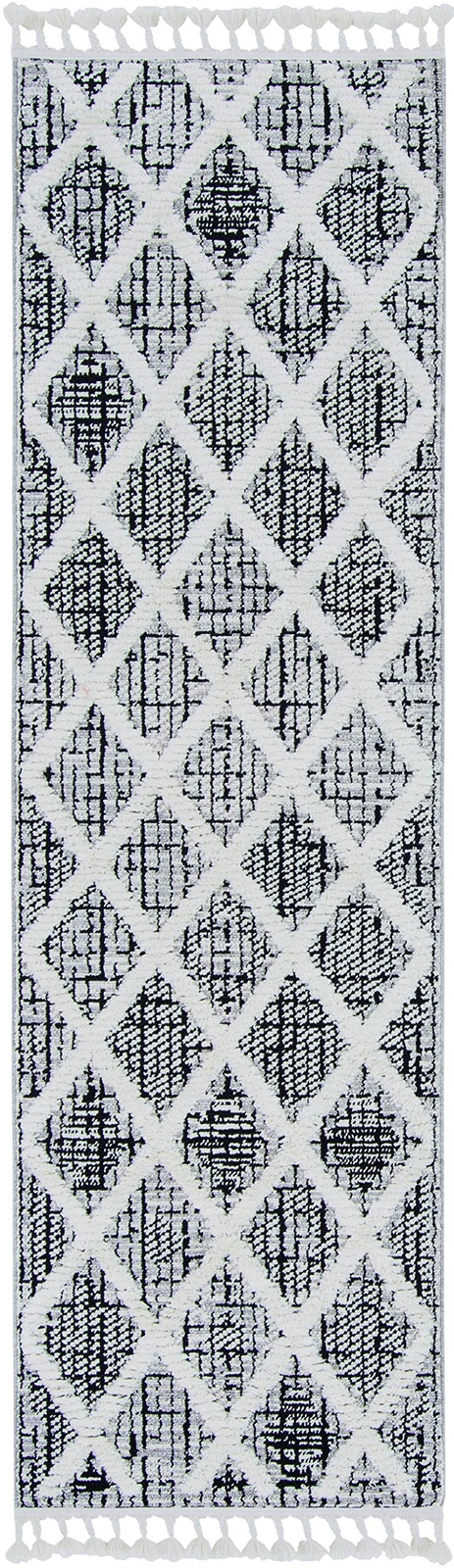

Photos from current listings. Actual item, color, and included accessories may vary.
Polyester Rug Buying Guide
Polyester rugs are machine-made floor coverings where the face fiber is synthetic polyester, valued for stain resistance, colorfastness, and low cost. The primary trade-off is durability: standard polyester is prone to matting and crushing under heavy furniture, while heat-set or high-density polyester holds up better in low-traffic areas. The clear decision rule is to match fiber construction and pile density to foot traffic and use heat-set polyester for living rooms while reserving standard polyester for bedrooms or accents.
At a glance
- Category
- Rugs, Curtains, Blinds & Window Treatments
- Last updated
- Nov 22, 2026
Current offers
Highlights
- Heat-set polyester uses twisted, heat-fixed yarns that resist crushing and matting; standard polyester uses air-textured yarns that flatten quickly under furniture.
- Face-to-face or woven polyester rugs with a density above 250,000 points per square meter resist pile reversal; lower-density tufted rugs shed and pill.
- Polyester is inherently hydrophobic and solution-dyed versions lock color into the fiber, so they resist water-based stains and fading better than nylon or wool.
- A cotton or polyester backing with a non-slip latex coating prevents curling; jute or no backing requires a separate rug pad for hard floors.
Best use cases
- Choose a heat-set polyester rug in a living room or dining area with moderate traffic; skip standard polyester if chairs and tables will sit on it daily.
- Choose standard polyester in a bedroom or low-traffic accent area where stain resistance and soft hand matter more than long-term resilience.
- Choose solution-dyed polyester for entryways, kids' rooms, or sunrooms where spills and UV exposure are frequent; skip undyed polyester in direct sunlight.
Buying tips
- For rooms up to 8x10 feet, a 5x8 or 8x10 polyester rug covers seating areas; add 18-24 inches beyond furniture edges for a proportional layout.
- Check pile height: low-pile (under 0.25 inch) polyester suits entryways and under doors, while medium-pile (0.25-0.5 inch) suits bedrooms and living rooms.
- Verify backing type: a latex or TPU non-slip backing grips hard floors without a pad, while woven or jute backing needs a separate 1/4-inch felt pad.
- Prefer solution-dyed or heat-set polyester over piece-dyed standard polyester; the former resists fading and crushing far longer under identical traffic.
Specs
| Fiber Type | Solution-dyed vs standard polyester |
|---|---|
| Yarn Construction | Heat-set twisted vs air-textured |
| Pile Height | Low <0.25 in / Medium 0.25-0.5 in |
| Backing Type | Latex non-slip vs woven/jute |
Related searches
What to check before buying
- Measure the room and furniture footprint; a polyester rug should extend at least 18 inches past sofa and chair fronts to avoid a floating look.
- Confirm door clearance: low-pile polyester under 0.25 inch fits under most interior doors; medium-pile rugs need 0.5 inch or more of clearance.
- Check floor type: latex-backed polyester grips tile and hardwood, while woven-back polyester on wall-to-wall carpet needs a gripper pad.
- Verify the rug's face fiber and backing materials on the label; polyester face with a polypropylene or jute back changes cleaning and pad requirements.
FAQ
Data sources: eBay / Amazon listings and product attribute feeds. Updated Nov 22, 2026.
Some links on this page are affiliate links. If you buy after clicking one, we may earn a commission at no extra cost to you. This does not change which products appear here or their order. Affiliate disclosure.