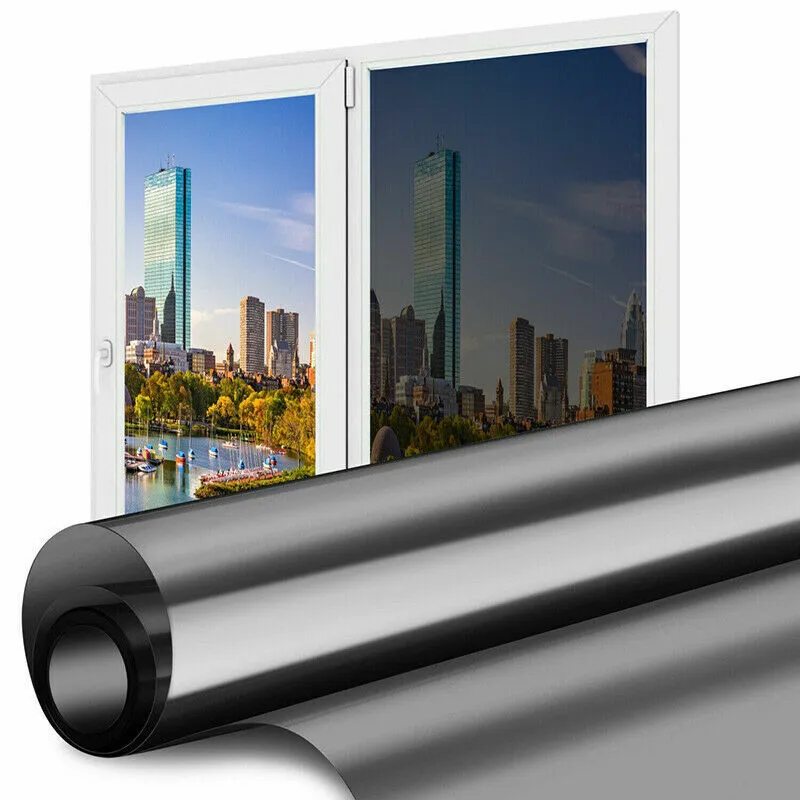

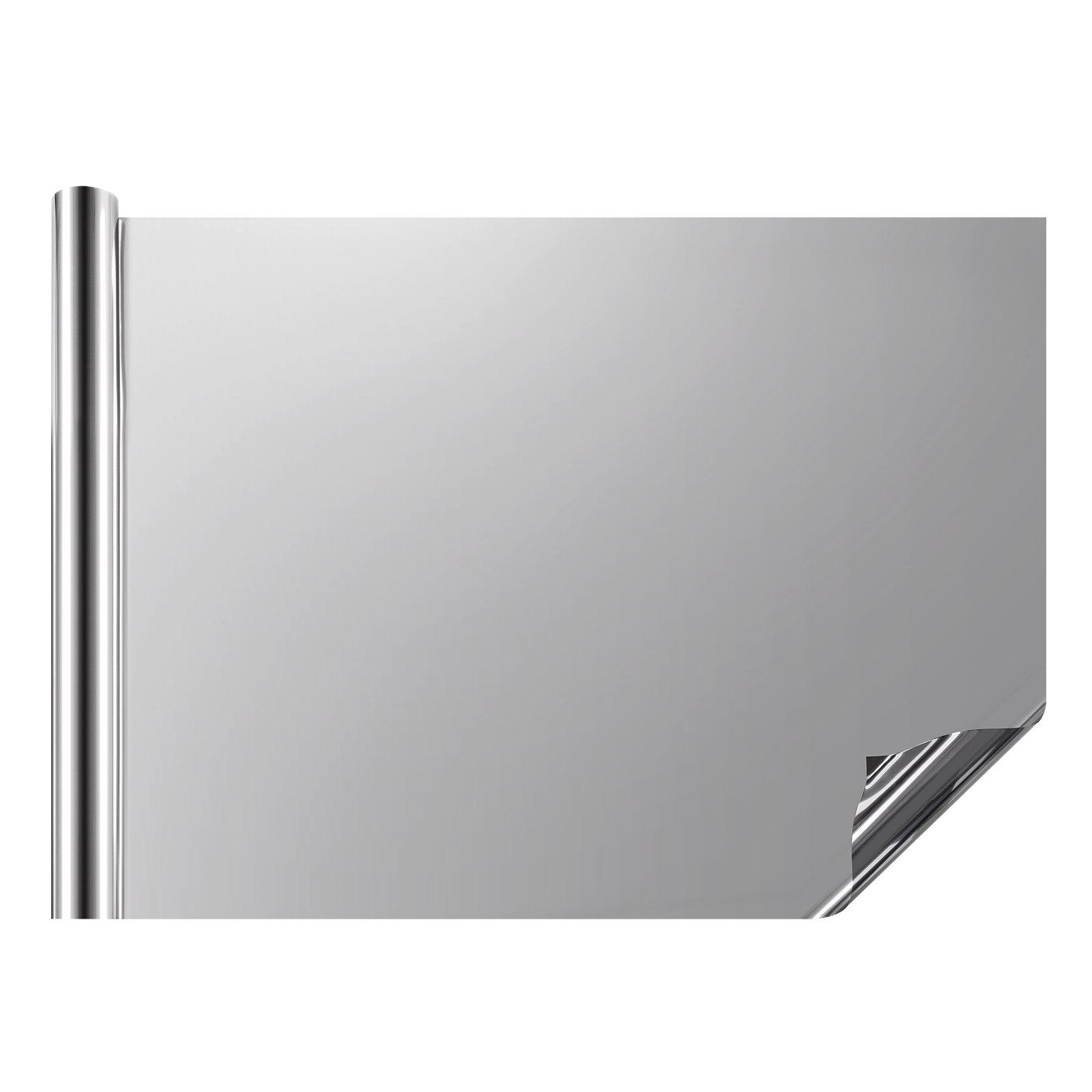
Photos from current listings. Actual item, color, and included accessories may vary.
Mirror Tint Buying Guide
Mirror tint is an adhesive or static-cling window film that creates a one-way reflective privacy effect while reducing solar heat and UV. The core trade-off is between daytime-only privacy (reflective side faces out) and true two-way privacy, plus film construction (metalized vs. ceramic) that determines heat rejection, signal interference, and longevity. Choose a metalized film only for daytime privacy on double-pane or single-pane clear glass; step up to ceramic or non-metalized for nighttime privacy, low-E glass, or electronics-sensitive rooms.
At a glance
- Category
- Rugs, Curtains, Blinds & Window Treatments
- Last updated
- Nov 22, 2026
Current offers
Highlights
- One-way mirror film relies on a lighting imbalance: the interior must be darker than the exterior for the mirror effect, so at night with interior lights on, the film becomes transparent from outside.
- Metalized (aluminum-sputtered) films reject 60-80% of solar heat and 99% of UV, but can interfere with Wi-Fi, cell, and GPS signals and are not recommended on low-E or dual-pane glass due to thermal stress cracks.
- Ceramic and non-metalized films reject 50-70% of heat with zero signal interference and are safe for dual-pane and low-E glass, but offer less mirror-like reflectivity.
- Static-cling films use surface tension and are removable/repositionable, while adhesive films bond permanently and resist peeling better in high-humidity or high-sun environments.
Best use cases
- Best fit: south- or west-facing home office or living room windows with direct sun and a darker interior — choose a metalized silver film for maximum heat rejection and daytime mirror privacy.
- Wrong fit: bedroom or bathroom where you need privacy at night with lights on — skip one-way mirror film and use a dual-purpose privacy film or frosted/blackout film instead.
- Best fit: rental apartment with double-pane windows and Wi-Fi router near the glass — pick a ceramic non-metalized static-cling film to avoid signal loss and glass stress.
- Wrong fit: single-pane vintage windows in cold climates — metalized film can cause thermal shock and glass cracking; use a low-heat-rejection non-metalized film or interior shading instead.
Buying tips
- Measure glass only (not frame) and add 1-2 inches to each dimension for trimming; film rolls are commonly 17.7 in, 23.6 in, 35.4 in, and 39.4 in wide — match roll width to your pane height to minimize seams.
- For dual-pane or low-E glass, choose film labeled 'dual-pane safe' or 'non-metalized ceramic'; metalized films on sealed insulated glass units (IGUs) can void the window warranty and cause seal failure.
- Check VLT (visible light transmission): 10-20% VLT gives strong mirror privacy in daylight; 30-50% VLT is a lighter tint with less privacy but better natural light.
- Static-cling films need a perfectly clean, wet-applied surface and are best for smooth flat glass; adhesive films are more durable in bathrooms and high-humidity areas but require a squeegee and slip solution for bubble-free install.
Specs
| Film Type | Metalized vs Ceramic vs Non-metalized |
|---|---|
| Application | Static-cling vs Adhesive |
| Privacy | Daytime one-way only |
| Glass Compatibility | Single-pane only / Dual-pane safe |
Related searches
What to check before buying
- Confirm glass type: single-pane, dual-pane, or low-E — metalized film is not safe for dual-pane/low-E; choose ceramic or non-metalized for those.
- Measure each pane's visible glass width and height in inches; order a roll width at least as wide as the tallest pane to avoid horizontal seams.
- Check interior lighting: one-way mirror film only provides privacy when the inside is darker than outside; plan blinds or lighting control for nighttime.
- Verify application surface: static-cling needs smooth, non-porous glass; textured, frosted, or dirty glass requires adhesive film or professional cleaning first.
FAQ
Data sources: eBay / Amazon listings and product attribute feeds. Updated Nov 22, 2026.
Some links on this page are affiliate links. If you buy after clicking one, we may earn a commission at no extra cost to you. This does not change which products appear here or their order. Affiliate disclosure.