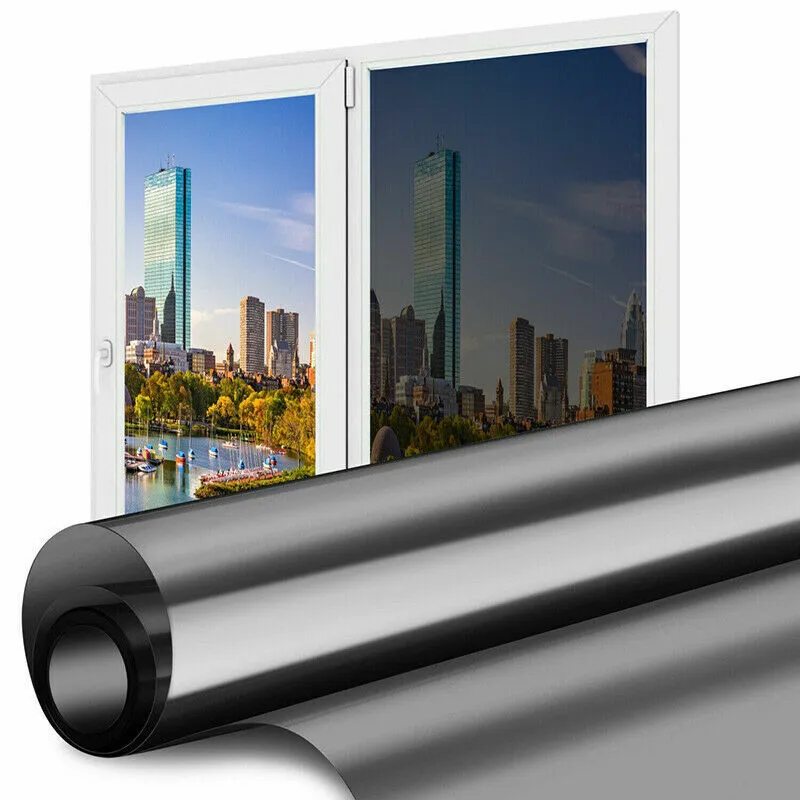

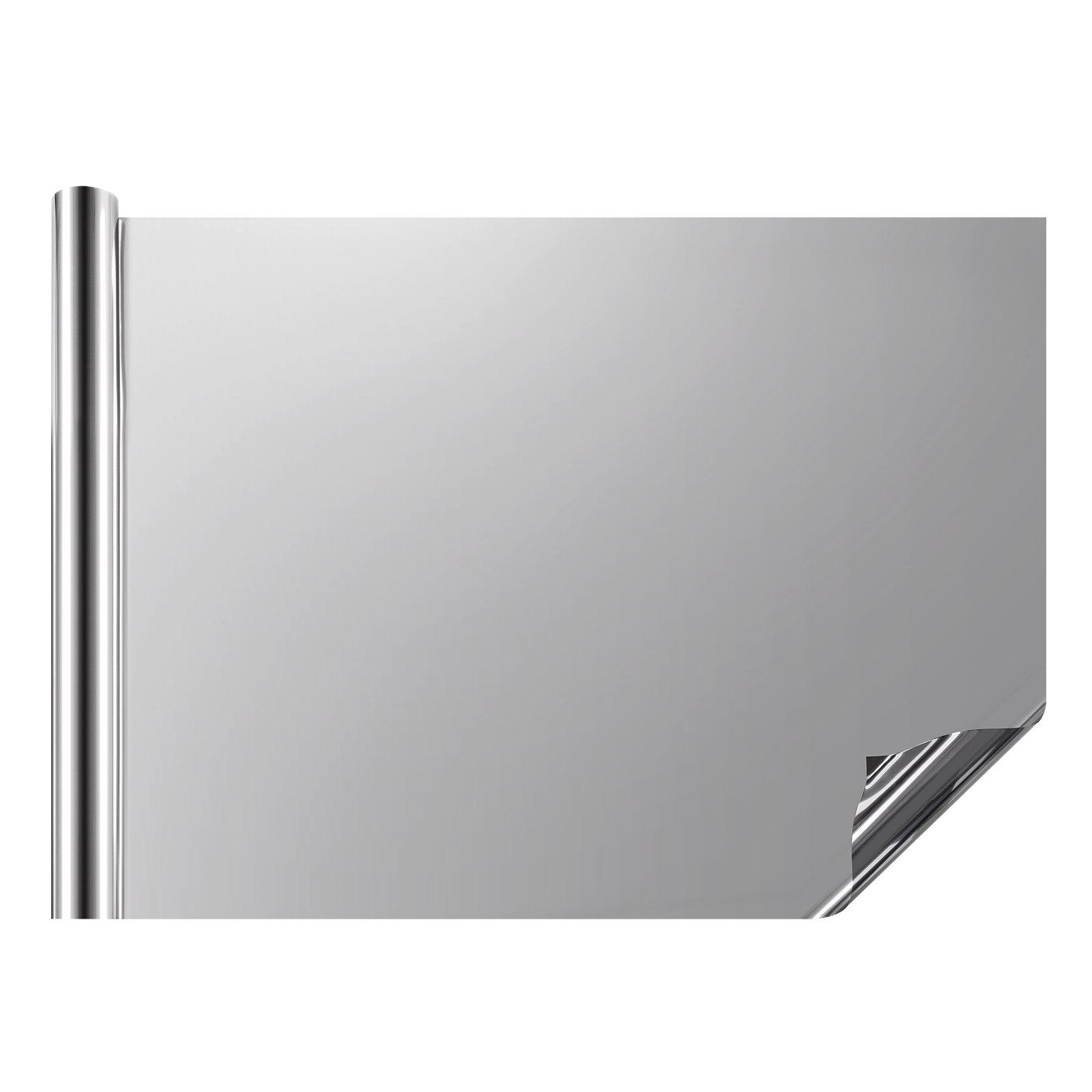
Photos from current listings. Actual item, color, and included accessories may vary.
Home Window Tint Buying Guide
Home window tint is a thin polyester or ceramic film applied to glass to reject solar heat, block UV, cut glare, and add daytime privacy. The core trade-off is film architecture: dyed/metalized films are cheap but can fade, interfere with signals, or look mirror-like, while ceramic and sputtered films cost more but reject heat without tinting the view or blocking Wi-Fi. The decision rule: choose ceramic or multi-layer sputtered film for heat and clarity, and only accept dyed or one-way mirror film where low cost or daytime-only privacy is the whole goal.
At a glance
- Category
- Rugs, Curtains, Blinds & Window Treatments
- Last updated
- Nov 22, 2026
Current offers
Highlights
- Ceramic and sputtered metal films reject 40-60% of total solar energy and 99% of UV; dyed films mostly absorb heat and can re-radiate it inward.
- One-way mirror film works only when the interior is darker than the exterior; at night or with interior lights on, the mirror effect reverses and the room becomes visible.
- Static-cling film uses no adhesive and is removable, but has lower optical clarity and shorter service life than pressure-sensitive adhesive (PSA) films.
- Metalized films can attenuate Wi-Fi and cellular signals; ceramic films are signal-neutral and are the safer choice for rooms with routers or smart-home gear.
Best use cases
- Best for west- or south-facing rooms with high cooling load: pick ceramic heat-rejection film with 99% UV block and VLT in the 35-50% range; skip dyed film, which fades and underperforms on heat.
- Best for street-level or office privacy in daylight: one-way mirror film delivers see-out/not-in only while interior lights are off; skip it for bedrooms or night-occupied rooms where the effect reverses.
- Best for rentals or temporary setups: static-cling film removes cleanly without adhesive residue; skip it on textured, frosted, or double-pane low-E glass where clarity and adhesion suffer.
- Wrong fit for dual-pane windows with low-E coatings or sealed IG units: added film raises glass temperature and can crack or void the window warranty; choose a film rated for dual-pane use or skip tint on those panes.
Buying tips
- Calculate coverage from the glass pane, not the frame: measure visible glass width and height, add 1-2 inches per side for trimming, and roll width should exceed the tallest pane.
- Match film to glass: dual-pane, low-E, and sealed insulated glass units need films explicitly rated for them; standard dyed film on low-E glass risks thermal cracking.
- For heat reduction, prioritize total solar energy rejected (TSER) above 45% and VLT around 35-50%; VLT below 20% darkens rooms and is best reserved for glare-heavy spaces.
- For roll size, a 35.4 in x 13.1 ft roll covers about 38 sq ft; buy enough rolls to cover total pane area plus a 10-15% trim waste margin.
Specs
| Film Type | Ceramic / sputtered / dyed / mirror |
|---|---|
| Heat Rejection (TSER) | 45-60% ceramic; 20-40% dyed |
| UV Block | 99% (ceramic & metalized) |
| Application | Static cling vs adhesive (PSA) |
Related searches
What to check before buying
- Measure each pane's visible glass width and height; multiply to get square footage and confirm roll width covers the widest pane before ordering.
- Identify glass type: double-pane, low-E coating, or sealed IG unit requires a film rated for that construction to avoid thermal cracking.
- Check interior lighting and nighttime use: one-way mirror film only provides privacy when the inside is darker than the outside.
- Confirm application environment: film needs a clean, dust-free surface and temperatures above roughly 50°F during install for proper adhesion or cling.
FAQ
Data sources: eBay / Amazon listings and product attribute feeds. Updated Nov 22, 2026.
Some links on this page are affiliate links. If you buy after clicking one, we may earn a commission at no extra cost to you. This does not change which products appear here or their order. Affiliate disclosure.