
Photos from current listings. Actual item, color, and included accessories may vary.
Glass Film Buying Guide
Glass film is a self-adhesive or static-cling polymer sheet applied to existing windows to add privacy, solar heat control, glare reduction, or decorative effects without replacing glazing. The core trade-off is between optical clarity/durability (static cling vs. adhesive, PET thickness) and performance (reflective metallized layers vs. clear ceramic or dyed films). The clear decision rule: choose static-cling PET for rental-friendly daytime privacy and UV/glare control, and choose adhesive-backed or ceramic films when you need year-round night privacy, true heat rejection, or long-term bubble-free bonding.
At a glance
- Category
- Rugs, Curtains, Blinds & Window Treatments
- Last updated
- Nov 22, 2026
Current offers
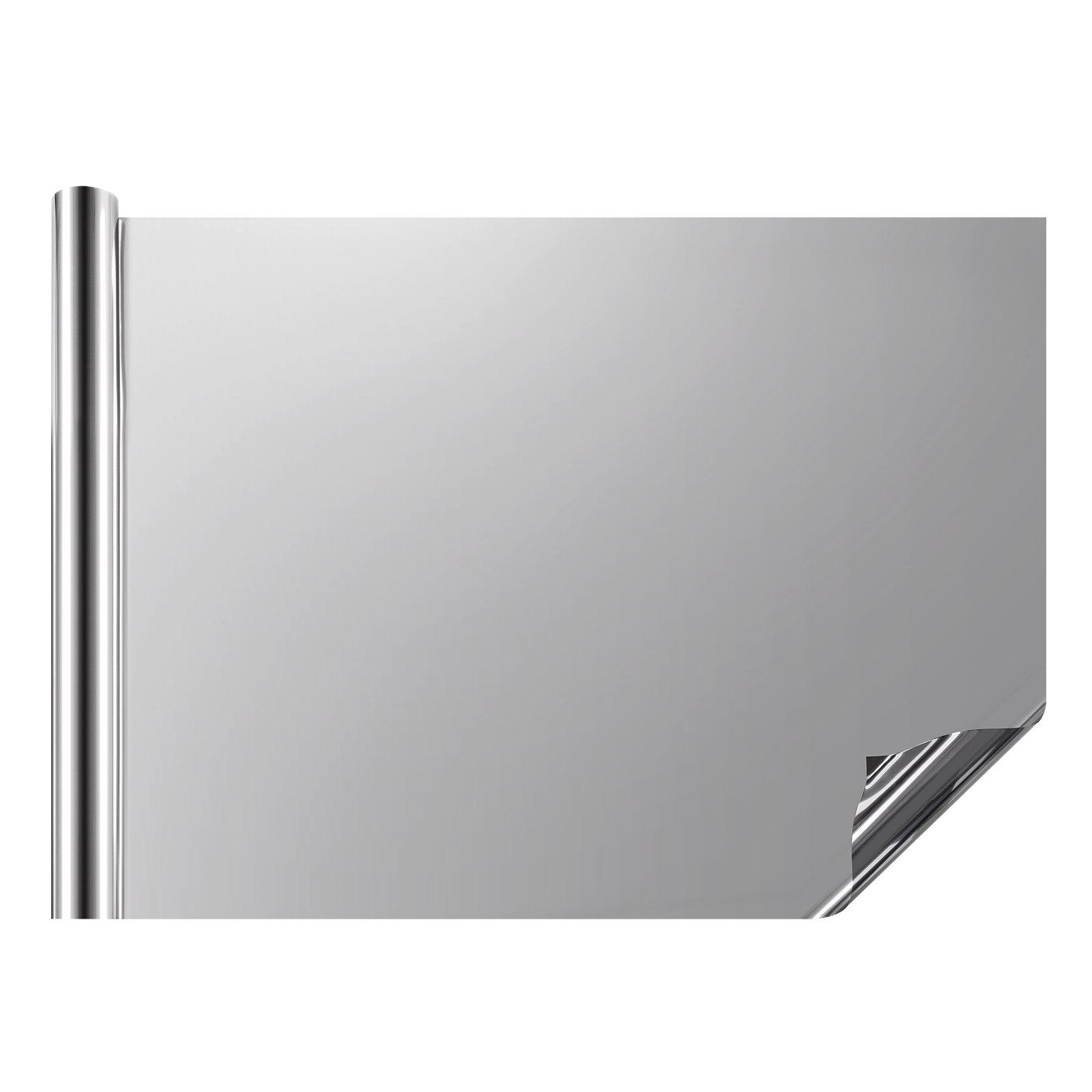 Window Privacy Film, One Way Tint, Daytime Mirror Reflective Heat Control Glass, Static Cling Sun Blocking See Out Not In For Home And Office, Black-Silver, 35.4 In X 13.1 Ft$34.99View on Mallflare
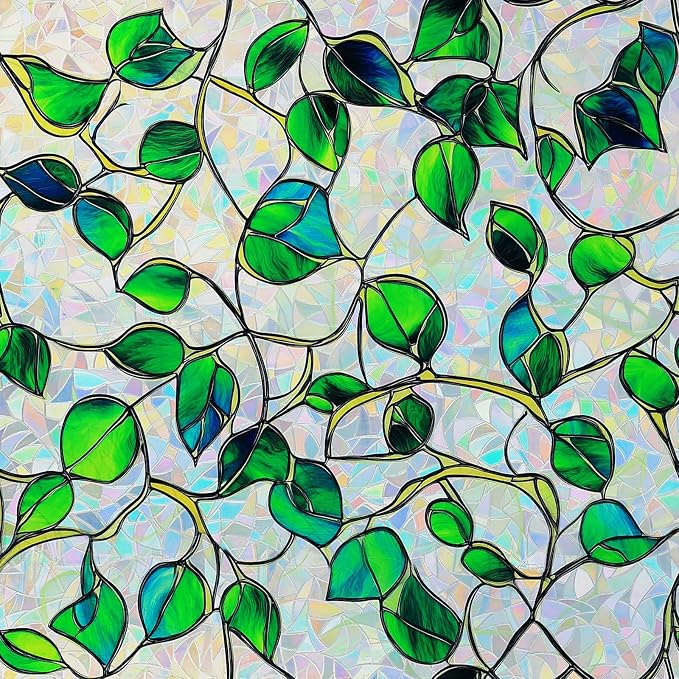 Rainbow Stained Glass Window Privacy Film, Decorative Heat Blocking Sunlight Control For Home And Office Windows$45.99View on Mallflare
Highlights
- Static-cling films rely on surface tension and smooth glass—no adhesive residue—but typically require removal and re-wetting to achieve full bonding and resist edge lift.
- One-way mirror film works only when the interior is darker than the exterior; at night with interior lights on, the mirror effect reverses and the interior becomes visible.
- Heat rejection is driven by metallized reflective layers (black-silver, silver) that cut solar gain but darken the room; clear ceramic films reject heat with higher visible light transmission.
- Decorative stained-glass and rainbow films use embossed PET prisms or printed patterns to scatter light; they provide privacy and glare control but lower total solar heat rejection than metallized films.
Best use cases
- Best fit: renters or homeowners wanting daytime privacy and glare reduction on street-facing windows—pick static-cling one-way mirror film in black-silver for a reflective exterior look.
- Best fit: bathrooms, entry doors, or sidelight windows needing year-round privacy—choose decorative frosted or stained-glass static cling with high haze and no mirror reversal.
- Wrong fit: west-facing floor-to-ceiling glass in hot climates where you want maximum heat rejection without darkening—metallized mirror film is the wrong pick; use a clear ceramic or low-VLT solar film instead.
- Wrong fit: double-pane or low-E windows where trapped heat can crack the glass—skip dark metallized films on sealed insulated units and use films rated for dual-pane compatibility.
Buying tips
- Measure glass visible area and add 1-2 inches per side for trimming; standard rolls are 17.7, 23.6, 35.4, and 39.4 inches wide, so match roll width to window width to minimize seams.
- Choose 4-6 mil PET for durability and easier handling; 2-3 mil films are thinner, wrinkle more easily, and are best for short-term or decorative use.
- For one-way privacy, confirm the film's VLT (visible light transmission) is low (typically 10-25%) and the interior is dimmer than the exterior during the day.
- Static-cling films need clean, smooth, non-textured glass; adhesive films tolerate slightly more surface imperfection but are harder to remove and leave residue if not fully cured.
Specs
| Application Type | Static cling vs. adhesive-backed PET |
|---|---|
| Film Thickness | 2-3 mil thin / 4-6 mil durable |
| Privacy Mechanism | One-way mirror / frosted / decorative |
| Glass Compatibility | Single-pane / dual-pane IGU-rated |
Related searches
What to check before buying
- Measure each pane's visible glass width and height; subtract frame and muntins, and confirm your widest pane fits within the roll width to avoid horizontal seams.
- Check glass type: textured, frosted, or patterned glass will trap air under static-cling film—use adhesive film or skip film entirely on those panes.
- For dual-pane or low-E windows, verify the film is labeled safe for insulated glass units (IGUs); dark metallized films can cause thermal stress and seal failure.
- Confirm interior lighting habits: if you need privacy at night, one-way mirror film will not work—choose frosted, decorative, or adhesive blackout film instead.
FAQ
Data sources: eBay / Amazon listings and product attribute feeds. Updated Nov 22, 2026.
Some links on this page are affiliate links. If you buy after clicking one, we may earn a commission at no extra cost to you. This does not change which products appear here or their order. Affiliate disclosure.