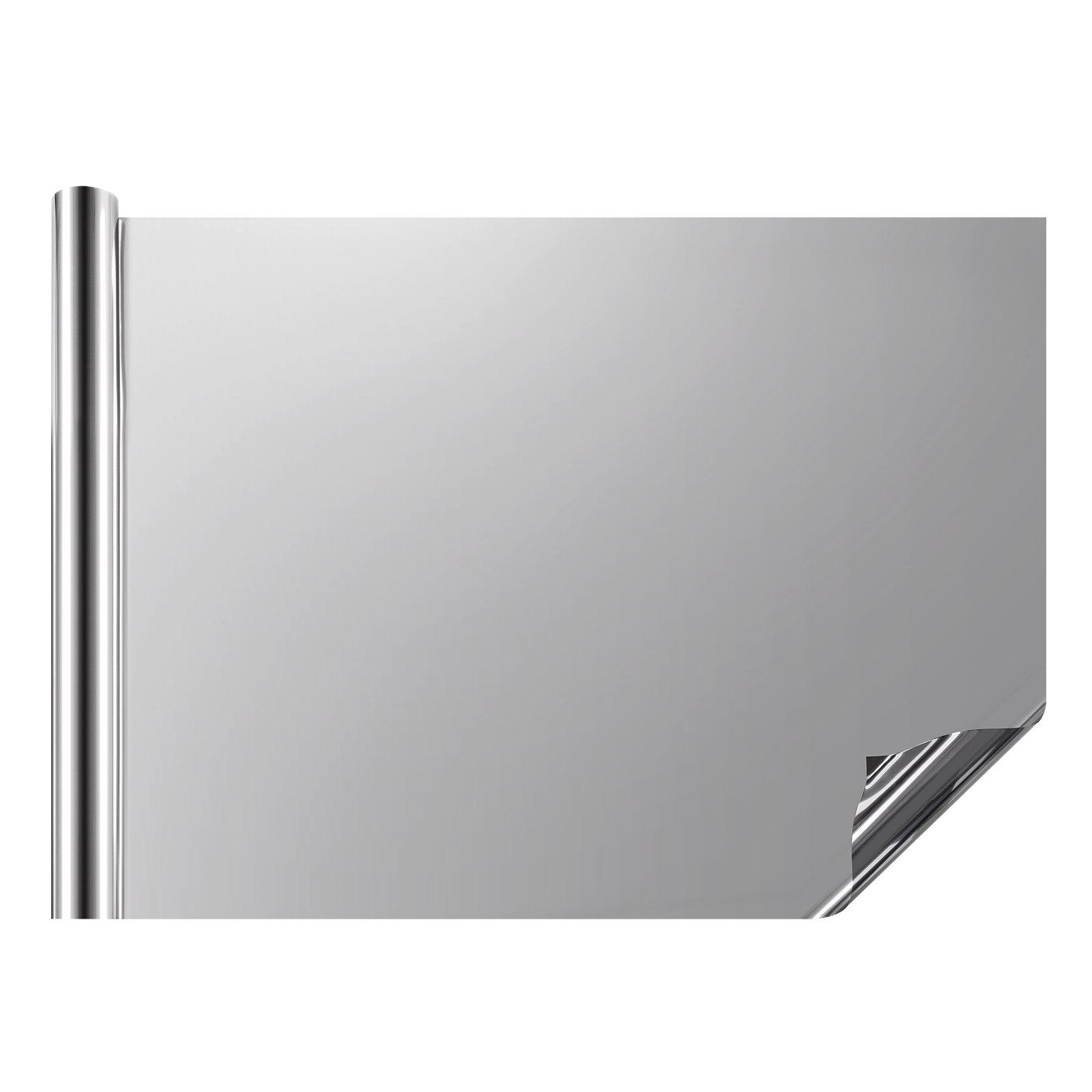

Photos from current listings. Actual item, color, and included accessories may vary.
Black Out Film Buying Guide
Black out film is a static-cling or adhesive window covering that blocks light and heat without replacing glass or hanging curtains. The primary trade-off is between light-blocking capability and visibility: one-way mirror films reflect heat and provide daytime privacy but show a mirror effect at night, while true blackout films block nearly all light but eliminate outward visibility. Choose static-cling films for rental-safe installation and true blackout films for bedroom-grade darkness; skip decorative tints if your goal is complete light elimination.
At a glance
- Category
- Rugs, Curtains, Blinds & Window Treatments
- Last updated
- Nov 22, 2026
Current offers
Highlights
- Static-cling films use surface tension and water activation, leaving no adhesive residue and allowing repositioning; adhesive films bond permanently and can damage glass coatings on removal.
- One-way mirror films rely on a lighting differential—the reflective side must be brighter than the interior to maintain privacy; at night with interior lights on, the film becomes transparent from outside.
- True blackout films achieve 99%+ visible light blockage using a dense metallic or carbon layer; standard privacy films typically block 70–90% of light and do not qualify as blackout.
- Heat rejection is measured by Total Solar Energy Rejected (TSER); typical mirror films range from 60–80% TSER, while dark blackout films can exceed 85% but may increase glass thermal stress on dual-pane windows.
Best use cases
- Best for renters or dorm rooms: choose static-cling blackout film on clean, flat glass—no tools, no residue, and removable without losing deposit.
- Best for home offices with daytime sun glare: apply one-way mirror film to exterior-facing windows for heat rejection and daytime privacy, but pair with curtains or blinds for nighttime privacy.
- Wrong for bedrooms needing complete darkness: skip one-way mirror film—it only dims light; select a true blackout film rated 99%+ VLT blockage instead.
- Wrong for dual-pane or Low-E windows: avoid dark or metallized adhesive films unless rated for thermal stress; excess heat absorption can crack sealed glass units.
Buying tips
- Measure glass visible area precisely and add 1–2 inches per side for trimming; film rolls are sold by width and length—35.4 in width covers standard 30–32 in panes with margin.
- For blackout performance, confirm Visible Light Transmission (VLT) below 5%; films labeled 'privacy' or 'one-way' typically have 10–30% VLT and are not true blackout.
- Static-cling film requires a smooth, non-textured glass surface; frosted, etched, or dirty glass prevents proper adhesion and causes bubbling or peeling.
- Check thermal stress rating: dark films on dual-pane windows should carry a manufacturer stress rating or be avoided; metallic mirror films are generally safer for sealed units than dark blackout films.
Specs
| Installation Type | Static-cling (removable) vs Adhesive |
|---|---|
| Light Blockage (VLT) | Blackout <5% VLT / Privacy 10-30% |
| Heat Rejection (TSER) | 60-80% typical / 85%+ dark film |
| Privacy Mechanism | One-way mirror vs Opaque blackout |
Related searches
What to check before buying
- Measure each pane's visible glass width and height; multiply by number of panes to determine total film area and roll length needed.
- Confirm glass type: single-pane accepts most films; dual-pane or Low-E glass requires stress-rated film to avoid thermal cracking.
- Verify installation surface: static-cling film needs clean, smooth glass; adhesive film works on glass but not on acrylic or polycarbonate.
- Check daytime vs nighttime privacy needs: one-way film requires interior lighting dimmer than exterior; blackout film provides privacy regardless of lighting.
FAQ
Data sources: eBay / Amazon listings and product attribute feeds. Updated Nov 22, 2026.
Some links on this page are affiliate links. If you buy after clicking one, we may earn a commission at no extra cost to you. This does not change which products appear here or their order. Affiliate disclosure.