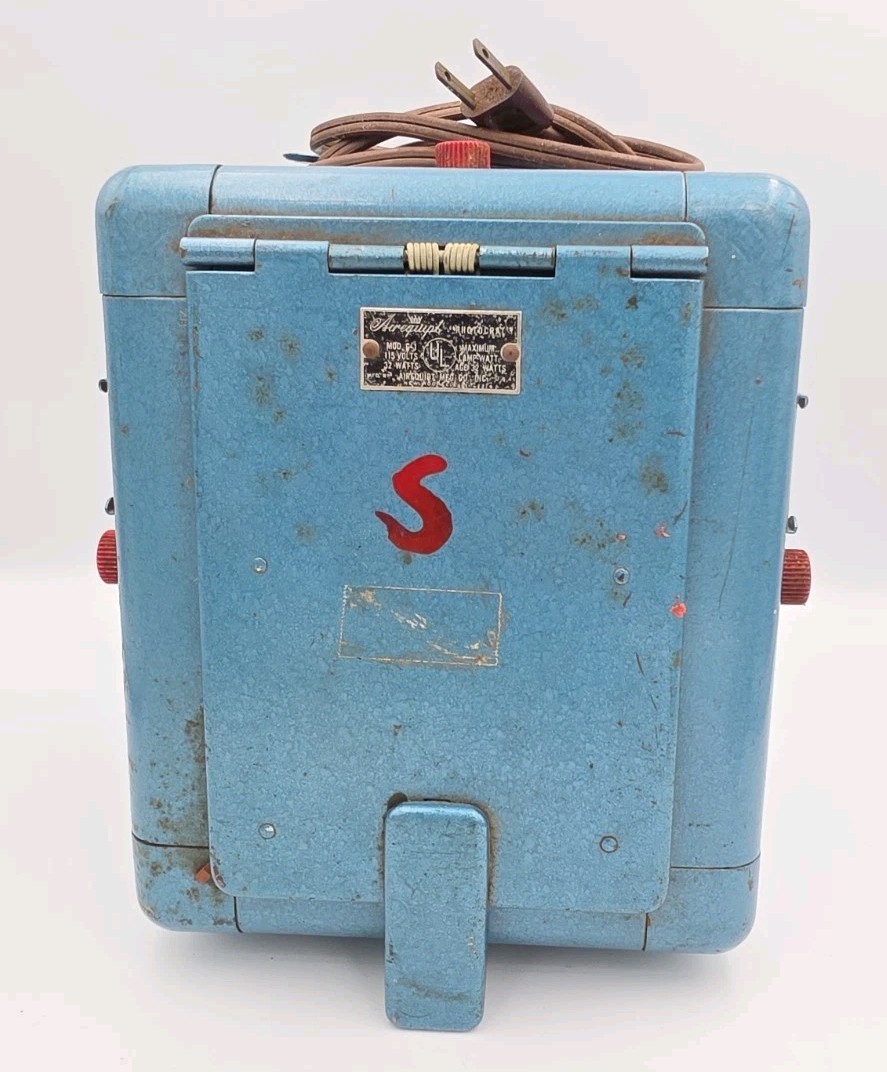

Photos from current listings. Actual item, color, and included accessories may vary.
Print Box Buying Guide
A print box is an archival storage case for loose photographic prints, typically sized to hold standard enlargements flat with interleaving or drop-front access. The critical trade-off is archival material quality (acid-free, buffered board and lignin-free interiors) versus decorative or budget boxes that can off-gas and yellow prints over time. Buy an archival clamshell or drop-front box in the exact print size plus a small margin; skip anything labeled only as a gift or keepsake box without material disclosure.
At a glance
- Category
- Picture Frames & Photo Displays
- Last updated
- Nov 22, 2026
Current offers
Highlights
- Archival boxes use lignin-free, acid-free board with a pH of 7.5-9.5 and a 3-5% alkaline reserve; non-archival cardboard turns acidic within years.
- Drop-front (clamshell) construction lets you lift prints without sliding edges; two-piece lid-and-base boxes abrade corners during repeated access.
- Standard print box depths run 1.5-3 in for 25-100 prints; stacking heavier than 3-4 boxes risks crush damage to lower lids.
- Metal-edge or reinforced-corner boxes resist stacking load and humidity warping far better than glued paperboard corners.
Best use cases
- Pick a clamshell archival box sized to the print's long edge plus 1/4 in when you store 8x10 or 11x14 exhibition prints and need edge-safe retrieval.
- Choose a shallow 1.5 in drop-front box for 25-50 proof prints you review often; skip deep multi-ream boxes that force sliding and abrasion.
- Use a metal-edged archival box for long-term basement or attic-adjacent storage where stacking and humidity swings occur; skip decorative fabric boxes there.
- For gift or display use, a rigid two-piece decorative box is acceptable if prints are sleeved; skip unlined paperboard for anything you intend to keep decades.
Buying tips
- Size the box interior to print dimensions plus 1/8-1/4 in on each side; a 16x20 print needs a box with at least 16.25x20.25 in interior.
- Require board labeled lignin-free and acid-free (pH 7.5-9.5); buffered board suits photos, unbuffered suits albumen and cyanotype prints.
- Match depth to count: 25 prints at 0.01 in each need about 0.5-1 in of stack height; add 1 in headroom for interleaving sheets.
- Choose reinforced or metal-edged corners if the box will carry more than two boxes stacked above it; paperboard corners crush and split.
Specs
| Material Grade | Lignin-free acid-free board, pH 7.5-9.5 |
|---|---|
| Access Style | Drop-front clamshell vs two-piece lid |
| Standard Sizes | 8x10 / 11x14 / 16x20 (interior) |
| Stack Depth | 1.5-3 in for 25-150 prints |
Related searches
What to check before buying
- Measure your largest print's exact dimensions and add 1/4 in per side to set the minimum interior box size.
- Measure shelf depth, cabinet height, and stacking clearance; a 16x20 box is roughly 17x21x3 in and needs matching shelf depth.
- Confirm storage climate: keep below 70°F and 50% RH; avoid basements and attics even with archival boxes.
- Plan interleaving and sleeves (acid-free glassine or photo sleeves) as companion parts added at the same time.
FAQ
Data sources: eBay / Amazon listings and product attribute feeds. Updated Nov 22, 2026.
Some links on this page are affiliate links. If you buy after clicking one, we may earn a commission at no extra cost to you. This does not change which products appear here or their order. Affiliate disclosure.