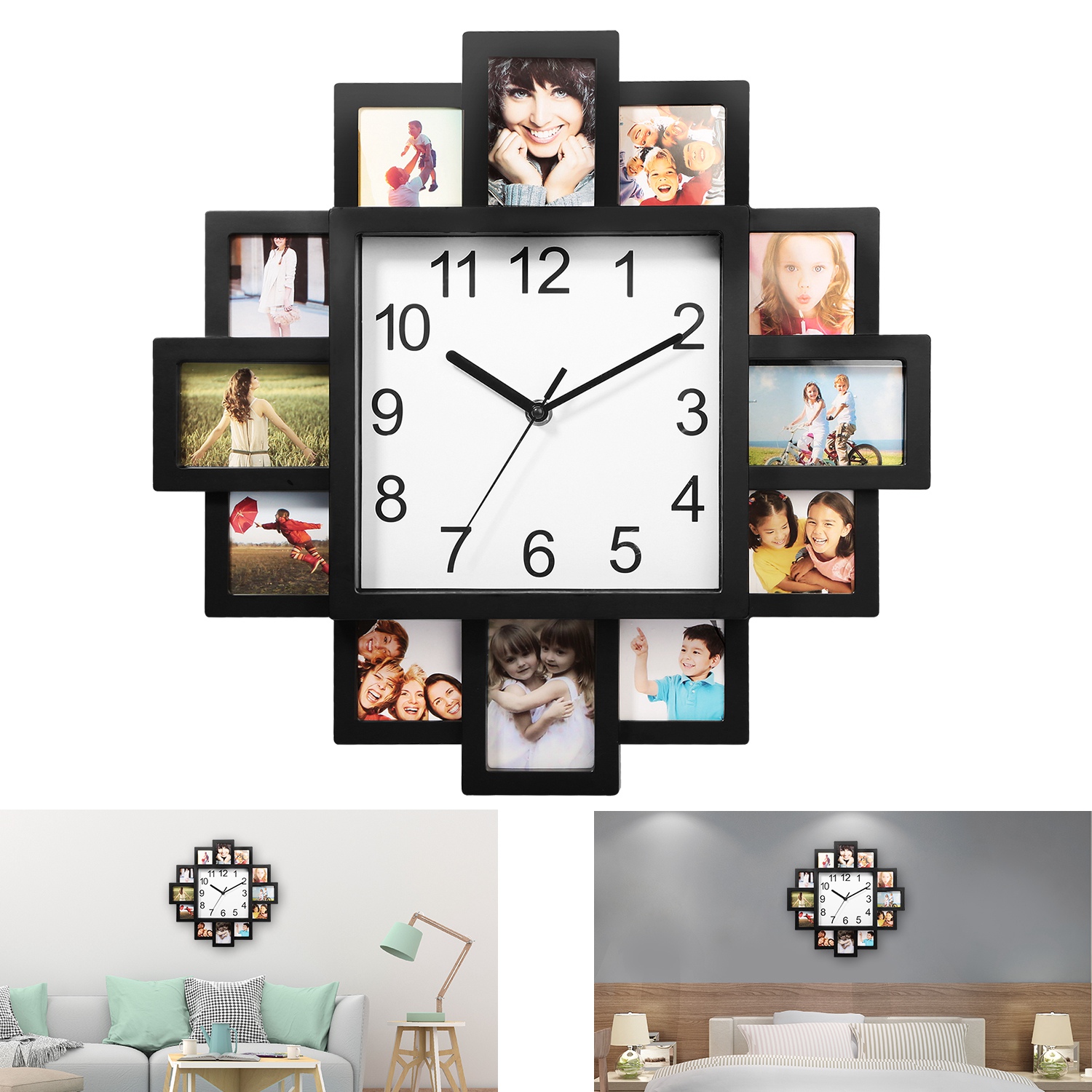

Photos from current listings. Actual item, color, and included accessories may vary.
Collage Picture Frame Buying Guide
A collage picture frame is a single rigid or multi-aperture frame system that organizes several prints into one wall display, replacing a cluster of individual frames. The core trade-off is aperture count and layout flexibility versus structural rigidity and hanging safety: high-count frames demand thicker backing, reinforced hangers, and metal or dense MDF construction, while budget plastic multi-openings warp and sag under load. The decision rule is simple—buy metal or engineered-wood frames rated for the aperture count and total weight, and skip thin plastic or glued-joint frames for anything larger than a four-photo layout.
At a glance
- Category
- Picture Frames & Photo Displays
- Last updated
- Nov 22, 2026
Current offers
Highlights
- Aperture architecture splits into fixed multi-opening mats (one frame, pre-cut mat) versus modular rail systems (interlocking metal or wood bars holding individual frames), with modular systems allowing later re-layout.
- Frame material drives load capacity: powder-coated steel and aluminum rails handle 12+ photo grids without sag, while polystyrene plastic frames above 8x10 aperture size warp under glass weight.
- Hanging hardware tier matters more than frame style—frames over 12 apertures or 24 inches wide require two-point D-ring or sawtooth hangers rated for the full assembled weight, not a single center hook.
- Mat and glazing choices determine archival life: acid-free mats and UV-filtered acrylic or glass prevent yellowing and fade, while standard cardboard mats and plain styrene glazing yellow within a few seasons of indirect sun.
Best use cases
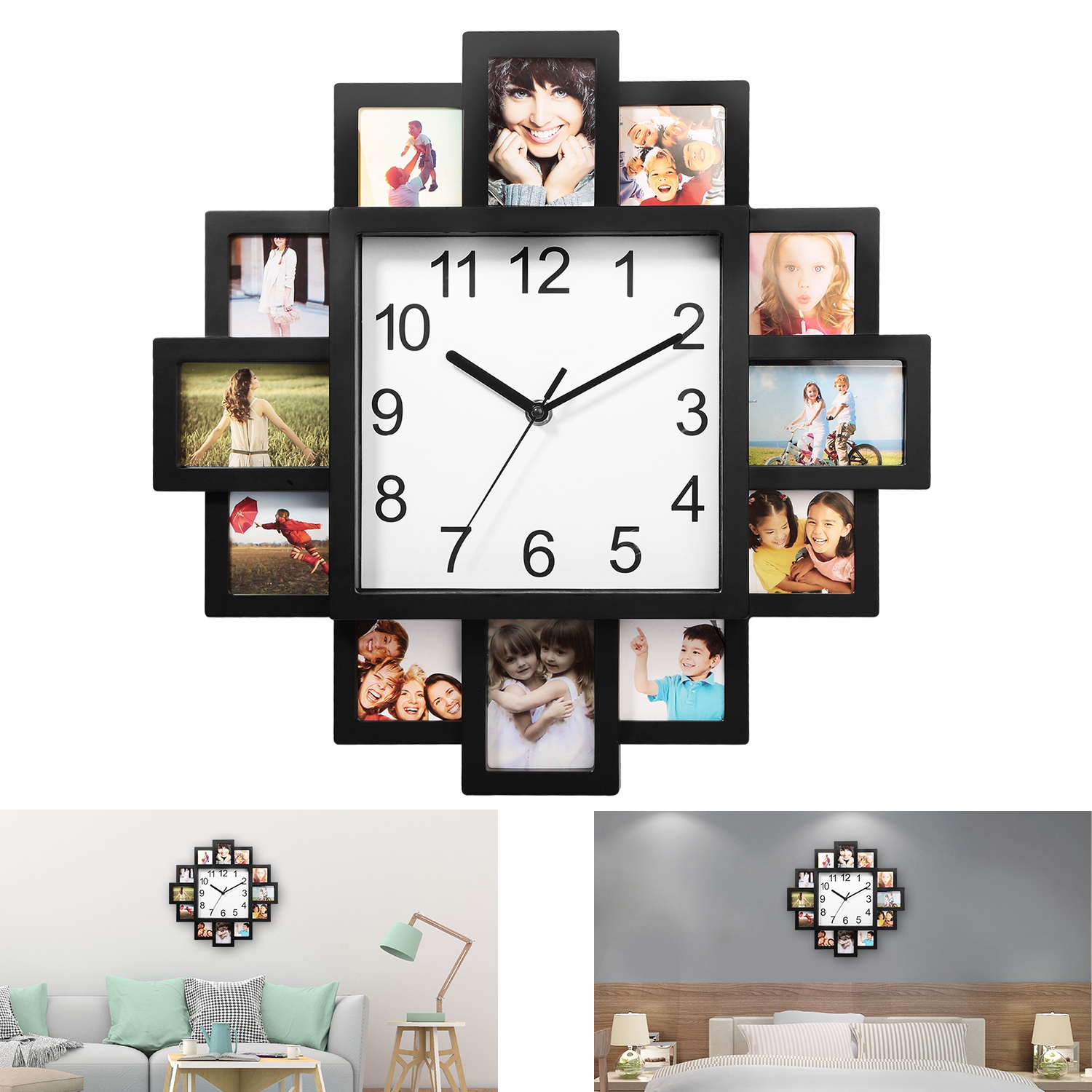
- Best fit: a large blank living-room or stairwell wall—choose a 9- to 12-aperture fixed multi-opening frame in metal or MDF with two-point hanging hardware and UV acrylic; skip thin plastic 12-slot clocks and novelty combo frames that concentrate stress on one hanger.
- Best fit: a renter or frequently rearranged gallery—pick a modular metal rail or interlocking bar system sized to the wall run, since apertures can be added or re-spaced without new nail holes; skip fixed-mat frames if your print sizes will change.
- Best fit: a narrow hallway or bedroom—use vertical 3- to 5-aperture column layouts at 16x20 or 8x10 apertures; skip wide landscape 12-slot frames that overhang a narrow wall and look crowded.
- Wrong fit: high-humidity bathrooms or covered porches—standard MDF and cardboard mats swell and mold; only sealed metal frames with acrylic glazing and stainless hardware belong in damp rooms.
Buying tips
- Measure the wall run first, then size the frame: leave at least 6–8 inches of breathing room on each side and above furniture, and scale the frame to roughly 60–75% of the furniture width beneath it.
- Match aperture count to viewing distance: 4–6 apertures suit a 4–6 ft viewing distance, 9–12 apertures need 8 ft or more so individual photos remain readable.
- For 12-aperture or larger frames, require a backing board of at least 3 mm MDF or 1.5 mm metal and two hangers spaced at least half the frame width apart; single-hook mounts on wide frames are a sag and fall risk.
- Check aperture dimensions against standard print sizes—4x6, 5x7, 8x10—and confirm the mat opening is cut to those exact sizes, not rounded centimeter equivalents that crop prints.
Specs
| Frame Material | Metal / MDF / Plastic |
|---|---|
| Aperture Count | 2–16+ openings |
| Layout Type | Fixed mat vs modular rail |
| Glazing Type | UV acrylic / glass / styrene |
Related searches
What to check before buying
- Wall and anchor check: confirm drywall anchors or stud locations can carry the assembled frame weight (glass and 12 apertures can exceed 10 lbs); plaster and lath walls need toggle bolts.
- Frame-to-furniture proportion: frame width should span 60–75% of the console, sofa, or bed width beneath it, with the bottom edge 6–10 inches above the furniture back.
- Print inventory check: count your actual photos and their sizes before choosing aperture count and mat openings; buying a 12-slot frame for eight 4x6 prints leaves awkward blanks.
- Environment check: avoid direct sun on standard glazing and cardboard mats; in humid rooms choose sealed metal frames with acrylic and stainless hardware.
FAQ
Data sources: eBay / Amazon listings and product attribute feeds. Updated Nov 22, 2026.
Some links on this page are affiliate links. If you buy after clicking one, we may earn a commission at no extra cost to you. This does not change which products appear here or their order. Affiliate disclosure.