
Photos from current listings. Actual item, color, and included accessories may vary.
Photo Display Buying Guide
Photo displays range from multi-slot collage frames and kids' art storage frames to certificate frames and freestanding card holders, and the core trade-off is between visible front area and structural rigidity—cheap plastic and thin MDF warp or yellow under light, while solid wood, welded metal, and true glass hold shape and clarity for years. Buy by the exact media size and mounting method first (A4/8.5x11, 4x6, card slot), then demand glass or acrylic glazing and a rigid backing board; skip any frame whose back is flimsy cardboard or whose 'wood' is printed foil over particleboard.
At a glance
- Category
- Picture Frames & Photo Displays
- Last updated
- Nov 22, 2026
Current offers
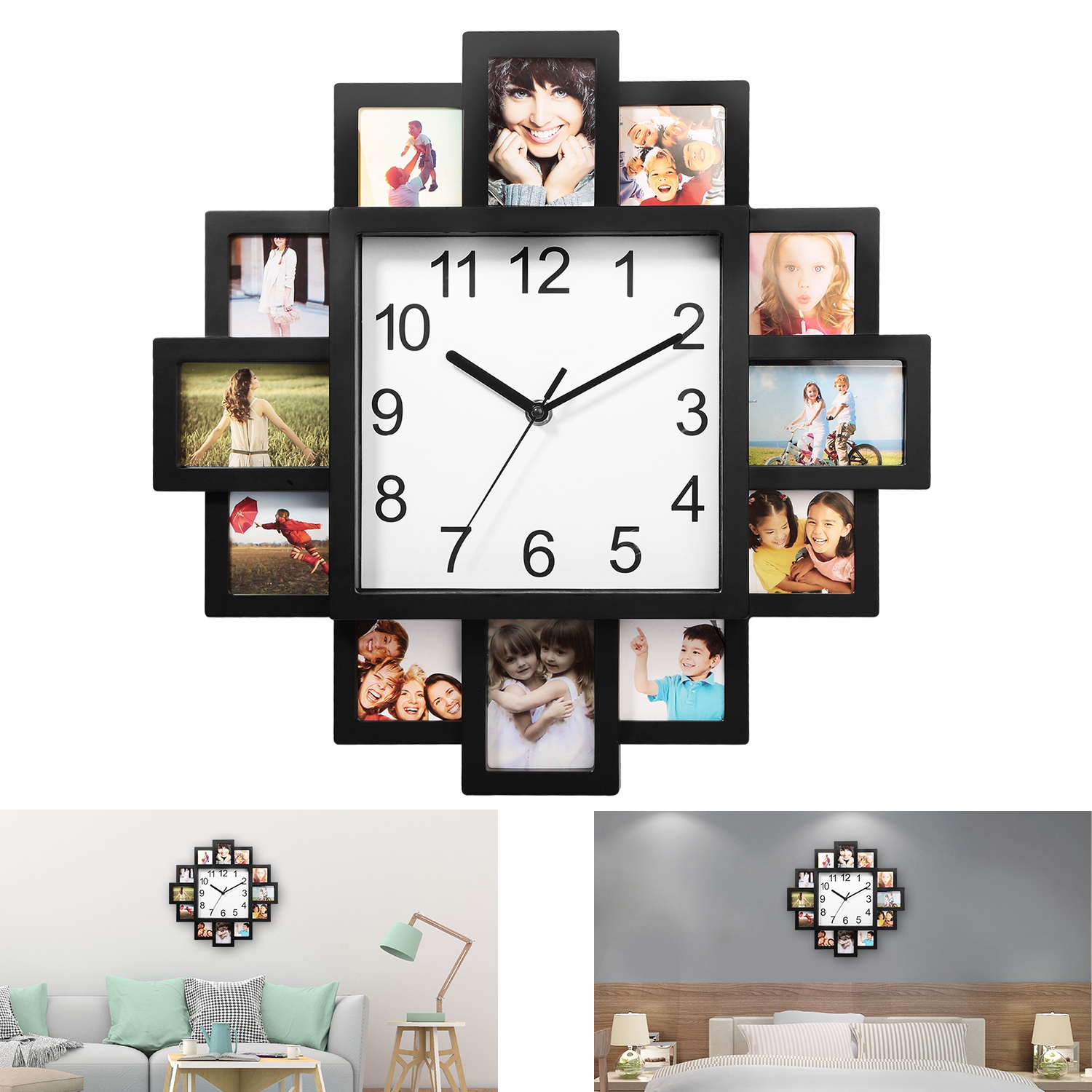 Decor Picture Frame Collage Clock - 12 Photo Display Slots - Wall Mounted Chic Farmhouse - for Living Room, Bedroom, Kitchen, Office$68.99View on Mallflare
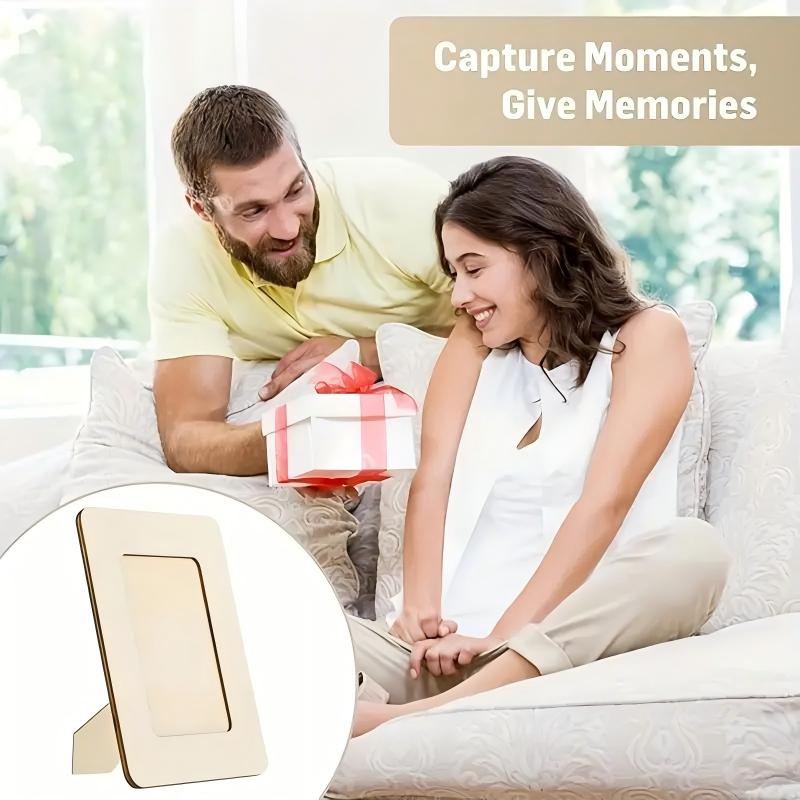 Modern Wooden Photo Frame Horizontal Desktop Display Rectangular Unfinished DIY$34.99View on Mallflare
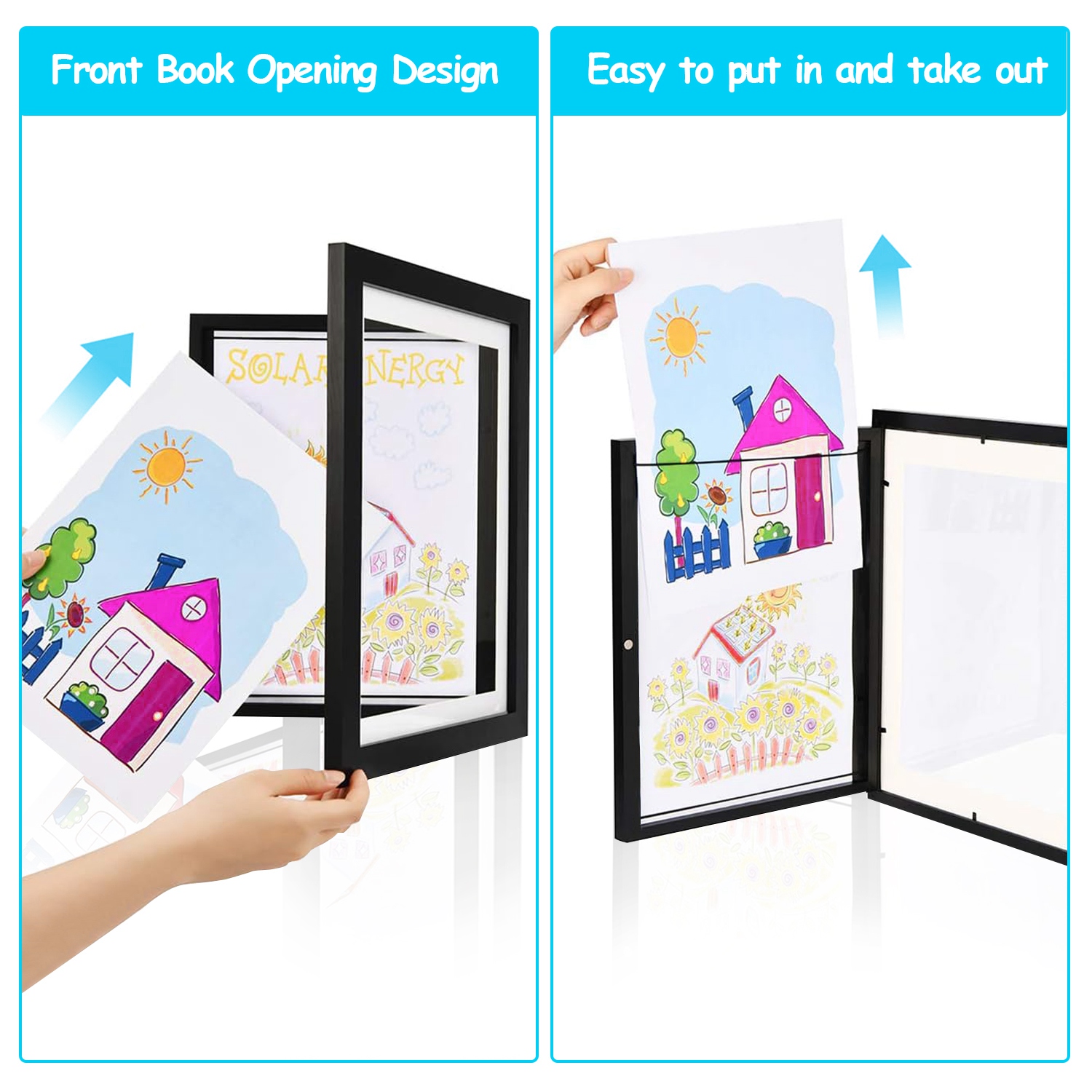 Kids Art Frame Front Opening Wooden Artwork Display Storage A4 Picture Wall For Photo Art Projects Children Drawing$38.99View on Mallflare
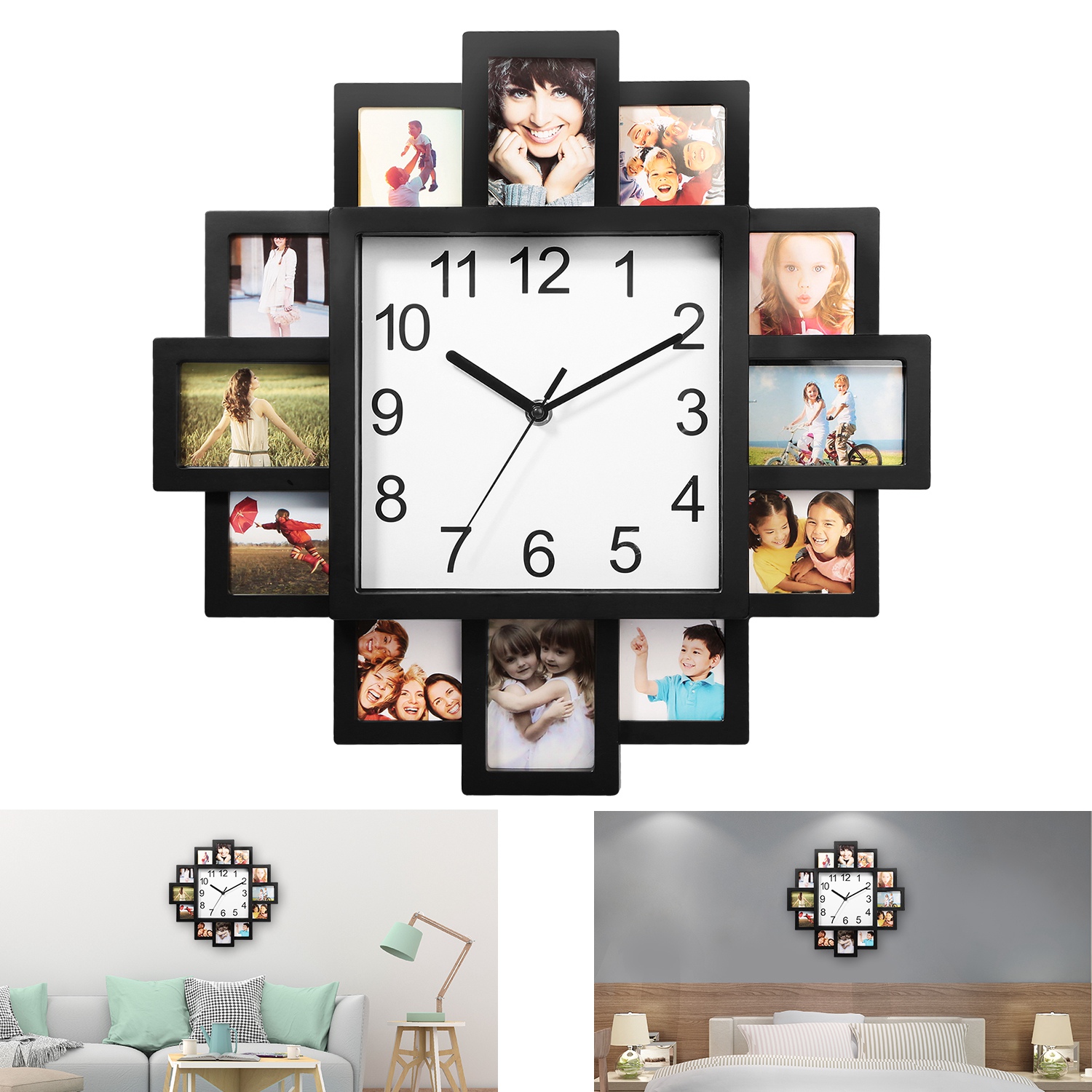 1Pc Photo Frame Clock Picture Collage 12-Picture Display Wall Photowall Hanging Home Decor For Valentines Day Gift$46.99View on Mallflare
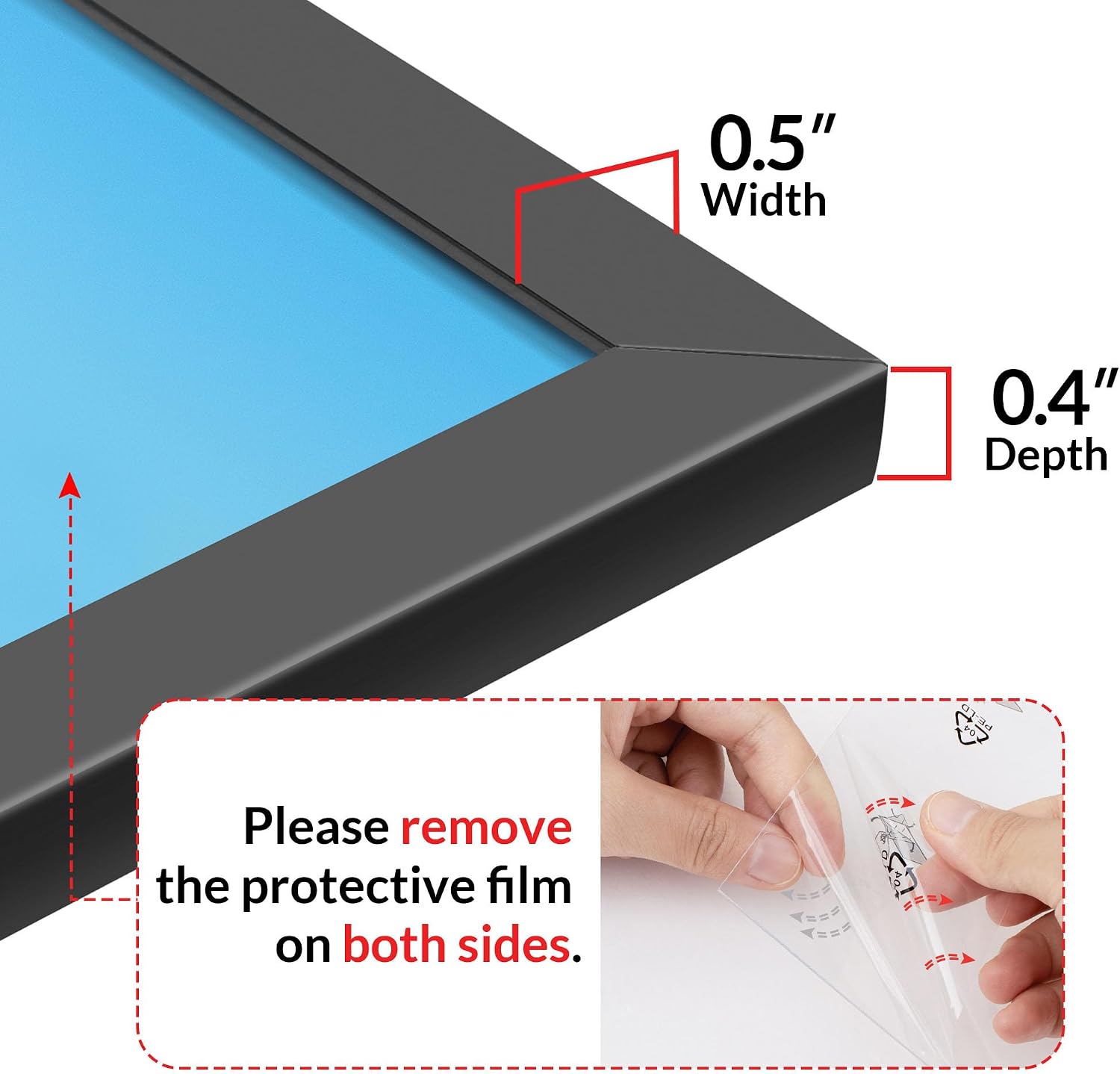 8.5x11 Inch Black Certificate Picture Frame, Wall Display With Plexiglass For Diploma, Photos And Documents, Vertical Or Horizontal$52.99View on Mallflare
Highlights
- Glazing grade decides clarity and safety: real glass gives the least distortion and best scratch resistance, while plexiglass/acrylic is lighter and shatter-resistant but scratches easily and attracts dust—choose glass for wall art, acrylic for kids' rooms and high-traffic halls.
- Frame material determines warp resistance: solid wood and welded steel/aluminum hold a flat plane over years, whereas thin MDF, particleboard, and hollow plastic bow under humidity and UV, especially in large formats above 11x14.
- Multi-slot collage frames (6, 9, 12 openings) trade individual frame rigidity for a single hanging point—verify the backing is a continuous rigid board, not separate cardboard cutouts, or openings will sag and misalign.
- Front-opening storage frames for kids' art use hinged or magnet-closed fronts and deep rabbets (typically 1–2 cm) to hold stacked A4 sheets; fixed-back frames cannot store more than one or two sheets and defeat the purpose.
Best use cases
- Best fit: a 12-slot wall collage frame with glass and a rigid backing for a stairwell or living-room gallery wall—skip flimsy 12-opening cardboard-backed versions that sag within months.
- Best fit: a front-opening A4 wooden art frame with 1.5–2 cm depth for rotating children's drawings weekly—skip standard 8.5x11 certificate frames, which cannot hold a stack and have no hinge.
- Best fit: an 8.5x11 black certificate frame with glass or quality acrylic and both vertical/horizontal hangers for diplomas and documents—skip any frame sold without a sawtooth AND D-ring option if you need portrait-to-landscape swaps.
- Wrong fit: 3D-printed or thin-metal card stands for anything heavier than a single greeting card or 4x6 print—they tip easily; use a weighted base or easel-backed frame for tabletops.
Buying tips
- Match frame opening to media exactly: A4 is 21.0 x 29.7 cm (8.27 x 11.69 in), US Letter is 8.5 x 11 in, and 4x6 is 10.2 x 15.2 cm—A4 frames leave a visible gap around Letter prints, so pick the true size, not the nearest.
- For collage frames, divide total width by openings to check each photo size: a 12-opening frame across 60 cm gives roughly 4x6 or smaller slots—confirm slot dimensions rather than assuming standard print sizes fit.
- Demand a rigid backing (MDF or hardboard, 2–3 mm minimum) and metal hanging hardware; cardboard backs and plastic sawtooth tabs are the first failure points on wall-mounted displays.
- For kids' art storage, require a rabbet depth of at least 1 cm and a hinged or magnetic front; fixed-back frames with clip-in fronts cannot store a semester's worth of drawings.
Specs
| Glazing Type | Real glass vs acrylic/plexiglass |
|---|---|
| Frame Material | Solid wood / metal / MDF / plastic |
| Standard Sizes | 4x6, 5x7, 8x10, 8.5x11, A4, 11x14 |
| Mounting Type | Wall sawtooth/D-ring vs tabletop easel/stand |
Related searches
What to check before buying
- Measure the wall space and choose frame outer dimensions, not just the photo size—collage frames add 2–5 cm of border per side and need clearance for hangers.
- Confirm the glazing type and backing material before buying: glass vs acrylic and MDF vs cardboard determine both clarity and long-term flatness.
- For tabletop displays, check base weight and footprint—card stands and 3D-printed holders need a wide, weighted base to resist tipping on shelves.
- Verify hanging hardware matches your wall: D-rings and sawtooth for drywall with anchors, wire for plaster; frames shipped without hardware require a separate kit.
FAQ
Data sources: eBay / Amazon listings and product attribute feeds. Updated Nov 22, 2026.
Some links on this page are affiliate links. If you buy after clicking one, we may earn a commission at no extra cost to you. This does not change which products appear here or their order. Affiliate disclosure.