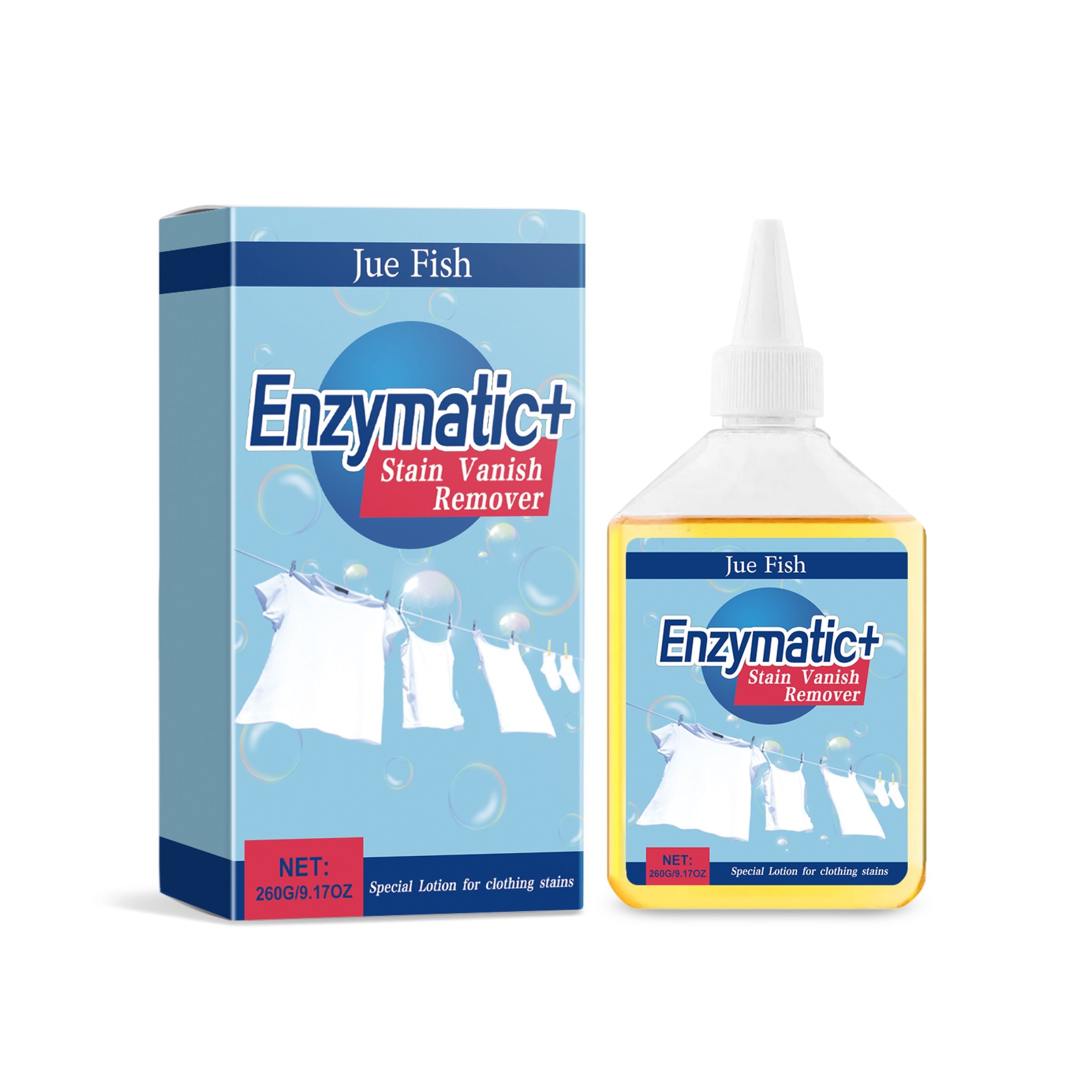

Photos from current listings. Actual item, color, and included accessories may vary.
Stain Remover Colored Clothe Buying Guide
Stain removers for colored clothes are formulated to lift pigments and oils without bleaching or fading dyes, using oxygen-based actives rather than chlorine. The core trade-off is between fast, localized convenience (pens, wipes, sprays) and deep, load-level cleaning (enzyme liquids) that risks prolonged wet time on sensitive dyes. Choose oxygen-based or enzyme formulas explicitly labeled color-safe; skip any product listing hypochlorite, chlorine, or generic 'bleach' as an active.
At a glance
- Category
- Laundry & Garment Care
- Last updated
- Nov 22, 2026
Current offers
Highlights
- Oxygen-based actives (sodium percarbonate, hydrogen peroxide) are color-safe because they oxidize stains without attacking reactive or vat dyes; chlorine bleach (sodium hypochlorite) strips color permanently.
- Enzyme liquids use protease, amylase, and lipase to break protein, starch, and oil stains at 30-40°C; hot water above 50°C denatures enzymes and can set protein stains.
- Stain remover pens deliver a concentrated surfactant gel through a felt tip for localized dosing; wipes use a nonwoven sheet pre-saturated with solvent-surfactant solution for surface-only lift.
- Spray formats rely on solvent-surfactant carriers that evaporate quickly; they work on fresh surface stains but lack the contact time needed for set-in or embedded grime.
Best use cases
- Best fit: an enzyme laundry liquid for full-load washes of colorfast cottons and synthetics with food, grass, or body-oil stains — dose into the drum or dispenser, not directly on dry colored fabric.
- Best fit: a stain remover pen for on-the-go collar, cuff, and fresh spill touch-ups on business wear where immediate rinse-free treatment matters.
- Wrong fit: spray or wipe formats on set-in, dried, or multi-day stains on upholstery or delicates — they lack dwell time and mechanical action; use a soak in oxygen-based solution instead.
- Wrong fit: any chlorine or hypochlorite product on colored garments, wool, silk, or spandex — it causes irreversible dye loss and fiber yellowing even at low concentration.
Buying tips
- Check the active ingredient: sodium percarbonate or hydrogen peroxide = color-safe oxygen bleach; sodium hypochlorite = chlorine bleach, never for colored clothes.
- Match format to stain age: pens and sprays for fresh (<1 hour) stains; enzyme liquids and oxygen soaks for dried or set-in stains needing 15-60 minutes dwell.
- For wool, silk, and spandex, pick pH-neutral enzyme formulas without oxygen bleach; oxygen actives degrade protein fibers over repeated exposure.
- Pre-test any remover on an inside seam or hem: apply, wait 5 minutes, blot — if dye transfers to the white cloth, the garment's dye is unstable and not colorfast.
Specs
| Active Chemistry | Oxygen-based vs chlorine vs enzyme |
|---|---|
| Format | Liquid / pen / spray / wipe |
| Color Safety | Color-safe oxygen / enzyme |
| Fiber Compatibility | Cotton-synthetic vs wool-silk pH-neutral |
Related searches
What to check before buying
- Confirm the garment care label: 'colorfast' or 'wash separately' signals unstable dye; 'machine wash cold' means avoid hot-water activation of oxygen bleach.
- Check fiber content: cotton/linen tolerate oxygen bleach; wool, silk, and spandex need pH-neutral enzyme-only formulas.
- Verify washer compatibility if using liquid: HE machines require low-sudsing formulas; standard top-loaders tolerate higher surfactant loads.
- For pens and sprays, confirm the garment can be laundered within 24 hours — residue left on fabric attracts soil and can yellow over time.
FAQ
Data sources: eBay / Amazon listings and product attribute feeds. Updated Nov 22, 2026.
Some links on this page are affiliate links. If you buy after clicking one, we may earn a commission at no extra cost to you. This does not change which products appear here or their order. Affiliate disclosure.