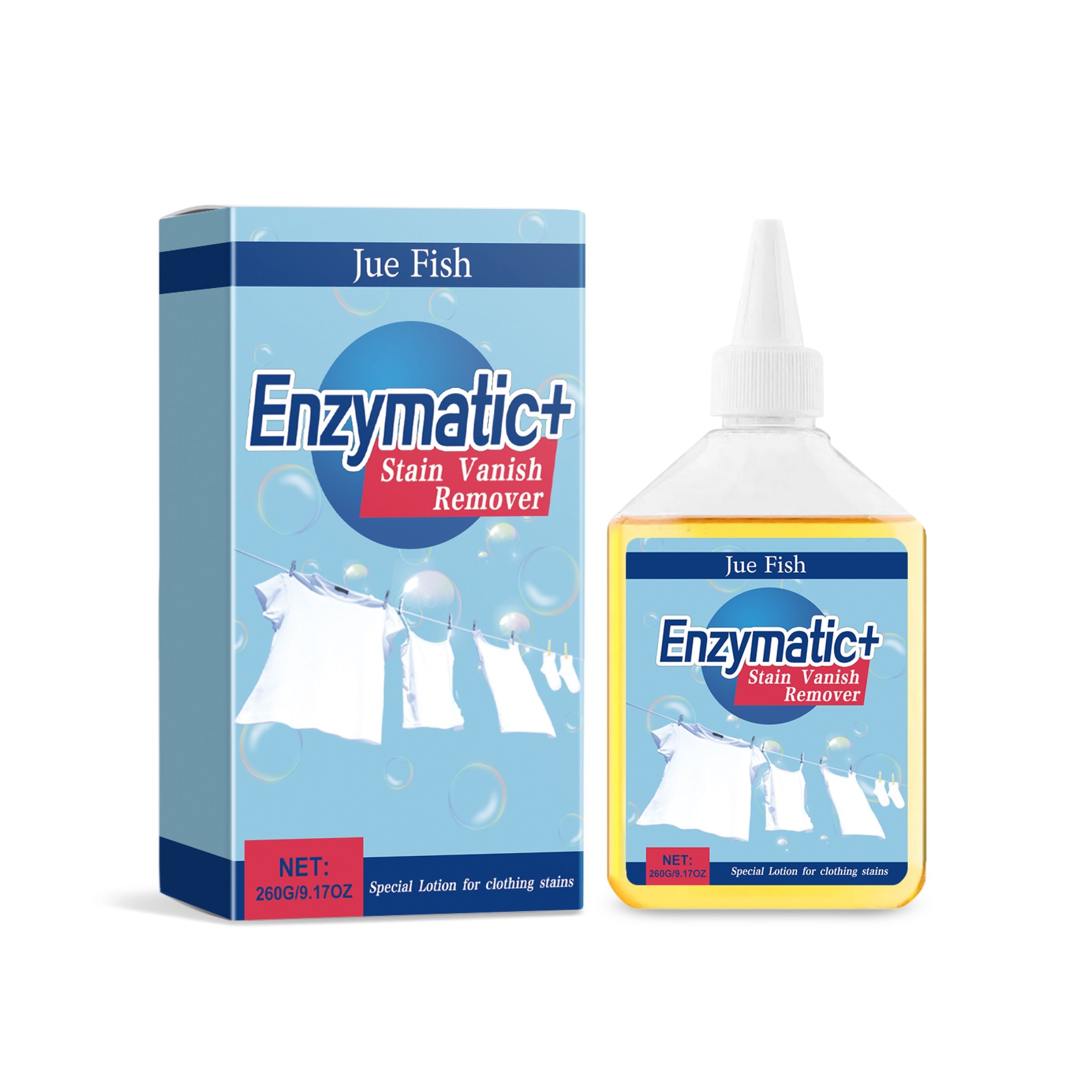

Photos from current listings. Actual item, color, and included accessories may vary.
Laundry Stain Remover Buying Guide
Laundry stain removers are formulated enzymatic, oxygen bleach, or surfactant-based treatments that break down protein, tannin, oil, and dye stains before washing. The critical trade-off is stain-specific chemistry versus fabric safety: enzyme liquids excel on food and bio stains, oxygen bleaches handle color-safe whitening, and solvent gels target grease without degrading fibers. Choose a remover whose active chemistry matches your dominant stain type and fabric care label, and avoid generic all-purpose sprays for set-in or delicate stains.
At a glance
- Category
- Laundry & Garment Care
- Last updated
- Nov 22, 2026
Current offers
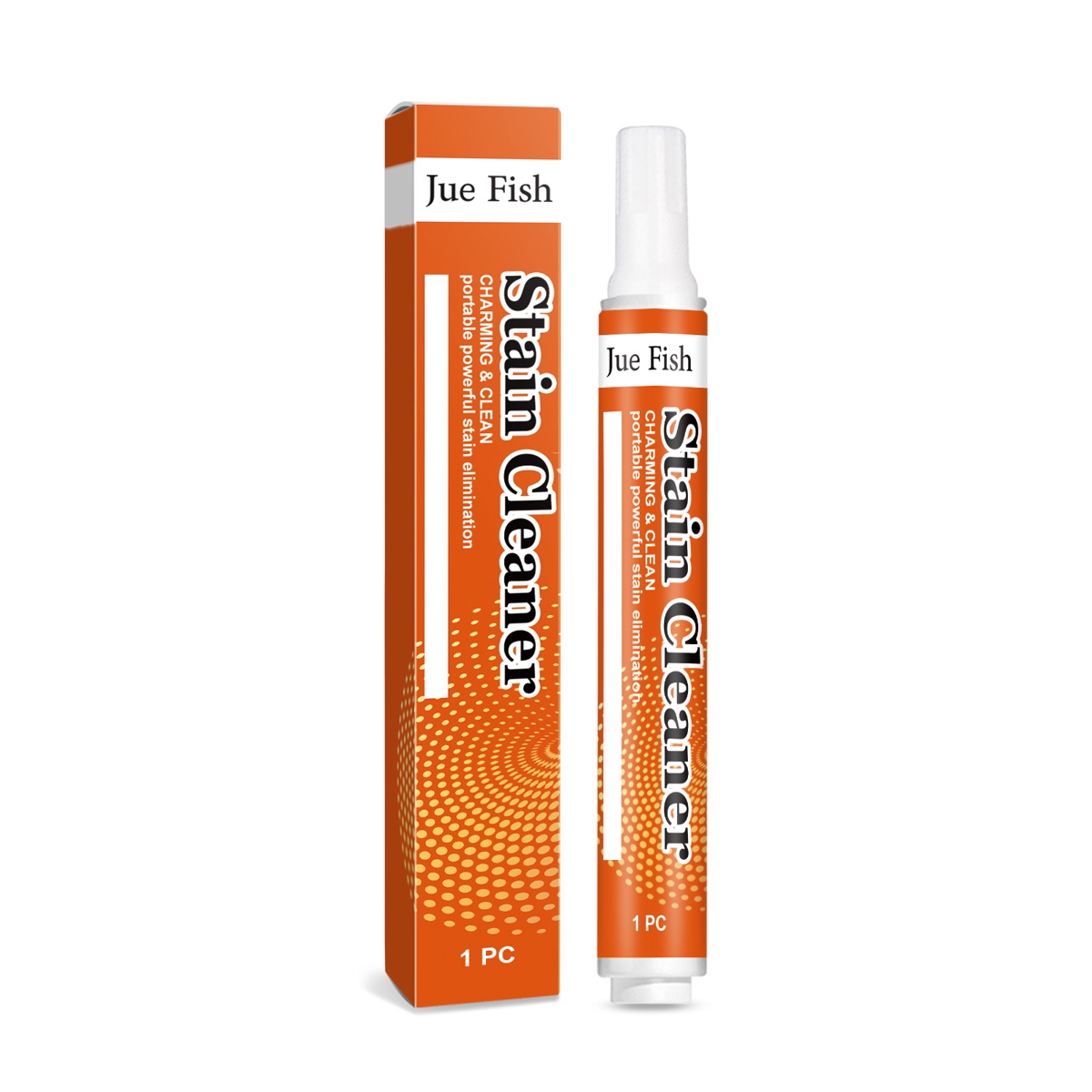
Highlights
- Enzyme liquids (protease, amylase, lipase) digest protein, starch, and fat stains at wash temperatures below 40°C/104°F; hot water deactivates enzymes.
- Oxygen bleach (sodium percarbonate) releases hydrogen peroxide for color-safe stain and odor removal; chlorine bleach is not a stain remover and damages wool, silk, and elastane.
- Stain remover pens use a concentrated surfactant gel in a felt-tip applicator; liquid 260 g bottles deliver bulk coverage for pretreatment soaks and larger stain areas.
- Surfactant-based sprays and gels lift particulate and oil stains but require agitation; enzymatic formulas need 5–15 minutes dwell time to break down protein bonds.
Best use cases
- Pick an enzyme liquid (260 g bottle) for food, grass, blood, sweat, and baby-formula stains on cotton and synthetics; skip oxygen bleach for fresh protein stains where heat would set them.
- Pick a disposable stain remover pen for on-the-go spot treatment of collar rings, coffee drips, and deodorant marks; skip pens for large spills or set-in stains that need a soak.
- Pick oxygen bleach powder for color-safe whitening of whites and colorfast fabrics in the wash; skip it on wool, silk, leather, and garments with metal trim.
- Skip solvent gels on delicate silks and rayons unless the care label permits; use enzyme liquid diluted for wool and silk protein stains instead.
Buying tips
- Match chemistry to stain: enzyme for protein/food, oxygen bleach for tannin/dye/whitening, surfactant gel for grease/oil — never rely on one formula for all stain types.
- Check fabric care label first: oxygen bleach is safe for most colorfast cottons and synthetics but not wool, silk, leather, or flame-retardant finishes.
- Respect dwell time: enzymes need 5–15 minutes; oxygen bleach needs 30–60 minutes in warm water; leaving remover on fabric too long can cause fiber damage or color loss.
- Prefer liquid bottles (around 260 g) for home pretreatment volume; pens are for purse or travel spot treatment only, not whole-load stain removal.
Specs
| Active Chemistry | Enzyme / Oxygen bleach / Surfactant |
|---|---|
| Form Factor | Liquid bottle / Pen / Spray / Powder |
| Fabric Safety | Colorfast cottons & synthetics; not wool/silk |
| Dwell Time | Enzyme 5-15 min; Oxi 30-60 min |
Related searches
What to check before buying
- Read the garment care label for bleach symbols: an empty triangle permits oxygen bleach; a crossed-out triangle forbids all bleach — use enzyme or surfactant remover only.
- Confirm fabric type and colorfastness: test remover on an inside seam or hem before treating visible areas, especially on wool, silk, rayon, and dark dyes.
- Check water temperature capability: enzyme removers work best in cold to warm water (below 40°C/104°F); oxygen bleach requires warm to hot water to activate.
- Verify you have a pretreatment basin or spray bottle for liquid formulas; pens are self-contained but deliver limited volume for large stains.
FAQ
Data sources: eBay / Amazon listings and product attribute feeds. Updated Nov 22, 2026.
Some links on this page are affiliate links. If you buy after clicking one, we may earn a commission at no extra cost to you. This does not change which products appear here or their order. Affiliate disclosure.