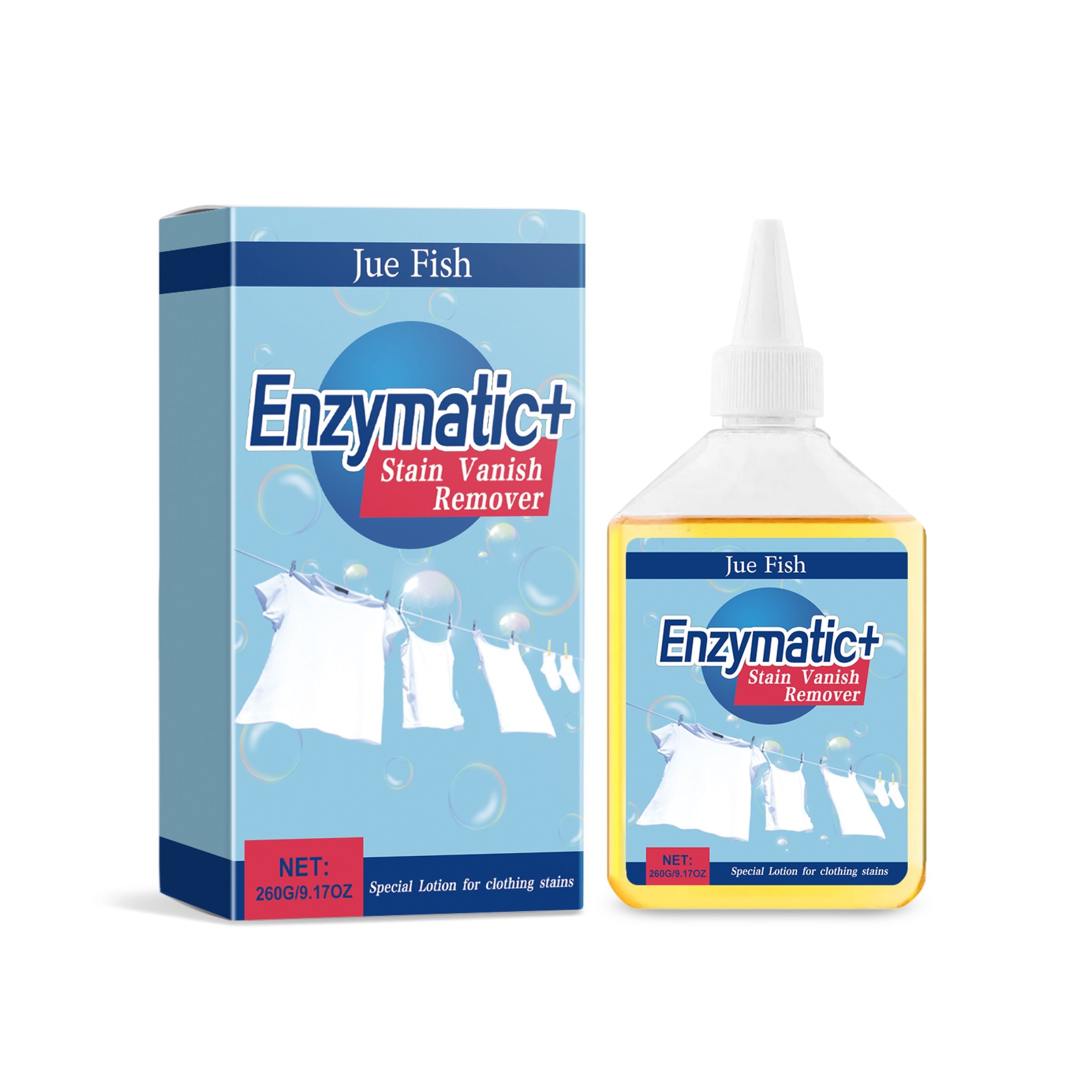

Photos from current listings. Actual item, color, and included accessories may vary.
Stain Remover Buying Guide
Stain removers are oxygen-, enzyme-, or solvent-based treatments that break down soils before washing; the core trade-off is stain-type specificity versus fabric safety. Oxygen bleaches safely brighten whites but need warm water activation, while enzymes target protein/fat stains at low temperatures; solvent sprays risk dye bleed on synthetics. Choose an oxygen or enzyme formula for washable whites and an enzyme pen for localized pre-treatment; skip chlorine bleach and harsh solvents on colored or delicate garments.
At a glance
- Category
- Laundry & Garment Care
- Last updated
- Nov 22, 2026
Current offers
Highlights
- Oxygen-based powders (sodium percarbonate) release hydrogen peroxide in water above 40°C, lifting tannin and pigment stains without chlorine damage to cotton or cotton-poly blends.
- Enzyme liquids rely on protease, amylase, and lipase to digest protein, starch, and fat soils at 20-40°C; they are deactivated by chlorine bleach and by water above 60°C.
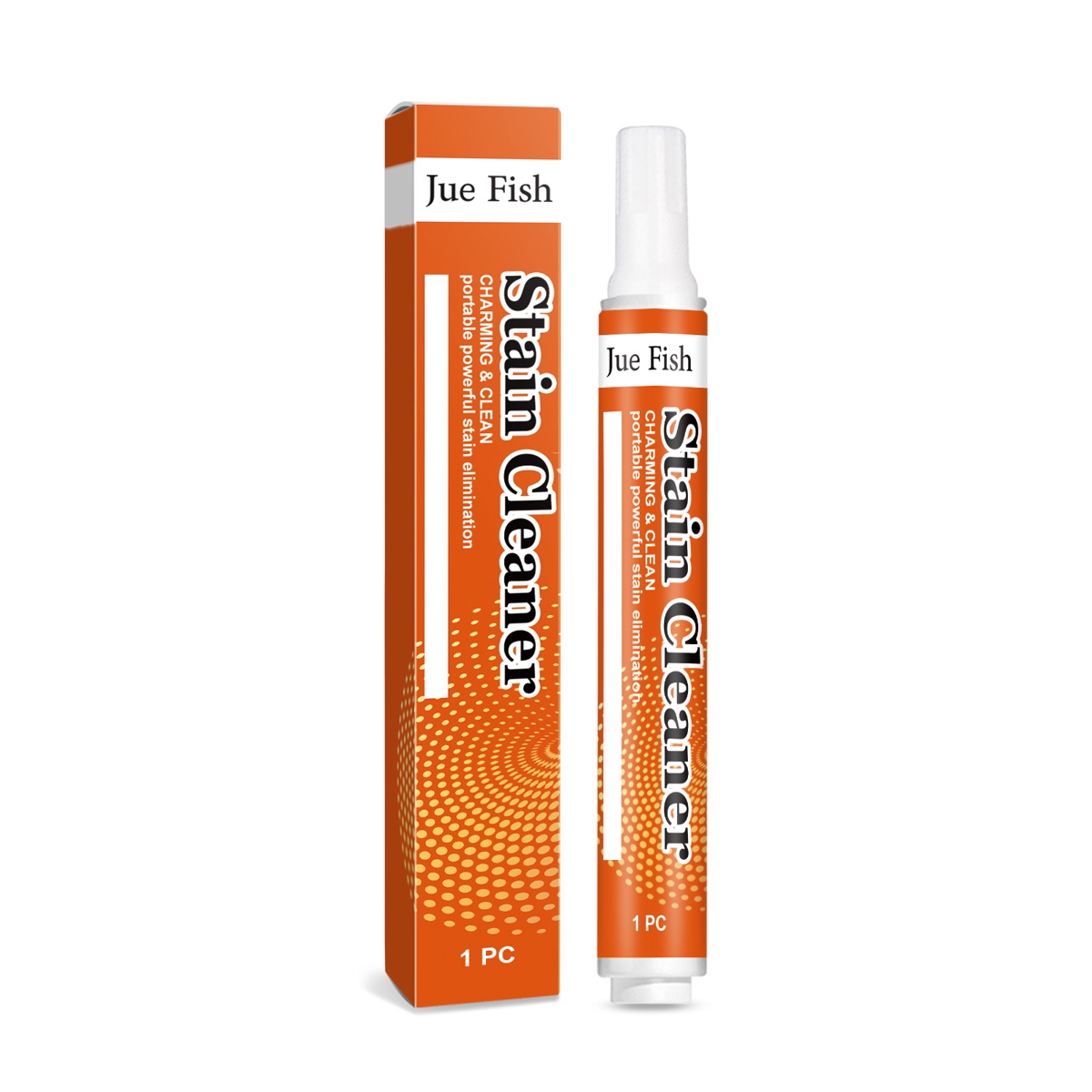
- Stain-remover pens deliver a concentrated surfactant gel through a felt tip for spot pre-treatment; they are not a substitute for a full wash cycle on set-in or large-area stains.
- Surfactant sprays work on grease and particulate soil but can leave residue or cause dye transfer on acetate, silk, and wool; oxygen and enzyme formulas are safer on whites and colorfast cottons.
Best use cases
- Best for washable white cotton shirts and towels: pick an oxygen-powder soaker and dose per garment load, using water at 40-60°C for activation; skip on wool, silk, and anything labeled 'no bleach'.
- Best for fresh food, grass, and blood spots: use an enzyme liquid or pen immediately, then launder at 30-40°C; do not use hot water first, which can set protein stains.
- Best for grease, oil, and makeup on durable colorfast cottons: use a surfactant spray, then wash; skip on silk, acetate, and dry-clean-only garments where solvent spray can cause ring marks.
- Wrong fit: chlorine bleach for colored or protein-stained laundry—it yellows synthetics and permanently sets protein stains; use oxygen bleach for whites instead.
Buying tips
- Match formula to stain chemistry: oxygen bleach for pigment/tannin (wine, tea, berry), enzyme for protein/fat (blood, dairy, grease), solvent/surfactant for oil and makeup on durable fabrics.
- Check water temperature guidance: oxygen powders need 40-60°C to activate; enzyme products work at 20-40°C but lose efficacy above 60°C; cold-water-only users should choose enzyme or pre-dissolved oxygen liquid.
- For pens, verify tip type and fill volume: felt-tip pens suit spot pre-treatment; rollerball or brush tips deliver more liquid for larger marks; 10-20 mL pens cover roughly a few dozen spot treatments.
- Avoid chlorine bleach on wool, silk, spandex, and resin-treated fabrics; use oxygen bleach or enzyme formulas instead, and always test on an inside seam for colorfastness.
Specs
| Formula Type | Oxygen / Enzyme / Surfactant |
|---|---|
| Water Temp | Enzyme 20-40°C; Oxygen 40-60°C |
| Fabric Safety | Oxygen safe on colorfast; no chlorine on wool/silk |
| Format | Liquid / Powder / Pen / Spray / Wipe |
Related searches
What to check before buying
- Check the garment care label for bleach permission and temperature limit before choosing oxygen, enzyme, or solvent formulas.
- Confirm your washing machine or basin can reach 40-60°C for oxygen activation if you choose powder bleach.
- Verify the stain type and fabric: protein stains need cold enzyme treatment, grease needs surfactant, and pigment needs oxygen.
- Ensure ventilation and gloves for spray or solvent-based products, and store pens and liquids out of reach of children.
FAQ
Data sources: eBay / Amazon listings and product attribute feeds. Updated Nov 22, 2026.
Some links on this page are affiliate links. If you buy after clicking one, we may earn a commission at no extra cost to you. This does not change which products appear here or their order. Affiliate disclosure.