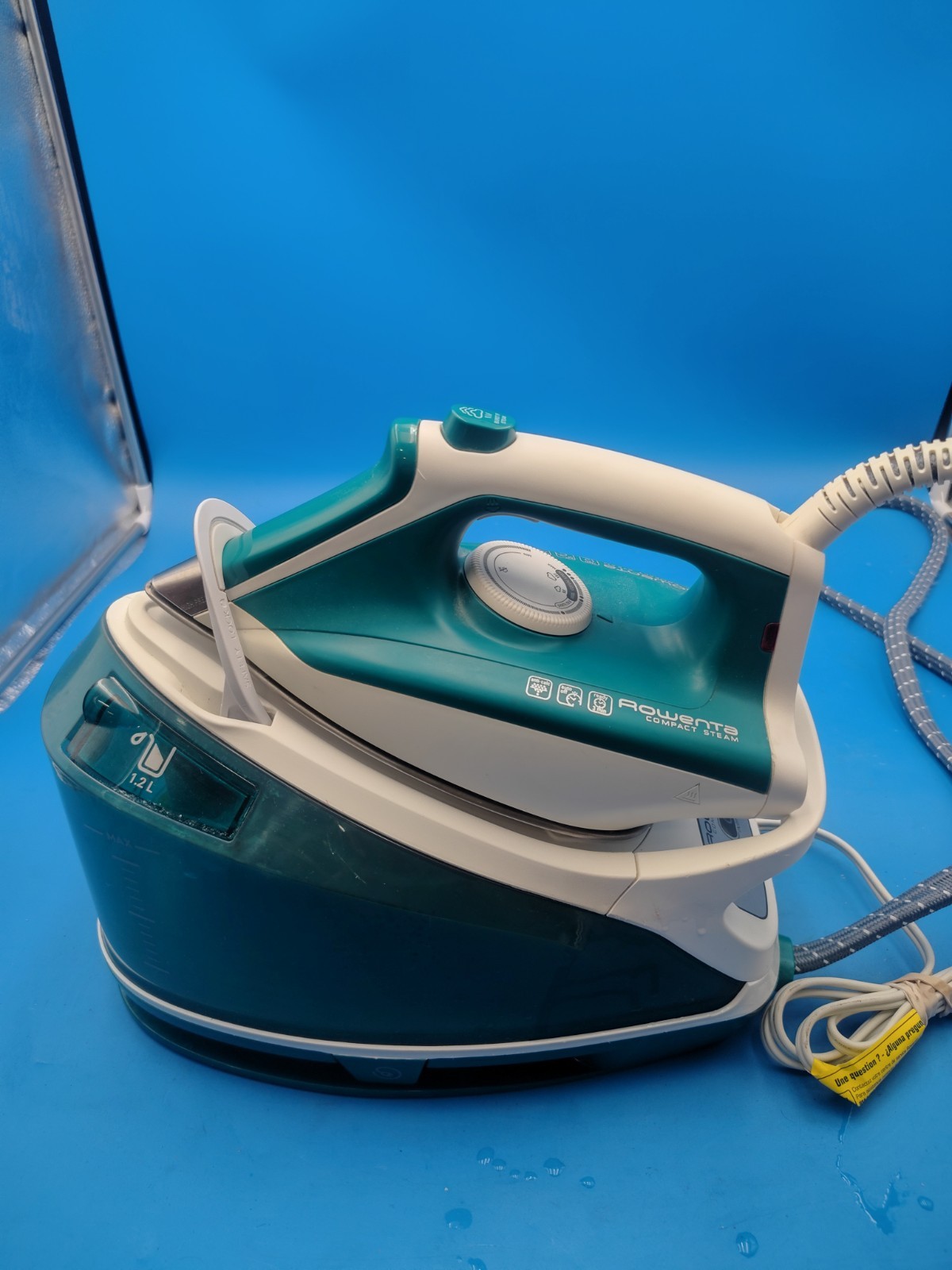

Photos from current listings. Actual item, color, and included accessories may vary.
Rowenta Steam Iron Buying Guide
Rowenta steam irons span three distinct architectures: conventional steam irons, high-pressure steam stations (DG-series), and compact steam stations. The core trade-off is between portability and steam pressure/water capacity—conventional irons offer corded flexibility, while steam stations deliver professional press results through higher bar pressure but require dedicated counter space. The decision rule is simple: for occasional touch-ups and small households choose a conventional Rowenta iron; for daily ironing of heavy fabrics like denim and linen or for large families, choose a steam station with a removable water tank and at least 5-bar pressure.
At a glance
- Category
- Laundry & Garment Care
- Last updated
- Nov 22, 2026
Current offers
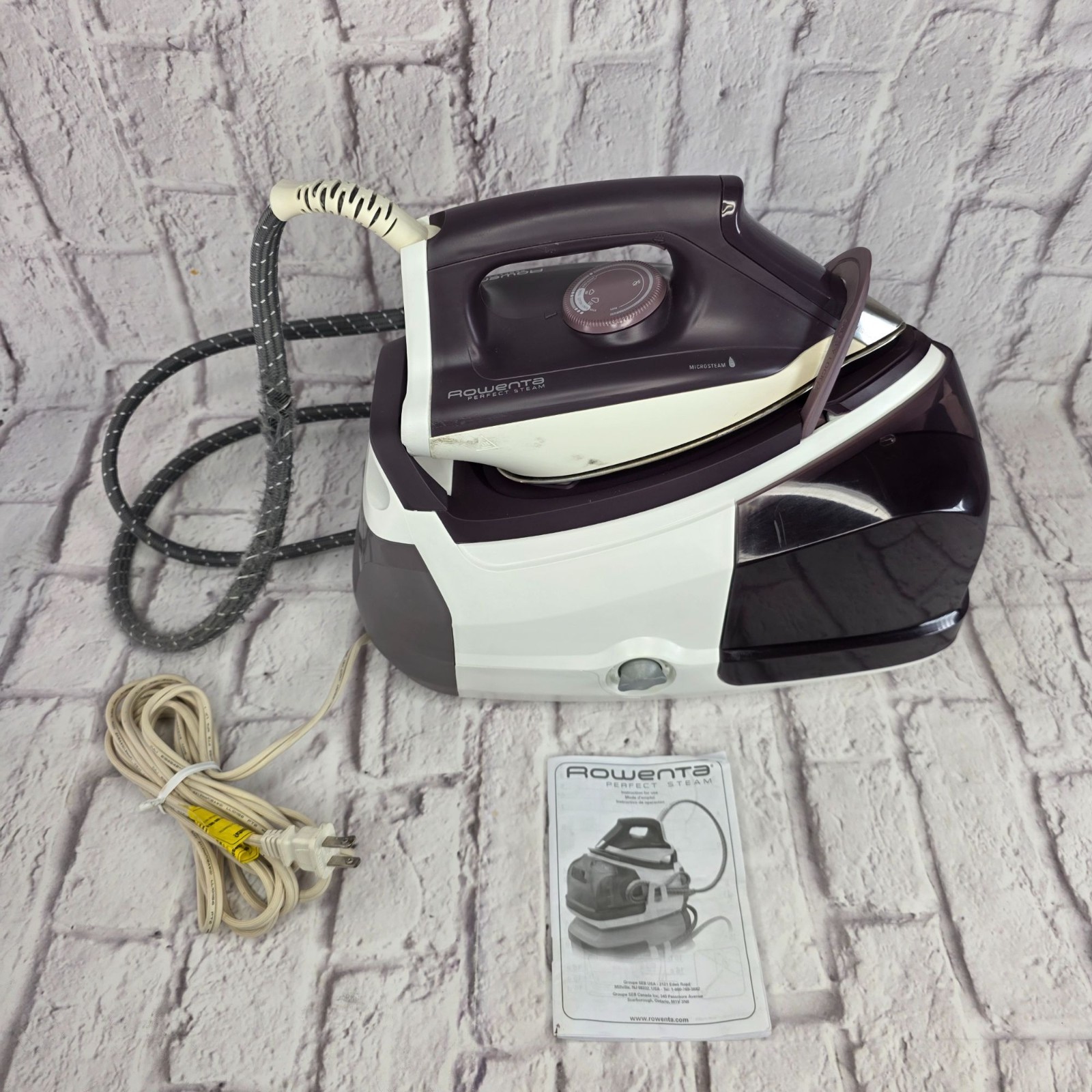
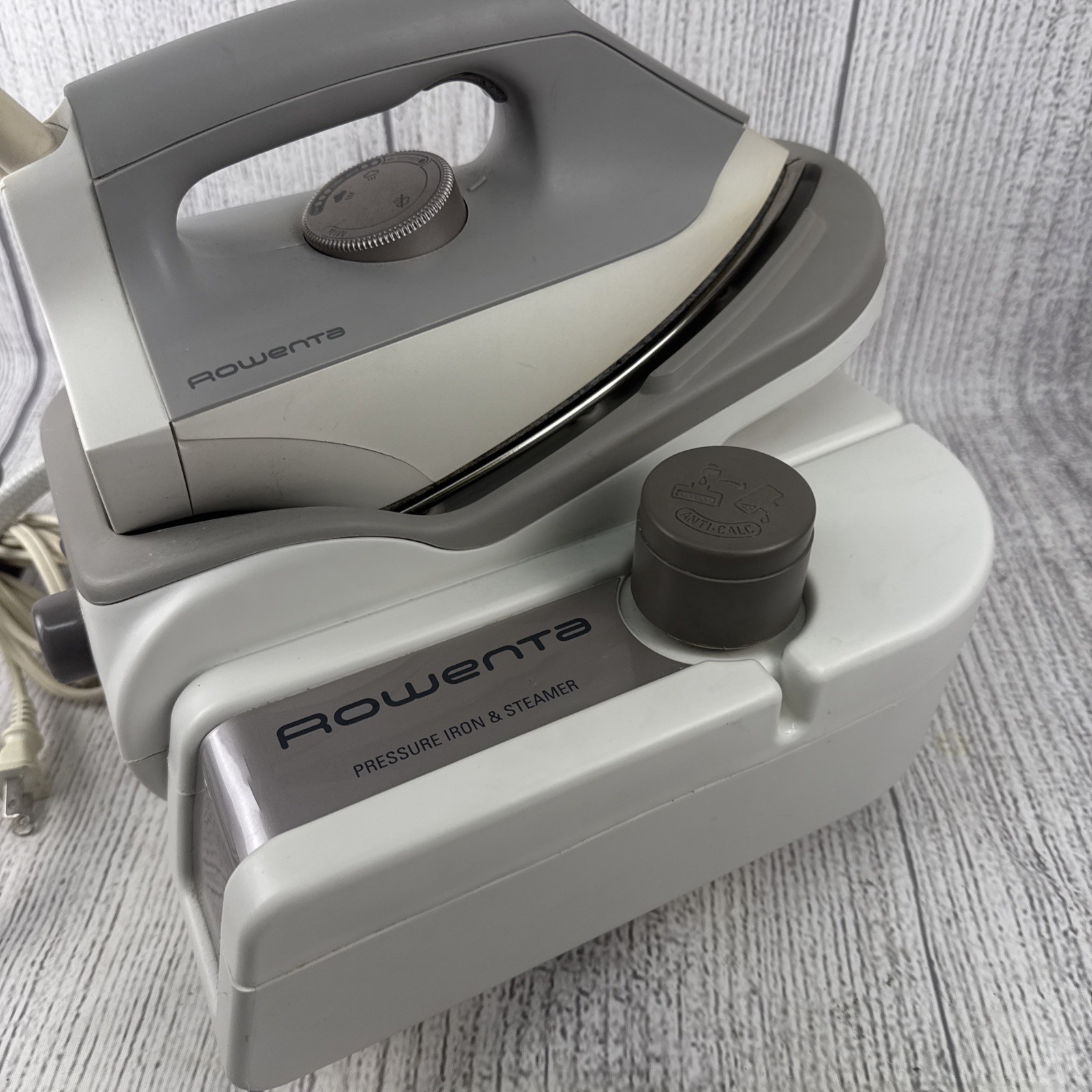
Highlights
- DG-series steam stations (e.g., DG8520, DG5030) operate at 5–6 bar boiler pressure versus 1–2 bar in conventional irons, producing continuous steam penetration through thick cotton and linens.
- Conventional Rowenta irons typically use 1700–1800 W heating elements with 200–300 ml tanks; steam stations use 1800–2600 W boilers with 1.2–1.5 L removable tanks for 60–90 minutes of ironing per fill.
- MicroSteam soleplates (found on higher-tier models) feature 300+ steam holes across a stainless-steel or ceramic-coated surface, while base models use fewer holes and standard stainless plates.
- Compact steam stations like the DG7530 offer 1800 W with smaller boilers and 1 L tanks—lighter than full stations but with lower continuous steam output and shorter refill intervals.
Best use cases
- Best fit: a household ironing 5+ garments daily including denim, linen, and cotton shirts—choose a DG-series steam station with 5+ bar pressure and a removable 1.2 L+ tank to avoid constant refilling.
- Best fit: a small apartment or occasional user pressing shirts and light fabrics—choose a conventional Rowenta steam iron with 1700–1800 W and a 250–300 ml tank; skip steam stations that occupy permanent counter space.
- Wrong fit: quilters or sewists needing precise low-temperature control on delicate synthetics—a conventional iron with adjustable thermostat and ceramic soleplate is better than a high-pressure station that can scorch thin fabrics.
- Best fit: a large family with a dedicated laundry room—a full steam station with 1.5 L tank and vertical steam function handles curtains and hanging garments without an ironing board.
Buying tips
- Match bar pressure to fabric load: 1–2 bar conventional irons handle light cottons and synthetics; 5–6 bar steam stations are required for denim, linen, and multiple-layer seams.
- Check tank capacity against your ironing volume: 250–300 ml conventional tanks cover 3–5 garments; 1.2–1.5 L station tanks cover 15–20 garments or 60–90 minutes of continuous use.
- Prioritize removable water tanks on steam stations—fixed tanks force you to wait for the boiler to cool before refilling, adding 20–30 minutes to each session.
- Look for anti-calc systems (cartridge or built-in) on stations used with hard water; scale buildup is the leading cause of steam loss and element failure in boiler irons.
Specs
| Iron Type | Conventional vs Steam Station (DG) |
|---|---|
| Steam Pressure | 1–2 bar vs 5–6 bar boiler |
| Tank Capacity | 250–300 ml vs 1.2–1.5 L removable |
| Soleplate | Stainless vs MicroSteam ceramic |
Related searches
What to check before buying
- Measure your ironing board and counter space: full steam stations need roughly 35–40 cm of depth and a stable surface; compact stations need 30 cm, conventional irons store upright in a cabinet.
- Confirm your home's water hardness—if hard water (above 180 ppm), choose a model with a replaceable anti-calc cartridge or plan to use distilled water to protect the boiler.
- Check electrical outlet placement: steam stations draw 1800–2600 W and need a grounded outlet within cord reach (typically 1.8–2 m); avoid extension cords on high-wattage stations.
- Verify soleplate material preference: stainless steel is durable and glide-friendly for heavy fabrics; ceramic-coated plates resist scratching and suit delicates but wear faster on zippers and buttons.
FAQ
Data sources: eBay / Amazon listings and product attribute feeds. Updated Nov 22, 2026.
Some links on this page are affiliate links. If you buy after clicking one, we may earn a commission at no extra cost to you. This does not change which products appear here or their order. Affiliate disclosure.