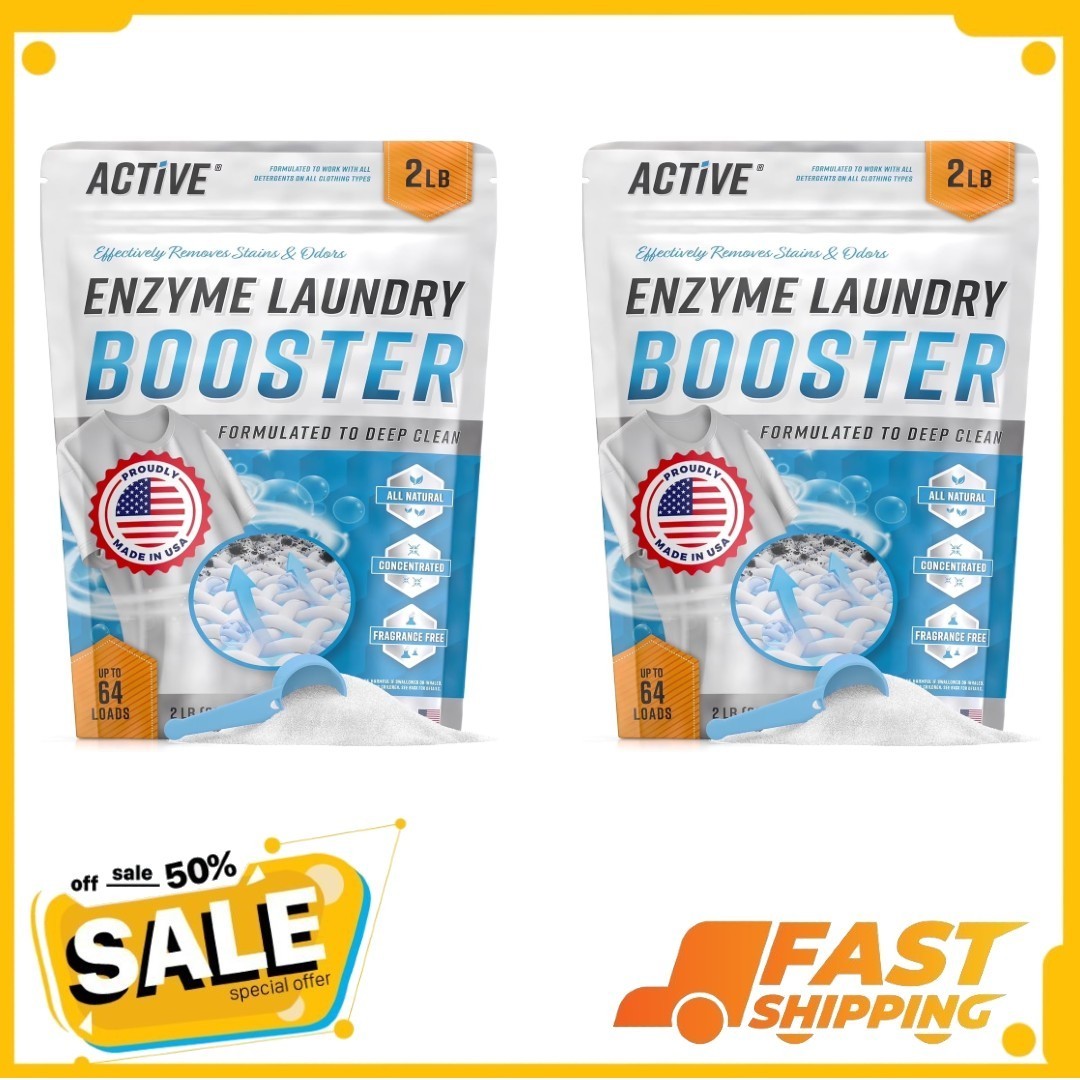

Photos from current listings. Actual item, color, and included accessories may vary.
Laundry Booster Buying Guide
Laundry boosters are supplemental additives—enzyme powders, oxygen bleaches, borax, and scent beads—that enhance cleaning, stain removal, or fragrance beyond standard detergent. The core trade-off is between active cleaning chemistry (enzymes, percarbonate, borax) for performance and filler-heavy scent beads or diluted liquids that mostly add perfume. Buy enzyme or oxygen-based boosters when soil and odors are the problem; choose scent beads only for fragrance layering on already-clean laundry.
At a glance
- Category
- Laundry & Garment Care
- Last updated
- Nov 22, 2026
Current offers
Highlights
- Enzyme boosters rely on protease, amylase, lipase, and cellulase to break down protein, starch, fat, and cellulose soils at wash temperatures below 60°C.
- Oxygen bleach boosters use sodium percarbonate, releasing hydrogen peroxide for color-safe stain oxidation; chlorine bleach is not a laundry booster and damages protein fibers.
- Borax (sodium tetraborate decahydrate) raises pH and softens water, boosting detergent efficiency, but is not an enzyme and does not remove stains alone.
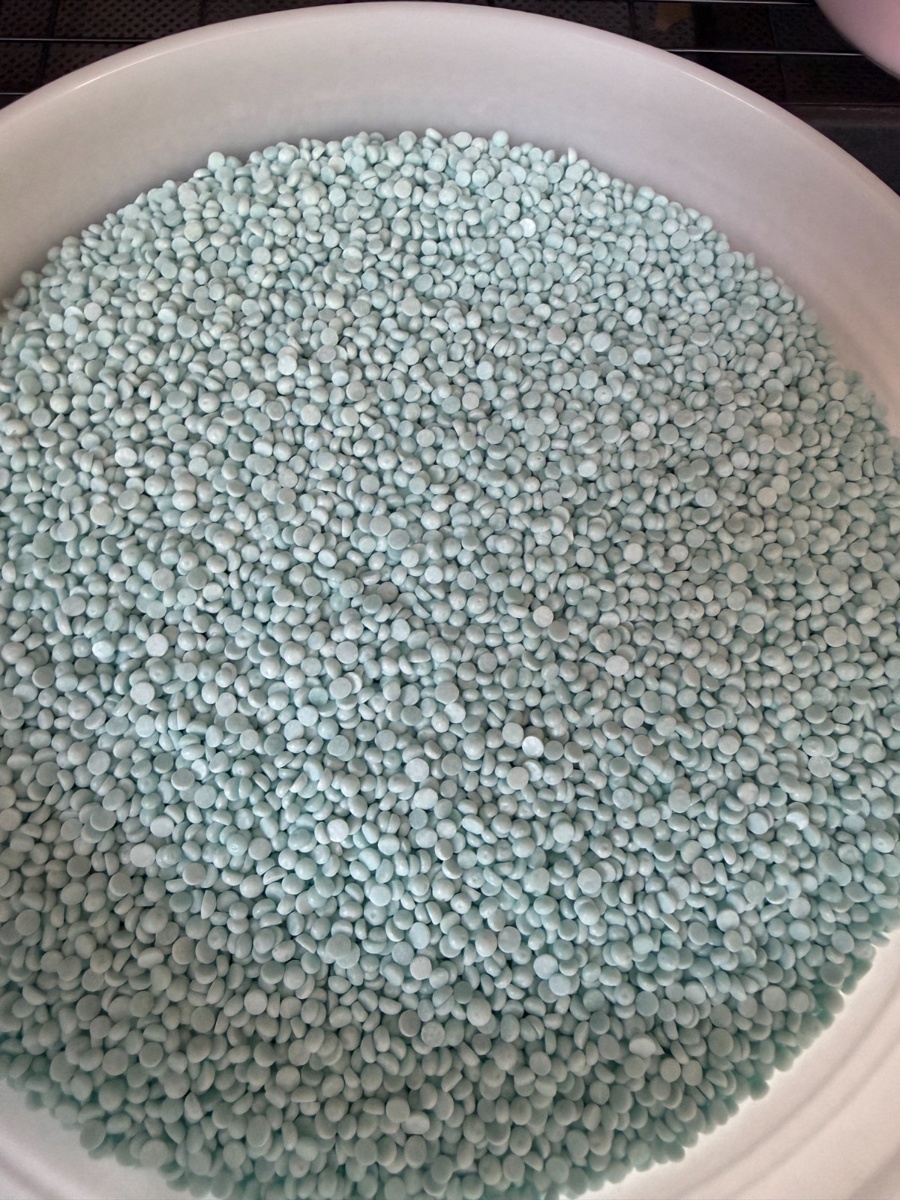
- Scent beads are polyethylene-based fragrance carriers that dissolve in wash water; they provide no cleaning power and leave residue in cold, short cycles.
Best use cases
- Pick an unscented enzyme powder for gym clothes, pet bedding, and toddler messes—it digests organic soils that detergent alone leaves behind.
- Choose oxygen bleach granules for colorfast stain removal and whitening on cotton, linen, and synthetics; skip it on wool, silk, and leather.
- Use borax for hard-water laundry and detergent boosting in top-loaders; skip it if you have a septic system sensitive to boron or need stain-specific action.
- Select scent beads only for fragrance layering on already-clean everyday laundry; skip them for towels, activewear, and baby clothes where residue and sensitivity matter.
Buying tips
- Match booster chemistry to soil: enzyme for protein/fat soils, oxygen bleach for stains and whitening, borax for hard water and pH boost, beads for scent only.
- Check the active ingredient percentage: enzyme powders with declared enzyme activity outperform blends where sodium sulfate or filler dominates the label.
- Follow dose math: typical enzyme powder dose is 1–2 tablespoons per load; overdosing leaves residue and can irritate skin, so measure rather than free-pour.
- Confirm HE compatibility for front-loaders—low-sudsing enzyme and oxygen boosters are safe; borax and scent beads are HE-safe at labeled doses.
Specs
| Booster Chemistry | Enzyme / Oxygen bleach / Borax / Scent |
|---|---|
| Active Ingredient | Enzymes, percarbonate, borax, fragrance |
| HE Compatibility | Low-sudsing formulas for front-loaders |
| Water Temperature | Enzyme: <60°C; Oxygen: warm/hot |
Related searches
What to check before buying
- Measure your washer drum capacity and load size to set the correct booster dose—oversized doses waste product and leave residue.
- Check water hardness; above 180 ppm (10 gpg), borax or a built-in water softener meaningfully improves detergent performance.
- Verify fabric care labels: no oxygen bleach on wool, silk, or non-colorfast dyes; no enzyme booster on protein fibers like silk and wool.
- Confirm your detergent already contains enzymes or oxygen bleach—stacking identical actives adds cost without extra cleaning.
FAQ
Data sources: eBay / Amazon listings and product attribute feeds. Updated Nov 22, 2026.
Some links on this page are affiliate links. If you buy after clicking one, we may earn a commission at no extra cost to you. This does not change which products appear here or their order. Affiliate disclosure.