
Photos from current listings. Actual item, color, and included accessories may vary.
Iron Buying Guide
An iron is a heating appliance that combines a heated soleplate with steam output to remove wrinkles; the core trade-off is between lightweight handheld convenience and high-pressure steam stations that deliver continuous, garment-safe steam. Durable options use ceramic or stainless-steel soleplates, anti-calc systems, and pressure boilers, while compromises rely on thin non-stick coatings, tiny tanks, and unregulated steam bursts. The decision rule: buy a steam station if you iron more than a few shirts weekly or need vertical steaming; buy a handheld or compact steam iron only for travel or touch-ups.
At a glance
- Category
- Laundry & Garment Care
- Last updated
- Nov 22, 2026
Current offers
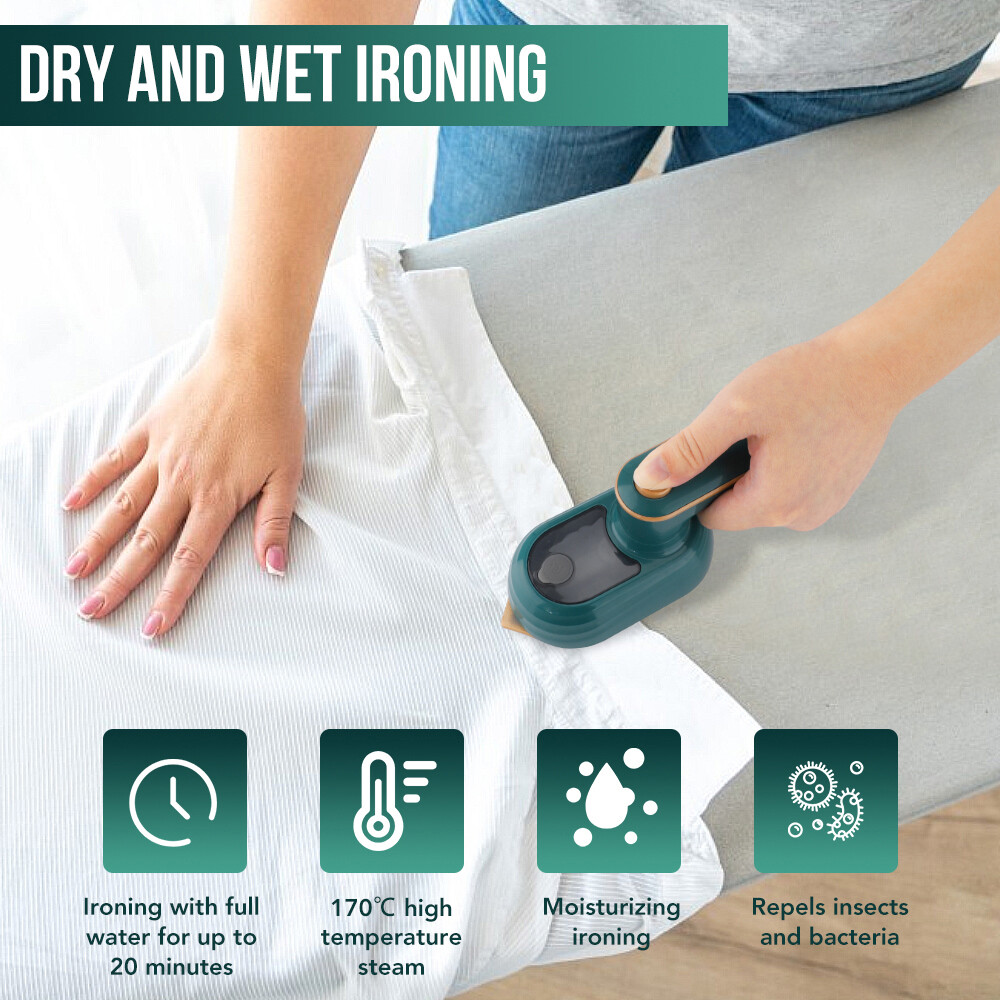 Micro Steam Iron Portable Handheld Mini Professional Steamer For Clothes Garment$9.75View on eBay
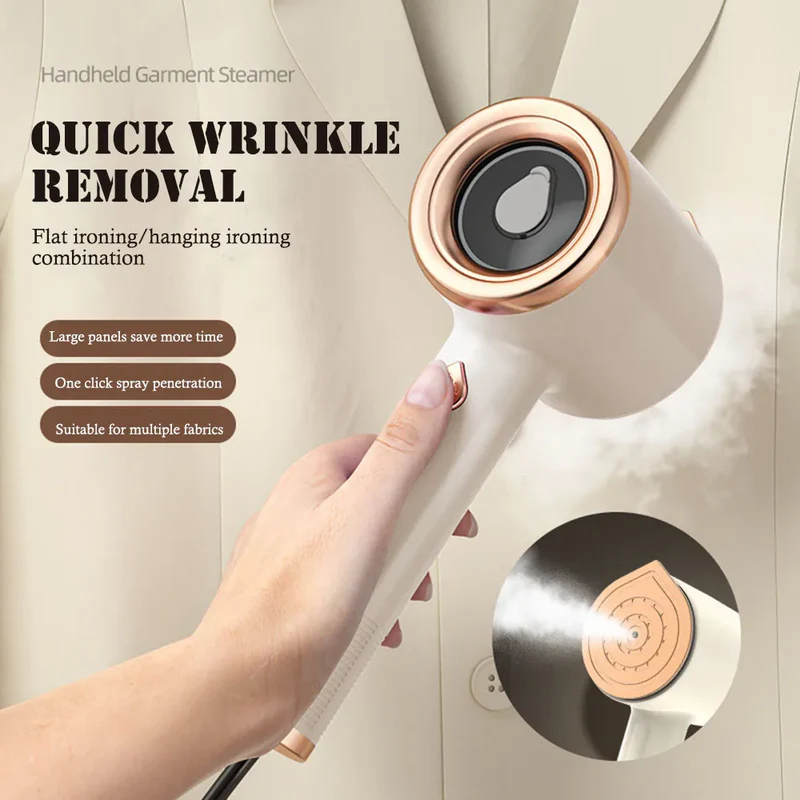 Mini Portable Handheld Garment Steamer Fabric Steam Iron For Clothes Travel Home Appliances Vertical US Plug Ironing Machine$74.99View on Mallflare
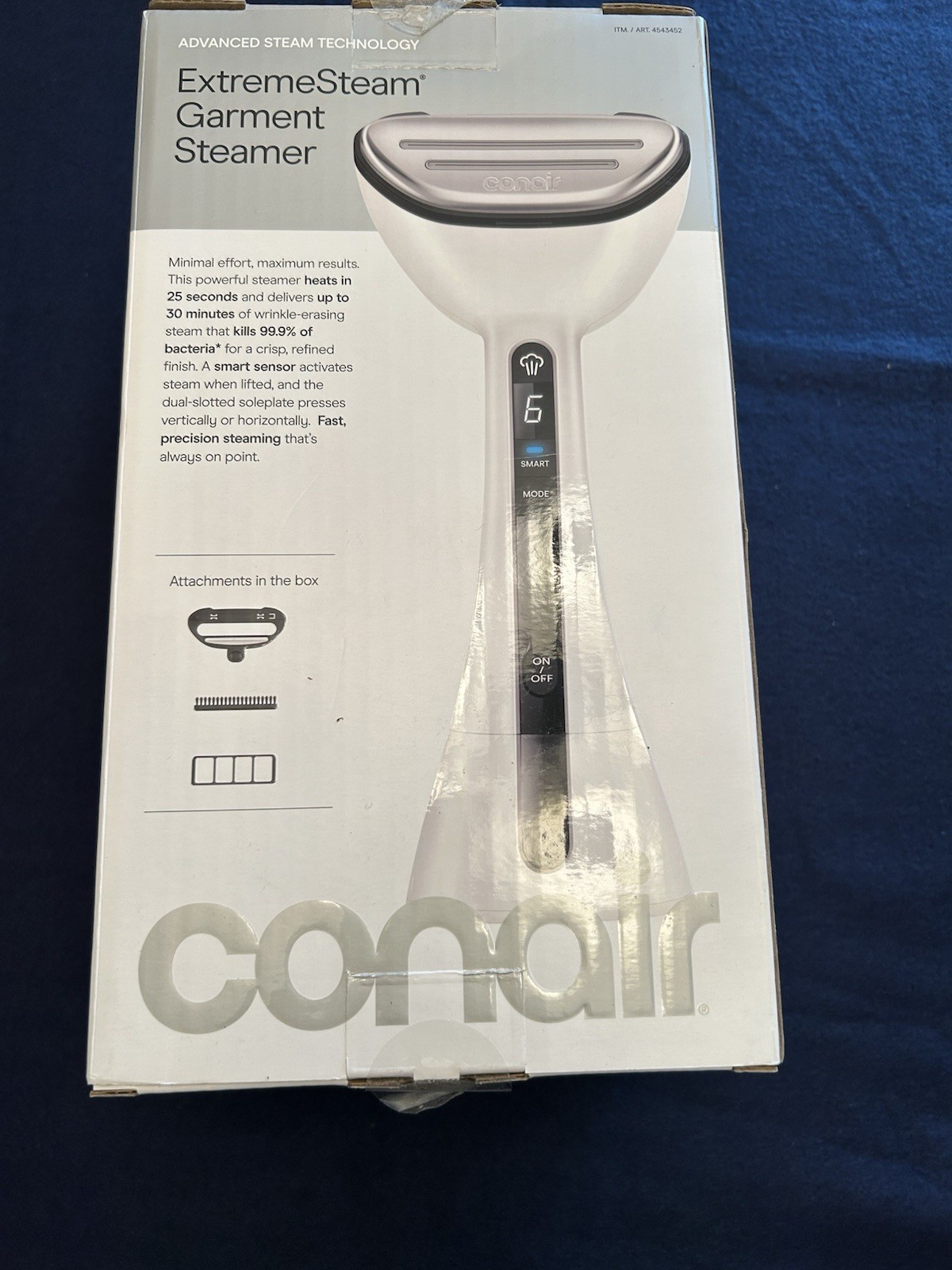 Conair ExtremeSteam Garment Steamer Handheld Fabric Iron Open Box$24.95View on eBay
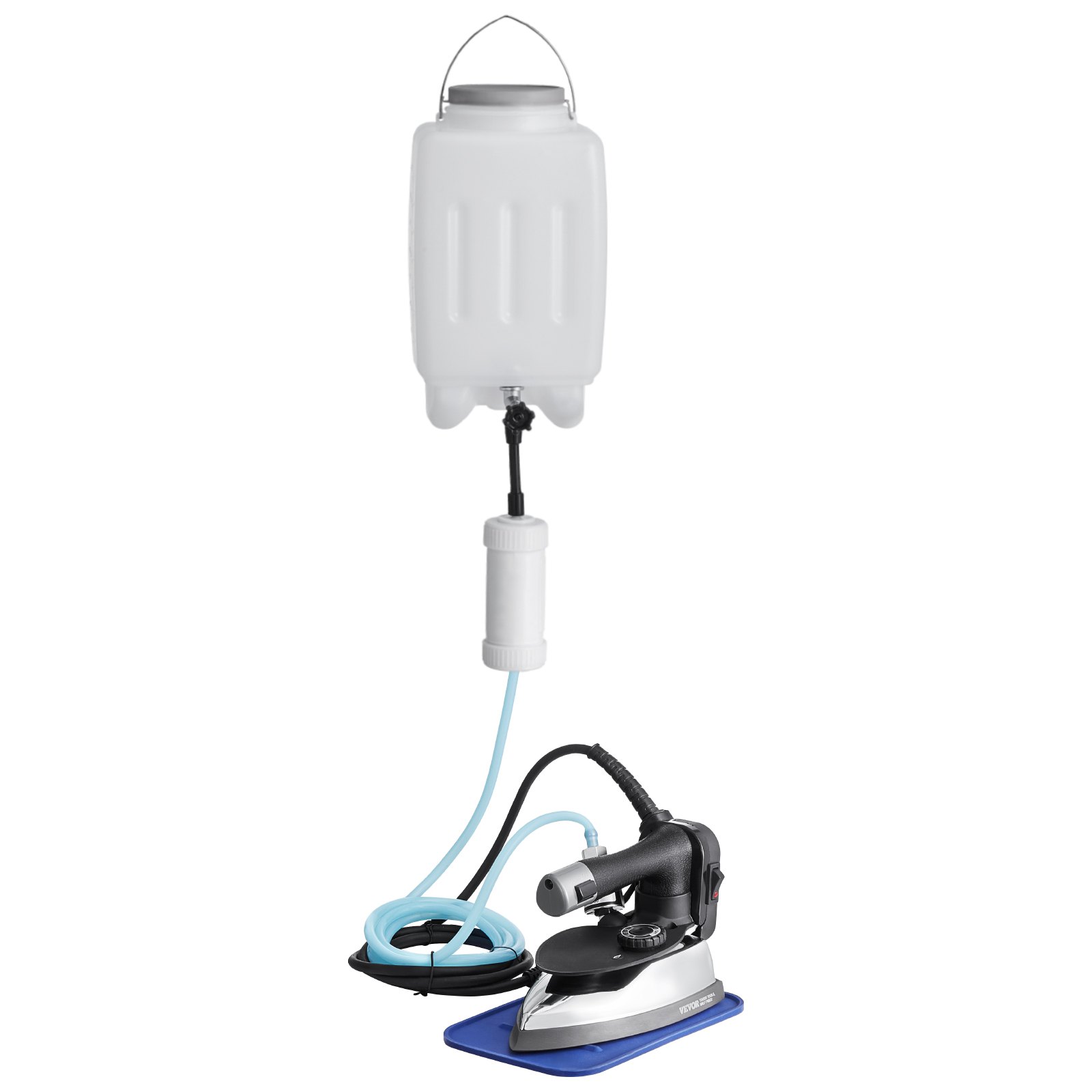 Gravity Feed Steam Iron, 10 0 0W With 3.5 L Large Capacity Tank, Demineralizer Cartridges, Non-Stick Ironing Shoe, 5 Temperature Settings, Industrial Electric For$78.99View on Mallflare
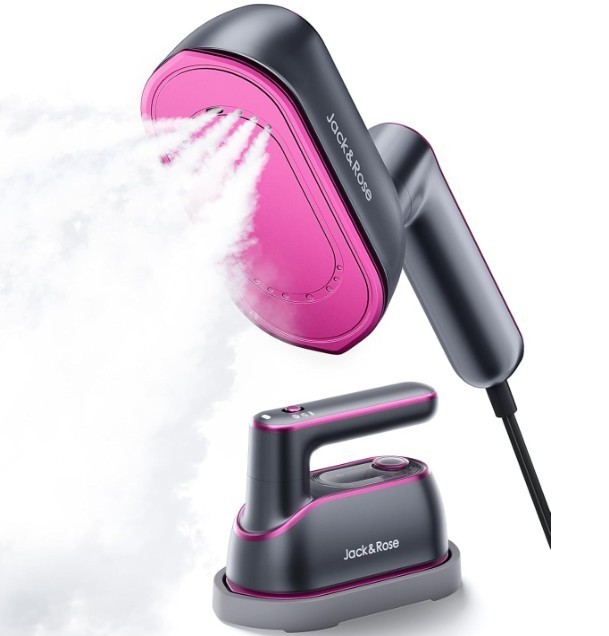 Jack & Rose Garment Steamer Portable Travel Iron Handheld Wrinkle Remover$25.99View on eBay
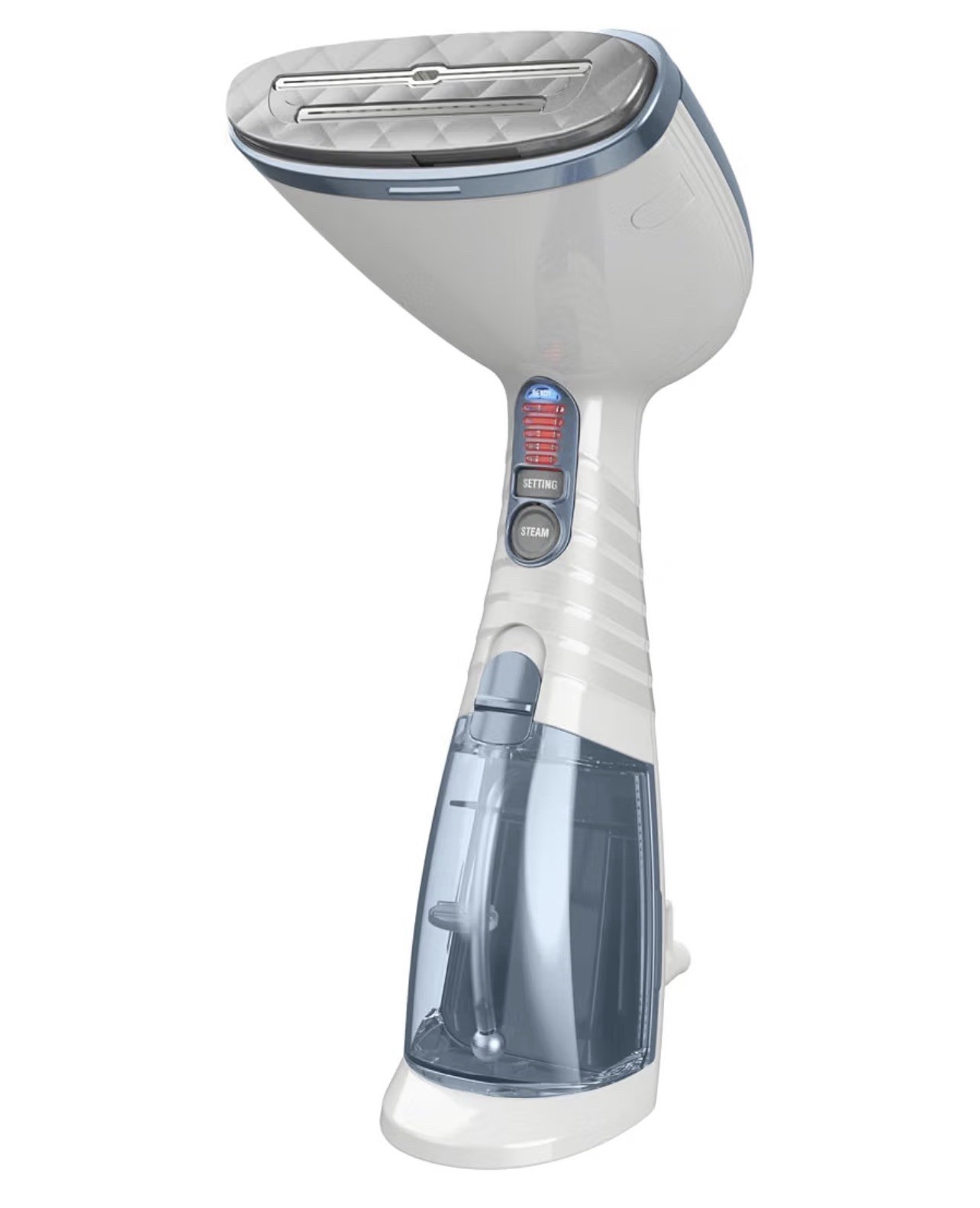 Conair Turbo ExtremeSteam 1875W Handheld Garment Steamer & Iron GS59Z$49.99View on eBay
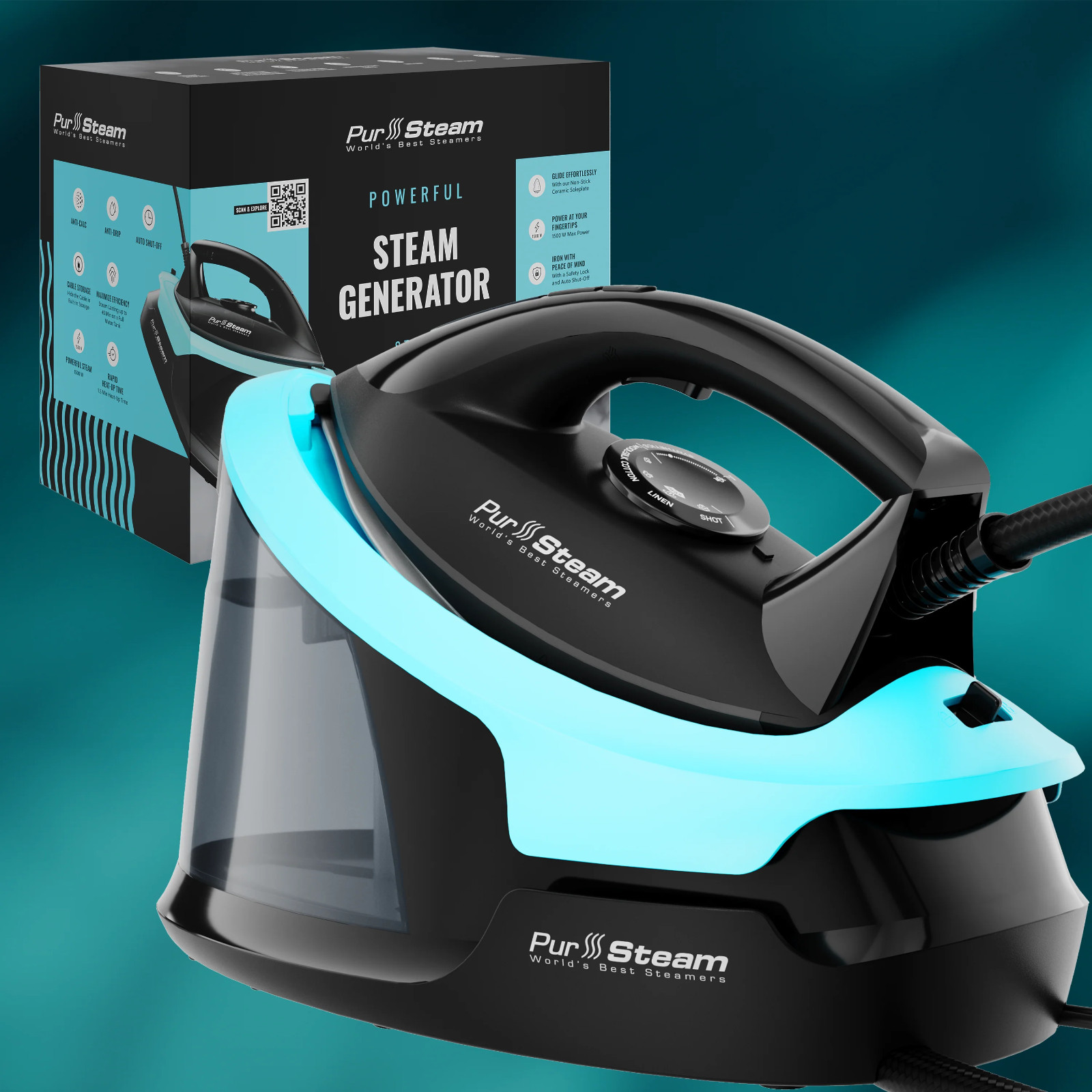 Pursteam Steam Station Max Ceramic Soleplate Steam Iron for Clothes 1500W$79.95View on eBay
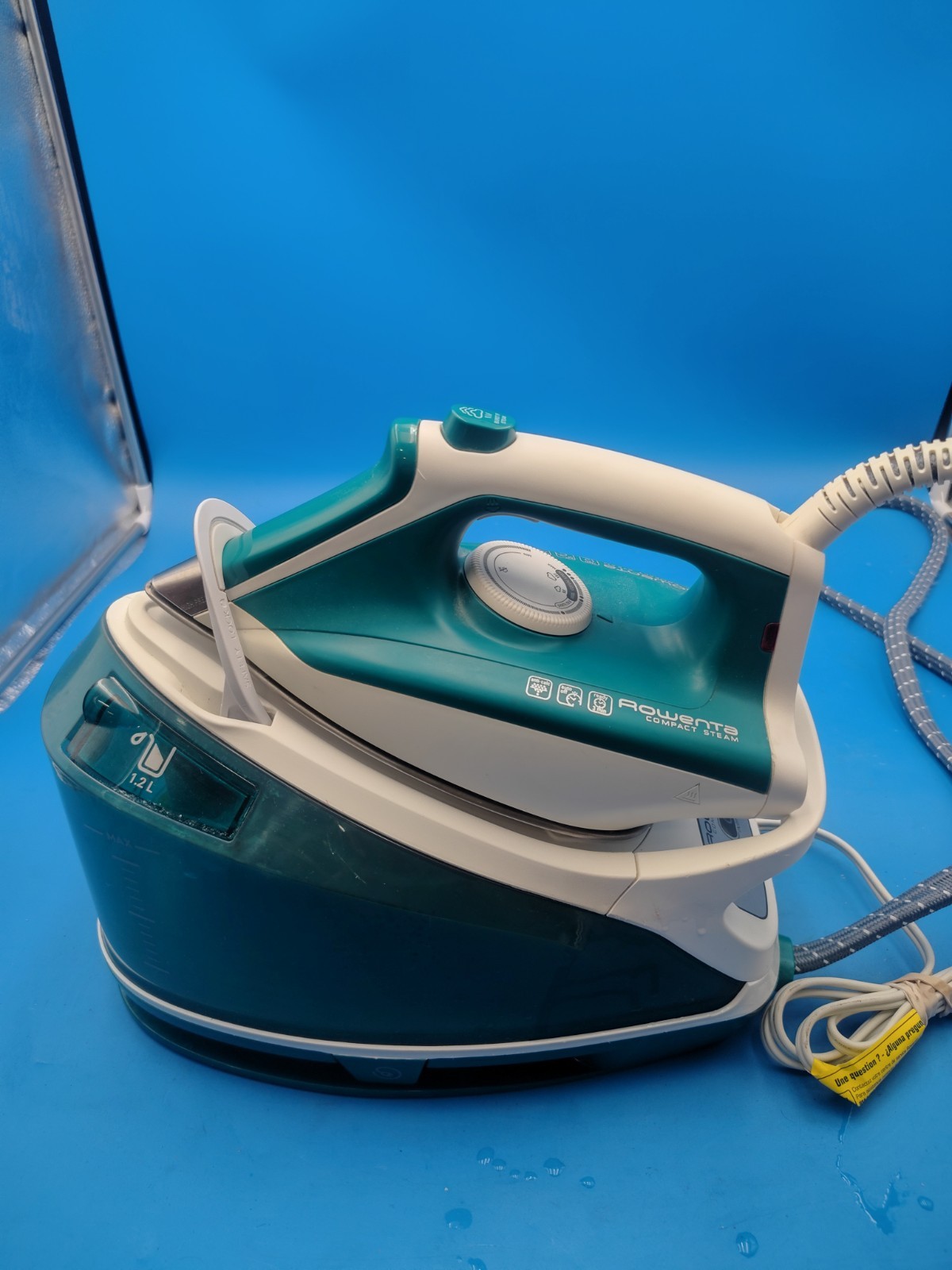 Rowenta Compact Steam Station 1800 Watt Iron DG7530 Blue/Green - TESTED WORKING!$110.00View on eBay
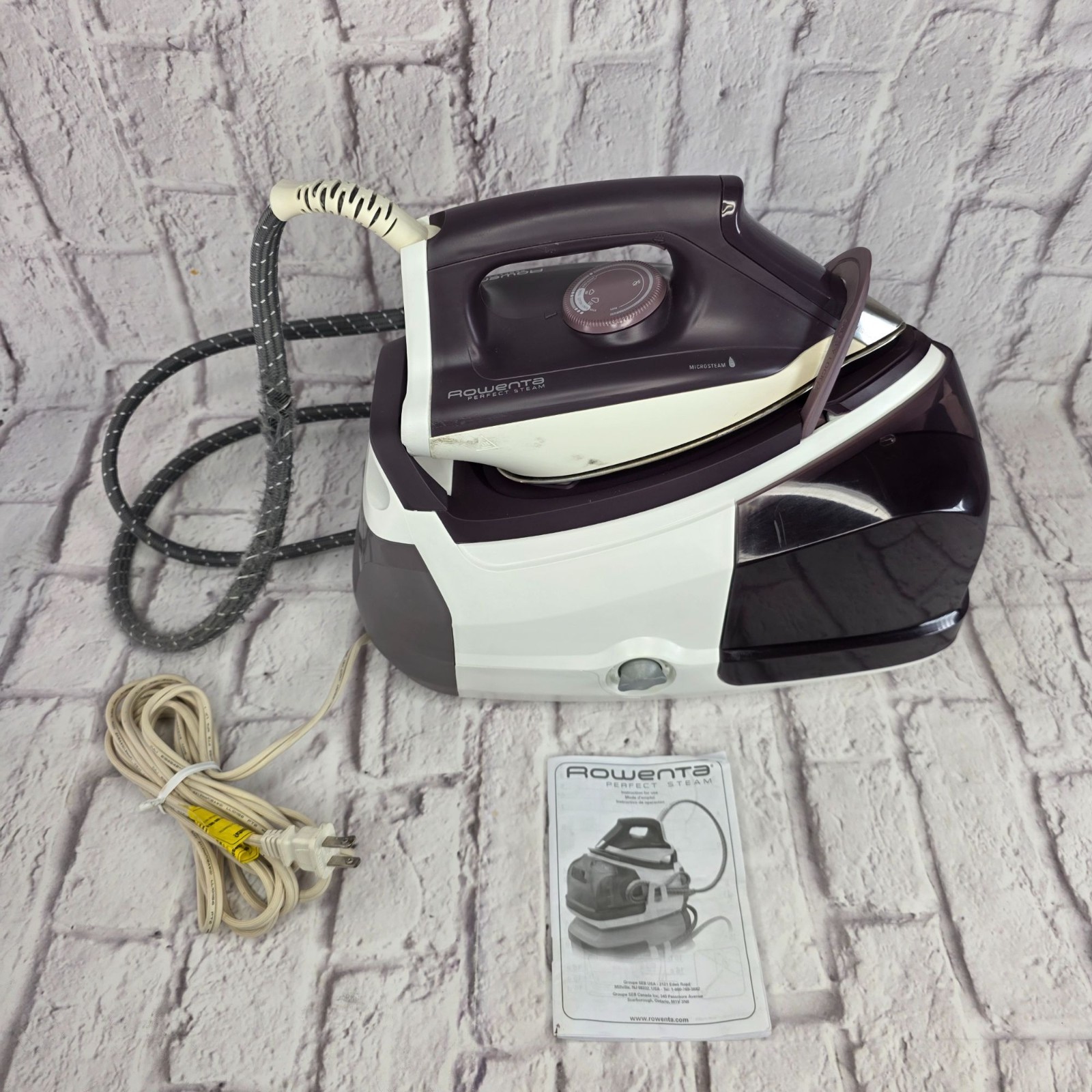 Rowenta PerfectSteam DG8520 MicroSteam Eco Energy Steam Station Iron Purple$119.13View on eBay
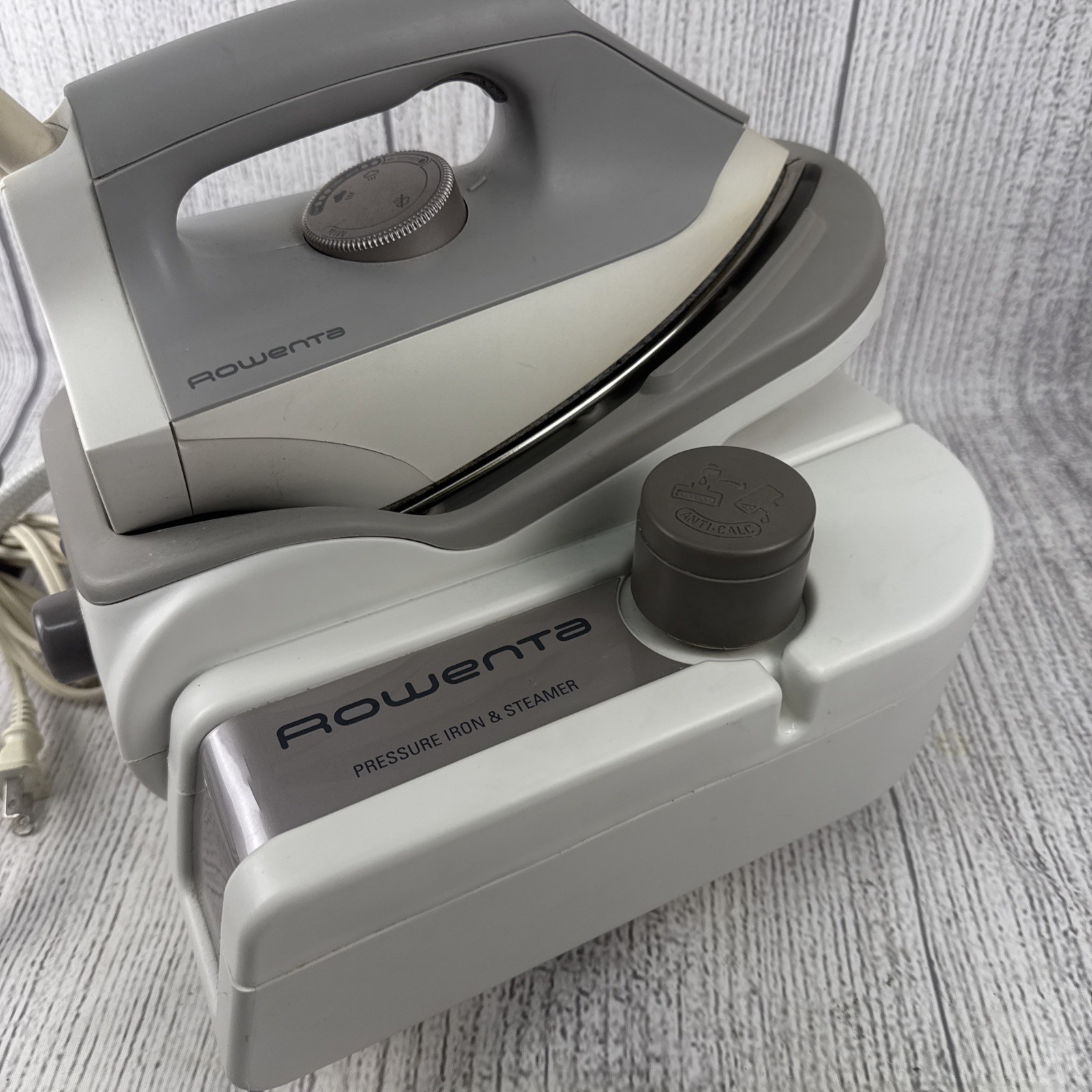 Rowenta Pro Iron Steam Station DG 5030 Pressure Iron & Steamer - Tested Works$134.95View on eBay
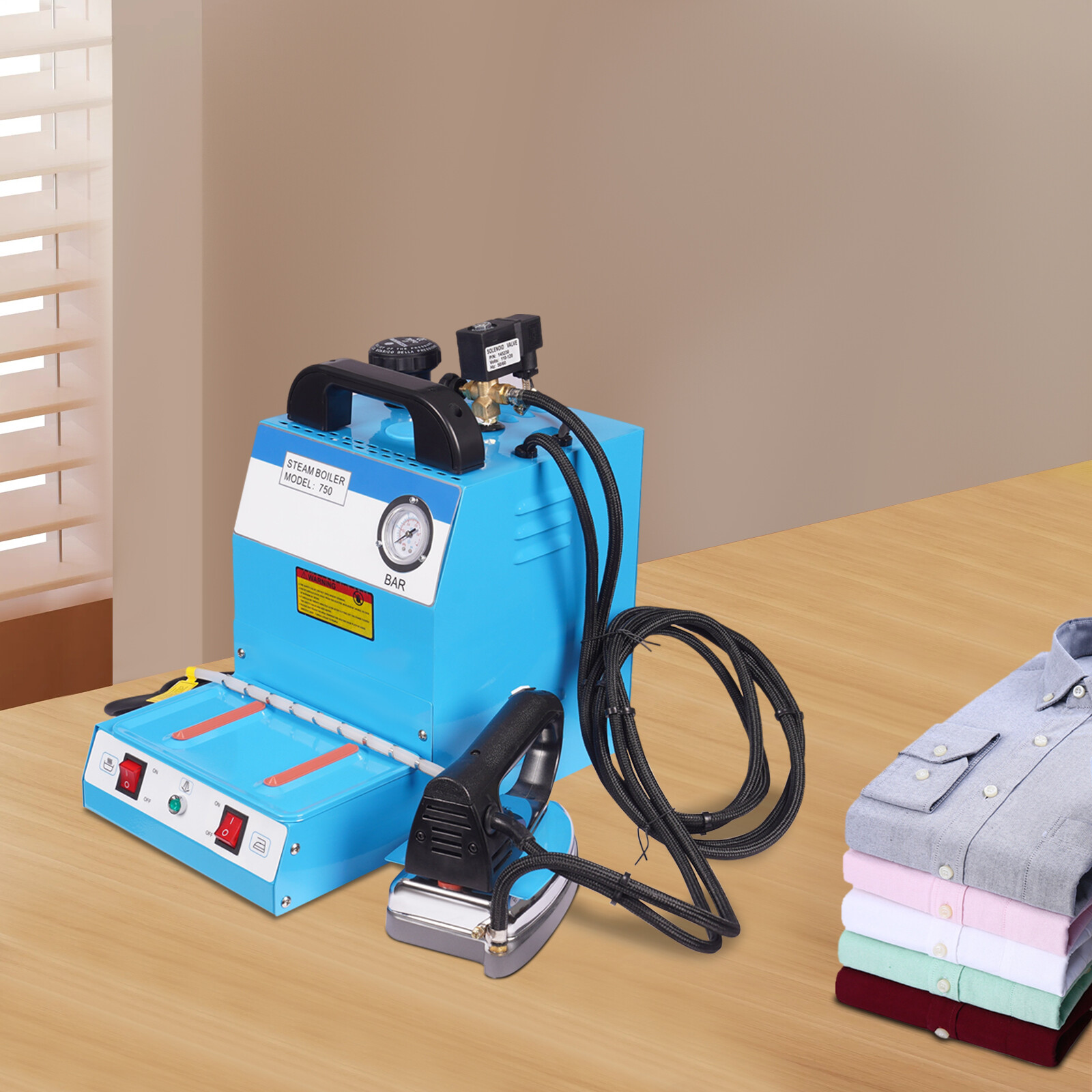 Blue Industrial Steam Iron and Boiler Station 900W Professional Ironing System$177.47Last checked Nov 17, 2026View on eBay
- Blue Industrial Steam Iron and Boiler Station 900W Professional Ironing System$202.82Last checked Nov 18, 2026View on eBay
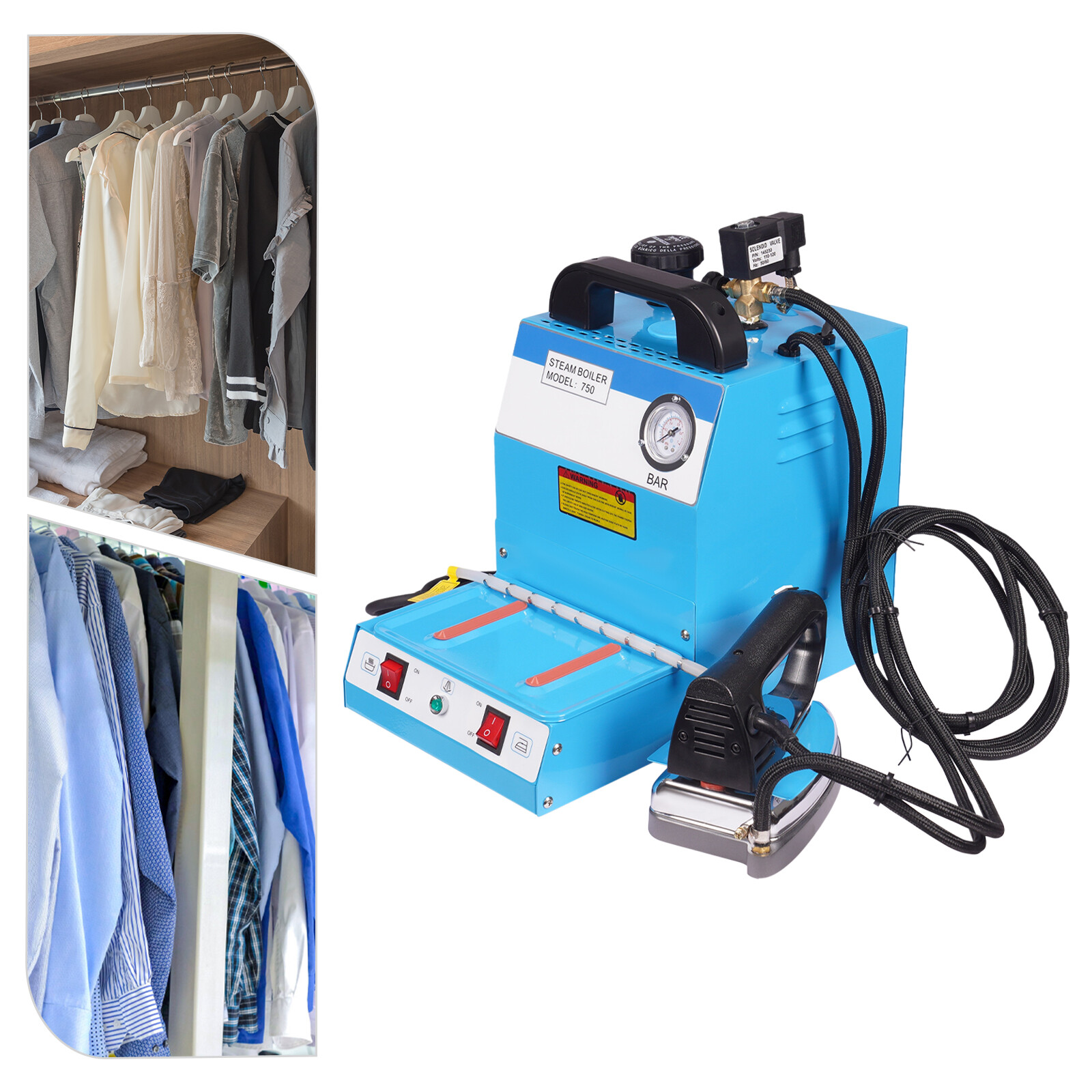 Blue Industrial Steam Iron and Boiler Station 900W Professional Ironing System$251.00Last checked Nov 17, 2026View on eBay
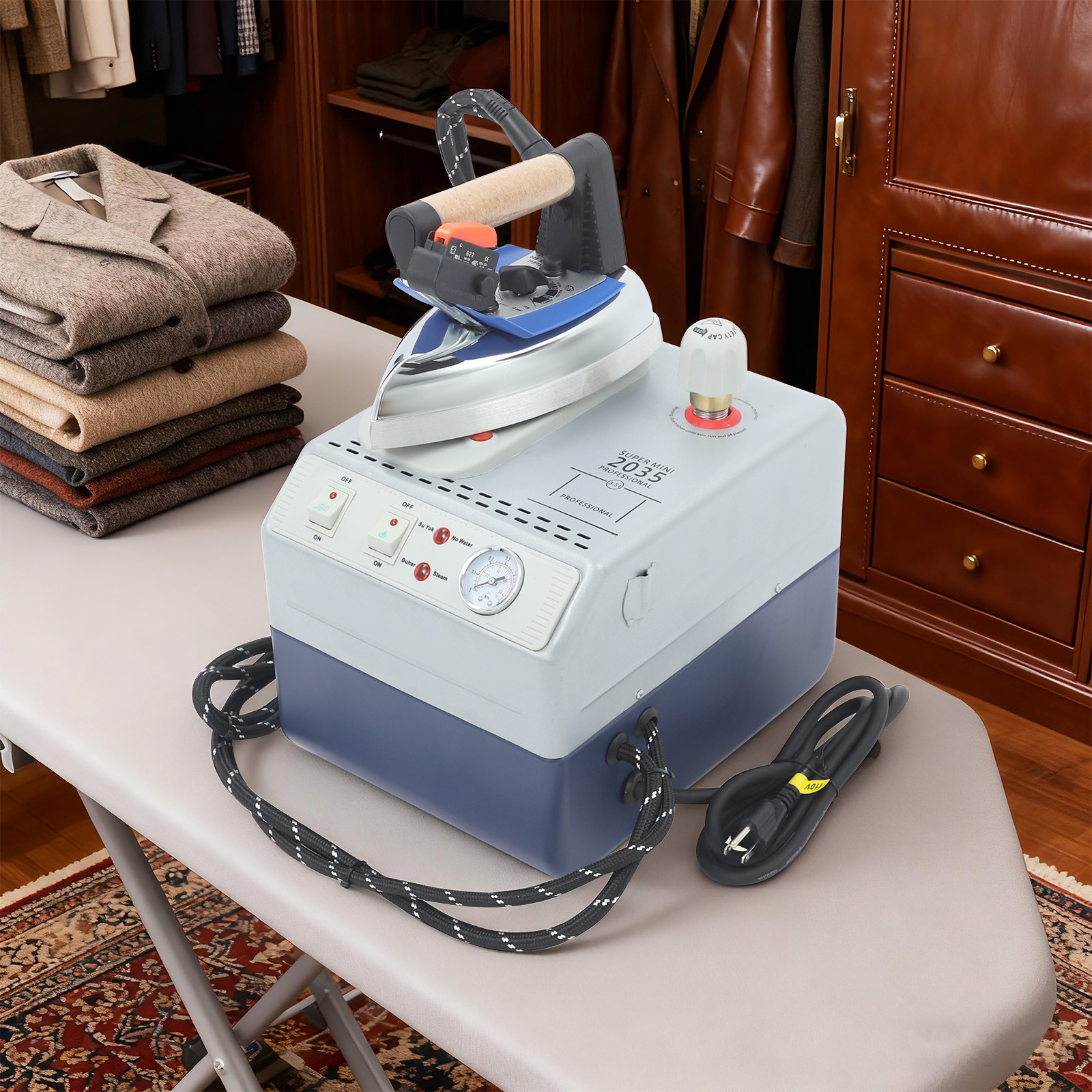 ELECTRIC STEAM GENERATOR IRON PROFESSIONAL STEAM IRONING STATION STEAM BOILER US$300.05Last checked Nov 17, 2026View on eBay
Highlights
- Steam station boilers generate 4-6 bar pressure for continuous steam, versus 1-2 bar burst-only output from conventional steam irons.
- Ceramic soleplates resist scratching and glide well on delicate fabrics; stainless steel is more durable but can polish sheen onto dark wool.
- Anti-calc cartridge or built-in descaling systems are essential in hard-water areas; without them, steam channels clog within months.
- Handheld steamers emit 15-30 g/min of steam and cannot press creases; steam irons deliver 30-50 g/min continuous and 100-200 g/min burst.
Best use cases
- Best fit: steam station (Rowenta DG8520, Pursteam Station Max) for households ironing multiple shirts daily and needing vertical steam for suits and curtains.
- Wrong fit: a mini handheld steamer for pressing dress shirts; it cannot create sharp creases or flat collars, so choose a ceramic-soleplate steam iron instead.
- Best fit: a 1500-1800W compact steam iron with 10-12 oz tank for occasional shirt touch-ups and small living spaces; skip industrial gravity-feed boilers.
- Wrong fit: an industrial 900W boiler station with 3.5L tank for home use; it requires distilled water, dedicated floor space, and drains slowly for small loads.
Buying tips
- Match wattage to steam output: 1200-1500W suits light home use, 1800W+ is needed for continuous high-steam stations and fast heat recovery.
- Choose tank capacity by load: under 8 oz for travel touch-ups, 10-14 oz for weekly shirts, and 1L+ boiler tanks for multi-garment sessions without refilling.
- Prefer ceramic or titanium-coated soleplates over thin non-stick; non-stick coatings degrade and flake after roughly a year of regular use.
- Check for a removable anti-calc cartridge or self-clean valve; hard water above 120 ppm calcium will scale any iron without one.
Specs
| Steam Pressure | 1-2 bar burst vs 4-6 bar boiler |
|---|---|
| Soleplate Material | Ceramic / stainless / titanium-coated |
| Tank Capacity | 8 oz travel to 3.5 L industrial |
| Steam Output | 15-30 g/min handheld to 50+ g/min station |
Related searches
What to check before buying
- Measure your ironing board width: steam stations need at least 15 inches of flat surface and a heat-resistant resting pad for the hot soleplate.
- Confirm your outlet voltage and plug type; US models are 120V with NEMA 1-15 plugs, while EU/UK stations are 220-240V and require a converter or local plug.
- Test your water hardness with a strip; above 180 ppm, budget for distilled water or a model with a demineralizer cartridge.
- Check storage height: steam stations with boilers stand 10-14 inches tall and need clearance under cabinets or in a closet shelf.
FAQ
Data sources: eBay / Amazon listings and product attribute feeds. Updated Nov 22, 2026.
Some links on this page are affiliate links. If you buy after clicking one, we may earn a commission at no extra cost to you. This does not change which products appear here or their order. Affiliate disclosure.