
Photos from current listings. Actual item, color, and included accessories may vary.
Handheld Garment Steamer Buying Guide
A handheld garment steamer is a compact, gravity-fed appliance that releases continuous steam through a soleplate or nozzle to relax wrinkles in hanging fabric without an ironing board. The core trade-off is between steam output and heat-up speed (1200–1875W, dual-heater or single-element) versus tank capacity and travel portability — small 100–150ml tanks trade refill frequency for luggage fit, while 240–300ml tanks run longer but add bulk. The decision rule: buy only if the unit lists wattage, tank volume, and a continuous-steam rating, and skip any listing that omits all three.
At a glance
- Category
- Laundry & Garment Care
- Last updated
- Nov 22, 2026
Current offers
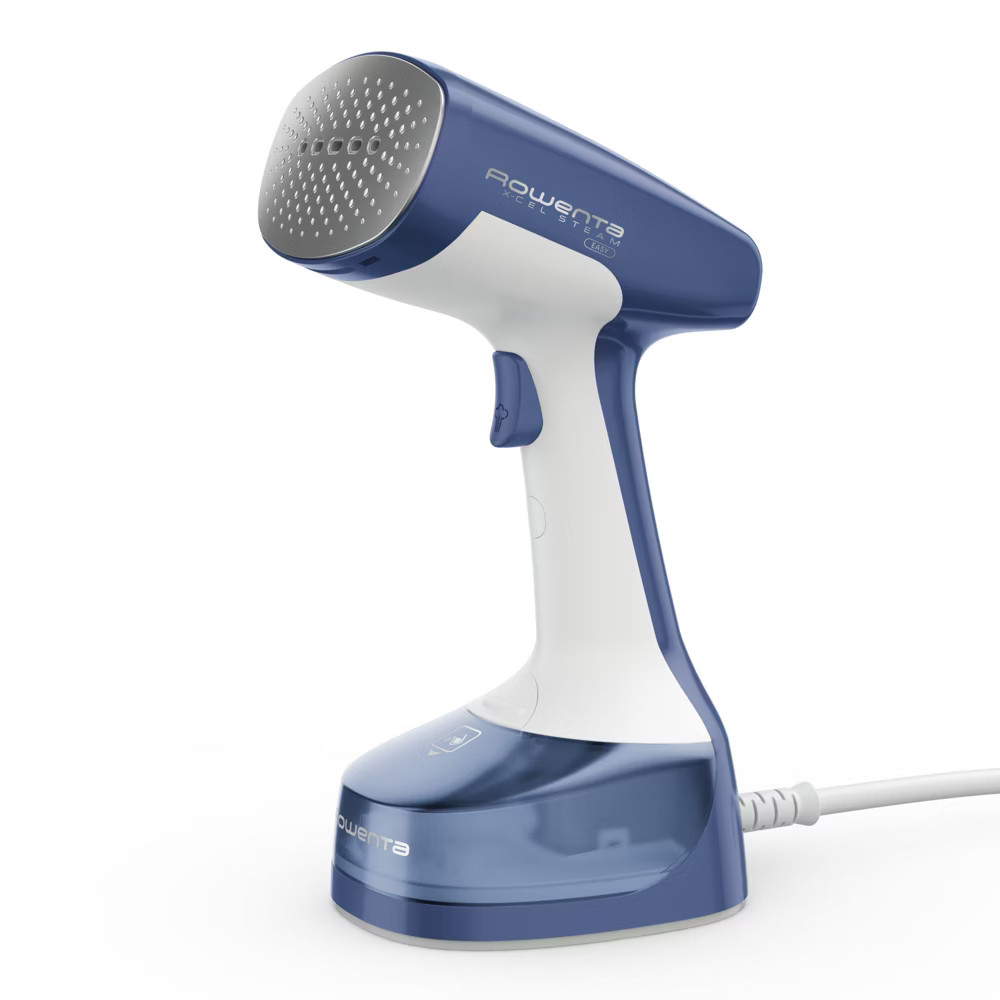 Rowenta Xcel Steam Easy Handheld Garment Steamer for Clothes – Blue$27.99View on eBay
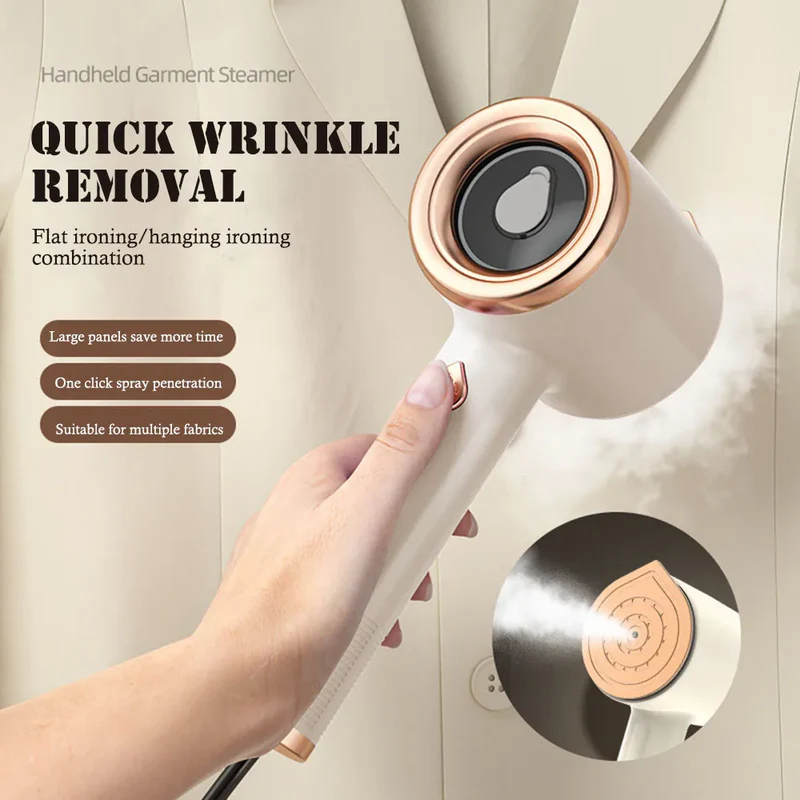 Mini Portable Handheld Garment Steamer Fabric Steam Iron For Clothes Travel Home Appliances Vertical US Plug Ironing Machine$74.99View on Mallflare
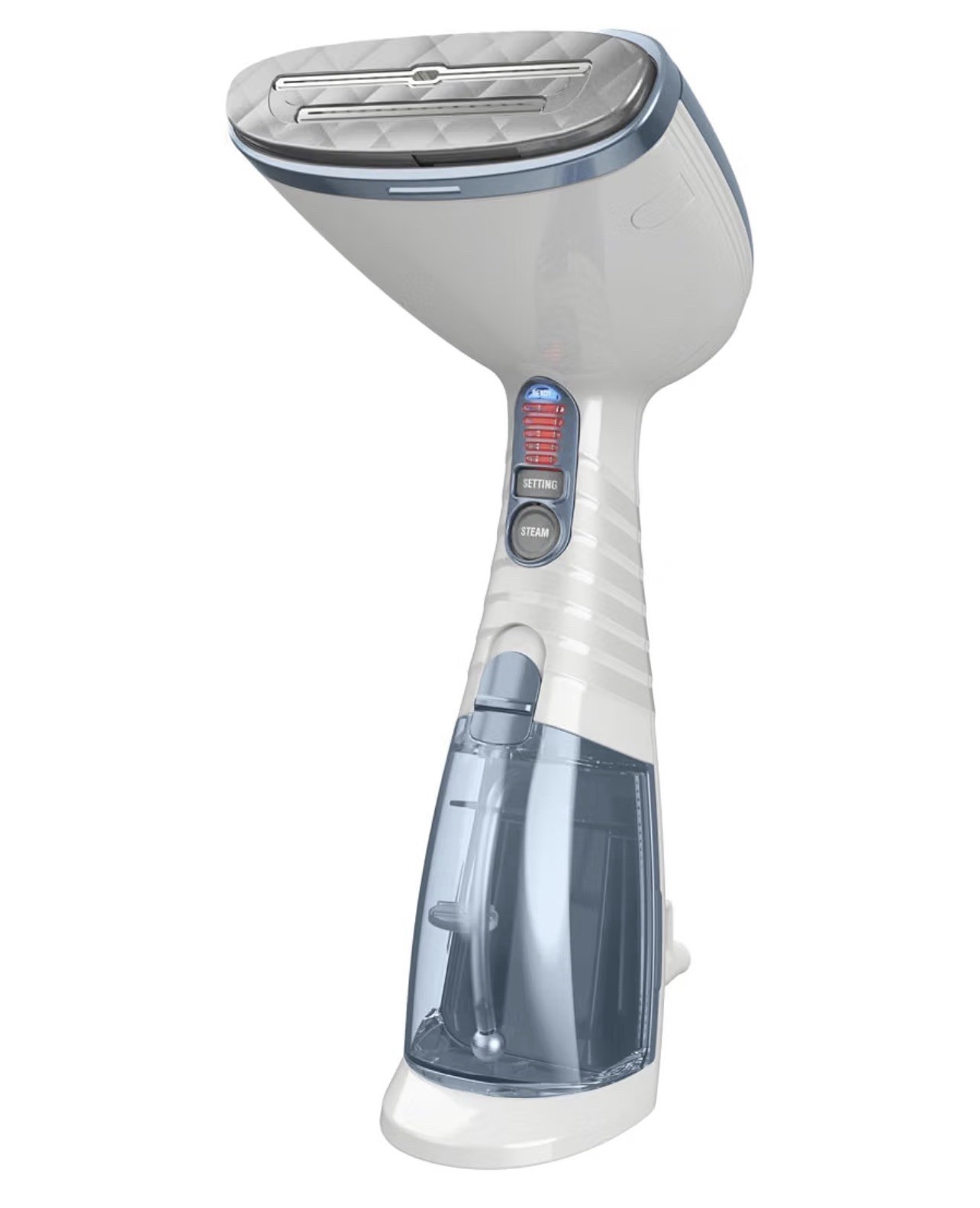 Conair Turbo ExtremeSteam 1875W Handheld Garment Steamer & Iron GS59Z$49.99View on eBay
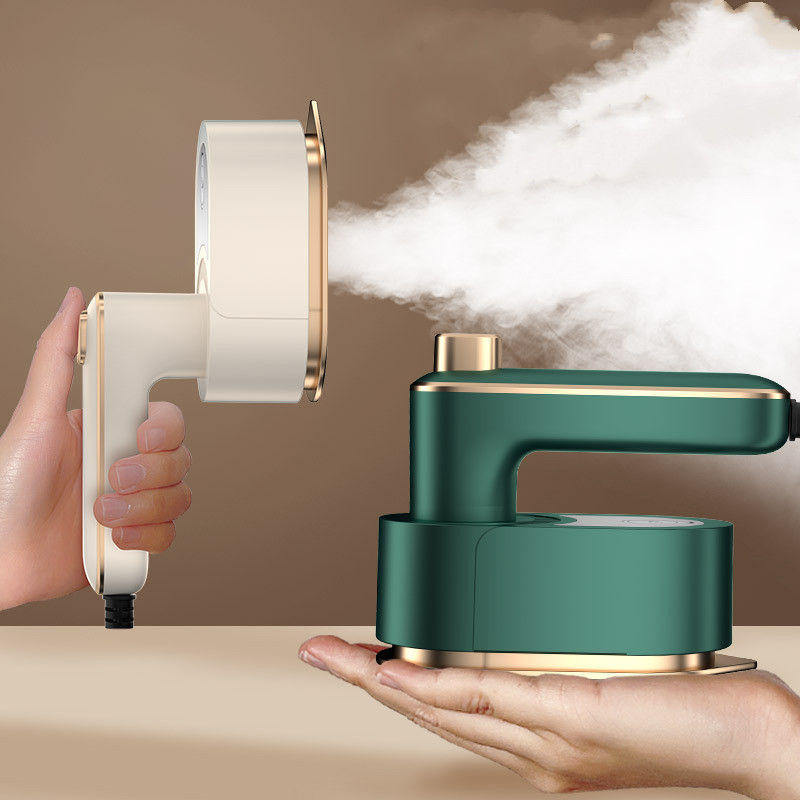 Folding Garment Steamer Handheld Portable$17.99View on Mallflare
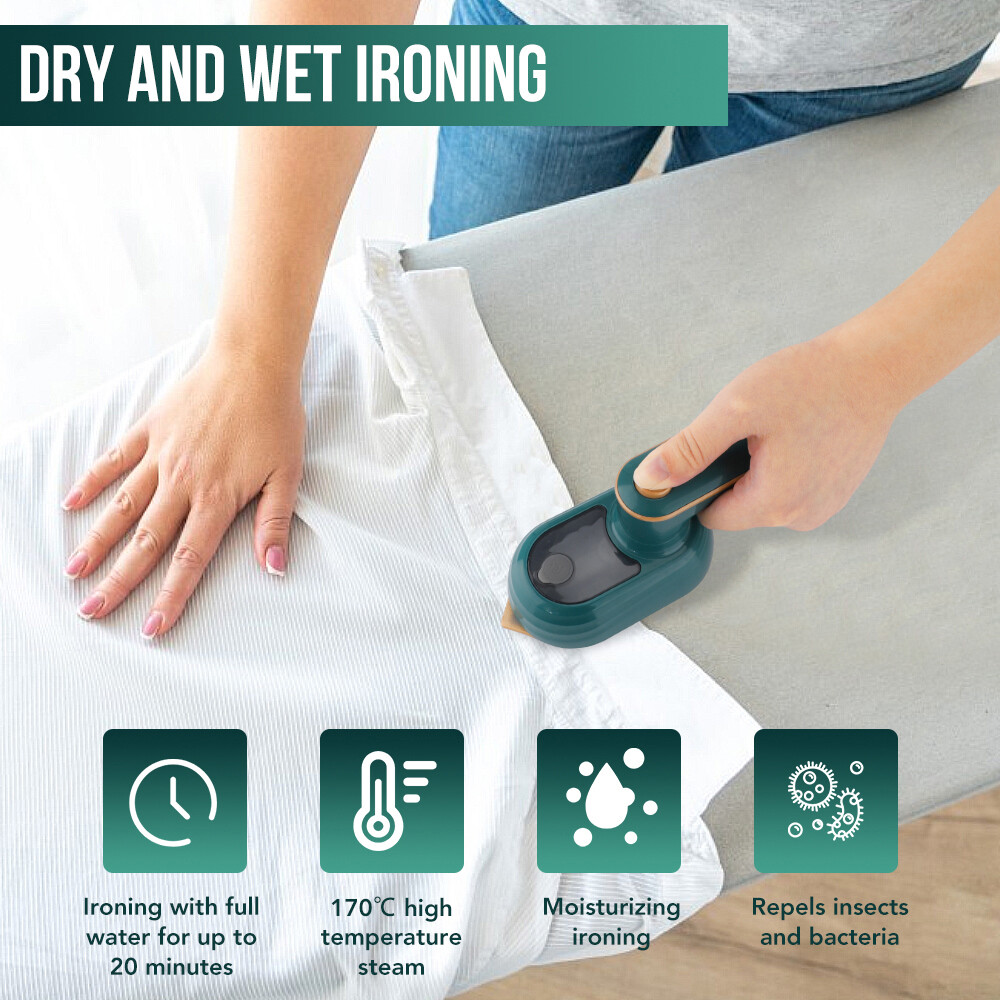 Micro Steam Iron Portable Handheld Mini Professional Steamer For Clothes Garment$9.75View on eBay
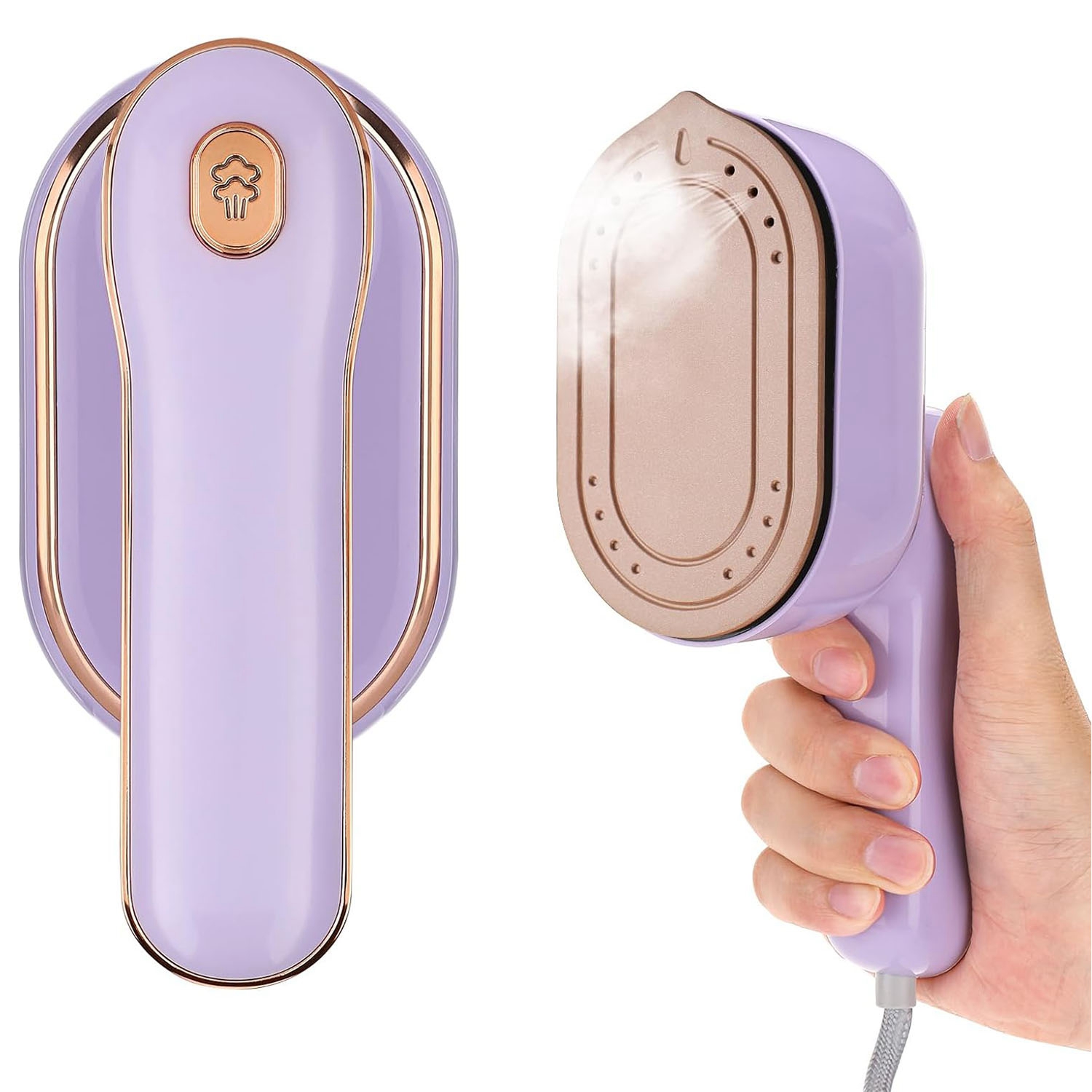 One Thousand W Portable Handheld Steamer For Hang Flat Ironing Travel Garment With 180 Degree Rotatable Handle 10S Fast Heating Clothing Wrinkles Remover For Home Office$40.99View on Mallflare
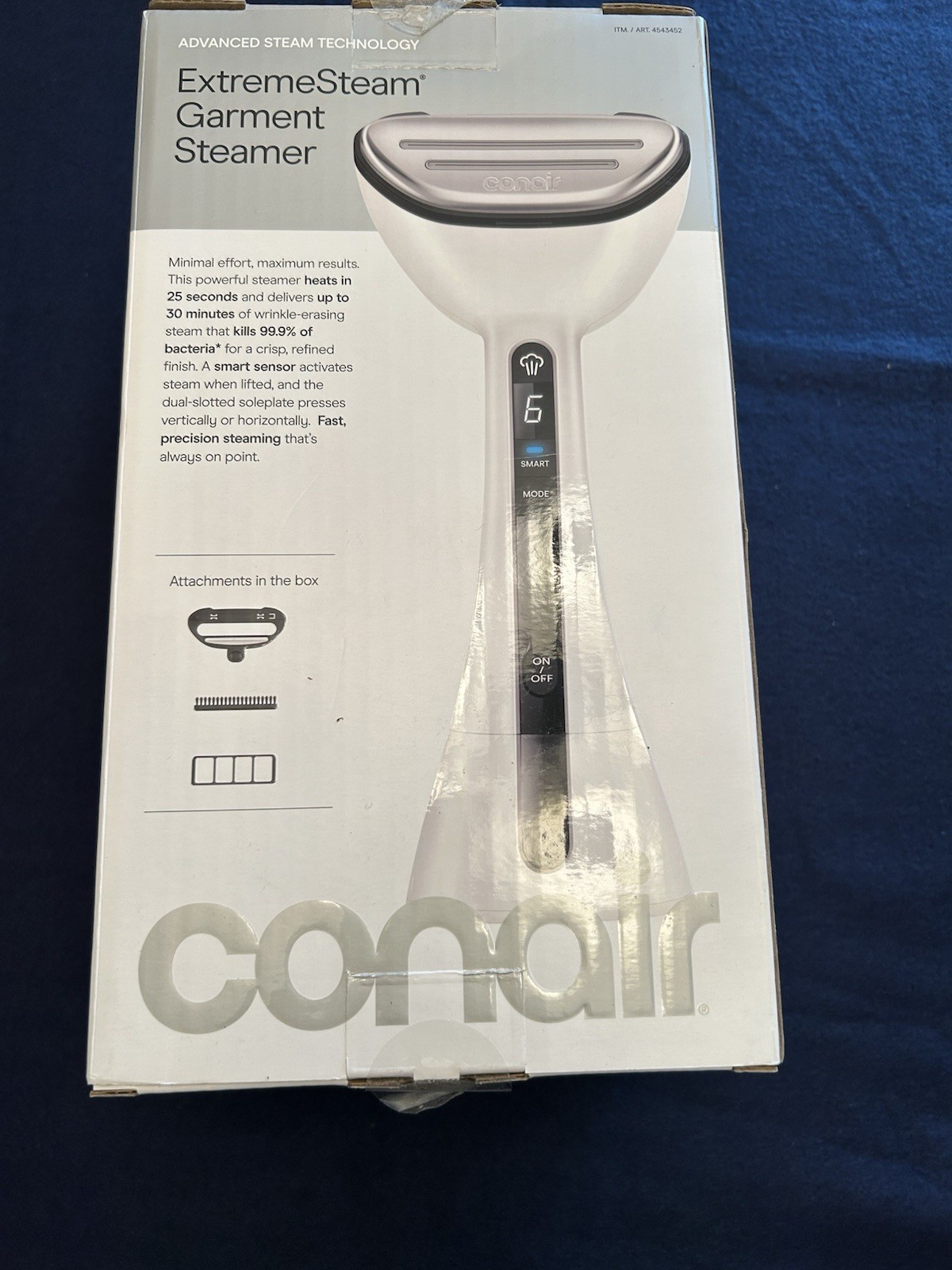 Conair ExtremeSteam Garment Steamer Handheld Fabric Iron Open Box$24.95View on eBay
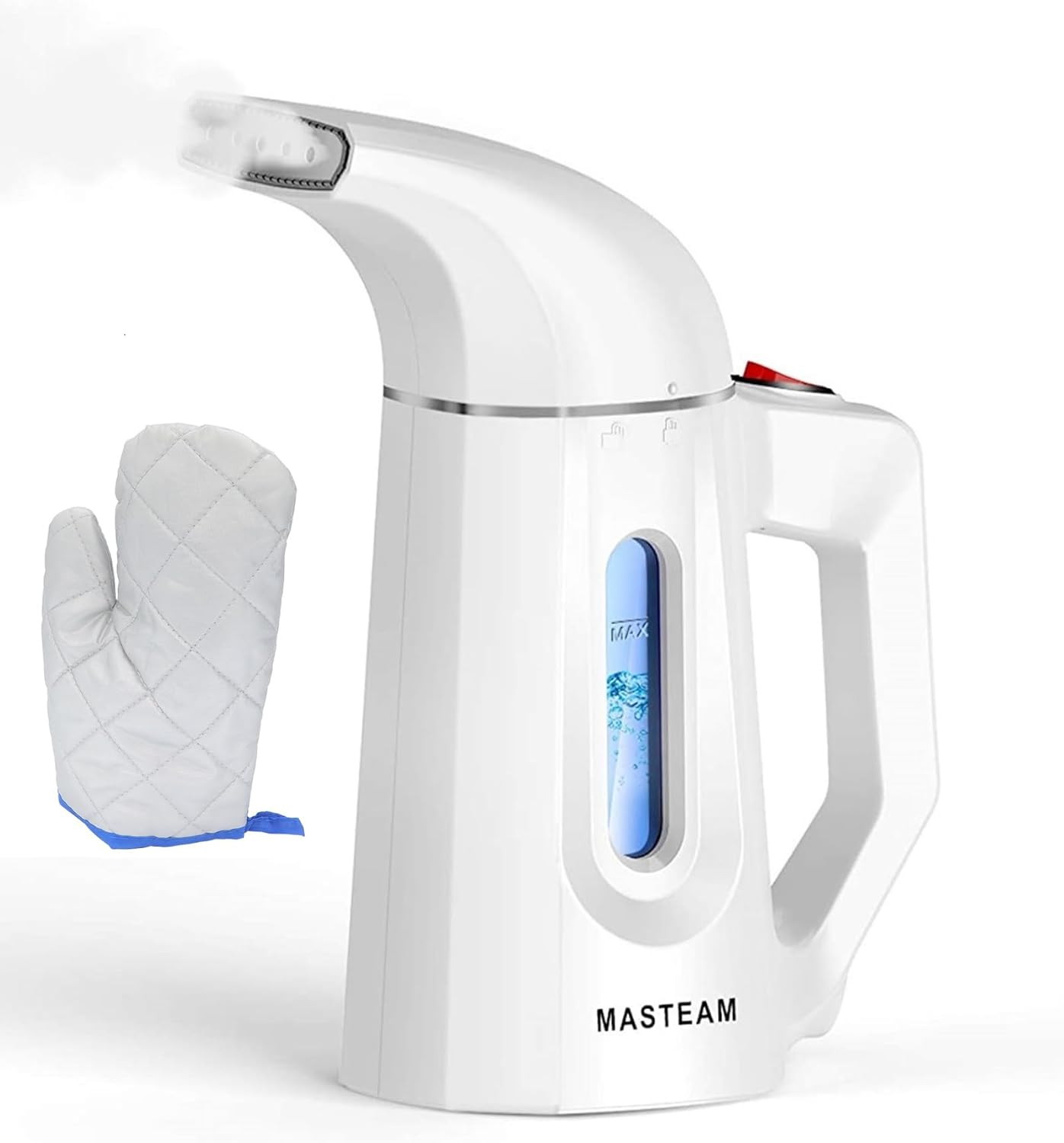 Handheld Steamer for Clothes Wrinkle Remove,Garment Steamer for Hat | 40S Fast$25.14View on eBay
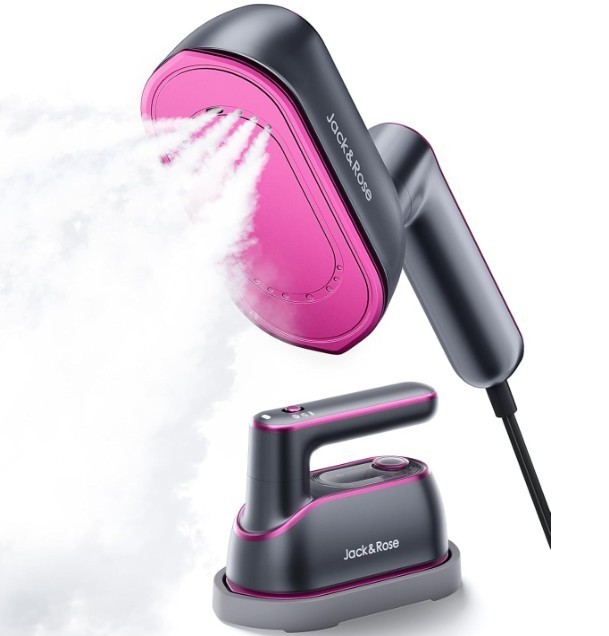 Jack & Rose Garment Steamer Portable Travel Iron Handheld Wrinkle Remover$25.99View on eBay
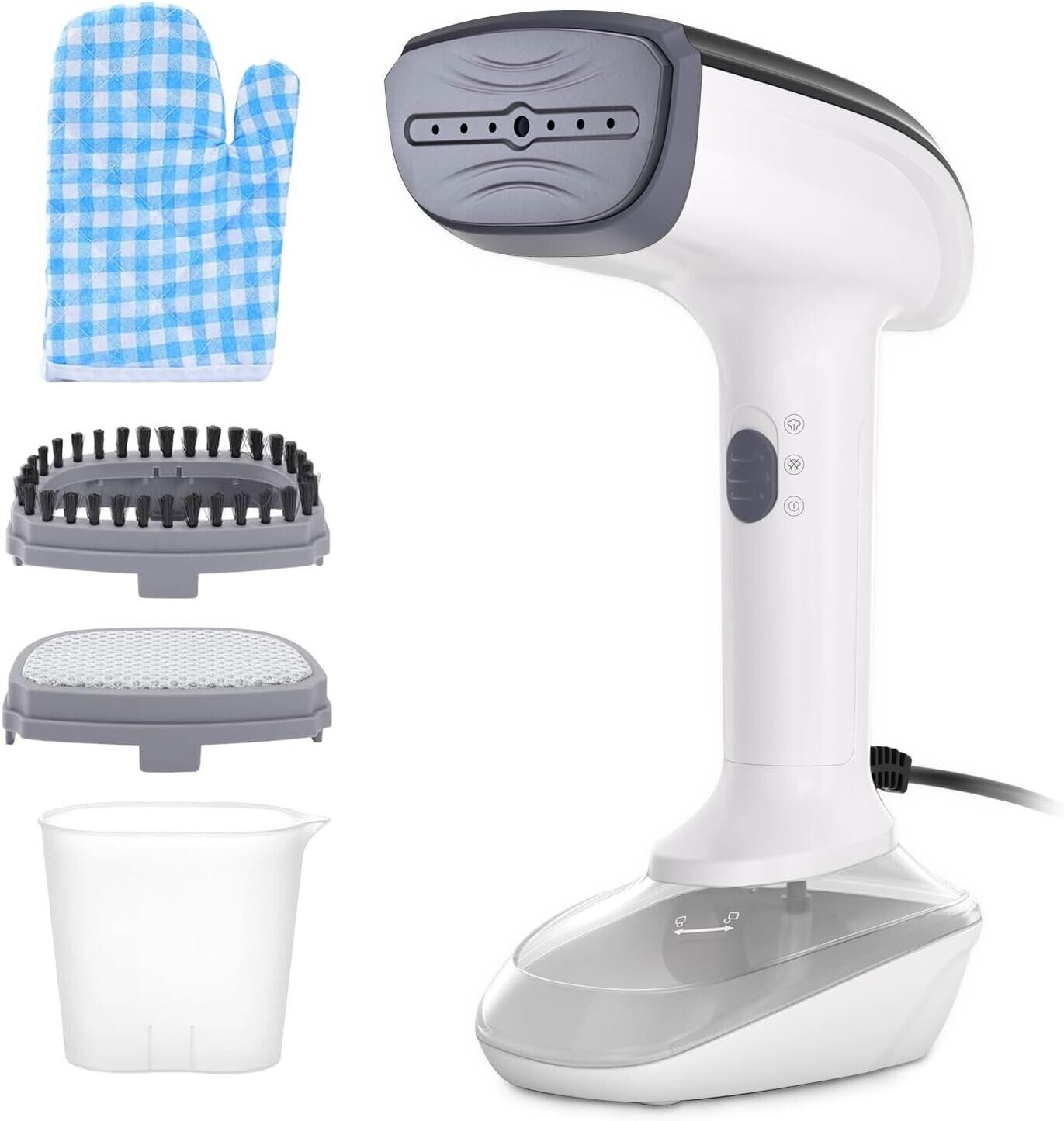 Powerful Garment Steamer for Clothes,1200W Portable Clothes Steamer Handheld$25.99View on eBay
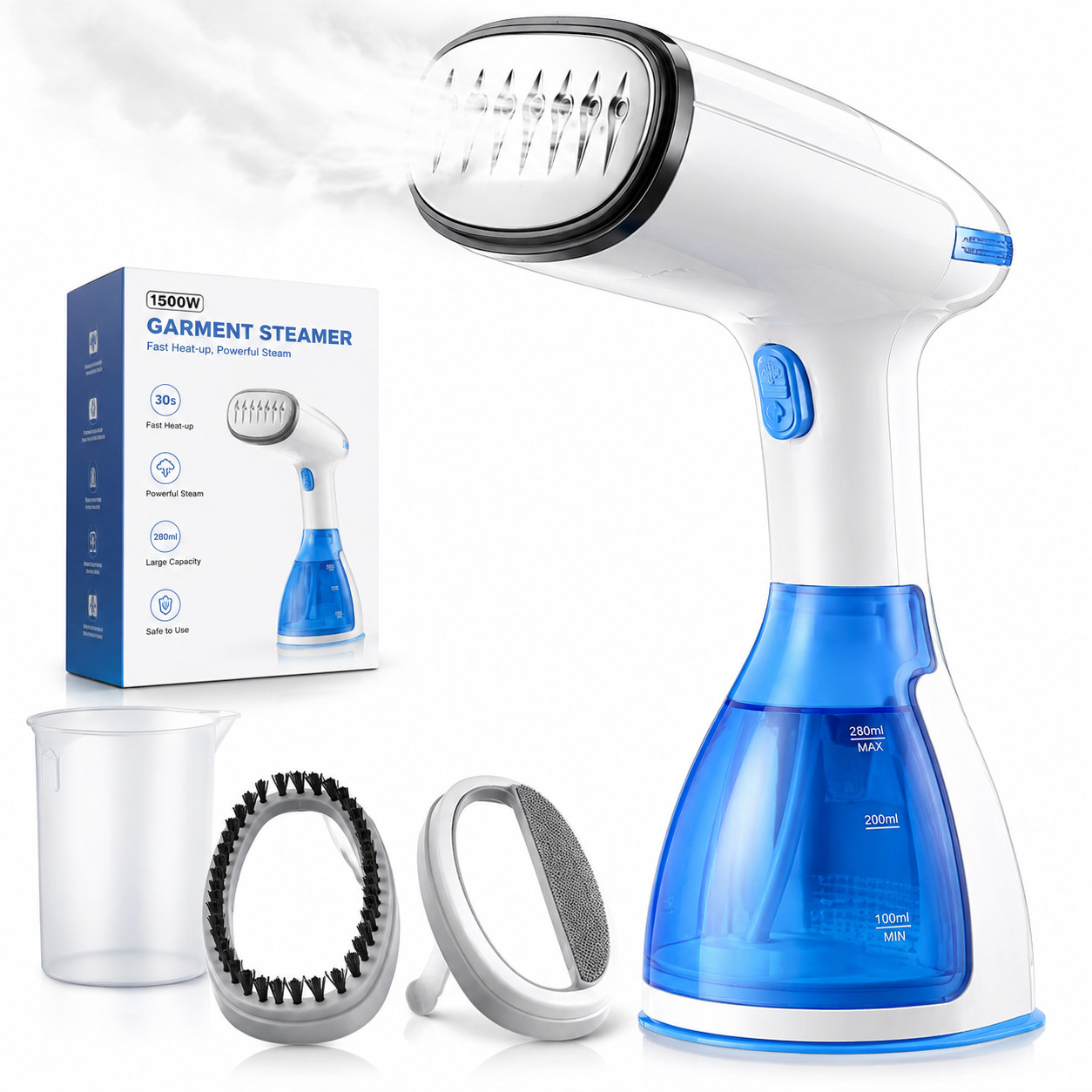 1500W Portable Garment Steamer for Clothes, 30s Heat-Up Handheld Fabric Wrinkle$27.99View on eBay
Highlights
- Wattage tiers separate real steamers: 1200W and up produces continuous wrinkle-relaxing steam, while sub-800W travel pens sputter and drip.
- Tank capacity drives session length: 240ml covers roughly 4–6 garments per fill; 100–150ml travel tanks need refilling every 1–2 pieces.
- Heat-up times range from about 15–25 seconds on modern 1500W+ units to 40–60 seconds on budget single-element models — expect the '40S fast' class in travel pens.
- Soleplate material matters: ceramic-coated or stainless faces glide over silk and knits; bare plastic nozzles snag and can scorch synthetics.
Best use cases
- Pick a 1500–1875W, 240–300ml tank model (Conair Turbo ExtremeSteam GS59Z class) for daily wardrobe touch-ups at home; skip travel pens that need refilling mid-shirt.
- Pick a folding or 100–150ml pen-style steamer for carry-on luggage and hotel rooms; skip full-size tanks that exceed airline liquid rules when filled.
- Pick a ceramic-soleplate steamer with a brush or crease attachment for delicates, curtains, and upholstery; skip bare-nozzle units if you steam silk or velvet regularly.
- Skip handhelds entirely for heavy bedding, pleated trousers, or starch-sharp creases — those need a full-size floor steamer or a traditional iron.
Buying tips
- Match wattage to workload: under 1000W for travel touch-ups, 1200–1500W for a few garments daily, 1800W+ for continuous household use.
- Size the tank to your routine: 240ml handles a full outfit set; below 150ml means refilling every garment, so keep a travel steamer as a secondary unit.
- Choose a unit with a removable or wide-mouth tank and a visible water window — refilling mid-session through a pinhole is the top complaint on cheap models.
- Confirm dual voltage (100–240V) for international travel; a US-plug-only 120V unit needs a converter abroad, not just a plug adapter.
Specs
| Power Tier | 1200–1875W continuous steam |
|---|---|
| Tank Capacity | 100–150ml travel / 240–300ml home |
| Heat-Up Time | 15–25 sec fast / 40–60 sec budget |
| Soleplate Material | Ceramic-coated or stainless steel |
Related searches
What to check before buying
- Measure hanging space: a steamer needs 12–18 inches of clearance above the garment on a door or hook, so confirm a hanging point near an outlet.
- Check your breaker and plug standard — 1800W units draw about 15A on 120V US circuits and should not share a strip with other high-draw appliances.
- Confirm fabric tolerance: test steam on an inside seam first for acetate, rayon, and waxed cotton, which can water-spot or shrink.
- Plan companion parts: a hanger clip, lint brush, and heat-resistant glove or crease attachment extend what a bare steamer can safely handle.
FAQ
Data sources: eBay / Amazon listings and product attribute feeds. Updated Nov 22, 2026.
Some links on this page are affiliate links. If you buy after clicking one, we may earn a commission at no extra cost to you. This does not change which products appear here or their order. Affiliate disclosure.